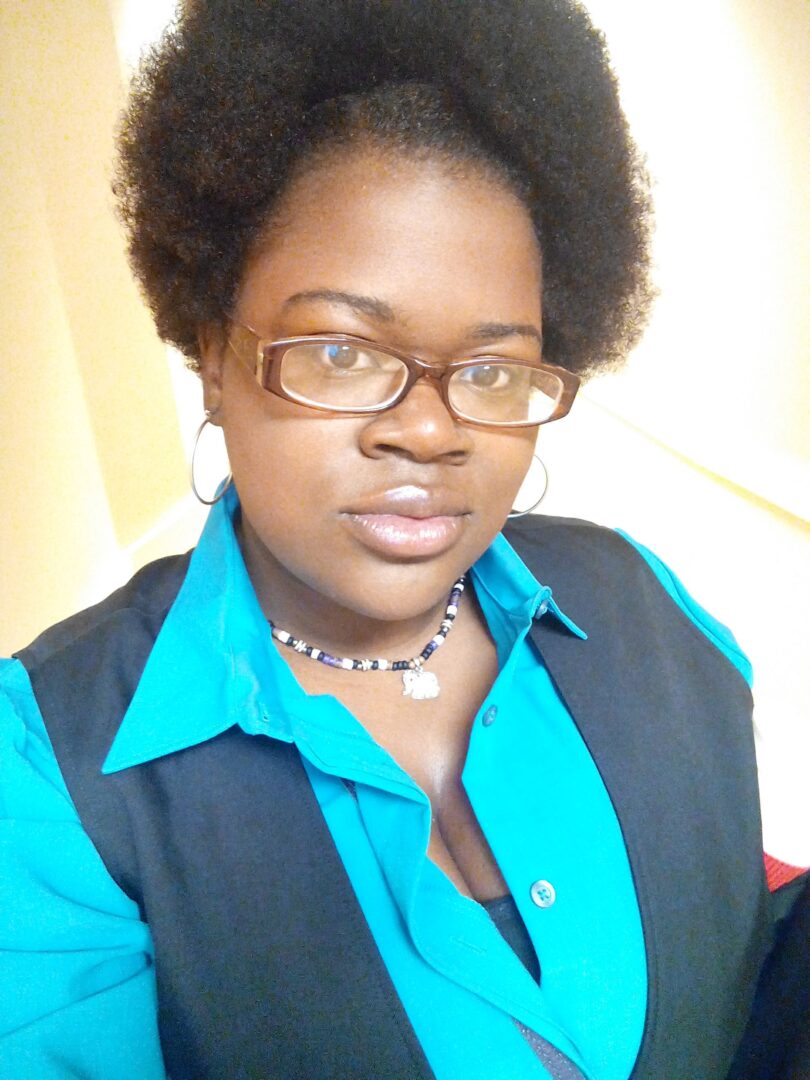
We recently connected with Alexius Evers and have shared our conversation below.
Hi Alexius, really happy you were able to join us today and we’re looking forward to sharing your story and insights with our readers. Let’s start with the heart of it all – purpose. How did you find your purpose?
There’s no roadmap to life—no alarm clock that tells you how, when, or why you’ll arrive at the place burning inside your heart. My journey began simply, with a pencil in hand. I’ve been drawing and creating since childhood—school projects, sketches for fun, anything that allowed my imagination to spill out.
As I grew older and became a mother of three, that creative spark found new meaning. Helping my children with their art projects reminded me how art has the power to heal, to reveal, and to connect. I realized that I wasn’t just guiding them through assignments—I was giving them a space to see themselves, to be heard, and to be seen without judgment. That realization shifted everything for me.
I’ve always wanted to help people find their inner strength. For years, I considered casework, social work, and even psychology. But I began to understand that art could be its own form of therapy—a universal language that helps people process emotions words can’t reach. Through art, I saw how children could resist the pressures of the world around them, discover who they are, and learn that their stories matter.
When people say “our children are our future,” I believe that truth runs both ways—we are also their present. We shape how they define love, courage, and empathy. But as adults, many of us are still healing, still learning to forgive ourselves and others. We can’t expect the next generation to be whole if we haven’t shown them what wholeness looks like.
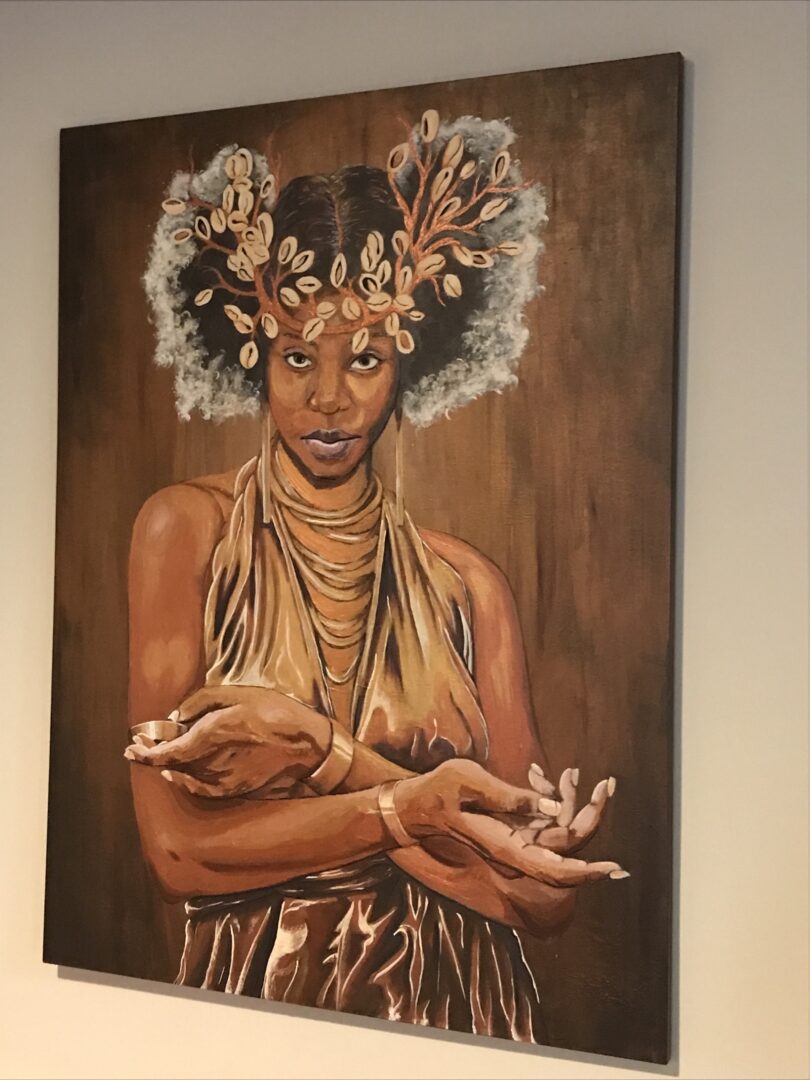
My artwork became a reflection of that understanding. I moved beyond drawing characters and surface imagery to painting moments of culture, strength, and reflection—pieces that honor my community, my faith, and the resilience of those around me. For that purpose, Reverb Art Outreach was born—a space where children can use art to explore their identity piece by piece, through words, actions, and creative self-reflection.
We live in a world where it’s easy to say, “If it doesn’t affect me, it doesn’t matter.” But imagine if we stopped minding our own business when it came to kindness, compassion, and justice. What if we all became the light someone else needed?
That’s my purpose—to use art as that light. To help children and communities remember who they are, who they can become, and how powerful it is to be seen.
Great, so let’s take a few minutes and cover your story. What should folks know about you and what you do?
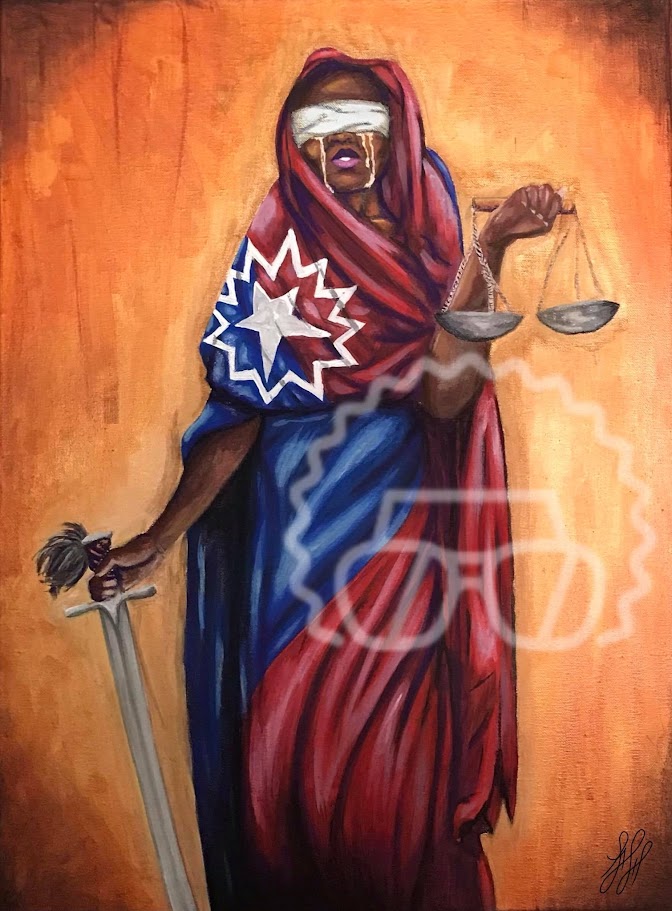
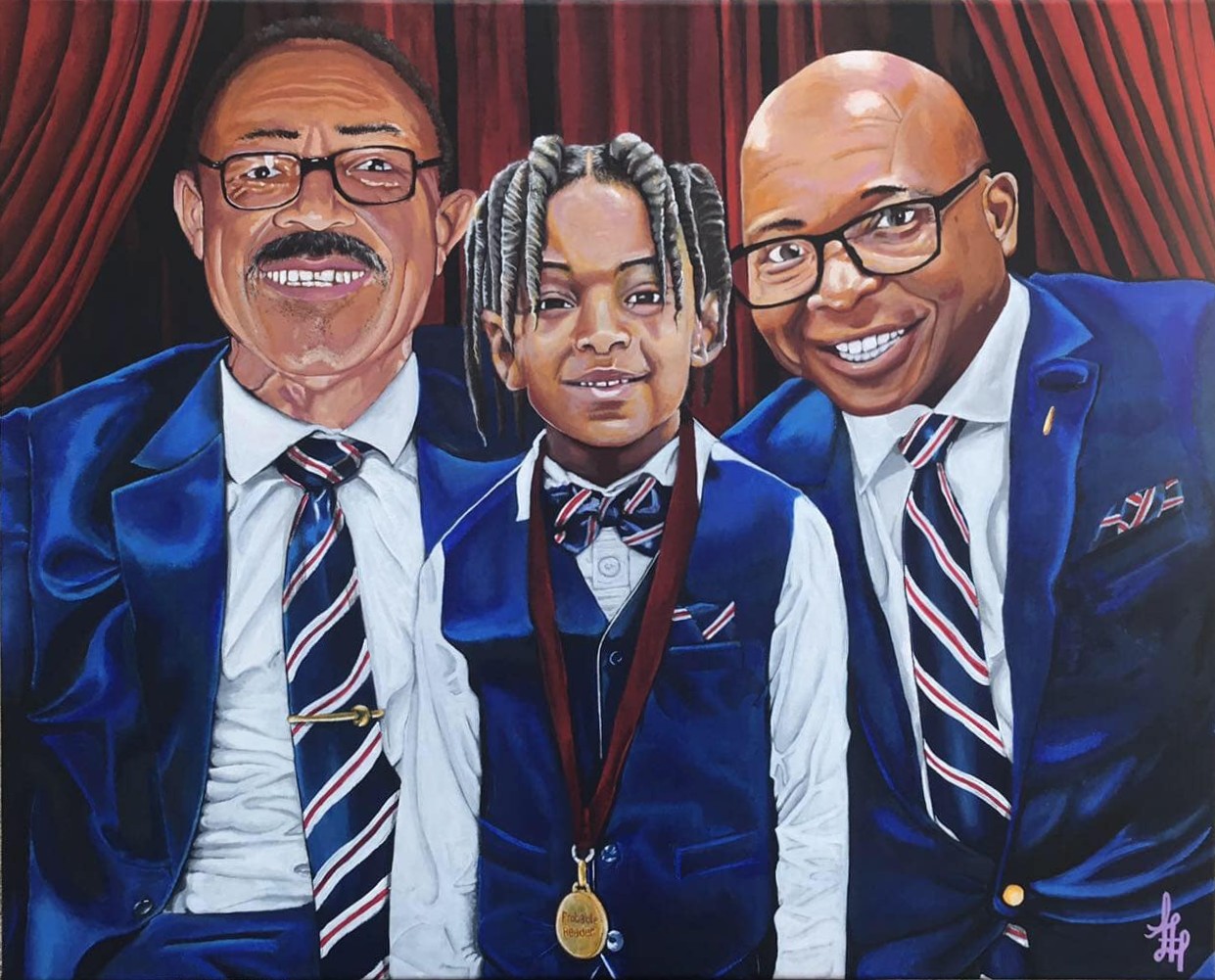
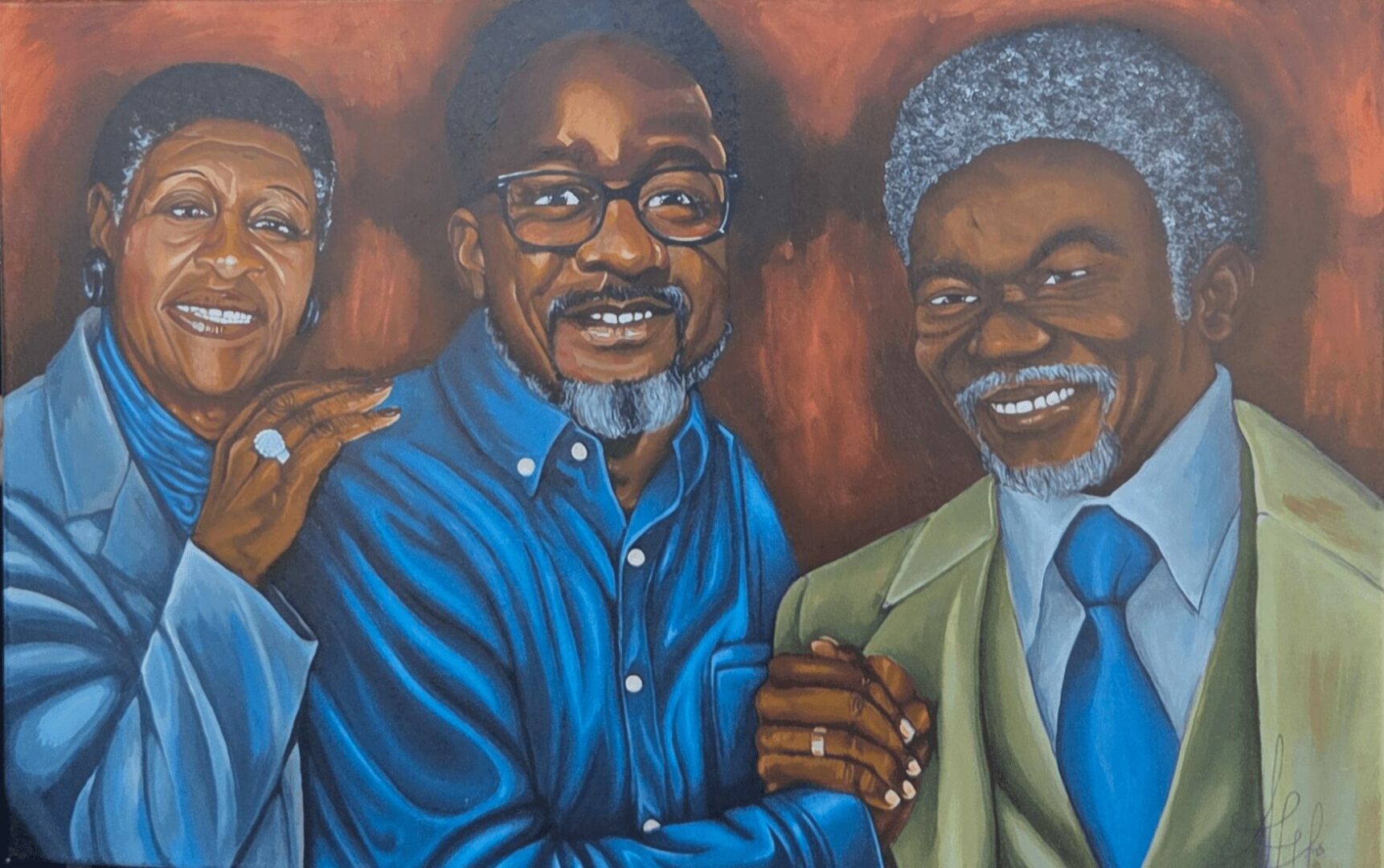
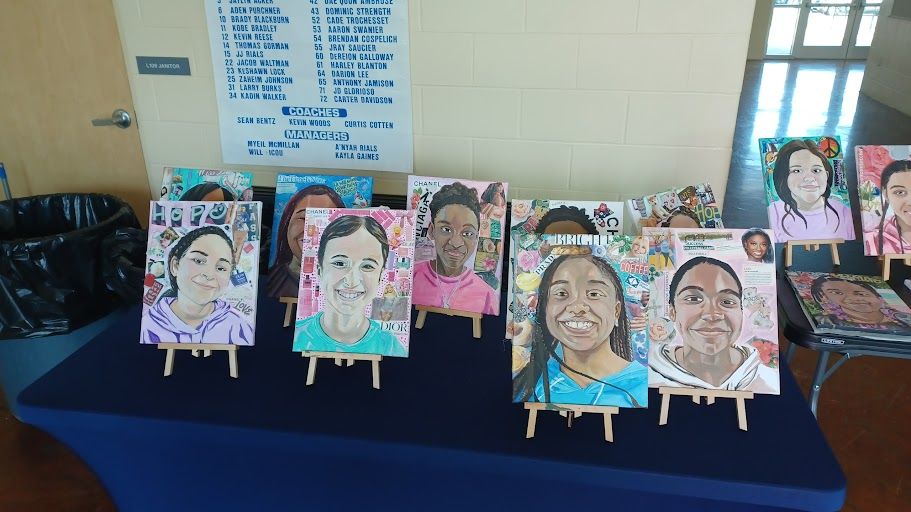
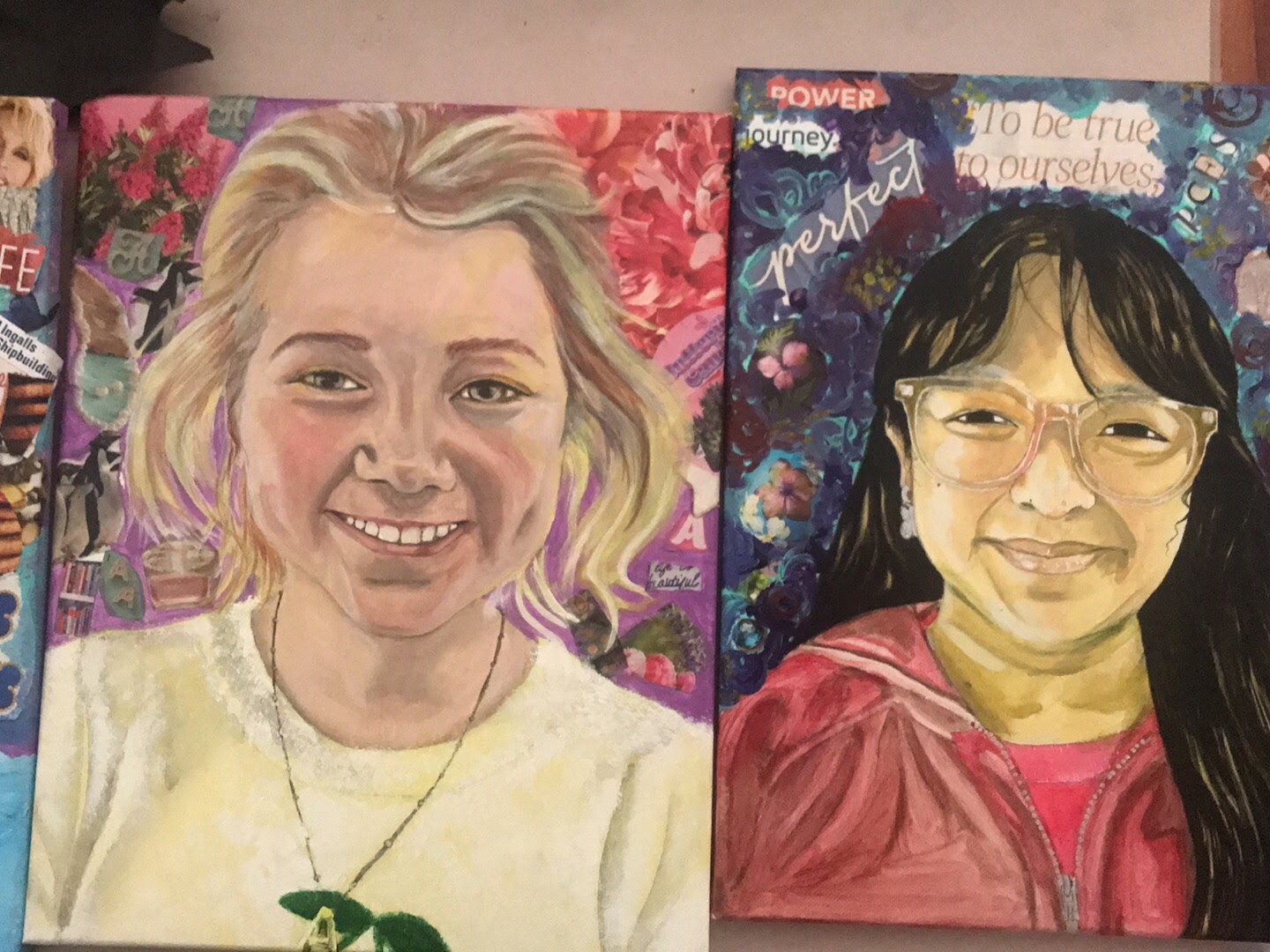
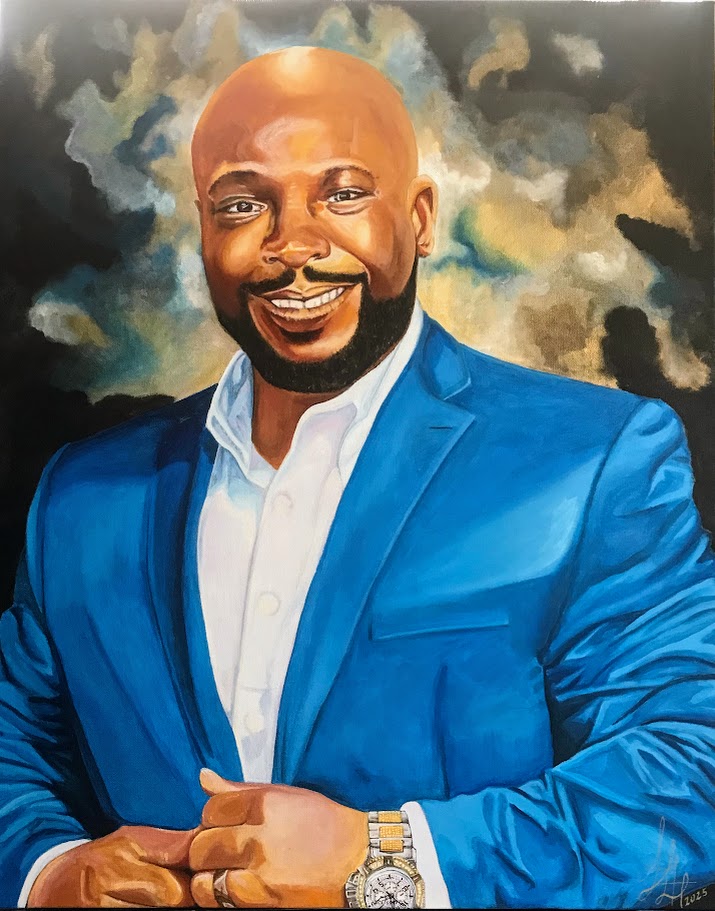
At my core, I’m a storyteller — I just happen to use paint, light, texture, and space instead of words. Through The Portrait Artist, LLC, I’ve spent the past decade transforming blank canvases into moments of connection — portraits that capture not just a likeness, but a life. My work focuses on humanity: the light that shapes us, the resilience that refines us, and the stories that too often go unheard.
Over the years, my art has grown from a personal craft into a calling. What began as creating portraits for families across the Gulf Coast became an avenue for healing, education, and empowerment. I realized my greatest fulfillment came not from simply finishing a piece, but from watching others — especially children — find pieces of themselves through art.
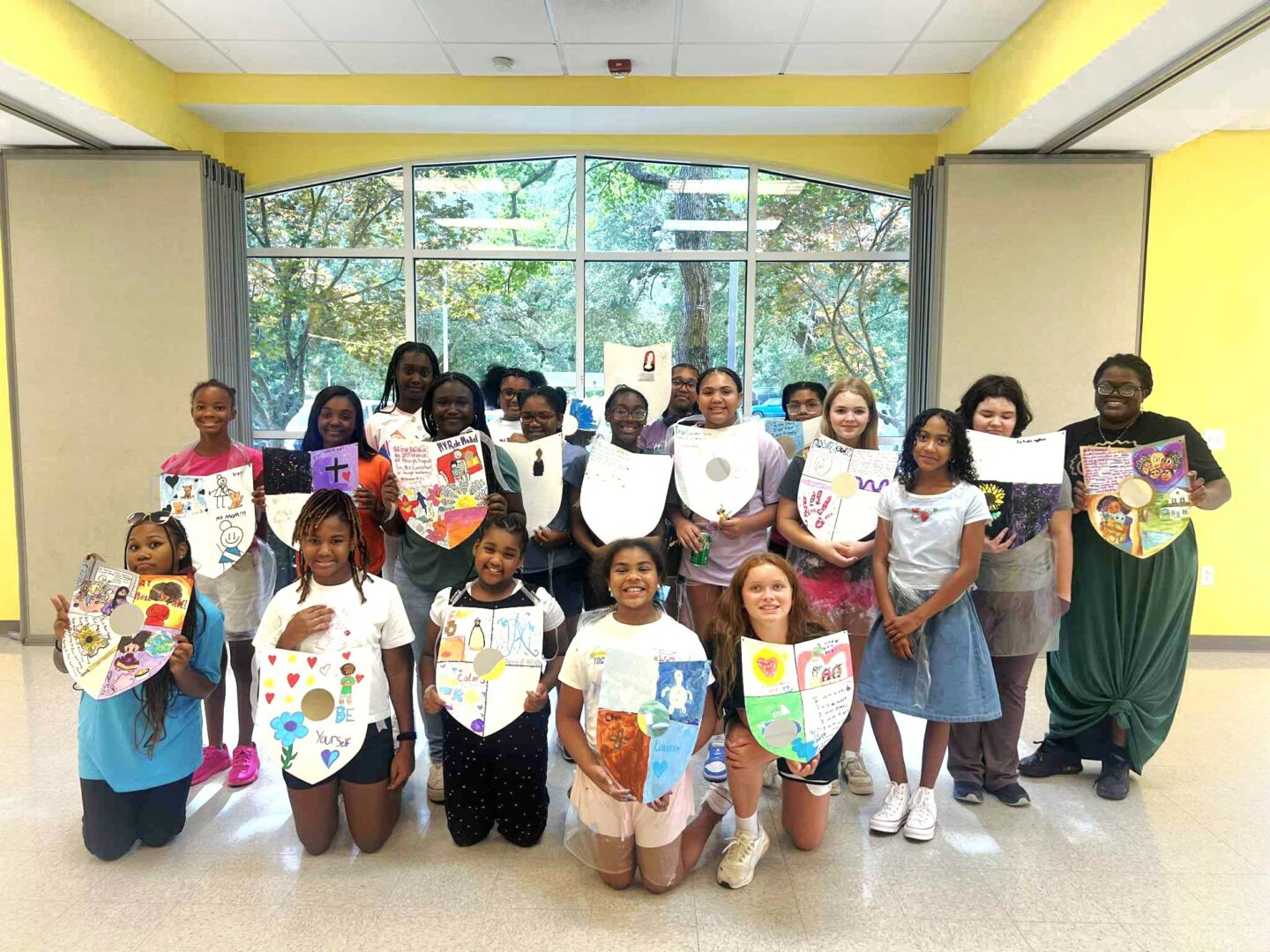
That’s what led me to establish Reverb Art Outreach, a youth-centered creative program designed to help students reconnect with identity, confidence, and purpose through art. I wanted to create a safe space where kids could not only paint but process; not just create, but communicate. Through hands-on workshops like “The DNA of Me,” “Seeing Me: Self-Portraits,” “Shields of Becoming,” and “Mapping the Future,” I guide students to explore who they are, where they come from, and who they hope to become. The art becomes a mirror — one that reflects their inner voice, their emotions, and their dreams.
Each session integrates art with other disciplines — history, literature, and emotional development — teaching young people to see how creativity connects to the world around them. I’ve seen students discover pride in their heritage, empathy for others, and the courage to share their stories out loud for the first time. That’s the true power of Reverb — it’s not just art education; it’s soul education.
Alongside my outreach work, I also lead Legacy Art & Design, which focuses on large-scale murals, scenic installations, and creative environments for schools, churches, and community spaces. Through Legacy, I aim to build immersive, uplifting visual experiences that inspire reflection and unity — from my recent “Under the Sea” library installation to stage designs that bring stories of faith and resilience to life.
Each branch of my work — whether it’s The Portrait Artist, Reverb, or Legacy — shares the same heartbeat: connection. I believe art is a bridge between people, generations, and emotions. It helps us understand one another when words fail and teaches us that creation and compassion are the same.
Looking ahead, I’m focused on expanding Reverb Art Outreach throughout Mississippi and beyond — building partnerships with schools, youth programs, and community organizations to integrate art-based SEL (Social Emotional Learning) into their curriculum. I’m also developing professional development workshops for teachers to experience the same creative self-reflection that I encourage in their students.
Art has always been more than a skill for me — it’s been a form of ministry, a means of communication, and a vehicle for change. I hope that through my work, both children and adults can rediscover what it means to see themselves clearly — not through the eyes of the world, but through the light of purpose, faith, and love.
If you had to pick three qualities that are most important to develop, which three would you say matter most?
I was born in Broward County, Florida, and went to a public Montessori school called Virginia Shuman Young. It was a place full of life — children of all backgrounds, beliefs, and stories, learning side by side. When my family moved to Mississippi, I was placed in a predominantly African American school that had a D average, far different from the A-average schools I came from. That shift opened my eyes in more ways than one.
I learned that not every environment is created equal — not in opportunity, not in expectation, and not in how you’re received. But instead of letting that break me, I learned to adapt. I found ways to connect. I was the girl who liked rock and hip-hop, country and jazz, Lizzie McGuire and That’s So Raven, Law & Order, and Taken (that old sci-fi series with Dakota Fanning). My tastes never fit into one box — and neither did I. I connected with people because I could understand them. Music, movies, energy, laughter, pain — I could find myself in all of it.
Empathy became my superpower. I could walk into a room and feel when someone’s spirit was heavy. I gravitated toward the quiet ones, the overlooked ones, the ones who just needed someone to sit beside them. That’s how I built friendships. That’s how I learned people — by listening, not labeling.
Over time, I came to understand that the most dangerous thing you can become is stagnant. Like still water that grows cloudy over time, a person who refuses to grow or see another perspective starts to decay inside. My refusal to be like stagnant water has kept me moving — learning, adapting, and flowing wherever life directs me. I’ve lived enough to know that we don’t get to choose every circumstance, but we do get to choose whether we stay still or find purpose within the chaos.
My motto has always been simple: people are people. No one is perfect. We grow and change, we love and lose, we fall and rise. We experience life — the good and the uncertain — and we all carry it differently. We make mistakes, sometimes out of pain or fear, sometimes out of survival. But I don’t believe in “bad” people.
In the beginning, God saw the light and called it good. And there was Darkness, then seperated from its opposite counterpart. But nowhere does it say the darkness was bad — it was simply the absence of light. That has always resonated with me. Darkness isn’t evil; it’s a space waiting for light. Even the stars, in their dying strength, still shine through the dark. Even the moon — cold and barren as it may seem — reflects what light remains.
That’s how I see people. Every one of us holds the capacity for light, no matter how dark our story might look from the outside. We are all in a process of becoming, reflecting, and being refined.
So if I could offer advice to anyone still finding their footing, it would be this:
Be empathetic. Be adaptable. And never let your heart or mind become stagnant.
Stay fluid. Flow around the obstacles. Learn people. Feel deeply. Because when you stop moving — when you stop seeing others — you stop growing. And growth, I believe, is the truest form of worship.
All the wisdom you’ve shared today is sincerely appreciated. Before we go, can you tell us about the main challenge you are currently facing?
My greatest challenge right now is balance — the balance between building, providing, and being present. I wear many hats: I’m a mother of three, a wife, an artist, a teacher, and a business owner. Each role has its own demands, and sometimes it feels like I’m trying to hold the paintbrush, the planner, and the overflowing laundry baskets all at once.
When I’m creating, I lose myself in it — completely. But as soon as the paint dries, real life calls: school drop-offs, dinner, bills, lesson plans, or preparing a proposal for the next outreach project. The challenge isn’t about not having enough time — it’s about learning how to honor my time, to give each part of my life the attention it deserves without losing myself in the process.
It’s also about boundaries. As a giver by nature, I’ve often donated time, artwork, and creative energy to projects because I believe in the cause or the people behind it. But when you constantly pour, you eventually run dry. I’m learning that even purpose-driven work needs structure. Reverb Art Outreach, for example, started as a way to give back — to offer kids the kind of safe, expressive outlet I wish I had growing up. But now, as it grows, I’m learning to treat it like the organization it’s becoming — with budgets, schedules, and sustainability in mind.
Financially, rebuilding after years of giving so much freely has been humbling. I used to struggle with the idea of putting a price on something that comes from the heart. But I’ve realized that valuing my work doesn’t make me selfish — it makes the work sustainable. Every hour I charge fairly means another hour I can give back in the right way, without burnout or resentment.
Spiritually, I lean on prayer and quiet reflection. Allowing myself to submit to the Holy Ghost and trusting in the mixing of colors and placement of brush strokes when I am filled with Him. My mother once told me that, “In art, there is no such thing as a mistake.” In that, there is trust in my abilities and even the times I accidently drip paint or my hand moves a little “too fast” for a line to appear I wasn’t intending to place. I remind myself that every phase of life has its own canvas, its own season. Sometimes the strokes feel messy, but every layer adds depth. The same way a painting takes shape — slow, uncertain, and full of corrections — so does my life.
To overcome this, I’ve been creating structure: clear hours for family, studio time, and outreach planning. I’m learning to delegate where I can and to rest without guilt. Rest is part of the work. Balance isn’t a destination — it’s a rhythm, and I’m still learning the steps.
At the end of the day, my goal isn’t perfection — it’s peace. And peace comes from knowing that even when things feel heavy, I’m still aligned with my purpose.
Contact Info:
- Website: th3portraitartist.com