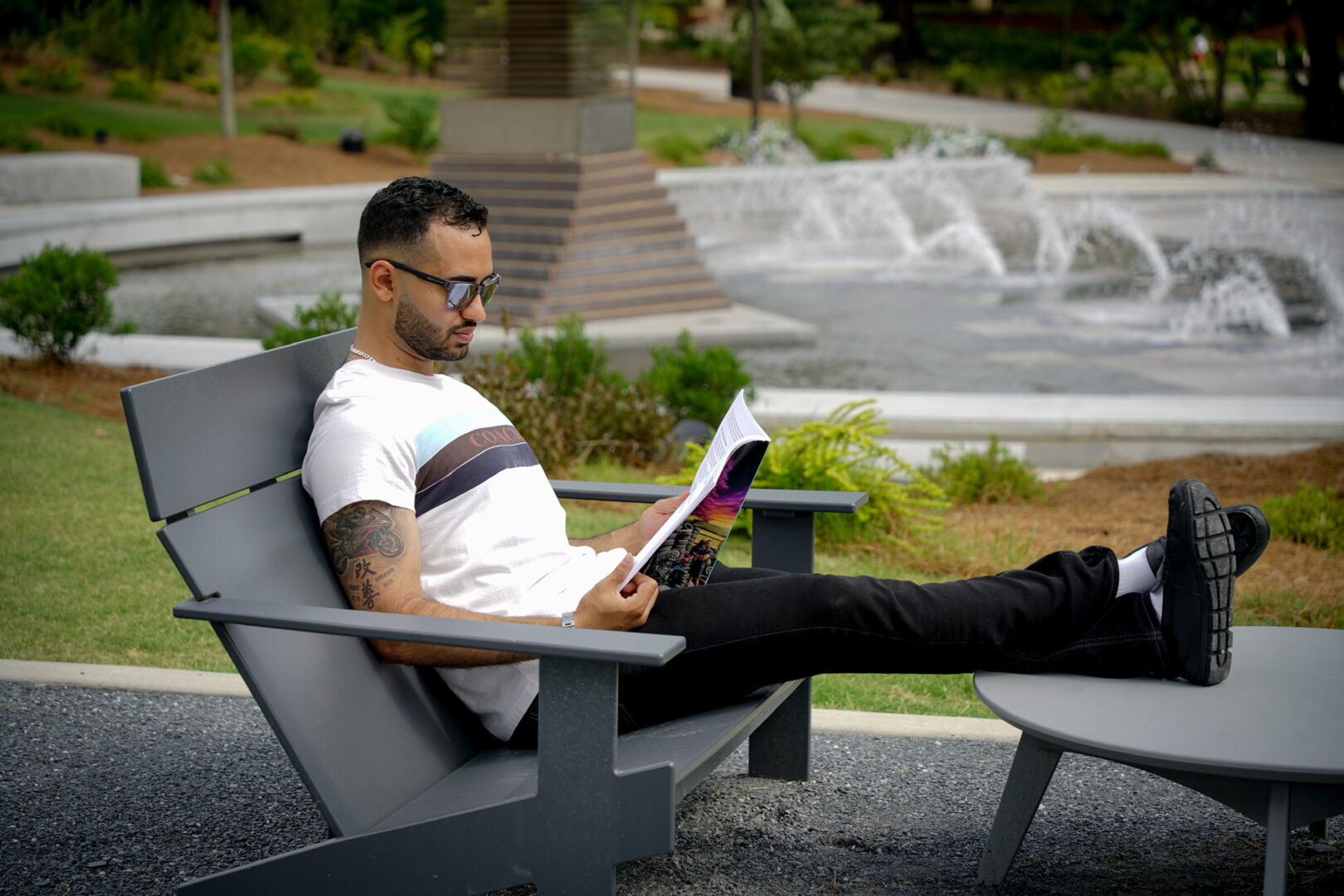
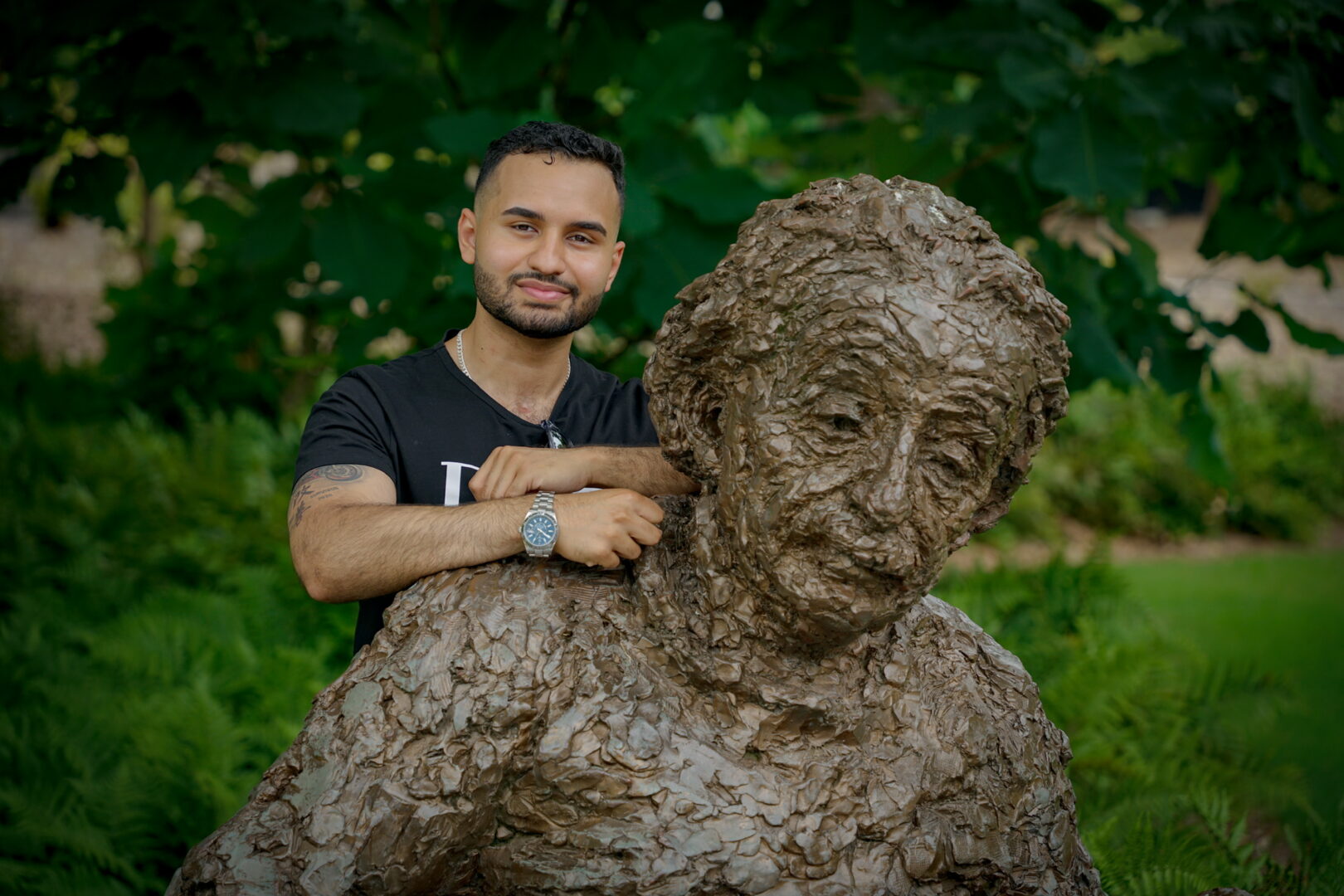
We recently connected with Ali Mehreganfar and have shared our conversation below.
Ali, we’re thrilled to have you on our platform and we think there is so much folks can learn from you and your story. Something that matters deeply to us is living a life and leading a career filled with purpose and so let’s start by chatting about how you found your purpose.
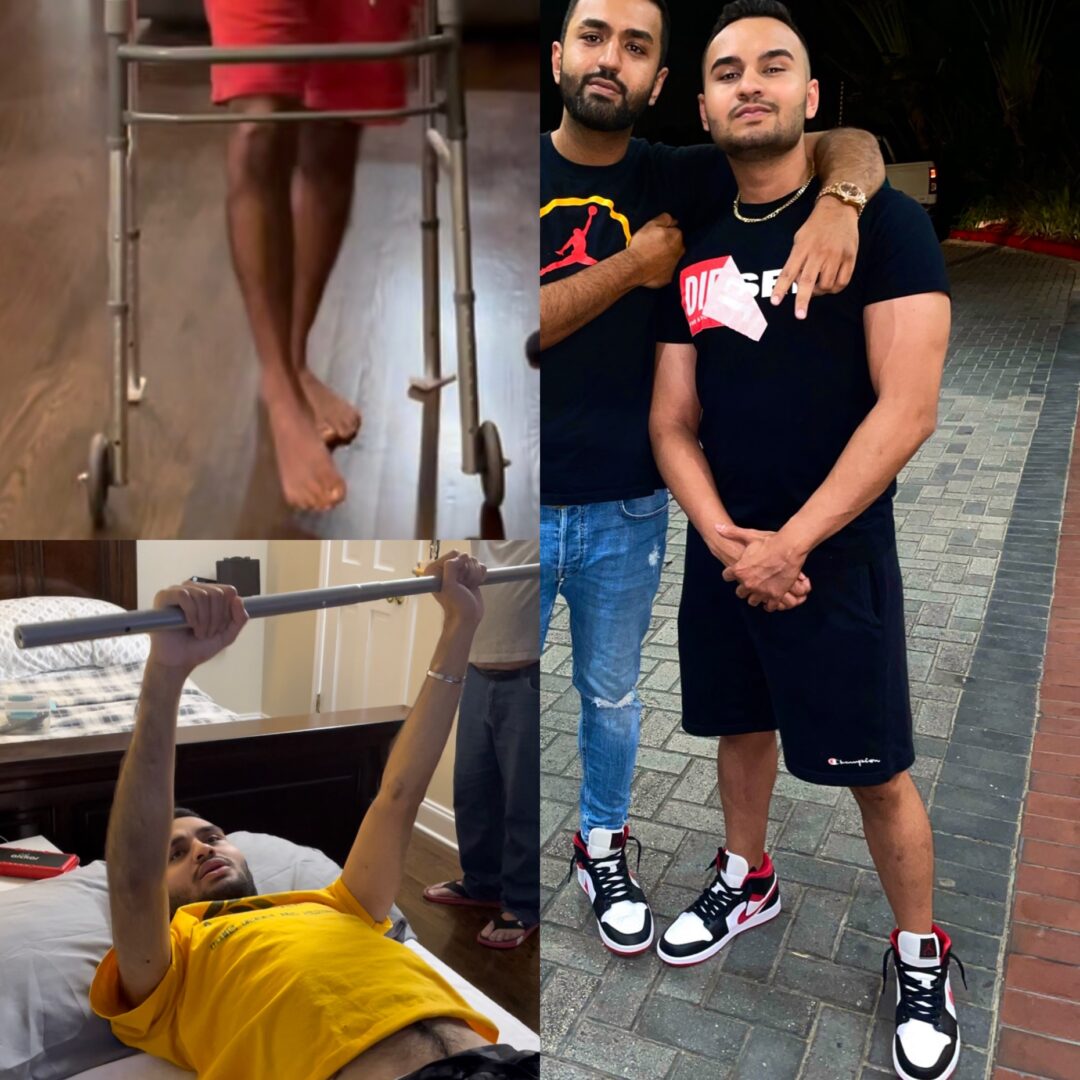
It is really good question to ask, basically I want people not to give up no matter what is the reason. Let me paint you a picture, I graduated top to in my magnet program and I receive an award in in the research team, a place number one. I was studying at Georgia Tech, which is a little bit hard to school to get into while I was tutoring math and SAT and I was working at Costco and how did I find the time for motorcycling I don’t know. As my journal would say “ life on earth is truly heaven, and nobody could convince me otherwise” by me. I had everything, good job and good school and I enjoyed every moment of it. But it all crashed down on me. I was face with a traumatic brain injury due to motorcycle accident and I spend one month coma and suffered three strokes. And my brain was so damage I could not speak. and walk. The doctors kept on telling me while I was in coma they said you should give up and they tried to pull the plug on me which my family refused. After waking up, I did not know anything it is exactly like I was an infant. And it was during corona time and my condition was so bad they didn’t want to get any visitors. And imagine two months with no visitors I completely forgot my family but it came back thankfully. After I got home, I was so weak beyond Collapsed. But I never get up no matter how hard I want it to. It started at being in a wheelchair to running 7 mile per hour. It took a long time for I did it about four years ago. More of this story is never surrender keep pushing through. A famous quotes goes like this shoot for the moon and if you don’t make at least you will be a star!
Appreciate the insights and wisdom. Before we dig deeper and ask you about the skills that matter and more, maybe you can tell our readers about yourself?
Spreading the word about my work and vision
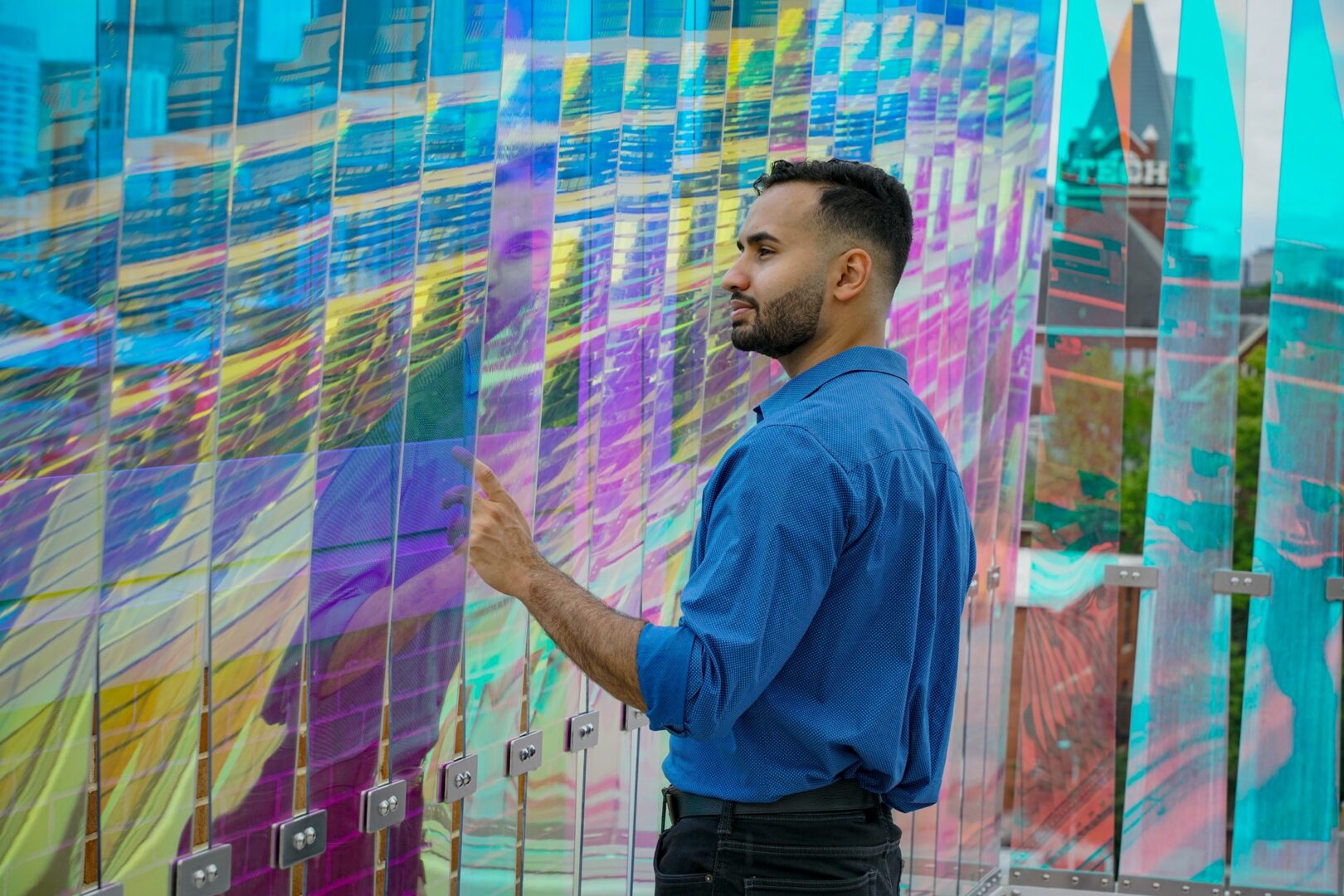
As a stroke survivor and motivational speaker, my work centers on empowering others to embrace their journeys and discover their full potential. My brand is built on resilience, determination, and hope.
I co-authored Stroke 101: A Comprehensive Guide to Recovery and Empowerment, which is more than a book—it’s a lifeline for stroke survivors and their families. The insights shared are drawn from personal experience and extensive research, offering practical guidance and inspiration. Beyond the book, I’ve also taken to public speaking to connect with and motivate a wider audience.
What excites me the most right now are the two upcoming events where I’ll be presenting. First is Experiencing Aphasia: The Journey from Silence to Empowerment, which I’ll co-host on March 1, 2025, at the Stroke and Health Initiative. This presentation delves into overcoming communication barriers and finding strength after a stroke.
I’m also looking forward to a more intimate session featuring strategies from my recovery journey and highlighting key lessons from Stroke 101. This event will offer a firsthand look at how grit, hope, and the right information can transform lives.
Looking ahead, my focus is on expanding my reach—connecting with organizations, launching new resources, and creating an online platform dedicated to stroke recovery and empowerment. My mission is to ensure every survivor has access to the tools they need to rebuild and thrive.
There is so much advice out there about all the different skills and qualities folks need to develop in order to succeed in today’s highly competitive environment and often it can feel overwhelming. So, if we had to break it down to just the three that matter most, which three skills or qualities would you focus on?
Looking back on my journey, I’ve realized three critical qualities that were most impactful in my recovery and personal growth:
Action and Persistence
After my stroke, I learned the hard way that recovery demands action. For the first four months, I made little progress because I wasn’t actively working toward improvement. Recovery is slow, but every small step counts. If you sit idle, you’re essentially giving up on yourself. My advice is to focus on a specific area you want to improve. For instance, I spent an hour daily focusing on my affected hand—brushing my teeth, turning lights on and off, opening doorknobs. These “silly” tasks, done consistently, paved the way for long-term progress.
Adaptability
Life doesn’t always unfold as planned, and being adaptable is crucial. When faced with challenges or a lack of progress, I constantly ask myself, What’s another way to achieve the same result? This mindset has helped me navigate obstacles, find creative solutions, and keep moving forward when traditional methods didn’t work. Flexibility and resilience go hand in hand when it comes to building a new normal.
Focus and Positive Self-Affirmation
Stroke recovery brought massive challenges with focus, but I learned that mindset plays a vital role. Believing in myself—telling myself I’m smart, capable, and focused—eventually transformed into reality. Once I aligned my actions with these affirmations, I started seeing results. My advice? Stay laser-focused on your goals, no matter how small they might seem. Break them down into manageable steps and celebrate every win.
To those starting their journey, remember: take action, stay adaptable, and believe in your ability to succeed. With time and effort, you’ll be amazed at what you can achieve.
Is there a particular challenge you are currently facing?
The number one challenge and how I’m overcoming it without question, the greatest challenge I’ve faced is surviving and recovering from a stroke. Everything else in my life—migration to a new country, learning a new language, and overcoming loneliness as a child—pales in comparison. A stroke hits hard, much like a heart attack, and it’s devastating to know it’s one of the top five causes of death in the United States.
For me, the aftermath was overwhelming: a traumatic brain injury, a month-long coma, three strokes, aphasia, paralysis on my right side, and even forgetting my own name for a while. I wouldn’t wish this on anyone. The road to recovery has been long and grueling, but the key has been refusing to give up and maintaining a positive attitude.
As my four-year stroke anniversary approaches, I reflect on how far I’ve come. Some say, “You’re doing an amazing job,” while others ask, “What’s taking so long?” I’ve learned to block out negativity and focus on what’s best for me. Family support and positive feedback have been my fuel for progress. Surrounding myself with uplifting people has made a huge difference. Negative influences only hold you back, so I’ve chosen to stick with those who inspire and motivate me to keep moving forward.
The journey isn’t easy, but with the right mindset, determination, and support, progress is always possible.
Contact Info:
- Website: https://linktr.ee/My_stroke_life?utm_source=linktree_profile_share<sid=6454d737-f073-4c25-817a-02f4ea126c6a
- Instagram: Mystrokelife1 and aliiimg
- Youtube: Alimehreganfar
- Other: TikTok mystrokelife1
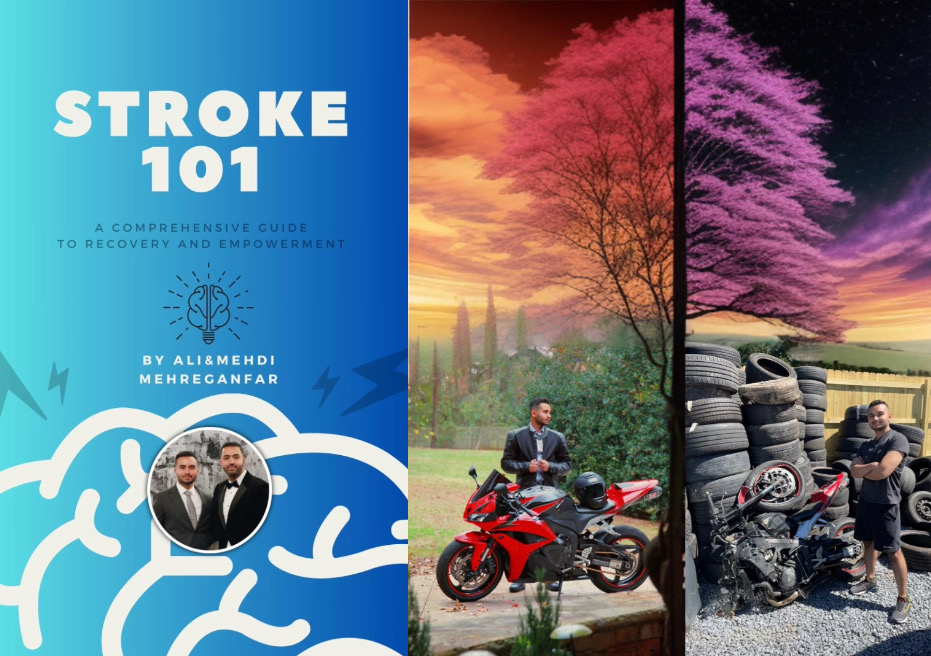
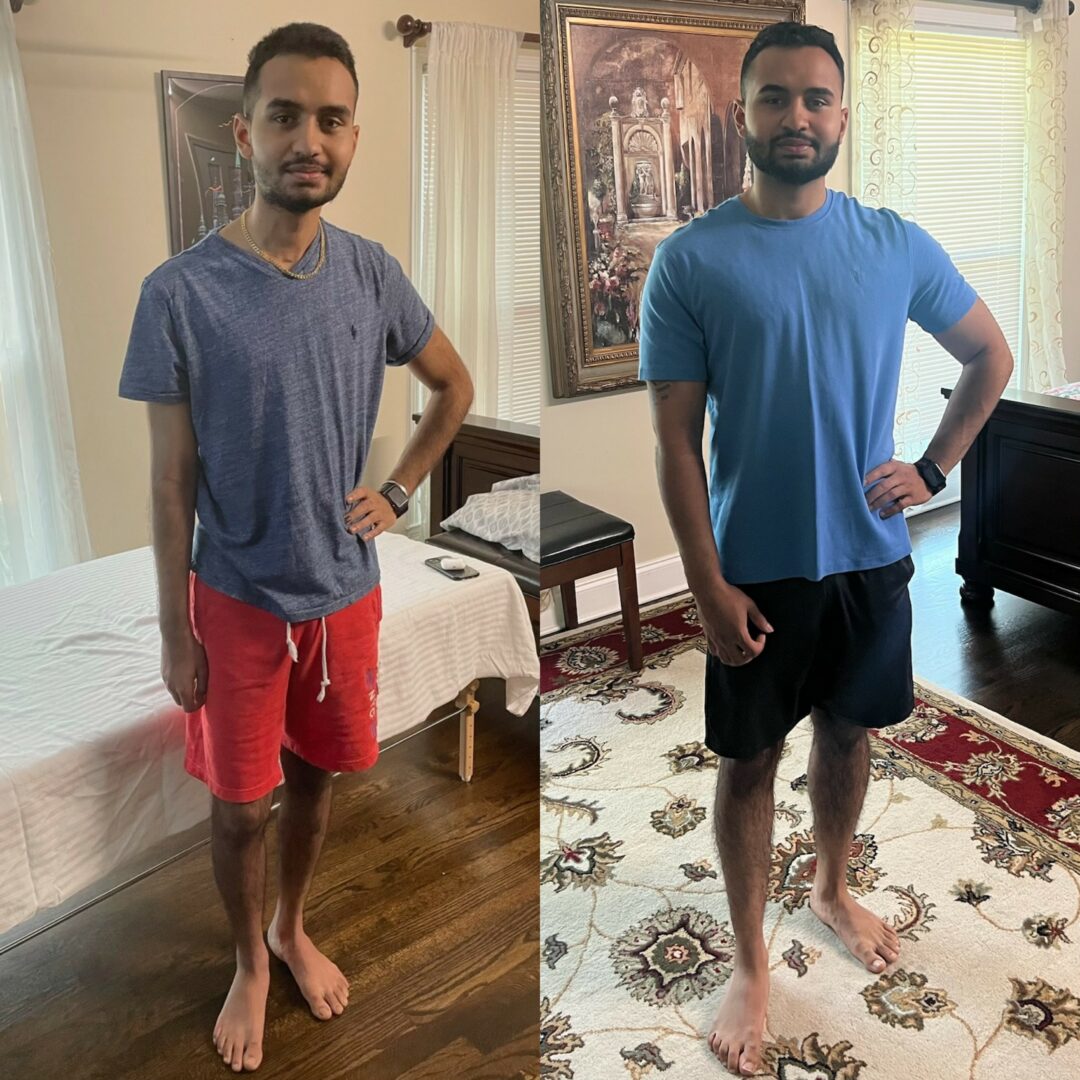
Image Credits
Rez Ast
IG: rezast.photo
so if you or someone you know deserves recognition please let us know here.