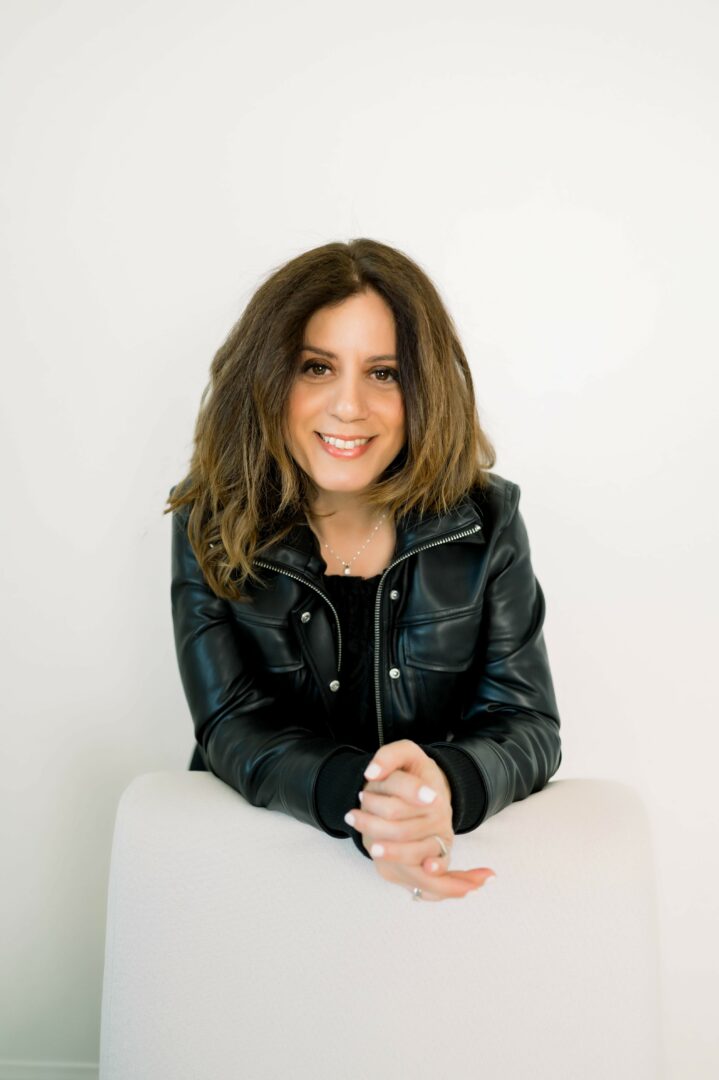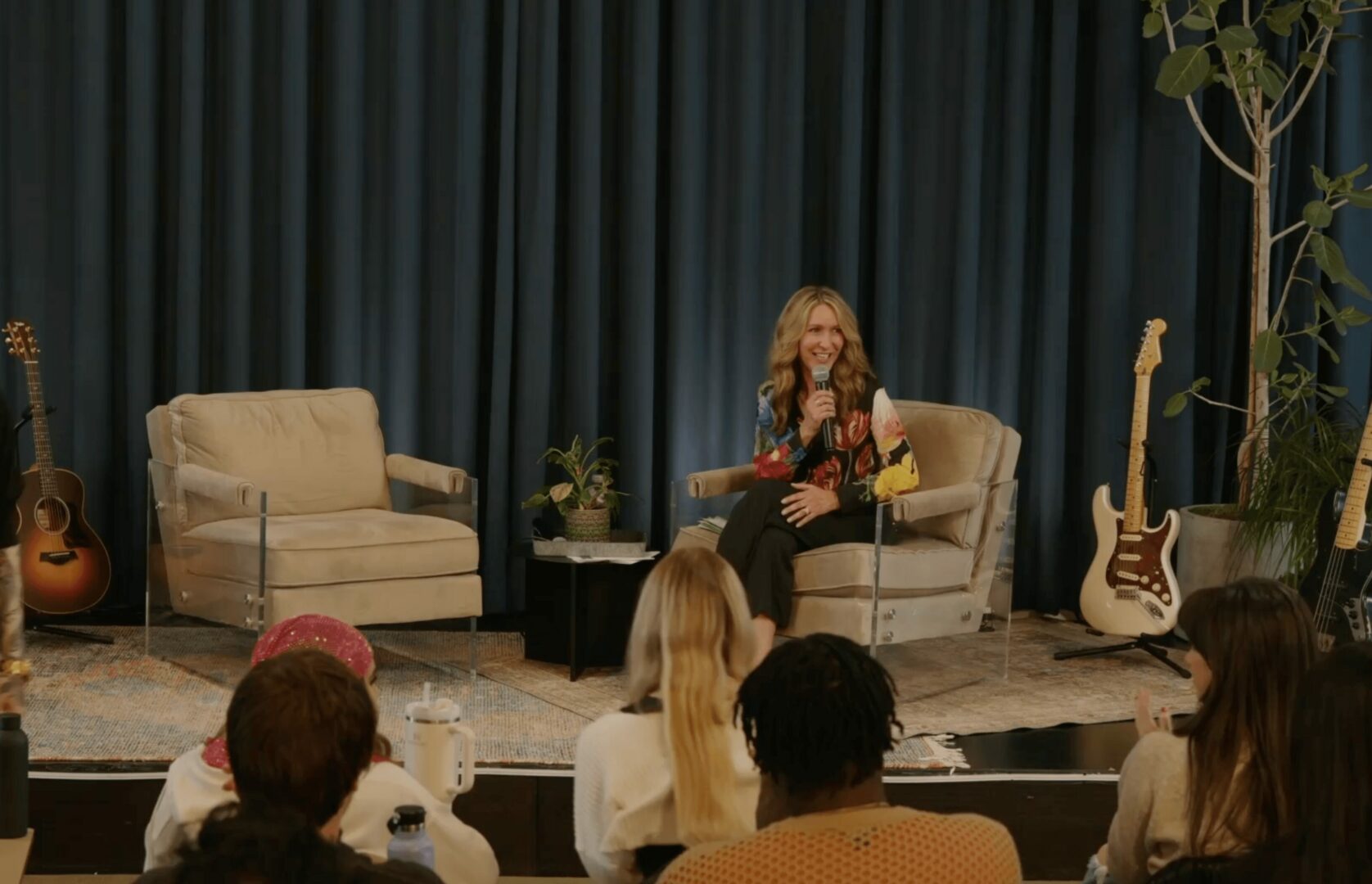
We recently connected with Alison Deyette and have shared our conversation below.
Alison, so great to have you with us and we want to jump right into a really important question. In recent years, it’s become so clear that we’re living through a time where so many folks are lacking self-confidence and self-esteem. So, we’d love to hear about your journey and how you developed your self-confidence and self-esteem.
Confidence didn’t arrive like a lightning bolt—it showed up gradually and continuously the more work I did and the more I realized my voice mattered and I was good at what I delivered. I built it through doing—writing articles that got published, producing shoots on location in far-flung places, stepping in front of the camera and thinking, “I got this.” I pushed past that inner critic whispering, “Who do you think you are?” every time.
My self-esteem didn’t come from being the loudest voice in the room. It came from knowing I’d prepared, worked hard, and brought value—whether I was interviewing a celebrity, directing a fashion spread, or helping a client nail their elevator pitch. It came from surrounding myself with good people (the kind who root for you when you win and hold you up when you wobble), and from learning that confidence isn’t about being perfect—it’s about being ready, being real, and being resilient.
Also, it helps to have a great dress, a sharp script, and a snack in your bag.
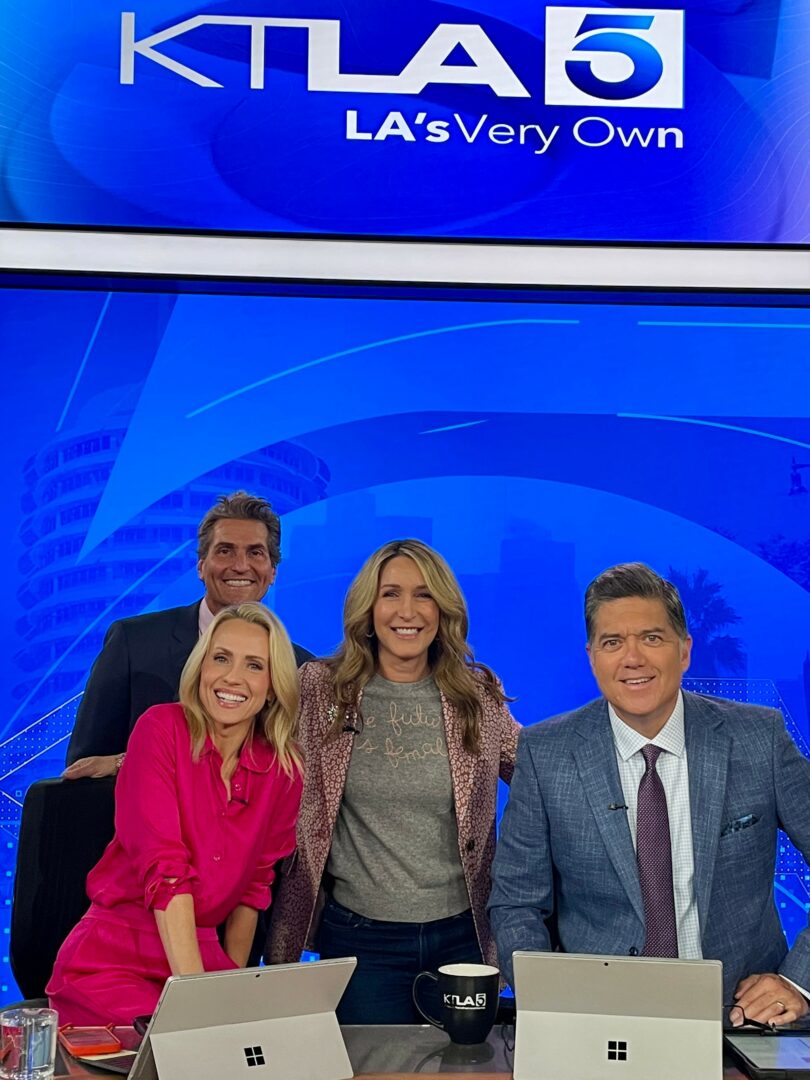
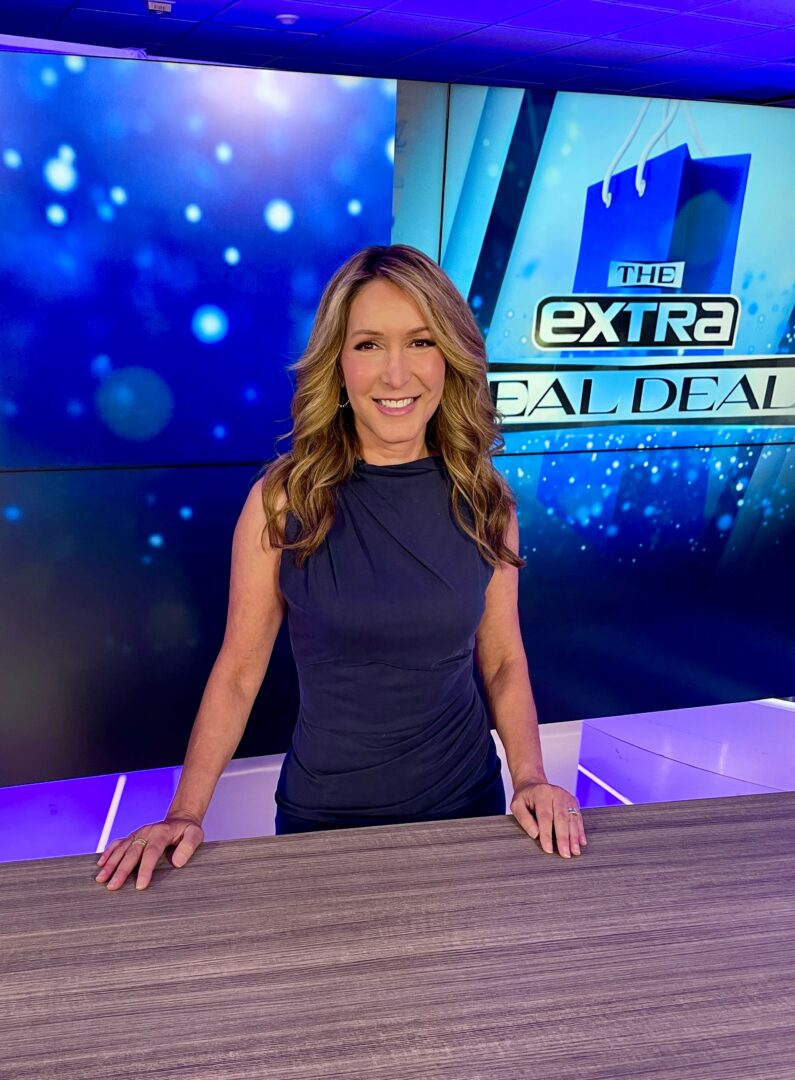
Thanks for sharing that. So, before we get any further into our conversation, can you tell our readers a bit about yourself and what you’re working on?
At Alison Deyette Media, I help people show up as their most confident, compelling selves—whether it’s in front of a camera, on a stage, in a boardroom, or mid-interview with five mics in their face and 30 seconds to think of something smart to say.
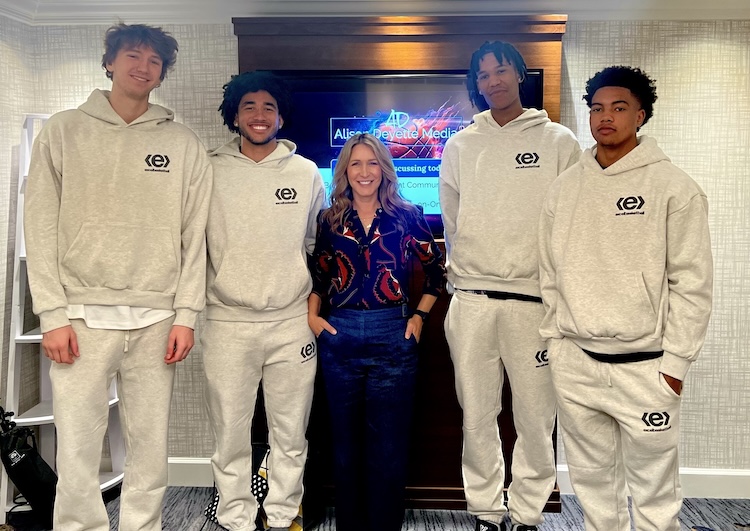
Professionally, I focus on media training, on-camera coaching, public speaking preparation, pitch polishing, and brand strategy. But what I really do is help people turn their story into something memorable and meaningful. I work with everyone from NBA and NFL athletes to CEOs, entrepreneurs, musicians, doctors, actors, and rising stars who are learning how to own their voice—and use it well.
What makes this work exciting is the transformation. I’ve had clients come in unsure of what to say or how to say it—then leave ready to crush a red carpet, nail a press junket, or deliver a keynote that leaves people saying, “I want to work with them.” There’s no better feeling than seeing someone light up when they finally feel heard, prepared, and in control of their own narrative.
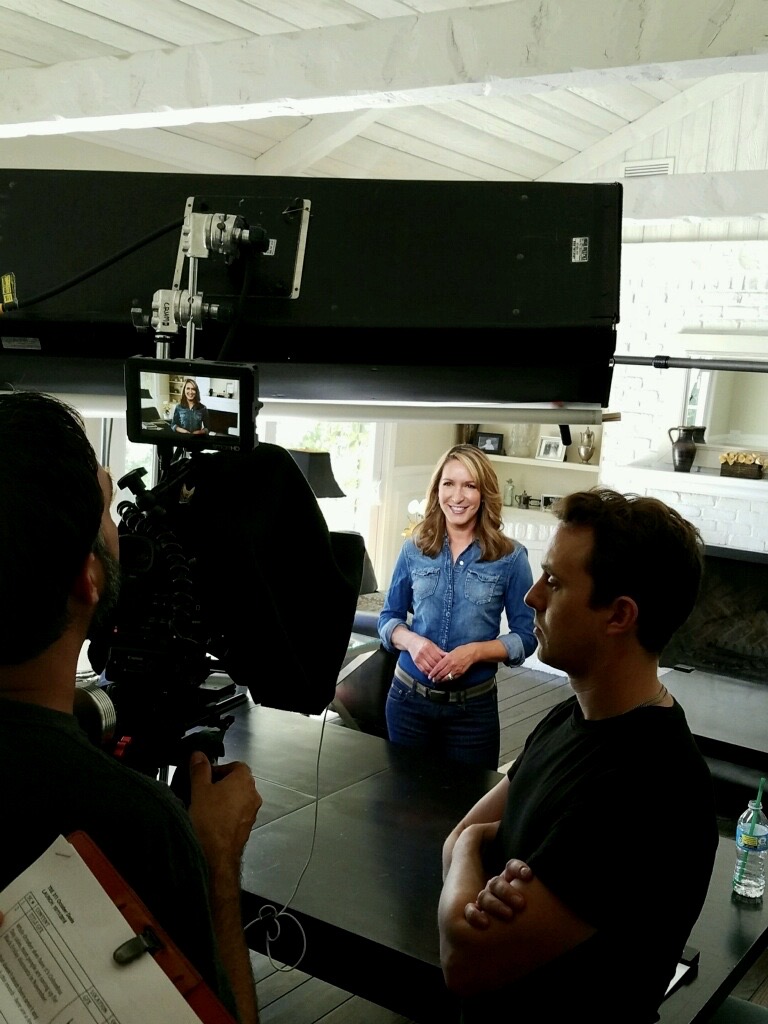
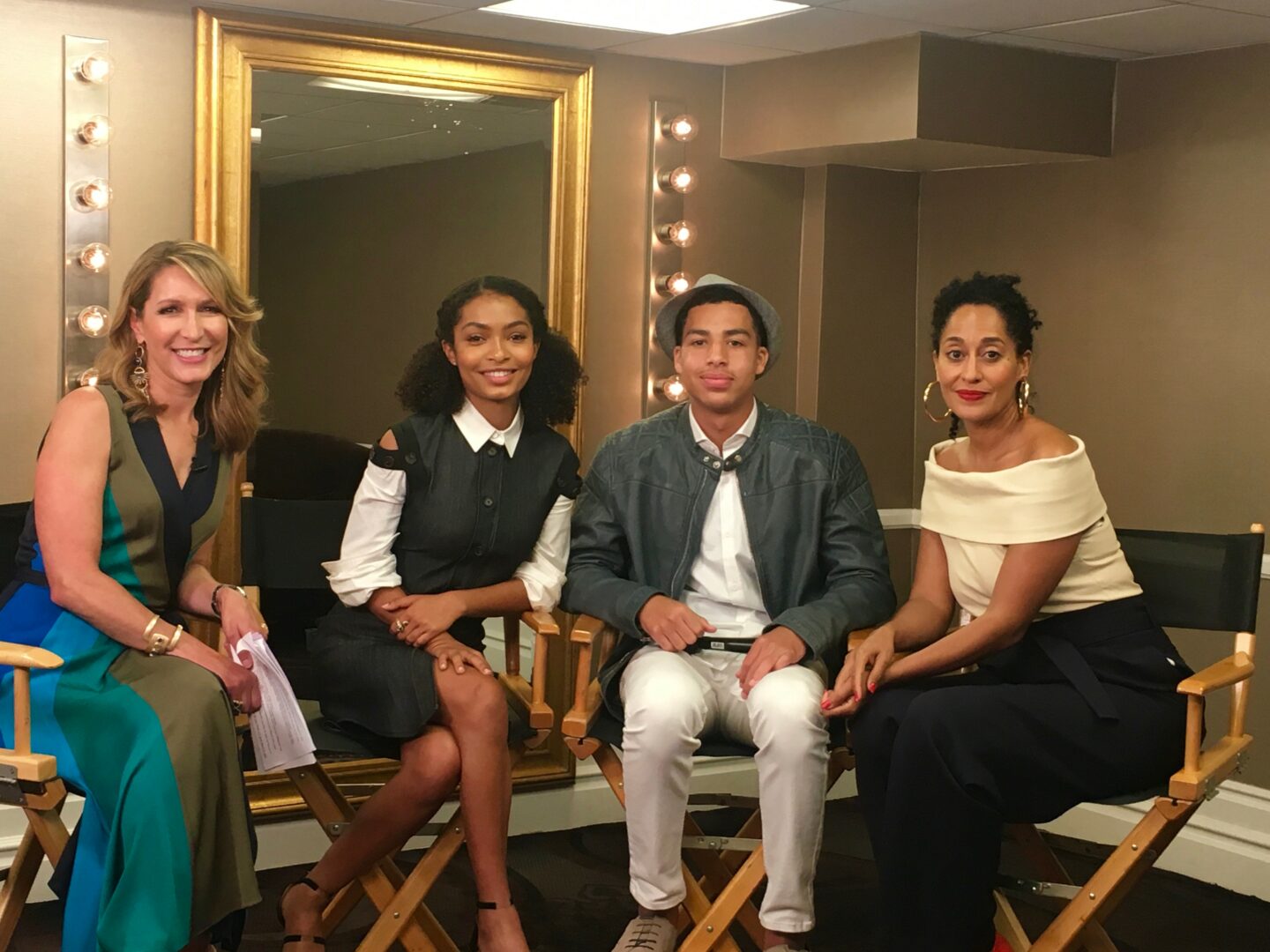
The roots of my business stretch back to my earlier career as a magazine editor, fashion and beauty director, TV host, and brand spokesperson. I’ve been on both sides of the media machine, so I know what makes a story land—and what gets cut in post. That perspective is what shapes my approach: it’s strategic, collaborative, and always tailored to the moment.
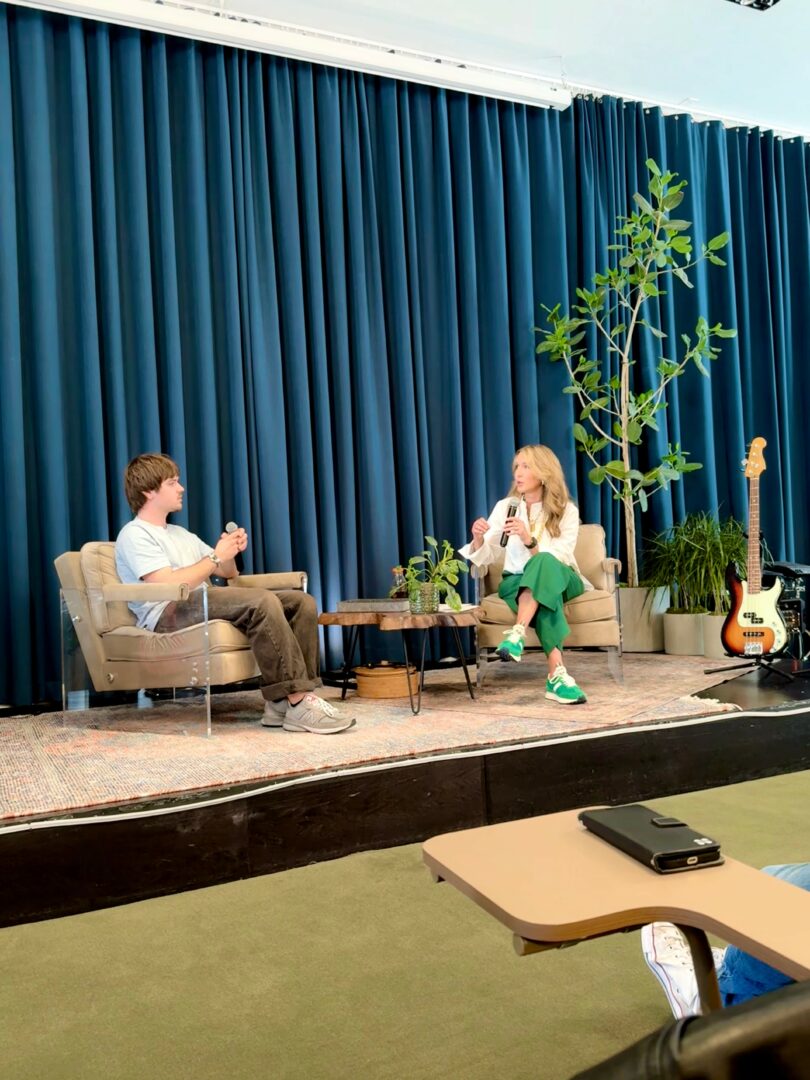
Recently, I’ve been working with several musicians and podcasters, helping them build their voice and visibility beyond the stage or mic—whether it’s interviews, branding, or collaborations. And in exciting news, I helped three artists get on AGT and The Voice. I’m also expanding group workshops for companies and creatives, helping teams sharpen their communication and storytelling from the inside out.
At the heart of it all? I believe great communication isn’t about memorizing lines. It’s about understanding your value, knowing your message, and having the confidence to speak it with clarity and charisma.
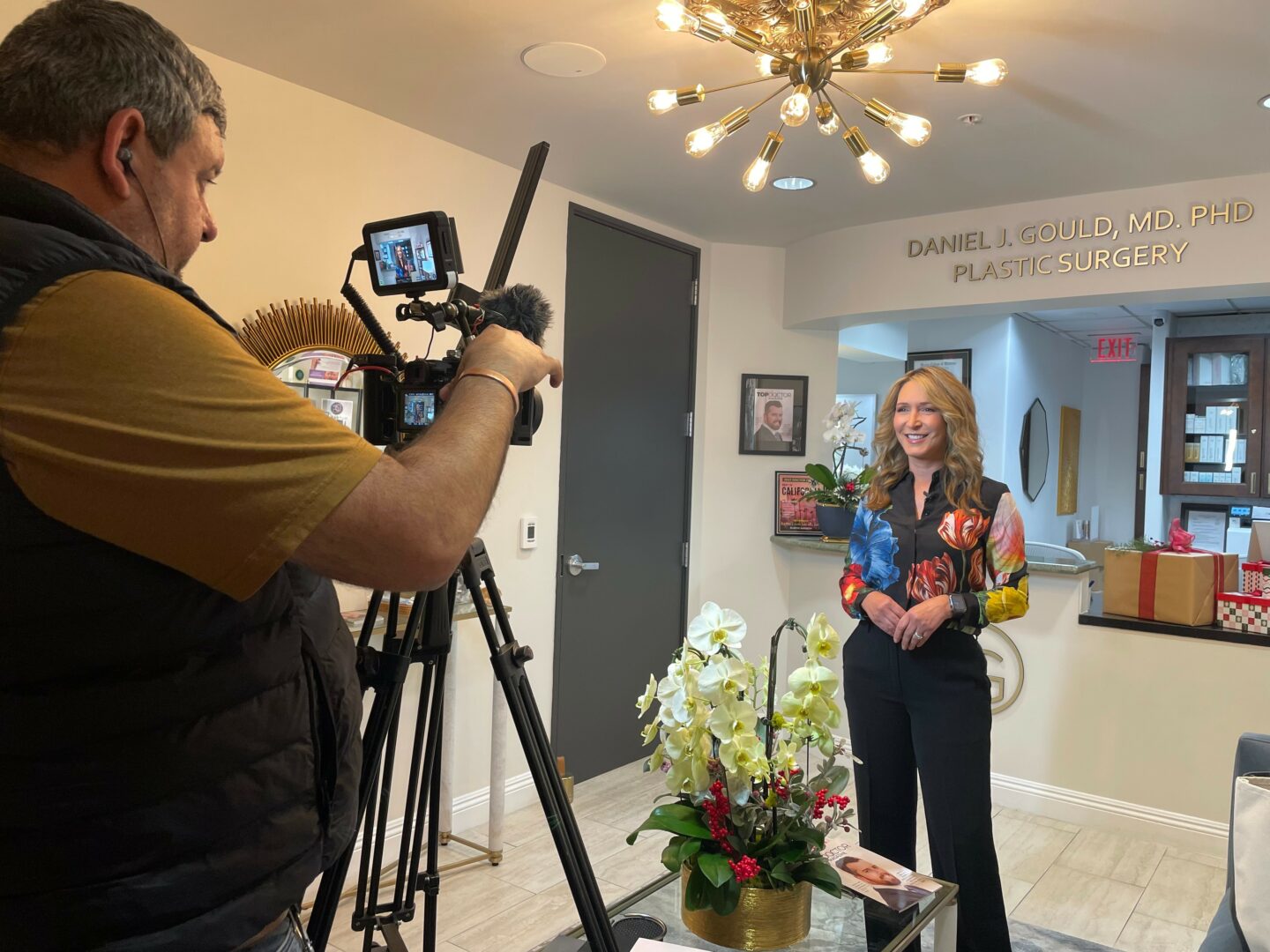
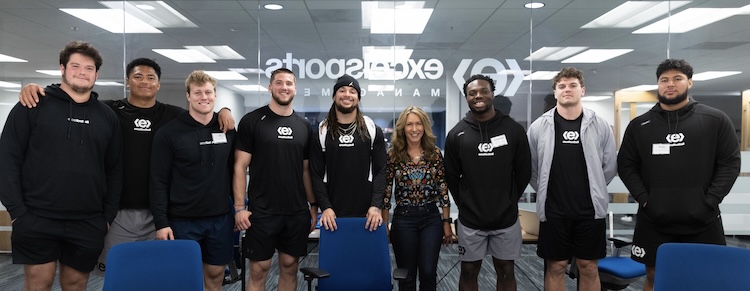
If you had to pick three qualities that are most important to develop, which three would you say matter most?
For me, the three most impactful qualities have been curiosity, adaptability, and persistence.
Curiosity has been my compass from the very beginning. It’s what drove me to ask the extra question in celebrity interviews, to dive deeper when editing a story, and later to figure out how to turn a skill set in fashion and beauty into something that translated on television. My advice? Follow your curiosity, not just the job description. It’s often the detours that lead to your best work.
Adaptability was non-negotiable. I’ve zigzagged from magazines in New York to television in Los Angeles, from being the one on camera to coaching the people in front of it. Reinvention is part of the job description in media—and honestly, in most industries now. The trick is not to fear the pivot but to treat it as your next chapter.
And persistence—the less glamorous but most crucial one. Success didn’t arrive overnight, and it definitely didn’t arrive without rejection. What helped was showing up, again and again. My advice here is simple: don’t stop at the first “no.” Keep refining, keep showing up, and keep going until you get the “yes” that matters.
The best way to develop these qualities? Stay open, surround yourself with people who push you to grow, and treat every project—even the ones that don’t go as planned—as practice for the next big thing.
What would you advise – going all in on your strengths or investing on areas where you aren’t as strong to be more well-rounded?
I’m a big believer in leading with your strengths. They’re your signature, your edge, your loudest “this is why I stand out” moment. So yes—go all in. Double down. Put the spotlight right there.
But (and this is an important but): that doesn’t mean you should ignore your weak spots entirely. If a gap in your skill set is holding you back—say, you’re great on stage but can’t structure a pitch deck to save your life—it’s worth learning just enough to get out of your own way or bring in the right support.
When I launched Alison Deyette Media, I leaned heavily into what I knew: communication, presence, brand storytelling. But as I grew, I had to get better at the behind-the-scenes business side: proposals, pricing structures, and contracts.
Your strengths are your spotlight—polish them, showcase them, and let them lead. But if a weakness is dimming your shine or slowing your momentum, give it just enough attention to stop it from tripping you up.
In other words, be excellent at what you’re excellent at. And competent enough at the rest that nobody notices you’re secretly Googling how to convert a PDF into a Word doc at midnight.
Contact Info:
- Website: https://alisondeyettemedia.com/
- Instagram: @alisondeyette
- Linkedin: https://www.linkedin.com/in/alisondeyette/
- Youtube: https://www.youtube.com/alisondeyette
so if you or someone you know deserves recognition please let us know here.