Alright – so today we’ve got the honor of introducing you to Alison Mau. We think you’ll enjoy our conversation, we’ve shared it below.
Alright, so we’re so thrilled to have Alison with us today – welcome and maybe we can jump right into it with a question about one of your qualities that we most admire. How did you develop your work ethic? Where do you think you get it from?
My mum – she’s English, so that’s what we call a ‘mom’. My mother was born in 1936, at the start of World War II and her earliest memories were of the sound of German fighter planes screaming overhead – what an introduction the world! She grew up with a ‘Protestant work ethic’, which basically means she has taken a ‘don’t complain about anything unless you’re prepared to do something meaningful about it’ approach to her whole life. Stoicism has become a trendy concept these days, and my mother could out-stoic Marcus Aurelius!
I’ve recently written a memoir which talks about the childhood abuse myself and my sister endured; writing that book has made me realise how much of that stoic attitude my mother has passed to me. It’s been useful to help process all that trauma, and how it might have led me to the work I do now supporting survivors of sexual harm.
Mum worked at a job she loved – and was an absolute boss at – until she was in her mid-70s, and then went on to volunteer at her local hospital for 10 years. She basically never stopped until dementia got hold of her. I now know it’s that toughness that has given me a work ethic that sometimes outstrips my abilities. It’s not always a great idea to push yourself past your reasonable limits, so I’m on a learning journey to get that elusive work/life balance. I just want to make a difference to as many lives as possible in the time I have left.
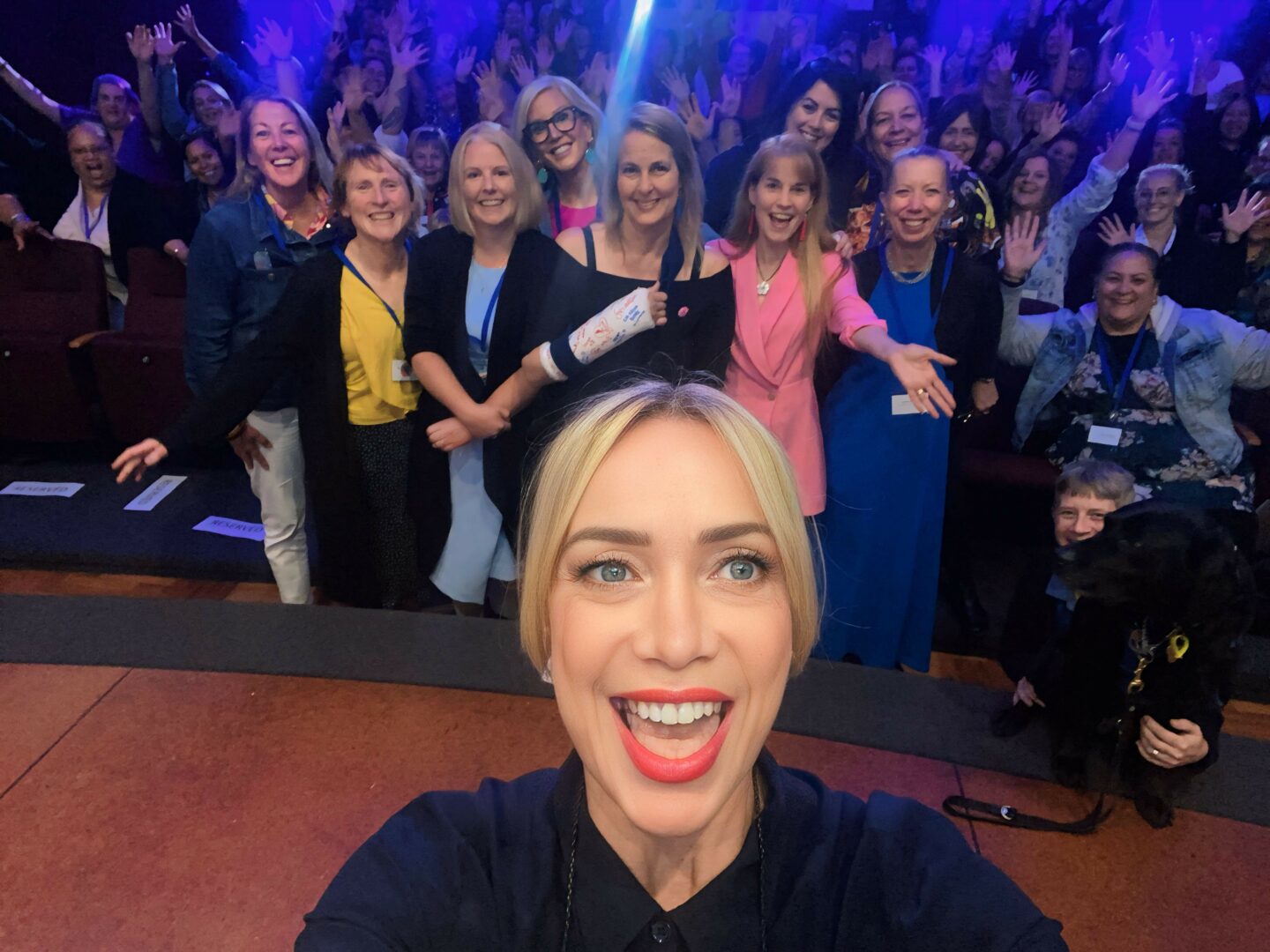
Let’s take a small detour – maybe you can share a bit about yourself before we dive back into some of the other questions we had for you?
I’m the Co-founder of a tech start-up which is also an NGO. I’m still getting used to that title, because until just a few years ago I’d been a journalist for 30 years, starting in print, and moving in the 1990s into a high profile job as a television news anchor. I was the third generation in my family in the news business!
In the final part of my journalism career, I set up a specialist reporting team at New Zealand’s biggest news platform in the wake of the #metoo movement. Myself and my team spent 5 years exposing a culture of harassment in New Zealand’s workplaces, investigating serial offenders and telling survivors’ stories in a trauma-informed way. We published dozens of major investigations and eventually our work changed the way sexual harassment is reported in the media here.
When I left journalism in 2023, I realised that despite all the bravery shown by survivors speaking out the numbers of people who report when they’ve been harmed had not budged in more than a decade. The barriers – shame and self blame, isolation, fear of not being believed – they were still there.
To tackle that, I teamed up with a well-known lawyer, Zoe Lawton, to create New Zealand’s first legal charity. Tika (which means justice in the Māori language) uses a secure, bespoke tech platform to identify serial offenders and bring together the people they harmed into groups. We then offer those groups free legal advice and representation. They can choose to pursue a criminal case, a civil case, mediation or restorative justice – it’s up to the survivors, because every survivors’ idea of accountability and justice is different.
I’ve also just written my memoir for HarperCollins – it’s called No Words For This – and it has similar themes to the work I do, because I am a survivor myself.

There is so much advice out there about all the different skills and qualities folks need to develop in order to succeed in today’s highly competitive environment and often it can feel overwhelming. So, if we had to break it down to just the three that matter most, which three skills or qualities would you focus on?
1/ I have a very strong drive to learn, and I’ve just assumed that will be with me for the whole of my life. I’ve never thought, oh I’m too old to pivot in my career, learn new information, or do something new. Until just two years ago I’d never been a start-up founder, or done anything in the tech space. But I knew the service Tika provides will be life-changing for thousands, possibly millions of people, and I knew the landscape of this issue better than almost anyone – I’d spoken to thousands of survivors, sometimes spending months bringing their stories to light. I’m still no coder, but I understand what needs to be done to bring our product to life.
2/ Listening without judgement. That’s the number one skill I’ve learned, and it seems to have become quite a rare one! As an investigative journalist meeting with people who have been through significant trauma, it’s essential you do not pre-judge the information they give you. Trauma messes with the brain, and often impedes a person ability to retell events in a linear or chronological way. That doesn’t make them any less truthful, but it might lead some journalists to assume their information is unreliable. This is a relationship that needs time and patience.
3/ The courage to challenge the current system and believe, with enough pressure, it can change. That’s not always an easy thing to stick to – you’re going to get some criticism. When I launched the #metoo journalism project a newspaper ran a cartoon depicting me as a witch on a broomstick! The pushback hurts, but is it enough to stop you doing the thing you know in your heart needs to be done? No way.

How can folks who want to work with you connect?
Every new initiative that’s designed to solve a big, gnarly societal problem needs collaborators, the more the merrier, really. With Tika, we have built a safe, sophisticated way for people to report incidents online and seek justice, leveraging the power of collective reporting. As part of our work, we’re also building a community which stands together to take bold action.
Seeking justice and accountability for sexual assault or harassment takes time, expertise and money – as leaders in the field here we have the expertise, so we’re looking for funders, of course – people who care deeply about this issue and will help us create fundamental change. Ours is a system which could be rolled out worldwide (exciting!) We’re looking for the visionaries, the early adopters, who understand that real change requires a circuit-breaker; you don’t get new results by doing the same old thing.
I see opportunities to partner with national and state governments, as well as philanthropic foundations, family trusts, and corporates who take their ESG responsibility to provide a truly safe workplace, seriously. The sky’s the limit if you ask me.
Contact Info:
- Website: https://www.tika.org.nz/
- Instagram: https://www.tika.org.nz/
- Linkedin: https://www.linkedin.com/in/alisonmau/
- Twitter: @alisonmau
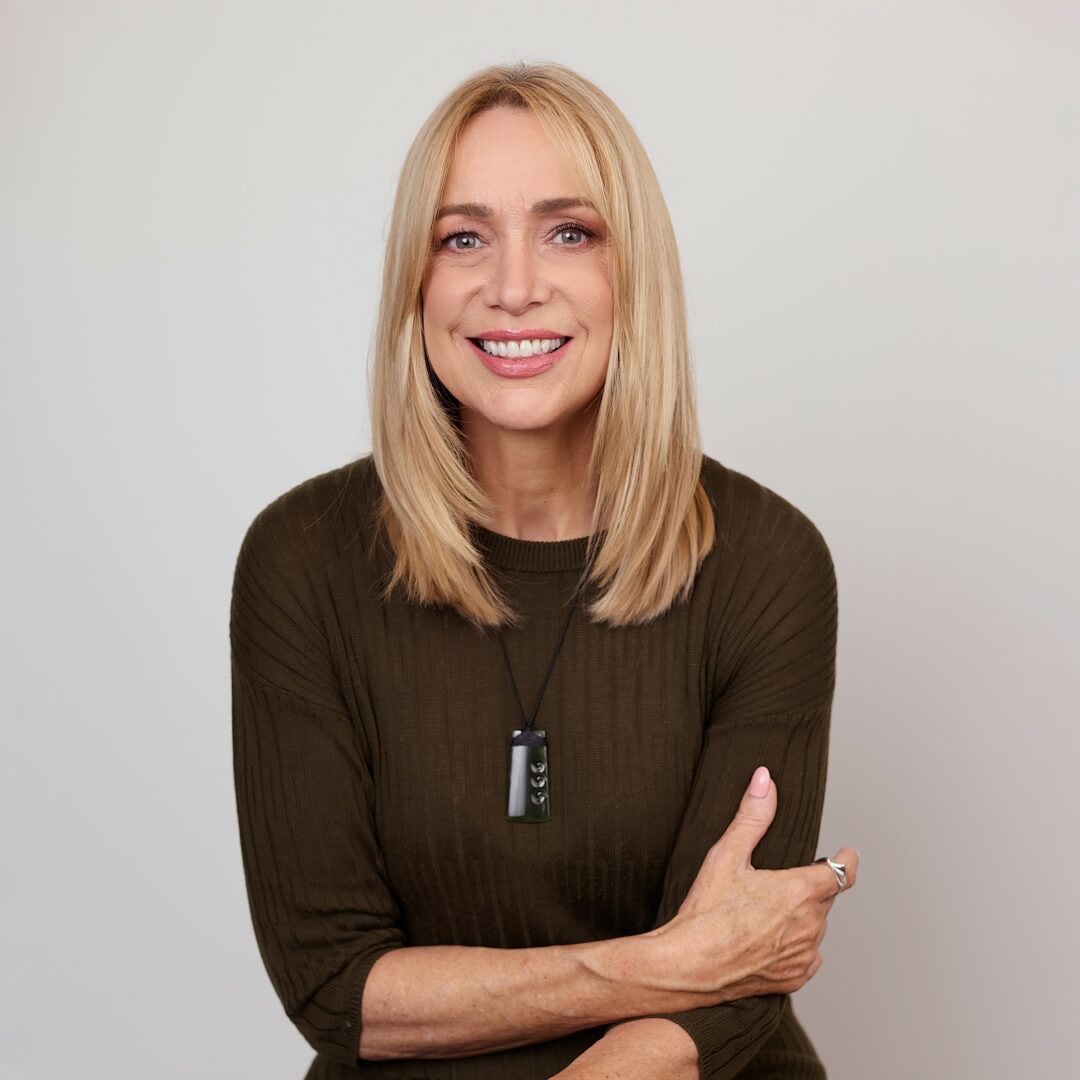

Image Credits
Michelle Hyslop
so if you or someone you know deserves recognition please let us know here.