
Alright – so today we’ve got the honor of introducing you to Alison Réaume. We think you’ll enjoy our conversation, we’ve shared it below.
Hi Alison, so great to have you on the platform. There’s so much we want to ask you, but let’s start with the topic of self-care. Do you do anything for self-care and if so, do you think it’s had a meaningful impact on your effectiveness?
For me, self-care is less about ensuring I go to the spa or take a yoga class and more about tending to the systems that support me daily. While these may include visits to the spa and regular yoga classes, it’s more about finding opportunities every day to honour my nervous system and what I need to take care of myself.
My core practices are daily yoga (even if it’s 10 minutes), long walks with my dog, structured weekly planning, intentional pauses between tasks, and protecting the boundaries that keep my energy from being pulled in a hundred different directions by building spaciousness into my life and my schedule.
One of the biggest acts of self care is understanding how you work best, what drains you, what lifts you up and carving out the time for all these different levels of energy that you may have on any given day. That looks like making space for predictable rest, seasonal slow-downs, and breaks from screens, by doing this I honour my own unique capacity. It’s not about indulging in self care but rather the infrastructure that allows me to lead, create, support myself and others without burning out.
When i first began to look at everything as an act of self care, the impact was profound and still is. When my nervous system is regulated, I think more clearly, make better decisions, anticipate needs before they become fires, and hold space for clients and myself with far more presence and discernment. I’m more effective, more motivated, more efficient not because I push harder, but because I’m resourced, grounded, and working with my natural rhythms instead of overriding them.
Self-care is the the key to my success and is the sole reason I can hold complex businesses, guide students, and support leaders without losing myself in the process.
Thanks for sharing that. So, before we get any further into our conversation, can you tell our readers a bit about yourself and what you’re working on?
I’m a Whole Human Fractional COO/Systems Strategist & yoga teacher trainer. My work sits at the intersection of structure and nervous system support, supporting wellness entrepreneurs to build businesses that feel sustainable, spacious, and aligned with how they actually function.
I come from a background in high-pressure operational roles, where I saw how often entrepreneurs/CEO’s think they’re “bad at systems,” or that they have to manage everything, when in reality they didn’t know that they could build systems that actually honour their capacity and the way their brain works. Now, I help leaders simplify their backend, create weekly rhythms that reduce mental load, and build business infrastructures that let them focus on what they do best
What excites me most is watching people feel the weight lift, when their business finally feels manageable and they can show up in their work with more presence, clarity, and capacity.
I also train and mentor yoga teachers and wellness leaders who want to grow their impact in a way that honours their nervous system rhythms rather than defaulting to hustle culture, blending business strategy with grounded, somatic wisdom.
Right now I’m expanding two offerings: The Nervous System of Your Business (a free workbook + training) and The Weekly CEO System, a planning framework that helps entrepreneurs map their weeks based on their real capacity.
Ultimately, my work is about helping people build businesses and lives they can actually live inside of, grounded, sustainable, and true to who they are.
If you had to pick three qualities that are most important to develop, which three would you say matter most?
1. Nervous system awareness Understanding my own patterns. what regulates me, what overwhelms me, and how I work best, has shaped every decision I make. To get a better understanding of how you work I recommend tracking your time and build in small daily check ins to calibrate on how you feel, notice what overwhelms you or drains you so you can begin to learn to honour your capacity as the foundation for your growth.
2. Systems literacy
Learning that the systems that support me in my work and in my life are not separate but rather deeply integrated and structure and stability comes when both systems function and coexist within each other. One isn’t more or less important than any other system. Start simple, outline the systems in your life that are the foundation to support who you are, these are the dealbreakers and then ensure that whether they are in your work or you business they always get priority first. Systems aren’t one size fits all or ones that will work forever, they will grow and fluctuate with you.
3. Knowing I don’t have to be the expert at everything
One of the biggest shifts in my journey was realizing that being a CEO/entrepreneur doesn’t mean carrying every skill set. Great entrepreneurs lean into the expertise of others as it makes the whole ecosystem stronger. Allow yourself to be supported and trust others to fill in where you don’t have the capacity to, or frankly don’t want to. Hire or collaborate before you burn out trying to do it all.
At the core of all three is self-trust: knowing yourself, knowing when to get help, and building your business in a way that actually supports you.
Before we go, any advice you can share with people who are feeling overwhelmed?
When I feel overwhelmed, I’ve learned it’s rarely just “too many tasks.” More often, the tasks are too big, too vague, or still living in my head. My brain can’t do anything with “work on marketing” or “catch up on invoicing” when there are a dozen other open loops competing for space.
My go to, is to grab a piece of paper and a pen (not a computer) and brain dump everything that is living in my head. Then I break it down into what “work on marketing” actually means and turn it into something tangible, ie. “schedule 3 IG posts” or “invoice Suzy $10K for XYZ”, it might still feel like a lot but it becomes doable.
Understanding how to regulate my own nervous system is the key to overwhelm, it doesn’t mean it doesn’t happen but its usually a capacity clue and not an actual flaw. Sometimes it’s also a reminder that I’ve overbooked myself and ignored the signs that I would be exhausted later, even when I knew better. Learning to honour your capacity is an ongoing practice and it ebbs and flows, just like anything else.
My advice:
• Regulate before you strategize. A calm body makes clear decisions.
• Break tasks down until they’re actually doable. Vague tasks create overwhelm; specific ones create an actual plan of action.
• Use brain dumps to clear mental clutter. If it’s only in your head, it’s often too big.
• Respect your capacity. Overbooking yourself isn’t a productivity strategy, it’s a fast track to burnout.
Overwhelm softens the moment things become tangible and your nervous system feels supported again.
Contact Info:
- Website: https://alisonreaume.com/
- Instagram: https://www.instagram.com/reaumealison/
- Linkedin: https://www.linkedin.com/in/alisonreaume/

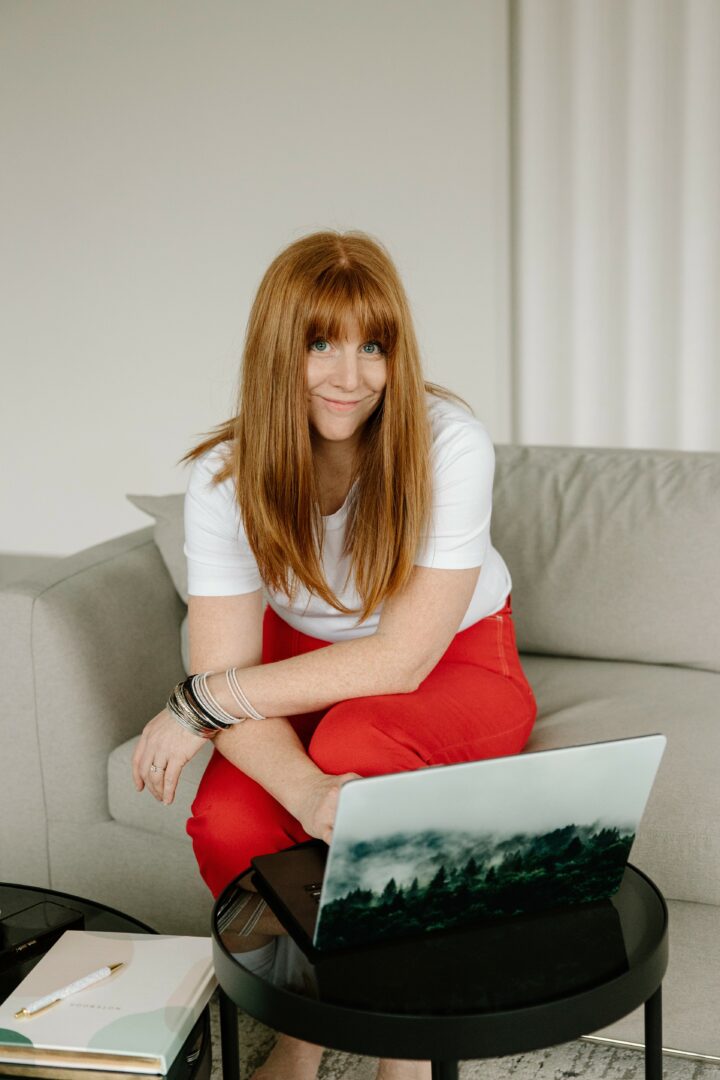
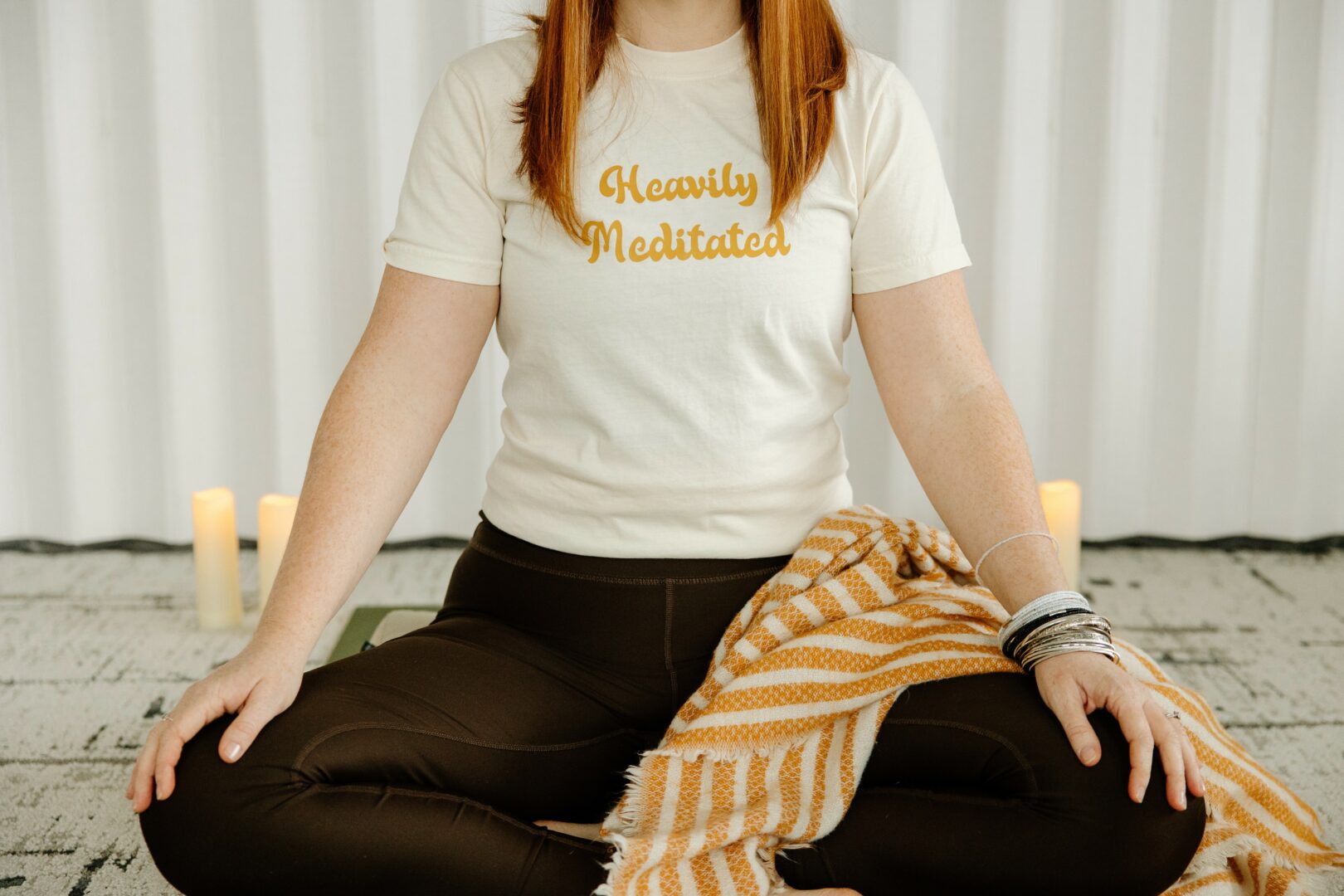

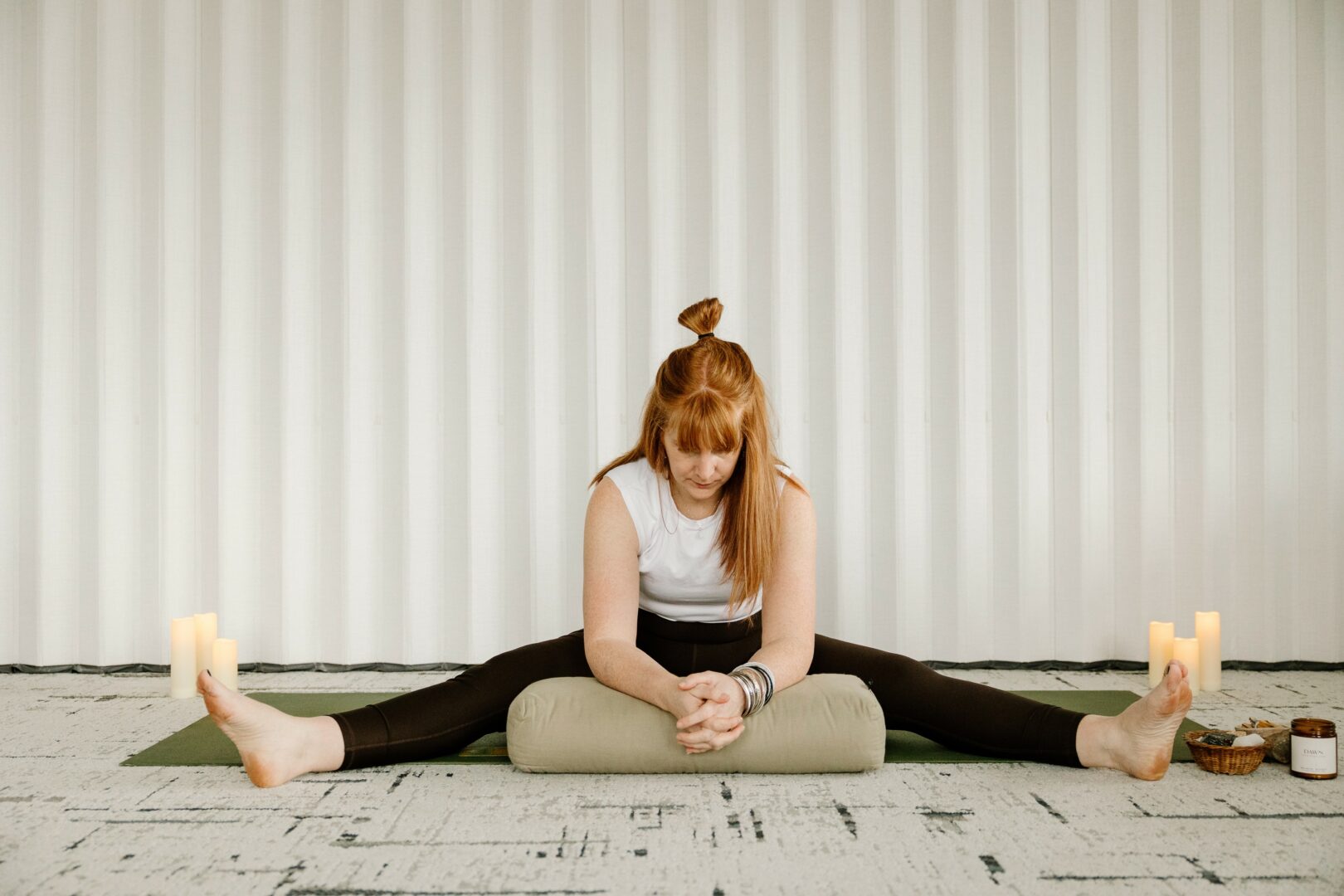
Image Credits
Shelby Herfst Photography