We recently connected with Aliyah Cornell and have shared our conversation below.
Hi Aliyah , so excited to talk about all sorts of important topics with you today. The first one we want to jump into is about being the only one in the room – for some that’s being the only person of color or the only non-native English speaker or the only non-MBA, etc Can you talk to us about how you have managed to be successful even when you were the only one in the room that looked like you?
Being the only one in the room has been a familiar experience for me. From early on, I learned how to navigate spaces where my culture, my last name, or the way I speak set me apart. At first, it can feel like you’re carrying more than just yourself. You’re carrying expectations, stereotypes, and sometimes the unspoken pressure to prove you belong. Over time, I learned that preparation and consistency were my strongest tools. I made sure my work spoke clearly for me, especially in rooms where people might underestimate me. I’ve also learned not to disconnect from who I am to fit in. My Mexican American identity shapes how I see the world, how I value family, community, hard work, and resilience. Those values show up in how I lead, how I collaborate, and how I advocate. Instead of seeing my background as something I had to minimize, I’ve learned to treat it as a strength that gives me perspective others may not have. Being the only one also taught me how to code switch when necessary, without losing myself. I know how to read a room, adjust my approach, and still stay authentic. I’ve learned when to speak up firmly, when to ask questions, and when to let my results do the talking. Building allies has been essential finding people who respect my voice and recognize my contributions, even if they don’t share my background. Most importantly, I remind myself that my presence matters beyond me. When I walk into a room as a Mexican American, I’m opening doors, challenging assumptions, and making it easier for the next person who looks like me to feel they belong. Being the only one hasn’t always been easy, but it has made me more intentional, more resilient, and more committed to showing that our voices deserve to be heard in every space.
Thanks for sharing that. So, before we get any further into our conversation, can you tell our readers a bit about yourself and what you’re working on?
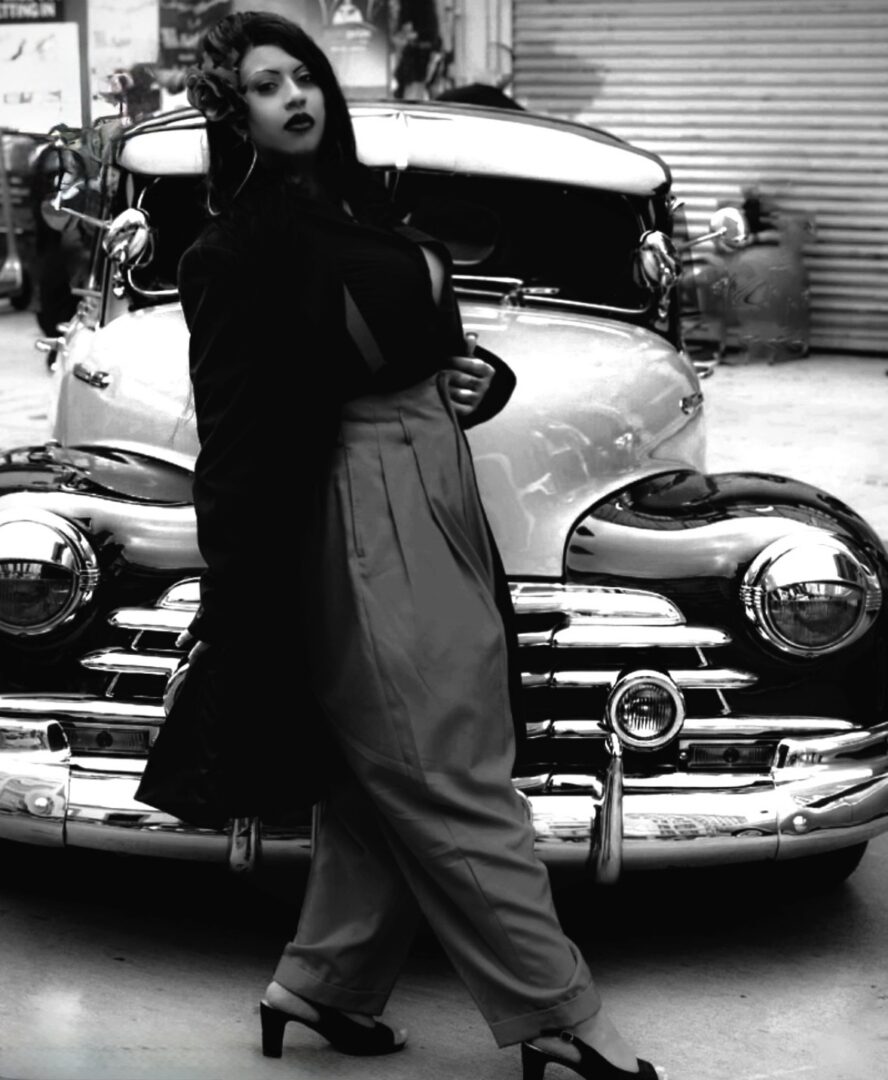
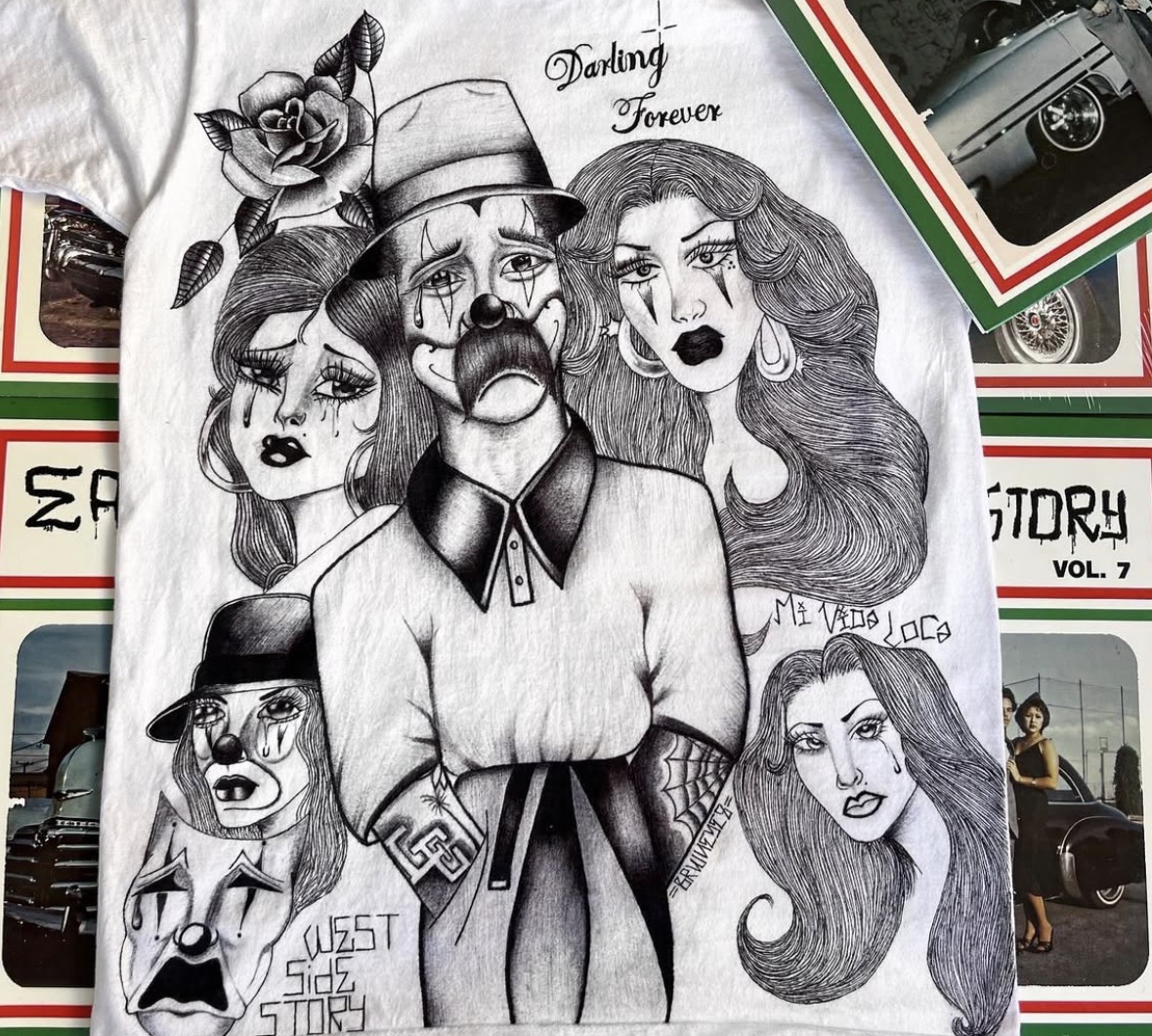
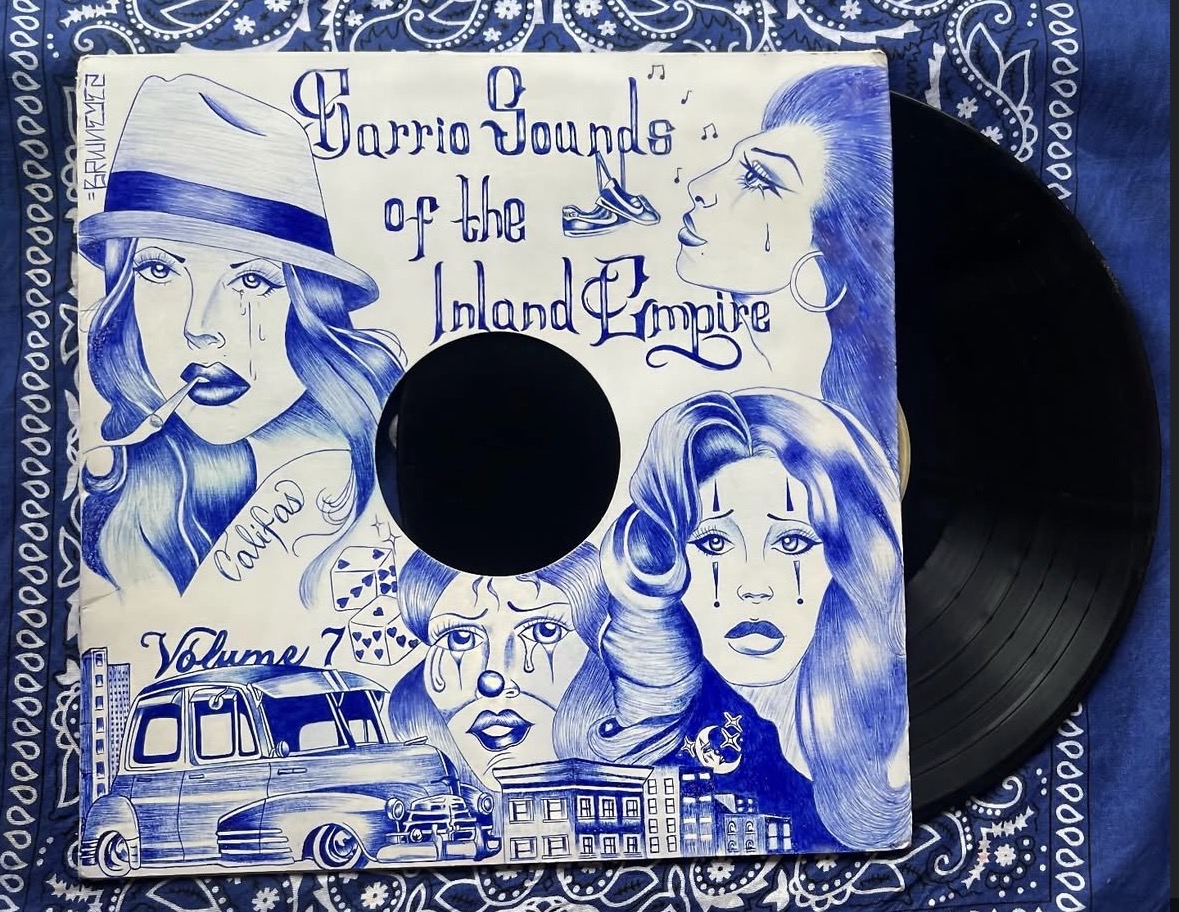
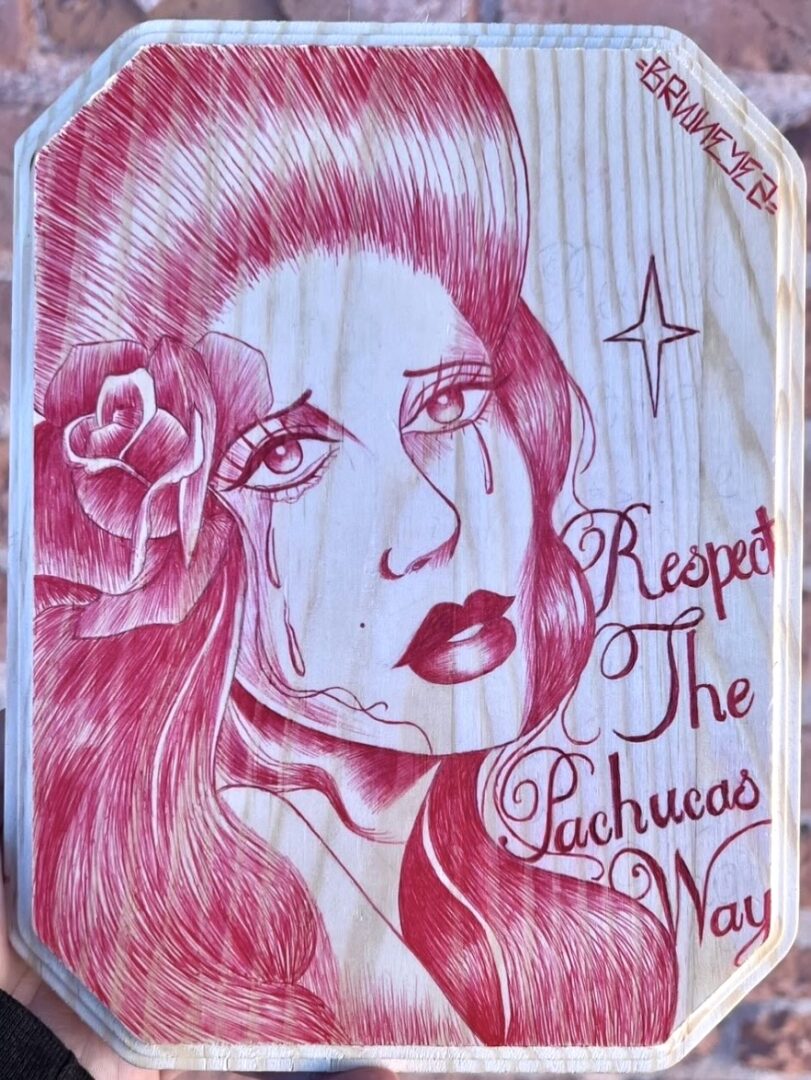
What I do is rooted in storytelling through art, with my work deeply influenced by Chicano culture, identity, and lived experience. I create bold, expressive pieces that pull from street culture, lowrider aesthetics, and traditional Chicano imagery, using art as a way to honor where I come from while pushing those visuals into new spaces. My work is intentional, it’s about telling stories that are often overlooked and giving them presence. What’s most exciting and special about what I do is representation. I create for people who don’t always see themselves reflected in galleries, media, or mainstream art spaces. My work celebrates Chicano history, resilience, and pride while also exploring darker, emotional, and sometimes uncomfortable themes. I want my art to make people feel something whether that’s connection, nostalgia, or reflection. My brand is built on authenticity. I don’t create to fit trends or expectations; I create from lived experience and cultural pride. Everything I release carries that energy, from custom pieces to larger projects. At its core, my work is about community, storytelling, and making space for Chicano voices and imagery to exist unapologetically. Right now, I’m continuing to grow my brand through new artwork, custom commissions, and upcoming projects that expand the reach and scale of my work. Everything I’m building is rooted in culture, respect, and staying true to the stories that inspire my work.
If you had to pick three qualities that are most important to develop, which three would you say matter most?
Resilience was critical. As a Afro-Chicana creative, I’ve often had to navigate spaces where my work or background wasn’t immediately understood or valued. Rejection, slow progress, and being overlooked were all part of the process. What made the difference was learning not to internalize those moments as failure, but instead using them as fuel to keep going. For anyone early in their journey, my advice is to build thick skin without losing your heart, stay consistent, keep learning, and don’t let temporary setbacks stop you from moving forward. Cultural awareness shaped my voice and gave my work meaning. Taking the time to understand my roots, history, and lived experience allowed me to create from an authentic place rather than chasing trends or outside approval. When I fully embraced my Chicano identity, my work became stronger and more intentional. For those starting out, lean into who you are and where you come from. Study your culture, your influences, and your community. Authenticity is something that can’t be replicated. Disciplined is what turned passion into progress. Talent alone isn’t enough; showing up consistently and treating your craft seriously is what creates growth over time. Learning how to manage your time, meet deadlines, and push through creative blocks made my journey sustainable. My advice is to treat your craft like a responsibility, not just a hobby. Set routines, hold yourself accountable, and understand that progress is built through daily effort, not overnight success.
Together, these qualities helped me navigate challenges, stay grounded in my identity, and build something meaningful. For anyone early in their journey, focus on strengthening these areas you don’t need to have everything figured out, but you do need commitment, self-belief, and the willingness to keep going.
Looking back over the past 12 months or so, what do you think has been your biggest area of improvement or growth?
Over the past 12 months, my biggest area of growth has been learning how to move with more intention and confidence in my work. I’ve improved in trusting my voice and my process, rather than second guessing myself or waiting for outside validation. That shift has allowed me to take more creative risks and be clearer about what I want my work and brand to represent. I’ve also grown in setting boundaries and prioritizing the projects that truly matter to me. It’s taught me that saying no isn’t a limitation, it’s a way to protect my energy and create space for what really represents me and my community. This growth has been about confidence, owning who I am, what I create, and why it matters. It’s made my work stronger, more authentic, and more meaningful, and it’s given me the courage to keep pushing forward, even in spaces where I’m the only one who looks like me.
Contact Info:
- Website: https://brwneyezarte.bigcartel.com/
- Instagram: Lonely_brwneyez
- Youtube: https://youtube.com/@lonely_brwneyez13?si=2CUppsMO45H2RPZn
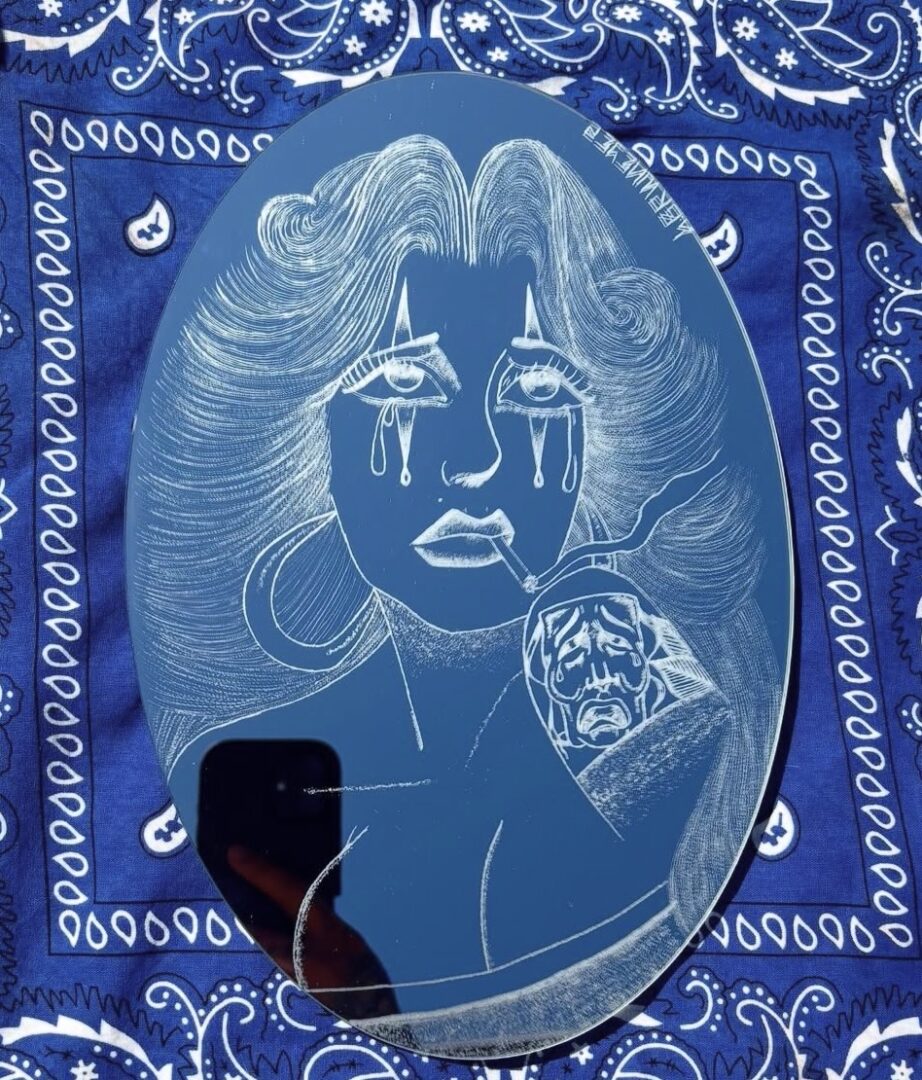
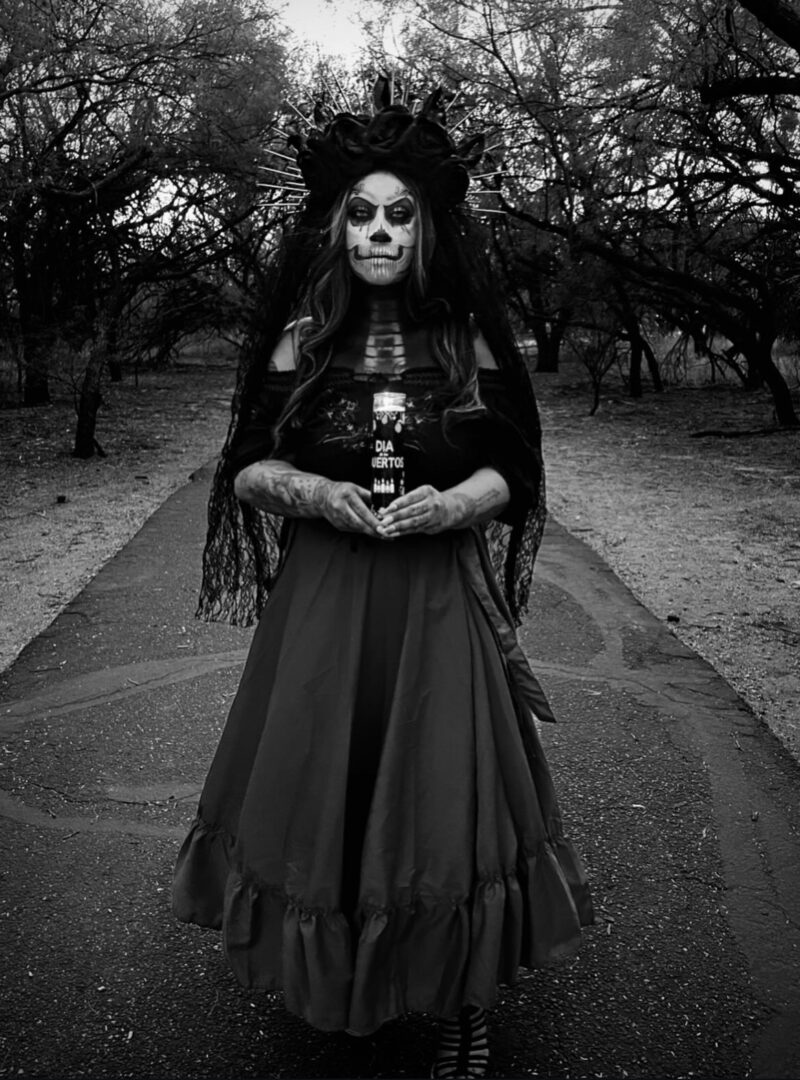
Image Credits
Alexxus Cornell
Geri Kramer
so if you or someone you know deserves recognition please let us know here.