Alright – so today we’ve got the honor of introducing you to Ally Yanxiu Luo. We think you’ll enjoy our conversation, we’ve shared it below.
Ally Yanxiu, first a big thank you for taking the time to share your thoughts and insights with us today. I’m sure many of our readers will benefit from your wisdom, and one of the areas where we think your insight might be most helpful is related to imposter syndrome. Imposter syndrome is holding so many people back from reaching their true and highest potential and so we’d love to hear about your journey and how you overcame imposter syndrome.
Imposter syndrome has never fully left me—but over time, I’ve learned to live with it and even use it to motivate myself to speak up and stand by my ideas. I remember one evening, sharing a project draft with friends whose opinions I really trust. The feedback was blunt but grounding: “We all know what good work looks like, and we all know we’re not there yet—and that’s okay.” That moment reframed things for me. Instead of seeing doubt as a signal to hold back or retreat into hiding from the world, I now see it as part of the process, a reminder to keep sharpening my craft while still showing up and contributing with honesty and curiosity.
Appreciate the insights and wisdom. Before we dig deeper and ask you about the skills that matter and more, maybe you can tell our readers about yourself?
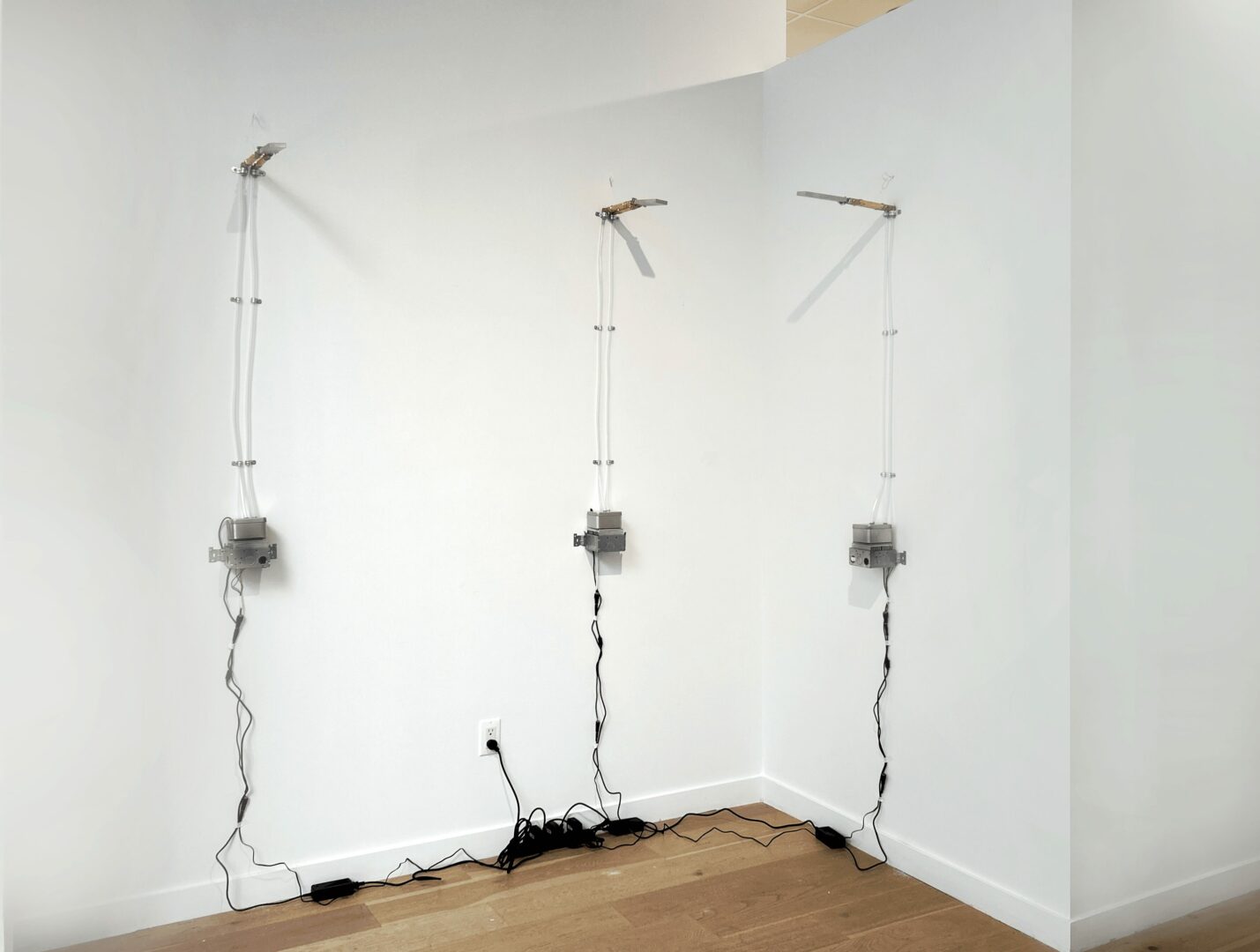
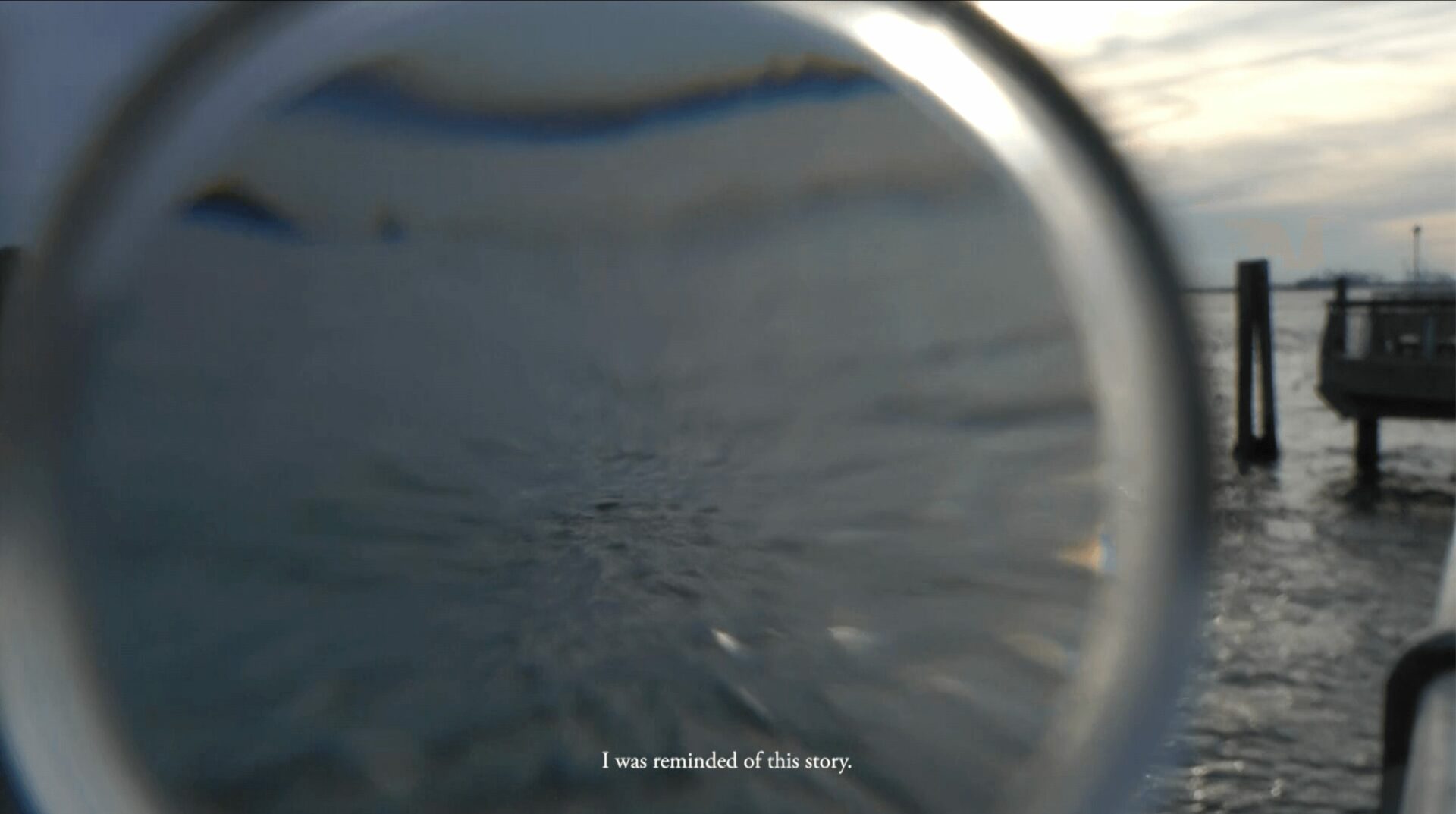
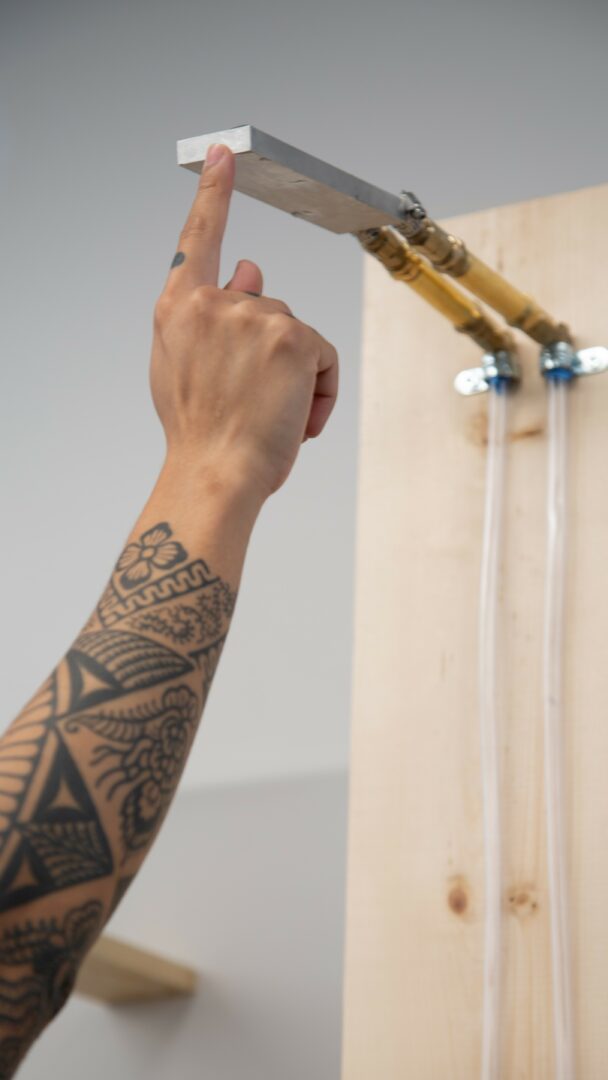
Ally Yanxiu Luo (b. 1998, Hangzhou) is an interdisciplinary artist and writer based in New York. Her practice explores the intersection of conceptual systems, anecdotal narratives, and documentary cinema, with a focus on the overlap between hardware and wetware. Drawing from research in digital culture, ecological systems, and speculative design, Luo’s work spans media—ranging from kinetic installations to experimental film—and often weaves together unlikely pairings such as geo-imaging and glitches, ichthyology and footnotes, or showers and CPU-cooling systems.
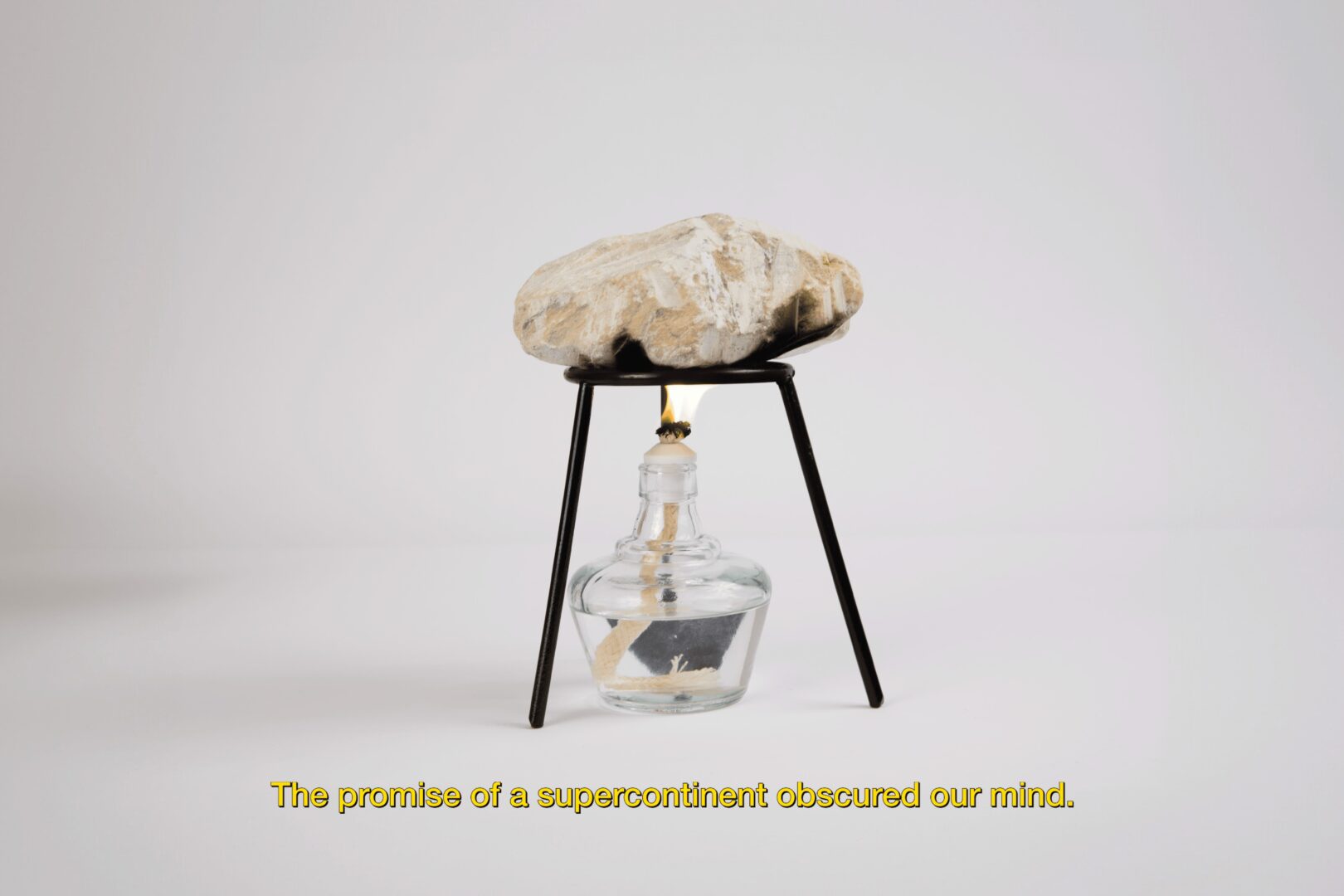
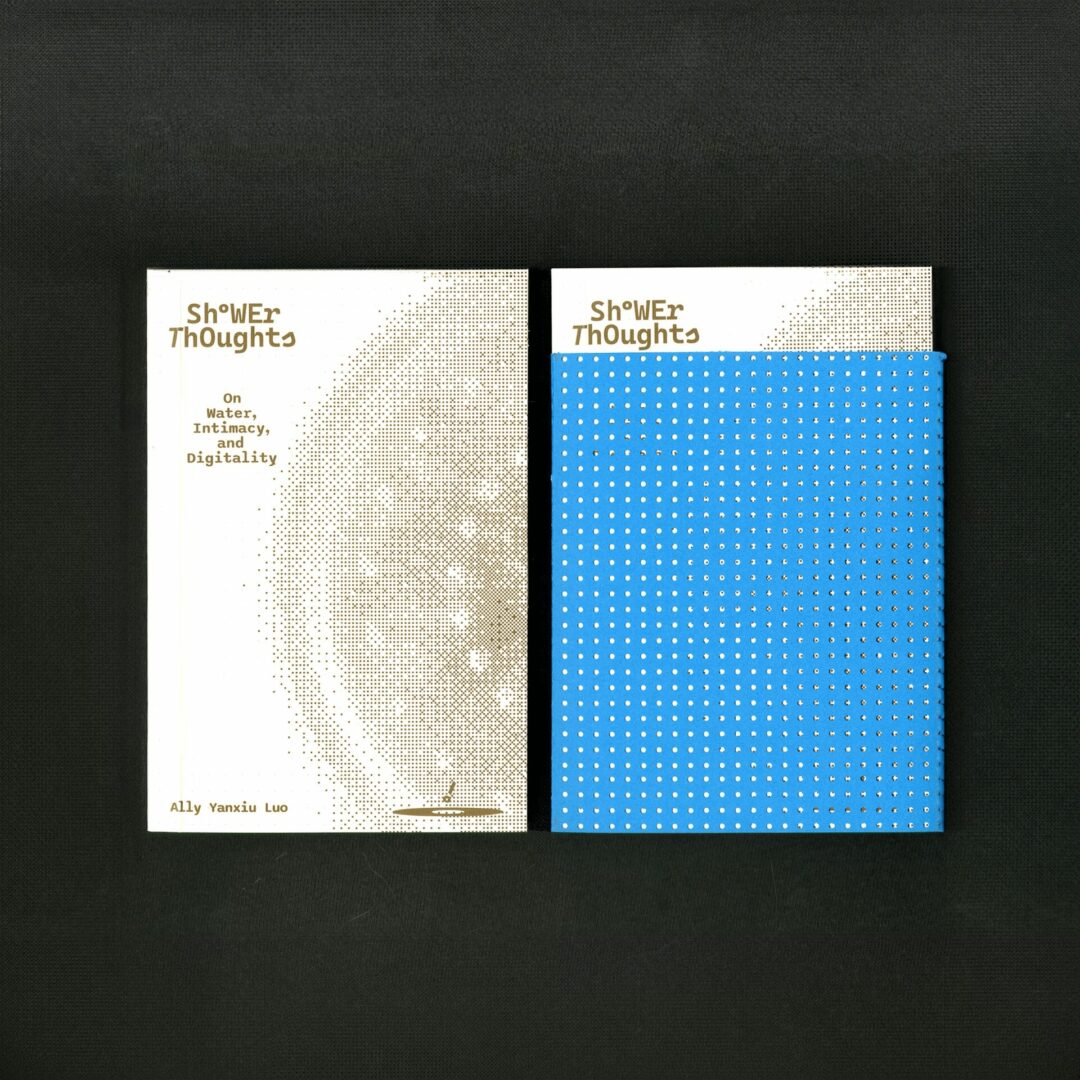
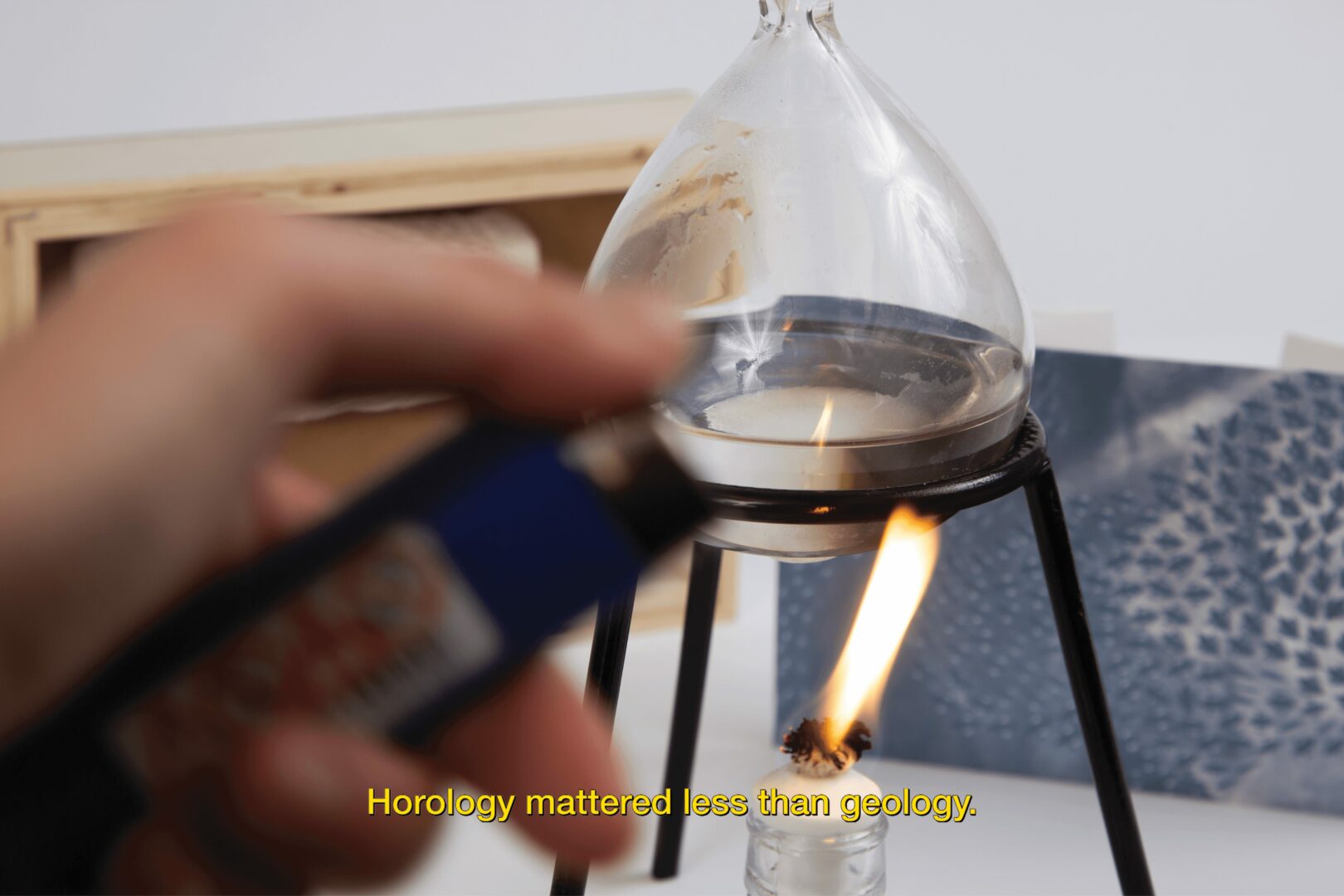
Luo holds a BA from Wesleyan University and an MFA in Design and Technology from Parsons School of Design. She has taught at Parsons and currently works as a designer at Harvard FAS CAMLab, where she develops digital tools for cultural storytelling. Recent projects include “Shower Thoughts: on Water, Intimacy, and Digitality,” an artist book that associatively traces connections between hydraulic and information networks, exploring our isolated-yet-networked existence in the post-digital age. She is currently working on a new body of work exploring deep time and geologic imagination in New England, which she will continue to develop during her upcoming residency at the Vermont Studio Center.
If you had to pick three qualities that are most important to develop, which three would you say matter most?
For me, the three most important things have been: (1) learning to navigate ambiguity, (2) getting just close enough to coding, and (3) building a community of honest, thoughtful peers. Much of my creative process begins in murky, unresolved territory—following intuition or strange questions without clear answers—so being okay with not knowing right away has been essential. Learning to code, even at a basic level, was a turning point. I’m not a software engineer and probably never will be, but coding opened up a new doorway into the vast world of technologists, practical idealists, philosophers, and even politics. It helped me better understand the systems I interface with every day, and gave me the tools to ask better questions and do my own research. And none of it would feel meaningful without community—a circle of friends and collaborators who aren’t afraid to challenge me, share resources, or offer grounded feedback. My advice: never be prejudiced against an idea just because it’s unfamiliar. When learning, assume you know nothing. And when presenting your work, speak as if you know everything—because you do know everything about your own process.
Alright, so before we go we want to ask you to take a moment to reflect and share what you think you would do if you somehow knew you only had a decade of life left?
If I had only a decade left, I think I’d still continue many of the projects I’m working on now—but without the constant anxiety or urgency that comes from trying to hustle in a place like New York, or make a name for myself as a young artist. A lot of that pressure feels necessary in the moment, but in the long run, does it really matter? What matters more, I think, is being happy, trusting in the work you do, and living responsibly. I’d still be researching, writing, and building things, but I’d drop a lot of the noise to spend more time learning how to farm, how to grow food, how to take care of land. I’d study forestry, ecosystems, and try to live closer to the rhythms of the natural world. It wouldn’t be about slowing down—it would be about shifting my attention to what actually sustains us.
Contact Info:
- Website: https://www.luoyanxiu.com
- Instagram: luoyanxiu
- Other: my book can be ordered here: https://sequencegiftshop.metalabel.com/showerthoughts?variantId=1
so if you or someone you know deserves recognition please let us know here.