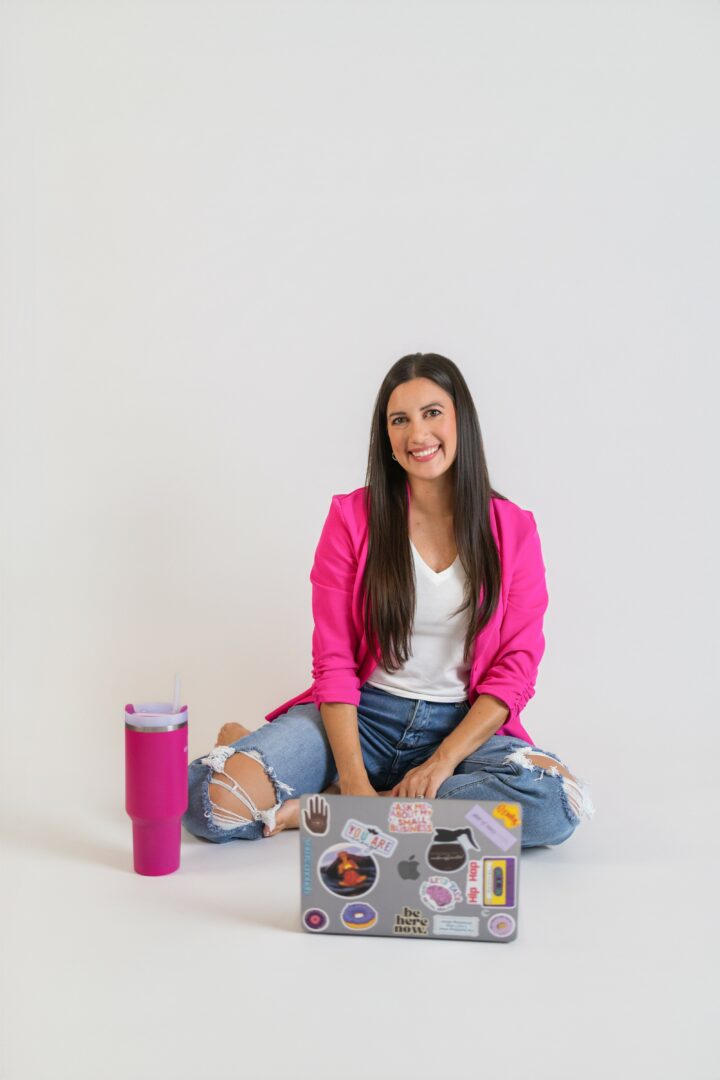
We recently connected with Alyssa Booth and have shared our conversation below.
Hi Alyssa, we’re so appreciative of you taking the time to share your nuggets of wisdom with our community. One of the topics we think is most important for folks looking to level up their lives is building up their self-confidence and self-esteem. Can you share how you developed your confidence?
If you met me today, you’d probably think, “Wow, she’s so grounded and confident. She really has her stuff together.”
But that version of me didn’t come naturally. I had to grow into her.
When I was younger, I was painfully shy — like hide behind my mom’s leg shy. I watched my older sister, who was naturally social and outgoing, watched other girls at school who everyone liked, and decided the safest thing I could do was to try to fit in. Be likable. Be accepted. Be who others wanted or expected me to be.
And honestly, that pattern followed me for way too long.
By middle school, I shifted into who I thought I should be and how I thought I should be. I tried to earn belonging instead of just being myself. It bled into dating too. If someone treated me poorly, I didn’t question them, I questioned me.
Fast-forward a few years… I became a mom young, married someone who wasn’t healthy for me, and got stuck in a cycle of shame, proving, and pretending. I tried so hard to “keep it together” that I completely disconnected from myself. I felt damaged and drained.
I didn’t wake up one day and think, I love myself now.
It was in a moment of rejection that hit me straight in the gut like a freight train. It shook me to my core.
It was this moment that I realized that I had been abandoning myself for YEARS. All of the moments I had chosen to be likable over being authentic, where I chose someone else’s comfort over my own, where I settled for less because I didn’t think I deserved more… ALL of those moments made me lose sight of who I was.
I became determined to find myself. My confidence grew as I started to choose myself, my needs, my capacity, my boundaries, my values, and myself… over and over and over.
I decided that I did not want to live for what others thought of me. And the more I was open and honest about myself, my struggles, and my needs, the more I found my people. The more I connected to those around me who showed unconditional love to all the parts of who I am.
The process of developing my confidence was in learning to accept all parts of myself. Through the lens of compassion, gentleness, and softness. It was a process of coming home to myself.
I learned to make my nervous system feel safe. Confidence can’t grow when your body is constantly bracing for emotional impact. Once I learned how to regulate, everything became clearer and softer.
I stopped choosing people who wanted me to shrink. If being “loved” required parts of me to disappear or hide, it wasn’t love. I stopped performing and let myself take up space.
I replaced shame with compassion. Not in a fluffy way… in a grounded, honest way. Shame kept me stuck. Compassion moved me forward.
I reclaimed the parts of me I spent years hiding. My sensitivity. My intuition. My voice. Things I once saw as “too much” are now the foundation of my confidence.
My confidence was buried under years of being the strong one, the good one, the easy one, the one who holds it all together.
Confidence is what naturally showed up when I stopped abandoning myself and started belonging to myself.
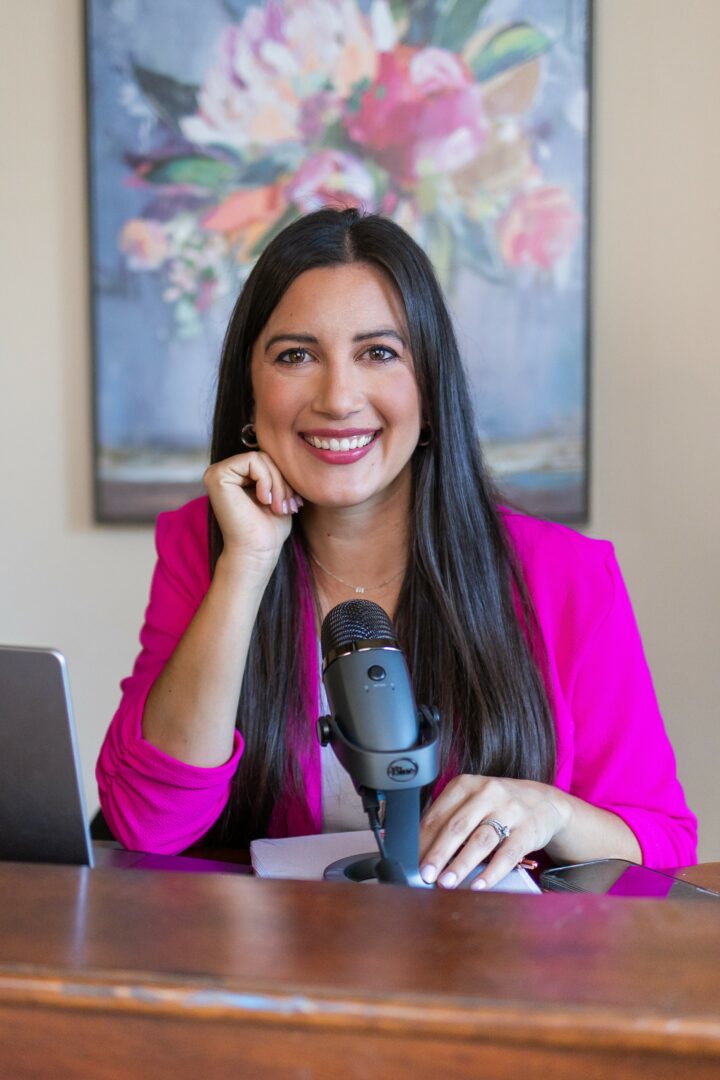
Thanks, so before we move on maybe you can share a bit more about yourself?
I’m a therapist and women’s empowerment/emotional well-being coach, and I work with the woman who looks strong on the outside but feels like they are spiraling on the inside. The high-functioning one. The overthinker. The “I’m fine… but also on the brink of burnout” woman.
My work centers on helping women stop spiraling and start feeling steady again. Not by trying harder or doing more, but by understanding their nervous system, honoring their capacity, and finally belonging to themselves instead of everyone else.
What makes my approach different is that it’s trauma-informed without being overly clinical. It’s empowering without being pushy. It’s deeply vulnerable and also freeing and fun. I help women understand why they feel the way they do and how to shift it in a real, sustainable way. My clients often say, “You say things I’ve felt my whole life but never had the words for,” and that’s exactly what I want — for women to feel seen, safe, and understood.
Right now, I’m most excited about the next round of Reclaim, my women’s group healing experience. It’s a community space built on the idea that you weren’t meant to do life or healing alone. We focus on nervous system safety, boundaries, rest, emotional expression, and reconnecting with the version of yourself you thought you lost. It is the all encompassing group you need to take healing from information to integration so you can embody the experience of being regulated and more at ease.
Additionally, I have a monthly membership, Align. This is where women come to get support when life gets messy. You’ll find community, practical resources, and informative classes to help you feel more connected and create a life that feels steady.
At the core of my brand is Permission.
Permission to rest, to shift, to take up space, to stop being the strong one, to build a life that actually includes you.
Women don’t need more motivation or discipline, they need safety, compassion, and unconditional love and acceptance for all the parts of themselves. That’s what my work offers.
Looking back, what do you think were the three qualities, skills, or areas of knowledge that were most impactful in your journey? What advice do you have for folks who are early in their journey in terms of how they can best develop or improve on these?
When I look back, the things that changed me the most weren’t dramatic or impressive. They were quiet internal shifts that asked for honesty, patience, and a level of self-gentleness I’d never practiced before.
1. Awareness
In the beginning, I had to relearn how to notice myself. Not judge, analyze, or turn every feeling into a moral failing- just notice what was happening inside my body and mind. Most of us grew up overriding our inner world. We were either disconnected or told our feelings or experiences were too much, so awareness can feel uncomfortable at first.
Doing a small check in and asking, “what am I thinking, feeling or needing?” was the foundation that rebuilt self trust. It helped me understand and acknowledge my reactions instead of assuming something was wrong with me.
2. Self-compassion
This was the hardest one for me. I used to “should” on myself all day long and talk to myself in a tone I’d never use with anyone else. When I finally began validating my emotions instead of criticizing them, everything shifted. Compassion created enough internal safety for me to choose differently without shaming myself into change. It allowed me to hold vulnerable parts of myself with kindness and care. Honestly this is where so much growth happened for me.
3. Deeper Integration
Awareness and compassion mattered, but I was not prepared for the level of healing I got to when I started implementing nervous system work. I had to get to the root- my nervous system, my trauma responses, and the parts of me that had never felt safe. You can intellectually understand your patterns and still feel stuck because knowing and feeling are two different things. Integration is where the real shift happens. It’s where the body learns what the mind has been trying to say: You’re safe now… It’s okay to be you.
If you’re early in your healing… go slow
You don’t need to rush or figure everything out. Start with gentle awareness. Meet yourself with compassion, especially when it feels unfamiliar. And let deeper healing happen at a pace your body can actually receive. You’re not behind. You’re not broken. You’re simply learning how to listen to yourself again. This is where healing really takes off… In those small moments you connect to yourself.
My #1 piece of advice is to not do healing alone. Find a group, community, or therapist to support you. Healing happens when we can be fully seen, understood and supported in a safe space.
How would you describe your ideal client?
My ideal client is the strong-but-struggling woman — the one everyone relies on, the one who holds it all together, the one who looks “fine” on the outside while quietly unraveling on the inside.
She’s competent, caring, hyper-responsible… and exhausted in ways she doesn’t say out loud. She’s sensitive and emotionally deep, but she’s lived so much of her life in survival mode that she’s lost access to her needs, her intuition, and the version of herself that isn’t constantly performing.
She’s the woman who:
-can’t turn her brain off
-feels guilty when she rests
-says yes when she’s already at capacity
-feels responsible for everyone’s emotions but her own
-has read all the books, done all the things, and still feels stuck
-is terrified that if she slows down, everything will fall apart
She’s over-functioning, overwhelmed, and deeply under-supported.
She’s the “I’ve got it” girl — until she doesn’t.
At her core, she isn’t looking for quick fixes. She’s craving healing at the root, not hacks. She wants to feel at peace in her own body, trust herself again, and build a life she doesn’t have to recover from. She wants someone who can hold her with compassion and call her forward without shame.
She is ready to stop self-abandoning, feel safe and finally come back home to herself.
Contact Info:
- Website: https://heyalyssabooth.com
- Instagram: https://www.instagram.com/heyalyssabooth/
- Linkedin: https://www.linkedin.com/in/alyssabooth
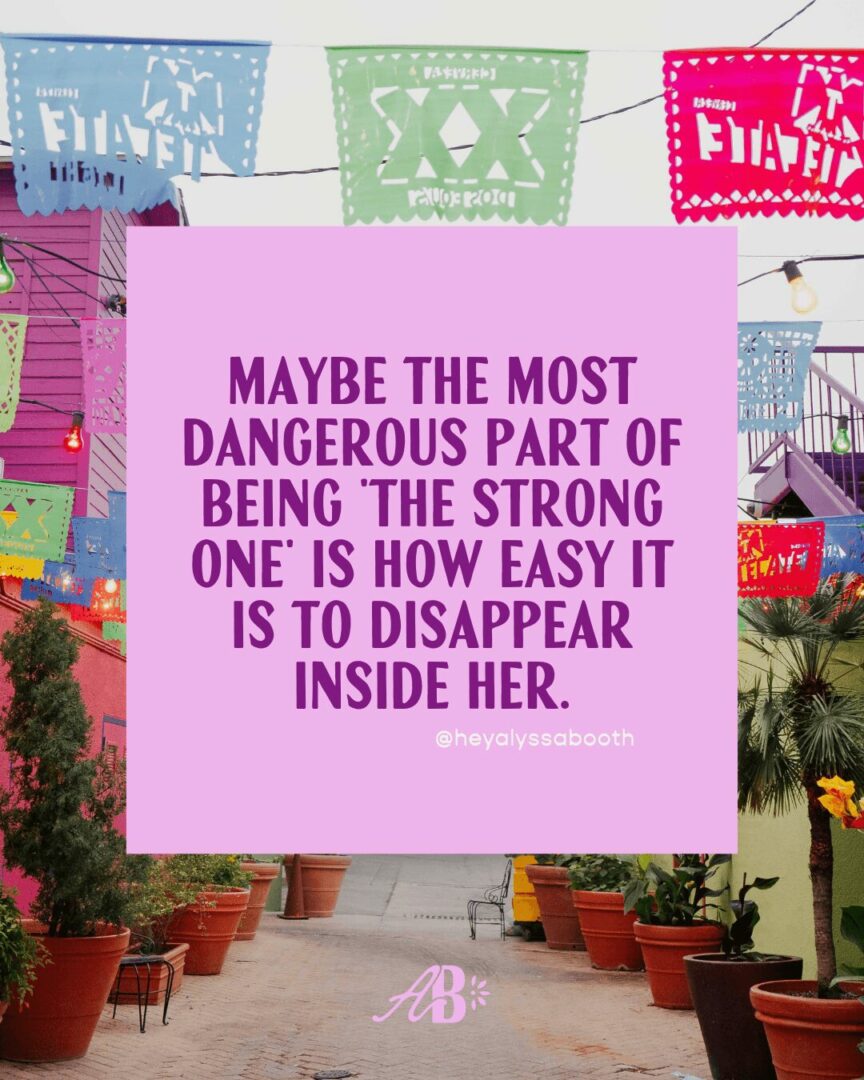
Image Credits
Yvette Hartridge Photography
so if you or someone you know deserves recognition please let us know here.