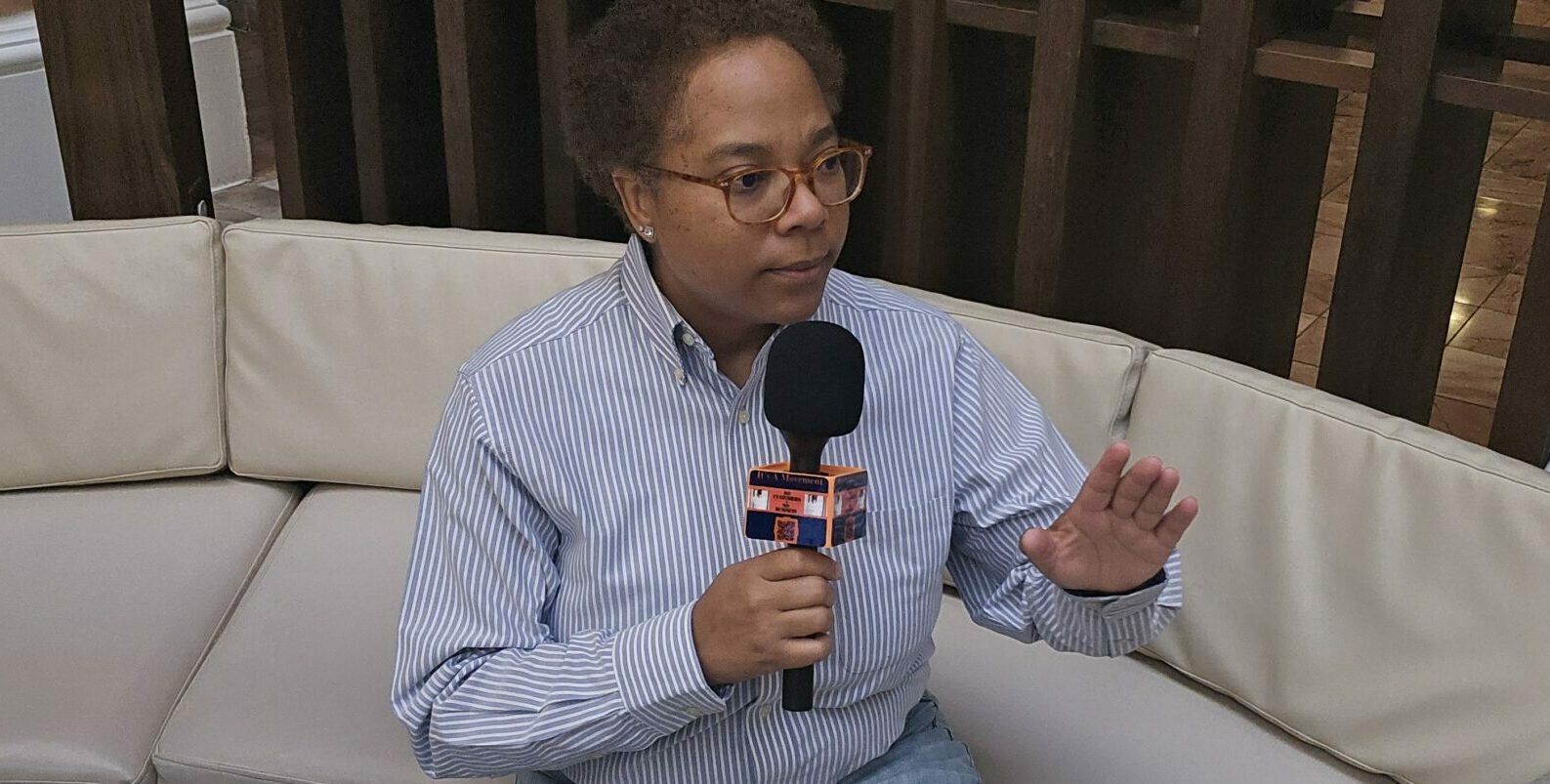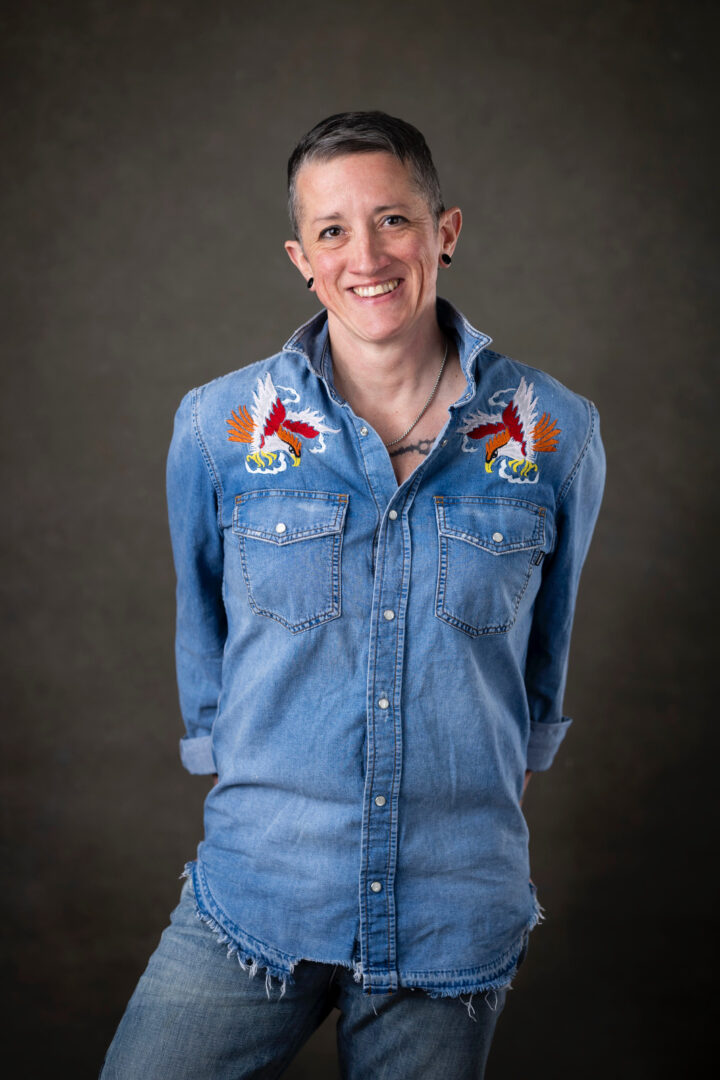
We caught up with the brilliant and insightful Amanda Ralston a few weeks ago and have shared our conversation below.
Hi Amanda, thank you so much for opening up with us about some important, but sometimes personal topics. One that really matters to us is overcoming Imposter Syndrome because we’ve seen how so many people are held back in life because of this and so we’d really appreciate hearing about how you overcame Imposter Syndrome.
The short version is: I haven’t. It’s never a steady state — more like a tide that comes and goes depending on the season I’m in, the room I’m standing in, or the people who surround me. I’ve stopped trying to “overcome” it because that felt like treating a symptom instead of listening to what it tells me. Imposter syndrome, when it shows up, is often my signal that growth is happening — that I’m somewhere new, stretching into something bigger than comfort.
So instead of pushing it away, I’ve learned to make space for it. I remind myself that being nonlinear means my confidence doesn’t follow a straight progression either. Some days I feel entirely at home in what I’ve built; other days I wonder how I got here at all. That oscillation is part of it.
The truth is, I keep moving not by mastering imposter syndrome but by befriending it — by remembering that self-doubt often sits right next to humility and curiosity, two traits I never want to lose. It’s less about overcoming and more about expanding who I’m allowed to be, even when that person feels like an unfinished draft.
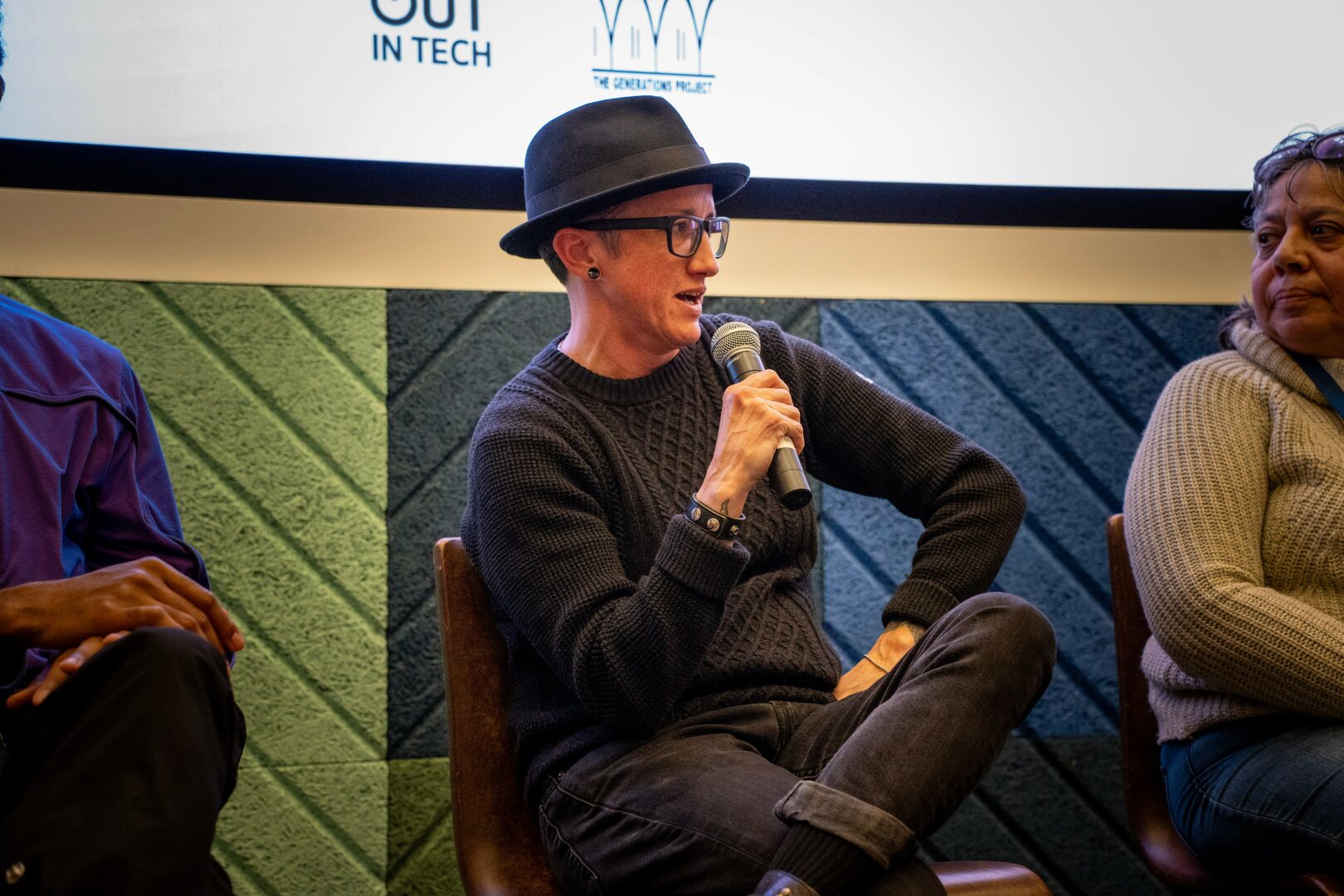
Appreciate the insights and wisdom. Before we dig deeper and ask you about the skills that matter and more, maybe you can tell our readers about yourself?
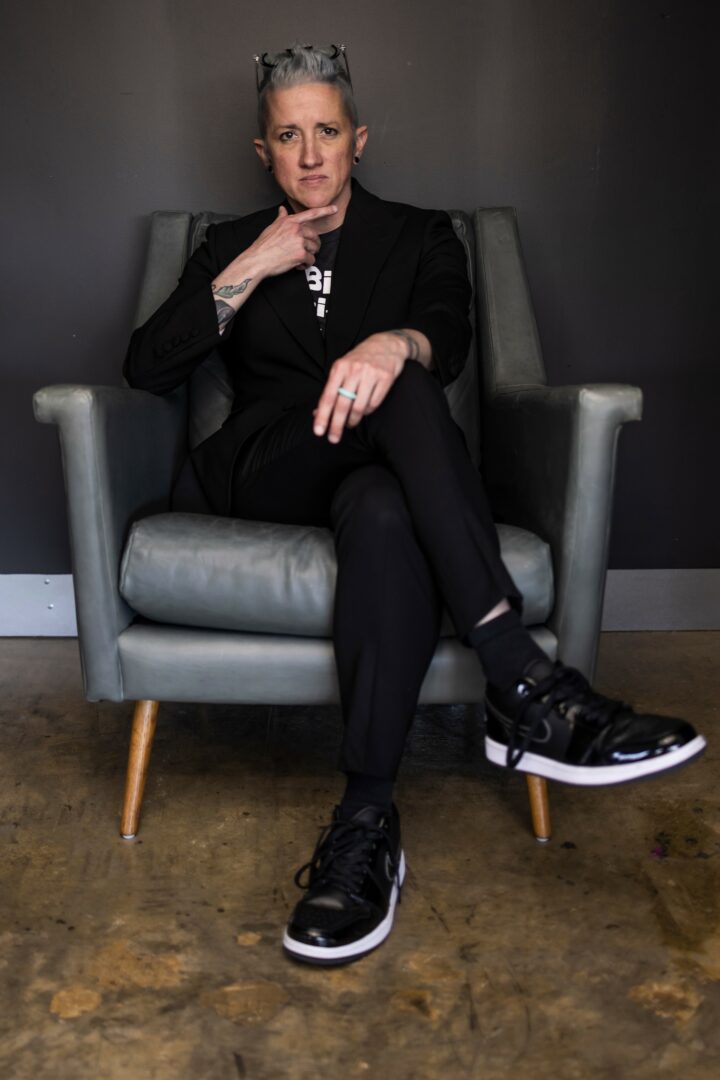
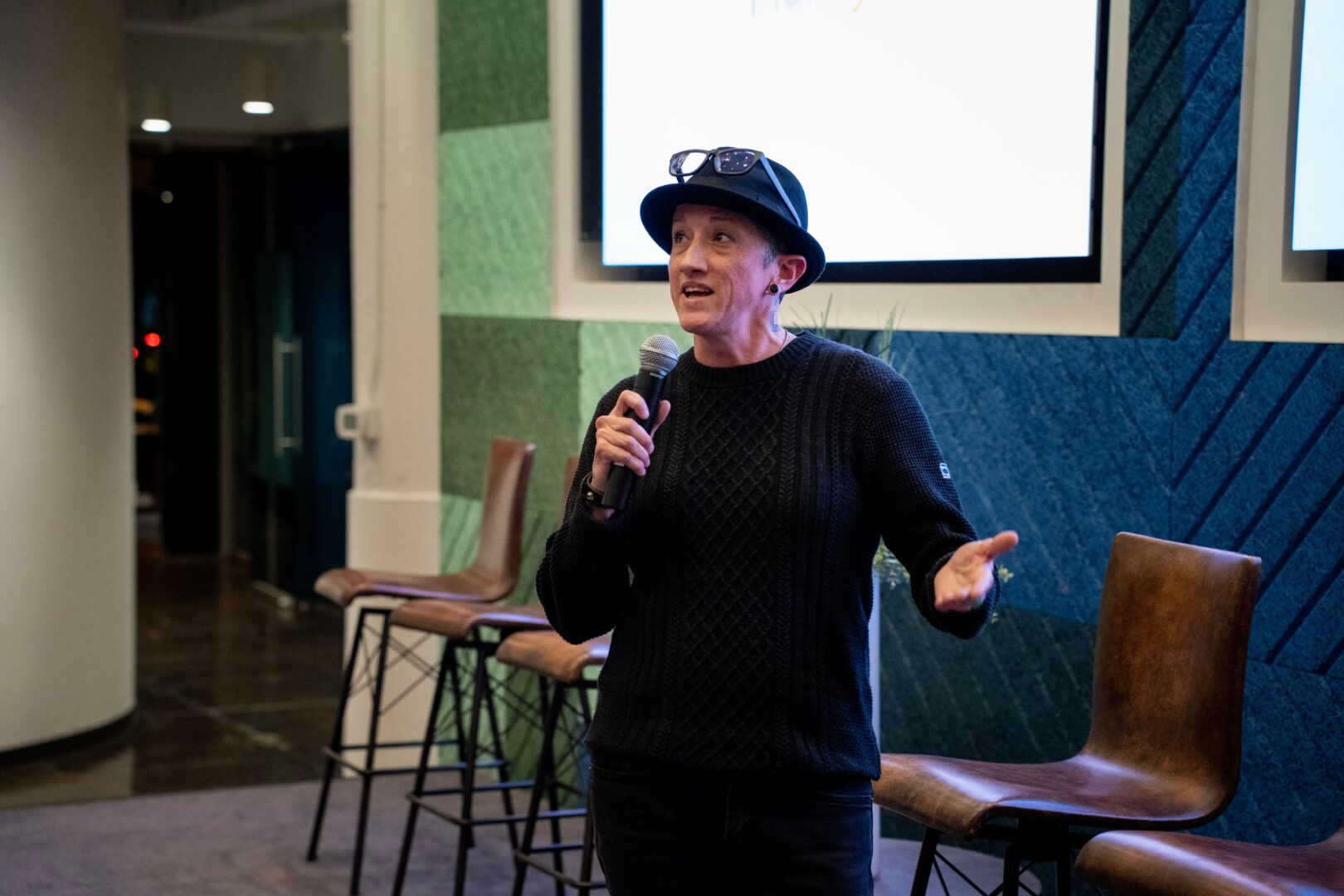
I wear a few different hats, all orbiting around the same core mission — creating systems that make people’s lives better. I currently serve as CEO of KidsChoice Therapy, an autism therapy provider that operates several clinics across Oklahoma, and Founder & CEO of NonBinary Solutions, the company behind Knowetic.ai, an AI platform designed to bring smarter, more human-centered tools to behavioral health and education.
What I love about both ventures is the shared heartbeat: designing environments — whether human or digital — where people thrive instead of just survive. At KidsChoice, that looks like reimagining autism services to be deeply compassionate, clinically sound, and operationally sustainable. We’ve been expanding our footprint to reach more families in rural and underserved areas while building therapist support systems that prevent burnout and nurture long-term growth.
At NonBinary Solutions, the focus shifts toward innovation and data ethics. Knowetic.ai is our answer to a long-standing gap in the field: helping clinicians and leaders translate behavioral insights into action through AI that listens, learns, and supports rather than replaces. It’s about making technology feel like a collaborator in care — not a barrier to it.
I guess you could say I’m a nonlinear thinker who builds nonlinear systems. I don’t see leadership, technology, and therapy as separate worlds; they’re three expressions of the same idea — that care and intelligence belong together. Whether it’s a therapist learning to lead with empathy, or an algorithm built to amplify human judgment, the goal is always the same: to make complexity feel a little more humane.
What’s next? Growth — but intentional growth. Deepening the partnerships that already make our work meaningful. Continuing to build tools and teams that remind people that progress doesn’t have to come at the expense of compassion. #ItsNotBinary
If you had to pick three qualities that are most important to develop, which three would you say matter most?
When I look back, three qualities stand out — and none of them came easily.
First: self-trust. Not the loud kind that says, “I’ve got this,” but the quiet kind that whispers, “I’ll figure it out.” I’ve learned that leadership isn’t about eliminating uncertainty; it’s about learning to stand inside it without losing yourself. For anyone starting out, self-trust grows through evidence — small wins, honest reflection, and surrounding yourself with people who mirror your strengths back to you when you forget.
Second: systems thinking. I’m wired to see patterns — how one process, one conversation, or one person’s burnout ripples across an entire organization. That perspective has shaped everything from my clinical frameworks to how I design teams. My advice: train yourself to zoom out. Every challenge is part of a larger feedback loop; understanding that loop changes how you lead within it.
Third: creative empathy. In both human services and tech, empathy gets talked about but rarely operationalized. For me, it means being curious about how people experience the systems you create — clients, employees, end users, all of them. Empathy isn’t softness; it’s data about what works emotionally. Cultivate it like a skill, because it is one.
Those three qualities — self-trust, systems thinking, and creative empathy — have carried me through more uncertainty than any business plan ever could. They shape how I lead, how I listen, and how I keep redefining what success looks like along the way.
Okay, so before we go, is there anyone you’d like to shoutout for the role they’ve played in helping you develop the essential skills or overcome challenges along the way?
There’s a scene in Good Will Hunting that still stops me cold. Robin Williams’ character tells Matt Damon’s that he can quote anything from any book, describe any painting, analyze war or love or loss — but he doesn’t know how it feels. That line has followed me for years, because I think it captures the biggest truth about leadership and learning: knowledge is not wisdom, and theory is not experience.
For me, the people who have helped me grow aren’t the professors, executives, or consultants. It’s the people I lead and the people I serve. Decades of feedback — the good, the bad, and the ugly — have shaped me more than any book or training ever could. Every tough conversation, every mistake, every client story has served as a mirror reflecting back something I needed to see.
In a way, my whole career has been the practice of learning how it feels to be in someone else’s experience — whether that’s a clinician navigating burnout, a parent trying to reach their child, or a team member pushing through uncertainty. That’s where real understanding lives.
There’s no shortcut for that kind of knowledge. You can’t read your way into empathy. You have to earn it — through time, humility, and showing up again after failure. That’s what my teams and the families we serve have given me: a map drawn by lived experience, more honest and instructive than any textbook could ever be.
Contact Info:
- Website: https://www.amandaralston.com/
- Instagram: https://www.instagram.com/nonbinary_solutions
- Facebook: https://www.facebook.com/kidschoicetherapyandplaycenter
- Linkedin: https://www.linkedin.com/in/amandaralston/
- Youtube: https://www.youtube.com/@nonbinary_solutions
- Other: https://www.knowetic.ai/
https://kidschoicetherapy.org/
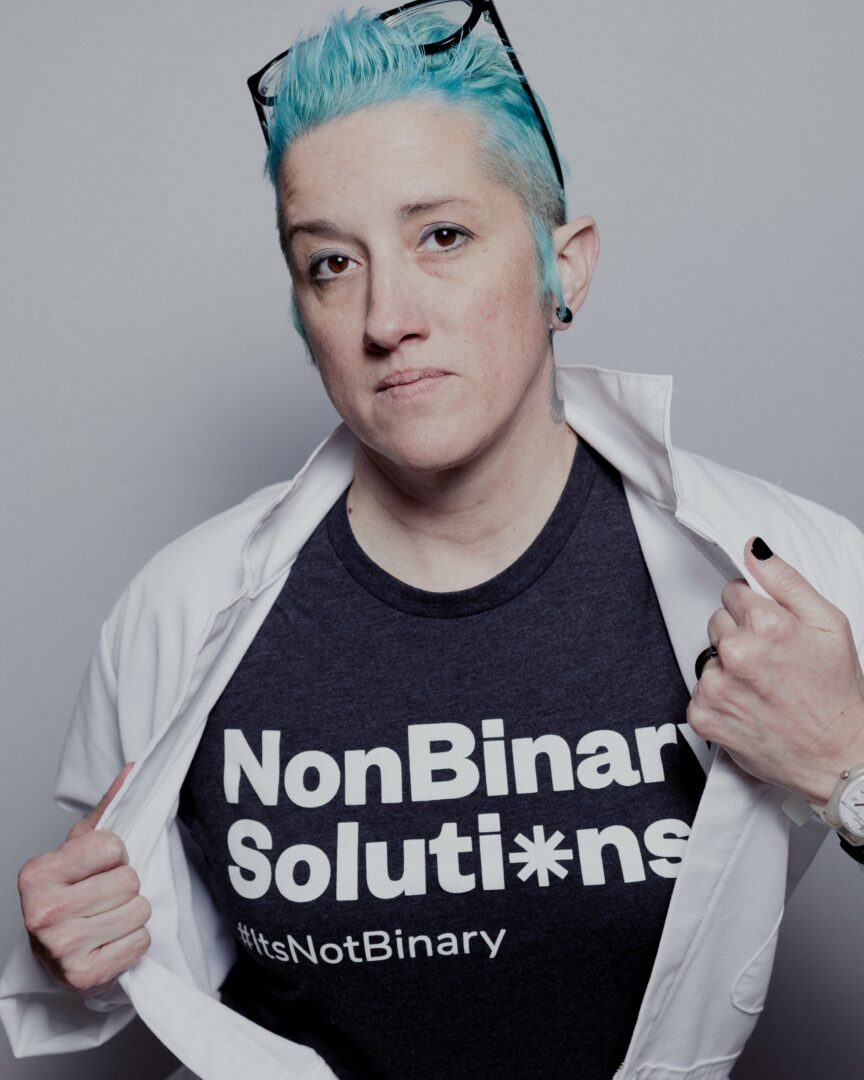
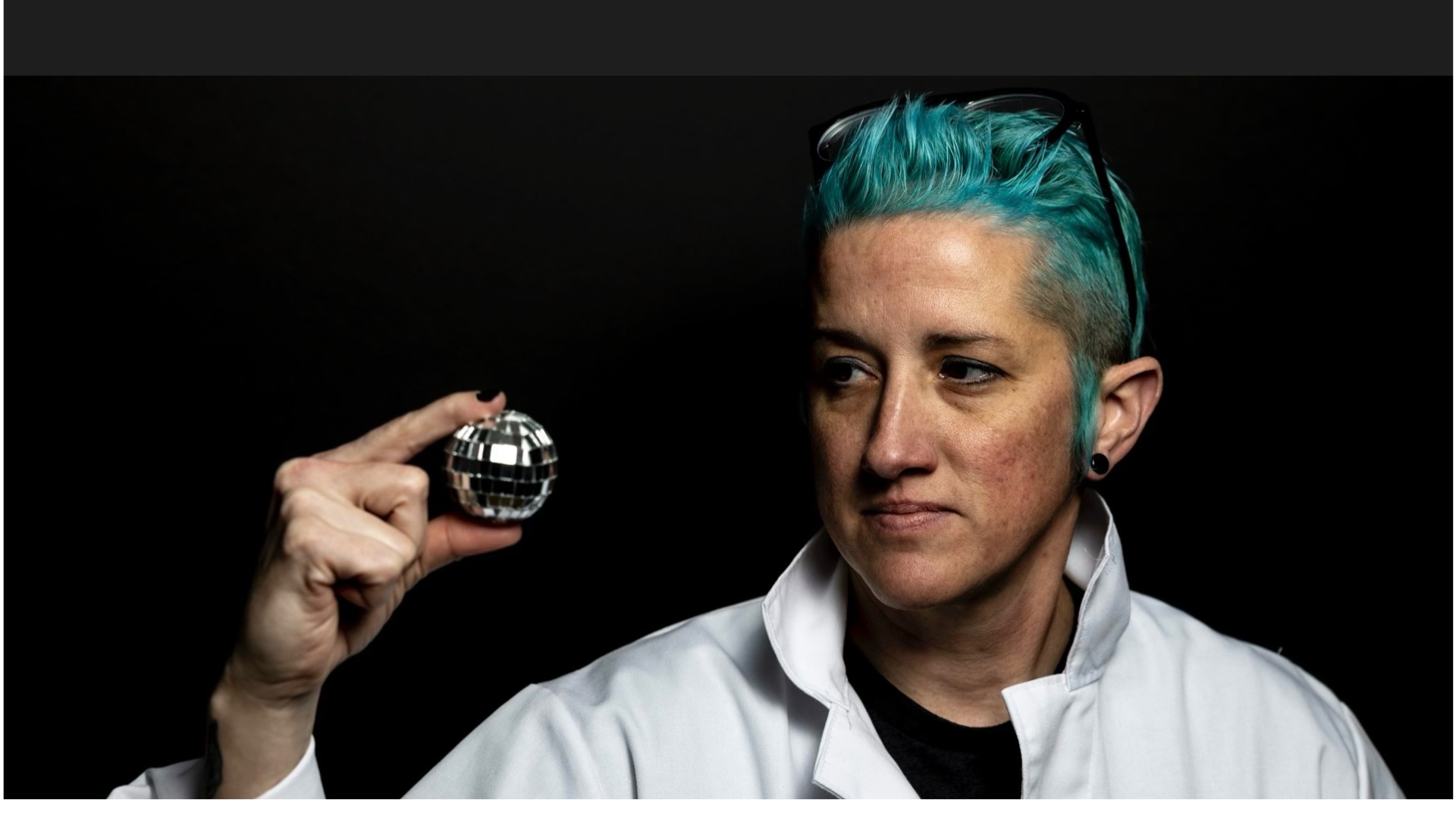
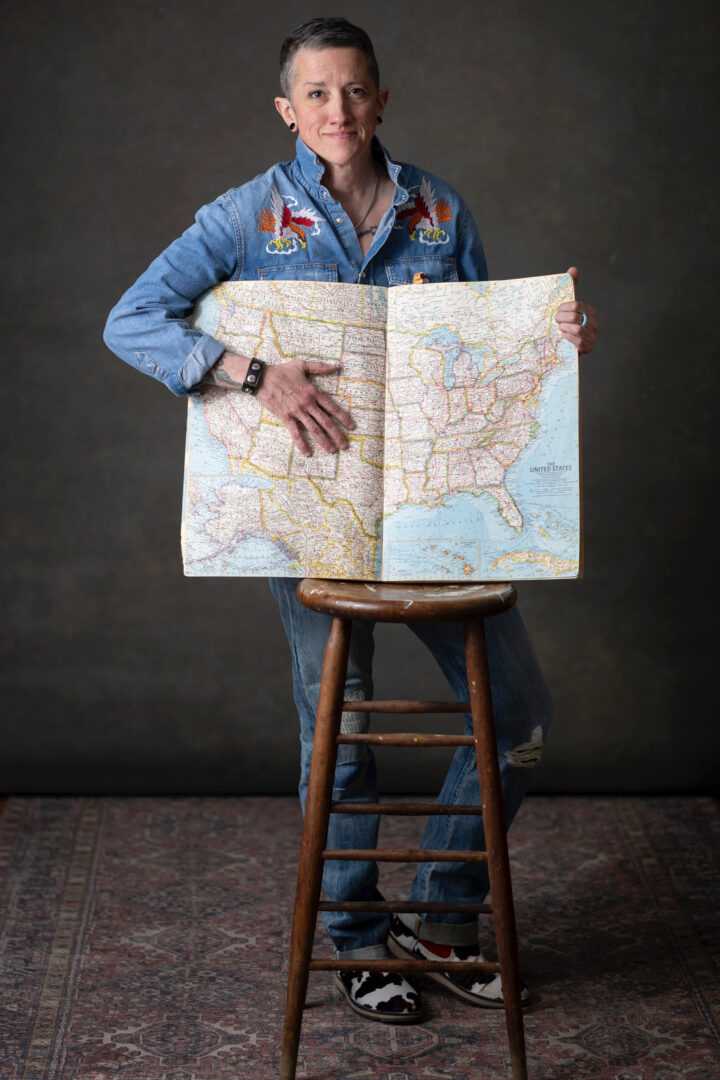
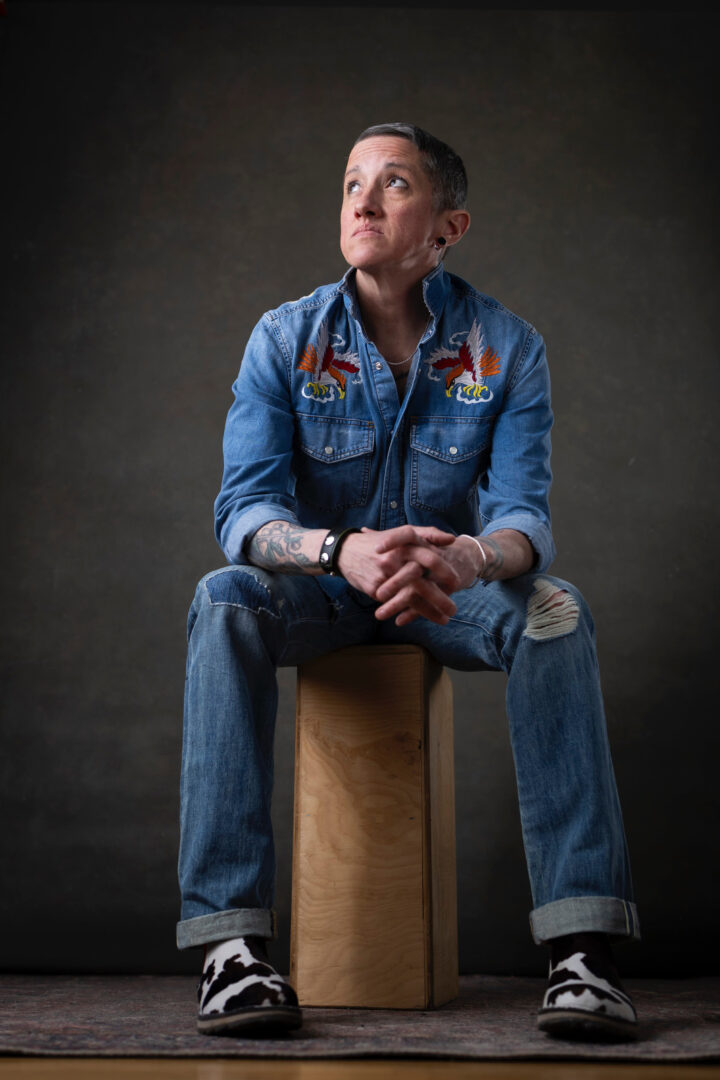
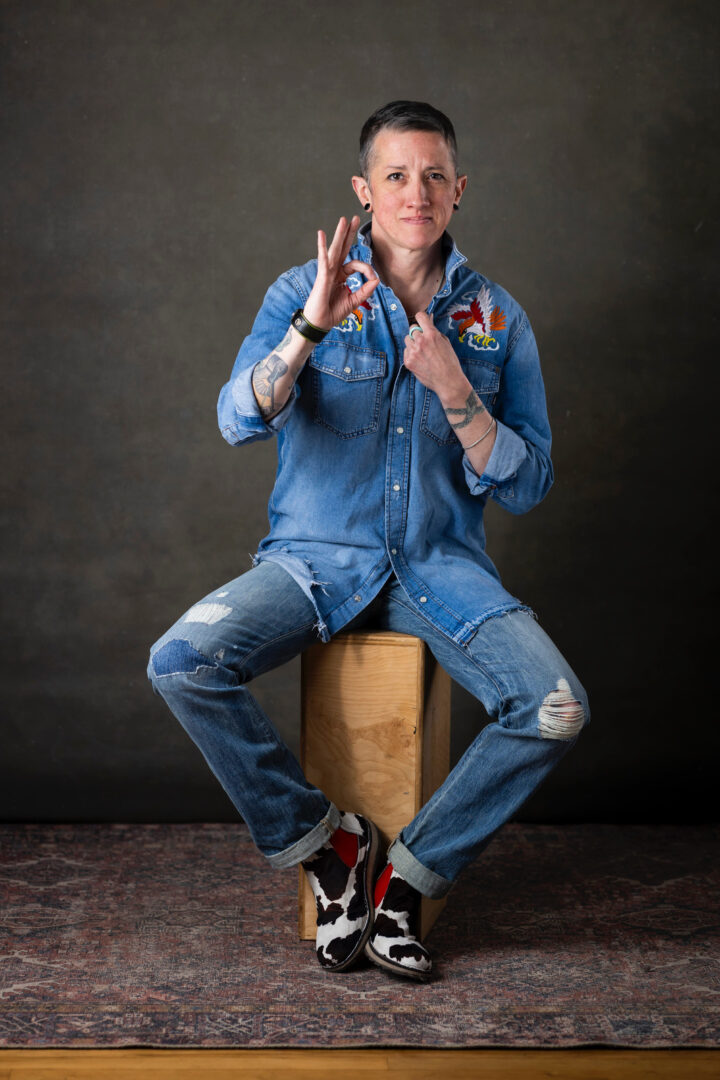
Image Credits
All headshots by Chet White. Additional live shots by MJ Yap.
so if you or someone you know deserves recognition please let us know here.