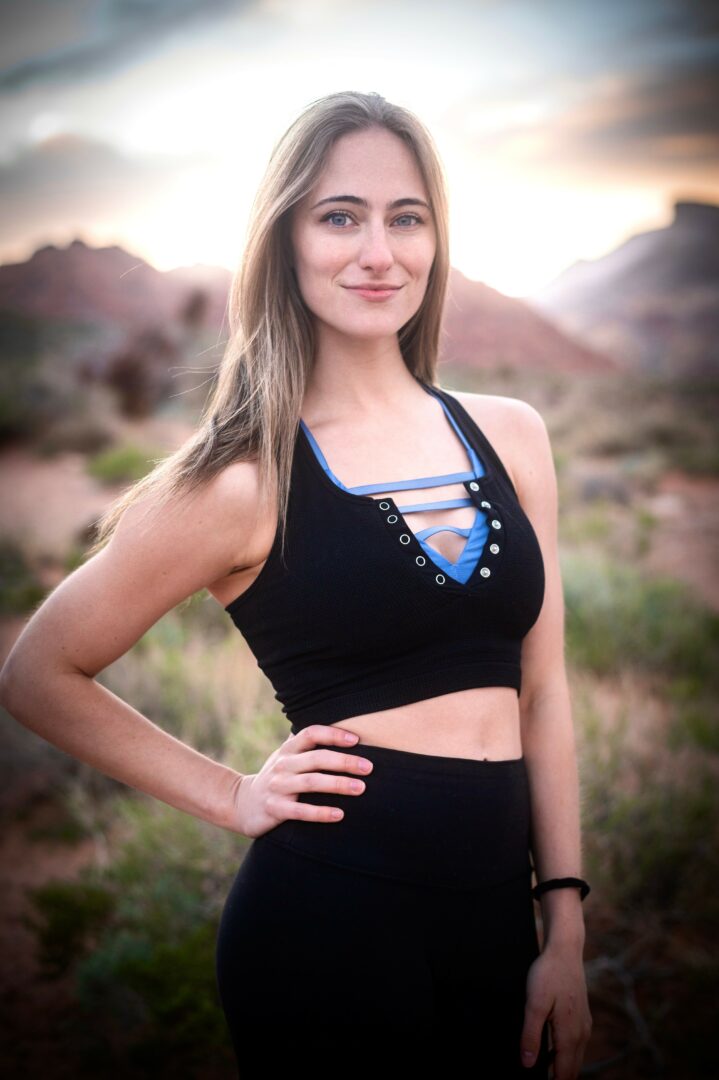
We recently connected with Amanda Simonton and have shared our conversation below.
Hi Amanda, thanks for sitting with us today to chat about topics that are relevant to so many. One of those topics is communication skills, because we live in an age where our ability to communicate effectively can be like a superpower. Can you share how you developed your ability to communicate well?
Effective communication has been, and continues to be, one of the central threads of my personal and professional development. I see it as a lifelong practice. With every new person and interaction, I’m reminded that communication is a living skill that evolves alongside us. Today, I deeply appreciate the way I communicate: I rely on active listening, ask clear and open-ended questions, reflect back what I hear to ensure understanding, and bring empathy into every conversation. And if I feel myself becoming tilted or aggravated, I use self-soothing tools to stay grounded and present.
But this wasn’t always the case. In my early twenties, I began noticing that with the people closest to me; friends, partners, teammates, I could get heated quickly, especially in high-energy environments like sports. Those moments made me pause. I realized I was echoing patterns I’d seen growing up, and I knew I wanted to do better. I wanted to speak to the people I loved with more clarity, calm, and respect.
That realization opened the door to yoga, spirituality, and nervous-system regulation. Through these practices, I learned self-soothing tools like gentle movement, meditation, and breathwork; specifically the physiological sigh and the 4-7-8 technique. These became anchors that helped me shift from reactivity into intentional communication.
As my self-awareness grew, I also began to see how much fear I carried around disappointing others. I struggled to say no. Instead, I’d give indirect answers or overcommit, worried that setting boundaries would cost me relationships. I judged people who canceled plans, assuming it meant they didn’t care because I feared others would see me the same way. But entering my career, and especially after the pandemic when my introvert side blossomed, I gained a deeper appreciation for the demands people juggle. One day it clicked: changing plans doesn’t make someone unreliable, and saying no doesn’t make me unworthy. Extending that grace to others also opened a path for me to finally offer myself compassion.
A pivotal chapter in developing my communication skills unfolded during my early and mid-twenties. I had just finished a nine-month training program to become a health and wellness coach when I entered a relationship that became an unexpected practicum. My partner at the time was highly intelligent and often engaged in conversations with a subtly argumentative edge. He could twist dynamics to get his way or make me doubt my perspective. It was challenging, but it forced me to grow. I learned the power of open-ended questions, the importance of true active listening, and the value of reflecting someone’s words rather than immediately inserting my own. It allowed me to practice new skills in real time, and ultimately, those skills helped me leave a dynamic that was no longer serving me.
Later, I sought mentorship to refine my communication and facilitation even further. That’s when I was introduced to Charlie White, founder of Move Mountains and an exceptional mindful leadership trainer. With compassion and precision, he helped me identify blind spots I couldn’t see on my own. For example, when I felt nervous, I tended to layer multiple questions at once, overwhelming the person I was trying to connect with. He taught me the art of asking one skillful question at a time and allowing intentional pauses for deeper reflection.
Communication will always be a lifelong mission for me, one I’m happy to devote myself to. If there’s anything I’ve truly put my 10,000 hours into, it’s this. Our words, in my not-so-humble opinion, are our most inexhaustible source of magic, capable of inflicting injury, and equally capable of offering healing.
To the readers: What chapter of your own communication journey are you in right now?
Let’s take a small detour – maybe you can share a bit about yourself before we dive back into some of the other questions we had for you?
Hello! My name is Amanda Simonton, and I’m the founder of Emberly Wellbeing, a health and wellness coaching company rooted in accountability, intentionality, and the belief that every person has a spark within them waiting to rise.
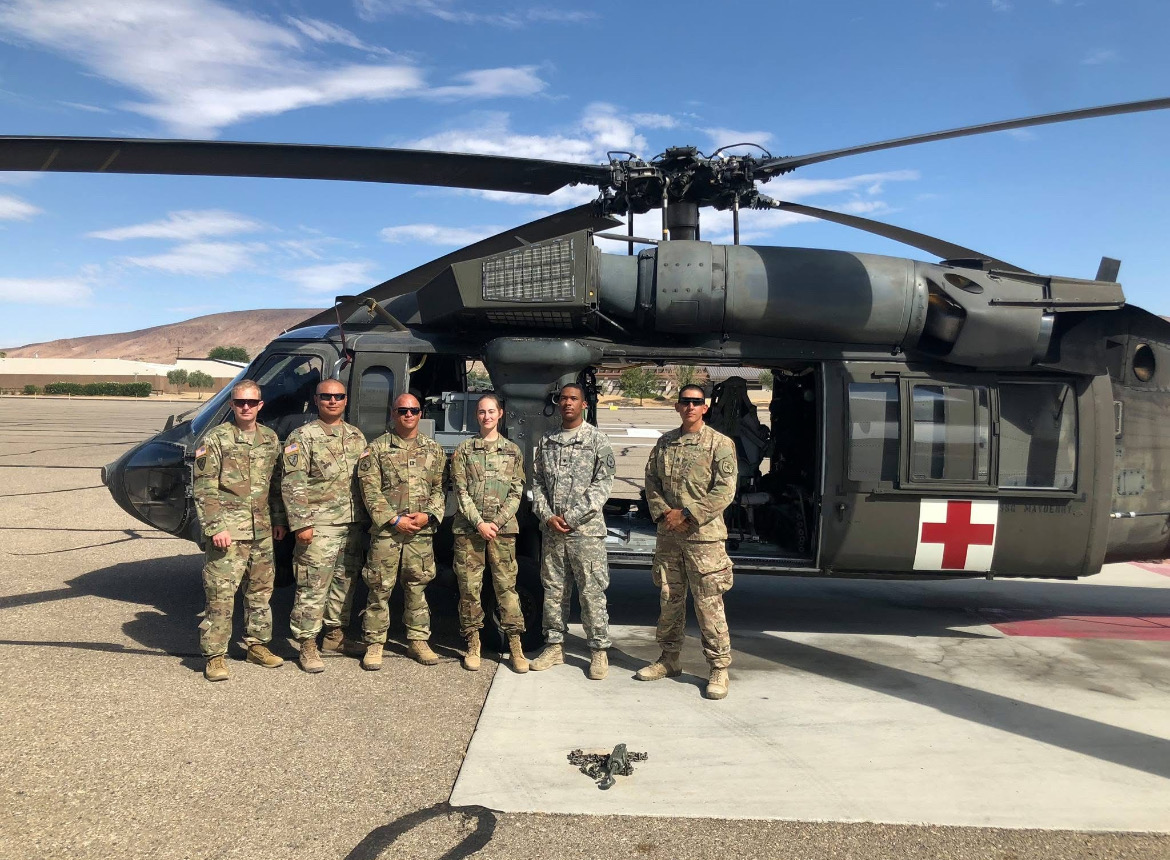
My path to this work has had many twists and turns. I was born and raised in Las Vegas, with a flame lit under me to seek out knowledge, experiences and adventures! Whether it was the volleyball team, serving on student council, or singing in my church’s worship band I was eager to try out as many things as I could. Growing up in the aftermath of the 2009–2011 housing market crash also shaped my understanding of resilience and taught me early on the importance of resourcefulness. Those lessons led me to enlist in the U.S. Army National Guard, where I eventually became a Sergeant in the Nevada Battalion/Brigade. My six years of service gave me an unshakable sense of grit and a deeper knowing of who I am at my core.
While earning my bachelor’s degree in kinesiology from UNLV, I fell in love with anatomy and physiology, initially imagining a path towards physical therapy. But I realized over time that I craved a more holistic, relational, and whole-person way of helping others. That realization guided me into the world of wellness development, I helped design and build an internal health and wellness department at a technology company in partnership with a family-care physician specializing in preventive concierge medicine. Coaching tech professionals gave me a window into the pressures of corporate America and taught me that meaningful lifestyle change is always possible, even for people with demanding schedules.
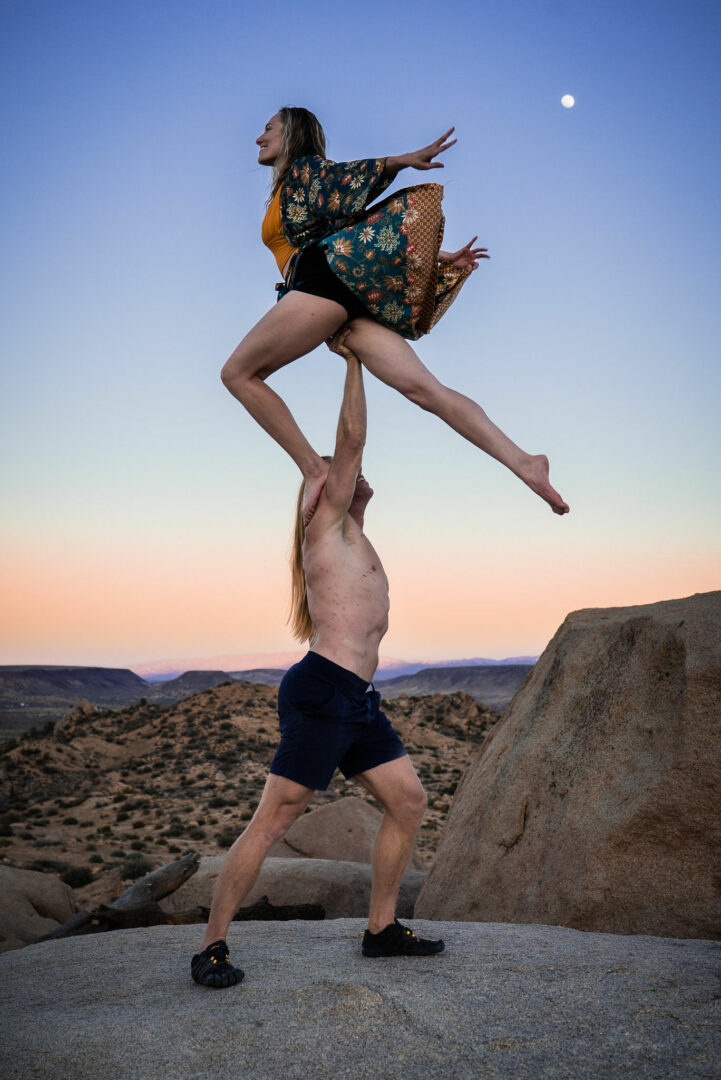
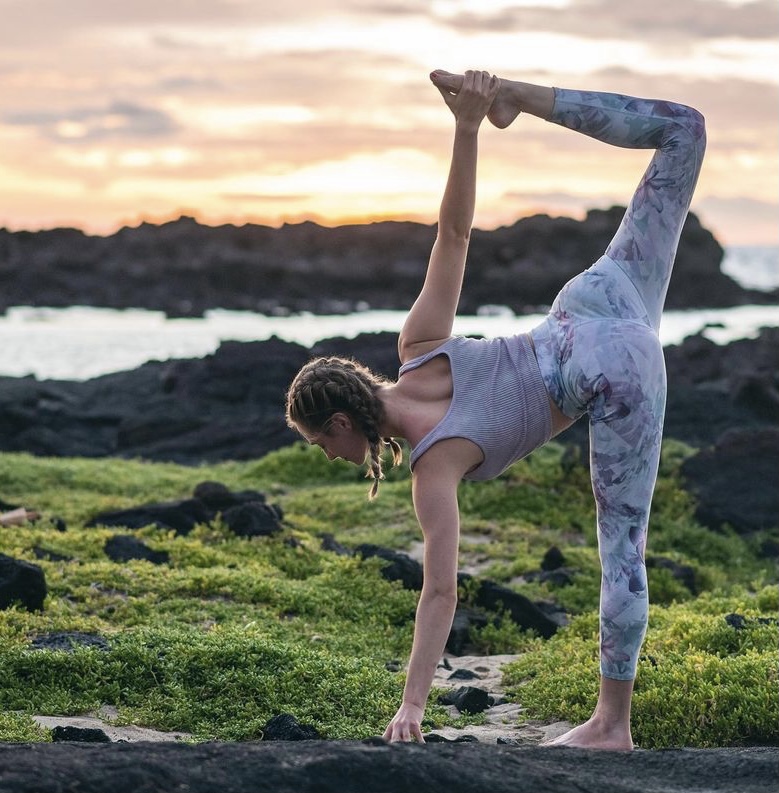
During that time, I also discovered an unexpected passion for circus arts. In my first semester of college, just before leaving for Army basic training, I enrolled in an obstacle course training class to prepare. At the end of one of our workouts, a new friend turned to me and asked, “Do you want to fly?” I laughed and replied, “Absolutely, but what do you mean?” That moment became my introduction to Acro Yoga. What began as a playful curiosity blossomed into a decade-long exploration of various circus disciplines, including adagio partner acrobatics, fire and LED flow arts, lyra, and duo straps. Circus arts have grounded me in the continual practice of learning new skills that challenge both my body and mind year after year. They’ve also connected me with some of the most exceptional friends and communities I’ve encountered in my life.
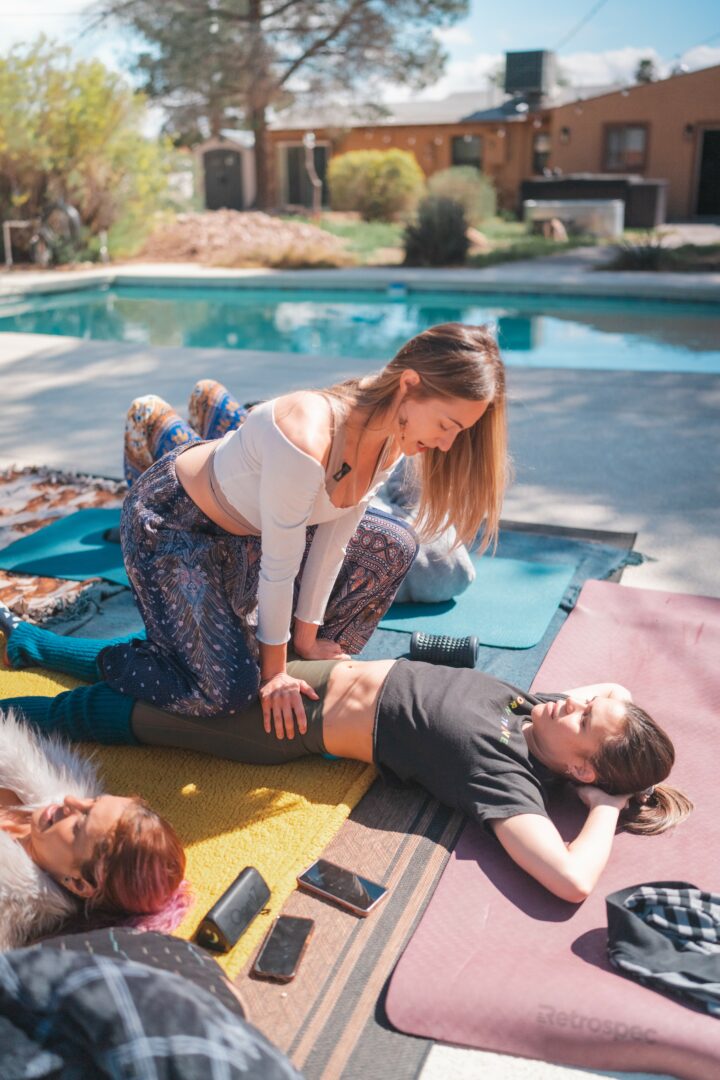
I later served as the Head of Recovery for a longevity-focused startup clinic, where I developed protocols centered on preventive care and Eastern-meets-Western methodologies; including hyperbaric oxygen therapy, red light therapy, cryotherapy, tecar therapy, sauna therapy, compression therapy, and more. These experiences have continued to inform my perspective on wellness as something deeply individualized, multidimensional, and accessible through many different pathways.
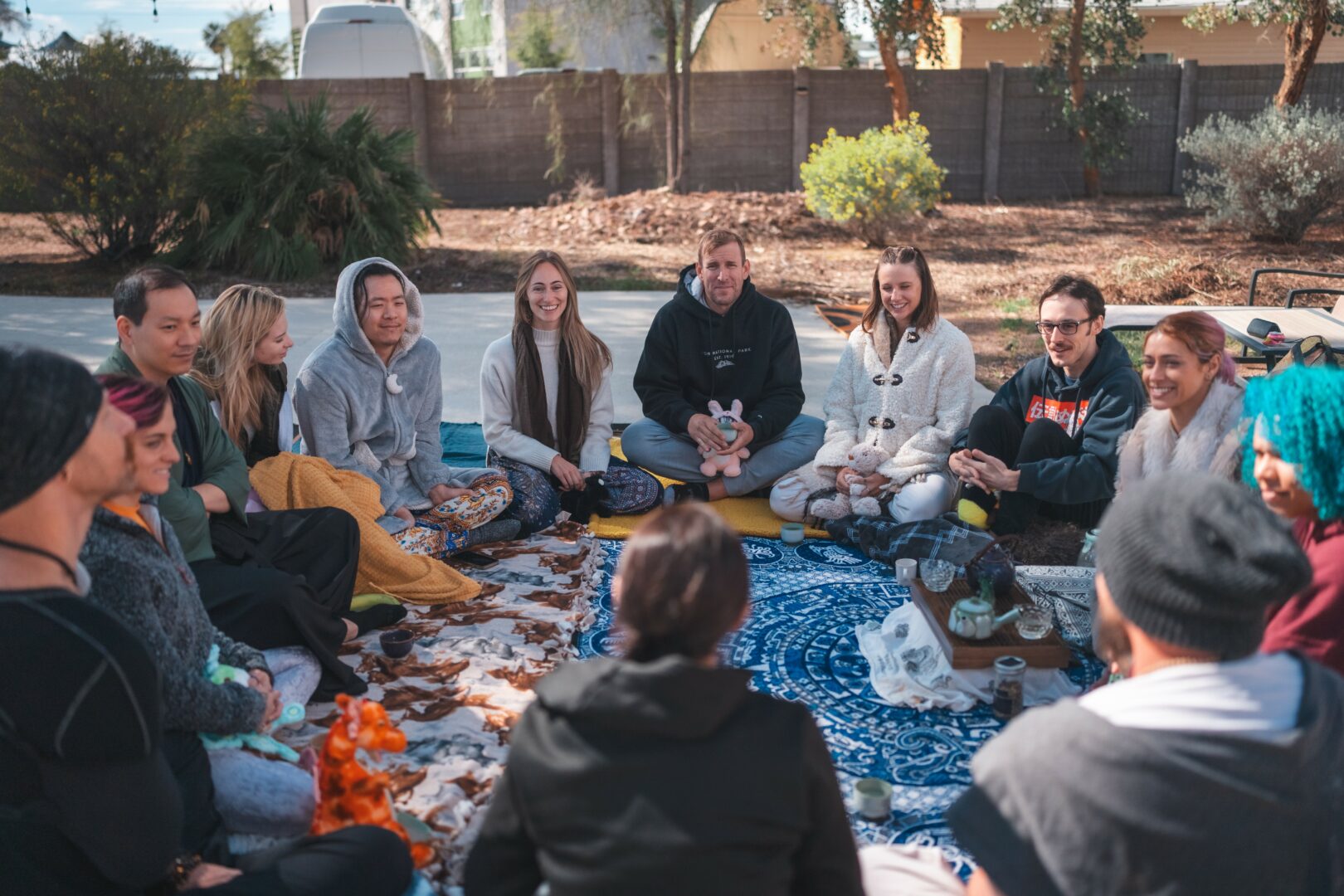
Two years ago, I co-founded a retreat company, Revolution Retreats, with two incredible women, offering immersive experiences that explore nervous system health, wellness practices, and nature-based adventure. Retreat work has become one of my favorite avenues for transformation, it invites people to step outside their daily patterns and reconnect with their inner child in a powerful way.
My work blends positive psychology, accountability, mindfulness, breathwork, reflection, and generative coaching techniques, all woven together to help my clients uncover answers that lie within them. What excites me most about working in this domain is when clients discover deep insights, the shifts they make are profound, lasting, and deeply personal. Holding space for that process is one of the great joys of my life.
Looking ahead, my focus is on working with clients in health & wellness coaching, hosting more retreats, and new offerings/workshops that help people align their daily choices with the life they truly want to live. This coming spring, I’ll be co-hosting a women’s retreat focused on nervous system training and sensual empowerment, blending embodiment, education, and community support.
If my work resonates with you, I’d be honored to walk alongside you as you explore the next chapter of your own wellness journey.
There is so much advice out there about all the different skills and qualities folks need to develop in order to succeed in today’s highly competitive environment and often it can feel overwhelming. So, if we had to break it down to just the three that matter most, which three skills or qualities would you focus on?
Looking back, the three qualities that have been most impactful in my journey are grit, childlike awe, and the ability to “be water.” Each one has shaped the way I navigate uncertainty, pursue growth, and stay aligned with my purpose.
1. Grit
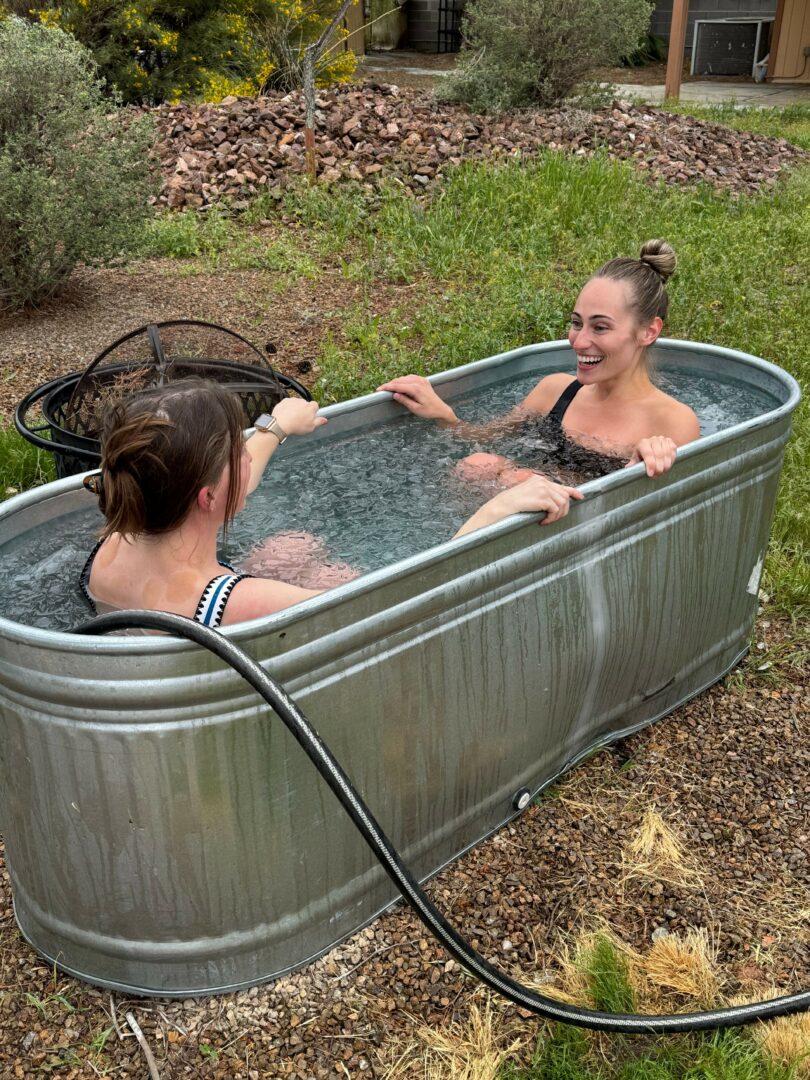
Grit, the blend of passion, perseverance, and resilience, has been foundational in getting me where I am today. Angela Duckworth’s book Grit: The Power of Passion and Perseverance is a wonderful resource for anyone wanting to deepen their understanding of this quality. For me, cultivating grit meant learning to work with what neuroscientists call “limbic friction”, the emotional resistance we feel when our desire for comfort conflicts with the actions we know we need to take. Strengthening your ability to move through that resistance is a skill, and like any skill, it develops through intentional practice. I have found cold exposure therapy, structured discomfort, and consistent routines are excellent tools for building that resilience. Pairing tasks you’re naturally good at with habits you’re trying to improve, habit stacking, also creates momentum. Grit has allowed me to meet challenges in my career, in circus and in my relationships with steadiness, pursue long-term goals, and continue to grow even when the path has uncertainty.
2. Childlike Awe
Maintaining a sense of wonder, curiosity, and openness has been equally important in my journey. Creativity doesn’t just fuel innovation, it fuels joy. I’ve always found that seeking out awe-inspiring environments, whether hiking somewhere expansive like the Grand Canyon or immersing myself in creative communities like Burning Man, helps me reconnect with possibility. When you allow yourself to stay curious and notice the beauty in small and large things, you cultivate positivity, playfulness, and fulfillment. My advice is to intentionally place yourself in environments that spark inspiration and to experiment with practices that make you feel alive.
3. Be Water
To “be water” is to remain flexible, agile, and willing to adapt. Life will continuously shift, often in ways we cannot anticipate, and some of the most meaningful opportunities emerge unplanned. Being water doesn’t mean avoiding structure; rather, it means developing yourself diligently so that when life presents an unexpected connection, challenge, or opening, you’re prepared to meet it with your full capacity.
Adaptability, creativity, and fluid thinking are essential when obstacles arise. The more you can flow with change instead of resisting it, the more resilient and grounded you become. It’s the one certainty in life: things will change. Learning to move with those changes, rather than fight them, is a powerful advantage.
Advice for those early in their journey:
Start where you are. Build your resilience slowly and intentionally. Seek out experiences that expand your perspective. And cultivate flexibility so you can meet life with both preparedness and openness. These three qualities, grit, awe, and adaptability, have shaped every chapter of my life, and I believe they are accessible to anyone willing to practice them.
How would you describe your ideal client?
I love working with individuals who approach coaching with curiosity, people who are open-minded, willing to explore new skills, and able to bring a sense of humor and lightness into the process that can feel heavy at times. Authenticity is incredibly important in this work, so I deeply appreciate clients who are honest, reflective, and willing to show up with vulnerability, even if it feels uncomfortable.
My ideal clients are those who take time to thoughtfully reflect on questions rather than rushing to respond, allowing themselves to truly consider how they feel and what they want. They respect the coaching relationship by being on time, prepared, and committed to following through on the intentions they set for themselves.
I also find that the most aligned clients are:
• Self-directed, willing to take ownership of their choices, goals, and progress.
• Growth-oriented, open to experimenting, adjusting habits, and trying new approaches.
• Values-driven, ready to explore what matters to them and align their life with those core values.
• Emotionally aware (or willing to learn to be), open to exploring both the practical and emotional layers of change.
• Respectful and communicative, comfortable voicing boundaries, needs, or challenges as they arise.
Ultimately, my ideal client is someone who understands that coaching is a collaborative partnership. They don’t need to have everything figured out, just a willingness to show up with honesty, courage, and an open heart. When someone arrives ready to meet themselves on a deeper level, the work we can do together becomes powerful, meaningful, and transformative.
Contact Info:
- Website: www.emberlywellbeing.com
- Instagram: @amanda_in_flow
- Linkedin: Amanda Simonton
- Other: www.revolutionretreat.life