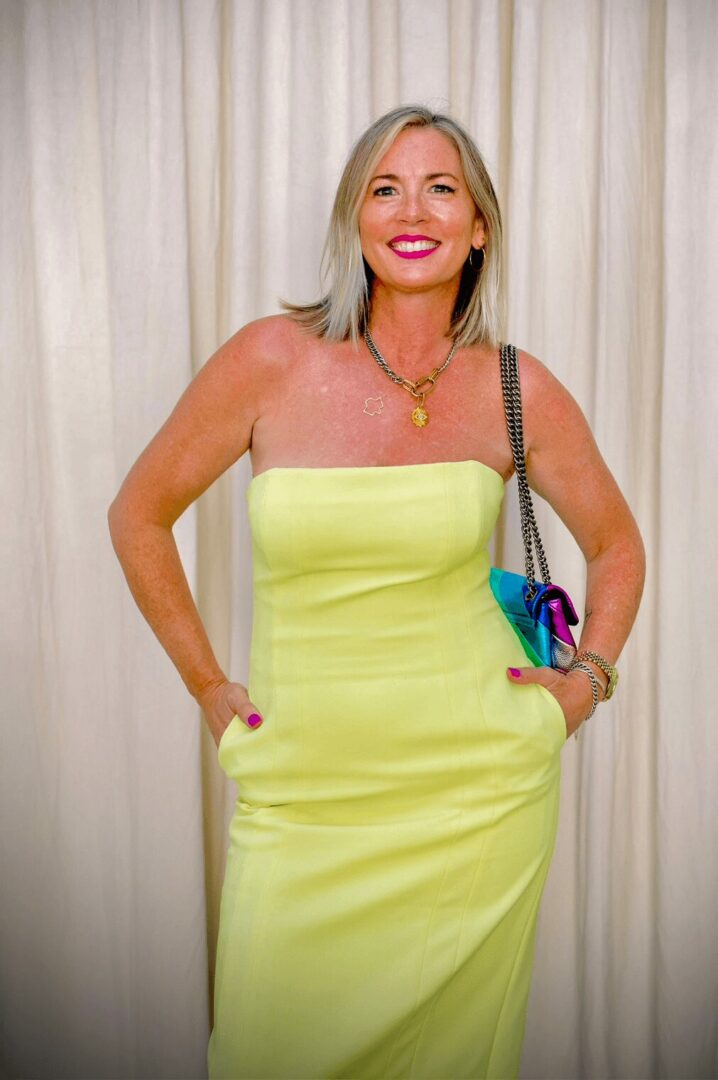
We’re excited to introduce you to the always interesting and insightful Amelia English. We hope you’ll enjoy our conversation with Amelia below.
Amelia, thanks so much for taking the time to share your insights and lessons with us today. We’re particularly interested in hearing about how you became such a resilient person. Where do you get your resilience from?
Resilience, for me, isn’t about toughness. It’s about perspective, presence, and knowing what’s worth your energy—and what isn’t. My resilience comes from a mix of lived loss and early perspective.
When I was thirty, I lost my husband suddenly with two very young children. That kind of loss recalibrates everything. It taught me, in the worst possible way, what actually matters. When faced with something that life-altering, the day to day “drama” stops carrying the same weight. I had to learn how to keep moving, not because I was brave or fearless, but because standing still wasn’t an option. I just keep waking up everyday to put one foot in front of the other. Eventually, after lots of help from my family, friends and, yes my therapist… I was able to move through that time in my life. Leaving me with the biggest lesson of all. Today is the day too… we can all fill in the blank differently, but don’t wait for tomorrow.
Long before that however, resilience was quietly modeled for me at home. My father was a school psychologist for the city of Boston, working primarily with underserved children. His job was to assess kids who were struggling—often because of unstable home environments or unmet mental health needs. He helped place them in schools where they could be better supported. Given his position, dinner table conversations weren’t about surface-level things; they were about empathy, systems that fail people, and how deeply environment shapes outcomes. Growing up with that awareness gave me a very clear understanding of how fortunate I was to be raised in a safe, supportive, and loving home. It instilled perspective early on. I learned not to take stability for granted—and not to sweat the small stuff when the bigger picture matters so much more.
That combination, deep gratitude, early empathy, and navigating profound loss—has absolutely shaped how I move through the world. I try to stay grounded, I try not to panic, and I always try to lead with compassion.
Thanks, so before we move on maybe you can share a bit more about yourself?
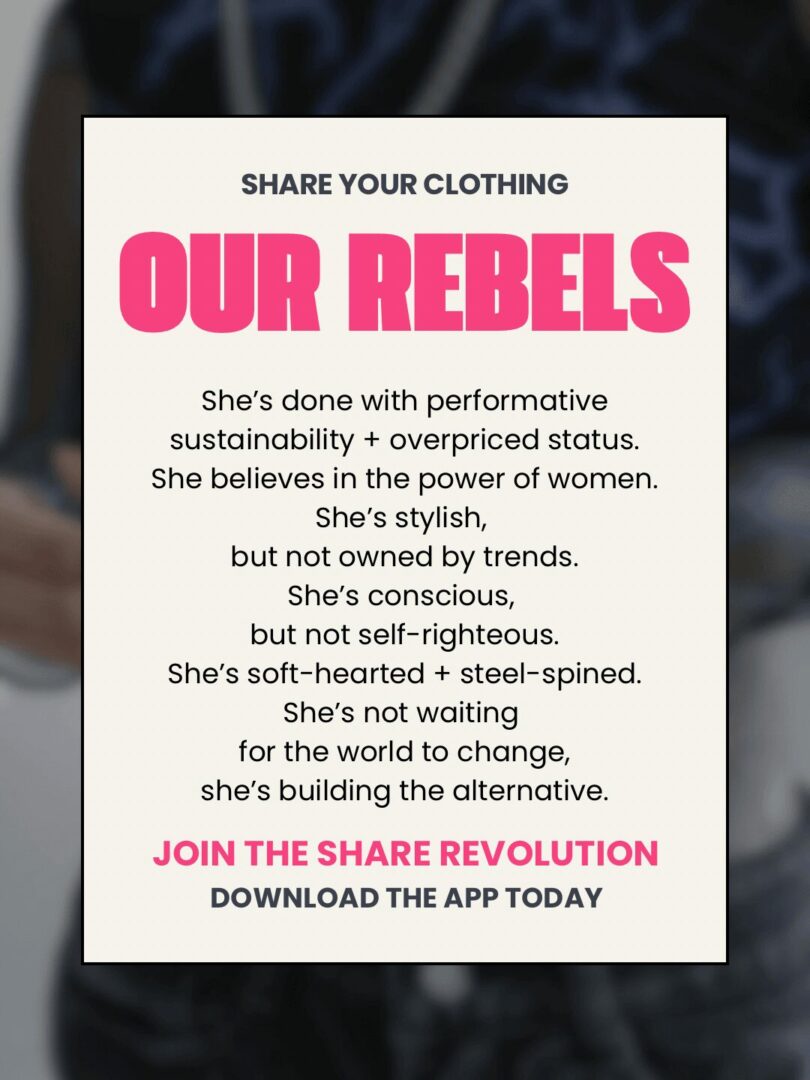
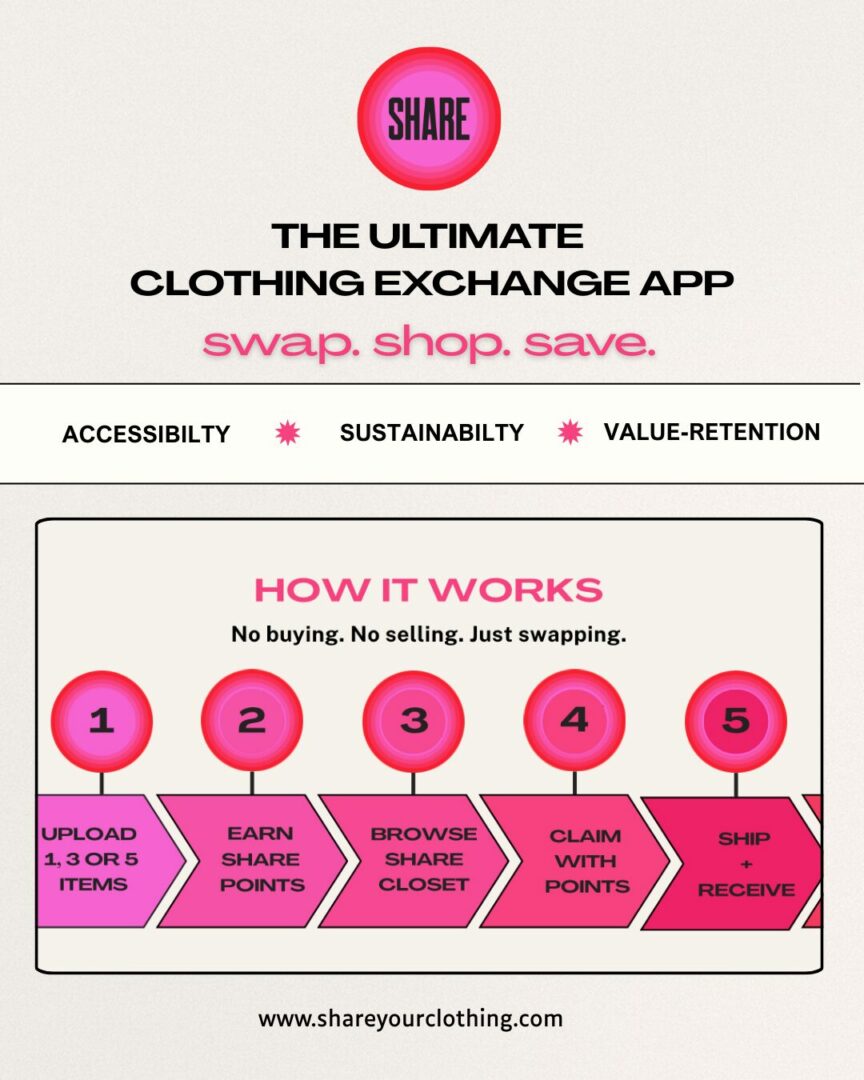
I’m the founder of SHARE Your Clothing, an online clothing swap app for women that challenges the idea that we have to keep buying more to feel current, stylish, or enough. Instead of buying or selling, users swap clothing through a point-based system that keeps value circulating from closet to closet—no haggling or lowballing, no selling for pennies on the dollar, no pressure to constantly spend.
What feels most exciting about SHARE is that it’s not just a platform—it’s a mindset shift. It asks a simple but powerful question: What if the clothes we already own are valuable enough? SHARE was built to outwit both traditional retail and the resale model that quietly devalues women’s belongings. By removing money from the exchange, we create a more equitable, accessible way to refresh your style while keeping good clothing in use longer.
The brand itself is rooted in empathy and rebellion—pushing back against overconsumption without shaming anyone for wanting to express themselves through fashion. It’s for women who are thoughtful, style-conscious, and ready to opt out of a system that profits from insecurity.
SHARE is fully up and running, and right now I’m focused on growing the community and inviting more women into the closet. The more people who participate, the richer and more dynamic the experience becomes. If this idea resonates—saving money, retaining value, and choosing a smarter way to engage with fashion—I’d love for readers to check it out, download the app, and see what swapping can feel like when it actually works in your favor.
We’re building something intentional, human, and refreshingly different—and this is just the beginning.
There is so much advice out there about all the different skills and qualities folks need to develop in order to succeed in today’s highly competitive environment and often it can feel overwhelming. So, if we had to break it down to just the three that matter most, which three skills or qualities would you focus on?
1. Perspective (Knowing what actually matters)
Perspective has been foundational for me. Life has a way of teaching you this through contrast—through both privilege and loss. Understanding early on how fortunate I was, and later experiencing profound hardship, shaped my ability to stay grounded. It helped me avoid getting consumed by ego, fear, or short-term setbacks.
Advice: Cultivate perspective intentionally. Zoom out often. When something feels overwhelming, ask yourself whether it will matter in a year—or five. Most things won’t. Save your energy for what truly moves the needle or aligns with your values.
2. Empathy (Seeing systems, not just individuals)
Growing up around conversations about mental health, underserved communities, and systemic challenges taught me to look beyond surface-level outcomes. That lens has influenced how I build, lead, and communicate. Empathy isn’t just softness—it’s pattern recognition. It helps you design better solutions and build things that actually serve people.
Advice: Listen more than you speak, especially early on. Pay attention to what people struggle with repeatedly—that’s where the real problems live. If you can understand the human side of an issue, you’ll build work that lasts.
3. Resilience Through Action (Moving forward without having it all figured out)
I didn’t build my path by waiting until I felt “ready.” I built it by continuing to move—even when things were unclear, imperfect, or uncomfortable. Resilience isn’t about powering through blindly; it’s about staying in motion, adjusting as you learn, and not letting fear dictate your decisions.
Advice: Don’t wait for confidence—it usually shows up after action, not before. Start small, stay curious, and allow your work to evolve. Progress beats perfection every time.
Ultimately, the biggest lesson has been this: you don’t need to have all the answers to begin. You just need enough perspective to stay grounded, enough empathy to stay human, and enough courage to keep going when things get messy.
Okay, so before we go we always love to ask if you are looking for folks to partner or collaborate with?
Yes! I’m absolutely looking to partner/collaborate with people. Collaboration, to me, starts with conversation—and the best ones usually begin with shared values. My hope it to collaborate with people and organizations who care about impact as much as income, and who believe in businesses that leave people better off than it found them.
I’m especially interested in partnering with creators, community builders, brands, nonprofits, and thinkers who are reimagining how we share resources, support one another, and challenge systems that thrive on overconsumption and insecurity. That might look like ethical fashion voices, women-led businesses, mental health advocates, sustainability-adjacent organizations (without the performative layer), or anyone building alternatives rooted in empathy, access, and integrity.
The common thread isn’t size or scale—it’s intention. I’m drawn to collaborators who ask who does this help? before how much does this make? People who understand that long-term impact comes from trust, transparency, and treating humans like humans.
If this resonates and you’re reading this thinking, this feels aligned, I’d love to connect. You can reach me through SHARE Your Clothing— [email protected]. Social media @shareyourclothing, or directly through our website www.shareyourclothing.com
I’d love to connect! Amelia
Contact Info:
- Website: https://shareyourclothing.com
- Instagram: shareyourclothing
- Facebook: SHARE your clothing
- Linkedin: Amelia English
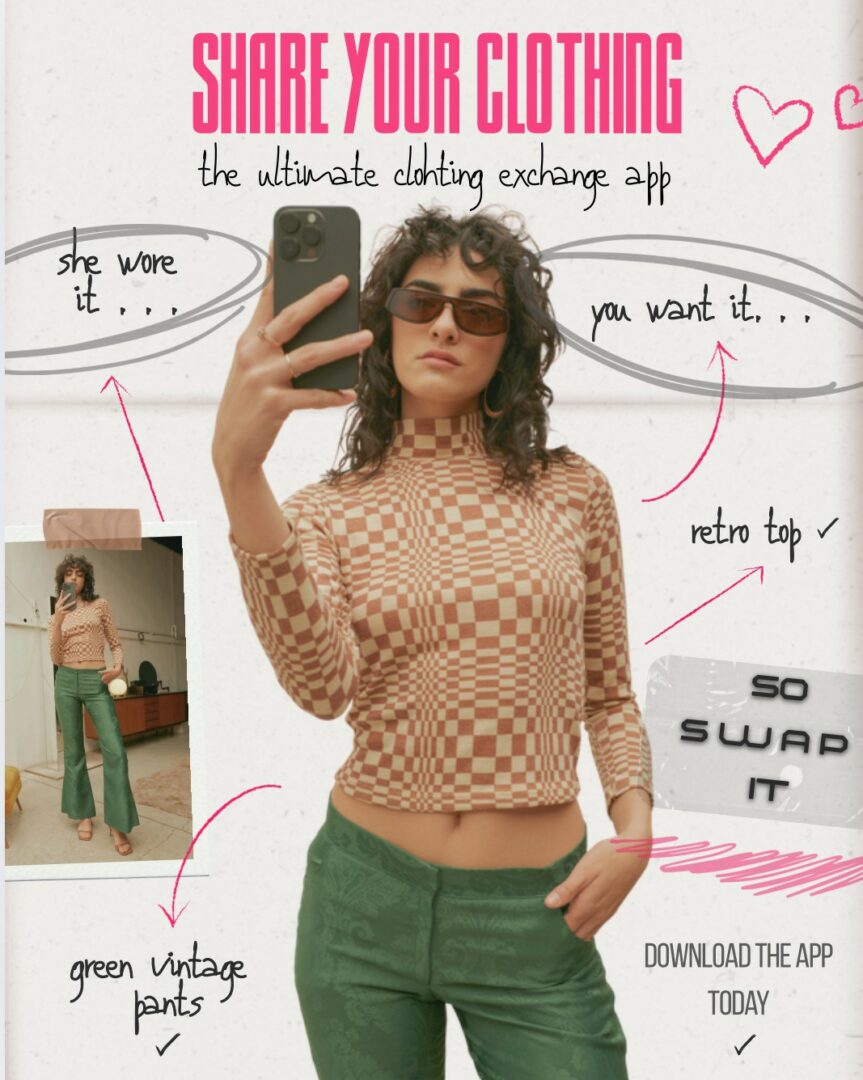
Image Credits
personal / Canva
so if you or someone you know deserves recognition please let us know here.