We recently connected with Ángel García and have shared our conversation below.
Alright, so we’re so thrilled to have Ángel with us today – welcome and maybe we can jump right into it with a question about one of your qualities that we most admire. How did you develop your work ethic? Where do you think you get it from?
I get my work ethic from my Mexican parents, who immigrated to this country in the 50’s and 60’s, respectively. My work ethic grew from not only the kinds of work they did (manual labor and office work), but from their diligence and determination to finish what they started and to complete their work to a higher standard. They held us, four boys, to the same standards. They pushed us to work hard, complete the task, whatever it may have been, and to do good work so that we could be proud of what we accomplished. Now that I am much older, and do a different kind of work altogether than my parents, I still push myself to finish what I have started and to do quality work. As a teacher, I know this is important not only for myself, but for the number of students I work with.
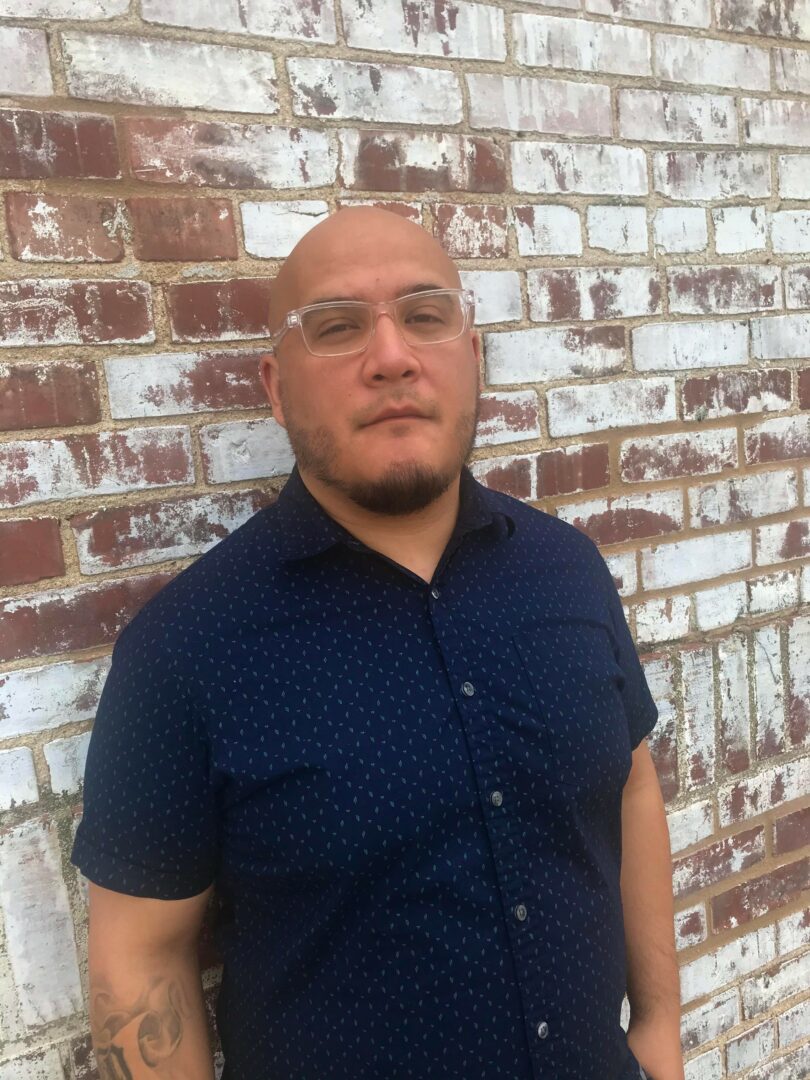
Let’s take a small detour – maybe you can share a bit about yourself before we dive back into some of the other questions we had for you?
I am a poet. It took my a long time to refer to myself as a poet, but that has shaped so much of what I do, how I engage with the world, and how I hope to effect positive change in my community. I began writing at a young age, 16 or so, but I did not have many examples around me. I came from a book deficit home, and the books I borrowed from the library and purchased from school on occasion, were mostly novels and choose your own adventure books. I write poetry because I believe it has the power to make a reader, potentially, feel less alone in the world. I want readers to feel like the are part of something larger: an important community, a communal experience, a significant history, etc. And I teach poetry because it’s important to maintain an art form that has done so much historically, but has also done so much for me personally. I would not be where I am today without poetry.
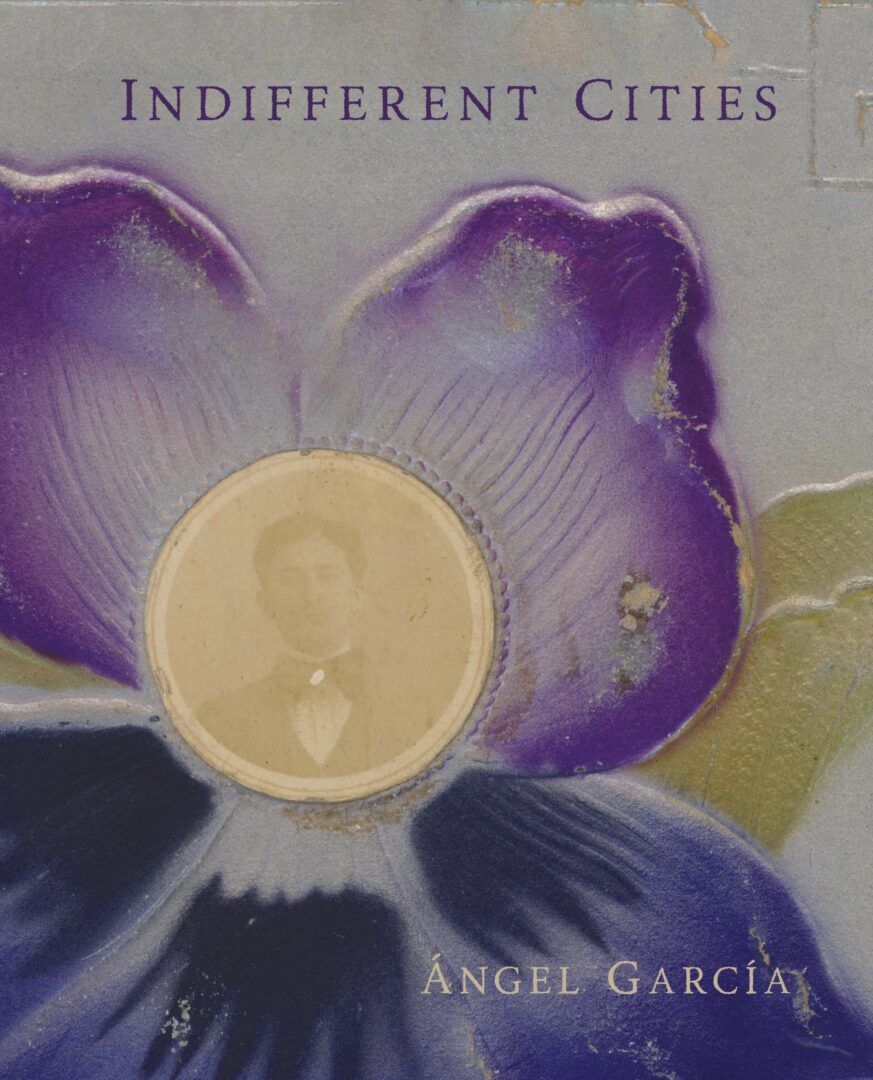
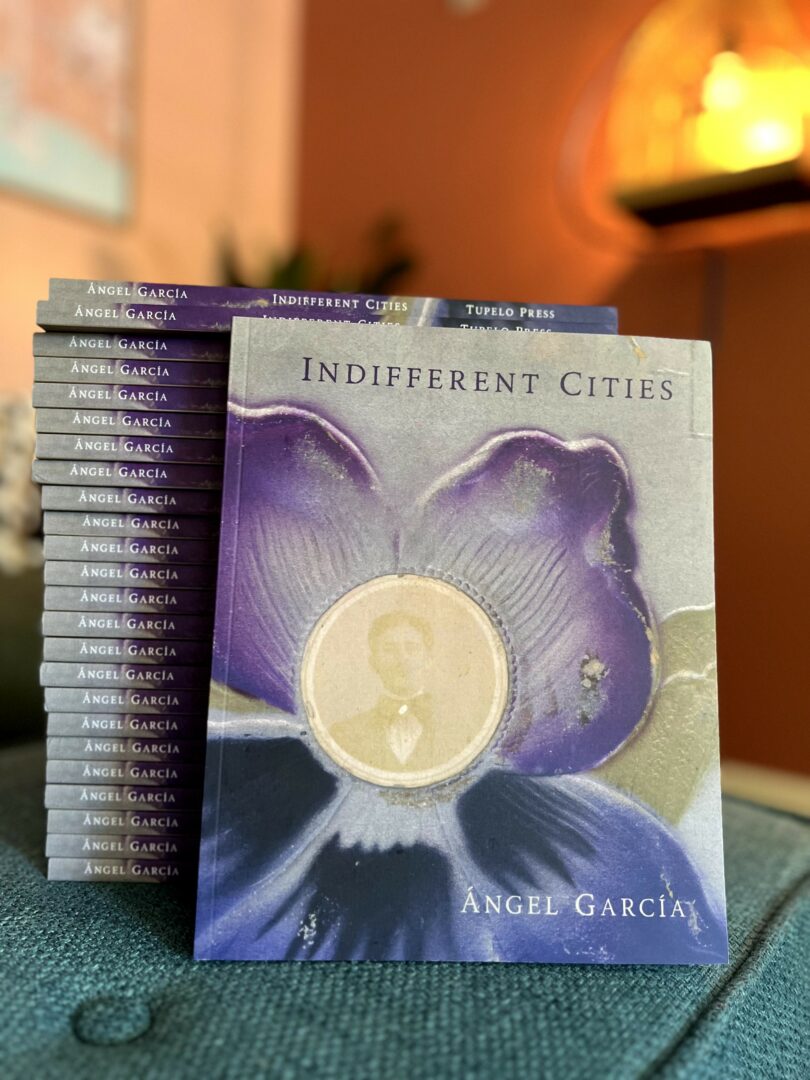
This is why my second book, Indifferent Cities, delves into the past, an immigrant past, and tries to reconcile the gaps between what I know, and what I don’t know about my own family. It is a book, emotionally, about longing to know who I come from and where I come from. The book is out now, as of December 1st, 2025 and available through https://tupelopress.org/ or https://press.uchicago.edu/ucp/books/book/distributed/I/bo258379911.html
There is so much advice out there about all the different skills and qualities folks need to develop in order to succeed in today’s highly competitive environment and often it can feel overwhelming. So, if we had to break it down to just the three that matter most, which three skills or qualities would you focus on?
I would advise, and do advise my students, to read as widely as possible and to try as many forms of writing as possible. Younger students are often concerned with “voice” and finding the voice they will use to write for the rest of their lives. But it’s important, I tell them, to experiment wildly, to revise radically, to try on as much as they can so that they can learn about different styles of writing. This ultimately gives them more skills and more approaches to pursue a life of writing. In order to be a writer, of course, I would argue you need at least three skills: persistence, patience, and grace. A writer has to write, and in order to do so writer’s need to be patient with themselves. It’s a great myth that one must write every day for a certain number of hours everyday. Writers write when they write and write what they can when they can. It’s good to have a practice, yes, but sometimes life gets in the way. The persistence is important because no matter what gets in the way the have to find their way back to writing. And this also takes a great deal of patience. Writing takes time. It takes time to revise. It takes time to submit and hear back from a publisher. It just takes time. Without patience, writing can be maddening. And because the writing is often hard, and challenging, and comes with a great deal of emotional baggage, it’s important to have grace. The act of writing will push back. It will tell you you are no good. It’s important to have grace in these moments, for ourselves and for our writing, because without it you can be pushed away from it.
Is there a particular challenge you are currently facing?
While there are systemic obstacles and real world challenges to my life and career, I do feel that the most persistent challenge is my disbelief, at times, as to what I can do and what I can accomplish. Call it imposter-syndrome. Call it trauma. Call it a world where I often don’t see people who look like me, or not many at least, it can be daunting. Self-doubt. Low confidence. Etc. To combat this constant pressure, I often have to remind myself of what I have accomplished. It’s not something I have been trained to do well. Still, I have to create a sense of hubris. I have to pump myself up. I have to talk to myself and combat the voices that tell me I am not good enough, that I will not accomplish what I want. It’s tough work, but work worth doing and I’m grateful to my parents for their work ethic and their belief in my and what I do, even if they don’t understand everything I do.
Contact Info:
- Website: https://www.angelgarciapoet.com
- Instagram: buffalopoet
so if you or someone you know deserves recognition please let us know here.