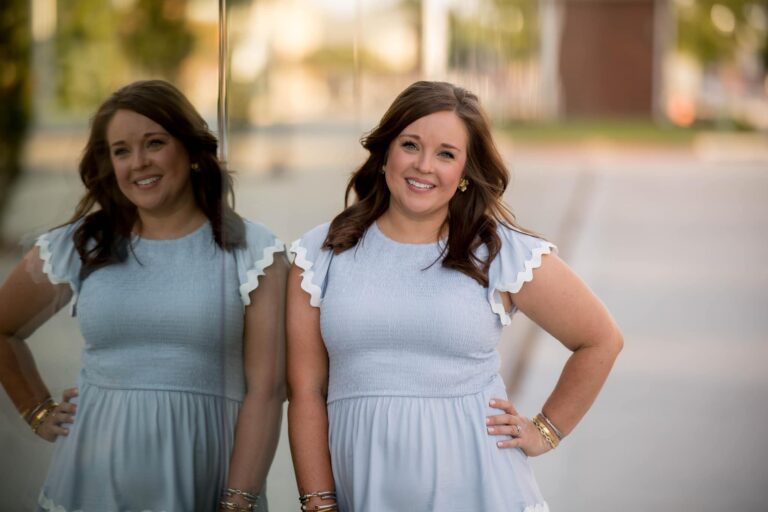
We caught up with the brilliant and insightful Angelique X a few weeks ago and have shared our conversation below.
Angelique, we’re so excited for our community to get to know you and learn from your journey and the wisdom you’ve acquired over time. Let’s kick things off with a discussion on self-confidence and self-esteem. How did you develop yours?
My confidence wasn’t something I woke up with — it was something I had to build through experience, responsibility, and showing up for people even when I was exhausted or afraid. A lot of it came from realizing that the work I do isn’t about me; it’s about the people depending on me. When you’re feeding families, helping someone escape a dangerous situation, or fighting for community needs, you don’t have the option to shrink. You learn to stand taller because people are watching, learning, and relying on you to lead.
My self-esteem grew through surviving things that were meant to break me and still choosing love, accountability, and service. Every time I spoke up when it was uncomfortable, every time I advocated for someone who felt unheard, every time I refused to be intimidated by systems bigger than me — that layered confidence. Over time, you stop questioning your voice because you’ve seen what your voice can change.
I also developed confidence through discipline: educating myself, building networks, asking hard questions, and doing the work consistently. Confidence comes from competence.
Most importantly, I learned to define myself by my purpose, not other people’s opinions. Knowing who I am, what I stand for, and who I serve is what keeps me grounded and unshakeable.
Great, so let’s take a few minutes and cover your story. What should folks know about you and what you do?
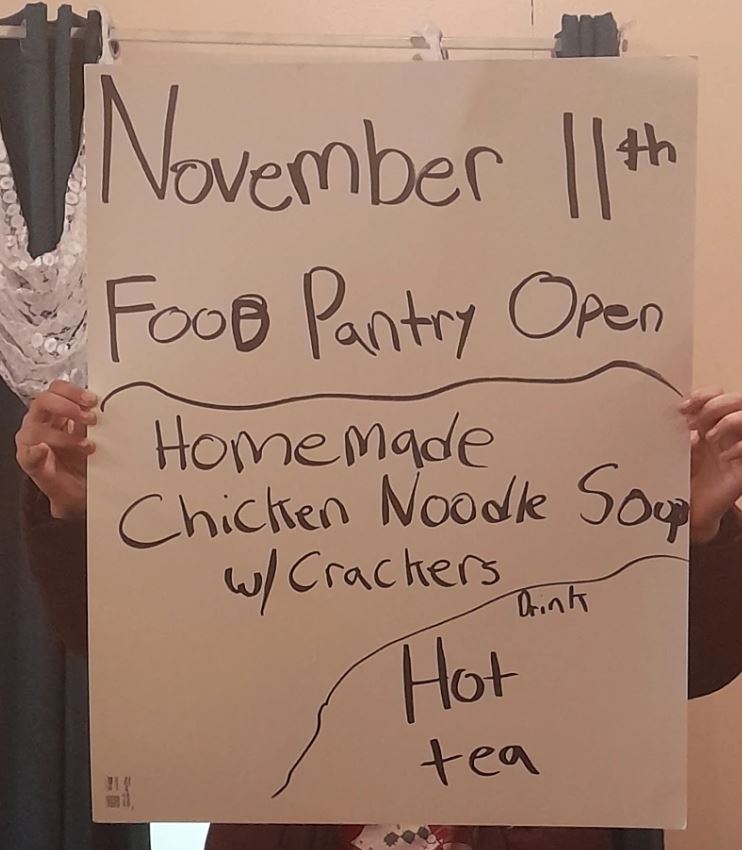
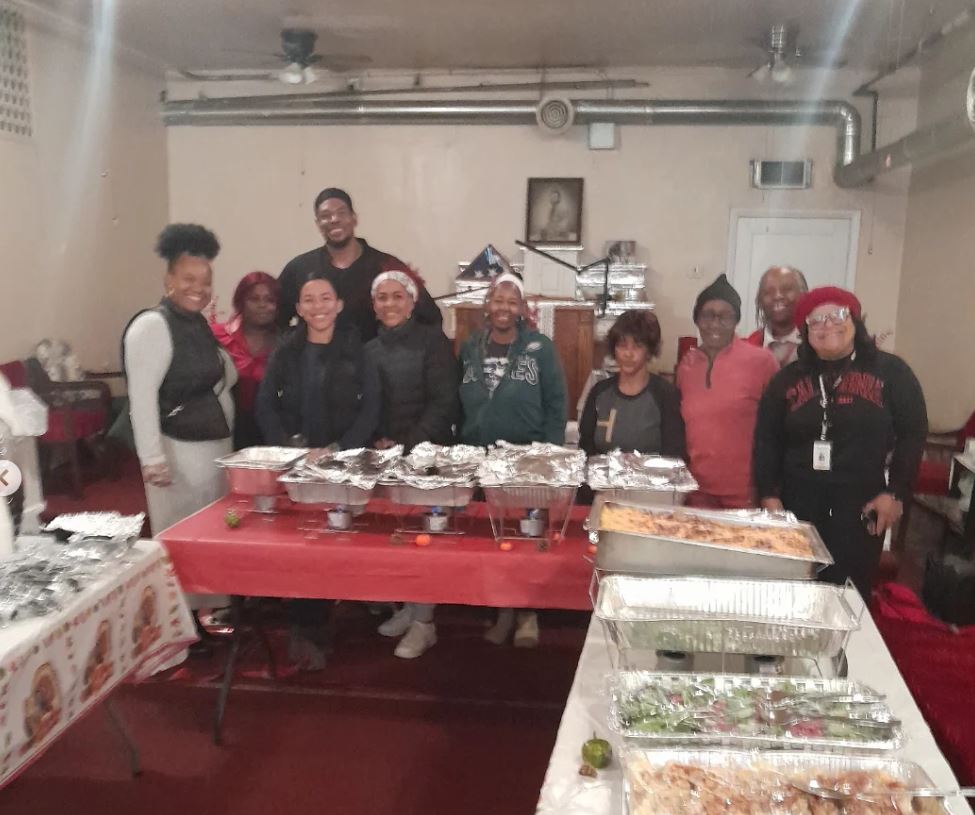
I’m the founder of Philly People of Hope, a community-rooted organization that operates on one simple principle: nobody in our city should feel abandoned, unheard, or uncared for. Our work sits at the intersection of direct aid, community education, and systemic advocacy. We run a five-day-a-week resource bank where neighbors can access food, clothing, hygiene items, paperwork assistance, community protection, and real support without judgment or barriers.
What makes our work special is the way we approach it. We don’t operate like a traditional nonprofit. We operate like community: relational, responsive, and fearless. Everything we do is rooted in love, discipline, and the belief that people deserve dignity right now — not after a grant cycle, not after a meeting, not after the city decides it’s convenient. We fill the gaps that systems create, and we do it with consistency.
The most exciting part of this work is watching people transform when they realize someone actually sees them. Someone remembers their name. Someone will fight for them. There’s a power in showing up every day that changes both the giver and the receiver. That’s what keeps me going.
We’re also growing. Philly People of Hope is expanding deeper into West Philadelphia and Kensington with new locations, more volunteers, cooking classes, life skills education, and a broader network of partners who believe in real community care. We recently secured our own federal EIN and independent structure, which means we can scale faster, respond quicker, and serve more people.
Our biggest message to the city is this:
We’re not waiting for permission to help our people. We’re here, we’re building, and we’re expanding because our communities deserve consistent care — not broken promises.
Whether someone needs a hot meal, a safe place to ask questions, help navigating paperwork, or just a moment of humanity, Philly People of Hope is going to be there.
Looking back, what do you think were the three qualities, skills, or areas of knowledge that were most impactful in your journey? What advice do you have for folks who are early in their journey in terms of how they can best develop or improve on these?
Looking back, three things shaped my journey more than anything else: discipline, emotional intelligence, and systems literacy. They sound simple, but they changed everything about how I lead, how I advocate, and how I show up for people.
1. Discipline — the ability to stay consistent even when nobody’s watching.
Community work isn’t glamorous. Most of it is early mornings, late nights, endless phone calls, and showing up when you’re tired. The reason Philly People of Hope exists the way it does is because I refused to quit, even on the days that felt impossible.
My advice: Build habits before you build dreams. Consistency will take you further than motivation ever could.
2. Emotional intelligence — knowing how to read people, communicate, and lead with compassion without losing boundaries.
In this work, you meet people in crisis, people in survival mode, people who’ve been betrayed, and people who don’t trust systems at all. Emotional intelligence is what allows you to help without becoming overwhelmed, and to stay grounded even when the work gets heavy.
My advice: Practice listening more than you speak. Learn yourself. Learn your triggers. Learn how to hold space without carrying the whole weight.
3. Systems literacy — understanding how power structures actually operate.
You can’t fix what you don’t understand. Learning how city agencies function, how funding moves, how policy gets written, and where accountability breaks down gave me the ability to advocate effectively. Once you understand the system, you stop begging for change and start strategizing for it.
My advice: Study. Ask questions. Read reports. Follow the money. The more you understand how the system works, the better you can disrupt the parts that harm people.
One of our goals is to help like-minded folks with similar goals connect and so before we go we want to ask if you are looking to partner or collab with others – and if so, what would make the ideal collaborator or partner?
Yes — collaboration is a core part of how Philly People of Hope operates. Because we serve communities with layered needs, we intentionally build partnerships across different sectors to make our support as comprehensive as possible. We are actively expanding in both West Philadelphia and Kensington, and that expansion requires skilled partners who can help us strengthen direct services, deepen our educational programs, and widen the safety net for vulnerable neighbors.
We’re especially interested in partnering with:
1. Food & Nutrition Partners
Chefs, caterers, culinary instructors
Restaurants or food businesses willing to donate or surplus food
Nutritionists who can help develop community-friendly meals and nutrition education
Organizations supporting food rescue or anti-hunger initiatives
Food plays a central role in our model — we serve daily meals, run a resource bank, and teach cooking and food-prep skills. Partners in this area help us scale sustainably.
2. Mental Health & Trauma-Informed Professionals
Counselors, social workers, and therapists
Mental health educators
Trauma-informed practitioners
Many of our neighbors have experienced violence, retaliation, homelessness, or chronic instability. We welcome collaborators who can help destigmatize mental health and bring accessible support into the community.
3. Legal, Housing, and Advocacy Partners
Civil rights attorneys
Tenants’ rights advocates
Legal clinics and policy organizations
Educators who can teach “know your rights” classes
Groups investigating government accountability or public safety issues
This work directly supports our advocacy around shelter conditions, corruption, tenant protections, and safe housing.
4. Health & Wellness Partners
Nurses, EMTs, street outreach medics
Harm-reduction specialists
Public health organizations
Medical students or residency programs looking for community placements
Health access is a major unmet need in our communities, especially for unhoused neighbors.
5. Instructors & Community Educators
We run classes across multiple areas, including:
Cooking
Life skills
Personal organization and paperwork navigation
Community protection and safety planning
Leadership development
Cultural and political education
Educators who can lead workshops or ongoing classes are highly needed.
6. Businesses & Organizations
Companies willing to donate hygiene items, household goods, or clothing
Local stores willing to contribute food, produce, toiletries, or seasonal items
Foundations or nonprofits interested in co-hosting resource events
These partners help us meet immediate needs for hundreds of families across both neighborhoods.
7. Volunteers & Operational Support
Administrative volunteers to help neighbors navigate paperwork
Tech-savvy volunteers who can assist with systems, forms, and organization
Outreach volunteers for Kensington operations
Logistics and operations-minded individuals who can help us scale
This work is hands-on and requires people who are reliable, steady, and aligned with our mission.
How to Partner or Collaborate
General Partnerships, Community Projects, Classes, or Outreach:
[email protected]
Food-Related Collaboration (chefs, donors, cooking instructors, culinary projects):
[email protected]
We are especially interested in partners who understand that community care is ongoing, not event-based — people who are ready to build something consistent, disciplined, and impactful.
Philly People of Hope is growing rapidly, and now is the moment for people who believe in transformative, ground-level community work to join us in shaping the future of safety, dignity, and access in Philadelphia.
Contact Info:
- Website: https://phillypeopleofhope.org
- Instagram: https://www.instagram.com/phillypeopleofhope/
- Linkedin: https://www.linkedin.com/company/phillypeopleofhope
- Twitter: https://x.com/phillypplofhope
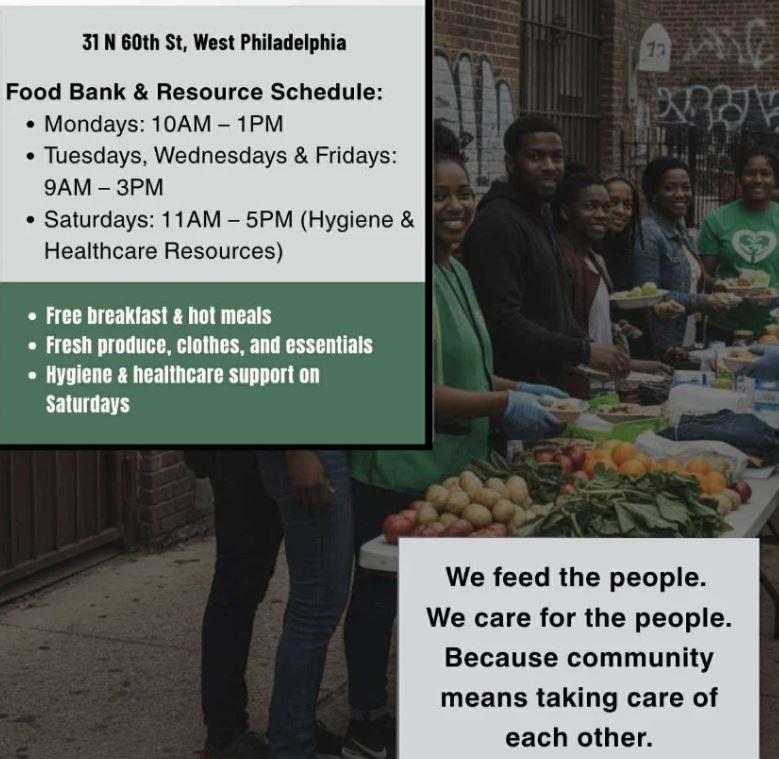
Image Credits
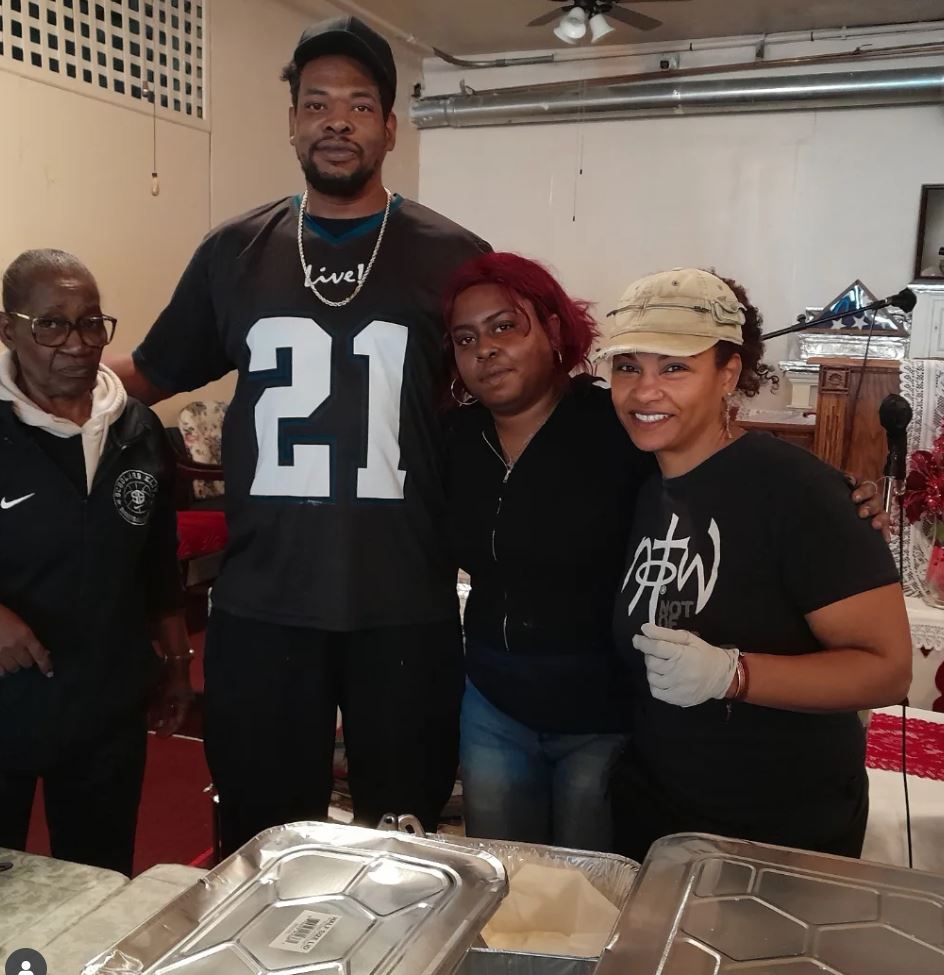
Various pics of Myself, Chef and volunteers serving
so if you or someone you know deserves recognition please let us know here.