We were lucky to catch up with Angie Ng recently and have shared our conversation below.
Angie, thanks so much for taking the time to share your insights and lessons with us today. We’re particularly interested in hearing about how you became such a resilient person. Where do you get your resilience from?
I learned resilience from my parents. They immigrated to the U.S. as young adults with very little money, no safety net, and a deep belief that hard work could change the course of their lives. They worked multiple jobs while putting themselves through college, determined to create opportunities they never had. My father eventually earned a doctorate in mechanical engineering, and together my parents built a stable, middle-class life for our family through sheer grit and perseverance.
Growing up in that environment, resilience wasn’t something we talked about — it was something I watched every day. I saw what it meant to sacrifice, to delay comfort, and to keep going even when things felt overwhelming. That work ethic became part of who I am and carried me through college and the early years of my career.
That foundation was tested in a new way when my family moved to Thailand when I was 11. Years later, I made the difficult decision to return to the U.S. on my own to continue my education and build a future. Coming back, the country I was born in no longer felt familiar. I had to relearn the culture, find my place socially, and navigate school and career paths without the comfort of what I already knew. It was lonely and disorienting at times, but it forced me to grow.
That experience taught me that resilience isn’t just about working hard — it’s about adapting, starting over, and believing you can find your footing even when everything feels foreign. The courage I saw in my parents to leave everything behind for a better life became the same courage I leaned on to do it myself. Their journey shaped mine, and it continues to remind me that no matter how uncertain the path feels, I have the strength to keep moving forward.
Great, so let’s take a few minutes and cover your story. What should folks know about you and what you do?
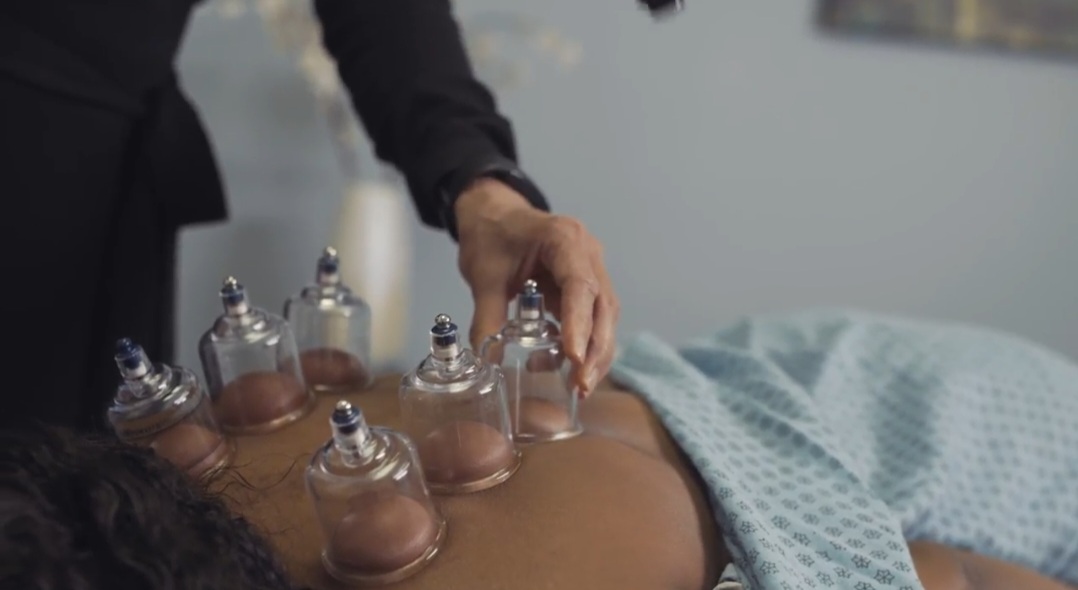
Today, I’m the founder and lead practitioner at Acupuncture for Balanced Wellness Chicago, an integrative acupuncture and wellness clinic in the heart of the Chicago Loop. What I do is help people who have often tried “everything else” finally feel heard, understood, and supported as their bodies heal. My work blends Traditional Chinese Medicine with modern functional and integrative approaches to address not just symptoms, but the root causes of imbalance — whether that shows up as chronic pain, stress, hormonal issues, digestive problems, fertility challenges, or simply feeling burned out and disconnected from their health.
What feels most special about this work is the relationships. Acupuncture is deeply personal. I get to support people during some of the most vulnerable moments of their lives — when they’re in pain, exhausted, scared, or losing hope — and help them reconnect with their body’s innate ability to heal. Seeing someone go from “I’ve lived with this for years” to “I finally feel like myself again” never gets old. It’s a reminder that healing is possible when care is individualized and compassionate.
My own journey into this field was unconventional. I started my career in corporate IT and web application development, but I felt a growing disconnect between success on paper and fulfillment in my heart. That inner pull led me to leave a stable path and return to school for Chinese medicine. It was a leap of faith, but one rooted in the belief that work should have meaning. Nearly two decades later, I still feel grateful that I listened to that calling.
At Acupuncture for Balanced Wellness, our focus is built around the idea of balance — honoring ancient wisdom while embracing modern science, and meeting each patient exactly where they are. Over the years, I’ve been fortunate to bring together a team of truly talented practitioners with deep experience in acupuncture and bodywork. Each practitioner adds their own strengths and perspective, allowing us to offer more comprehensive, collaborative care while staying true to our patient-centered values.
Professionally, I’m focused on continuing to grow the clinic as a truly integrative wellness destination. We’ve expanding our offerings to include microneedling, Mercier Therapy, Functional Medicine, and other modern modalities that complement acupuncture and herbal medicine. These additions allow us to provide even more support to patients not just in pain relief, but in reproductive health, skin health, digestion, longevity, immune support, and overall vitality.
What I’d love readers to know is that my work is about more than needles or techniques — it’s about helping people reclaim trust in their bodies and in themselves. Healing doesn’t have to be rushed or one-size-fits-all. It can be thoughtful, collaborative, and deeply human. That’s the space we strive to create every day at Acupuncture for Balanced Wellness Chicago, and it’s what continues to inspire me as both a practitioner and a business owner.
There is so much advice out there about all the different skills and qualities folks need to develop in order to succeed in today’s highly competitive environment and often it can feel overwhelming. So, if we had to break it down to just the three that matter most, which three skills or qualities would you focus on?
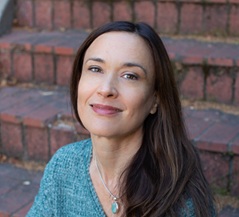
Looking back, three qualities stand out as having the biggest impact on my journey: a belief in myself, deep compassion for my patients, and a genuine passion for the medicine I practice.
The first was believing in myself, especially when the path felt uncertain. Leaving a stable career to pursue Chinese medicine meant stepping into the unknown. There were moments of doubt, but learning to trust my inner voice and stay committed to my vision made all the difference. Without that self-belief, I don’t think I would have had the courage to keep going when things were hard.
The second was compassion. Acupuncture isn’t just a technical skill — it’s about being present with people in their pain, fear, and vulnerability. Taking the time to truly listen, to see the whole person and not just their symptoms, has shaped both my clinical results and the relationships I’ve built with patients. That human connection is at the heart of healing and has been one of the most rewarding parts of my work.
The third was passion for the medicine itself. Traditional Chinese Medicine is deep, complex, and endlessly fascinating. My love for learning and refining this medicine has kept me engaged for nearly two decades. That passion fuels long hours, continuing education, and the commitment it takes to keep growing as a practitioner.
For those early in their journey, my first piece of advice is to make sure you truly love the medicine. Most of us come to this field because we were once patients ourselves and were profoundly helped by acupuncture or holistic care. That personal experience can be one of the strongest foundations for a meaningful career. When your motivation is rooted in gratitude and belief in the medicine, it carries you through the inevitable challenges of training and practice.
Second, if your goal is to open your own clinic, don’t overlook the importance of the business side. Have a solid business plan and really crunch the numbers before you begin. I’ve seen many incredibly talented practitioners struggle or even close within their first couple of years, not because they weren’t good clinicians, but because they weren’t prepared for the financial and operational realities of running a business.
If you don’t yet have that foundation, consider working with an established practitioner or clinic for a few years. It’s an invaluable way to learn the ropes — from patient flow and billing to marketing, scheduling, and team management — before taking on the responsibility of your own practice.
Ultimately, this path requires heart, resilience, and practicality. Believe in yourself, care deeply for the people you serve, stay passionate about the medicine, and build a strong foundation underneath it all. That combination can turn a calling into a sustainable and deeply fulfilling career.
To close, maybe we can chat about your parents and what they did that was particularly impactful for you?
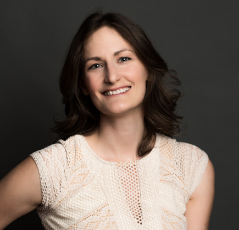
The most impactful thing my parents did for me was instilling a deep connection to my Chinese heritage. From an early age, they passed down a worldview that emphasized balance, awareness, and respect for the body’s natural rhythms. Central to that perspective was the belief in qi, or life force — the vital energy that animates the body and supports health, resilience, and vitality.
I grew up understanding that health isn’t just the absence of disease, but the quality and flow of qi. My parents taught me, both explicitly and through example, that qi is influenced by how we live our lives — our daily habits, the food we eat, the emotions we carry, and the environments we move through. That holistic way of thinking shaped how I learned to observe myself and others, long before I ever considered a career in acupuncture and Chinese Medicine.
This foundation has profoundly influenced the way I understand the human body and approach health today. It gave me a deep trust in the body’s innate ability to heal itself when given the right tools and the right environment. Rather than seeing the body as something to fix or override, I see it as something to support, listen to, and work with.
That perspective has become the core of both my personal philosophy and my professional practice. The values my parents passed down — honoring balance, nurturing vitality, and respecting the wisdom of the body — continue to guide how I care for my patients and how I move through the world.
Contact Info:
- Website: https://www.acubalancechicago.com
- Instagram: https://www.instagram.com/acubalancechicago/
- Facebook: https://www.facebook.com/acubalancechicago
- Linkedin: https://www.linkedin.com/in/acubalancechicago/
- Twitter: https://x.com/AcuBalanceWell
- Yelp: https://www.yelp.com/biz/acupuncture-for-balanced-wellness-chicago
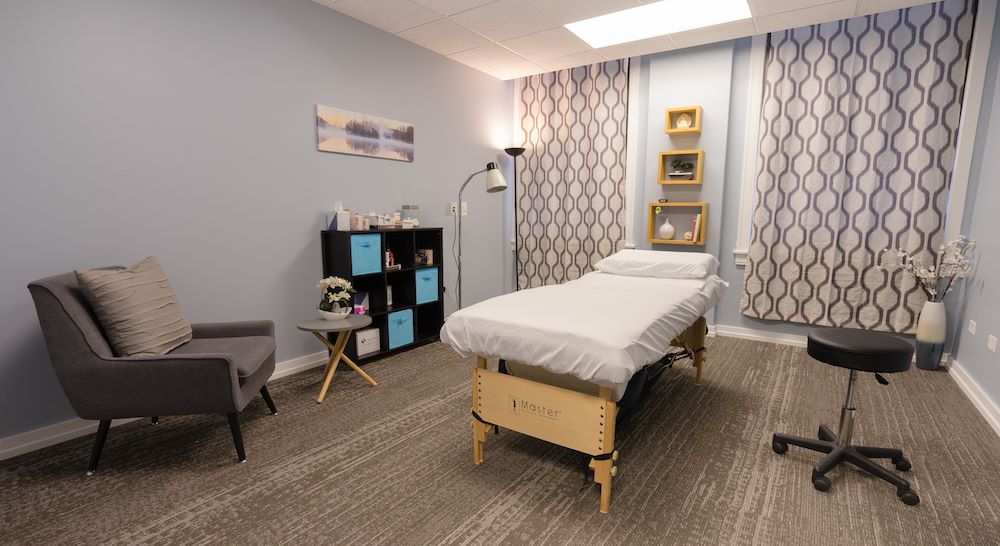
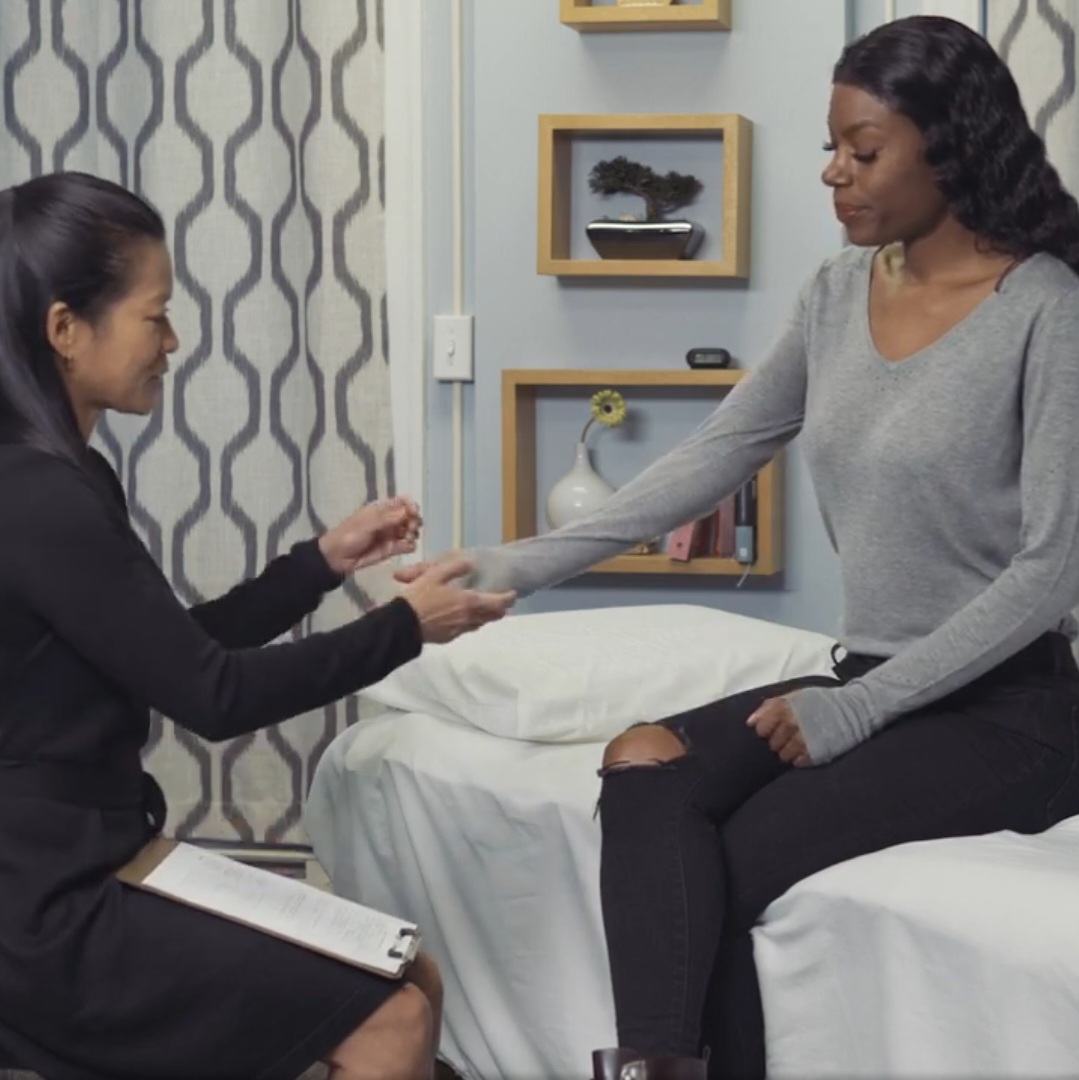
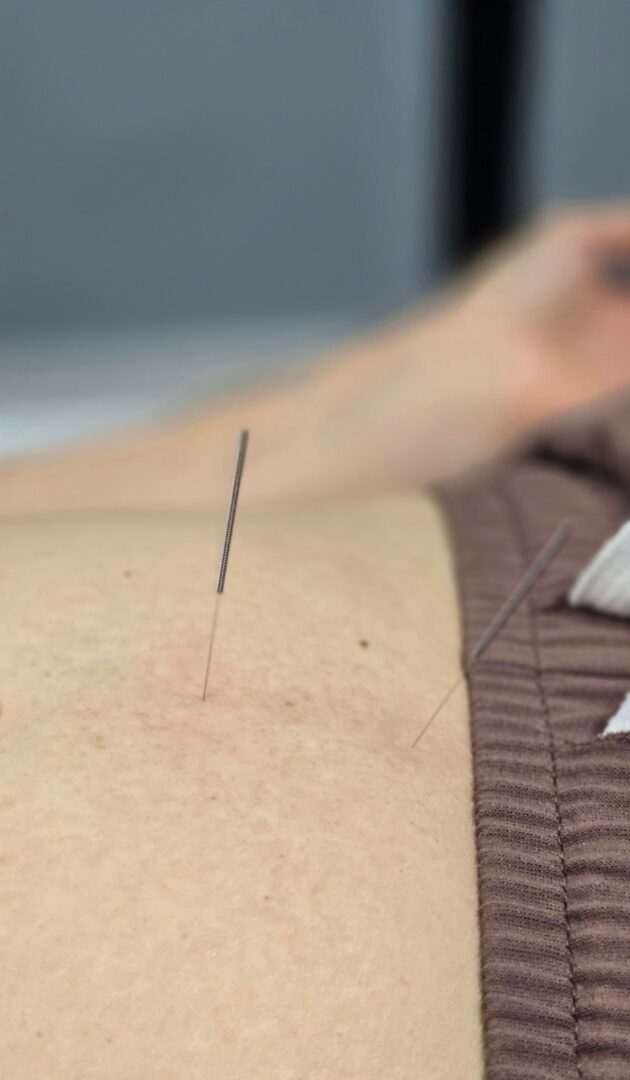
Image Credits
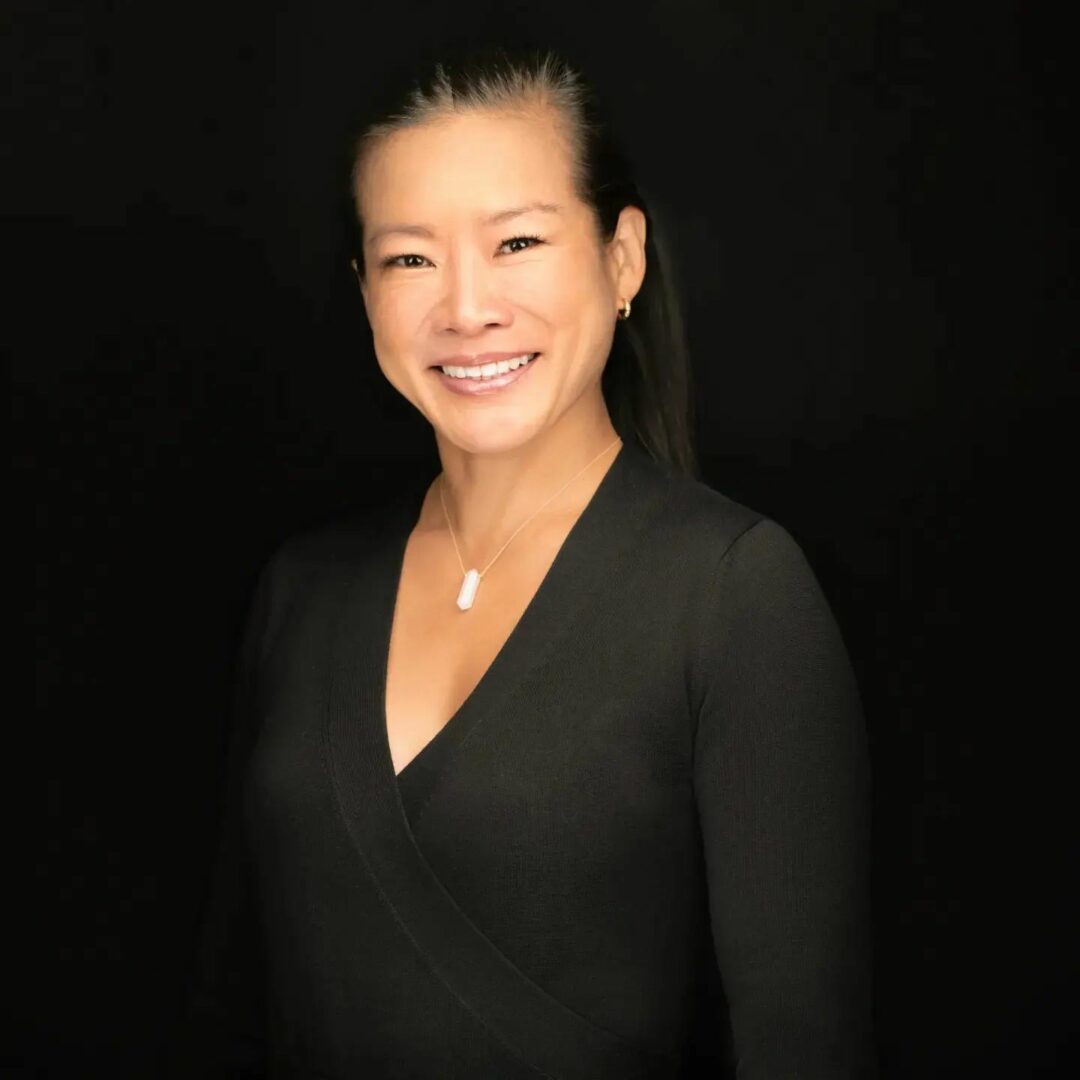
Alexis Goettsch Photography (for Angie Ng headshot)
so if you or someone you know deserves recognition please let us know here.