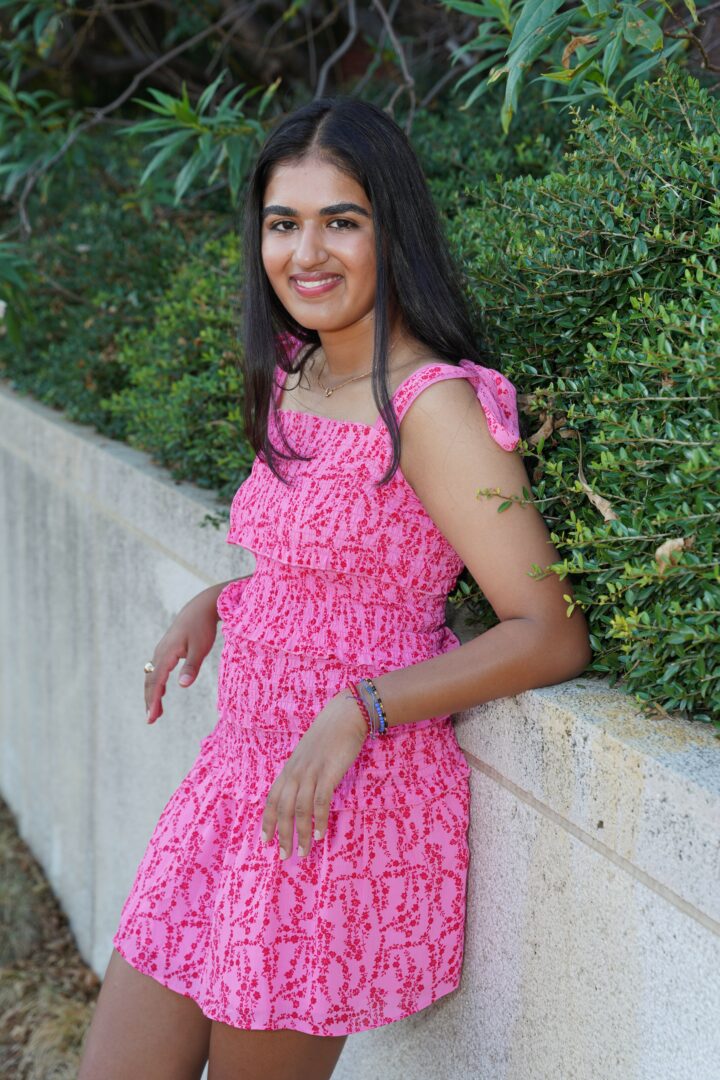
We recently connected with Anika Kapoor and have shared our conversation below.
Anika, appreciate you making time for us and sharing your wisdom with the community. So many of us go through similar pain points throughout our journeys and so hearing about how others overcame obstacles can be helpful. One of those struggles is keeping creativity alive despite all the stresses, challenges and problems we might be dealing with. How do you keep your creativity alive?
For me, my creativity stems from a focus on continuous learning. I try to watch films and read books that educate me on the topics on which I focus my films, especially those that push boundaries around gender, sexuality, and identity. A book that was especially formative in my desire to focus on women’s issues was Roxanne Gay’s Bad Feminist, which dissected the racial and sexual representations in popular narratives like The Help and Orange is the New Black. Her essays transformed how I grappled with media- I started to view movies and shows more analytically, questioning how and why certain portrayals shape societal stereotypes and why certain narratives dominate while others remain suppressed. Her insights shaped the way I approached filmmaking; I started to create and plan my films in a way that would focus on highlighting marginalized voices, fostering conversations that inspire empathy and understanding in audiences.
Great, so let’s take a few minutes and cover your story. What should folks know about you and what you do?
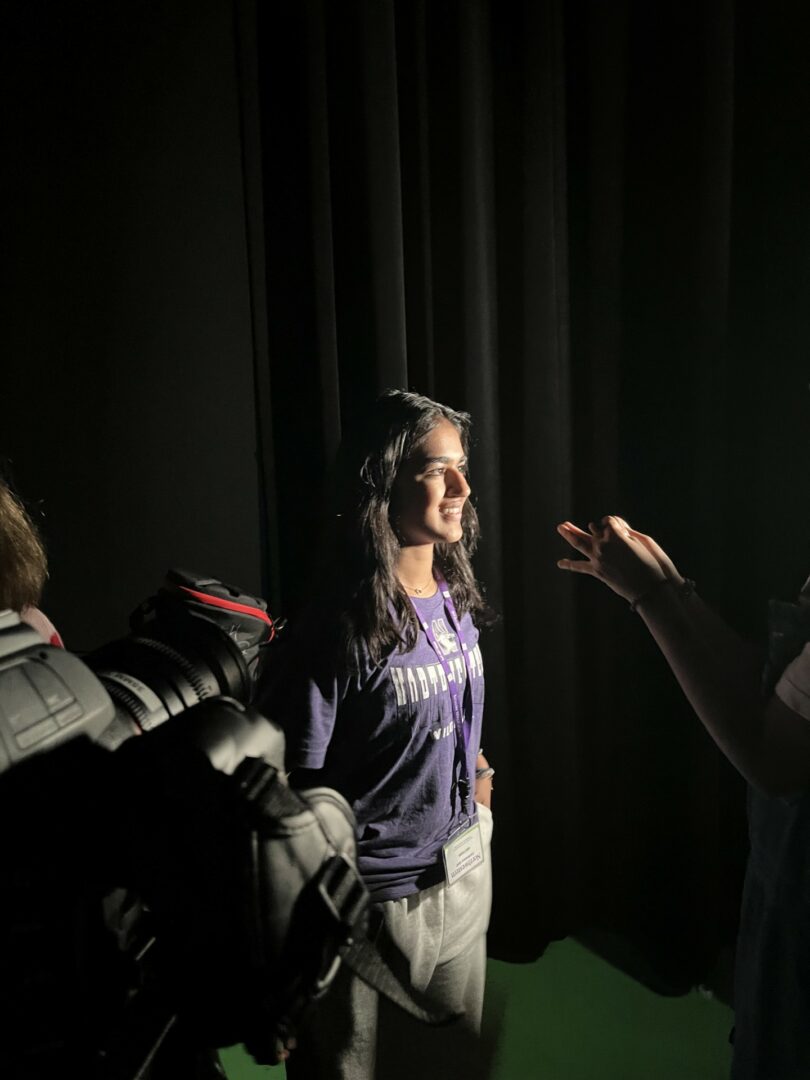
I am a filmmaker and gender advocate, and my work revolves around using storytelling to challenge societal norms, particularly around issues of gender and sexuality. What excites me the most about filmmaking is its power to shape conversations and perspectives. It’s a medium where I can blend creativity with advocacy, and that intersection is what makes my work feel both personal and impactful.
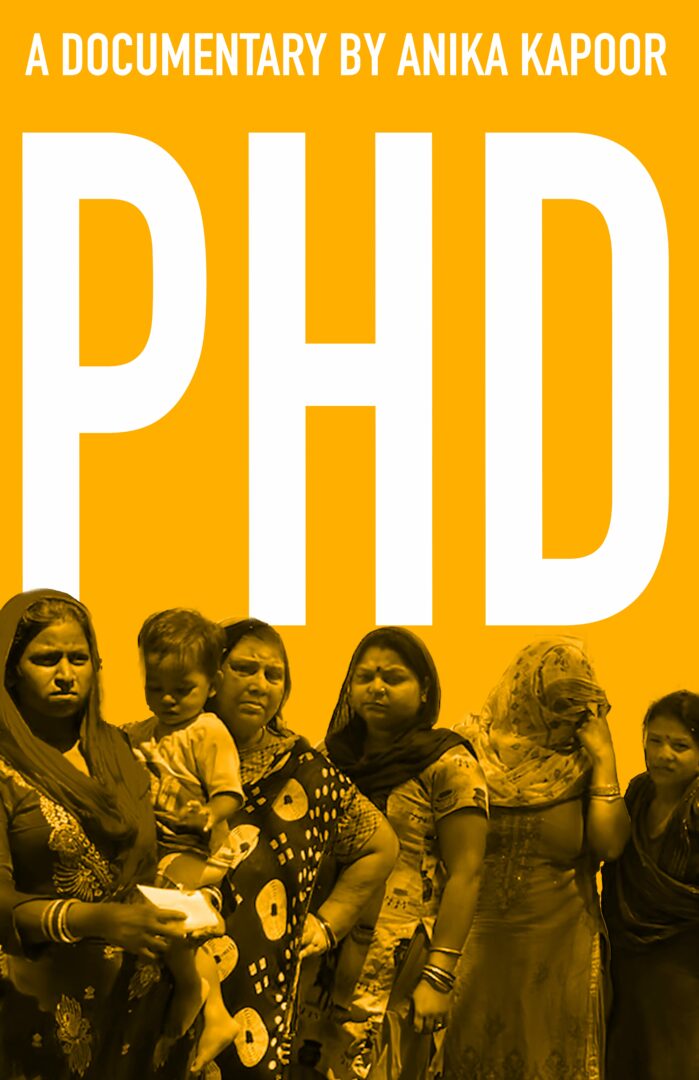
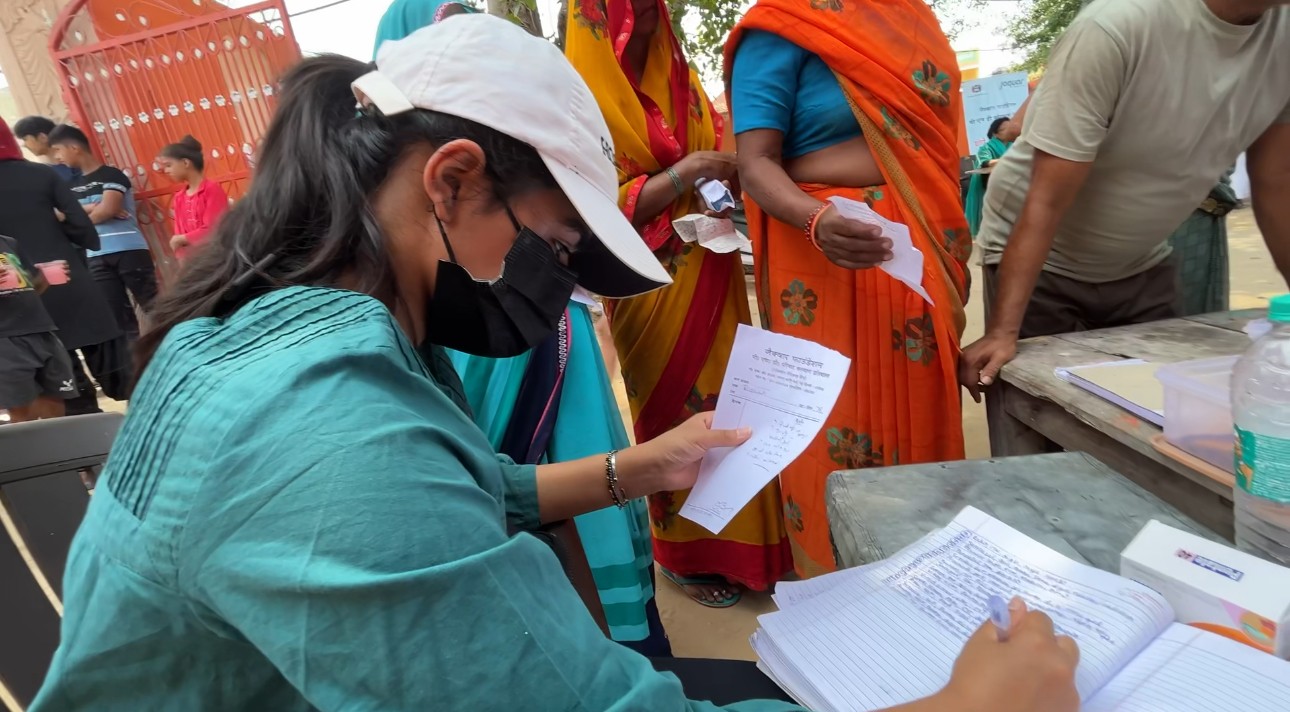
Last summer, I was awarded the Billingsley Award for International Studies, a grant that enabled me to travel to India and volunteer with the PHD Family Welfare Foundation, one of India’s largest Women’s and Children’s Organizations. I both taught a Microsoft computer skills class to 40 low-income women, helping them learn skills that would allow them to secure a job and break the cycle of poverty, as well as distributed vital medication to over 300 people living in rural areas outside of New Delhi. Throughout my entire time volunteering, I filmed everything I witnessed, interviewing locals and volunteers and recording every aspect of my experience. After ten months of editing, I created “PHD,” a film used to shed light on the incredible mission of the organization, eventually raising over $2,400 for the foundation.
Creating PHD was a transformative experience, as it showed me the profound impact storytelling can have in amplifying social issues and bringing about tangible change. The film not only raised funds, but also increased awareness about the foundation’s mission, a testament to how art and advocacy can intersect. This is the primary perspective with which I make the rest of my projects- my work is driven by a desire to use film as a vehicle for meaningful conversations about women’s issues and social justice, creating films that challenge biases, amplify marginalized voices, and inspire audiences to develop a more nuanced understanding of our world.
If you had to pick three qualities that are most important to develop, which three would you say matter most?
1. Resilience: Filmmaking can often be difficult- your camera die or your actors quit- but your vision itself can be met with resistance, filled with long-standing creative blocks and intense criticism. Cultivating resilience has been crucial in overcoming these doubts, and I always have to remind myself that, above all, I have to trust my vision and fully embrace the story I want to tell.
2. Empathy: When making a film, a major focus of mine is understanding and connecting with diverse perspectives. By placing empathy at the forefront of my filmmaking process, I am better able to create authentic narratives that resonate with audiences, thus having greater potential to spur change in perspective.
3. Open-Mindedness: Film is an industry that is ever-evolving. With new techniques and technologies emerging constantly, fostering a willingness to learn has been vital in honing my craft and creating art that continues to resonate with all. I always try to seek out workshops, online courses, and mentorship opportunities to augment my abilities as a filmmaker and advocate.
My biggest piece of advice would be to embrace the process. By being a filmmaker, you are in an extremely vulnerable position because you are sharing your ideas in a very raw, visceral way. By fully trusting yourself and the ideas you have to share, your authenticity and message will better resonate with your audience.
Looking back over the past 12 months or so, what do you think has been your biggest area of improvement or growth?
In the past 12 months, my biggest area of growth has been in expanding my filmmaking skills, particularly in cinematography and editing. I invested time in learning how to implement new camera techniques and better use the immense capabilities of Adobe Premiere Pro, growth which has not only enhanced the technical quality of my projects but also allowed me to better express my artistic vision. By improving such skills, I have been able to experiment more boldly with storytelling styles, ultimately resulting in more dynamic and engaging films. As I continue to refine these skills, I feel more equipped to tackle more complex narratives and themes in my work.
Contact Info:
- Instagram: @_anika.kapoor
- Youtube: https://www.youtube.com/@Anika_Kapoor
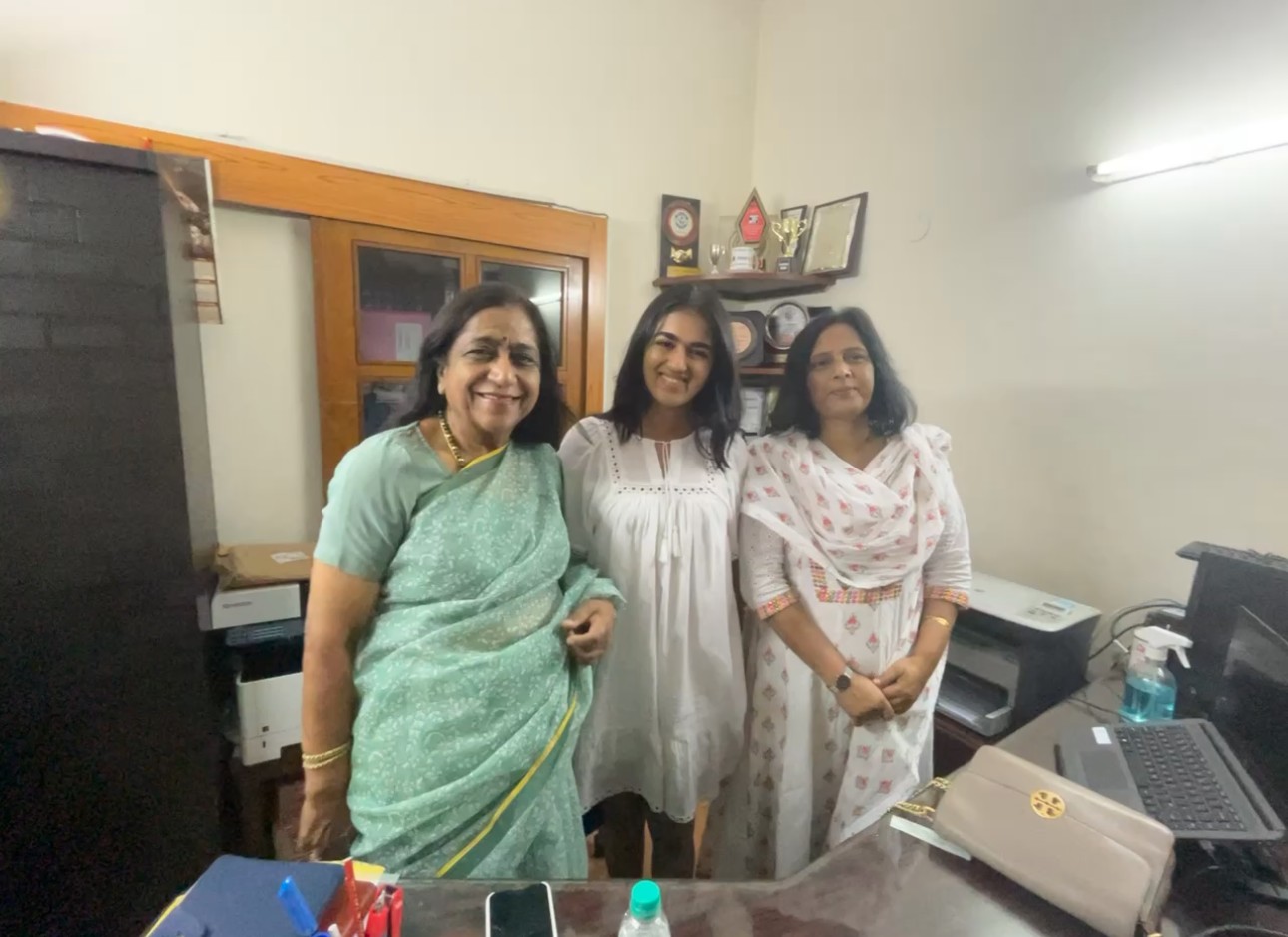
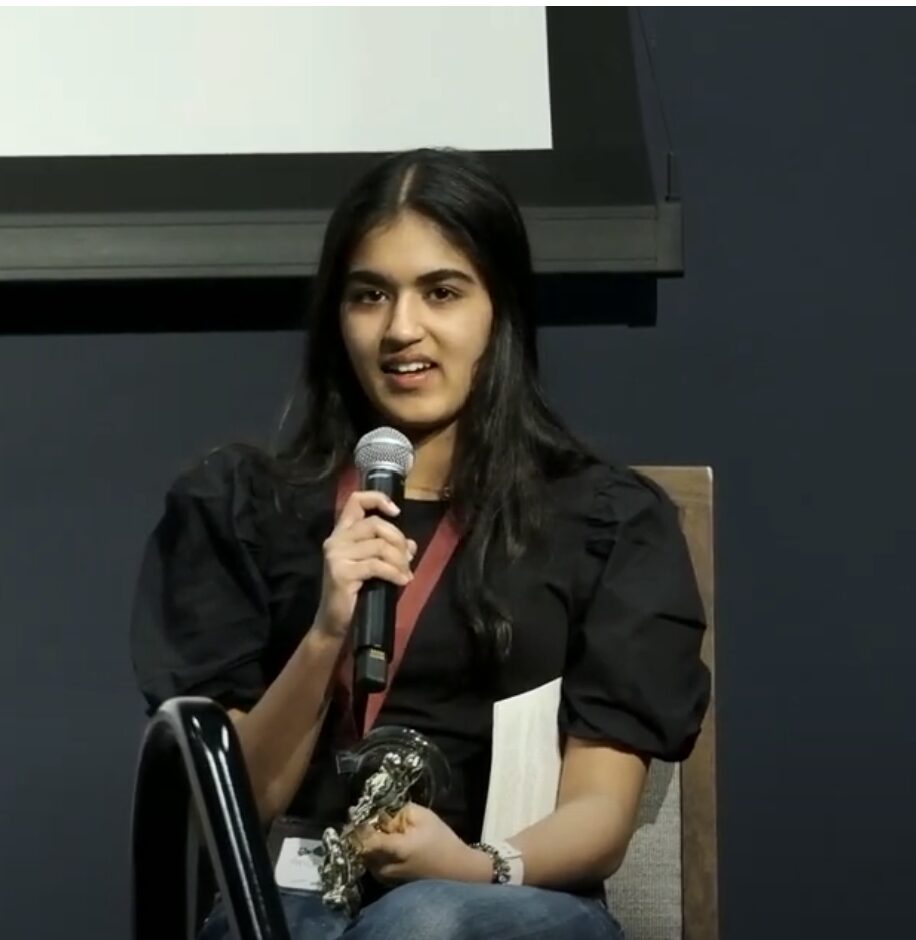
Image Credits
N/A
so if you or someone you know deserves recognition please let us know here.