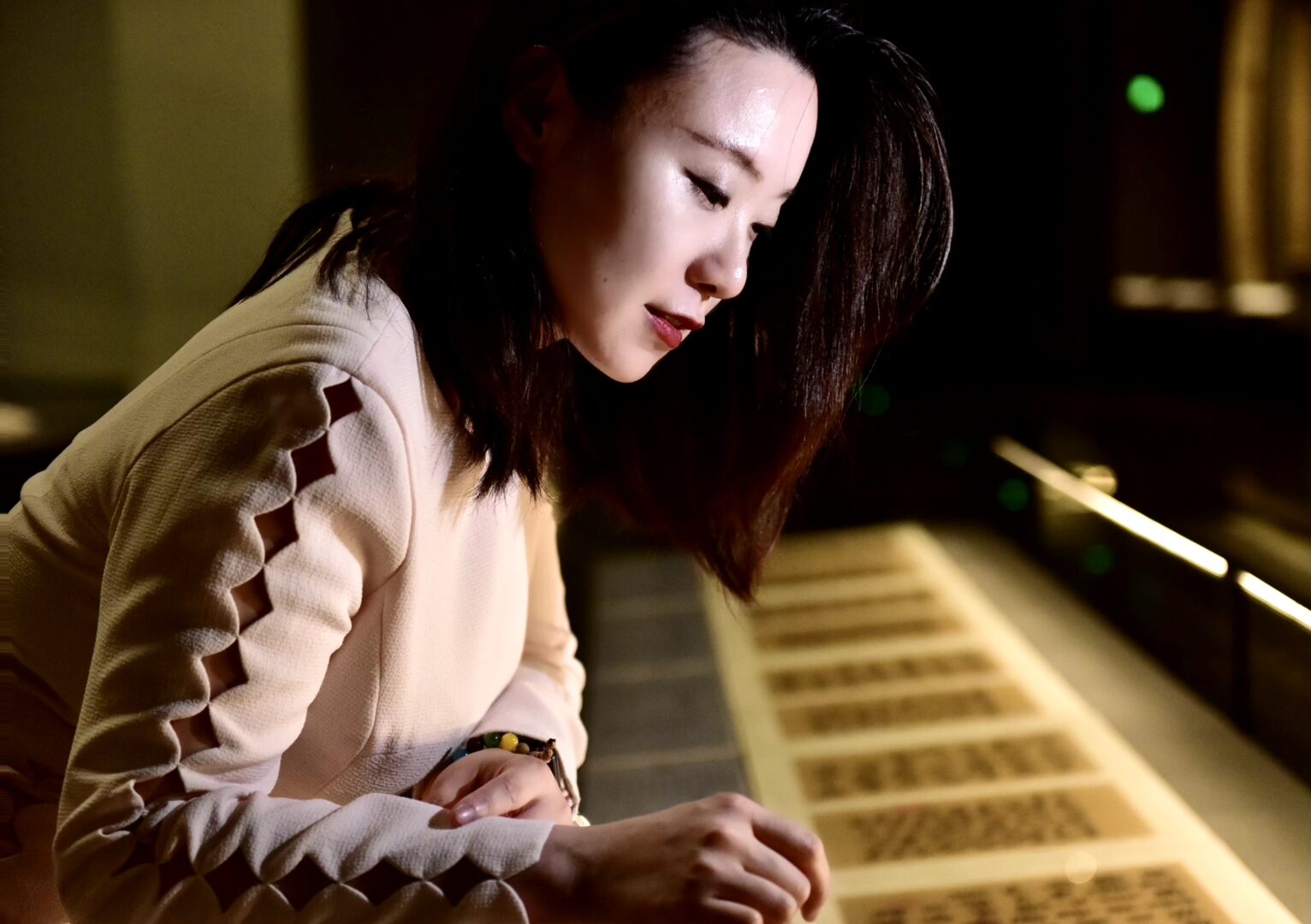
We’re excited to introduce you to the always interesting and insightful Ann Shi. We hope you’ll enjoy our conversation with Ann below.
Ann, so good to have you with us today. We’ve always been impressed with folks who have a very clear sense of purpose and so maybe we can jump right in and talk about how you found your purpose?
I have found my purpose as a laborer in the arts—through my family legacy and my own creative journey as a curator, writer, and collector. My father, a classical ink painter, calligrapher, scholar, and collector, carries the lineage of the literati tradition, where studying through one’s collection, engaging in research, and nurturing artistic expression are intertwined. My mother, an opera singer, voice coach, theater actress, and former fashion model, embodies the transformative power of performance with her body. The richness of creativity and intellectual freedom my parents instilled in me shaped my upbringing, allowing me to fully immerse myself in an artistic life that now defines my purpose.
Despite this foundation, my path was not linear. I initially pursued mathematics at Oxford University, drawn to the logic and abstraction of numbers. However, I found myself captivated not only by formulas but by the underlying philosophy within them—the search for meaning, structure, and conceptual patterns. This inclination followed me into my six-year career as a hedge fund analyst, where I operated in a world of precision with quantitative modeling, yet constantly felt the pull toward something more fluid, expressive, and deeply personal.
That longing led me back to my roots. I pursued a second master’s degree in art, where my dissertation, “Relative Authenticity in Chinese Painting: A Critical Examination of Literati Traditions and the Ethical Ambiguities of Copying and Forgery,” was deeply influenced by my father’s scholarship and collection. This research not only bridged my intellectual and artistic interests but also reaffirmed my commitment to exploring and challenging conventional narratives in Asian art.
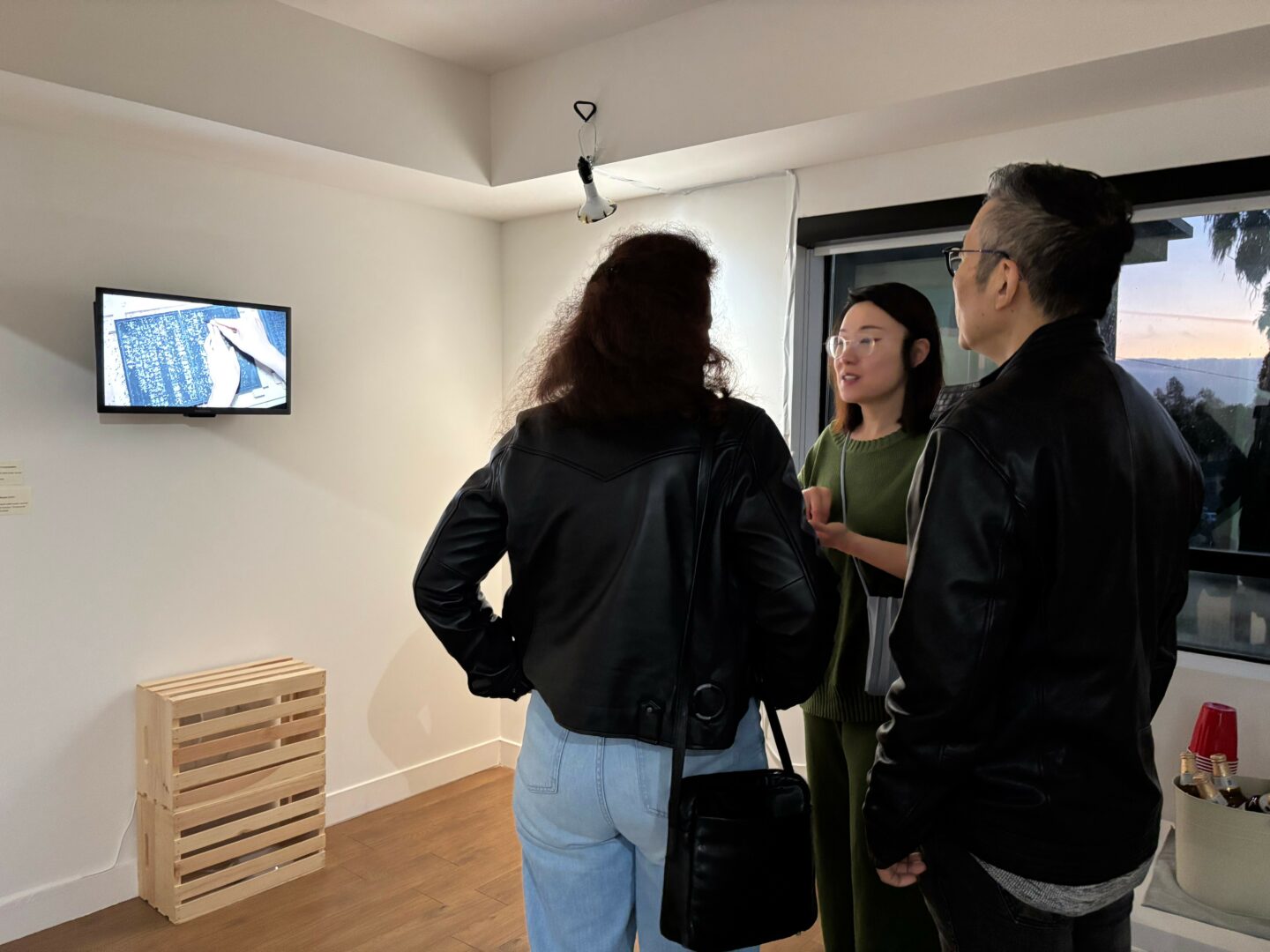
From there, my creative journey unfolded organically. I delved into curatorial work at Rice University’s Moody Center for the Arts and the Chao Center for Asian Studies, where I assisted in over eight exhibitions and public art projects and led three exhibitions, including two award winning ones, I honed my research methodologies and found mentorship among extraordinary minds across disciplines. Yet, I felt an urge to carve out a space of my own. In 2024, I moved to Los Angeles to build my own curatorial project—an alternative exhibition space within my apartment. My goal is to foster an experimental, intimate setting for emerging and underrepresented artists, creating a dialogue that transcends traditional gallery structures. With influences from my parents in Chinese paintings and literati traditions, I have nurtured a curatorial voice aimed at redefining the concept of Asian art—moving beyond race, geography, and gender to challenge rigid categorizations. Since then, I have curated five exhibitions, with three upcoming, each contributing to this evolving discourse. Along this path, I have encountered some of the most beautiful souls, brilliant minds, and generous hearts. Their support, passion, and shared belief in the power of art have reaffirmed my purpose.
Ultimately, beyond providing me with food and shelter, my parents gifted me the most profound inheritance—the freedom to create. That gift became the foundation of my artistic journey and continues to guide my purpose today.
Thanks for sharing that. So, before we get any further into our conversation, can you tell our readers a bit about yourself and what you’re working on?
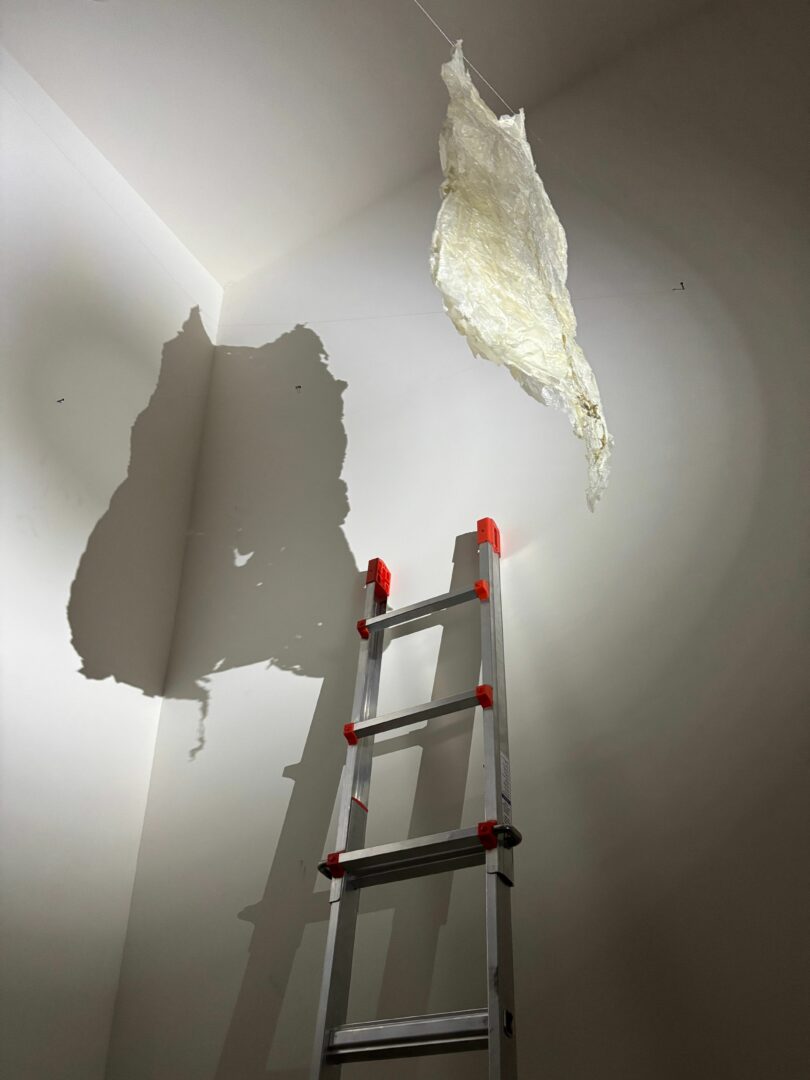
As an independent curator, my work is a continuous journey of discovery—an immersion into the most profound manifestations of art, ideas, and the creative minds behind them. I have been fortunate to engage with artists in deeply meaningful ways, from traveling to the mountains of North Carolina to visit the enigmatic Mel Chin in his reclusive studio to in-depth conversations with artists like Zheng Chongbin, Shirley Tse, Xu Bing among others. These encounters transcend the visual experience of art; they offer a glimpse into the inner worlds of artists, revealing the philosophies, struggles, and inspirations that shape their work.
Every studio visit is a lesson—an opportunity to absorb the energy of a creative space and translate those encounters into writing that reflects the depth of the artistic process. However, working with the legacies of artists who have passed presents a different yet equally profound challenge. Researching their work often involves intimate conversations with family members, uncovering personal narratives and oral histories that breathe new life into their artistic visions. These moments remind me of my childhood, watching my father paint—an experience that deeply shaped my reverence for artistic tradition and creative expression.
At the same time, my role as a curator also demands deep self-reflection. I am constantly examining my own biases and psychology, particularly in relation to diaspora and immigrant identity—an experience I share with many of the artists I work with. This connection often allows me to access a certain emotional depth, but it also makes me acutely aware of my limitations. One of the artists I interviewed once described my questions as stemming from a “curatorial gaze,” which led me to question my own perceptions. How many ways are there to the truth? Can one ever be certain that they see every side of a story? These reflections have become central to my curatorial practice, reminding me that while I seek to interpret, contextualize, and uncover, I must also acknowledge the inherent subjectivity of my lens.
Currently, my research is focused on an upcoming exhibition titled Asia Was a Woman: Navigating Gender and Identity in Asian Art from the 19th Century to the Present. This project seeks to spotlight the contributions of underrepresented women artists who have profoundly shaped art history yet remain overlooked in mainstream narratives. Additionally, my next exhibition, “Ritual to the Sun: If Body is a Map and Art is a Portal,” explores the interconnectedness of humanity, nature, and the cosmos—examining the body as both a vessel for creative expression and a site of physical and emotional toll for the artist.
Beyond my curatorial work, I am also a fine art appraiser. As an associate member of the Appraisers Association of America, I specialize in classical Chinese paintings, particularly from the 19th and 20th centuries. My appraisal practice, Ann Shi Fine Art, officially opened in 2024, offering expertise across a range of art and asset classes. Whether assisting collectors with valuations for donations, insurance, or estate planning, I take pride in providing meticulous research and a deep contextual understanding to every appraisal.
Whether curating exhibitions, researching artists, or appraising historical paintings, my work is ultimately about fostering a deeper connection between art, its creators, and its audiences. Through these different roles, I strive to expand the discourse around art, identity, and history while offering a space for artists and collectors to engage in meaningful ways. I am always eager to collaborate, exchange ideas, and share these stories with a wider community.
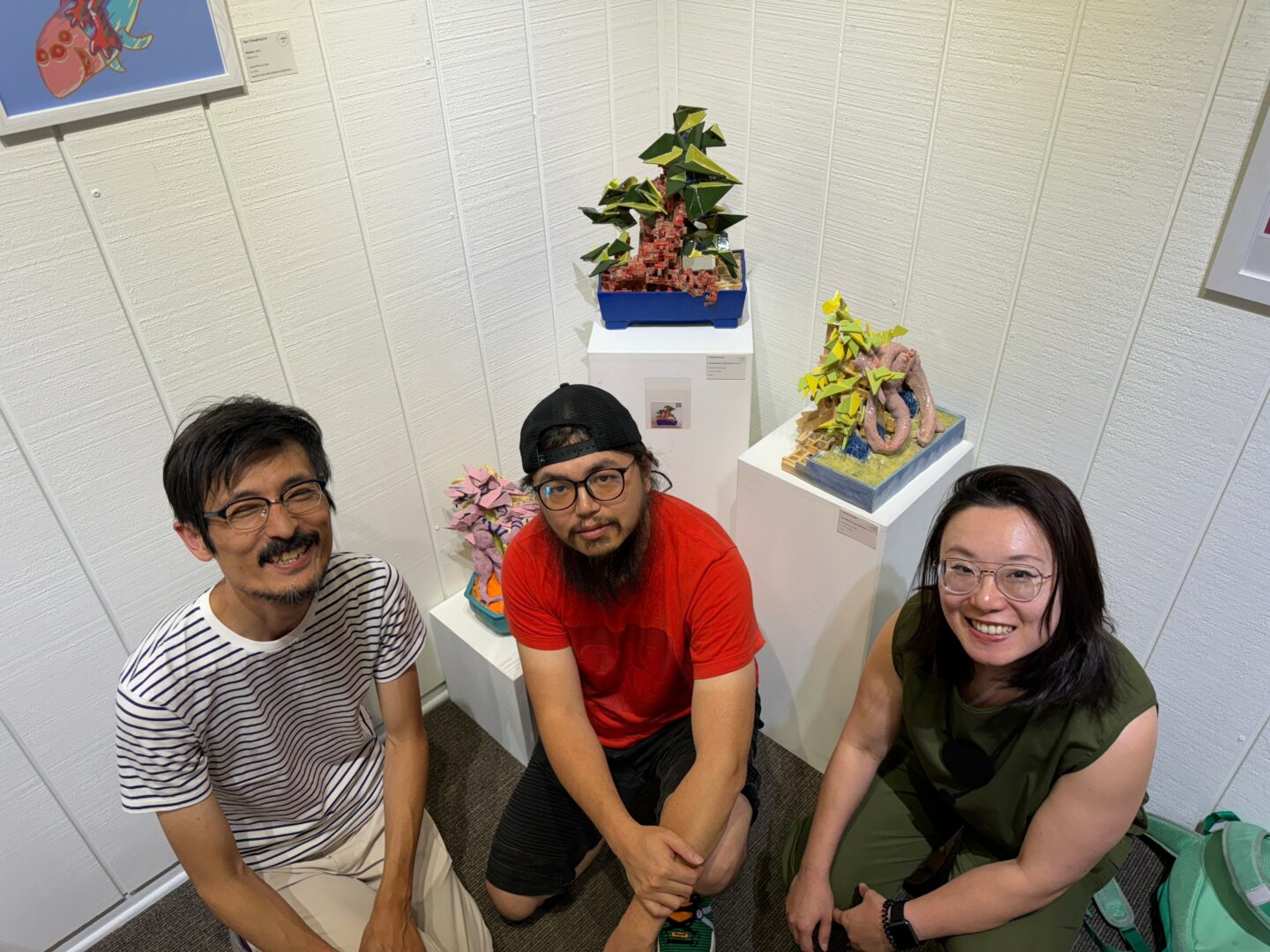
Looking back, what do you think were the three qualities, skills, or areas of knowledge that were most impactful in your journey? What advice do you have for folks who are early in their journey in terms of how they can best develop or improve on these?
Even though I have chosen the arts as my path, I deeply value the experiences and skills I gained outside of the art world. Looking back, three key qualities and areas of knowledge have been most impactful in shaping my journey:
1. The Ability to Think Abstractly.
My background in mathematics trained me to think abstractly, allowing me to approach complex ideas with clarity and precision. Mathematics, at its core, is not just about numbers—it’s about patterns, structures, and logical train on a conceptual level. This way of thinking has greatly influenced my curatorial and research work, helping me break down artistic movements, cultural histories, and philosophical ideas while connecting them with the future—one that includes the singularity and AI. For those starting their journey, I would encourage engaging with fields outside their primary discipline—whether it’s philosophy, science, or technology—as abstract thinking strengthens creativity and adaptability.
2. The Skill of Interdisciplinary Thinking.
The ability to learn quickly and make meaningful connections across disciplines has been crucial in my work. Art is never isolated; it intersects with history, politics, science, and identity. My experience transitioning from mathematics to finance, and then into the arts, has reinforced my capacity to synthesize knowledge across different fields. As a curator, I draw on diverse disciplines to shape exhibitions and contextualize artistic narratives in a broader cultural framework. For those starting their journey, my advice is to remain intellectually curious—read widely, step outside your comfort zone, and seek inspiration from unexpected sources. The more perspectives you understand, the more nuanced and insightful your work will become.
3. A Deeply Introspective yet Strongly Opinionated Mindset.
As an INFJ, I feel things deeply and internally, yet I also possess a strong sense of judgment and conviction. This duality has shaped my curatorial vision—I am emotionally attuned to artists and their creative processes while also maintaining a strong, opinionated perspective on the narratives I want to champion. The challenge, however, is balancing intuition with openness, ensuring that my personal biases do not overshadow the multiplicity of artistic voices I seek to amplify. For those early in their journey, I would advise embracing self-awareness—understand your instincts, develop your unique voice, but also remain open to being challenged and evolving through dialogue and experience.
Ultimately, these three qualities—abstract thinking, interdisciplinary learning, and introspective yet decisive judgment—have led me to where I am. My advice for those starting out is to cultivate curiosity, remain adaptable, and trust in the evolution of their own perspectives; and most importantly, connect connect connect! Connect the people around you that you know can be good collaborators; connect ideas, connect visions, and keep your visions far and beyond. Don’t be afraid to be vulnerable, but keep your heart soft, tender but strong. Keep looking ahead, keep envisioning! A creative journey is never linear, and the most valuable skills are those that allow you to navigate change with insight and intention.
What is the number one obstacle or challenge you are currently facing and what are you doing to try to resolve or overcome this challenge?
My biggest challenge right now is securing funding for my new and growing not-for-profit initiative, “a poco art archive.” This initiative is more than just an archive—it is a dedicated platform for academic research on underrepresented artists, aiming to preserve their legacies while fostering new opportunities for creative and scholarly engagement. Through exhibitions, grants, workshops, events, symposiums, community programs and collaborations with other institutions, I hope to create a space where overlooked artists and thinkers can be supported, celebrated, and connected with a broader audience.
However, building a sustainable foundation for this vision requires not only financial resources but also strong partnerships. I am actively seeking a like-minded collaborator—someone who shares my passion for advocacy in the arts and believes in the transformative power of research, documentation, and public engagement. This is not just about funding; it’s about creating an ecosystem where art history is expanded beyond dominant narratives and where emerging and marginalized voices can be amplified.
To overcome this challenge, I am taking several steps. I am refining my fundraising strategy by identifying potential donors, grant opportunities, and philanthropic partners who align with a poco art archive’s mission. I am also working on strengthening the organization’s visibility, expanding our network, and fostering relationships with institutions, scholars, and community leaders who can champion our cause. At the same time, I am learning from other nonprofit leaders and researching sustainable models to ensure that this project has long-term viability.
I know this will be a challenging journey, but I am deeply committed to seeing this vision through. I believe that with the right partnerships, strategic planning, and continued perseverance, a poco art archive will grow into a meaningful and lasting resource for artists, scholars, and the communities it seeks to serve.
Contact Info:
- Website: https://www.apoco.art/
- Instagram: https://www.instagram.com/annonymous_cynist/
- Linkedin: https://www.linkedin.com/in/ann-shi/
- Soundcloud: https://podimo.com/shows/dear-houston-love-asian-america
- Other: https://www.asia-was-a-woman.org/
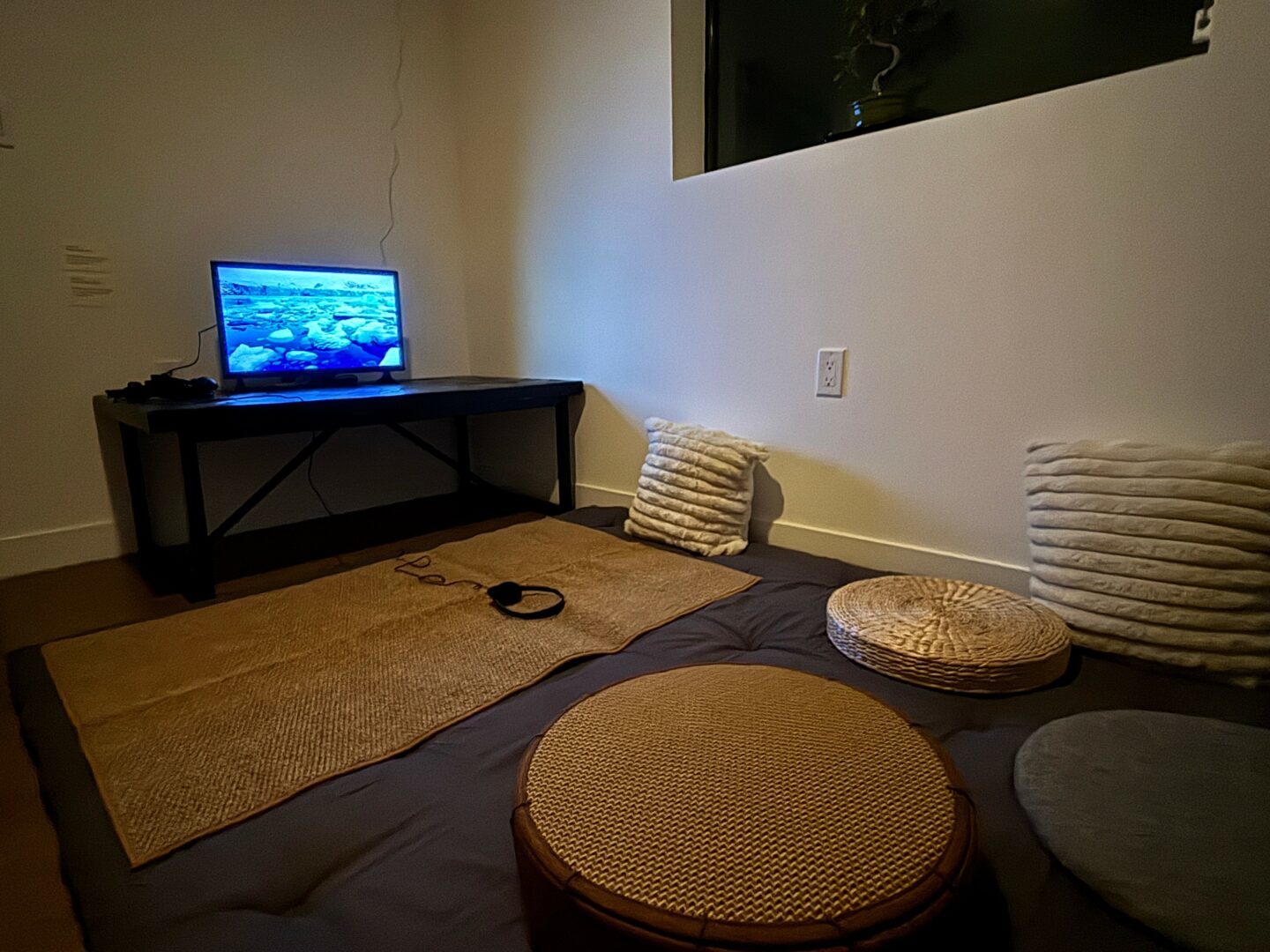
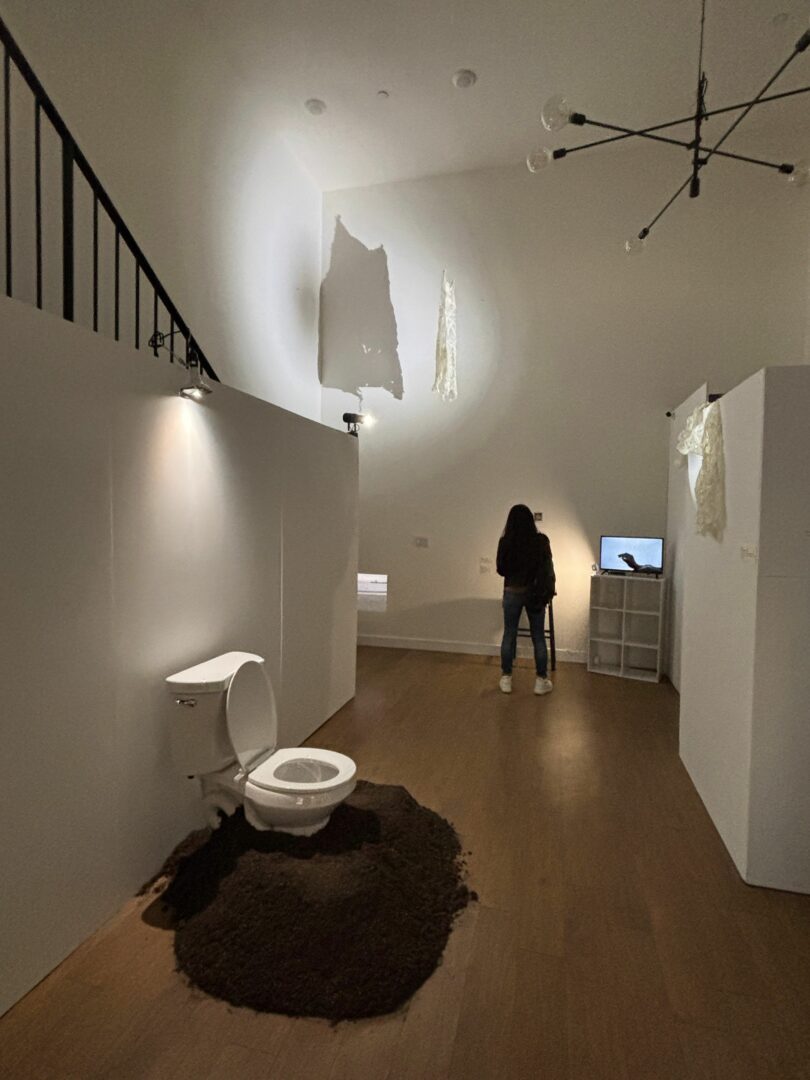
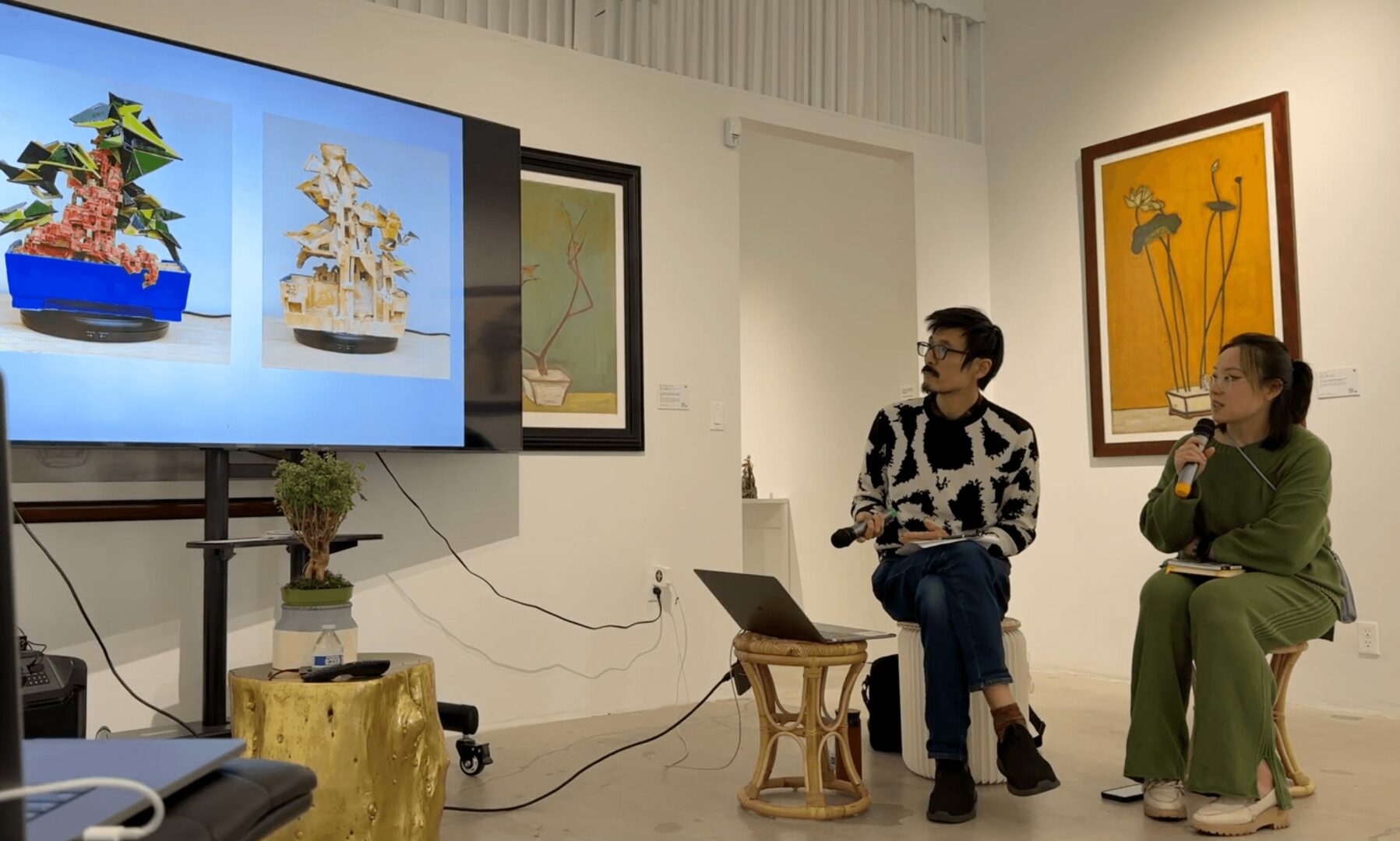
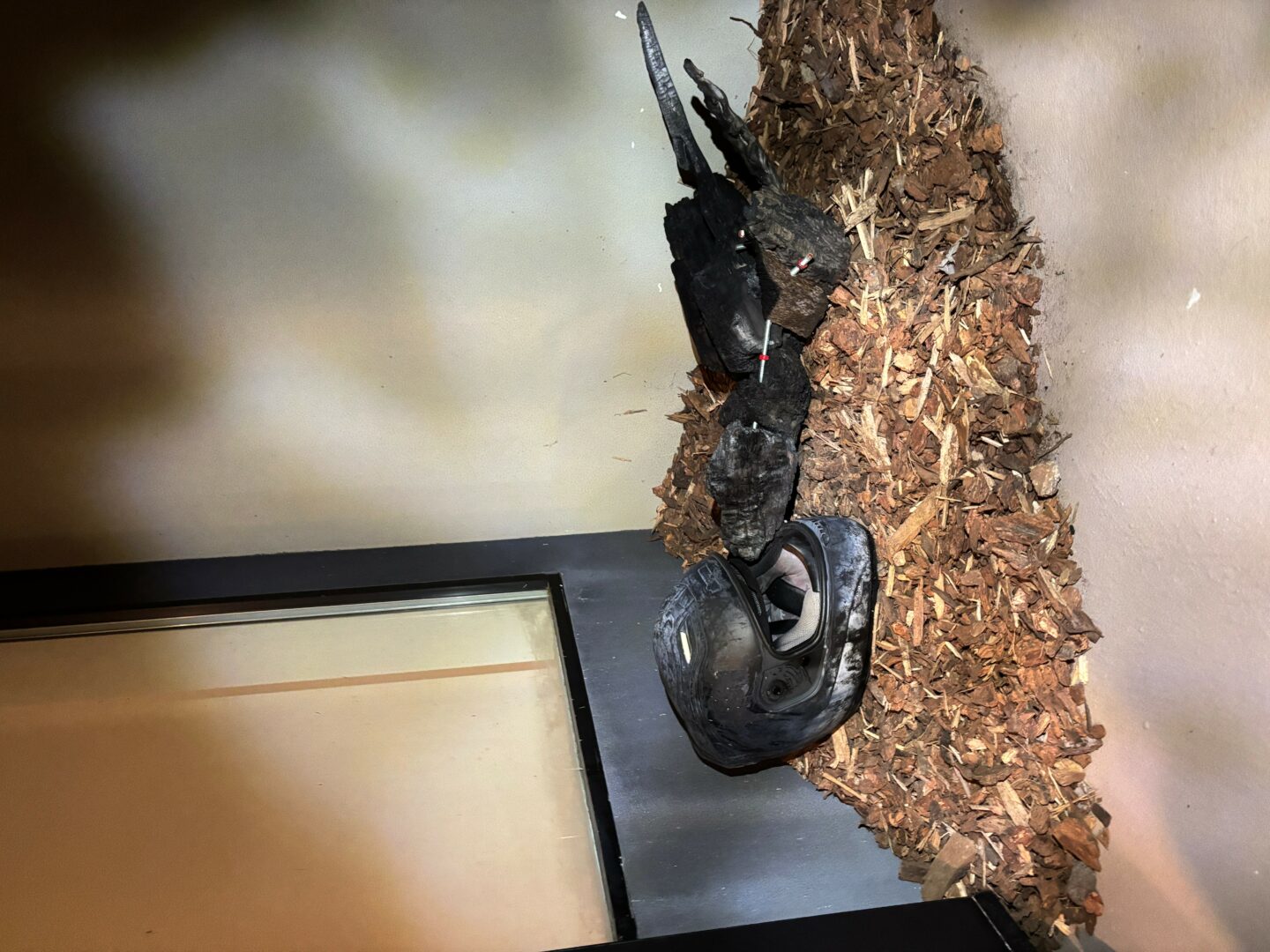
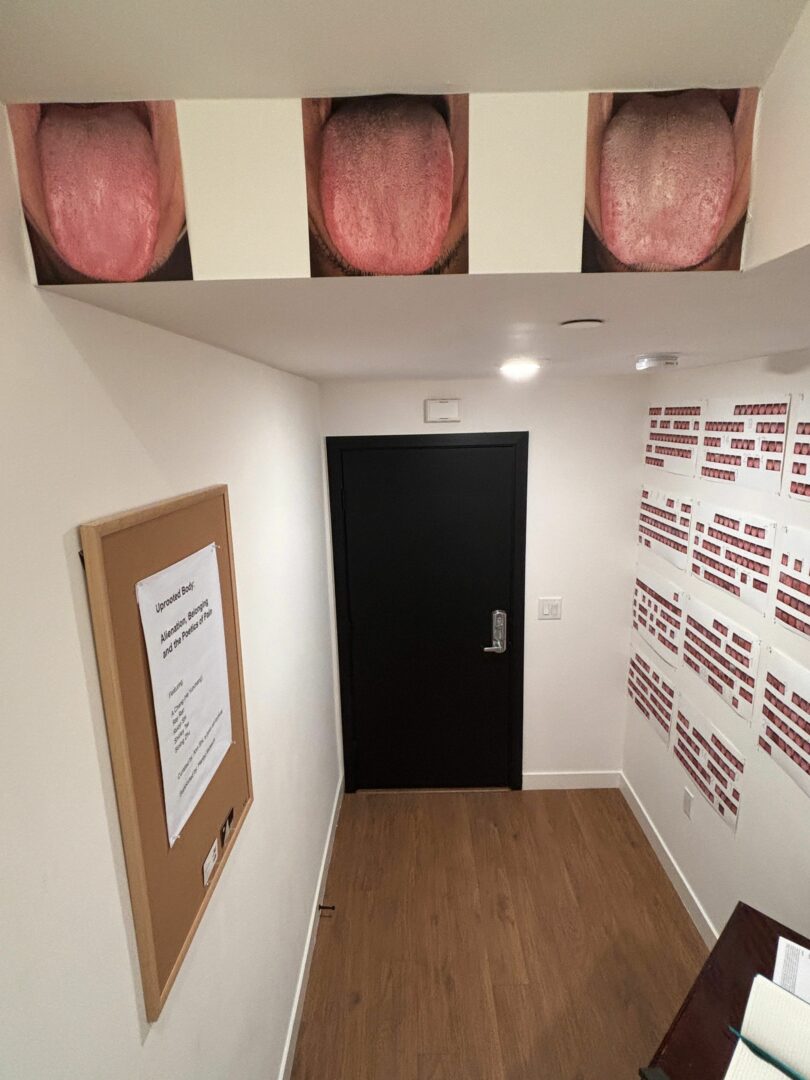
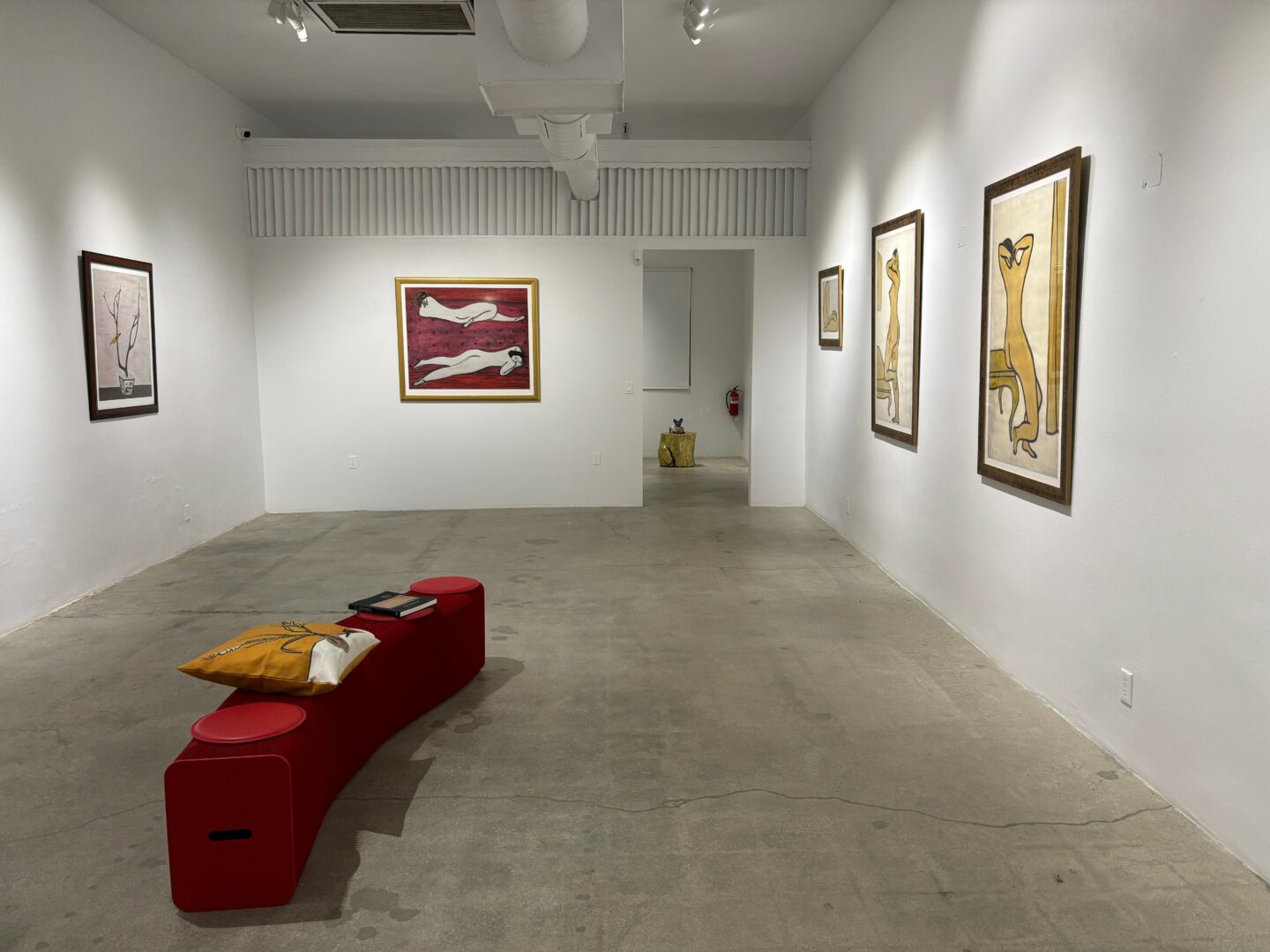
Image Credits
a poco art archive, Shirley Tse Studio, Robert Gideon Photography, H Foundation for the Arts.
so if you or someone you know deserves recognition please let us know here.