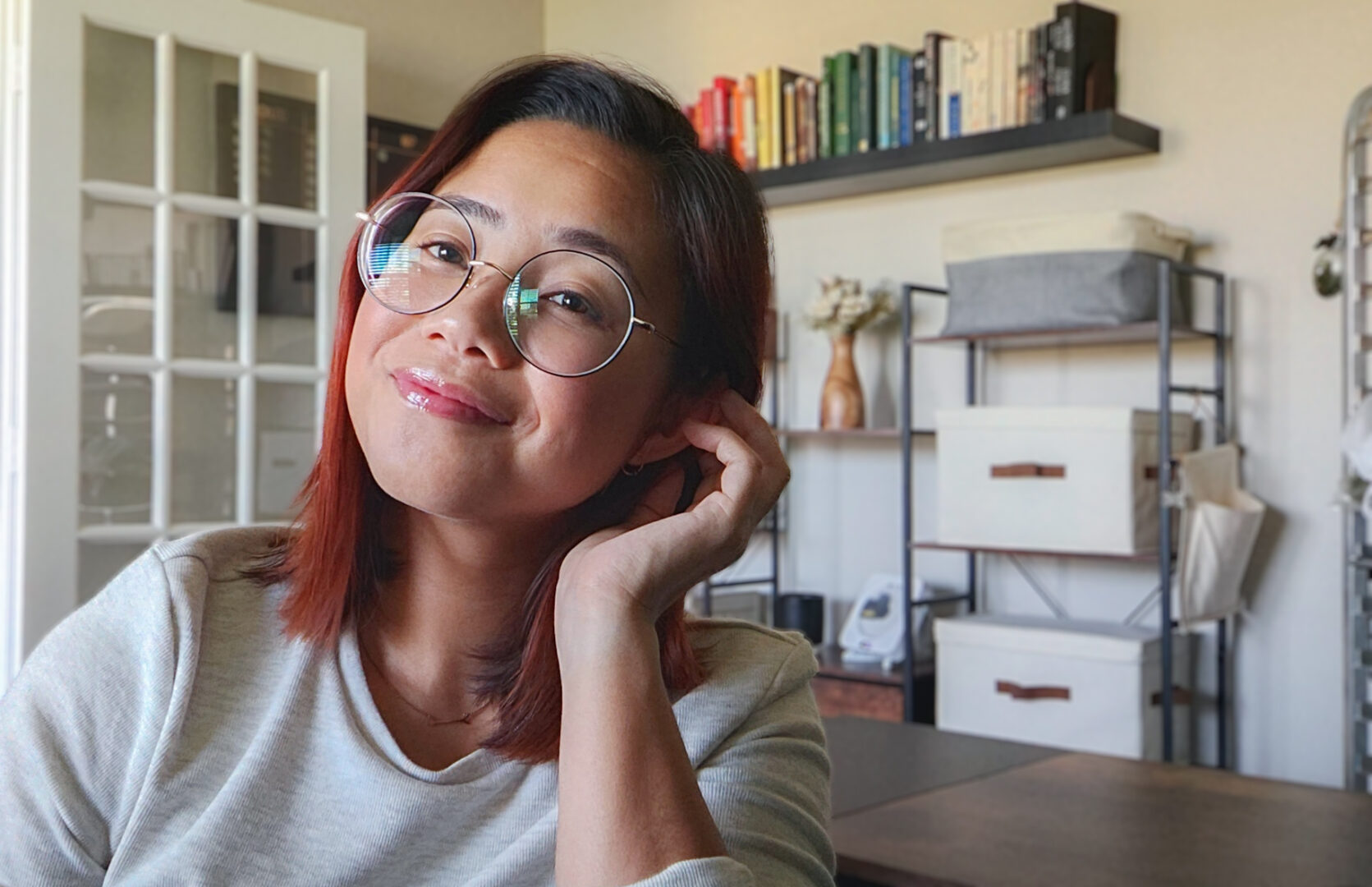
Alright – so today we’ve got the honor of introducing you to Anna Mikhaela Reyes. We think you’ll enjoy our conversation, we’ve shared it below.
Anna Mikhaela, we can’t begin to explain how much we appreciate you sharing about your PPD experience, but we can say that so many in our community are suffering from or have suffered from postpartum issues including postpartum depression and so you sharing your story and how you overcame it might help someone who is going through it right now or in the future. What can you share with us about how you overcame PPD? For readers, please note this is not medical advice, we are not doctors, you should always consult professionals for advice and that this is merely one person sharing their story and experience.
Postpartum Depression hit me quite hard. I had already been diagnosed with Moderate Depression two years prior to my pregnancy and had undergone Prenatal Depression, so I was emotionally anticipating PPD but did not grasp just how much of a toll it would take on me.
For me, PPD looked a bit different to my pre-pregnancy symptoms so it took some time for me to even realize I was exhibiting depressive behaviors. Prior to pregnancy, depression for me looked like fatigue, loss of interest in hobbies, lack of concentration, and irritability. During postpartum, my depression took the form of dread, hopelessness, and toxic-productivity, and was accompanied by anxiety (PPA) and rage (PPR). For a long time, I felt a mix of heavy, negative emotions that I believed to be sourced from grief for my life before motherhood, which then contributed to bouts of shame and guilt. Amidst all of this, I also had a limited mental, emotional, and physical support system which exacerbated my symptoms. It took a snowball effect from poor mental health, lack of support, and the adjustments to motherhood for me to reach rock bottom: a concrete thought of ending my life.
This brought me to the 988 Suicide and Crisis Hotline. Making that call was a huge turning point for me as it brought me to terms with how severely my mental health had declined. I dialed that number feeling like I had no other options, but the operator was extremely patient and empathetic to my story. They helped me to acknowledge the weight on my shoulders as a new mother and recognize that I needed someone to listen and validate me through this experience. They shared resources I could use in my area and encouraged me to seek additional assistance through loved ones and therapy. That same week, I signed up to join a virtual postpartum support group and scheduled a call with my psychiatrist to share my experience and ask about supplementing my depression medication.
These days, although I am in a much healthier mental state, there are times when it still feels like I am in the process of overcoming PPD. When these moments occur, I revert back to the resources the 988 Hotline advised me to seek as well as support from loved ones. Admittedly, I do a poor job of asking for help. My first instinct is to retreat into myself and attempt to solve things on my own, but becoming a mother taught me that asking for help does not equate to weakness and that not asking for help does not equate to strength. Growing up, I avoided seeking guidance from my loved ones because I thought I would be bothering or inconveniencing them. To heal this wound, I imagined myself in their shoes and thought about how I would feel and react if they came to me looking for support: I would wholeheartedly listen and be present for them in their time of need. This exercise led me to realize that the people who love you will be happy to show up for you.
Thanks for sharing that. So, before we get any further into our conversation, can you tell our readers a bit about yourself and what you’re working on?
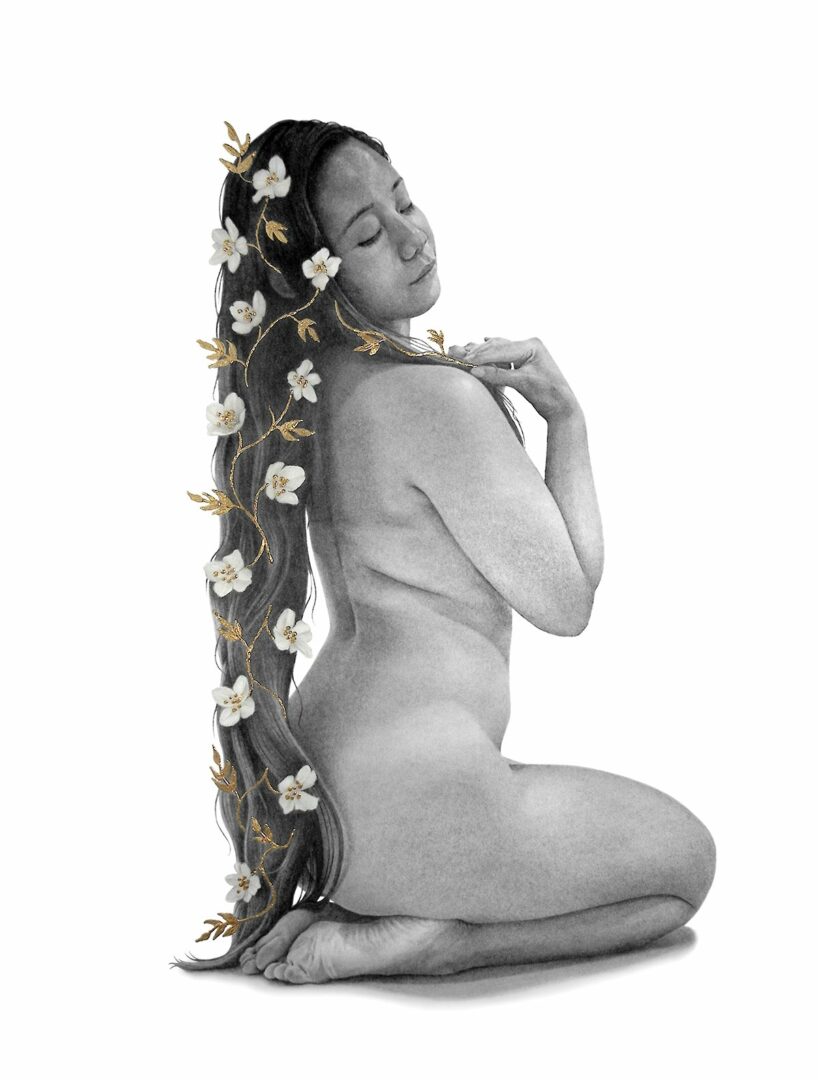
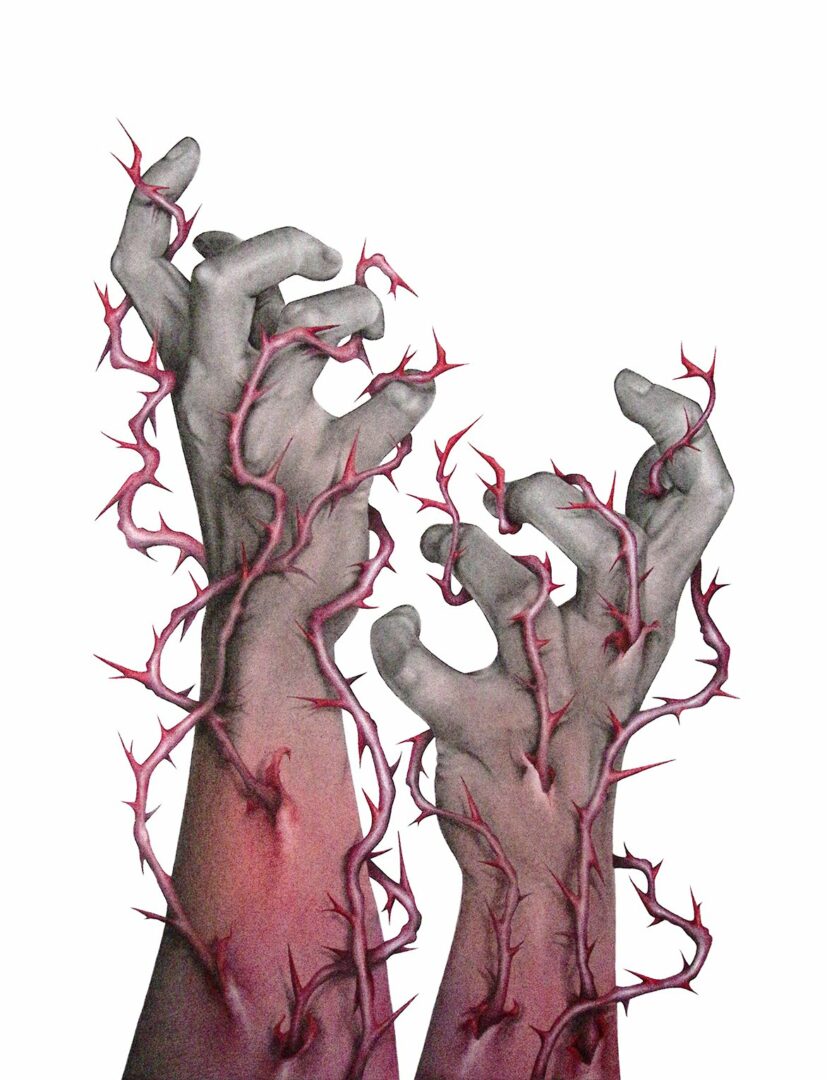
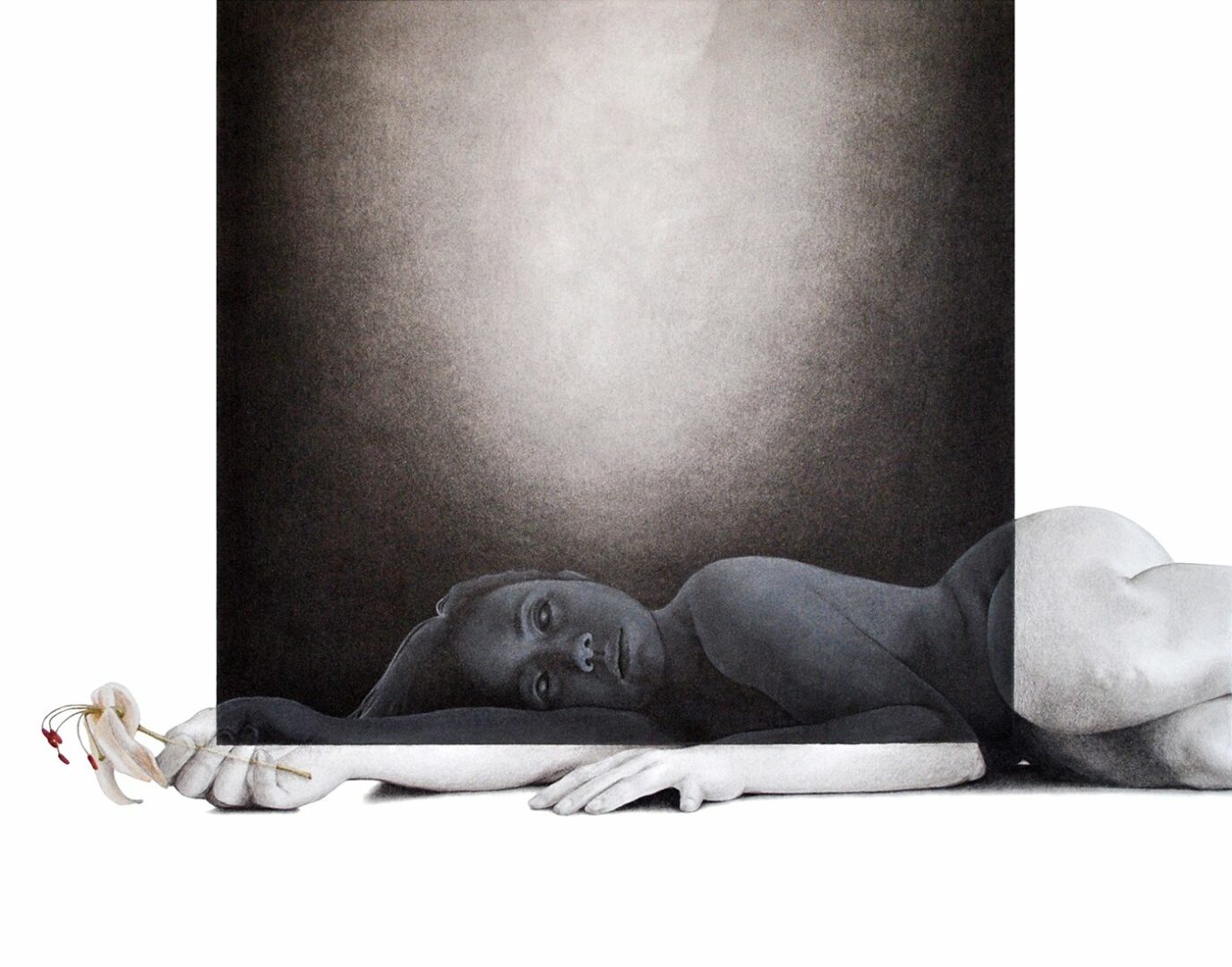
I am a contemporary conceptual artist, illustrator, and graphic designer whose work sheds light on themes such as mental health, psychology, sociology, and trauma. The purpose of my work is to inspire interpersonal relationships through intrapersonal exploration—the act of embracing and igniting conversations about personal vulnerabilities in order to incite connection and growth with others. To help achieve this, I depict my illustrations of the human figure in black charcoal contrasted against botanical elements rendered in colored pencil or chalk pastel. This juxtaposition serves to emphasize the healing properties of the natural world and the concept that botany can teach us lessons about ourselves and others.
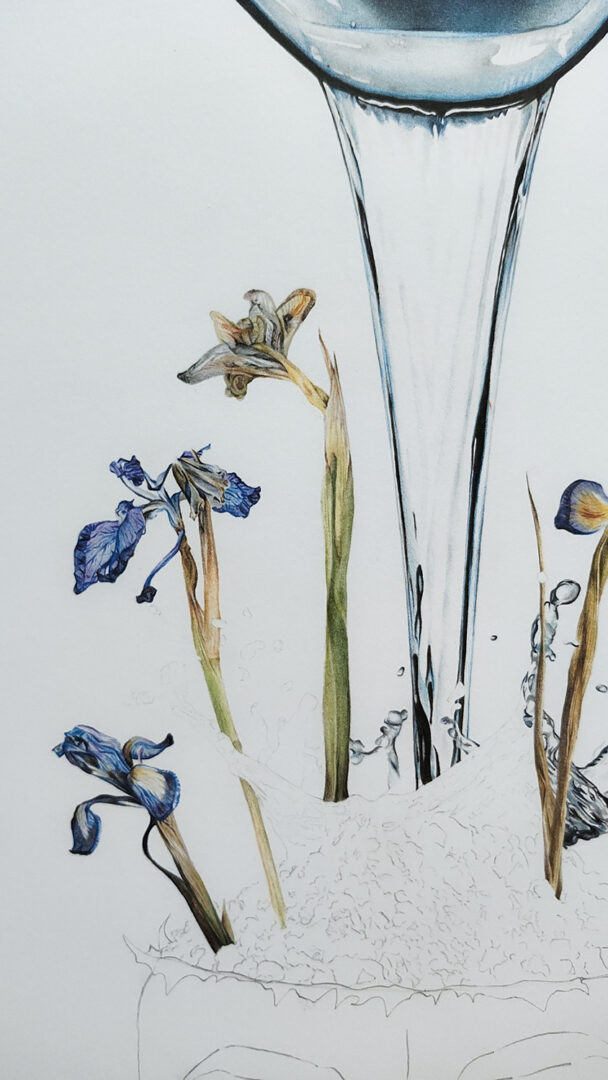
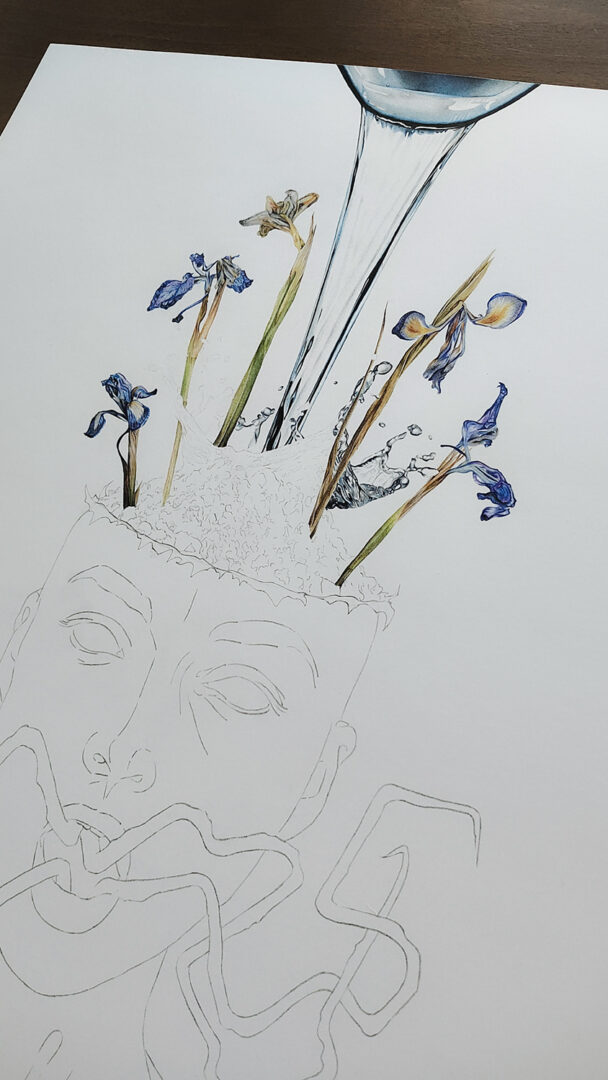
I am currently working on a piece titled “Ignorance,” which is a depiction of my personal commentary on the current socio-political climate. In this piece, I render my visual representation of how it feels to use education to approach those who actively choose to deny awareness: it is like watering dead soil.
If you had to pick three qualities that are most important to develop, which three would you say matter most?
My journey through the arts is driven by respect, authenticity, and curiosity.
My respect for the arts means upholding respect towards all artists and their chosen crafts. We are all entitled to self-expression, and quantifiable things like awards, degrees, or even the length of time taken to practice a craft hold no weight against the privilege of sharing the human experience. I think this is what Keith Haring meant when he said, “Art is for everyone”: that each artist has their own story to tell, and the avenue with which they elect to tell it through—whether it be drawing, digital illustration, sculpting, dancing, film, etc.—is always worth witnessing. Cultivating that sense of appreciation towards others and their unique artistic contributions perpetually teaches me humility and the value of humanitarianism.
Valuing authenticity has set the tone for the level of visual and emotional vulnerability that I convey in my work. I’ve touched on sensitive topics such as depression, body image, and emotional rage with candor about my own personal experiences and reflections with each. I feel that being forthright and sincere in communicating these experiences is the only way to do them justice and, in effect, lead to genuine connections and conversations about them with others.
As an artist, maintaining curiosity keeps me receptive to more experiences and paths to creativity. Approaching new ideas, places, and people without judgment helps me to grow in a non-linear fashion and honor the diversity of thought and humanity around me. I’ve been inspired to create art through exploring movies I never thought I would watch, languages I never thought I would learn, or even dishes I never thought I would taste. Practicing acceptance of other environments, cultures, and whole worlds reminds me that art is all around us, waiting to be discovered and celebrated.
I encourage rising artists to embrace and uphold these same values: respect towards others, authenticity in your work, and curiosity for new experiences. Respect will teach you empathy, authenticity will teach you bravery, and curiosity will teach you open-mindedness.
Looking back over the past 12 months or so, what do you think has been your biggest area of improvement or growth?
Patience is a practice in which I am always seeking continuous improvement. Part of my growth in this skill is understanding the difference in patience required between waiting for a cup of tea to warm up versus waiting for the right moment to create: the former is measurable and the latter is undefined. Intrinsically, human beings are creatures of habit that are intimidated by ambiguity and, thus, seek shelter in stability and consistency. Going against this underlying nature has taught me that control is an illusion and that all we truly know is the present moment. I am in a period of life in which I must consistently choose to be patient with both myself and my current circumstances and be, for the first time ever, open to the uncertainties of life itself. This has influenced me to appreciate presence and mindfulness while creating, and not to obsess over what has already been done or what else I can make in the future. In turn, I feel that my mental health, work, and relationship to what I create are better because of it.
Contact Info:
- Website: https://www.annamikhaela.com
- Instagram: https://www.instagram.com/anna.mikhaela.art/
- Linkedin: www.linkedin.com/in/anna-mikhaela-art