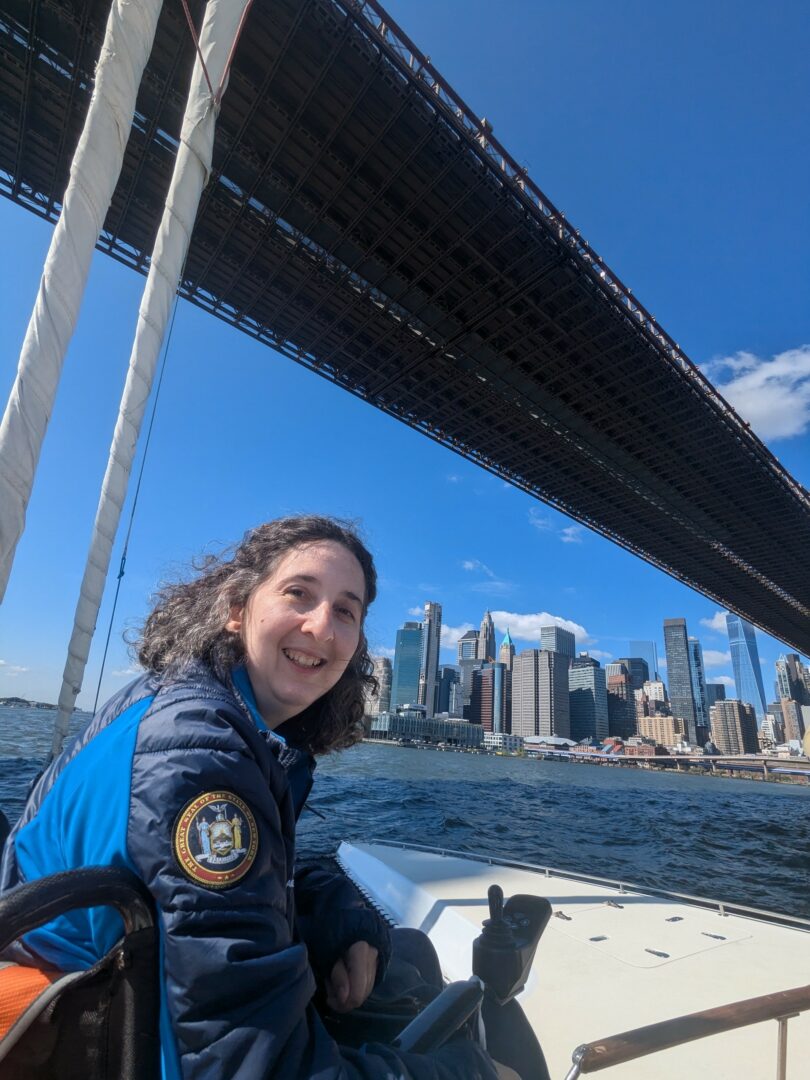
Alright – so today we’ve got the honor of introducing you to Anna Pakman. We think you’ll enjoy our conversation, we’ve shared it below.
Hi Anna, so excited to talk about all sorts of important topics with you today. The first one we want to jump into is about being the only one in the room – for some that’s being the only person of color or the only non-native English speaker or the only non-MBA, etc Can you talk to us about how you have managed to be successful even when you were the only one in the room that looked like you?
I’ve spent a lot of my career being the only visibly disabled person in the room. Early on, I thought that meant I had to work twice as hard to prove I belonged. Over time, I realized my perspective isn’t a liability—it’s the value. I bring lived experience that is painfully absent from most rooms where stories are green-lit and decisions about not just culture, but the course of people’s lives are made.
I’ve learned to be effective by staying rooted in that truth. When you’re the only one, you’re constantly educating, advocating, and translating—not just the creative idea, but the importance of disabled people being seen, authentically and without apology. I’ve built relationships with strong collaborators who share that belief and I celebrate the wins, even when they’re incremental, because each one makes it a little easier for the next disabled person.
Success for me doesn’t look like blending in—it looks like changing the room so that I’m not the only one anymore.
Great, so let’s take a few minutes and cover your story. What should folks know about you and what you do?
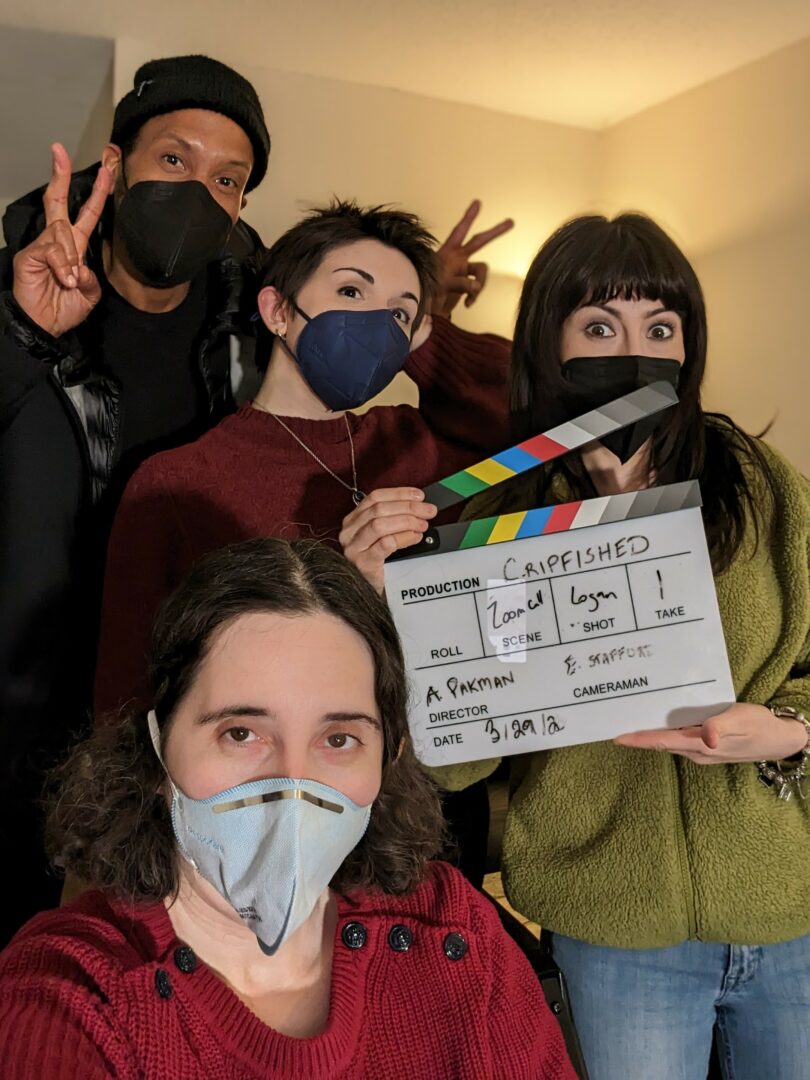
I’m a filmmaker and digital storyteller focused on disability-forward stories. My films put disabled characters at the center of the narrative — not as symbols of tragedy or inspiration, but as the full, complex, messy humans we are. My work challenges outdated tropes by showing disabled people navigating relationships, making tough decisions, and saving the day in our own ways.
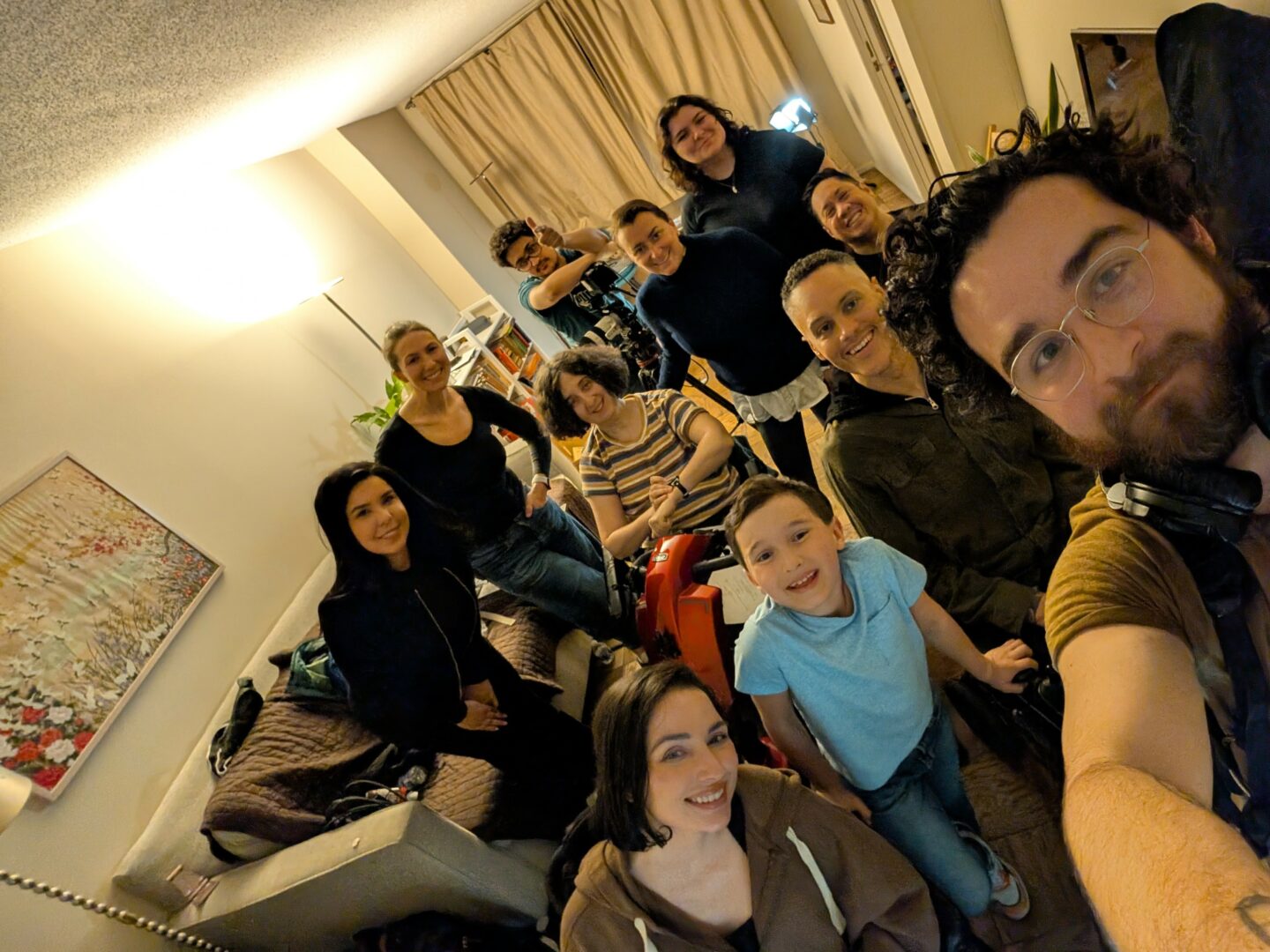
What excites me most about this work is the power of representation — especially authentic representation. I cast disabled actors in disabled roles, prioritize accessibility on set, and bring disabled creatives into the decision-making process. Disabled people are the world’s largest minority, yet we are still shockingly underrepresented in the media. Something like fewer than 5% of characters on screen are disabled, and all too often played by an actor without lived disability experience, and less than 1% of writers are. Every time one of my films reaches someone who feels “finally, that’s me,” it’s a win.
Most recently, I wrote and directed Emergency Plan for the 2025 Easterseals Disability Film Challenge — a suspense short about a disabled couple forced to make an unthinkable decision for their son during a disaster. The film has a stacked cast, including a cameo stars Tony Award-winner Ali Stroker as a radio reporter guiding New Yorkers to safety, and it continues a body of work that includes Wheelchair Money — which won Best Awareness — and Social Fitness, a viral pandemic comedy.
Beyond filmmaking, I also champion accessibility in my day job, leading digital marketing for New York State’s economic development arm. Whether I’m working on a film or a social media campaign, my mission is the same: to expand who gets to show up in public spaces — on screen and in real life.
If folks want to follow along, I’ll be announcing upcoming festival premieres for Emergency Plan, as well as other projects I’m developing.There’s more coming, and I’m thrilled to keep pushing the narrative forward.
If you had to pick three qualities that are most important to develop, which three would you say matter most?
Tenacity, collaboration and listening. Making it in film and digital media requires a lot of tenacity. Not only is s tough industry to get started in, but it also requires constantly rolling with the punches because it’s a field where we are building the plane as we fly it, so to speak.
Collaboration is extremely important because it takes a village to create a film or launch a successful marketing campaign. Being at the executive level is like conducting an orchestra, you can only create something beautiful when everyone is playing together.
Listening is critical because success is often based on delivering work that resonates with audiences and the way to do that is to really have your ear to the ground.
I would tell those at the early stage of their career that practice makes perfect. If you want to work in film, create films. Volunteer on a set for a student or independent film being produced in your area. If you want to work in marketing or do something on the business side, do internships. Also follow the trades for your field.
Before we go, any advice you can share with people who are feeling overwhelmed?
I break things up into smaller tasks and create lists. I think inertia comes from tackling something that feels too big, but everything in life is a sum of parts. Focusing on what is manageable in the moment and the accomplishment that comes with checking one box helps with the best one. Breathe. You can do it!
Contact Info:
- Website: https://Emergencyplanfilm.com
- Instagram: Annatated
- Linkedin: https://www.linkedin.com/in/annapakman?utm_source=share_via&utm_content=profile&utm_medium=member_android
so if you or someone you know deserves recognition please let us know here.