We were lucky to catch up with Annette Dove recently and have shared our conversation below.
Alright, so we’re so thrilled to have Annette with us today – welcome and maybe we can jump right into it with a question about one of your qualities that we most admire. How did you develop your work ethic? Where do you think you get it from?
My work ethic was shaped long before I ever stepped into a classroom or a community center. It was taught to me at home by my parents, who lived by the belief that hard work means nothing if you are not also giving back to others.
My mother was a beautician, but her work went far beyond hair. She opened her heart and her chair to young ladies who were in college, encouraging them, hiring them and help supporting them to get their college degree, she spent time listening to them, and helping them see their worth. My father had the same heart for service. He took young men from the community—many who had no fathers in their homes—and trained them to run their own businesses. From both of them, I learned that success is not measured by what you keep, but by what you give.
I carried those lessons into my own career. I taught school for eleven years, pouring into my special needs students every day. I wanted to become a principal, believing I could make an even greater impact, but I was denied the opportunity. Instead, I was hired to run a program called HIPPY—Home Instruction for Preschool Youngsters—serving three school districts, to prepare parents to get their children ready for kindergarten. Through HIPPY, I continued working with families and children, helping them build strong educational foundations. Seeing so much need to encourage them to hope and dream, I knew I had a greater work to do in the community.
While working in the church as a Youth Director, my desire to help the community grew even stronger. My husband supported this calling wholeheartedly. Together, we worked with youth in the community, many of whom were involved in gangs. We would bring them into our home, feed them, and simply talk with them about their choices and behaviors. My husband, who was a parole officer, began coaching them in basketball, using sports as a way to teach discipline, teamwork, and hope.
After seven years, I grew weary—not from the work, but from the complaints of church members who focused on the children’s hunger and needs instead of their humanity. As crime and drugs continued to overtake the community, I knew I could not walk away from the youth who needed help the most. I made the decision to leave the church and follow the vision God had placed in my heart.
I told my husband that when we became financially able, I would quit my job with HIPPY and return full-time to the community. He agreed. Tragically, on December 9, 2000, my husband passed away. In my grief, I felt a clear call from God reminding me of the promise I had made—to go back and help the youth.
In 2002, I quit my job and returned to the community. I found an old, abandoned house and began turning it into a center where children could feel safe, supported, and cared for. I ran out of money before the work was complete, so I withdrew from my teacher retirement to continue, but even that was not enough. I began using money meant for my car note and house note just to get the center open.
When I finally opened the doors, the space was too small to hold all the children who needed help—but it was full of love, purpose, and determination.
My work ethic comes from generations of service, sacrifice, and faith. It comes from parents who taught me to lift others, a husband who stood beside me, and a calling that would not let me turn away. No matter the obstacles, I learned that when you are working for the good of others, quitting is never an option.
Appreciate the insights and wisdom. Before we dig deeper and ask you about the skills that matter and more, maybe you can tell our readers about yourself?
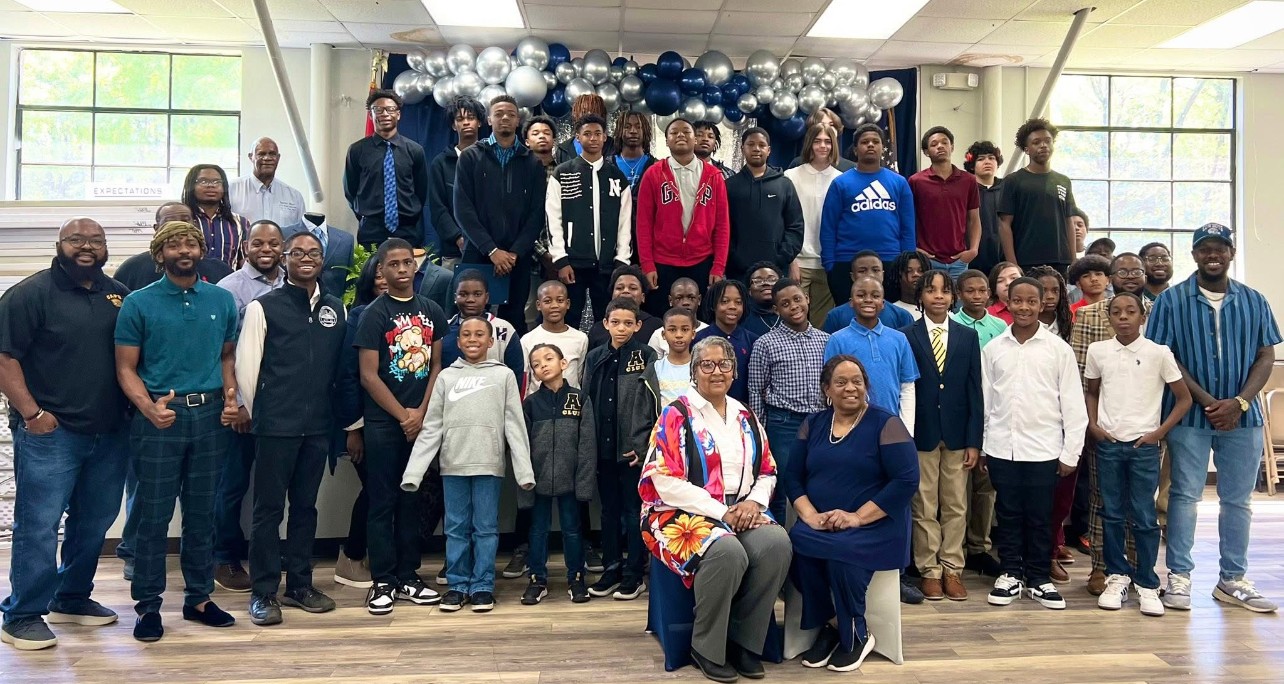
When challenges arise in life, some people step back—but others step forward. That spirit of courage and commitment is what gave birth to TOPPS, and it continues to guide the work being done every single day to uplift children, youth, and families in our community.
This journey didn’t begin with perfect resources, big finances, or easy pathways. It began with a burden to make a difference. It began with seeing children who needed support, families who needed hope, and a community that deserved opportunity. From that vision came a promise: no child should feel forgotten, and no family should feel alone.
Over the years, TOPPS has faced many challenges. There have been moments when funding was uncertain, when needs were greater than resources, and when unexpected obstacles appeared. But every time, faith, prayer, perseverance, and the love of community carried the mission forward. Each challenge became a reminder that the work matters and that lives are being changed through programs including tutoring, mentoring, feeding, job training, Mental Health training, and travel across states and internationally. Our children deserve the opportunity to learn, grow, and thrive.
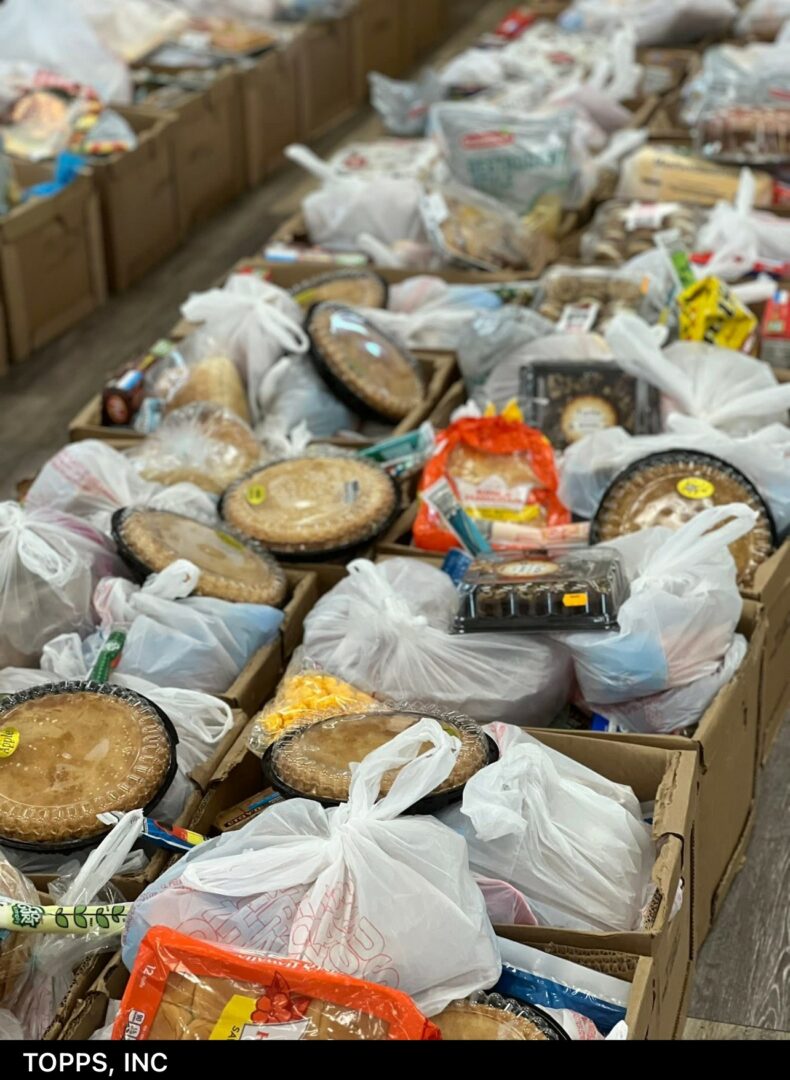
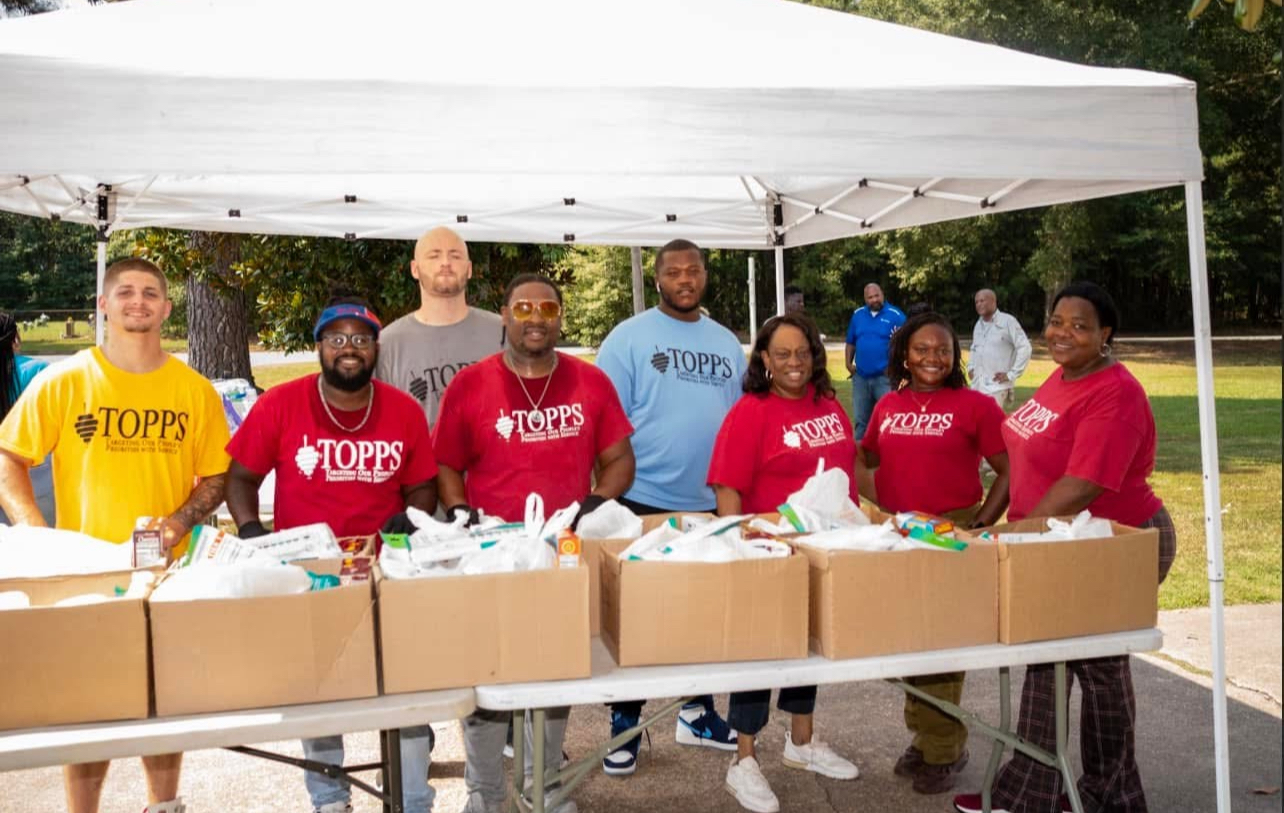
Today, TOPPS continues to provide programs, support, mentorship, and essential resources that strengthen families and give children a chance to dream beyond their circumstances. Whether feeding families, providing educational support, offering youth mentorship, or simply being a safe place filled with love, TOPPS stands as a testimony of what happens when people care.
The true reward isn’t recognition—it’s the smiles of children who feel seen, the relief of parents who feel supported, and the transformation of lives that once seemed hopeless. This work is personal. It’s ministry. It’s purpose.I would like to share one of many stories:
When TOPPS first opened its doors, the children in the neighborhood quickly discovered it was more than just a building. It was a safe place—a place where they could laugh, play, socialize, and always know they would get something to eat. It became a haven of love, structure, and acceptance.
One afternoon, two teenage boys came to the door and asked if they could come in. Of course, the answer was yes. After spending time with them, I realized both boys were unable to read. I gently explained that if they wanted to remain in the program, they would need to spend time learning. They agreed. That moment was the beginning of something meaningful.
One of the boys, whom everyone called Money, was a caring fifteen-year-old with a gentle spirit. Even though he was just a child himself, he naturally looked after the younger children—helping ensure they were fed, the rooms were cleaned, and they were safe. Many evenings, while I stayed late at TOPPS working on grants and trying to keep the organization going, Money stayed late as well. Sometimes we would be there until 10 or 11 p.m.
One evening I asked him, “Does your mother worry when you stay so late?” He quietly replied, “I don’t live with my mom.” When I asked where he lived, he answered, “Wherever someone lets me stay.”
That’s when I realized Money was homeless.
Suddenly, moments I hadn’t questioned made sense—why he was always sitting on the porch early in the morning when I arrived. TOPPS wasn’t just a program to him. It was stability. It was safety. It was home.
Then one day, his aunt arrived and told him, “It’s time to go.” I didn’t know where he was going, but the children in the building did. Money had been arrested. He tried to steal a pizza from a delivery person, pretending he had a gun when it was only a stick hidden under a coat. For that mistake—a moment of desperation—Money was sentenced to twenty years in prison. Twenty years…for a pizza he never even ate.
I went to the prosecuting attorney and pleaded for a chance to take guardianship of him, to give him structure, support, and love. I still remember the words I heard in response:
“Don’t worry about him. There are plenty more just like him.”
Money served his time. When he was released in 2014, he shared his story with Nicholas Kristof of The New York Times. He said something I will never forget:
“If I had met Ms. Annette earlier in my life, I don’t believe I would have gone to prison.”
Today, Money is working. He has a family. He is living his life with dignity and purpose. His story is painful, but it is also hopeful. It reminds us why TOPPS exists—to stand in the gap, to give children safety, direction, love, and someone to believe in them. Because when a child is seen, supported, and valued, their story can change.
And that is the heart of TOPPS.
As TOPPS continues to grow, the goal remains simple: serve with love, lead with faith, and never stop believing in what God can do. The story is still being written, and with the continued support of partners, donors, and community members, the best chapters are yet to come.
I hope to see a new facility very soon that will reduce the waiting list of students needing help, where state rules and regulations will not be a barrier to continuing to serve children due to space constraints. Our vision is that TOPPS is here to make a difference and change lives.
There is so much advice out there about all the different skills and qualities folks need to develop in order to succeed in today’s highly competitive environment and often it can feel overwhelming. So, if we had to break it down to just the three that matter most, which three skills or qualities would you focus on?
Compassion, Perseverance, and Willingness to Ask for Help
My advice is that nonprofit leadership isn’t just work; it’s a calling. It requires strength, compassion, perseverance, and faith. Stay committed. Keep learning. Surround yourself with good people. And never lose sight of the hearts and lives your organization was created to serve.
Okay, so before we go we always love to ask if you are looking for folks to partner or collaborate with?
TOPPS is actively seeking donors and partners who share our commitment to supporting students and strengthening our community. Our mission is to provide a nurturing learning environment that helps students become productive citizens and self-sufficient adults.
We are especially interested in collaborating with individuals, organizations, and donors who understand the impact of support—or the lack of it—in a child’s life. Those who may not have had the encouragement or resources they needed growing up often recognize how meaningful it is to give children a real, winning chance to grow, learn, and thrive. With TOPPS support, students are empowered to build confidence, skills, and a brighter future.
If you are passionate about education, youth development, and creating lasting change, we would love to connect with you.
How to Connect
Email: [email protected]
Phone: 870-850-6011
Please ask for Annette Dove
Together, we can make a lasting difference in the lives of children and our community.
Contact Info:
- Website: https://www.toppsinc.org
- Instagram: toppsinc
- Facebook: TOPPS, INC
so if you or someone you know deserves recognition please let us know here.