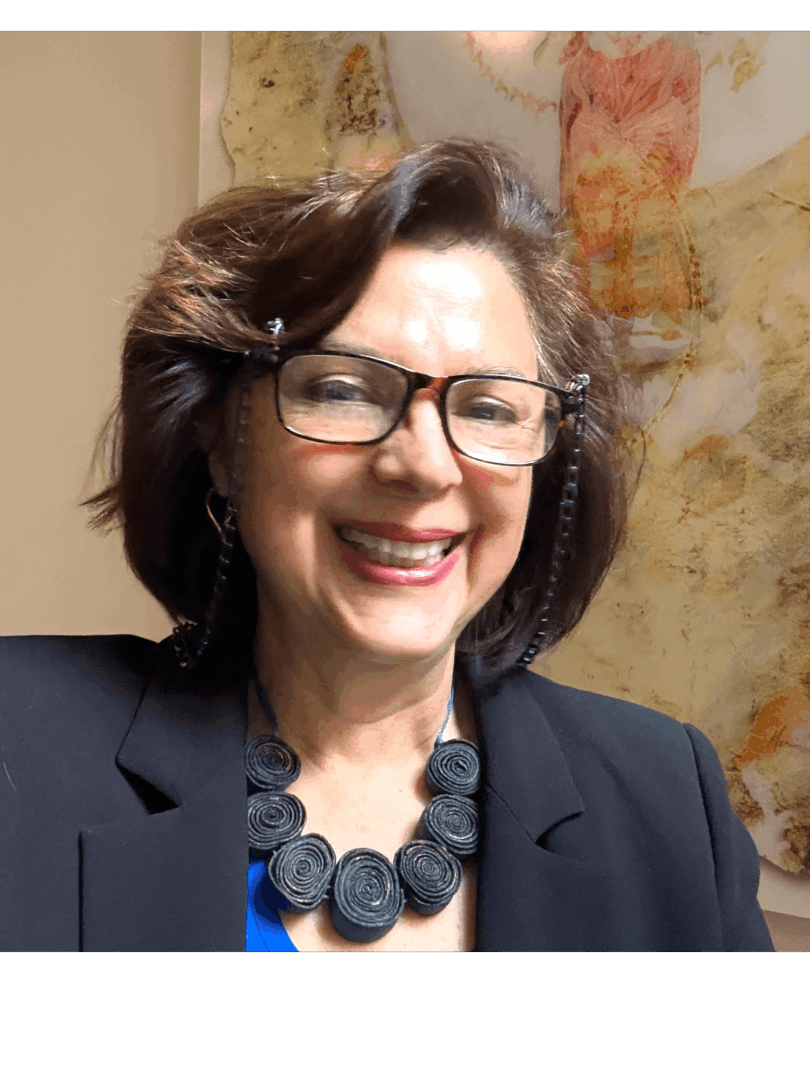
We caught up with the brilliant and insightful Antonieta Contreras a few weeks ago and have shared our conversation below.
Antonieta, so many exciting things to discuss, we can’t wait. Thanks for joining us and we appreciate you sharing your wisdom with our readers. So, maybe we can start by discussing optimism and where your optimism comes from?
I’ve worked hard at developing my optimism. It’s not something that happens by itself, and it’s not about believing that life is easy. As a clinician, I know that people don’t heal quickly. But I’ve developed optimism from witnessing, over and over again, the extraordinary capacity the human system has to reorganize itself—to learn, to engage differently, to search for meaning. I’ve spent years studying the neuroscience of trauma, emotional wounds, and the ways our internal architecture can be disrupted, but I’ve also seen how meaning can be rebuilt, how agency can return, and how trust can slowly come back online.
Optimism, for me, isn’t a sunny disposition. It’s a quiet confidence in the human design. Even when someone feels overwhelmed or disconnected, there are always parts of their system that keep trying—trying to understand, to adapt, to reconnect, to survive. That effort is deeply moving to me. It reminds me that pain isn’t the end of the story; it’s part of the human experience.
I think my optimism also comes from understanding that our minds are not fragile—they are dynamic, creative, and profoundly oriented toward wholeness. We may have displaced some of the mind’s importance by believing that the body holds the key to health, but our mind is the most powerful tool we have. When people develop clarity and mental space, and are given the right tools to direct the body and brain, something magical happens. Something shifts. I’ve seen it too many times not to trust it.
So my optimism is rooted in that: in the knowledge that no matter how deep the wound or how long the struggle, the human system remains capable of reclaiming coherence and value. That’s what I hold on to.
Great, so let’s take a few minutes and cover your story. What should folks know about you and what you do?
What I do sits at the intersection of trauma studies, psychology, social work, and what I like to call a deep curiosity about our emotional architecture. For years, I’ve worked with people who are trying to understand themselves—not only their wounds, but the internal systems that shape their emotions, meaning, identity, and relationships. My work is about helping people see that not all pain is trauma, that emotional wounds have their own structure and logic, and that healing is a process of reconstruction rather than erasing the past.
I’m also deeply concerned about those who suffer the consequences of severe adversity imposed on marginalized communities, and about the broken education system that seems more interested in punishing citizens of different ethnic backgrounds than helping them. The danger they live in often comes from the fact that the side economy becomes the only way to survive for many. We cannot discount the level of harm our society places on minority groups.
Still, I find hope in watching people’s systems reorganize once things finally “make sense.” When someone understands why they react the way they do or why they feel stuck, the emotional system recovers. There’s suddenly space—space for self-compassion, for agency, for choice, and for healing the pain carried by their community or family. It motivates me to offer frameworks that remove confusion and shame, and that can be applied at an individual level or within a social environment. Our emotional life is complex, but it’s not mysterious; there is an architecture to it, and once people learn it, we can stop feeling defective, stop giving our power away, and start feeling fully human.
My brand—if I have one—has always been about empowerment, clarity, and dignity. I want to bring nuance back into the conversation about trauma, to push back against the trend of pathologizing every emotional difficulty, and to remind people that pain is part of growth, while trauma is something very specific. My mission right now is to help people differentiate the two so they can stop living under the weight of inaccurate labels and begin to work with what’s actually happening inside them.
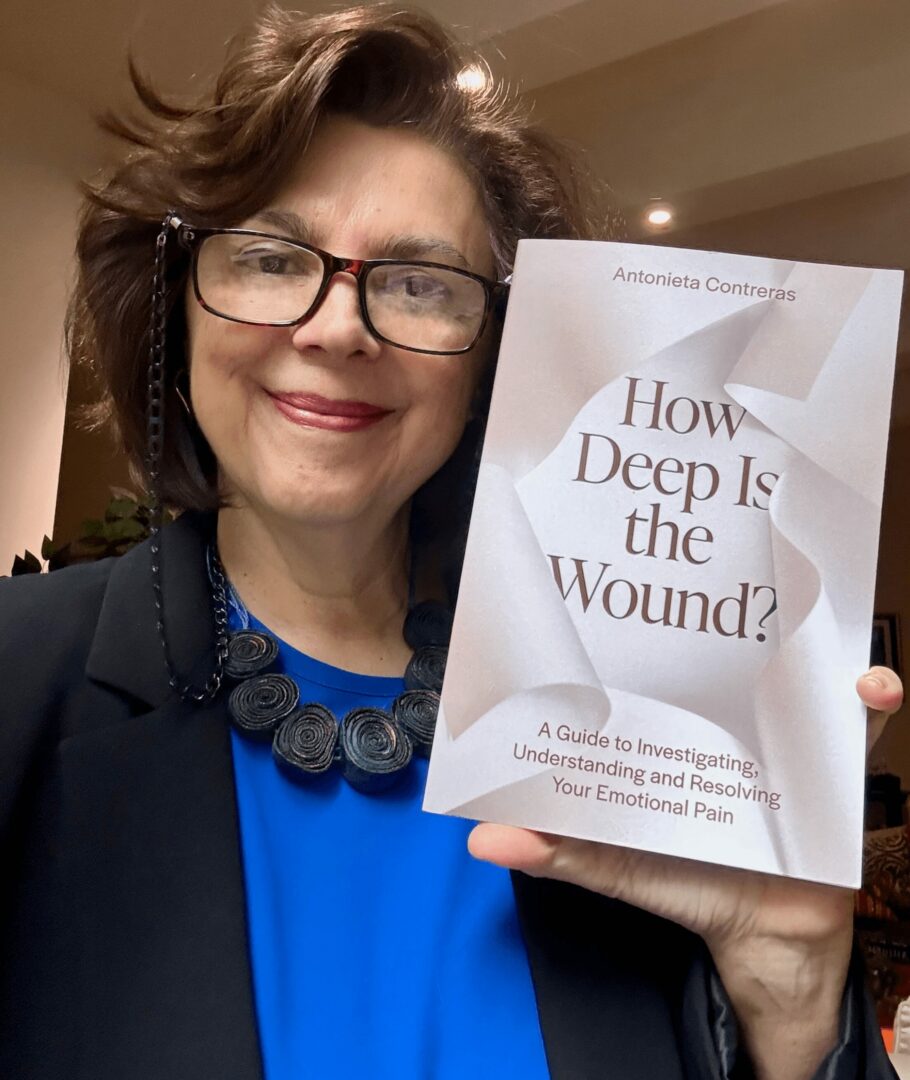
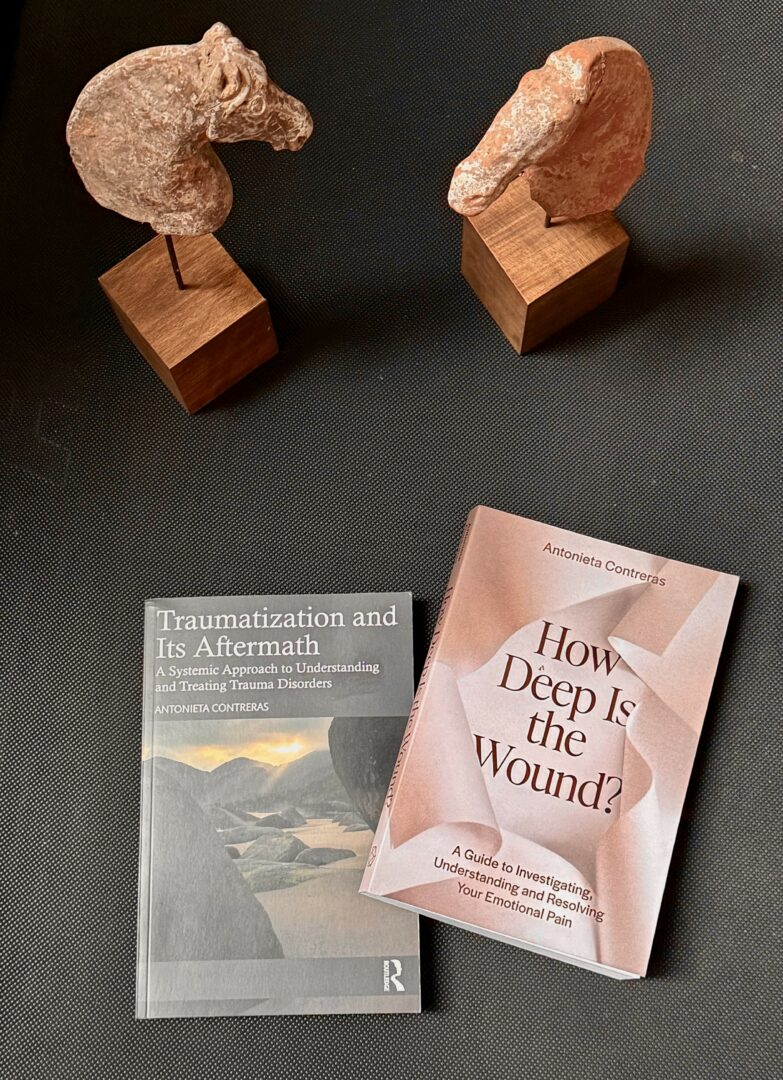
As for what’s new: I recently released my book How Deep Is the Wound?, which is a guide to understanding emotional pain through a systemic lens. It’s much more accessible than my first book, Traumatization and Its Aftermath, and it’s meant to be a companion for anyone who wants to understand themselves better or work more skillfully with their own emotional material. I’m also developing workshops, trainings, and supervision groups for therapists who want to deepen their understanding of trauma and emotional wounds beyond the usual narratives.
Everything I do is driven by the same intention: to offer people a clearer map of their inner world so they can navigate it with more confidence, compassion, and freedom.
Looking back, what do you think were the three qualities, skills, or areas of knowledge that were most impactful in your journey? What advice do you have for folks who are early in their journey in terms of how they can best develop or improve on these?
When I look back, three things stand out—not as achievements, but as internal orientations that shaped everything I’ve done.
Curiosity without fear.
I’ve always been genuinely curious about why humans feel the way they feel. Even the darkest or most complex emotional states never scared me; they fascinated me. That curiosity allowed me to see patterns, challenge assumptions, and keep learning long after most people felt they “knew enough.”
Advice: Stay curious. Don’t rush to conclusions. Let yourself be surprised by the complexity of human experience—yours and others’.
A refusal to accept incomplete explanations.
I realized early on that many traditional models of trauma were helpful but insufficient. They explained parts of the story but not the whole picture. That pushed me to integrate neurobiology, psychology, attachment, philosophy, spirituality, and lived human experience. My work has grown out of that impulse to keep refining the map.
Advice: If something doesn’t fully make sense, keep asking. Don’t settle for a theory that limits your understanding. Don’t create false heroes or gods. Trust your intuition. True insight comes from integrating multiple perspectives, not adopting someone else’s framework as gospel.
A deep respect for the human system.
I’ve never seen people as broken. I’ve seen them as reorganizing. That orientation—seeing the system as intelligent even when it’s struggling—shaped how I work, how I write, and how I teach. It keeps me grounded, compassionate, and hopeful.
Advice: Respect your clients’ systems. Respect your own. The more you understand that every reaction is an adaptation or a strategy until calm arrives, the better you’ll be at helping others and at navigating your own emotional life.
Is there a particular challenge you are currently facing?
The biggest challenge I’m facing right now is finding ways to make my research accessible to a wider audience. I don’t work within a university system, and I don’t have the institutional pathways that traditionally help researchers publish in academic journals or participate in large-scale research networks. That makes it difficult for my work to go through the conventional channels that many people still see as the “official” route for spreading new ideas.
But the irony is that my work was born outside those systems for a reason: I wanted to understand trauma and emotional wounds in ways that were not limited by existing models. The downside is that independent research doesn’t always have a clear place to land.
So I’m building my own pathway. I write books and articles that translate complex concepts into accessible language. I give talks, teach workshops, and create frameworks that clinicians can implement right away. I use social platforms and interviews like this one to bring nuance into conversations that need it. And I’m currently exploring ways to publish my theoretical work through alternative academic venues, open-access platforms, and collaborations with people and organizations who value new perspectives.
The challenge is real—but so is my commitment to making this understanding available. And that mission doesn’t depend on who reviews the work—it depends on who it helps. I want to broaden the way we think about therapy and the way we train clinicians. I truly believe our field needs a shift. We’ve become so focused on digging endlessly into the past that we sometimes lose sight of what actually helps people heal. And because we’ve started calling “trauma” everything painful that ever happened to us, we’re reopening wounds that don’t need to be opened and amplifying pain that could be handled in more grounded, effective ways.
So my goal is simple: to make clarity louder than hype, to put nuance back into the conversation, and to offer a framework that actually reflects how the emotional system works. Whether or not traditional institutions embrace it, I will keep doing the work. People deserve a map that matches their lived experience—and I intend to keep drawing it.
Contact Info:
- Website: https://www.antonietacontreras.com/
- Instagram: https://www.instagram.com/antonietacontrerastherapist/
- Facebook: https://www.facebook.com/antonieta.contreras.9
- Linkedin: https://www.linkedin.com/in/antonieta-contreras/
- Twitter: https://x.com/AntonietaCont10
- Youtube: @antonietacontreras5831
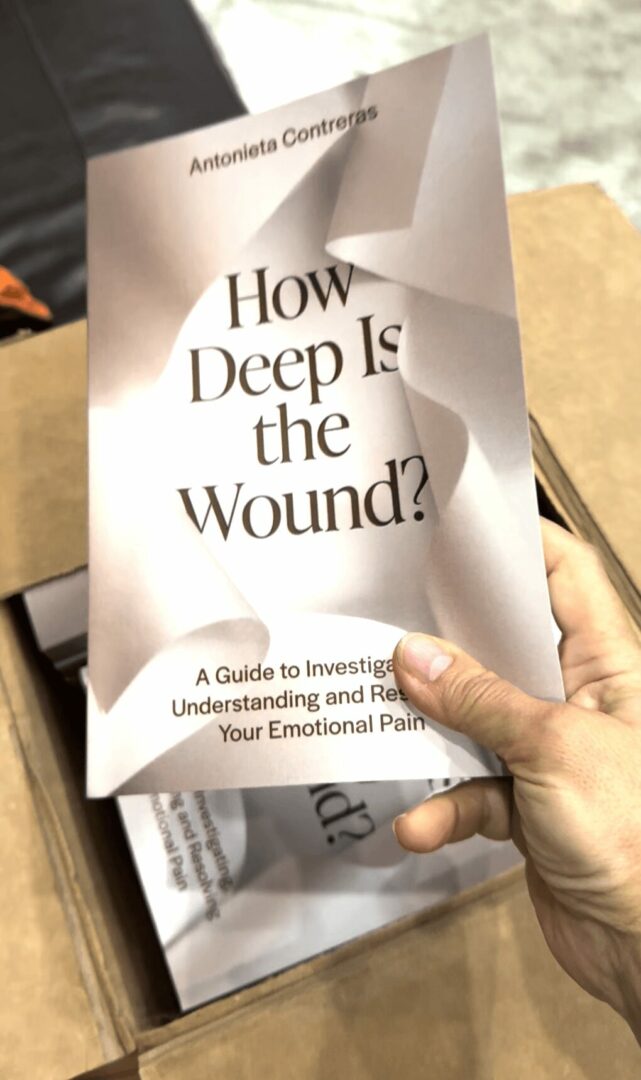
Image Credits
Antonieta Contreras
so if you or someone you know deserves recognition please let us know here.