We caught up with the brilliant and insightful Areva Martin, Esq. a few weeks ago and have shared our conversation below.
Hi Areva, really happy you were able to join us today and we’re looking forward to sharing your story and insights with our readers. Let’s start with the heart of it all – purpose. How did you find your purpose?
I graduated from Harvard Law with honors, and I had offers from largest and most prestigious firms in the country as I was faced with having to choose the firm where I would start my career. Getting your education from a prestigious school like Harvard can be a blessing and a curse. It is of course a blessing to study alongside future Supreme Court justices, governors, senators, and CEOs of the nation’s largest corporations. But the curse is the ‘group think’ that is so incredibly pervasive in that environment. Independent thinking — or thinking that is not consistent with the traditional paths laid out by those venerated institutions — is highly discouraged.
I applied to Harvard Law with the vision that I would one day work in the Department of Justice Civil Rights Division, or with a public interest or legal defense firm. I had been inspired to study law by the work of organizations like the NAACP Legal Defense Fund, and individuals like Thurgood Marshall and others who litigated seminal constitutional law cases such as Brown V. Board of Education.
But once I experienced my first summer internship at a big firm in St. Louis and my second summer being recruited to work at Cravath Swain & Moore on Wall Street, which is considered one of the top law firms in the country, I became intoxicated with the perks. There were private chef dinners at the Guggenheim, limo rides, first class air travel and parties at multimillion dollar, upper Eastside apartments the size of mini mansions. I allowed the lifestyle I was being introduced to drown out the voices that kept trying to remind me of the purpose that sent me to law school to begin with.
After a year of working in that large corporate law firm earning the most money I ever earned in life, the gloss began to wear off. The pull I had felt to address the many inequities I saw as a kid growing up in a housing project in North St. Louis just wouldn’t go away. A nagging voice kept telling me that I should be doing something different, and that all the sacrifices that had been made for me by my grandmother and godmother, were not being acknowledged, or honored by me.
As I sat on the 35th floor of a bank tower writing memos on behalf of huge corporations who literally could hire any lawyer or law firm in the country, the voice told me that I needed to be out amongst real people who did not have access to high-powered Harvard trained attorneys, but who were facing real issues. That voice won out, and after approximately one year of working at that corporate law firm, I left, and struck out on my own.
I moved into a small office upstairs of one of the hottest nightclubs in Los Angeles to work with another Harvard graduate in a law practice where I earned less than 25% of my big firm salary. I traded in my spacious downtown office for a small suite in a building where the music was often so loud and the crowd so big entering the nightclub that you literally had to put on earphones to cancel the noise to concentrate—but at least I could hear the voice that was reminding me of my purpose.
Great, so let’s take a few minutes and cover your story. What should folks know about you and what you do?
I have had many incredible experiences as a lawyer, television host, legal commentator, author, and entrepreneur—but right now, I am currently involved in one of the most important undertakings of my professional life. I am one of the attorneys leading the nationwide fight for reparations and reparative justice, and currently representing clients who have sustained losses in excess of $70 billion dollars. These are survivors and descendants who were wronged by our elected officials and our institutions. Some were robbed of their opportunity for generational wealth when their ancestors were enslaved and their labor stolen to build our country’s most prestigious universities. Others had their homes burned out from under them when city officials decided the land was valuable—and that the Black and brown people living on it were underserving. These stories were hidden for generations, and we are shining a bright light on them. I believe the fight for reparations will be a defining civil rights issue of our time, and I am incredibly proud to be a part of it.
There is so much advice out there about all the different skills and qualities folks need to develop in order to succeed in today’s highly competitive environment and often it can feel overwhelming. So, if we had to break it down to just the three that matter most, which three skills or qualities would you focus on?
One, you need to get comfortable being uncomfortable. It is inevitable that we encounter times we feel like a fish out of water, like we don’t belong in a place need to constantly prove ourselves. Fighting through those moments is how we shatter expectations. To move forward with your goals, you need to get comfortable being uncomfortable.
The second one is related. It’s about using fear as a motivator. Allowing fear to take the lead will hold you back and cause you to miss out on what could be the very experiences that will bring you the successes you’re meant to achieve. Instead we must summon the courage we’ve demonstrated in our pasts—think about a time we fought and overcame, and lean into that memory, then banish the voices telling you are not enough, put your head down and do the work.
Another is believing in your own excellence and staying the course. There will be setbacks, for certain. I think about the extraordinary coaching of Dawn Staley in the National Championship game, when her team was down by 10 in the first quarter. Did she even call a timeout? No, because she knew what her players were capable of. She had witnessed their hard work, their excellence. They had trained for this moment. By keeping them in the game and refusing to get rattled, she broadcast to those players—and to the world—that she had every confidence in them.
Alright so to wrap up, who deserves credit for helping you overcome challenges or build some of the essential skills you’ve needed?
A very important relationship that has been at the foundation of my desire to do this work and my ability to face down the many challenges is the experience I had as a student of Charles Ogletree in my time at Harvard. Dr. Ogletree was an iconic civil rights attorney who took on one of the very first reparations cases and fought for the cause fiercely, taking it all the way to the Supreme Court even though he understood that he was likely to lose. He died last August, and in grieving that immeasurable loss I knew I would honor his teaching, mentorship and memory by refusing to give up the fight for my clients no matter how long the road we are on. His impact on my career was both profound and personal, and I think about his refusal to be worn down when the work is hardest.
Contact Info:
- Website: arevamartin.com
- Instagram: @arevamartin
- Facebook: www.facebook.com/arevamartin
- Linkedin: linkedin.com/in/areva-martin-8871236
- Twitter: @ArevaMartin
- Youtube: https://youtube.com/playlist?list=PLJ7tIvmtJ5s8ut6WkOuJrG38_UFjItChr&feature=shared
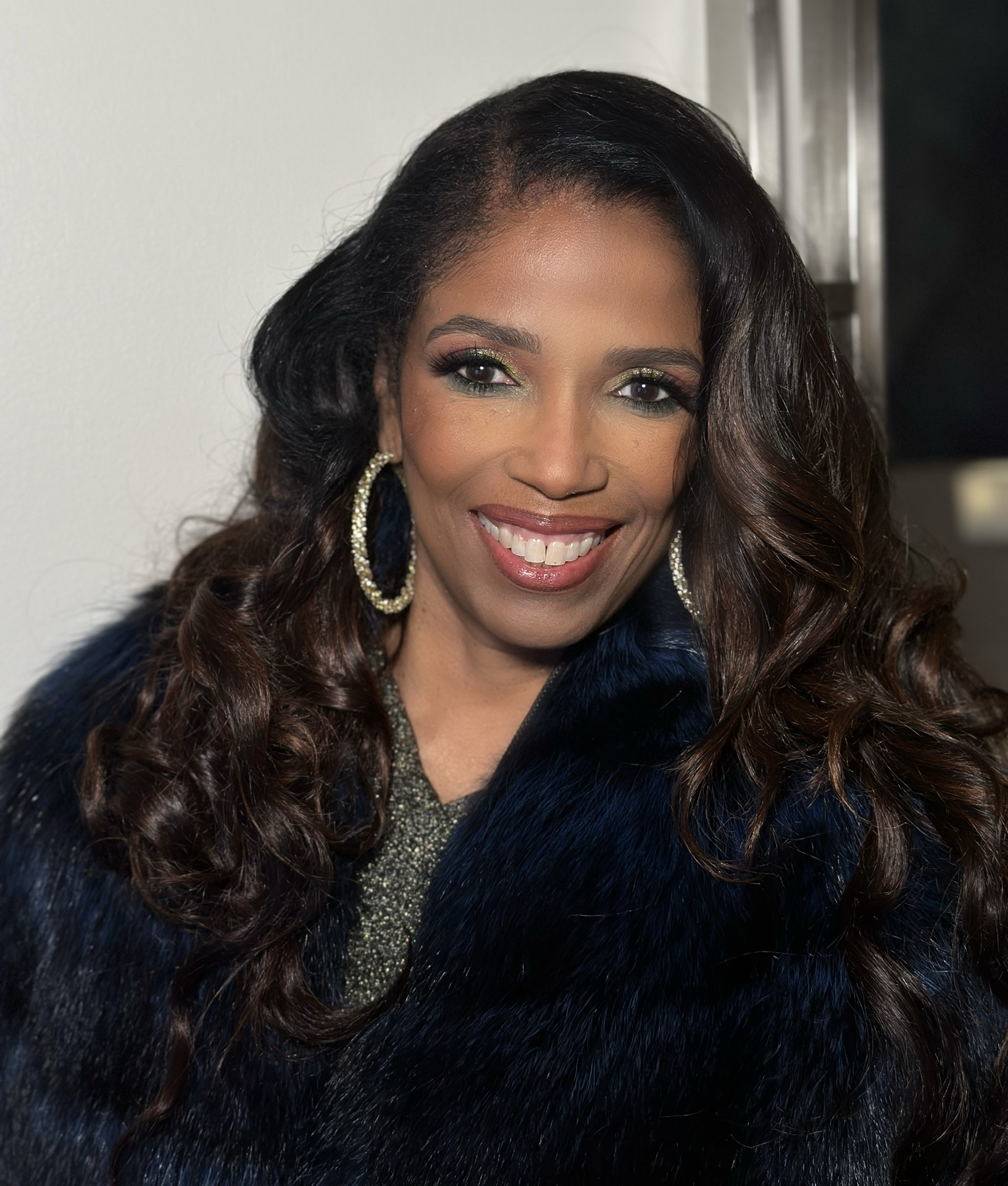
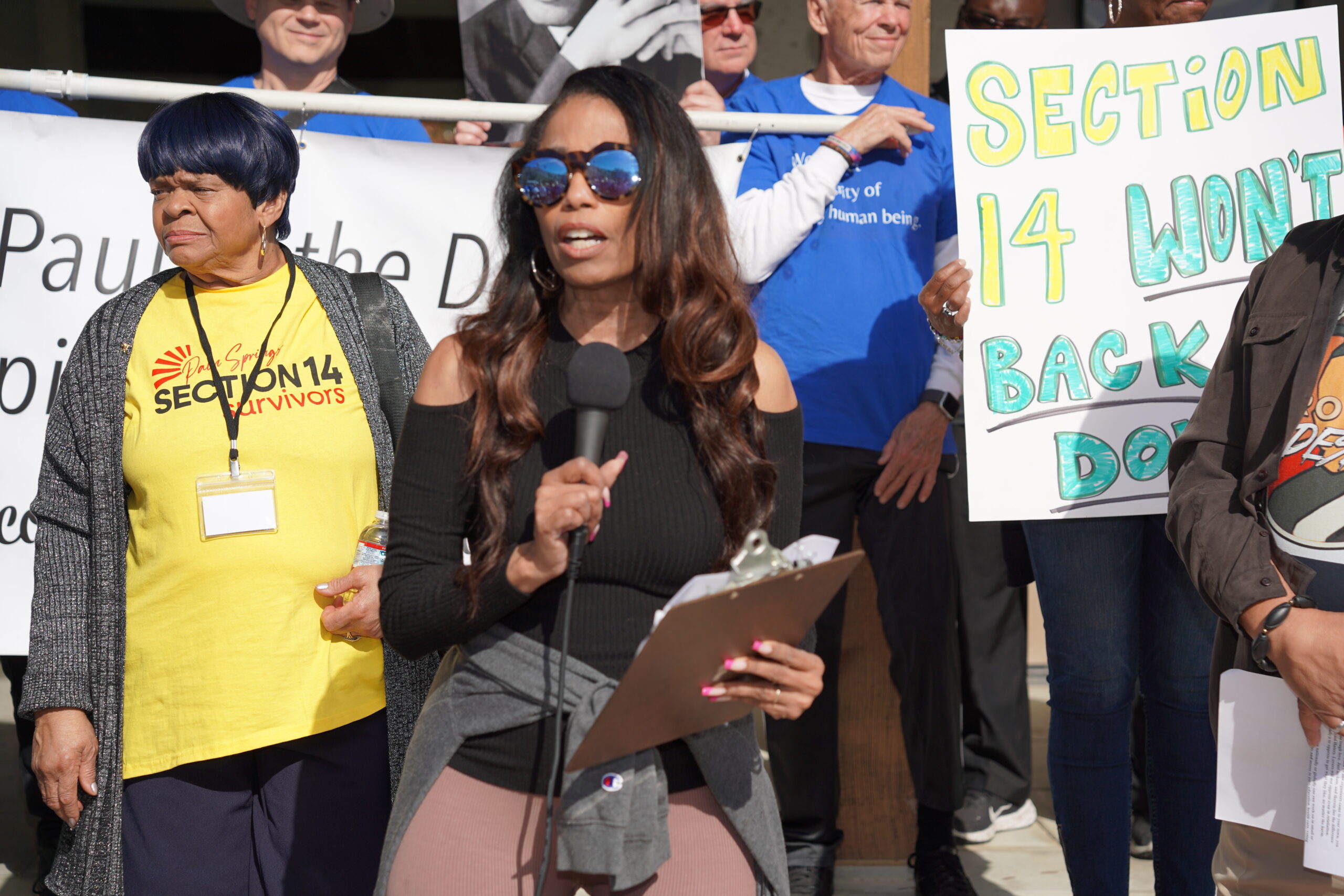
Image Credits
Russell Baer