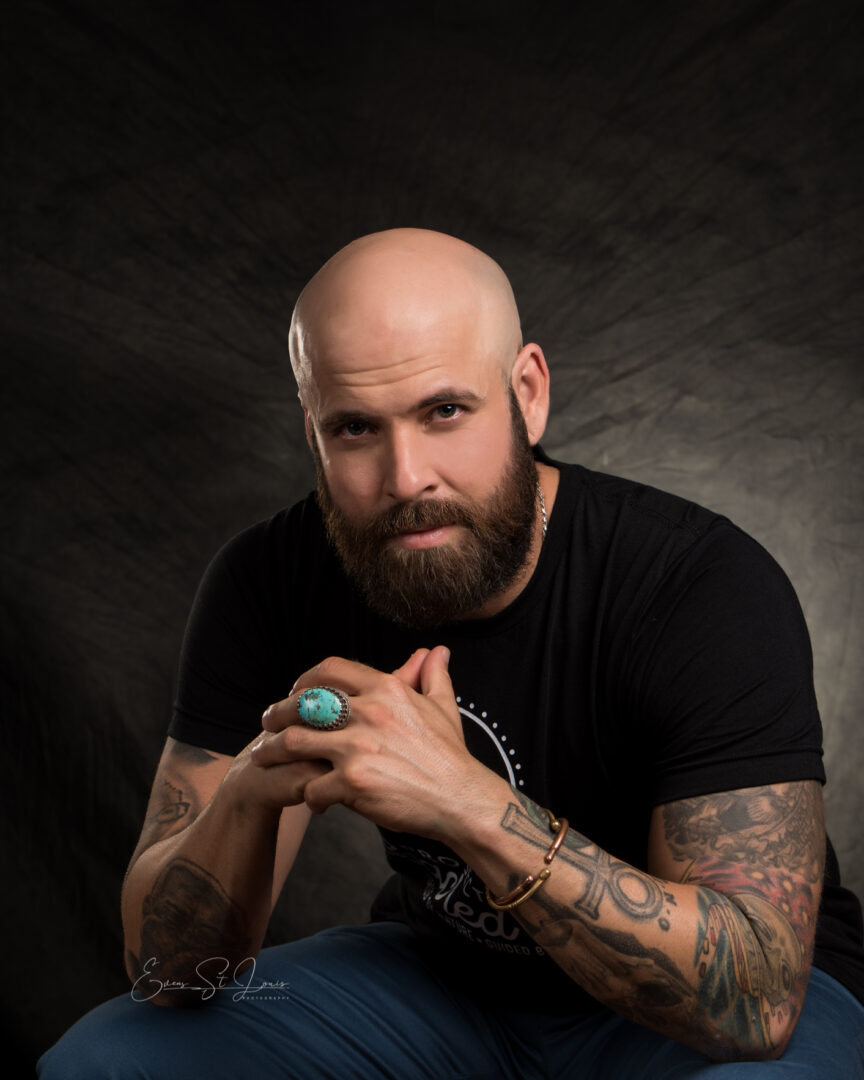
We caught up with the brilliant and insightful Ariel Basso a few weeks ago and have shared our conversation below.
Ariel , so good to have you with us today. We’ve always been impressed with folks who have a very clear sense of purpose and so maybe we can jump right in and talk about how you found your purpose?
Growing up in a difficult environment, art and music became my refuge. They were the places I could go when the world around me felt overwhelming or unsafe. When I picked up an instrument or began to create, something shifted. I wasn’t just escaping—I was remembering.
Art and music gave me access to something greater than myself. They connected me to a deeper current of meaning, presence, and inner guidance when external guidance was absent. Even as a child, I sensed that creativity wasn’t just something I did, it was something that carried me, shaped me, and protected me.
As I grew older, I realized that what once helped me survive had become my calling. My purpose isn’t simply to make art, but to create spaces through visual art, sound, and story—where others can reconnect with themselves, especially during moments of confusion, grief, or transition. What saved me became the very thing I was meant to offer. What once kept me alive became the path I now walk and the offering I extend to the world.
Thanks for sharing that. So, before we get any further into our conversation, can you tell our readers a bit about yourself and what you’re working on?
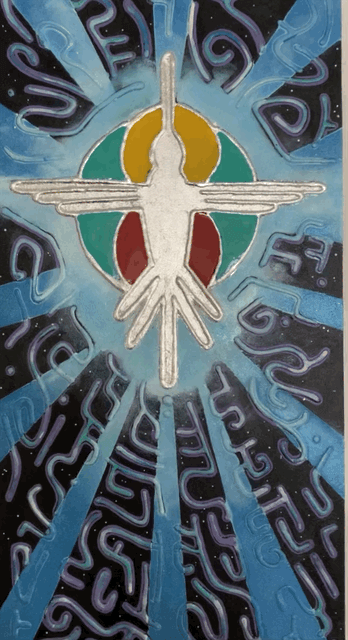
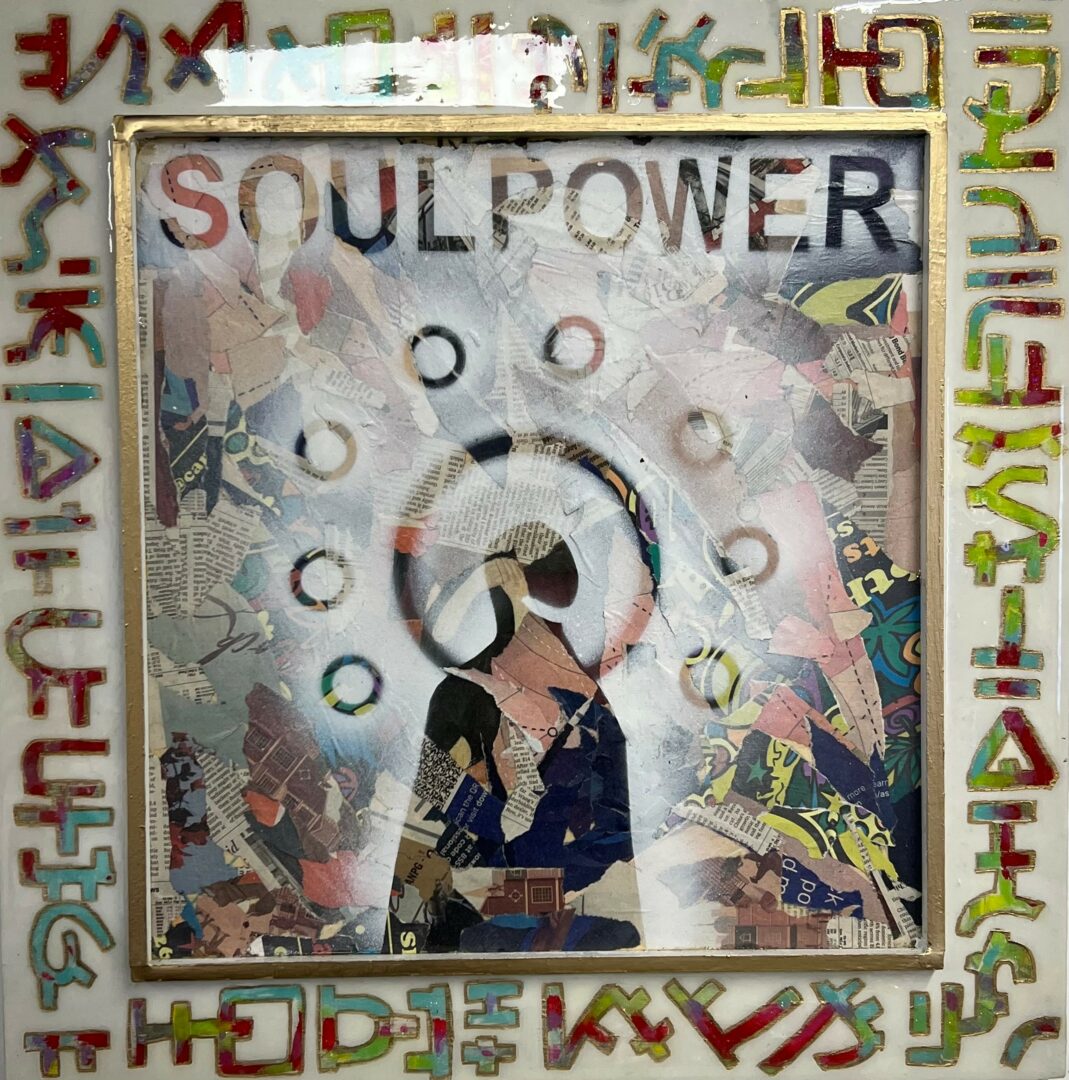
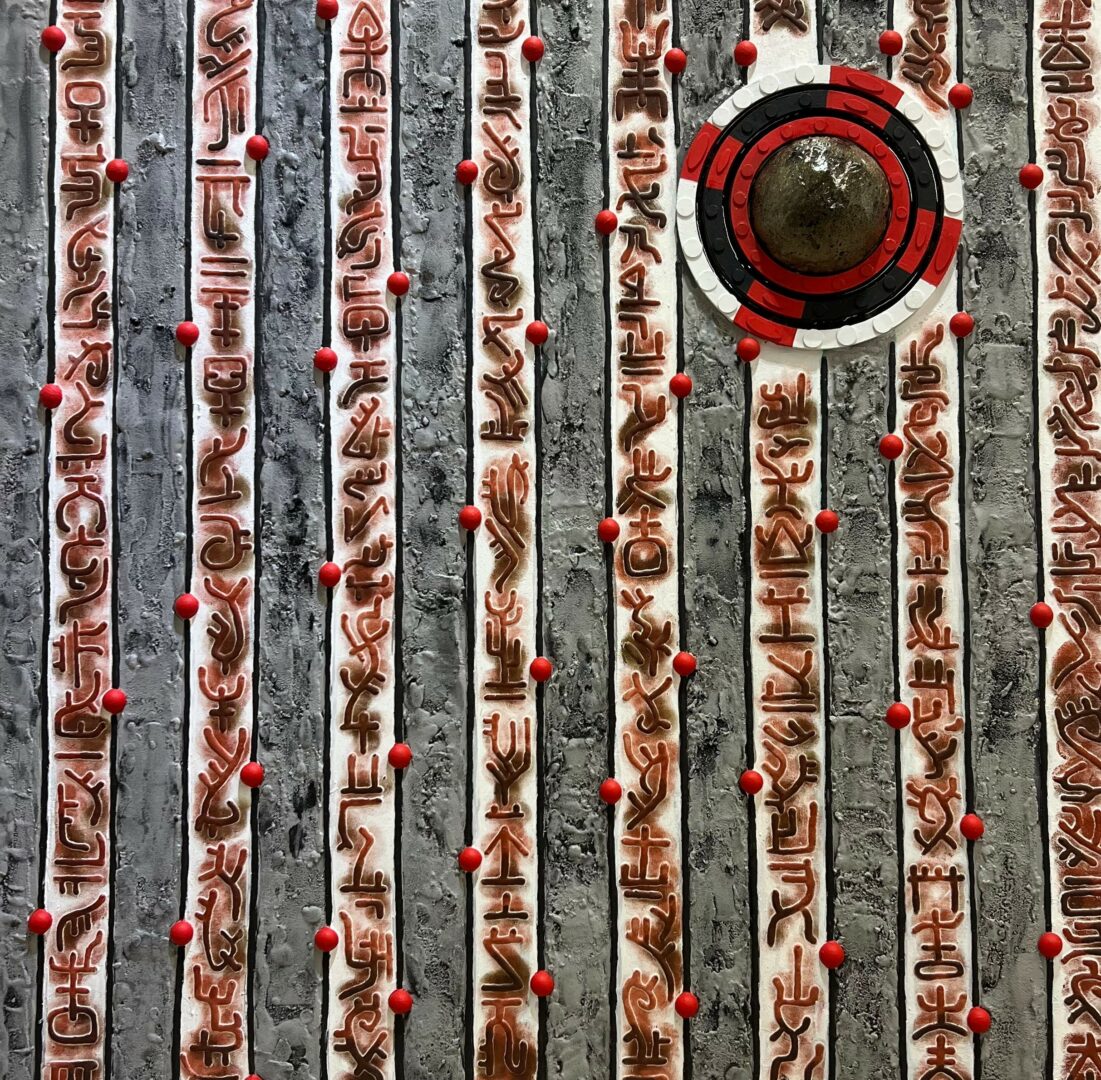
My work lives at the crossroads of art, music, spirituality, and human connection. I create visual art, sound, and immersive experiences that invite people to pause, reflect, and reconnect with something deeper than the surface of daily life. At its heart, my practice is about translation—bringing the unseen into form and creating spaces where people feel safe to remember who they are.
Much of my work incorporates found materials and weathered objects—elements marked by time and use. These materials mirror the human experience: shaped by history, belief, and circumstance, yet capable of transformation and beauty. I’m especially drawn to creating work that doesn’t just exist on a wall, but lives in conversation with people and place.
One of my central projects is We Are America, a community-based art and documentary initiative built around a large-scale, hand-created American flag measuring fourteen by twelve feet. Rather than traditional stars, the flag is composed of individual handprints of childern and grandchilden of veteran. Each one contributed by a participant, representing presence, belonging, and lived experience. Every handprint is different, carrying its own weight, story, and humanity.
The project is also paired with an original musical composition written specifically for We Are America by composer Eugene Kurolap, which serves as an emotional through-line for both the installation and the film. The music holds the work together—giving space for reflection and helping translate the collective experience beyond words.
What I want people to know is that this work is alive—it grows through dialogue, participation, and support. Whether through exhibitions, talks, or collaborative projects, my intention is to create experiences that leave people feeling more connected to themselves, to each other, and to the larger story we’re all part of. You can find more info and a donate at Arielbasso.com on the project tab.
If you had to pick three qualities that are most important to develop, which three would you say matter most?
The first was learning to listen not just to other people, but to myself. For a long time, creativity was my refuge, but it became my compass only when I learned to pay attention to what moved me, disturbed me, or wouldn’t let me go. Listening is a skill that takes practice. It requires stillness and honesty. For those early in their journey, my advice is to create regular space for quiet reflection. The answers rarely arrive loudly, but they do arrive when you’re willing to slow down enough to hear them.
The second was developing a relationship with uncertainty. I’ve learned that clarity often comes after action, not before it. Many people wait until they feel ready, confident, or certain but growth asks us to move without guarantees. Learning to stay present in not knowing, and to keep creating anyway, was essential. If you’re just starting out, don’t wait for permission or certainty. Begin where you are. Momentum reveals direction.
The third was honoring process over outcome. For years, I thought the value of my work depended on how it was received. Over time, I came to understand that the real transformation happens in the making. When you commit to showing up consistently to practicing, experimenting, and allowing your work to evolve you build something far more durable than validation: trust in yourself. Focus on the work, not the applause. Let the work teach you who you are becoming.
If there’s one thing I’d offer to anyone early in their journey, it’s this: stay close to what feels honest. Skill can be learned. Opportunities come and go. But sincerity the willingness to meet yourself fully through what you create will carry you further than anything else.
As we end our chat, is there a book you can leave people with that’s been meaningful to you and your development?
One book that had a profound impact on me was The War of Art by Steven Pressfield. I encountered it at a moment when I was wrestling with doubt, distraction, and the quiet fear that often surrounds creative work. What made the book resonate wasn’t its advice it was its honesty.
One of the most important lessons I took from it was the idea that resistance is not a sign of failure, but a signal of importance. Pressfield names the invisible force that keeps us from creating the procrastination, self-sabotage, and rationalizations we mistake for circumstance. Recognizing resistance for what it is helped me stop personalizing it. I learned that if something mattered deeply, resistance would meet me there.
Another gem was the shift from waiting for inspiration to committing to discipline. The book reframed creativity as a practice rather than a mood. Showing up, even when the work felt unclear or uncomfortable, became an act of respect—for the craft and for whatever moves through it.
Perhaps most importantly, The War of Art reinforced the idea that creative work is not about self-expression alone it’s about service. When I stopped asking whether I felt ready or worthy, and instead focused on showing up for the work itself, everything began to change. The work became less about me, and more about answering a call.
That book didn’t just help me make more art it helped me take my work seriously, and in doing so, take myself seriously as an artist.
Contact Info:
- Website: https://Arielbasso.com
- Instagram: arielbasso_art
- Facebook: Ariel Basso
- Youtube: @Projectsacredlife
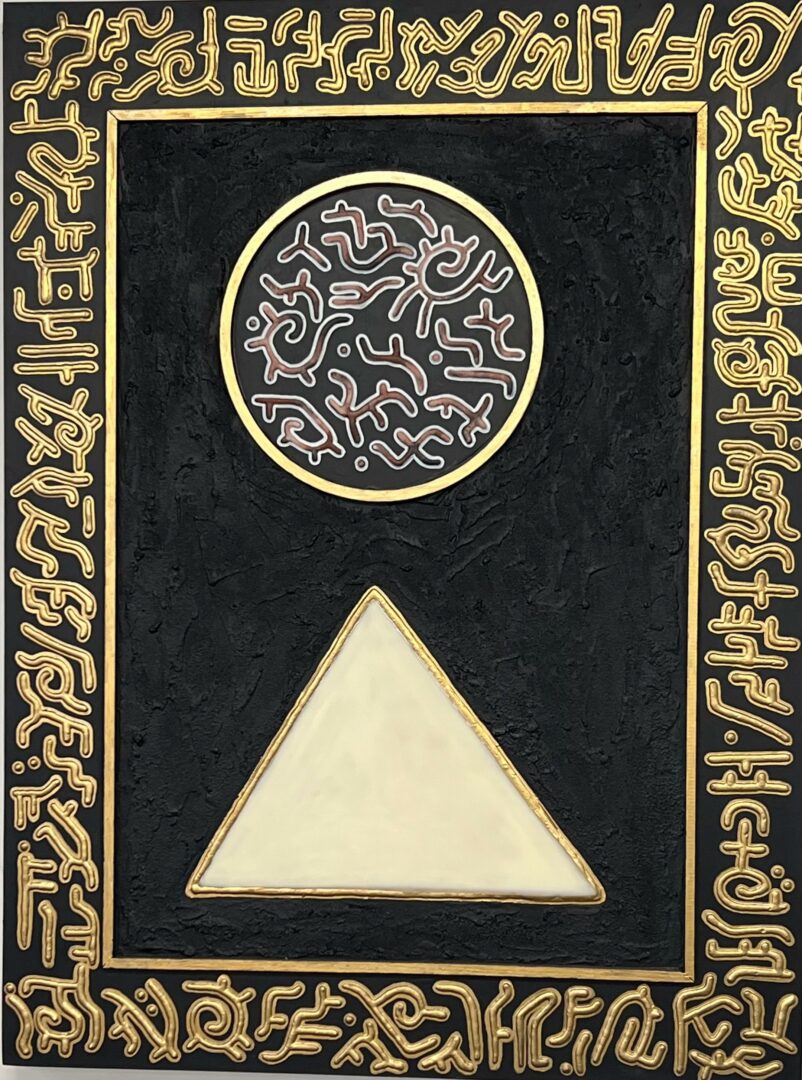
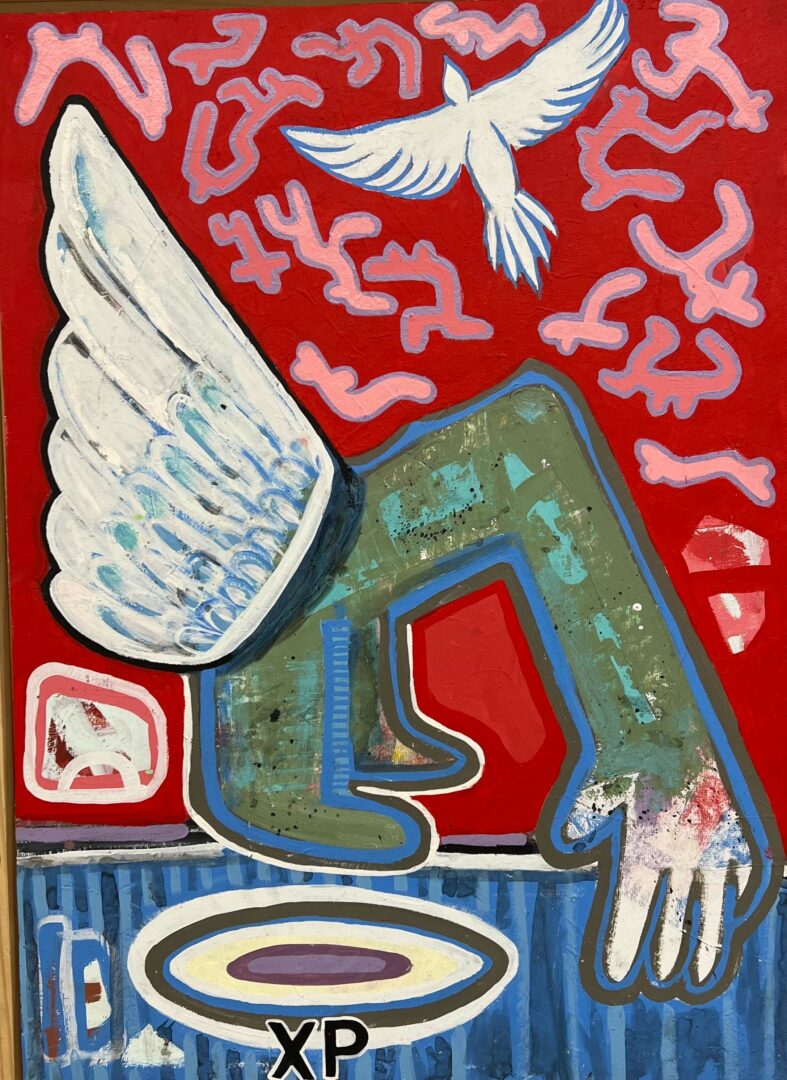
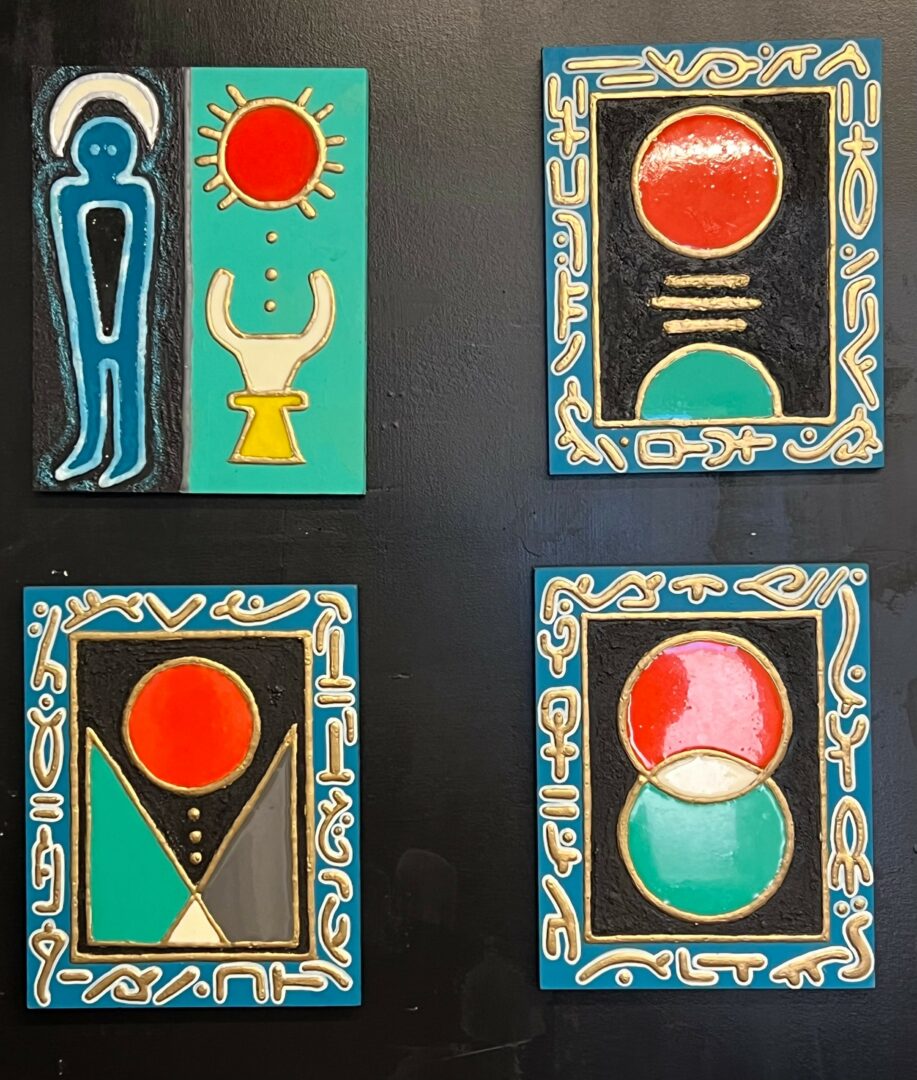
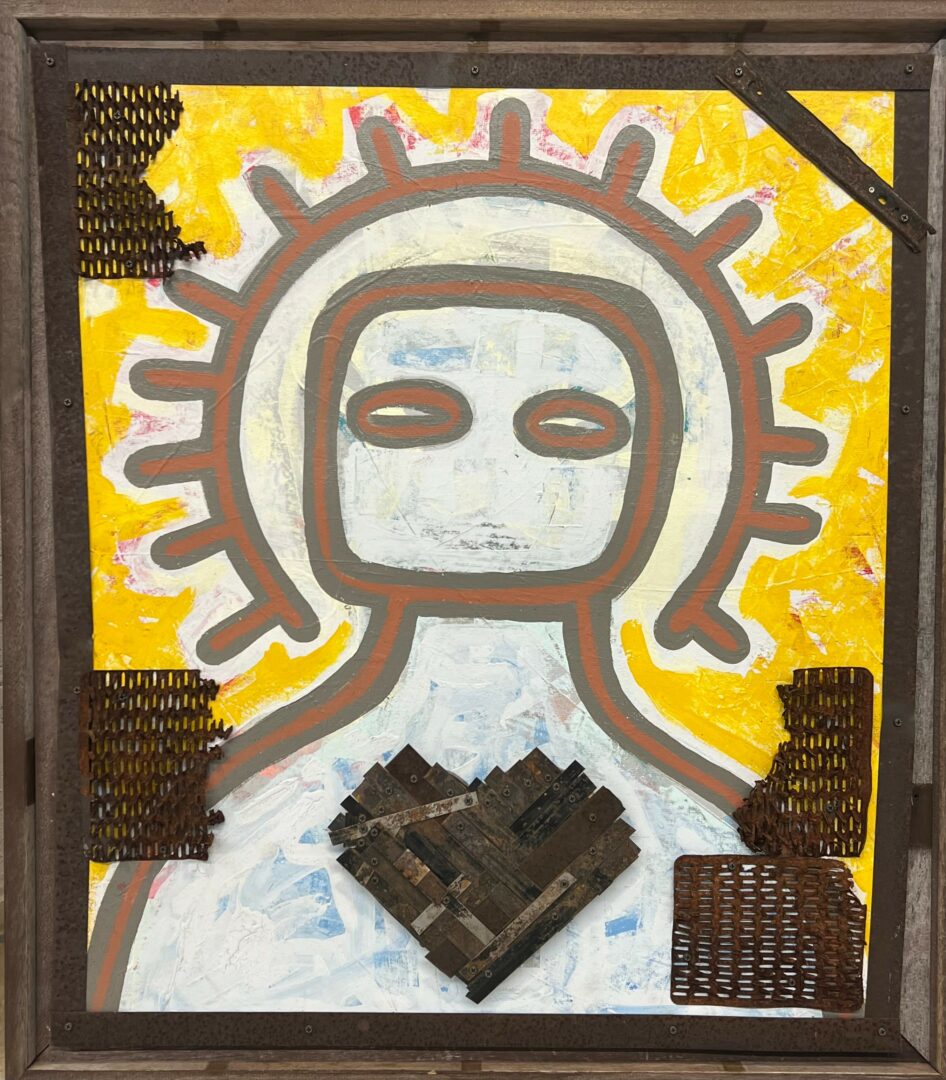
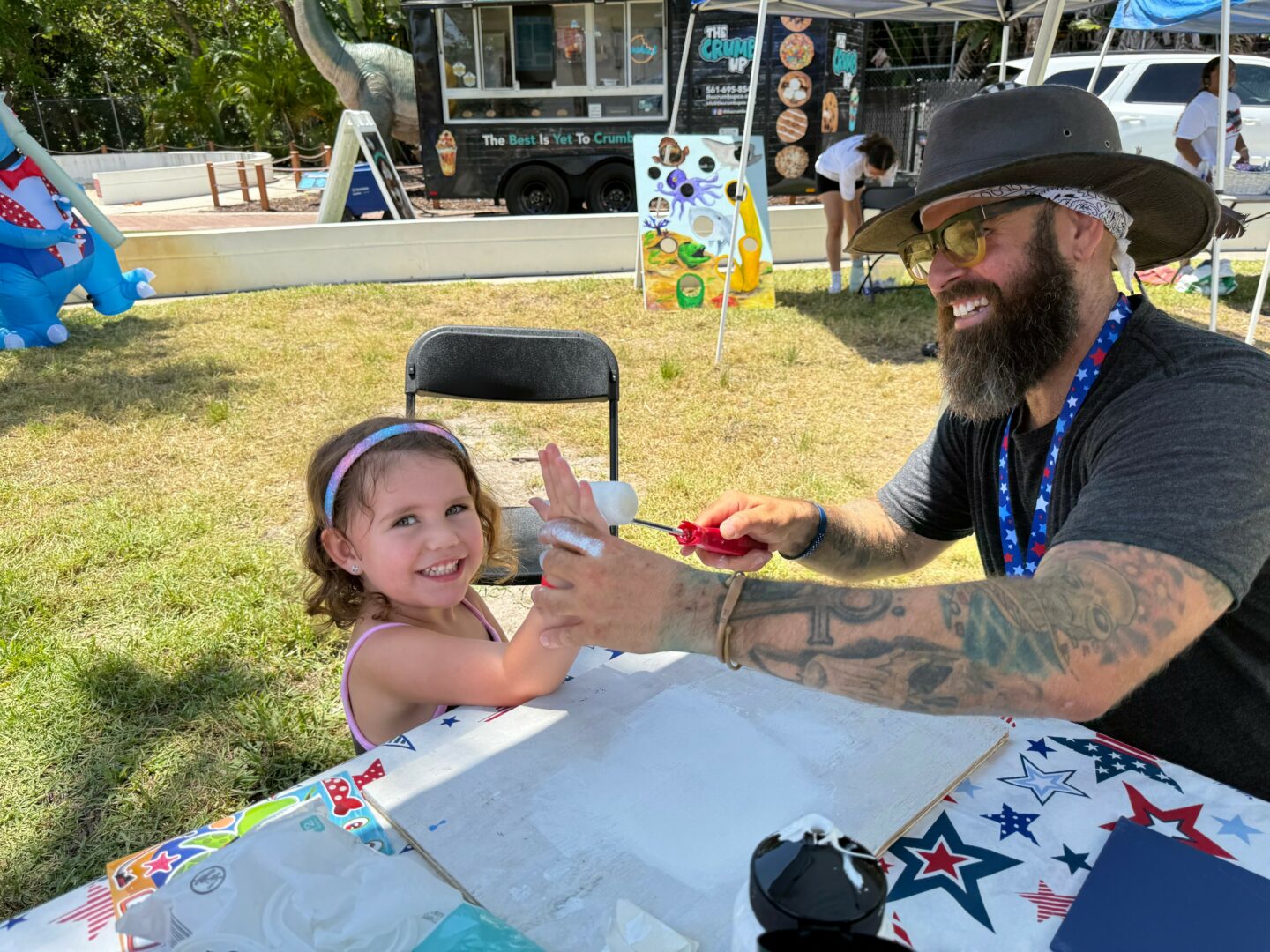
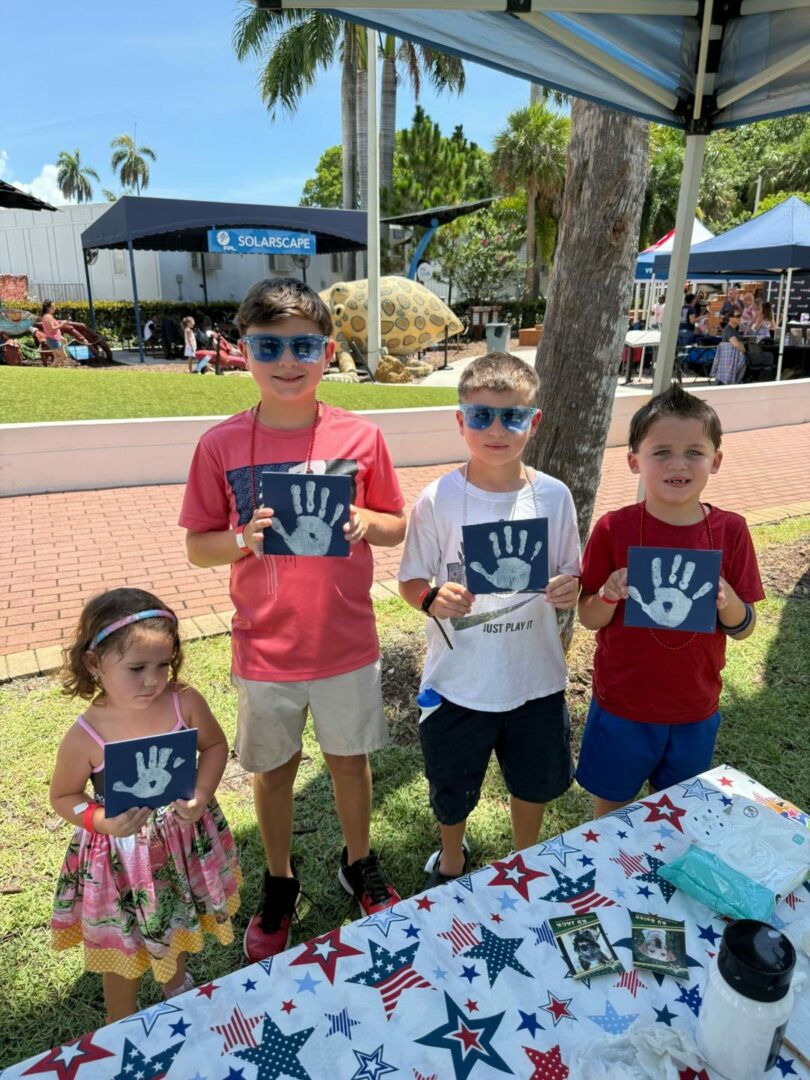
Image Credits
none
so if you or someone you know deserves recognition please let us know here.