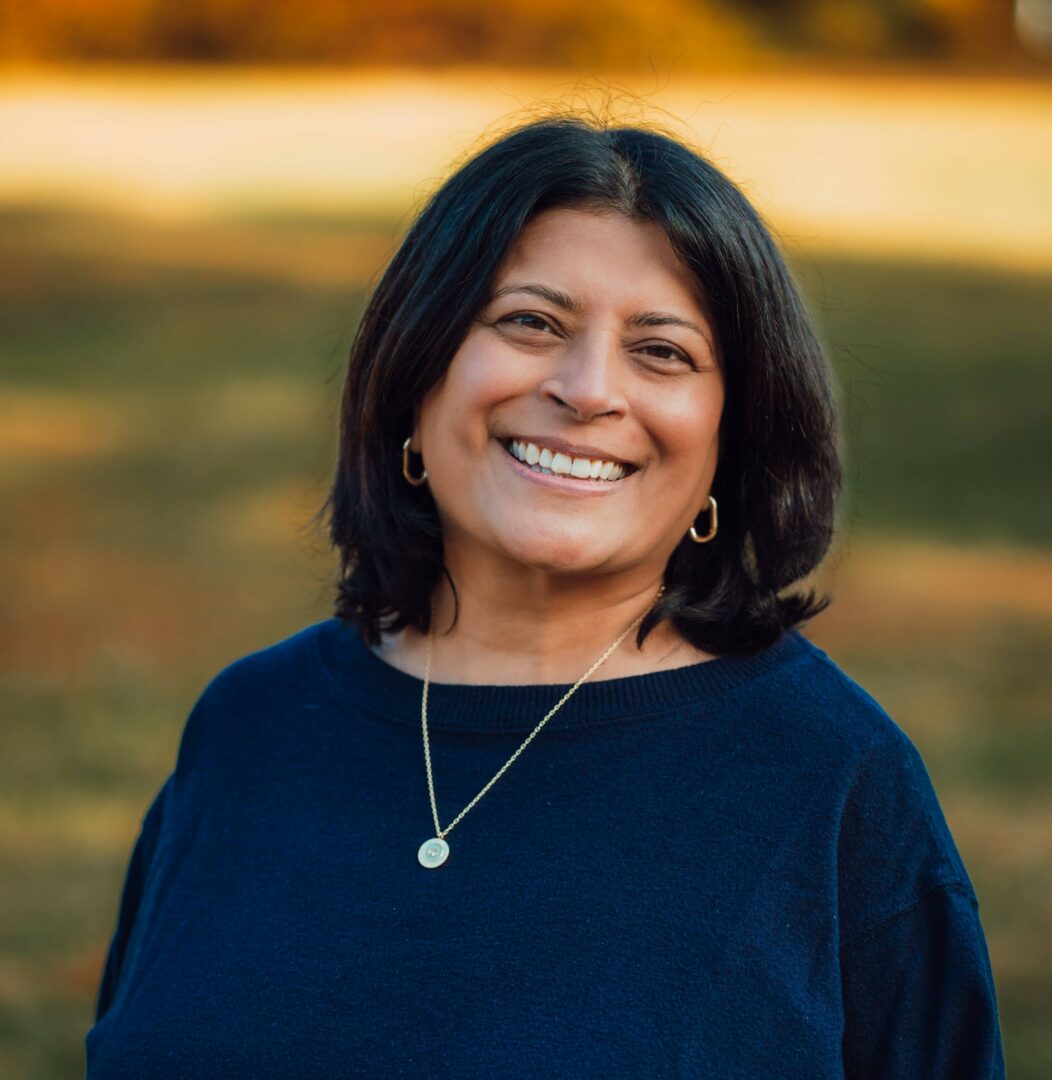
We were lucky to catch up with Ariel Landrum recently and have shared our conversation below.
Ariel, we’re thrilled to have you sharing your thoughts and lessons with our community. So, for folks who are at a stage in their life or career where they are trying to be more resilient, can you share where you get your resilience from?
When people ask me where my resilience comes from, I always pause, ’cause it doesn’t come from one place, and it definitely didn’t show up fully formed.
For me, resilience has been something I’ve grown into over time, shaped by repetition, loss, movement, as well as learning when not to push forward. I grew up as a military brat, which meant constant transitions. New homes, new schools, new communities. That taught me adaptability early on. It also taught me something else later: that surviving change, and being well through change, are not the same thing.
There were long stretches of my life where “being resilient” really meant being compliant. Just pushing through, staying functional, not making things harder for others. I think in our culture, especially now, resilience is often framed that way. We praise it when people endure systems that aren’t working, instead of asking why so much endurance is required in the first place.
What shifted for me was realizing that resilience isn’t about how much you can tolerate. True resilience is about how thoughtful you can be in response to life’s challenges. Sometimes that response looks like persistence. Sometimes it looks like rest. Sometimes it looks like saying no, changing direction, or refusing to normalize things that are actually harmful or causing burnout.
As a therapist and a disabled person, I’ve had to learn that my resilience is strongest when it’s supported, not demanded. I have a rare condition where I am allergic to my own sweat. This vastly limits my ability to experience the world. Developing this dynamic disability, coupled with my training as a clinical, I’ve begun to value community. Whether rooted in cultural values like kapwa, (the understanding that we are not meant to carry things alone), to communal play and collaborative creativity. All of these things have allowed me to be fully human. Humanity, with all its flaws and imperfections, are what is truly exceptional.
So if I had to name where my resilience comes from now, I’d say this: It comes from practice, from reflection, from choosing sustainability over survival. From seeing moments where I didn’t just get through something, I learned how I wanted to live after it.

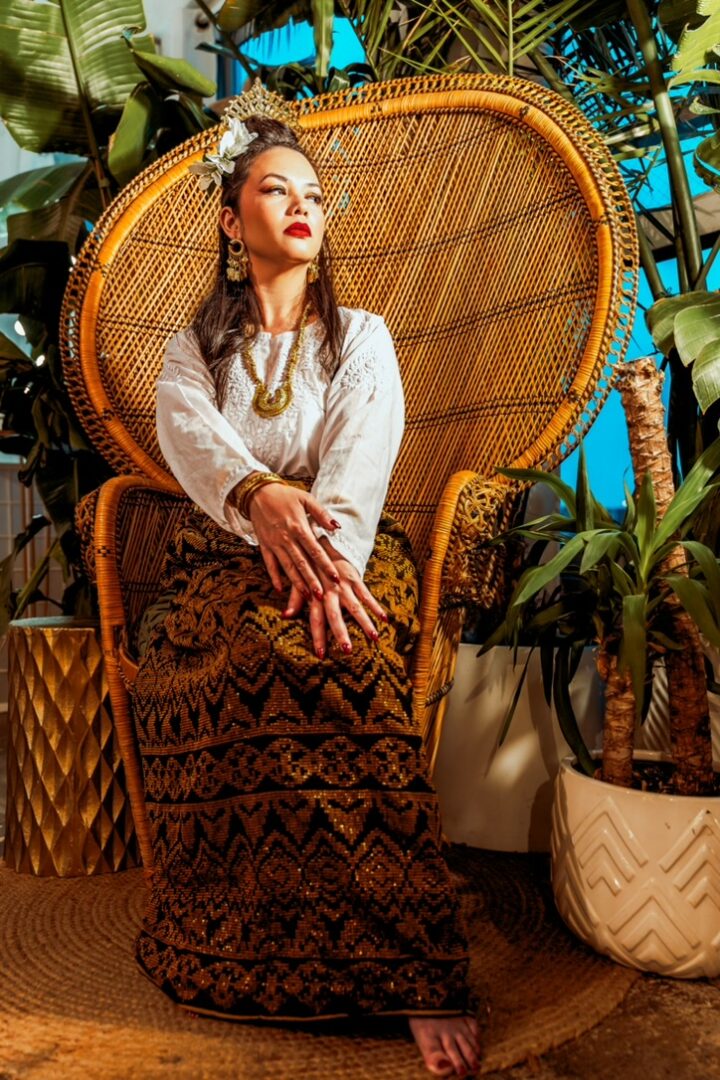
Great, so let’s take a few minutes and cover your story. What should folks know about you and what you do?
At the heart of what I do is helping people reconnect with themselves in ways that feel humane, creative, and sustainable.
I’m a licensed therapist, clinical trainer, and creative educator. My work lives at the intersection of mental health, culture, and discovery. You’ll find it in the therapy room, in trainings for organizations, in classrooms with other clinicians, in integrative healing spaces, and in community settings grounded in storytelling and connection. I work primarily through a narrative and systems-informed lens, which means I’m less interested in “fixing” people and more focused on understanding the stories, contexts, and environments that shape how they adapt, cope, and grow.
What feels most energizing to me right now is the growing permission people are giving themselves to approach healing with more curiosity and flexibility. In my work, that often means inviting creativity, cultural reference points, and playfulness into conversations about identity, burnout, and recovery. I believe insight and regulation don’t only come from analysis. They often emerge through imagination, experimentation, and true real moments of genuine engagement.
Professionally, I split my time between clinical work and education. I provide therapy and consultation, and I also design and lead trainings for clinicians, organizations, and communities on topics like trauma-informed care, burnout prevention, culturally responsive practice, and creative approaches to mental health. I’m especially passionate about helping helpers build lives and careers that are sustainable rather than self-sacrificial.
I value knowledge and healing that is expansive; therefore, I am pursuing my PsyD to learn the assessments necessary to support my neurodivergent clients. I’m also in a program to learn psychedelic-assisted therapy as part of a broader commitment to holistic, integrative care. Working extensively in trauma treatment has taught me that no single model or modality works for everyone, and that ethical care requires both humility and ongoing learning.
Something I want people to know about my work and brand is that I value accessibility and honesty. I don’t believe in glorifying overwork or endurance. Instead, I try to model what it looks like to do meaningful work while honoring limits, rest, and community care.
Currently, I’m expanding my training and speaking work, developing new offerings that explore narrative, creativity, and integrative approaches to healing, and continuing to build spaces, both professional and personal, where people feel seen, supported, and allowed to be their fully human selves.


Looking back, what do you think were the three qualities, skills, or areas of knowledge that were most impactful in your journey? What advice do you have for folks who are early in their journey in terms of how they can best develop or improve on these?
Looking back, the three things that have shaped my journey the most aren’t flashy skills. Honestly, they’re the ones I had to learn the hard way, usually after trying something else first and realizing it wasn’t working.
The first is discernment. Early in my career, I thought growth meant saying yes to everything and pushing through discomfort at all costs. Over time, I learned that discernment, knowing what’s mine to carry and what isn’t, when to start and when to actually stop, is just as important as resilience. It’s the skill of pausing long enough to ask, “Is what I’m doing truly aligning with who I am or want to be?” For folks early in their journey, my advice is to practice noticing your patterns before trying to optimize them. Pay attention to where you feel energized versus where you feel depleted. Discernment grows through reflection, not speed. And yes, that can be inconvenient and truly rewarding.
The second is narrative awareness. Understanding the stories we tell about ourselves about who we are, our work, and our worth has been foundational for me. When I stopped treating those stories as facts and started treating them as constructions shaped by culture, family, and systems, everything changed. If you’re just starting out, get curious about your internal narrator. Whose voice does it sound like? What rules did it inherit? What perspective is it taking? What perspective is it missing? You don’t have to delete the story completely, but you may need to edit it. Think less “burn it down,” more “director’s cut.”
The third is how to rest without guilt. This one took the longest to learn, and I’m still a student when it comes to wielding this skill. I used to think rest was something you earned after being productive enough. And the story I told myself was that everything I did was not enough. Which meant rest never really arrived. Over time, I began to understand that rest is actually a skill people have to learn to engage in. And like any skill, it takes practice, boundaries, and sometimes unlearning deeply held beliefs. For people early in their careers, I’ll say this gently: if you wait until you feel “deserving” of rest, you’ll be waiting a long time. Start building sustainable rhythms now. Your future self will thank you.
One of our goals is to help like-minded folks with similar goals connect and so before we go we want to ask if you are looking to partner or collab with others – and if so, what would make the ideal collaborator or partner?
Yes! Collaboration is actually one of the most energizing parts of my work.
I’m always interested in partnering with individuals and organizations that care about mental health in thoughtful, creative, and community-centered ways. This includes clinicians who want to explore narrative, play, or integrative approaches; educators and organizations seeking to incorporate more humane conversations about burnout, trauma, and sustainability into their spaces; and creatives curious about how storytelling, culture, and imagination intersect with healing.
Some of my favorite collaborations have taken the form of trainings or panels at conferences, community-based workshops that integrate art and reflection, or conversations that bring mental health into spaces like comic book and pop culture conventions in ways that feel accessible and affirming. I’m also open to collaborating with clinics or healing spaces that are exploring integrative or psychedelic-assisted approaches and are seeking to expand their teams, consultation networks, or educational offerings in thoughtful and ethical ways.
I especially enjoy collaborations where there’s room for curiosity and mutual learning. Where no one is expected to have all the answers, and everyone is allowed to be in the process. If you’re someone who believes mental health work can be both rigorous and playful, grounded and expansive, we’ll probably get along just fine.
If folks are reading this and feel a spark of alignment, I’d love to connect. The best collaborations don’t often start with a fully formed plan; they start with a conversation. (And maybe a coffee. Or at least a very good email.)
Contact Info:
- Website: https://www.guidancett.com/
- Instagram: https://www.instagram.com/airyell3000/
- Linkedin: https://www.linkedin.com/in/airyell3000/
- Other: TikTok: https://www.tiktok.com/@airyell3000
Private Practice Instagram: https://www.instagram.com/guidanceteletherapy/
Podcast: https://happy.geektherapy.com/
Podcast Instagram: https://www.instagram.com/happiestpodgt/
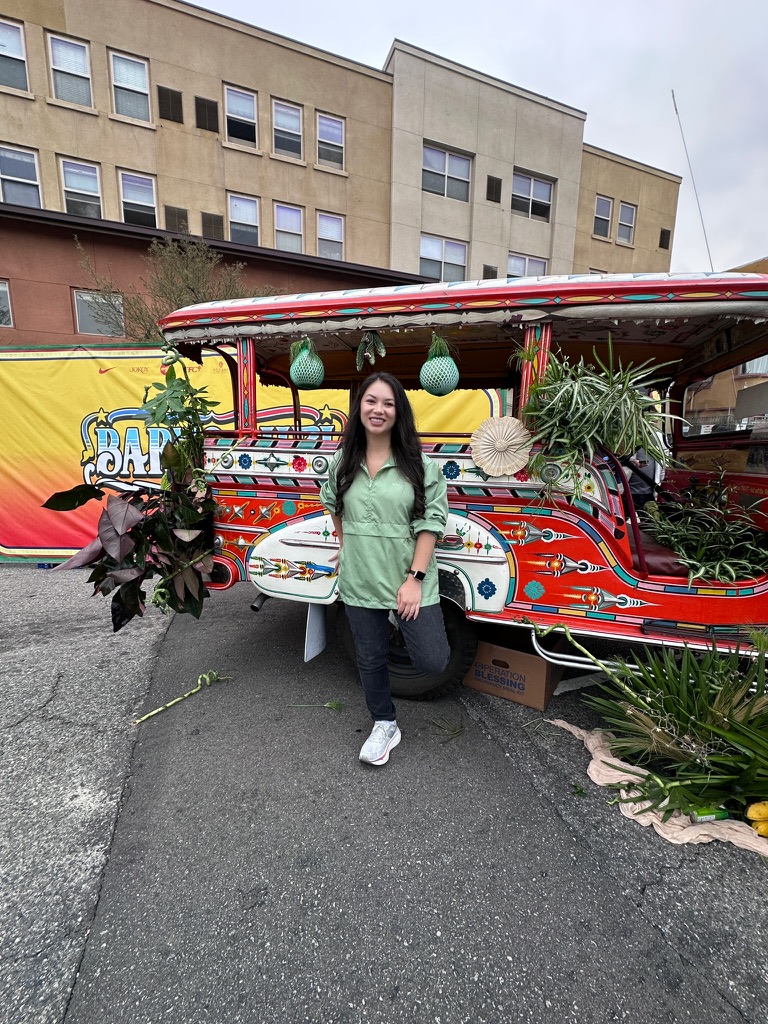

Image Credits
Ligaya Caballes, The Pinay Photographer: https://www.thepinayphotographer.com/
so if you or someone you know deserves recognition please let us know here.