We were lucky to catch up with Armina LaManna recently and have shared our conversation below.
Armina, thank you so much for taking the time to share your lessons learned with us and we’re sure your wisdom will help many. So, one question that comes up often and that we’re hoping you can shed some light on is keeping creativity alive over long stretches – how do you keep your creativity alive?
One could say that those of us who discovered the need to be constantly creative find it difficult to live life without that aspect. Wether we be photographers, painters, musicians, or stage artists. Storytellers in the theatre particularly depend on artistic collaboration in order to feel whole. During the lockdown, it was that inability to be creative with fellow artists that contributed to such heavy feelings of despair. That’s why so many of us created work digitally, over zoom, outdoors – anything to continue to be creative and to feel connected with other artists and with audiences.
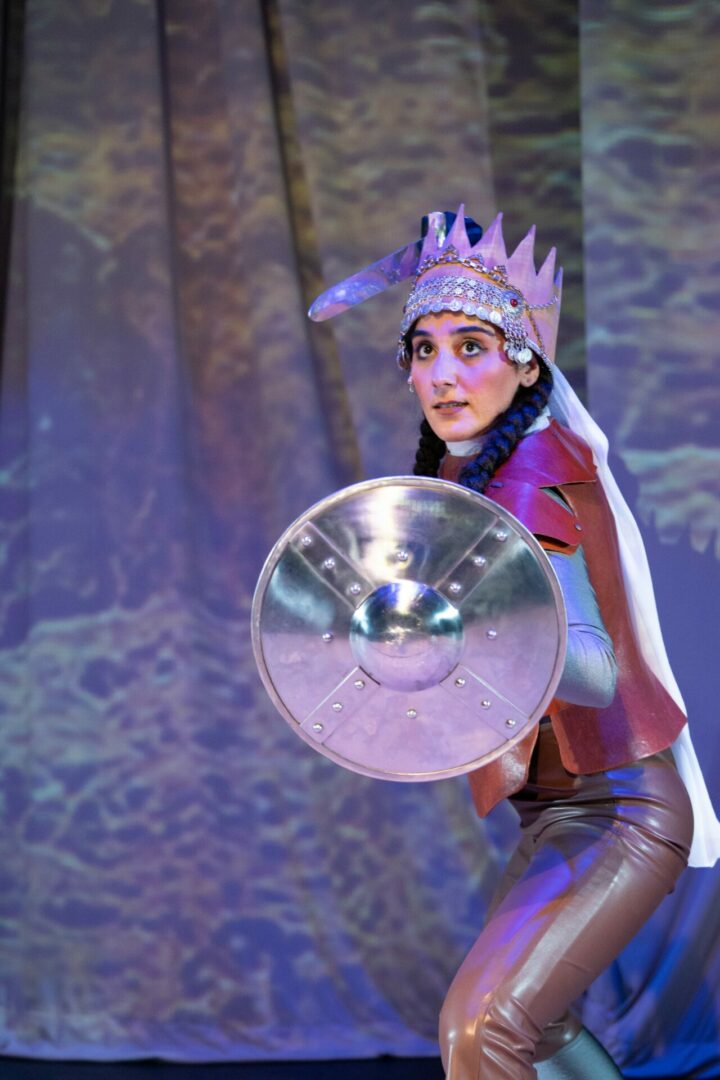
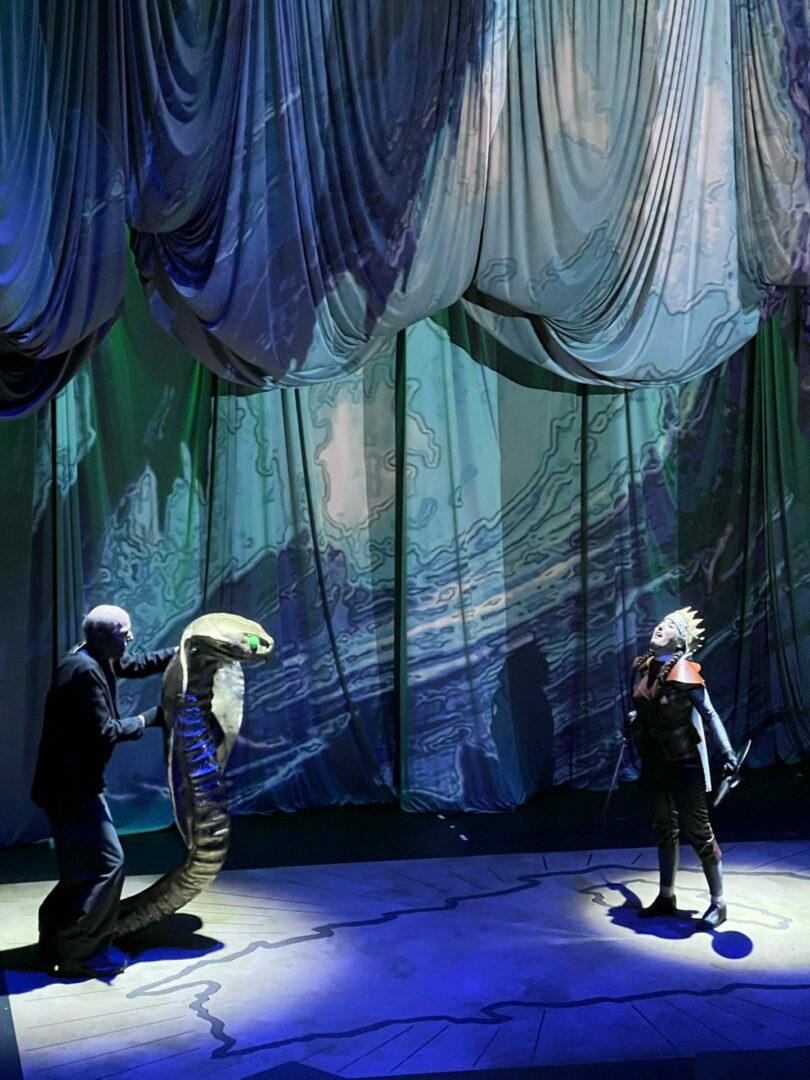
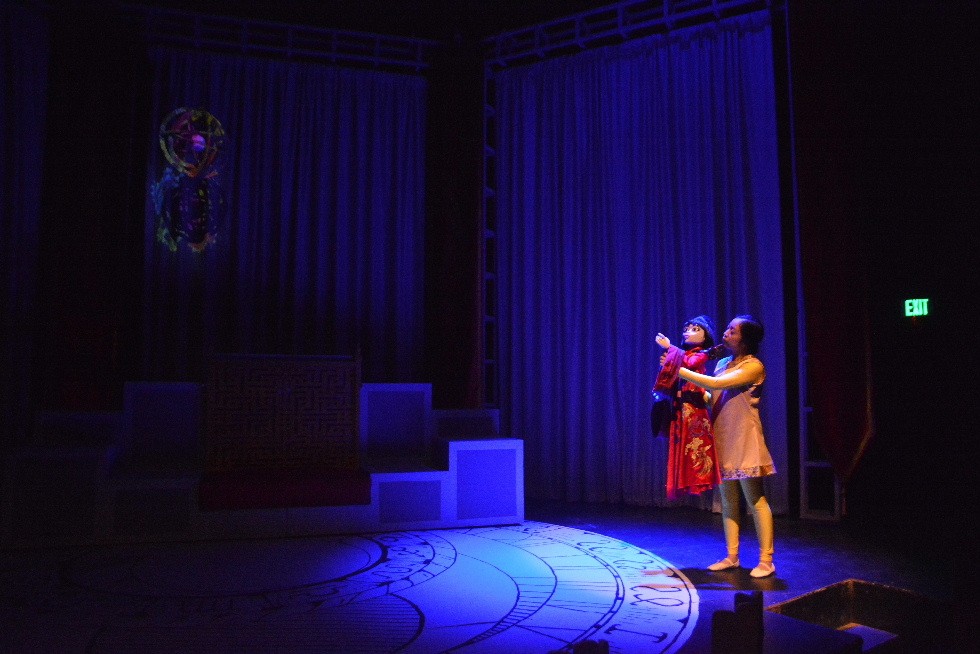
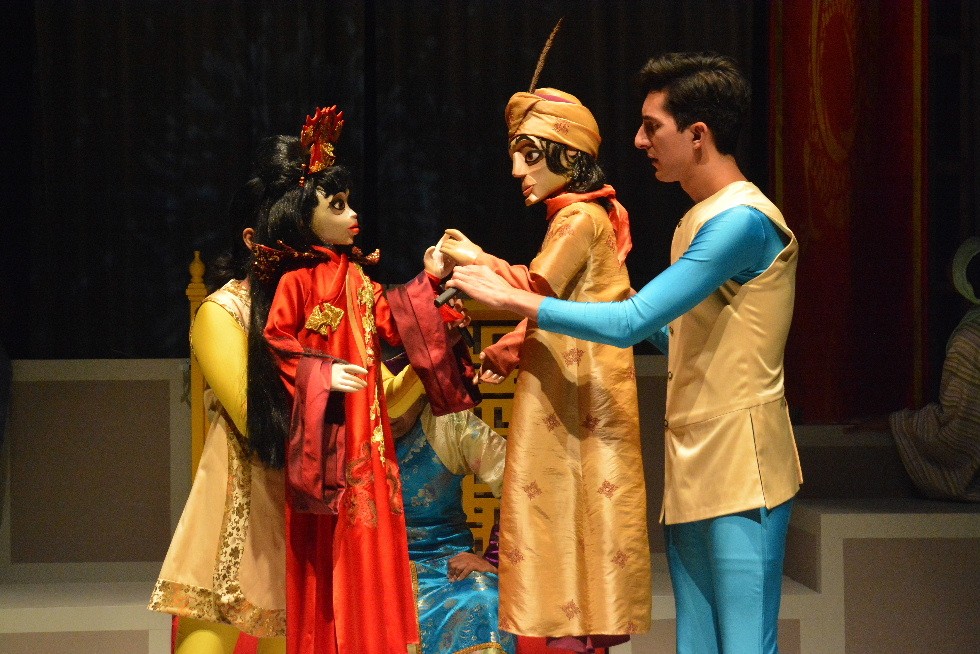
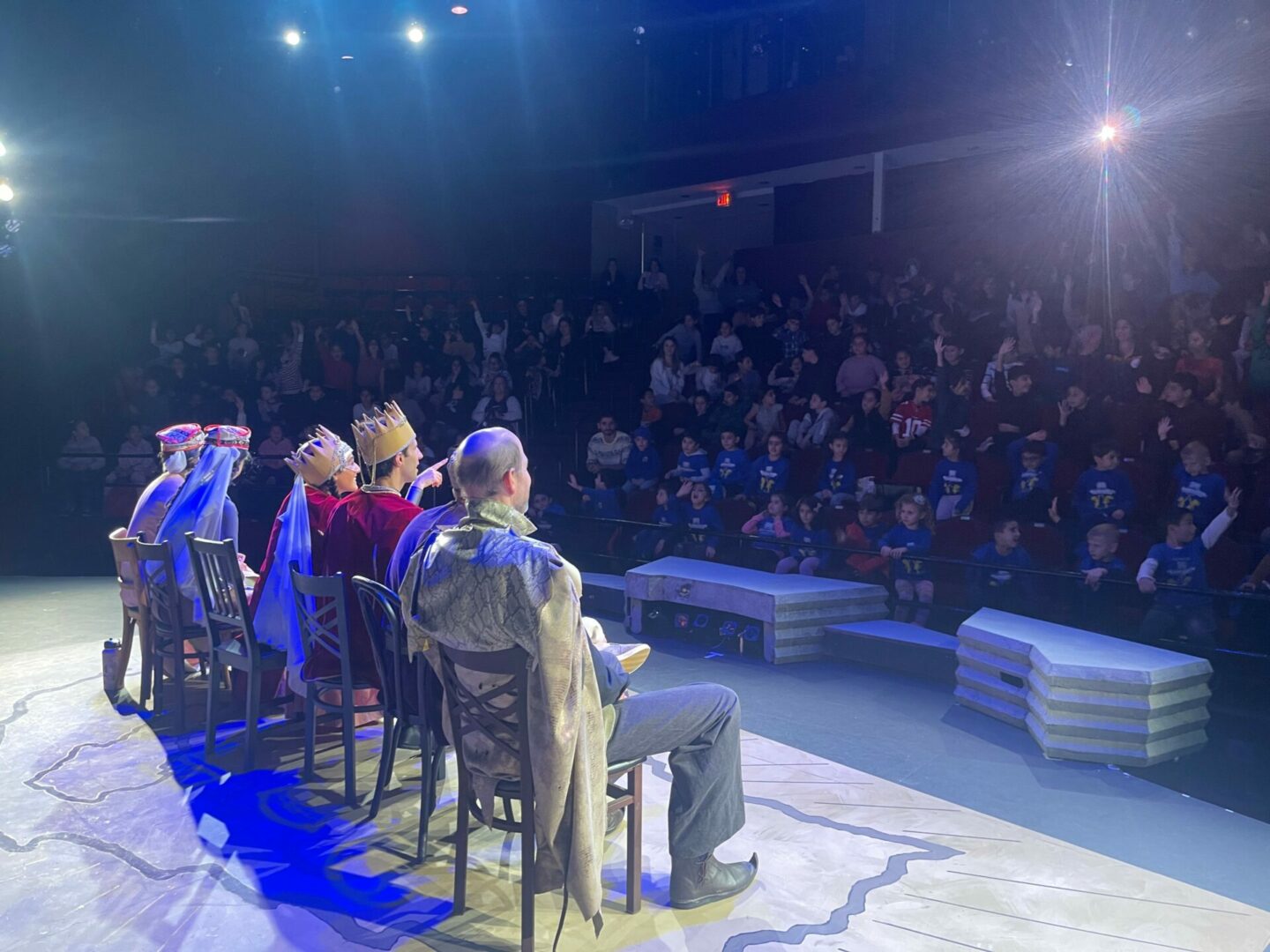
At Imagine Theatre, we did just that. Not only because we wanted, no needed, to create, but also to support artists in our community who so desperately needed to work. In 2020, thanks to a grant from the Department of Cultural Affairs, we digitally offered our production of The Tale of Turandot to audiences for free. In 2021, we teamed up with the City of Glendale to present our co-production with Four Clowns of That Beautiful Laugh as the pre-show to the Summer Concerts in the Park. This past November, we finally returned to indoor mainstage programming. Being inactive was simply not an option.
Thanks, so before we move on maybe you can share a bit more about yourself?
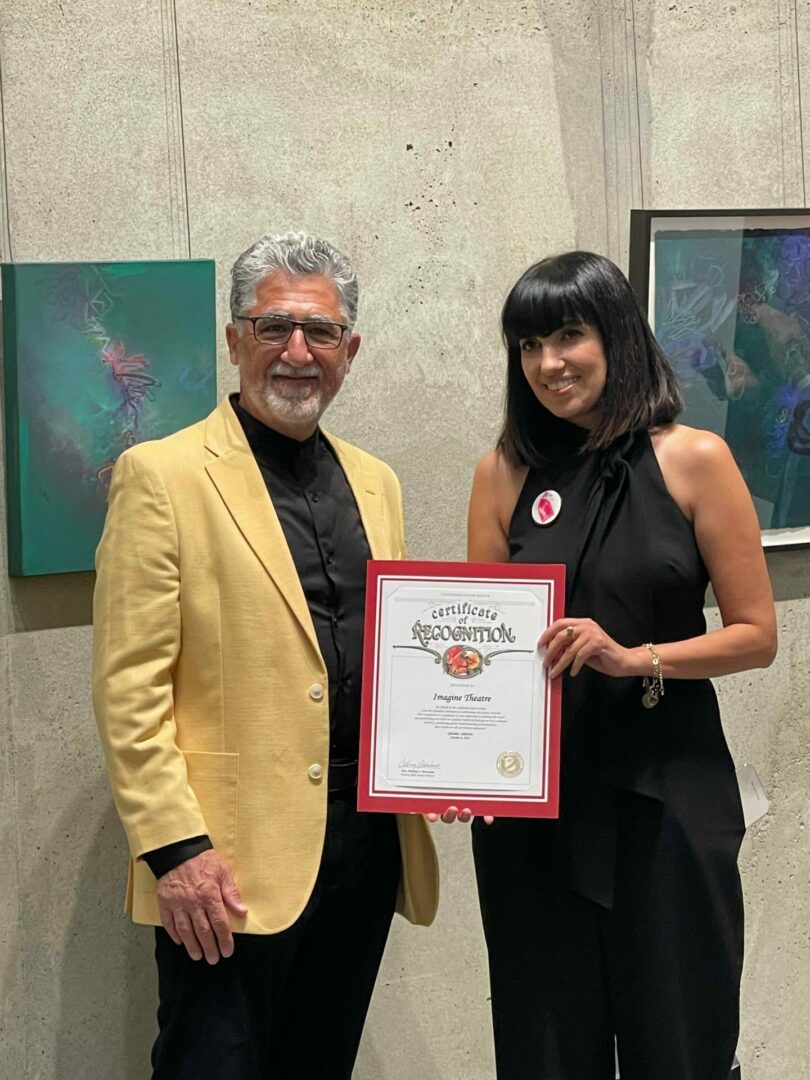
Imagine Theatre was founded in 2016 by myself and Alex Zonin. It was born out of a desire to fill a void in the entertainment capital of the world – to create a professional Equity theatre company dedicated entirely to programming for young audiences. We thought long and hard about what we wanted to accomplish through storytelling. How we would be relevant. How our stories would be timely and our artists representative of the community around us.
Alex and I grew up in the former Soviet Union where going to the theatre was a part of childhood. We wanted to create that theatre-going tradition for kids here as well.
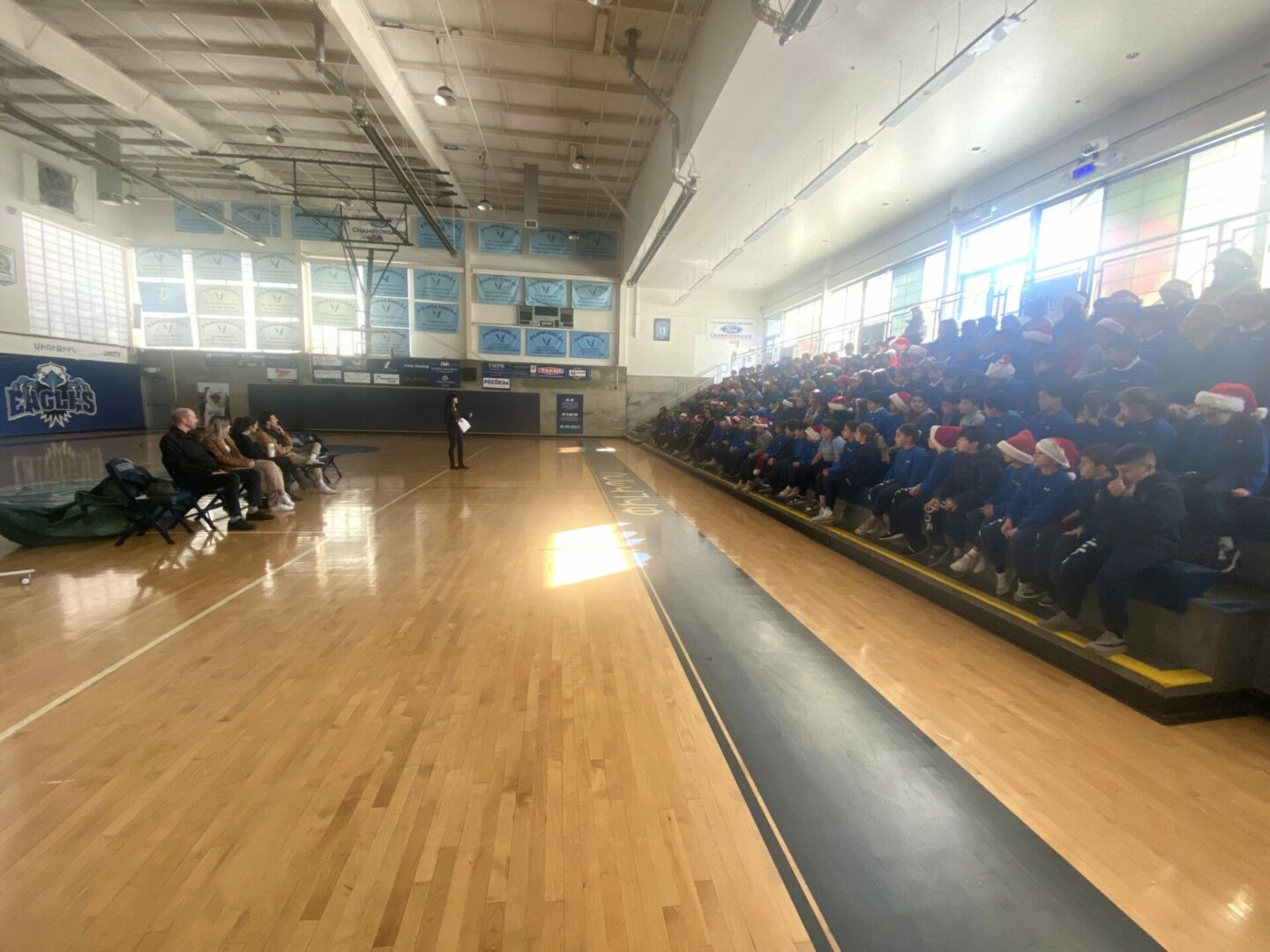
It was then that we committed to telling new stories based on tales derived from the rich cultural fabric of Los Angeles with a spotlight on female protagonists. We dedicated our stories to advocating for parity in society. We want our work and programs to be impactful and meaningful. The feedback from the kids has been very fulfilling and inspiring. Our return to indoor programing was met with entirely sold out student matinees; in fact, we had to add shows to accommodate demand. Even our public performances doubled to those of pre-pandemic numbers. While this reality did not apply to fundraising, we were honored and delighted by the love shown to us by patrons.
OUR MISSION: Imagine Theatre strives to build an empathetic and inclusive society, across cultures, by immersing young people in theatre that celebrates gender equity, diversity, and civic engagement.
OUR MISSION: Imagine Theatre strives to build an empathetic and inclusive society, across cultures, by immersing young people in theatre that celebrates gender equity, diversity, and civic engagement.
There is so much advice out there about all the different skills and qualities folks need to develop in order to succeed in today’s highly competitive environment and often it can feel overwhelming. So, if we had to break it down to just the three that matter most, which three skills or qualities would you focus on?
It is imperative to start the answer to this question with the hard fact that almost everything we knew about producing and sustaining theatrical organizations is no longer valid. The pandemic destroyed not only funding avenues, but the labor market as well. There is either no people left whom we could hire and some who are still around seem have lost a lot of the work ethic that was around before the lockdown. What I mean by that is that actual contractual obligations are not met; I am not referring to people’s time being abused by bad employers/producers.
I speak to other arts leaders and consultants, and the one thing that has become clear is that currently there is no clear path forward. We truly don’t know how to proceed. Between the inflation, the almost fatal loss in funding, and the hold-back by patrons, we are in uncharted waters.
To talk about skills and qualities, I must actually begin with basic knowledge of our theatrical world here in Los Angeles. Without a doubt – an understanding of the theatrical arena here in Los Angeles is key. What works, what doesn’t, what locals think of our theatre scene, what funders think of our theatrical institutions, what the rest of the country thinks about the LA theatre scene. I cannot stress this enough. This is especially important because Los Angeles has a leadership vacuum – we have absolutely no organization, no cultural alliance, that is dedicated to uniting, advocating for, celebrating, and promoting LA theatre.
The second would be to never compromise your values. To not just talk big, but truly walk the walk: to pay your artists (if that’s your position), to not work without pay (if you are the artist), create relevant work, and always seek the truth in storytelling. Continue to always ask yourself: who are you doing this for, is this relevant to your audience, will artists find this challenging and intriguing.
The third is a commitment to bettering our industry status as a whole. It’s not just about putting on one show; but rather about becoming a part of a communal collaborative whose mission is to better the world. At least it should be. We must advocate for a change to how our performing non-profits operate. On the relationship we have with local, state, and federal funding. Professional theaters committed to their communities should be supported – in good part – by the government. Otherwise, artists spend their time and their health and their strength on seeking funding rather than telling stories through art.
Okay, so before we go we always love to ask if you are looking for folks to partner or collaborate with?
We would love to create a Performing Arts Center in partnership with a local dance company. To have a space where kids could visit not only to see theatre, but to see dance, to participate in seminars on the arts and its power to change the world around them, to take lessons, and engage in after school events. Like I said before, we want to ensure that theatre and the performing arts are a part of childhood.
Partnership with other performing arts orgs will allow for more financial stability and sustainability in the current world. When I look ahead, that’s one of the few things that is clear to me: organizational collaboration.
Contact Info:
- Website: www.imaginetheatreca.org
- Instagram: https://www.instagram.com/imaginetheatreca/
- Facebook: https://www.facebook.com/imaginetheatreca
- Youtube: https://www.youtube.com/@Imagineprojectca/videos
- Yelp: https://www.yelp.com/biz/imagine-theatre-glendale