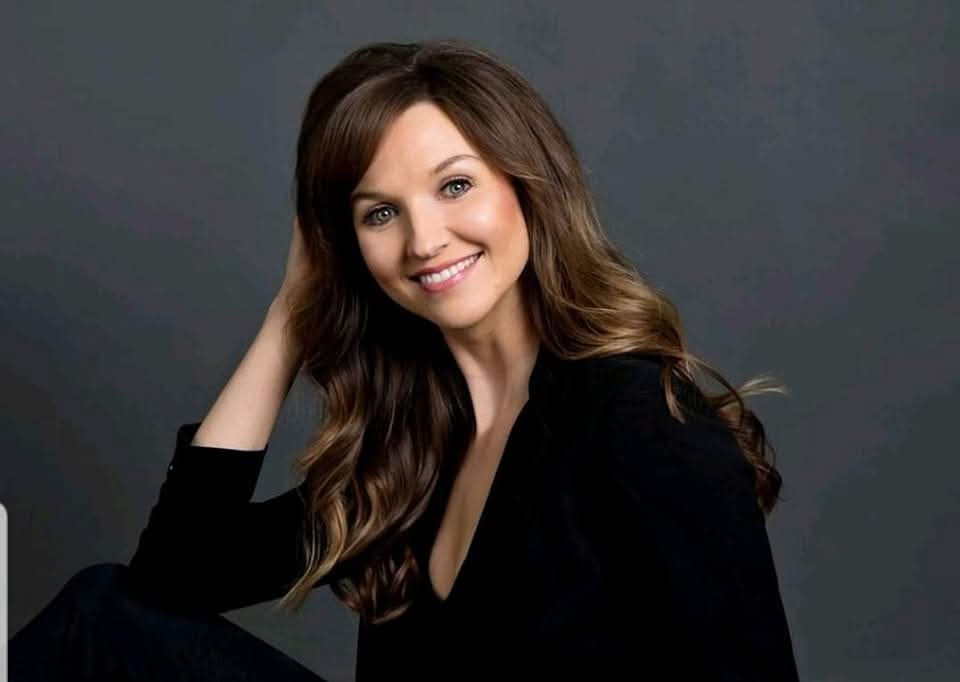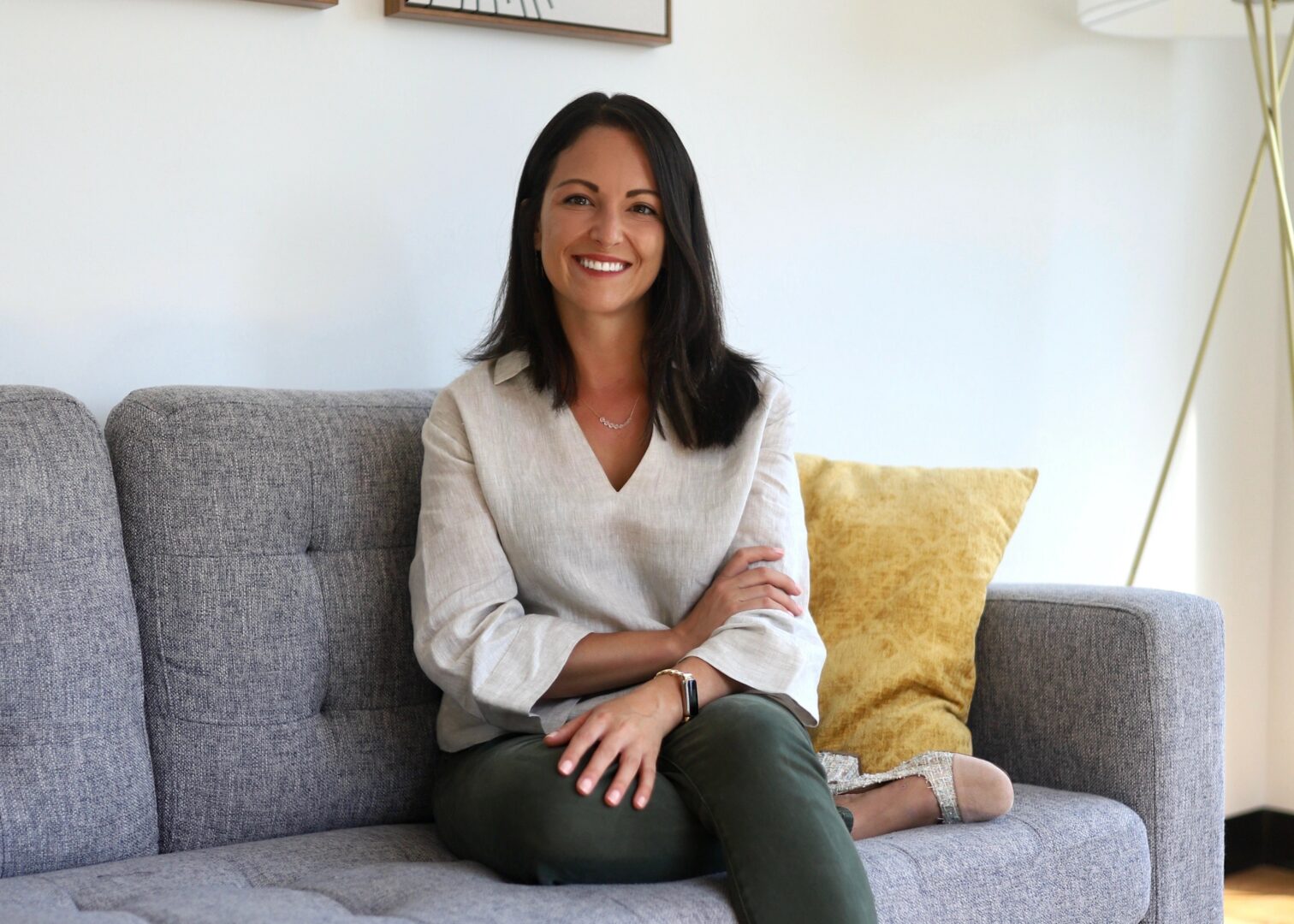
Alright – so today we’ve got the honor of introducing you to Atalie Abramovici. We think you’ll enjoy our conversation, we’ve shared it below.
Atalie, we’re so excited for our community to get to know you and learn from your journey and the wisdom you’ve acquired over time. Let’s kick things off with a discussion on self-confidence and self-esteem. How did you develop yours?
The word confidence comes from the Latin breakdown of the word: ‘con’ (with) and ‘fidere’ (trust). In essence, confidence is a trust in yourself. In order for others to witness you as a person with confidence, you must first develop that trust in yourself. As a result, I view confidence and self-esteem through this lens of building a deep sense of trust within yourself.
My confidence and self-esteem developed over time through my lived experiences, not all at once, and definitely not in a linear way. It came from learning how to trust myself—especially in moments where I didn’t have clear answers or external validation to rely on. I’ve spent a lot of time getting to know myself more deeply, paying attention to what feels aligned versus what doesn’t, and strengthening my intuition around who I am, what I want, and what truly matters to me.
There’s something powerful about learning to come back to yourself, again and again. For me, confidence didn’t come from always feeling certain, but from building self-trust and the belief that I can navigate whatever comes my way, make decisions that are right for me, and adjust when needed. Over time, that relationship with myself became more grounded, more secure, and more honest. And from that place, my sense of self-esteem naturally grew.
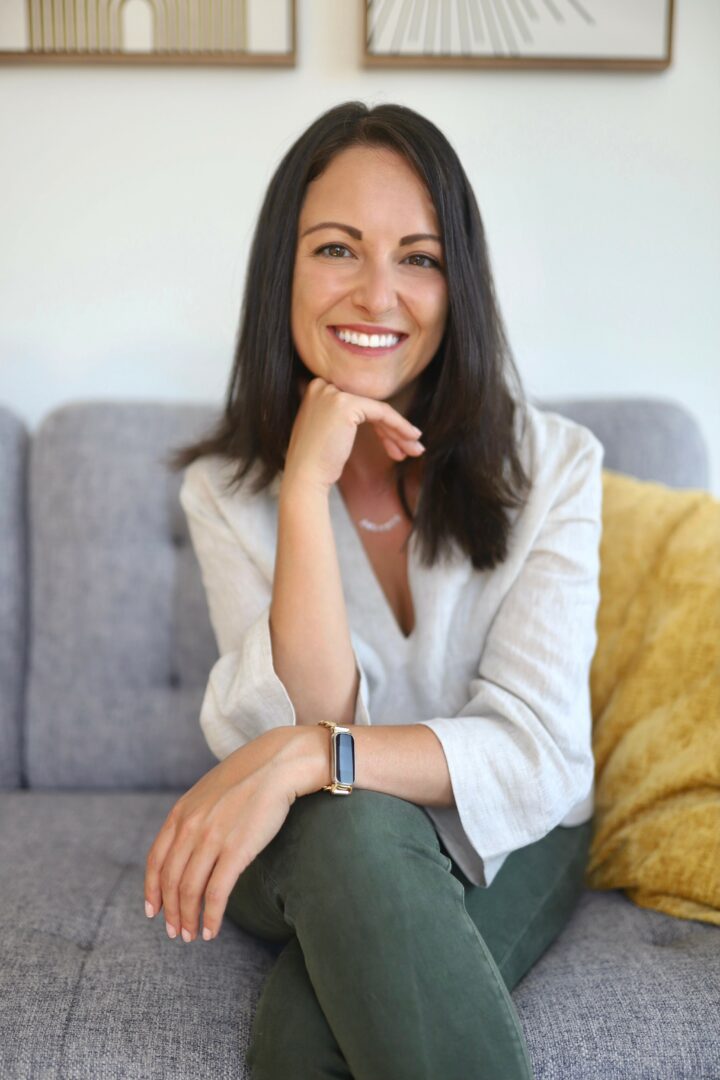
Let’s take a small detour – maybe you can share a bit about yourself before we dive back into some of the other questions we had for you?
I’m a Licensed Marriage and Family Therapist offering individual and couples therapy to clients throughout California, with in-person sessions available in Encino. I work with individuals navigating anxiety, depression, self-esteem challenges, ADHD, trichotillomania, relational stress, and major life transitions. I specialize in couples therapy using Emotionally Focused Therapy (EFT) to help partners strengthen communication, repair trust, and deepen emotional connection. As a first-generation American, I bring a lived understanding to my work and specialize in supporting first-generation individuals and couples as they navigate the nuanced challenges of identity, belonging, and the complexities that arise when different cultural values, expectations, and communication styles intersect within relationships.
My practice is authentic, collaborative, relational, and highly individualized to each client’s needs and goals. I draw from attachment-based, trauma-informed, and mindfulness-based modalities, tailoring therapy to each client rather than relying on a one-size-fits-all model. I also incorporate somatic work and attachment-focused EMDR to help clients process and heal from deeper-rooted experiences stored in both the mind and body. I integrate an understanding of the nervous system, explore family history and intergenerational patterns, and consider both internal and external life factors to better understand what has shaped someone’s experience. Together, we explore what got you to where you are today and work to untangle all of these facets to help build a path forward to where you want to be.
When you work with me, you can expect a wide range of emotions to be welcomed into the room—sessions often hold both tears and laughter. I believe in creating balance while honoring the duality of our human experience. Many of the areas I specialize in are meaningful to me not only because of my clinical training, but also because of my lived experience. I relate to my clients with empathy and a deep belief in their capacity to heal and thrive because I’ve been there as a human being as well! Our struggles shape us, but they do not have to define us. We can be the authors of our own story.
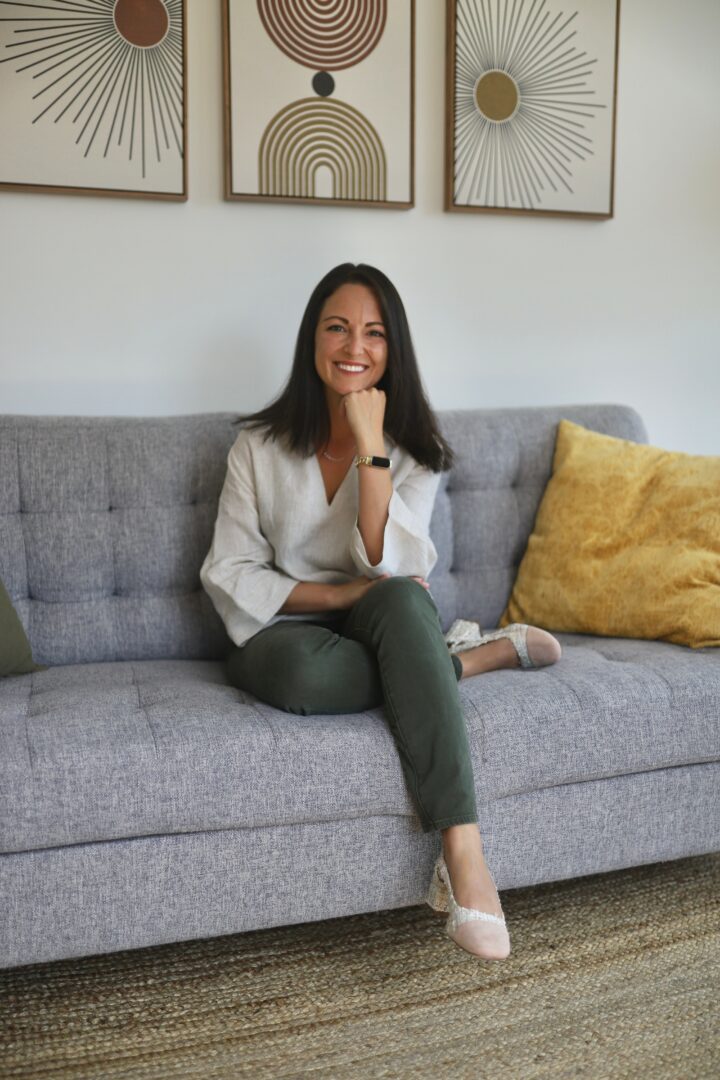
Looking back, what do you think were the three qualities, skills, or areas of knowledge that were most impactful in your journey? What advice do you have for folks who are early in their journey in terms of how they can best develop or improve on these?
Looking back, three things that have been most impactful in my journey are creativity, self-trust, and resilience.
Creativity has been an integral part of my identity and toolkit. I view creativity as existing beyond artistic expression, and encompassing the practice of being open. Whether it’s in my work with clients or in building my practice, creativity has allowed me to stay flexible and find meaning and possibility even in uncertain moments.
Self-trust has been foundational. It developed over time through listening to myself, making decisions that felt aligned, and learning from the ones that didn’t. There were many moments where I had to rely on my own inner voice rather than external validation, and each of those moments strengthened my confidence in who I am. That relationship with myself continues to evolve, but it’s something I come back to again and again.
Resilience has come from moving through challenges rather than avoiding them. Life inevitably brings moments that feel uncomfortable, overwhelming, or uncertain, and resilience isn’t about pushing those experiences away. For me it’s about allowing yourself to feel them, learn from them, and continue forward.
For anyone early in their journey, I would say: give yourself permission to take your time. You don’t have to have everything figured out right away. Stay curious about yourself, pay attention to what feels aligned, and be open to evolving. Build a relationship with yourself that is grounded in trust and compassion. When things feel challenging, try to see those moments not as setbacks, but as part of the process that is shaping you into who you’re becoming.
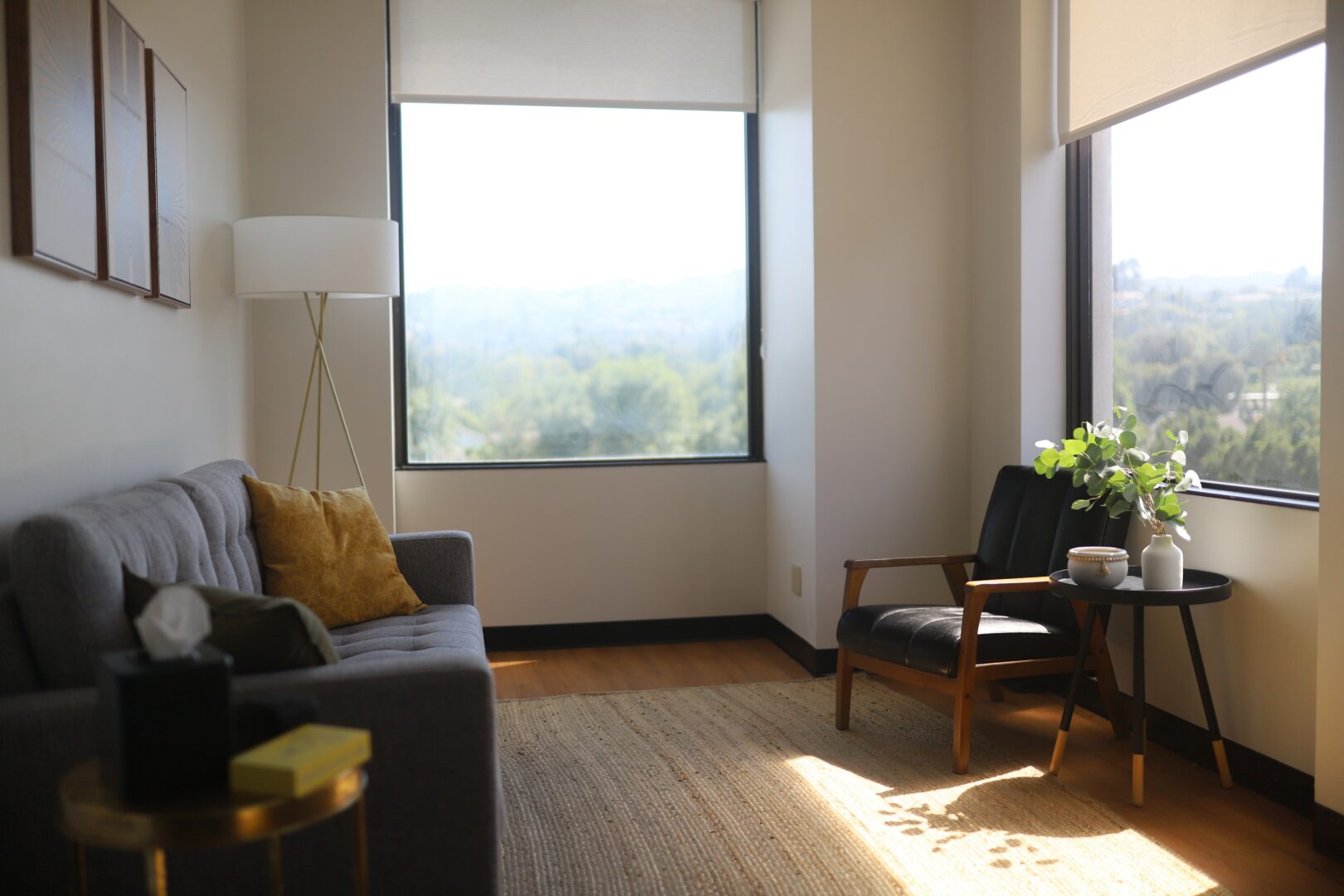
Before we go, any advice you can share with people who are feeling overwhelmed?
When I feel overwhelmed, I try to come back to myself in simple, grounding ways. I go for walks outside, and spend time in nature when I can. Movement helps me get out of my head and back into my body. I also journal to process what I’m feeling and I reach out to the people I trust the most to feel a sense of deep connection to others.
I’m also really intentional about engaging my senses, especially smell, as a way to signal safety to my body. Slowing down and tuning into what I can see, hear, or physically feel helps bring me back to the present moment. Yoga is another way I reconnect with my body and release some of that built-up tension—and of course, I continue to do my own therapy, which has been such an important space for processing and staying connected to myself.
For anyone feeling overwhelmed, my biggest advice would be to focus less on “fixing” the feeling and more on supporting your nervous system through it. Start small—step outside, take a few slow breaths, reach out to someone safe, or engage your senses in a way that feels calming. You don’t have to do everything at once. The goal isn’t to eliminate overwhelm completely, but to build a relationship with yourself where you know how to care for yourself when it shows up.
Contact Info:
- Website: https://www.atalieabramovicitherapy.com
- Instagram: https://www.instagram.com/atalieabramovicitherapy/
- Linkedin: https://www.linkedin.com/in/atalie-abramovici-262558114
- Youtube: https://www.youtube.com/@atalieabramovici3810
- Other: https://www.psychologytoday.com/us/therapists/atalie-abramovici-encino-ca/896135
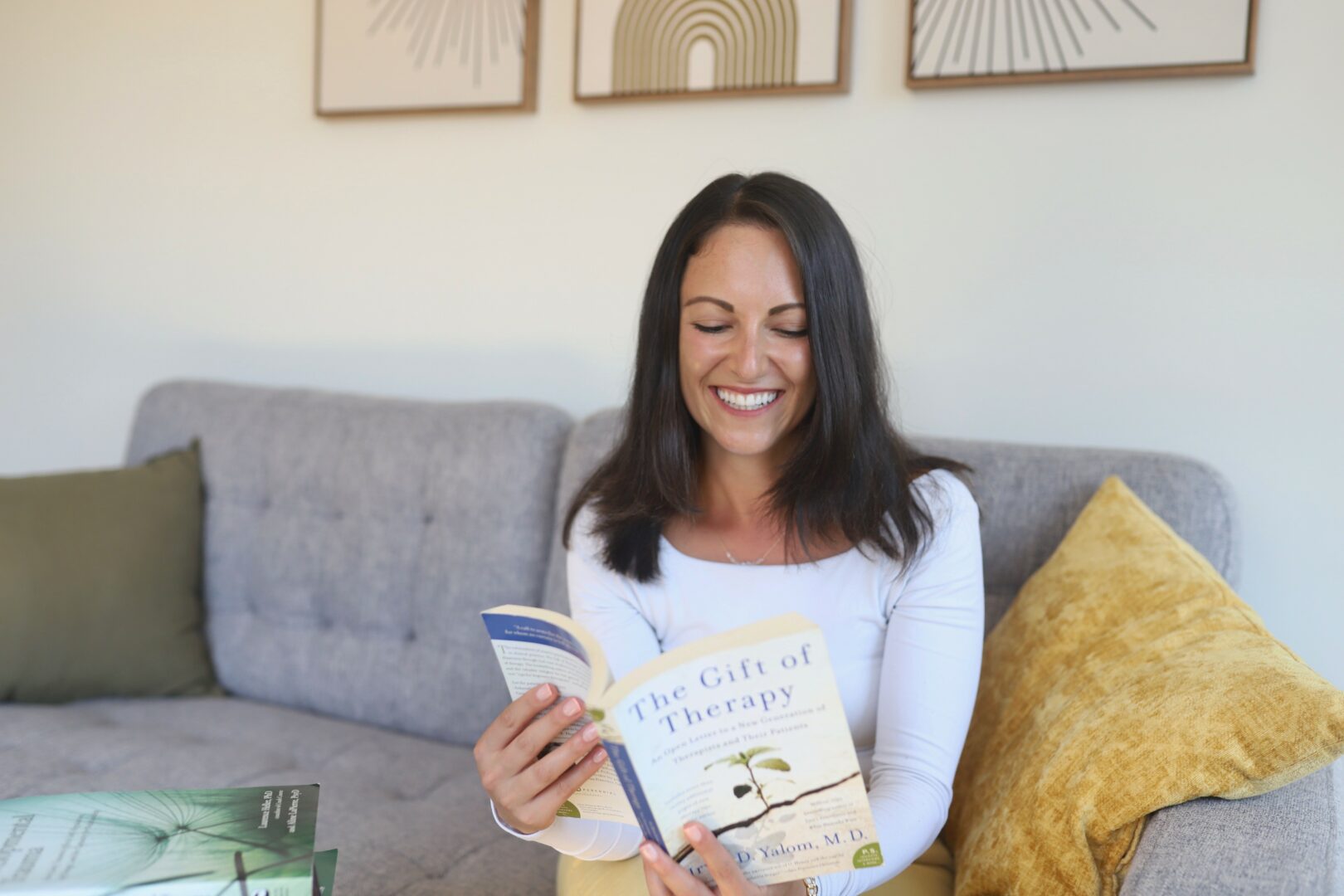
Image Credits
Shawnee Urrere
so if you or someone you know deserves recognition please let us know here.