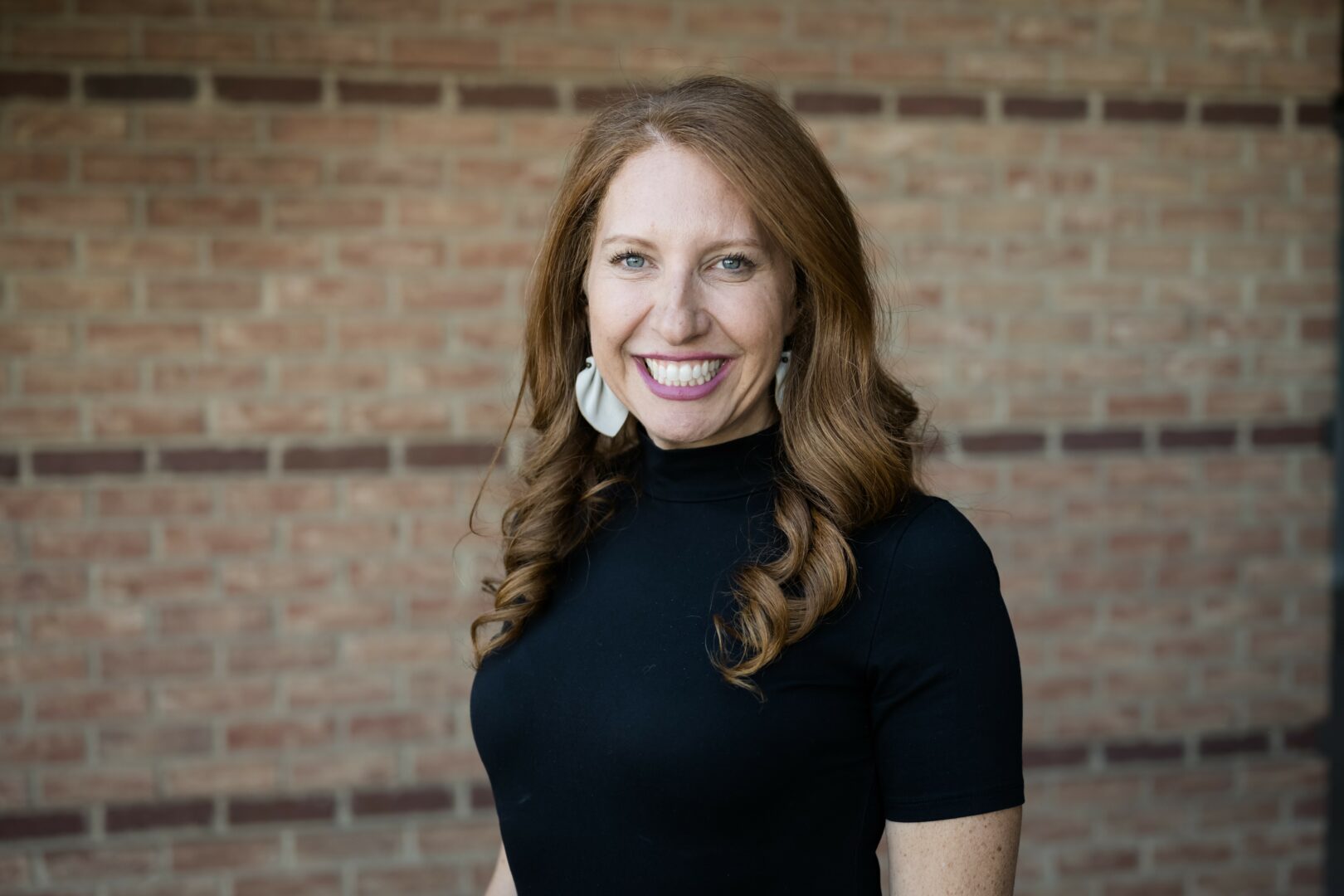
We recently connected with Aubrey Guzman and have shared our conversation below.
Aubrey , appreciate you making time for us and sharing your wisdom with the community. So many of us go through similar pain points throughout our journeys and so hearing about how others overcame obstacles can be helpful. One of those struggles is keeping creativity alive despite all the stresses, challenges and problems we might be dealing with. How do you keep your creativity alive?
For me, creativity isn’t something I chase—it’s something I stay open to. It shows up in overlooked corners, in faded signage, in the way late afternoon light hits a sidewalk crack just right. I keep my creativity alive by noticing, by walking slowly through cities that most people rush past. Sometimes that means wandering without my camera, letting the frame form in my head before I ever press the shutter. Other times, it means shooting through creative blocks just to stay in rhythm—trusting that the clarity will come later, in the edit, or in the silence between projects.
I also return to film when I need to recalibrate. There’s no instant feedback, no temptation to overshoot. It forces patience and presence—two things that always revive my creative eye. And honestly, I think staying curious helps more than anything. I ask a lot of questions of the places I photograph: Who walked here before me? What stories linger in the walls? The more I ask, the more I see.
Great, so let’s take a few minutes and cover your story. What should folks know about you and what you do?
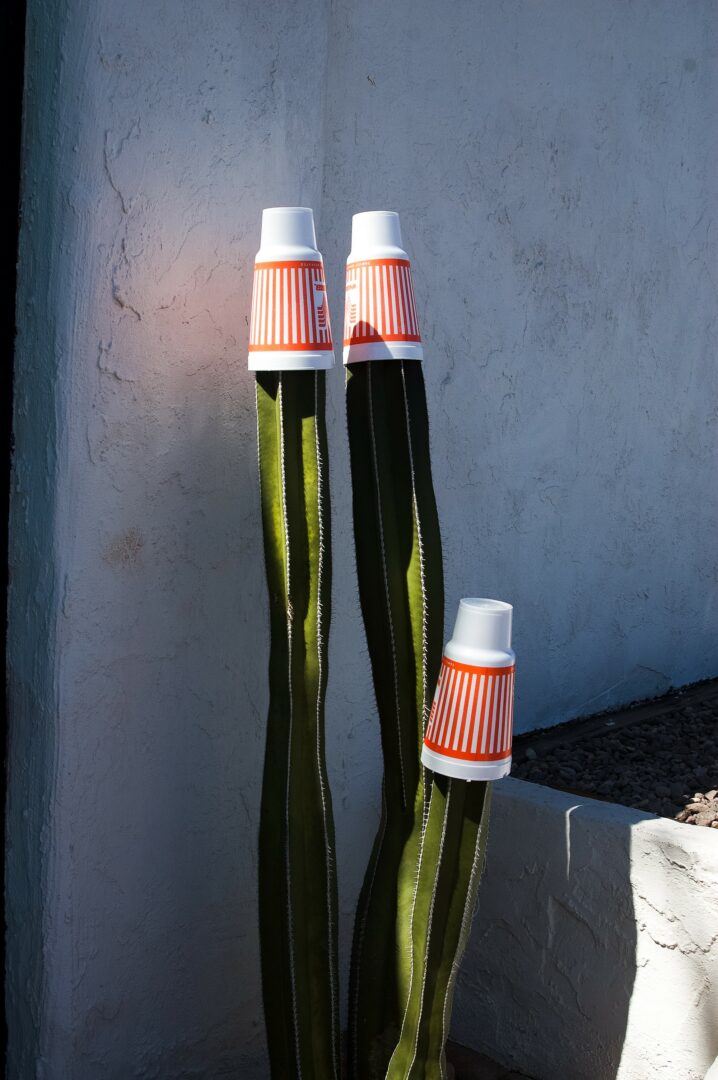
I’m a photographer drawn to the in-between moments—the ones most people pass by without a second thought. My work lives at the intersection of street photography, fine art, and quiet storytelling. I shoot both digitally and on 35mm film, with a focus on urban environments, forgotten signage, layered textures, and the emotional architecture of a place. What excites me most is how a single frame can hold both stillness and movement—how it can ask more questions than it answers.
Under the name Brey Marie Photography, I’ve built a body of work that captures cities as living, breathing beings. My collections—like Electric Silence, When the Paint Fades, and Threshold Figures—are less about documenting a location and more about translating a feeling. I want viewers to feel like they’ve stumbled into a memory, even if it isn’t theirs.
Lately, I’ve been showing work at Race Street Coffee in Fort Worth, with upcoming exhibitions planned through the summer. I also recently participated in the Marfa Invitational and am continuing to release curated fine art prints through my website and Darkroom. Each collection is offered in limited editions, thoughtfully printed for collectors and anyone drawn to quiet, visual poetry.
At its core, my work is about presence—about noticing. And I hope that through the lens, others might slow down long enough to notice, too.
Looking back, what do you think were the three qualities, skills, or areas of knowledge that were most impactful in your journey? What advice do you have for folks who are early in their journey in terms of how they can best develop or improve on these?
Looking back, the three qualities that shaped my path most—far more than gear, formal training, or follower counts—have been observation, persistence, and trust.
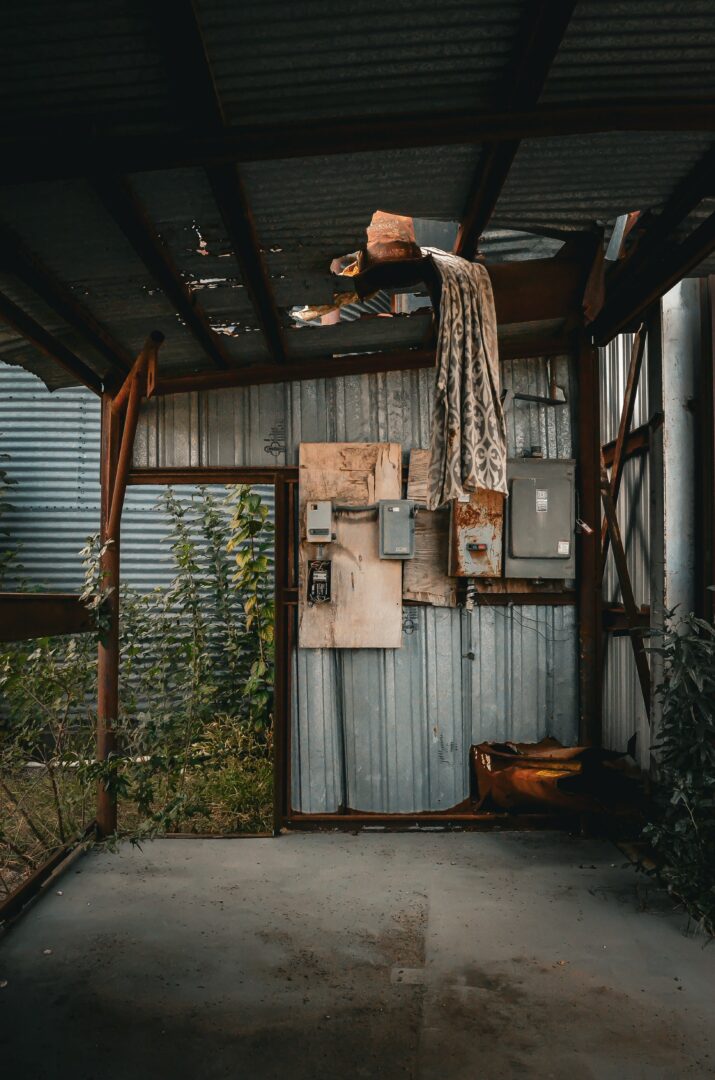
Observation is the foundation. Photography taught me to look, but before that, I think I was already wired to notice. The curve of a sidewalk, the flicker of movement in a window, the way late light softens a harsh space—those details anchor my work. Developing your eye isn’t just about composition or settings; it’s about learning to slow down and see. My advice to anyone starting out is to study light constantly. Sit in the same spot at different times of day. Walk the same block over and over until it shows you something new. Carry a camera, but don’t always feel pressure to use it. Let your curiosity lead.
Persistence was the next essential piece. There were stretches of time when I felt completely invisible—no responses from galleries, no traction online, and that creeping doubt that maybe the work just wasn’t landing. But I kept going. I kept making photos, organizing collections, refining my voice. That quiet consistency built the muscle I needed to keep moving, even when no one was clapping. For creatives early in their journey, I’d say: honor your process by sticking with it even when it’s hard. Don’t wait for permission or validation. Make work because it calls you to. That alone is enough.
Trust, though, is the long game. Trusting your instincts, your taste, your rhythm. It took me a while to stop looking sideways—to stop comparing my path to other artists or worrying about whether my work was “enough.” But the minute I started making art that felt like mine—unpolished, quiet, story-heavy—it started to resonate more deeply with others too. For those just starting, trust might feel like a stretch at first. But it grows as you go. Start by making honest work, not perfect work. The more you honor what feels true, the stronger your voice becomes.
So how can others develop these qualities?
Practice them like habits. Observation isn’t just for “shoot days”—it’s a way of moving through the world. Persistence isn’t loud hustle—it’s showing up, again and again, when it would be easier to stop. And trust? That comes through doing the work without trying to imitate someone else’s voice. Read deeply. Shoot often. Rest when needed. And keep a little room in your process for surprise.
We don’t arrive all at once. We shape and sharpen as we go. And that’s part of the beauty of it
How would you spend the next decade if you somehow knew that it was your last?
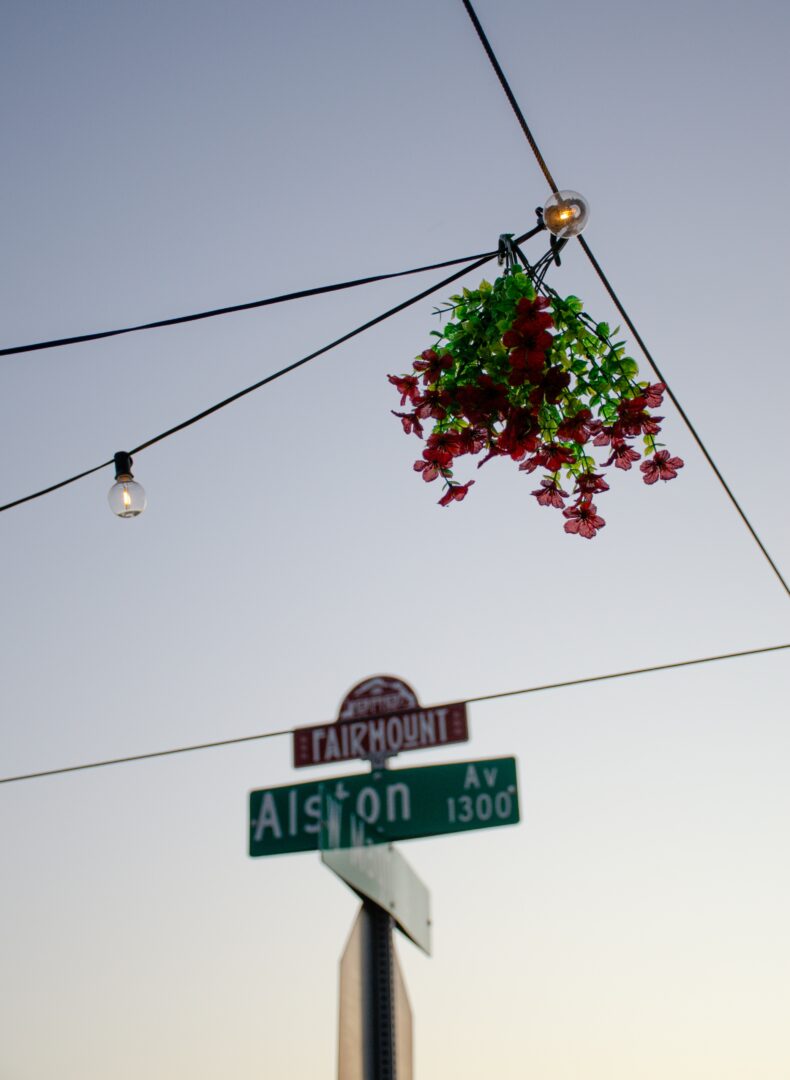
I think I’d spend it paying closer attention—to everything. I’d photograph the details I’ve yet to slow down for: the hands of someone telling a story, the quiet moments before a city wakes up, the way grief and joy both leave marks in a space. I’d travel with intention, not to check places off a list, but to sit still long enough in unfamiliar places to understand them. I’d chase fewer things and make more room for meaning.
I’d create work that says what I sometimes can’t. I’d focus less on whether it sells and more on whether it speaks. I’d put out books, zines, and prints that felt like time capsules. And I’d teach—formally or not. I’d want to leave behind not just images, but a way of seeing. A way of telling stories without needing to shout.
Most of all, I’d want to live close to what matters: the people I love, the work that feels honest, the mornings that feel slow. I don’t think I’d reinvent anything. I’d just strip away what isn’t real and lean all the way into what is.
Ten years is short. But if I could fill them with real presence, real art, and real connection—that would be enough.
Contact Info:
- Website: https://www.breymariephotography.com/
- Instagram: https://www.instagram.com/keeping.the.focus/
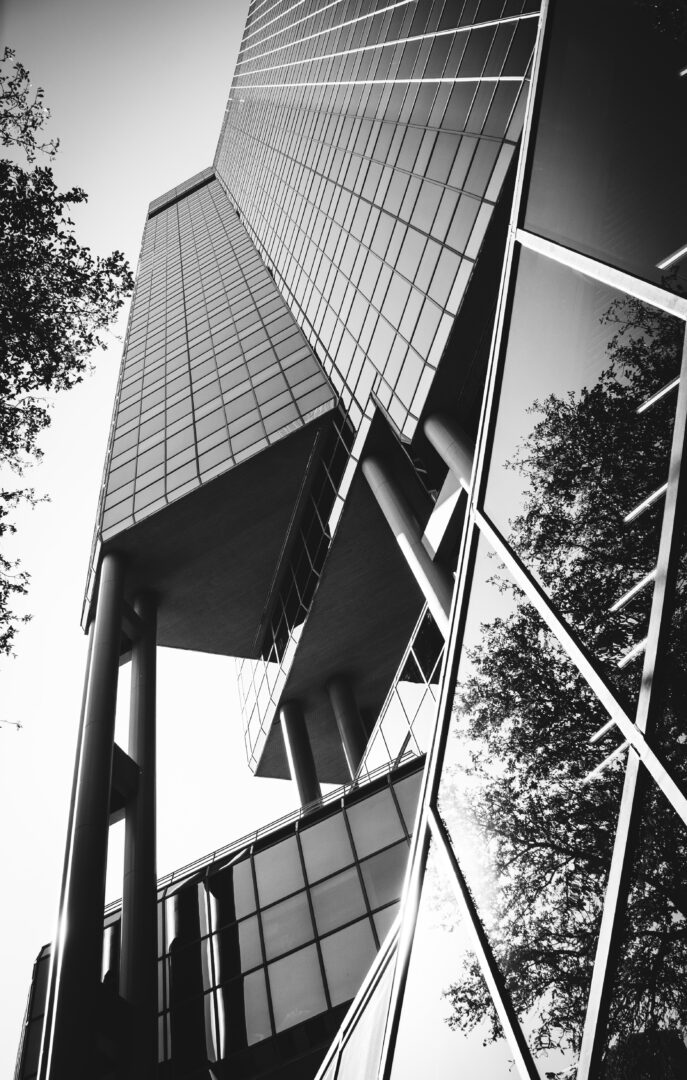
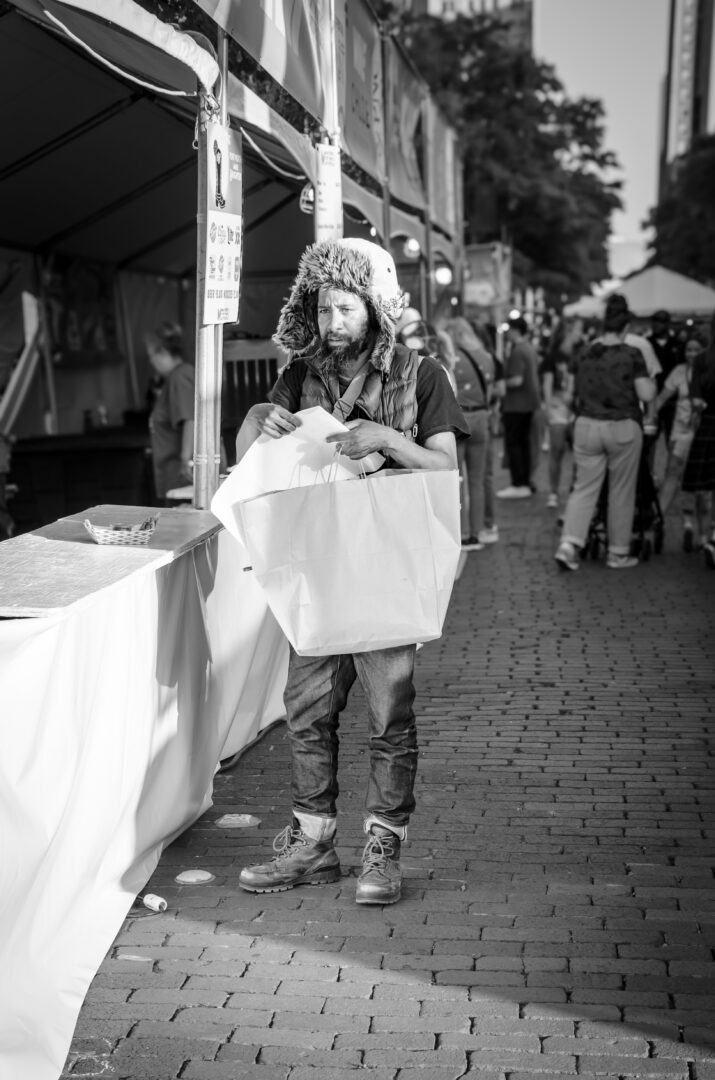
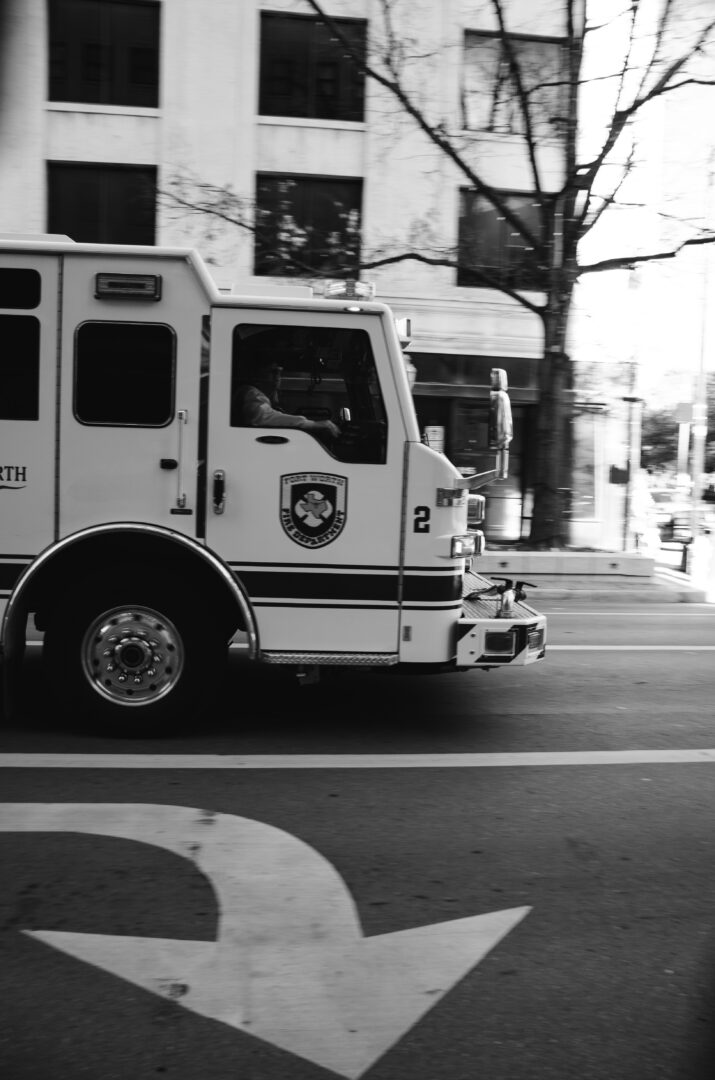
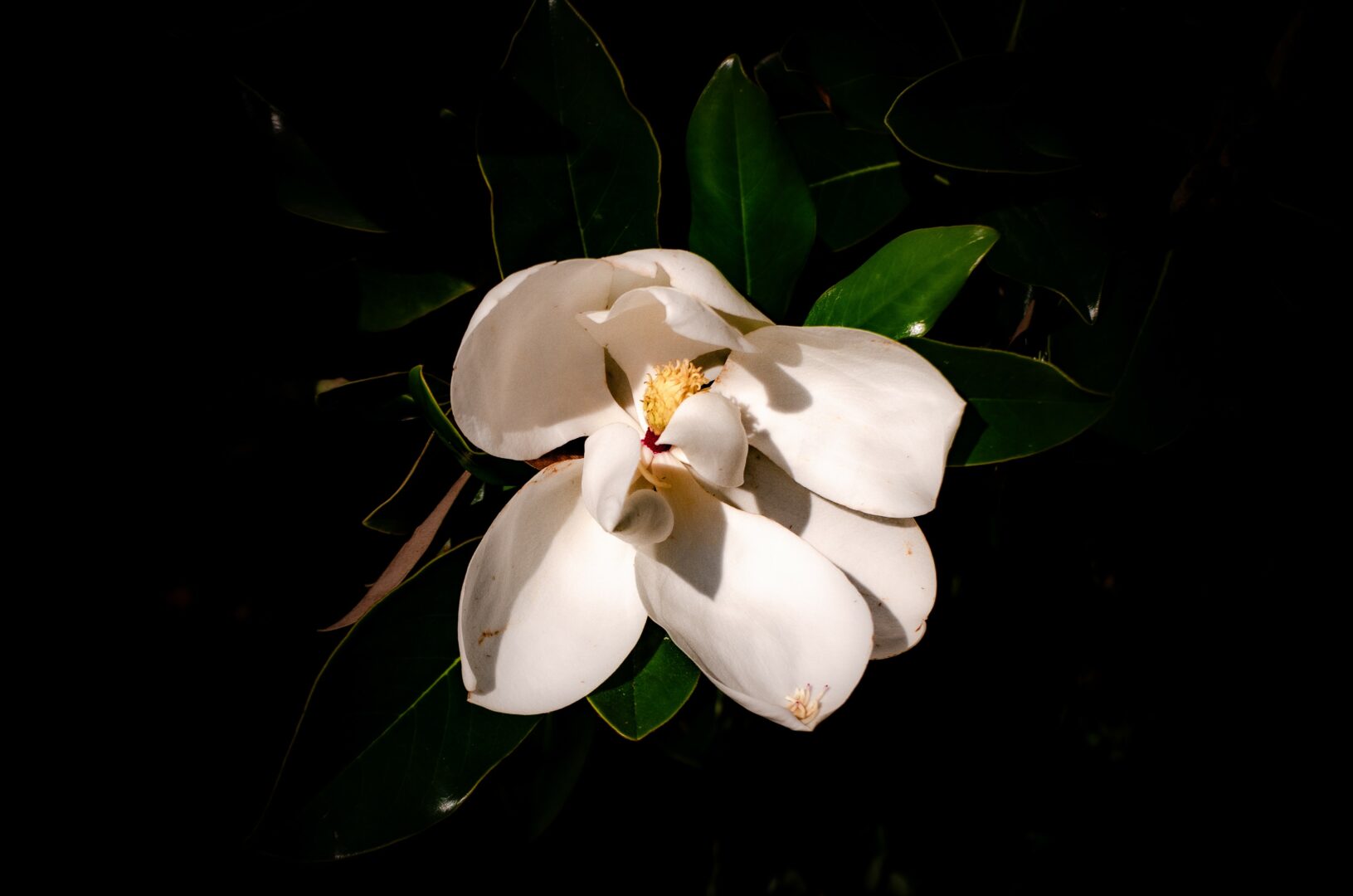
Image Credits
Brey Marie Photography
so if you or someone you know deserves recognition please let us know here.