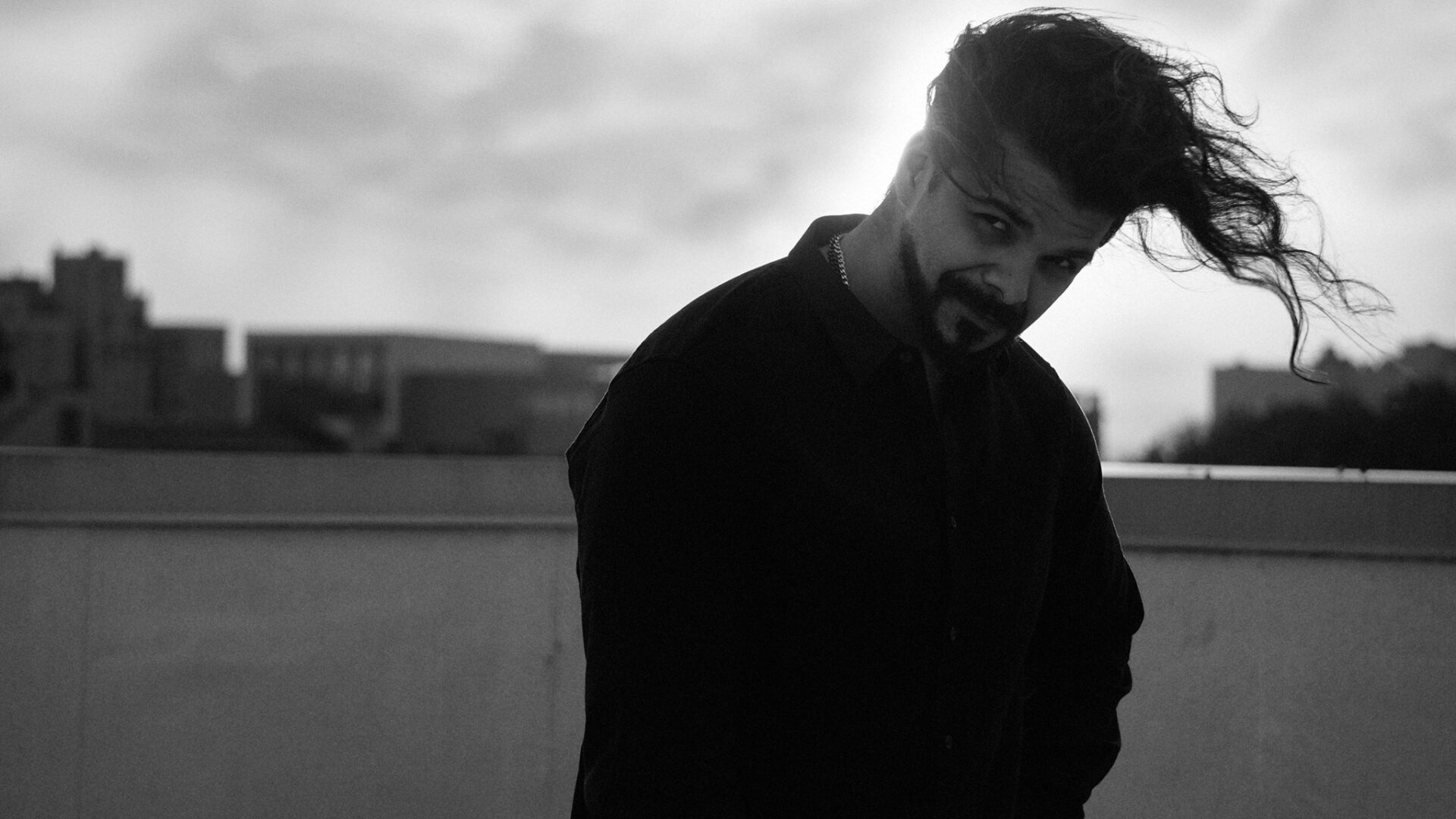
We caught up with the brilliant and insightful Avi. Kabir a few weeks ago and have shared our conversation below.
Avi. , thank you so much for taking the time to share your lessons learned with us and we’re sure your wisdom will help many. So, one question that comes up often and that we’re hoping you can shed some light on is keeping creativity alive over long stretches – how do you keep your creativity alive?
Right, so if you’re asking how to keep creativity alive, I’d say first off—don’t make it feel like it has to survive. Don’t corner it, don’t strap it down and give it a lecture about productivity. Just let it be what it wants to be.
Creativity, I think, doesn’t need any extra razzle-dazzle or some fancy “keep it alive” regime; it’s like breathing. You’re alive, it’s alive, all’s well. But we do forget how to breathe, don’t we? The kind where you let your brain absorb things around you and take it all in. Let it wander and question itself.
For me, the NYU Library is like a cathedral. You’ve got new books, old books, oversized books, books that I do not get, books I wish I get. Wandering in there taking a deep breath in a forest of thought and ideas, floating around until something just connects.
And then there’s the other stuff, like sleeping a bit better, eating good food, just plain caring for yourself. It anchors the day and gives it a rhythm. Creativity likes a bit of structure—like a playful kid. You don’t shove it into a mould, but you set it up with a loose plan, and some love, and let it wander off. Creativity’s got its moods, its injuries, its naps and it needs space to get to heal. You have to respect that and let it grow in its funny little way.
And maybe it’s about those tiny acts, like remembering to breathe, really breathe, when things get intense. You never know—one of those breaths could crack open some hidden door to a creative answer you didn’t even know was waiting for you.
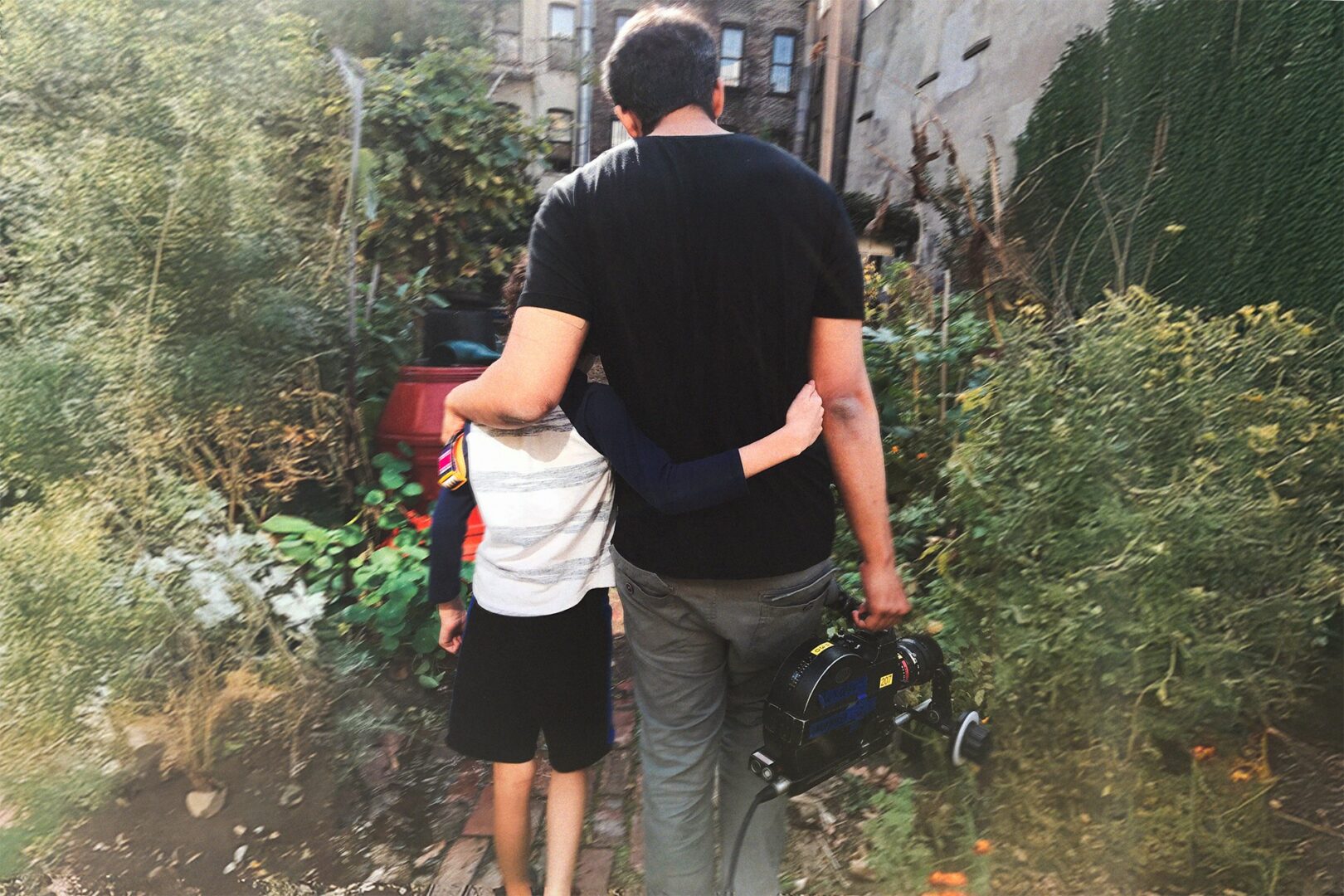
Thanks for sharing that. So, before we get any further into our conversation, can you tell our readers a bit about yourself and what you’re working on?
Much of what I try doing is grounded in collaborating with communities and listening to marginalized voices.
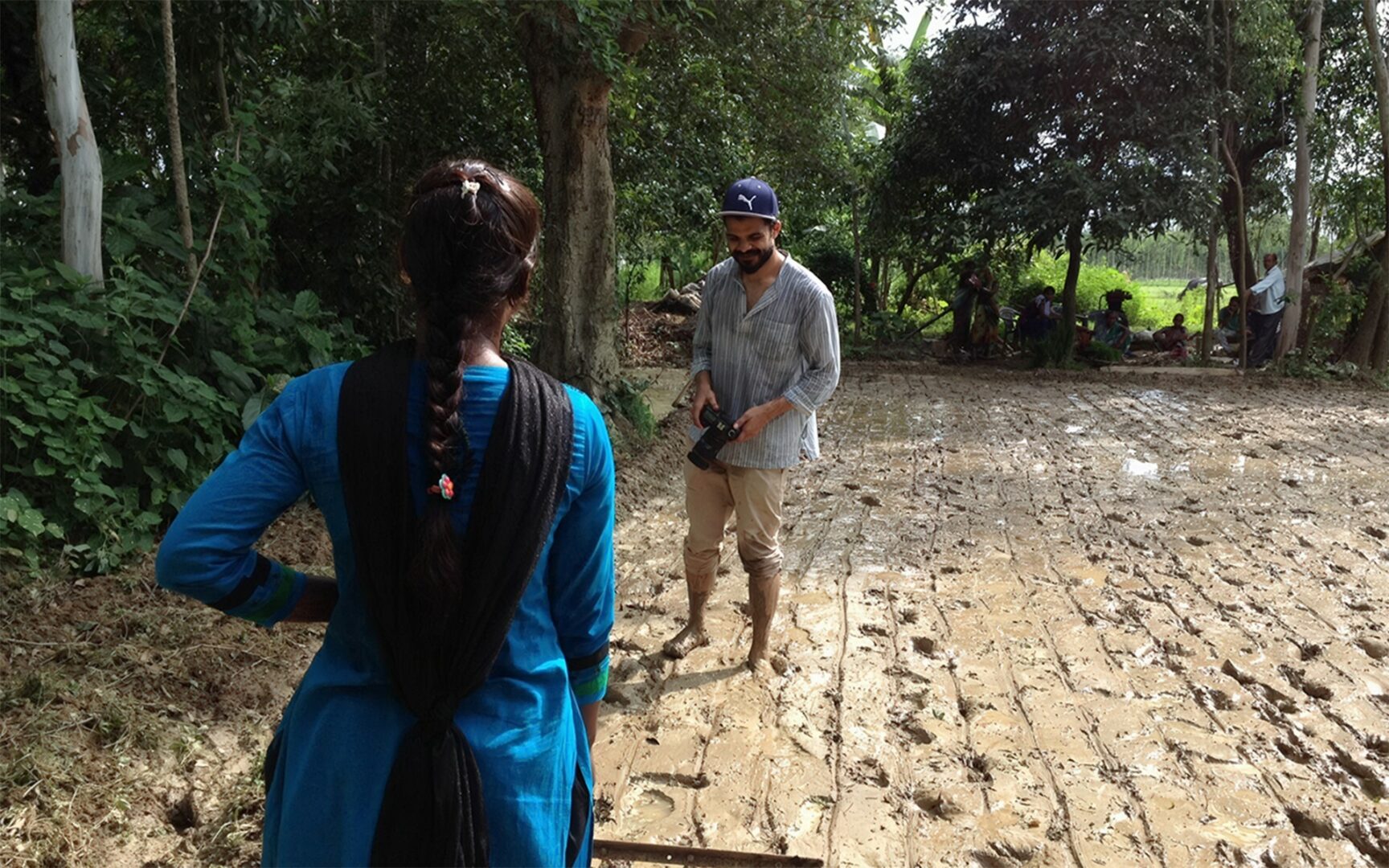
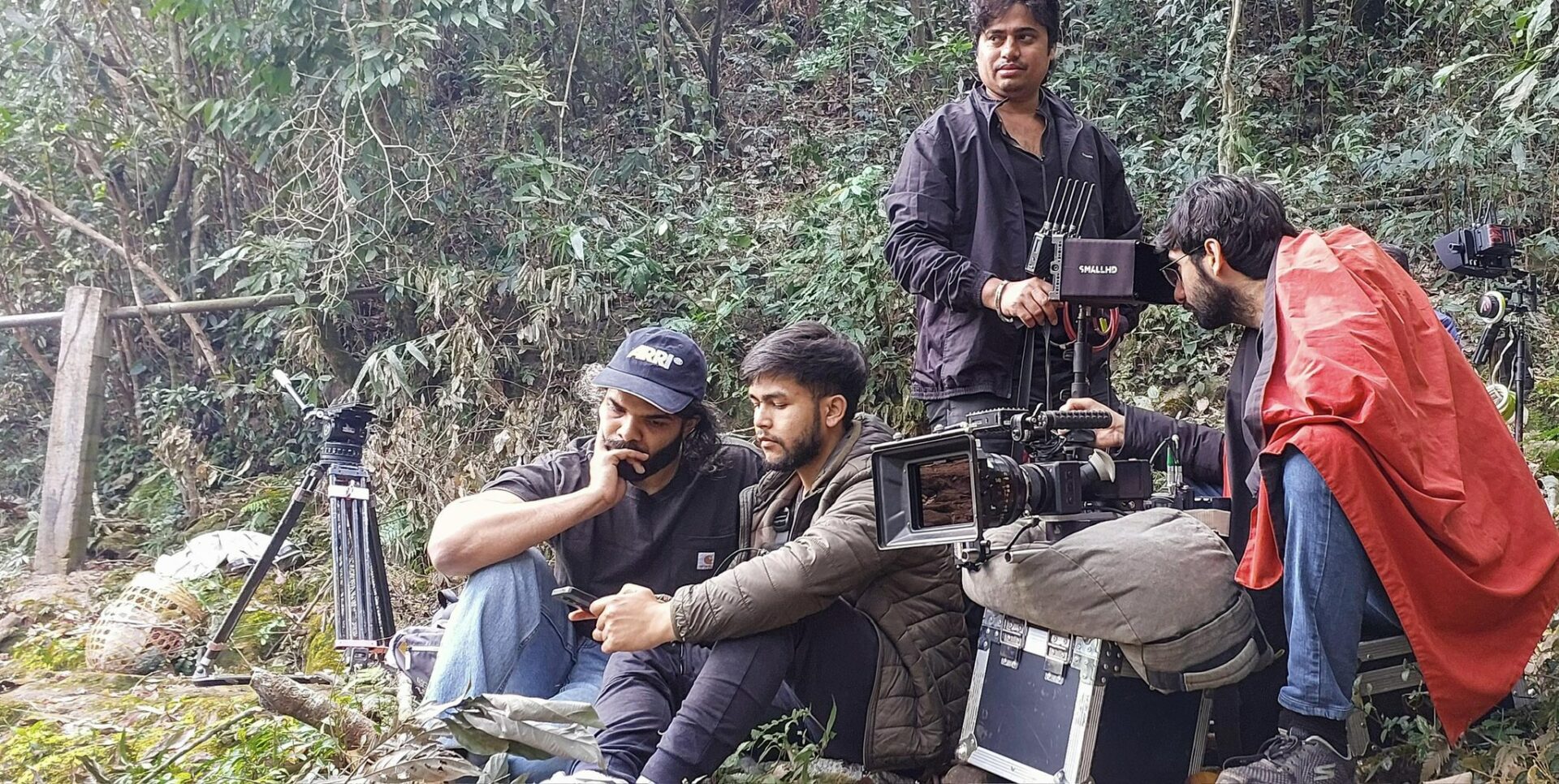
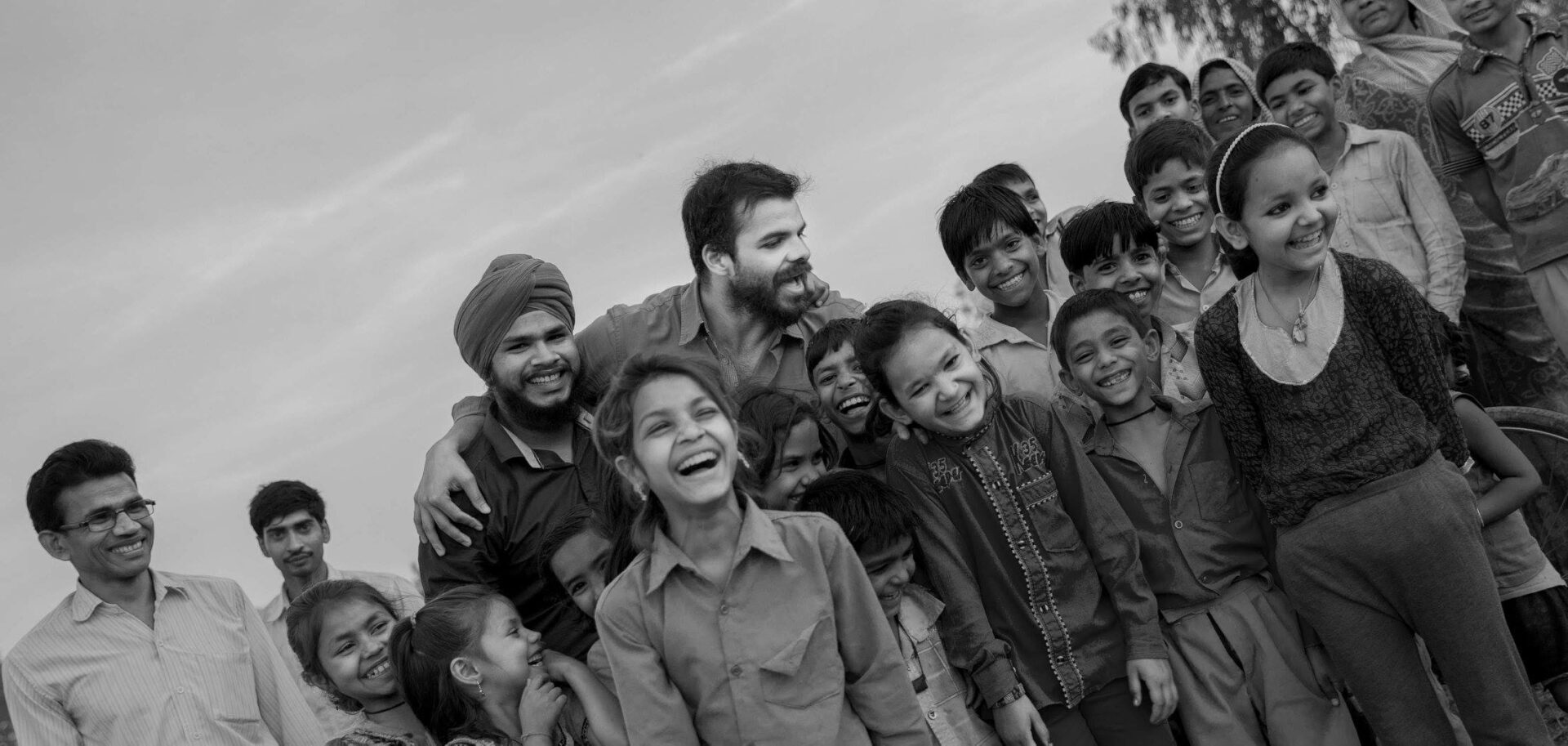
I’ve had the privilege of making films with rural women in India, where they weren’t subjects; they were part of the crew, the process, the heart of it all. It’s about making sure their stories are told by them, not for them, and making these narratives as real and powerful as they deserve to be.
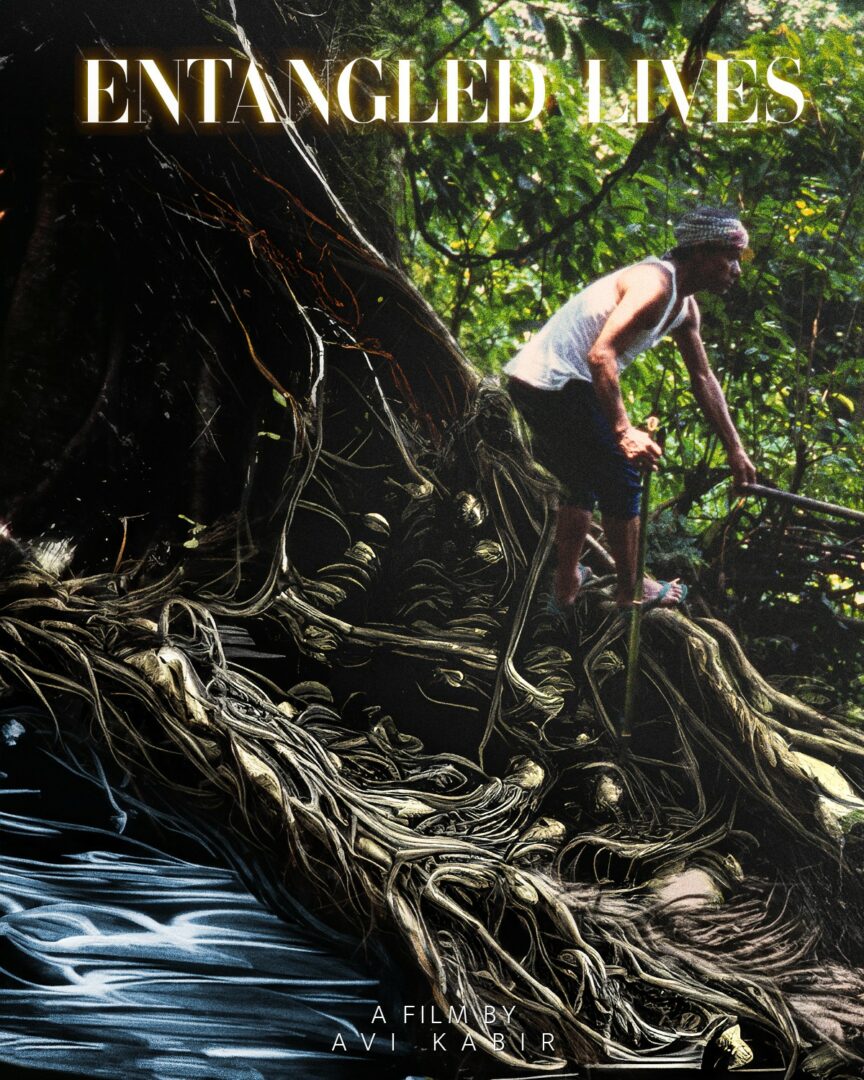
The most exciting thing for me? It’s how film can actually make a difference—not just in the world of cinema but in actual communities. Take Entangled Lives, a documentary I worked on in Meghalaya with the World Bank. This project showed the life and resilience of people living near the Living Root Bridges, aiming to protect these natural marvels through film. We created a piece that, in some wild turn, has been part of efforts to secure UNESCO Heritage status for these bridges. Seeing your work echo out and help in concrete ways is what really gets me.
Next, I’ve got The Fog Catcher, a short film about resilience. It’s set in a drought-stricken village hit village where a girl sets out to harvest water from the fog. It’s rooted in science and inspired by the resourcefulness of children facing scarcity. And sure, it’s poetic and deep, but it’s also about how much we can learn from kids who know how to turn absolutely nothing into magic, scraping together hope and creativity from whatever little they have.
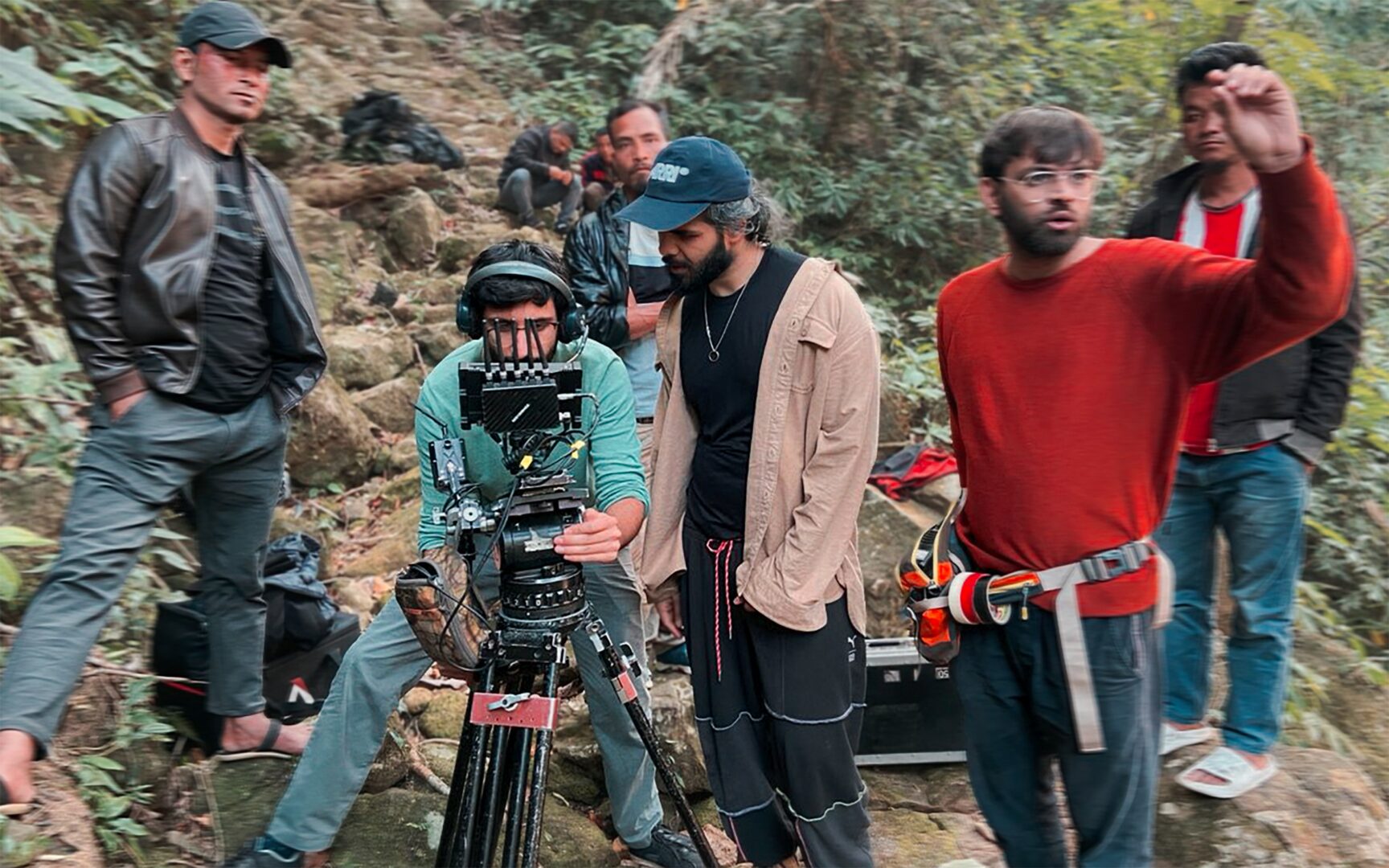
There is so much advice out there about all the different skills and qualities folks need to develop in order to succeed in today’s highly competitive environment and often it can feel overwhelming. So, if we had to break it down to just the three that matter most, which three skills or qualities would you focus on?
1) Staying a Student
One of the reasons I wanted to pursue filmmaking was to keep learning, exploring, and creating—to constantly push beyond what I know. Filmmaking has given me a way to dive into things I don’t fully understand and to follow my curiosity wherever it leads. This drive to learn and unlearn is central to being a student, what some might call a “beginner’s mindset.” It’s a mindset that values asking questions over finding answers, where each exploration brings about new layers to uncover.
Staying a student means more than just searching for solutions; it’s about learning to ask questions, knowing that each answer will eventually lead to another question. This cycle is like a perpetual source of energy, one that keeps me excited, engaged, and aware of the little things often overlooked.
2) Finding Convergence
When I was a kid, my ambitions were scattered all over the place. One day I wanted to be a scientist, the next a pilot, then an astronaut. By the time I was 18, I was convinced I’d be a rockstar, drawn to the idea of playing loud guitar and living in that world of music. It seemed like a solid plan at the time.
Looking back, I can see now that these dreams weren’t random—they were all connected by a deep, underlying curiosity to understand the world and my place in it. I wasn’t jumping from one thing to another; rather, I was exploring different ways of engaging with life. This is something I’ve come to see in my filmmaking today, where I feel a convergence of these different interests and experiences.
The creative process is like an ongoing conversation with the world. It’s a dialogue where each project, each idea, builds on the last. For me, life isn’t about choosing one single path; it’s about embracing all the paths that make us who we are, letting them intersect and enrich one another.
3) Listening to the Faintest, Weakest, Most Marginalized Voices
Growing up, Gandhi’s influence deeply resonated with me, especially his guidance on how to overcome self-doubt and isolation: “Whenever you are in doubt, or when the self becomes too much with you, apply the following test. Recall the face of the poorest and the weakest man [woman] whom you may have seen, and ask yourself, if the step you contemplate is going to be of any use to him [her].” This reminder helped me cultivate empathy, encouraging me to find strength and inspiration in people who, despite overwhelming odds, resist oppression, fight for equality, and persevere through hardship.
I don’t say this from a place of being above pain or insecurity; I say it because I feel them too. But seeing myself as part of a broader human experience helps put things in perspective and my struggles don’t feel as insurmountable.
Empathy, I’ve found, isn’t a single act but a continual process—one that gives us the resilience to live more fully, to do more with what we have, and to feel more connected to the world around us. It’s the practice of seeing beyond ourselves, which, in a way, is a superpower that lets us transcend our limitations and become part of something greater together.
Thanks so much for sharing all these insights with us today. Before we go, is there a book that’s played in important role in your development?
Most people know Orwell for 1984 or Animal Farm, but for me, his Collected Essays was the real treasure. This collection wasn’t about distant dystopias; it was about the gritty, real-life adventures Orwell experienced firsthand.
Two essays that have stuck with me are A Hanging and Shooting an Elephant.
In A Hanging, Orwell describes witnessing an execution in colonial Burma. It’s a stark, almost routine scene, but Orwell zooms in on a small, haunting detail: just before the execution, the condemned man sidesteps a puddle on the ground, preserving his dignity in a split-second instinct. Orwell wrote, ‘It is curious, but till that moment I had never realized what it means to destroy a healthy, conscious man.’ That line landed like a punch. The essay wasn’t just about capital punishment; it was about how our humanity can show up in the smallest, quietest actions, even when faced with the cold machinery of power. It made me realize that no matter how vast or oppressive the system is, there’s this core of shared vulnerability that connects us all.
Then there’s Shooting an Elephant, where Orwell’s role as a colonial officer comes into question. In this essay, he finds himself forced to kill an elephant to maintain his authority in front of a crowd. At that moment, Orwell’s caught in this impossible web—torn between his discomfort with the act and the public pressure to conform. The story hits at so many layers: colonizer versus colonized, duty versus morality, personal conviction versus public image. It’s complex and messy while it captures the vulnerability of being human in the face of powerful, often destructive systems.
Reading these essays felt like exploring some uncharted emotional landscape, one where the line between right and wrong is constantly shifting. Orwell gave us the whole conflicted picture, laying out the emotional and moral consequences of power. It was an invitation to look deeper, to see how fragile the human experience can be within political and social systems, and to understand that behind every decision, there’s a whole network of personal, social, and moral conflicts. Orwell once said, ‘To see what is in front of one’s nose needs a constant struggle,’ this is something I carry with me on every project. Whether I’m capturing a story in front of the camera or observing life around me, I try to look beyond the obvious, to see what’s often overlooked and reveal the human truths in all their messiness.
Contact Info:
- Website: https://www.avikabir.com
- Instagram: https://www.instagram.com/avikabir
- Linkedin: https://www.linkedin.com/in/avi-kabir-4697a6147/
- Other: Spotify: https://open.spotify.com/artist/4s5Cu42kfejElXd0w6nNPJ?si=dB7VGLPZTPmMUQjfPDUTqg
so if you or someone you know deserves recognition please let us know here.