We were lucky to catch up with Bapi Joss recently and have shared our conversation below.
Bapi , thank you so much for taking the time to share your lessons learned with us and we’re sure your wisdom will help many. So, one question that comes up often and that we’re hoping you can shed some light on is keeping creativity alive over long stretches – how do you keep your creativity alive?
Chale, keeping creativity alive in Ghana’s music industry is like keeping a fire burning during rainy season—you need constant attention, the right fuel, and sometimes you have to protect it from things trying to put it out. But I’ve developed some practices that keep my creative energy flowing:
1. I Stay Connected to the Source
My creativity lives in Ghanaian culture itself. I don’t just study highlife from recordings—I go to where the music is still living and breathing. I attend traditional ceremonies, I listen to old men playing seperewa at cultural events, I watch how people dance at weddings and funerals. When I feel creatively blocked, I don’t lock myself in the studio forcing it. Instead, I go to Jamestown and walk through the streets listening to the sounds—the fish sellers, the trotro conductors, the children playing. Ghana itself is constantly creating, and tapping into that energy reminds me why I make music in the first place.
There’s a palm wine bar near my neighborhood where older musicians still gather. Sometimes I just sit there with a drink, listening to them play and tell stories about the golden age of highlife. They’re not trying to impress anyone or go viral—they’re just living the music. That authenticity recharges my creative batteries when the industry’s pressure to “make hits” starts suffocating my artistry.
2. I Collaborate Constantly
Bapi Live isn’t just a business venture—it’s my creative lifeline. When I’m around other artists like Ess Thee Legend, 99phaces, Konney, Black girls glow, and all the incredible talent that comes through our events, I’m constantly inspired. Their different approaches to music, their unique sounds, their struggles and victories—all of it feeds my creativity.
Working with my co-producer Blacks (Nene Osom) is crucial too. We push each other. When one of us is in a creative rut, the other pulls us out. Sometimes creativity isn’t a solo meditation—it’s a conversation, a collaboration, a exchange of energy between people who share a vision.
I also deliberately collaborate across genres. That’s how “Miraku’ Remix” with Joey B happened—bringing together highlife sensibilities with contemporary hip-hop energy created something neither of us could have made alone. Cross-pollination keeps things fresh.
3. I Consume Art Beyond Music
I read—novels, poetry, philosophy, even political essays. I watch films, especially African cinema and documentaries about our history. I visit art galleries when I can. I follow fashion designers, visual artists, dancers. Creativity isn’t isolated—it flows between disciplines. A color palette from a Ghanaian textile artist might inspire a song’s mood. A poem by Kofi Awoonor might give me a lyrical concept. A documentary about Fela Kuti reminds me why artists must have something to say beyond just entertainment.
When I only consume music, my music starts sounding like everything else. But when I feed my mind with diverse creative inputs, unexpected connections happen. That’s where innovation lives—at the intersection of influences that shouldn’t work together but somehow do.
4. I Protect My Mental Space
This is crucial and nobody talks about it enough. Social media can kill creativity faster than anything. The constant comparison, the algorithm’s demands for content, the pressure to go viral—it’s creatively draining. I’ve learned to take deliberate breaks from Instagram and Twitter. Sometimes for days, I just disappear digitally so I can be present creatively.
I also protect my time. Not every event needs my attendance. Not every collaboration opportunity is worth pursuing. Not every trend needs my participation. Learning to say no has been essential. When I’m constantly scattered, trying to be everywhere and please everyone, my creativity suffers. But when I’m focused and intentional about where I invest my energy, the creative work deepens.
5. I Stay Physically Active
This might sound unrelated, but chale, it matters. When I’m sedentary for too long, my creativity stagnates. I play football with friends. I take long walks through different Accra neighborhoods. Sometimes I just dance in my room to music that has nothing to do with what I’m working on. Physical movement unlocks mental movement. Some of my best musical ideas have come not while sitting at the keyboard but while walking and letting my mind wander.
6. I Document Everything
Creativity is fragile and temporary. An idea that seems unforgettable at 2 AM is completely gone by morning. I keep voice memos constantly—melodies that come to me, lyrical phrases, rhythmic patterns I hear in everyday life. My phone is full of random recordings: a interesting conversation I overheard at a chop bar, a unique rhythm from a carpenter working, a child singing a playground song that has an infectious melody.
These voice memos become a creative library I can draw from when I’m actively working on new music. Sometimes I’ll revisit a recording from six months ago and suddenly hear what it wants to become.
7. I Allow Myself to Create Badly
This is perhaps the most important thing: I’ve learned that protecting creativity means allowing yourself to make terrible art sometimes. Not everything needs to be a masterpiece. Not every studio session will produce magic. Some days the music sounds like rubbish, and that’s okay.
The pressure to constantly create excellent work kills more creativity than anything else. So I give myself permission to experiment, to fail, to make music that will never be released just for the sake of exploration. That freedom—knowing that not everything has to be perfect—paradoxically leads to better work when it matters.
8. I Remember My ‘Why’
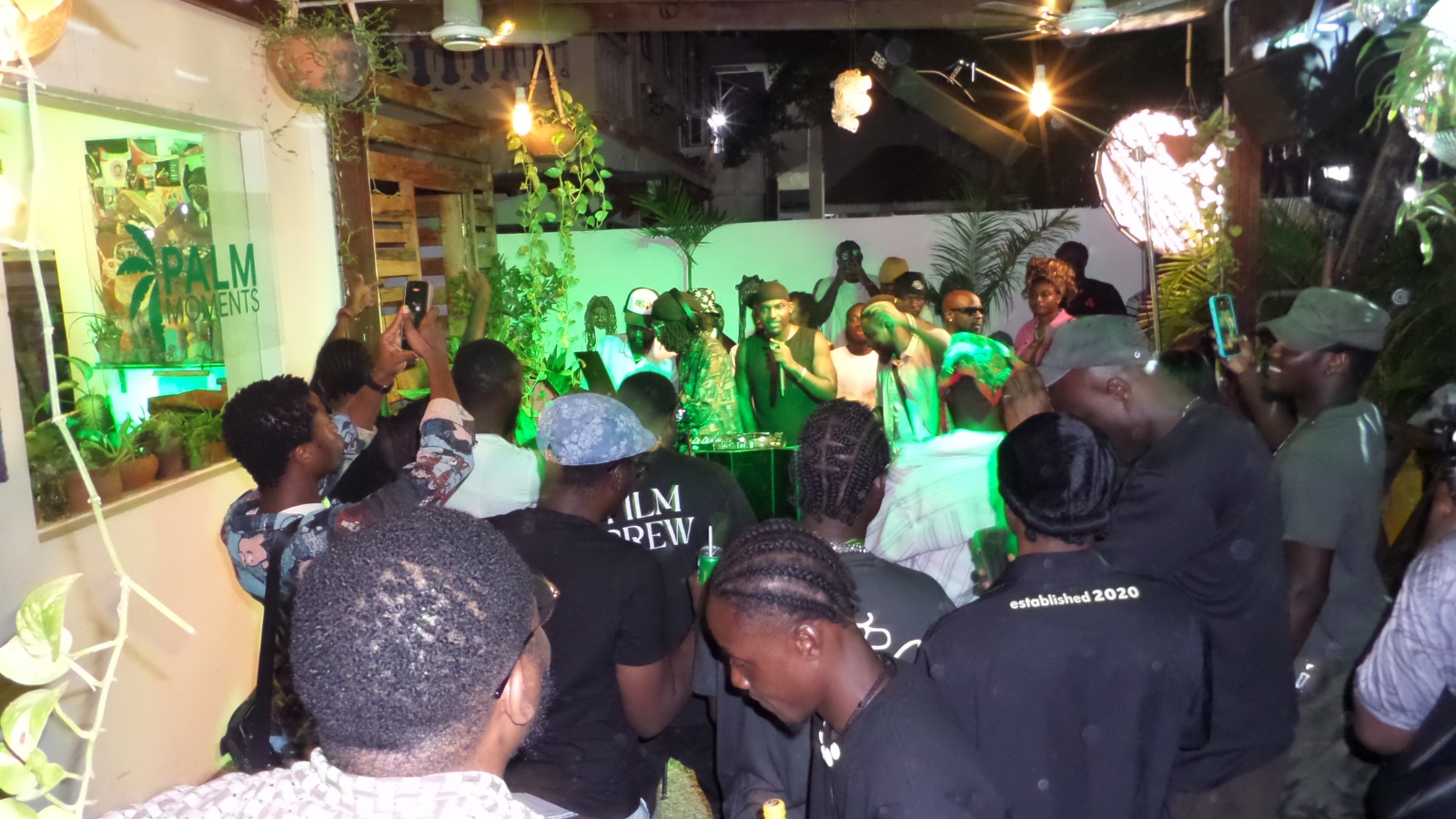
When creativity feels like obligation rather than expression, I go back to my origin story. I remember why I fell in love with highlife in the first place. I remember the first time I heard a song that made me want to make music. I remember the feeling of moving a crowd at that first Ka xoxowo Salon show—150 people at Palm Moments wasn’t just a number, it was confirmation that what we’re building matters.
Purpose fuels creativity. When I’m clear about why I’m doing this—to prove that Ghanaian music can compete globally, to create platforms for emerging artists, to honor highlife while pushing it forward—the how becomes easier. The creativity flows when it’s connected to meaning deeper than just personal success.
The Reality:
Some days, despite all these practices, creativity doesn’t come. The well feels dry. The music sounds stale. The ideas won’t flow. And I’ve learned that’s okay too. Creativity isn’t a faucet you can just turn on. It’s more like weather—sometimes sunny, sometimes stormy, sometimes just quiet and still.
On those days, I rest. I trust that the creativity will return. I remind myself that every artist throughout history has experienced creative droughts. The difference between artists who sustain careers and those who flame out isn’t talent—it’s the ability to keep showing up even when the muse is silent, trusting that she’ll speak again.
Eii, creativity is like tending a garden in Ghana’s sun—it needs constant attention, the right conditions, protection from harsh elements, and patience to let things grow in their own time. But when you do the work, when you stay connected to your roots while reaching for new possibilities, the harvest is sweet.
That’s how I keep the fire burning.
Thanks, so before we move on maybe you can share a bit more about yourself?
I’m Bapi Joss, a Ghanaian highlife artist on a mission to prove that our traditional sounds can speak to this generation and the next—that highlife isn’t museum music but a living, breathing force that can fill clubs, move crowds, and compete on any global stage.
What I Do:
I create contemporary highlife music that honors the genre’s rich legacy while pushing it into new sonic territories. My latest release, “Miraku’ Remix” featuring Joey B and produced with Master Maison, is the perfect example of this vision—taking those warm, rolling highlife guitars and rhythms our parents loved and marrying them with modern production, trap-influenced drums, and the energy of today’s Accra. It’s music for people who want to feel connected to their roots while dancing in their Jordans, not their father’s leather shoes.
But I’m building something bigger than just releasing songs. I’m the creative force behind Bapi Live, a music experience and cultural movement that’s rapidly becoming one of Ghana’s most anticipated creative gatherings. Working alongside my co-producer Nene Osom (Blacks), we’ve created a platform that showcases Ghana’s emerging talent in spaces that actually understand what we’re trying to build.
What Makes This Special:
What excites me most is watching Bapi Live evolve from an idea into a genuine movement. We started at Ka xoxowo Salon with intimate performances—artists like Niashun, Titi Owusu, Riddim warrior, Mac M, Josh black, Marince Omario, Ess Thee Legend, Dj kisses, and Broni bringing their authentic energy to a room that could barely contain it. The vibe was electric, but it was small, experimental—we were testing whether this could work.
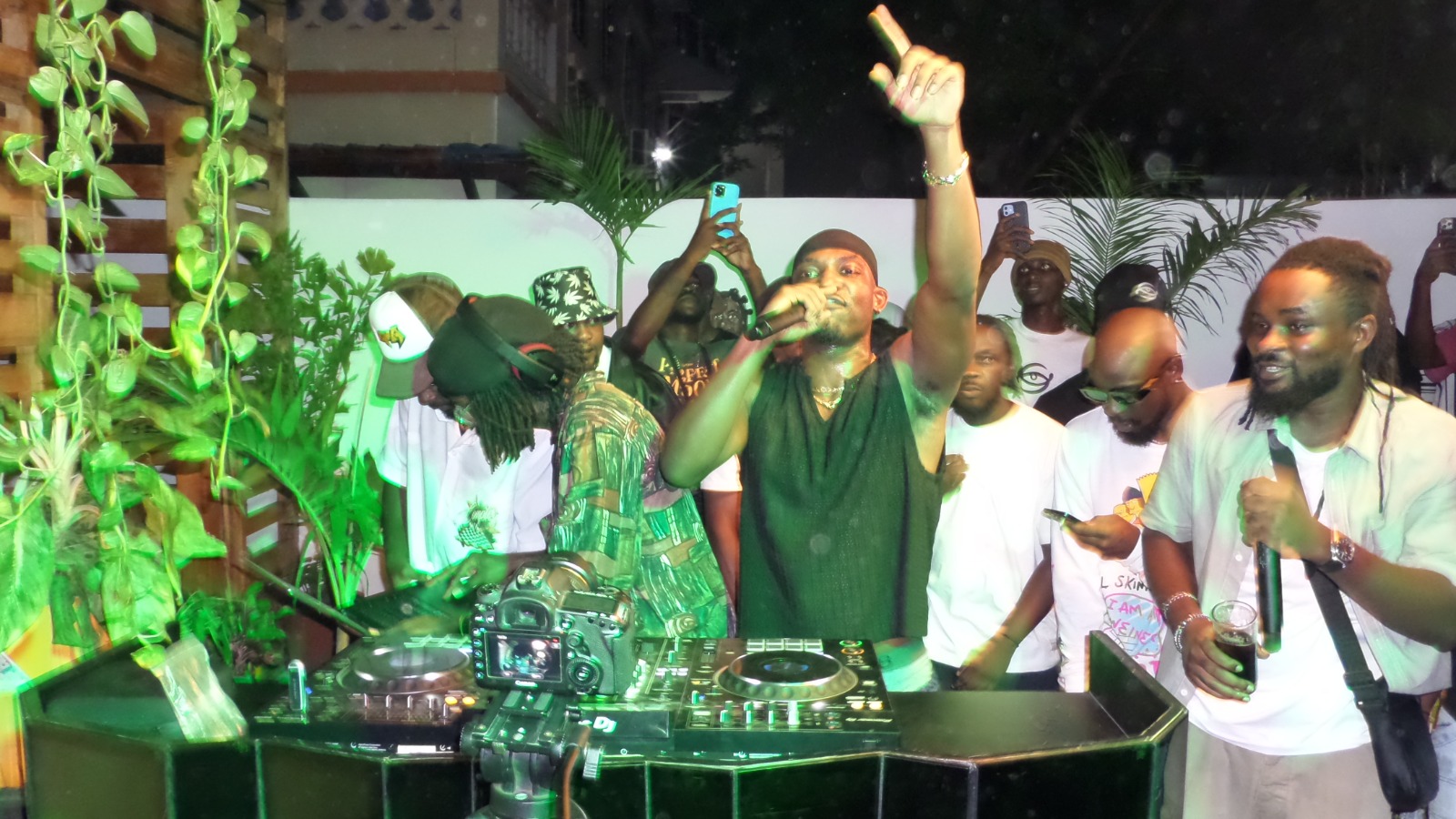
Then we did it again. And again. And on December 10th, we packed 150 people into Palm Moments for our third edition. One hundred and fifty souls. That’s not just growth; that’s validation that what we’re building matters. The lineup was exceptional—Konney, Cobi fori, Ess, Safo NP & S3nti (Black girls glow), Myra Kay, 99phaces, Joojo addison, Sevtunezz, Deerill, Ohene Parker, Efe Oraka, with VJ Scaro co-hosting and Kayso bringing that energy. Reez and GFlamee on the decks created an atmosphere that felt like the future of Ghanaian music was happening in real-time.
What makes Bapi Live different is the curation and the intention. This isn’t just booking random artists and hoping for the best. We’re building an ecosystem, a community of creatives who elevate each other. When 99phaces performs “Maabena” and the crowd goes wild, when Konney drops “Red Cup” and everyone loses their minds, when Black girls glow brings that femme energy that makes the whole room shift—that’s not just entertainment. That’s culture being created live, in the moment, with everyone present as witnesses and participants.
What’s Next:
The “Miraku’ Remix” video is currently being shot, and trust me, it’s going to capture the same untamed energy that defines Bapi Live. We’re not doing the typical “artist in expensive locations looking pensive” thing. This will feel like you’re actually at one of our events—the movement, the community, the pure joy of Ghanaian creativity unleashed.
Bapi Live is expanding. Each event builds on the last, and we’re committed to making this a consistent platform where Ghana’s best emerging artists get the spotlight they deserve—not as opening acts for someone from abroad, but as the main event, the reason people show up, the stars they already are.
The Bigger Vision:
Here’s what I want people to understand about my brand: I’m not trying to be the next anyone. I’m trying to be the first Bapi Joss. In a music landscape where young Ghanaian artists often feel pressure to sound American or British to be taken seriously, I’m betting everything on the opposite approach—that being deeply, authentically Ghanaian is actually our greatest strength.
Highlife built Ghana’s music identity. Osibisa took it global in the ’70s. Daddy Lumba made it the soundtrack of everyday Ghanaian life. Now it’s our generation’s turn to carry it forward, not by preserving it in amber but by letting it breathe, evolve, and collide with trap, Afrobeats, hip-hop, whatever feels right. That fusion, that cultural confidence—that’s what I’m about.
Bapi Live is the physical manifestation of this philosophy. It’s a space where experimentation is celebrated, where emerging artists get treated like headliners, where the crowd comes for the collective experience rather than just one name on a poster. We’re proving that Ghana’s creative scene doesn’t need validation from outside—we can create our own platforms, our own movements, our own moments.
For anyone following my journey: Stream “Miraku’ Remix” featuring Joey B—it’s out now on all platforms. Come to the next Bapi Live event (trust me, you don’t want to miss it). Follow the movement as we continue building something unprecedented in Ghana’s music scene.
And if you’re a young creative wondering if there’s space for your authentic voice, watching Bapi Live should answer that question. There’s not just space—there’s a whole movement waiting for you to join it.
There is so much advice out there about all the different skills and qualities folks need to develop in order to succeed in today’s highly competitive environment and often it can feel overwhelming. So, if we had to break it down to just the three that matter most, which three skills or qualities would you focus on?
Looking back at my journey as a young Ghanaian highlife artist, three qualities have been absolutely transformative:
1. Cultural Authenticity with Global Vision
The most impactful realization has been understanding that you don’t need to abandon your roots to reach the world—in fact, your roots ARE your competitive advantage. Highlife isn’t old-fashioned; it’s timeless.
The rhythms our grandparents danced to can make today’s generation move just as powerfully when you reimagine them with contemporary production.
Don’t run from being Ghanaian in pursuit of sounding “international.” The world is hungry for authentic sounds they can’t get anywhere else. That’s why “Miraku’ Remix” works—it’s unapologetically highlife but speaks a language that resonates beyond Accra.
My advice: Study the masters like Osibisa, Ebo Taylor, and Daddy Lumba, but don’t just copy them. Understand WHY their music moved people, then translate that emotional truth into today’s sonic landscape. Your heritage is not a handicap; it’s your signature.
2. Community Over Competition
Creating Bapi Live taught me that collaboration multiplies impact in ways solo efforts never can. When I brought together artists like Ess Thee Legend, 99phaces, Konney, Black girls glow, and others, something magical happened—we created a movement, not just a concert. Each artist elevated the others. The crowd didn’t come for just one person; they came for the collective energy, the ecosystem.
My advice: Build your community early. Support other artists genuinely, not transactionally. Share stages, share knowledge, share opportunities. The rising tide lifts all boats, and in Ghana’s creative scene, we need more boats rising together. Those WhatsApp groups, those late-night studio sessions, those collaborations that might not make immediate financial sense—they’re building the infrastructure for something bigger than any one hit song.
3. Patience Married to Relentless Action
This is the hardest balance to strike. Highlife taught me patience—it’s music built on grooves that breathe, that take their time, that don’t rush the feeling. But the music industry demands hustle, consistency, constant content. I’ve learned that patience doesn’t mean passivity. It means working tirelessly while trusting the process, planting seeds knowing you won’t harvest tomorrow.
From Ka xoxowo Salon’s intimate beginnings to 150 people at Palm Moments didn’t happen overnight. Each show built on the last. Each conversation, each rehearsal, each seemingly small decision compounded. The “Miraku’ Remix” with Joey B is the result of years of relationship-building, skill-development, and strategic patience.
My advice: Create consistently, but don’t measure your worth by immediate results. If you’re early in your journey, focus on these three things: (1) Get undeniably good at your craft—woodshed until your sound is unmistakable, (2) Document everything and build your audience one genuine fan at a time, even if it’s slow, (3) Think in campaigns, not just songs. How does this track connect to a visual? How does that visual connect to a live experience? How does that experience build toward the next release?
Bonus insight: Learn the business. Understand publishing, distribution, licensing, contracts. Creative excellence without business literacy is a recipe for exploitation. You can be artistic AND protect your interests—in fact, you must be both.
The journey isn’t linear, and there will be moments when it feels like nothing is moving. But if you stay rooted in authentic expression, build genuine community, and marry patience with relentless action, you’re not just building a career—you’re participating in the evolution of Ghanaian music itself.
Eii, we’re really onto something special here in Ghana. The world is watching, and it’s our time to show them what we’ve got.
One of our goals is to help like-minded folks with similar goals connect and so before we go we want to ask if you are looking to partner or collab with others – and if so, what would make the ideal collaborator or partner?
Absolutely, I’m actively looking for collaborators who share the vision of elevating African music and culture to new heights—not just in Ghana, but across the continent and globally.
Who I’m Looking For:
Artists & Musicians (Africa & Global):
Vocalists, instrumentalists, producers, and songwriters from Lagos to Nairobi, Johannesburg to London, New York to Paris—anyone passionate about exploring how African sounds can shape global music. If you’re experimenting with how traditional rhythms from any part of the continent can speak to this generation, we need to connect. I’m particularly interested in collaborating with artists who aren’t afraid to be authentically African while pushing sonic boundaries—people who understand that our diverse cultures are our collective strength, not something to dilute for Western markets.
Visual Creatives (Worldwide):
Videographers, photographers, graphic designers, and visual artists anywhere in the world who can help translate the energy of African creativity into compelling visual stories. The “Miraku’ Remix” video we’re currently shooting is just the beginning. I need creatives who understand that African aesthetics—our colors, our textures, our visual languages from Accra to Addis Ababa—can compete on any global stage. If you’re in Brooklyn or Brixton and understand African visual culture, you’re just as valuable as someone in Accra.
Event Producers & Venue Owners (Continental & Diaspora):
People who understand that what we’re building with Bapi Live is a blueprint that can work anywhere. Whether you’re running spaces in Kampala, Dakar, Berlin’s African diaspora scene, or Toronto’s vibrant African communities—if you believe in creating platforms for emerging African talent, let’s talk. I’m looking to expand the Bapi Live concept beyond Ghana’s borders and create consistent opportunities for our global creative community.
Diaspora Connectors:
African creatives in the diaspora who want to bridge the gap between the continent and global markets. If you’re navigating spaces in London, Atlanta, Toronto, Paris—places with significant African populations and influence—and you understand both worlds, you’re exactly who I need. The future of African music is built on these connections.
Brand Partners & Sponsors (Global):
Forward-thinking brands worldwide that want to align with authentic African culture and support emerging artists. Not brands looking to exploit our culture for marketing points, but genuine partners who understand that investing in African artists is investing in the future of global music. Whether you’re an African brand expanding internationally or a global brand seeking authentic African partnerships, let’s connect.
Media & Content Creators (International):
Bloggers, podcasters, journalists, and digital media platforms worldwide that want to tell authentic stories about Africa’s evolving music scenes. From Complex to The Fader, from BBC to local African platforms—if you’re interested in documenting this movement as it unfolds across borders, I’m here for it.
Collaborators from Other Genres & Cultures:
I’m also open to working with non-African artists who genuinely respect and want to learn from African music traditions. Some of the most exciting music happens at intersections—when Latin rhythms meet Afrobeat, when jazz musicians collaborate with highlife artists, when electronic producers sample talking drums. If you approach collaboration with cultural respect and genuine curiosity, not extraction, we can create something beautiful.
How to Connect:
If you’re reading this from anywhere in the world and something resonates, here’s how to reach me:
Instagram: @bapijoss – DM me directly. I actually read my messages, especially from people who come with genuine collaborative energy. Tell me where you’re based, what you do, what excites you about the vision, and how you think we could create something together.
For more formal collaborations or business inquiries, reach out through my management. You can find contact details on my social media profiles.
Come to Bapi Live (or bring it to your city): If you’re in Ghana, show up to the next event. If you’re elsewhere and want to help bring the Bapi Live concept to your city—whether that’s Kigali, London, or Atlanta—let’s have that conversation.
What I Value in Collaborators:
Authenticity over clout:
I’d rather work with someone genuinely passionate about African music than someone with a big following but no real connection to the culture.
Cultural respect:
If you’re not African but want to collaborate, come with humility and genuine desire to learn. The best global collaborations happen when everyone brings their authentic selves while respecting each other’s cultures.
Work ethic:
This movement is built on relentless action. I need people who show up, who do the work, who understand that excellence isn’t accidental—whether you’re in Accra or Amsterdam.
Pan-African & global consciousness: People who understand we’re not just making entertainment—we’re participating in African music’s global evolution and proving that African artists can compete and lead on the world stage.
Long-term thinking: I’m not interested in one-off transactions. I’m building an ecosystem that spans continents, and I want collaborators who see themselves as part of something bigger than any single project.
What You Can Expect from Me:
Complete commitment to excellence, respect for your craft wherever you’re from, fair collaboration (because artists deserve to be compensated properly regardless of geography), and the opportunity to be part of a movement that’s genuinely trying to shift how African music is perceived and consumed globally.
The Vision:
Highlife was global in the ’70s with Osibisa. Afrobeat conquered the world through Fela. Afrobeats is dominating now through artists like Burna Boy and Wizkid. The next wave of African music will be built by artists like us who understand that we don’t need permission from Western gatekeepers—we can build our own platforms, create our own movements, and invite the world to participate on our terms.
Whether you’re an established name or someone just starting out, whether you’re in Kumasi or Copenhagen, if the vision aligns and the work ethic is there, let’s build something extraordinary together.
Eii, Africa’s creative future is bright, and there’s room for everyone who’s serious about the work—no matter where you’re based. Let’s connect and create something the ancestors and the global stage would be proud of.
The world is watching. Let’s give them something they can’t ignore.
Contact Info:
- Instagram: https://www.instagram.com/bapijoss?igsh=MWdvY2ZyMXQ0c2Mxaw==
- Twitter: https://x.com/bapijoss?s=21
- Youtube: https://youtube.com/@bapijoss?si=e0OYkzY1XuN9vZCw
so if you or someone you know deserves recognition please let us know here.