We’re excited to introduce you to the always interesting and insightful Becky Kamp. We hope you’ll enjoy our conversation with Becky below.
Hi Becky, thanks for sharing your insights with our community today. Part of your success, no doubt, is due to your work ethic and so we’d love if you could open up about where you got your work ethic from?
I would say my work ethic comes from both my father and my grandmother. They were incredibly influential in shaping who I am today. From a young age, they taught me the value of hard work, perseverance, and always striving to do my best.
My father would share stories about his upbringing, which wasn’t always easy. He used to tell me, “I’m going to teach you a better way than I was taught.” He helped run my uncle’s home remodeling business, and through him, I learned what real dedication and discipline looked like. He showed me early on that success comes from consistent effort and taking pride in your work.
My grandmother, on the other hand, taught me to work hard but also to follow what truly makes you happy. She always said, “If you find something you love, you’ll never work a day in your life.” That advice stayed with me. Throughout high school, I focused on maintaining good grades, staying out of trouble, and figuring out what I truly wanted to do. Eventually, I realized my passion was training dogs — and I’ve been working toward that goal ever since.
Great, so let’s take a few minutes and cover your story. What should folks know about you and what you do?
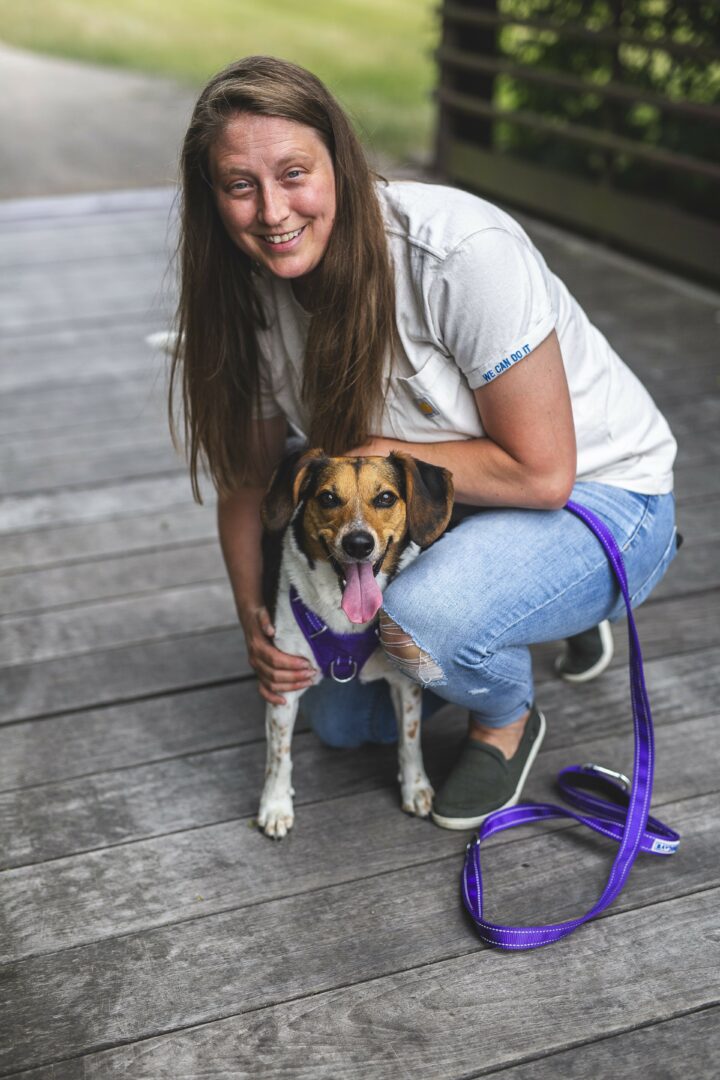
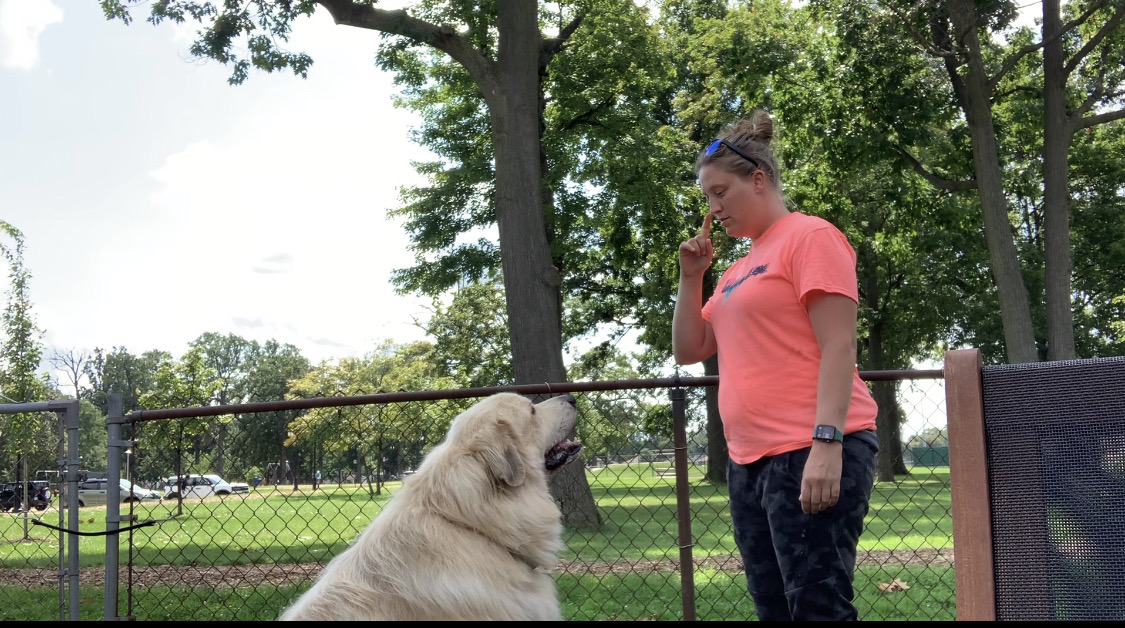
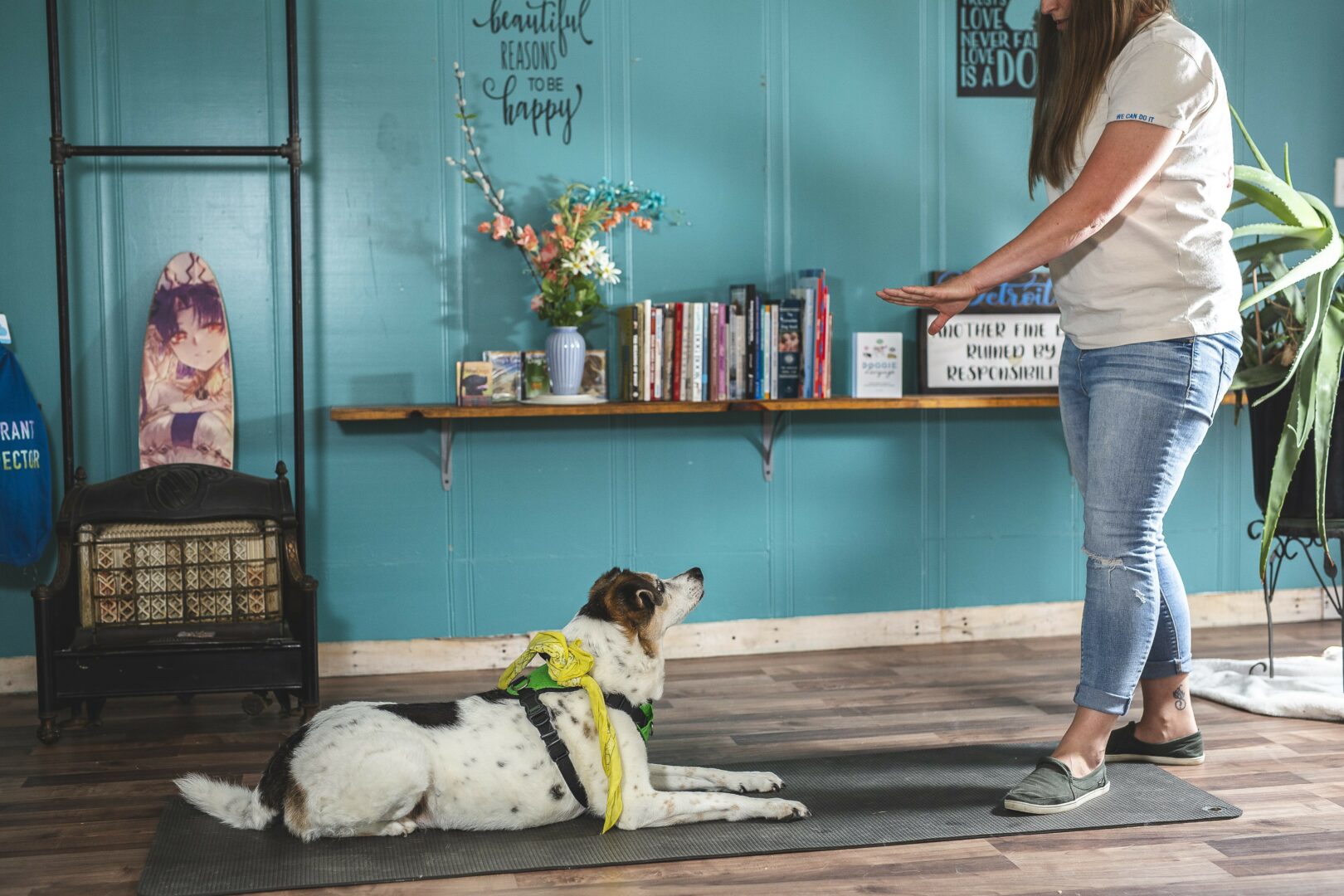
I don’t just train dogs — I train dogs and their owners. My role is to teach the fundamentals of improving unwanted behaviors, whether those behaviors are happening inside the home or out in public. Training isn’t just about obedience; it’s about communication, structure, and building trust between dog and owner.
I work extensively with fearful and anxious dogs using desensitization and counter-conditioning techniques. The goal is to change the dog’s emotional response, not just manage the behavior. When we focus on emotional regulation, we see long-term, meaningful progress.
I also offer structured group classes for owners who want their dogs to learn how to be around other people and dogs in a controlled environment. These classes help improve behavior around distractions and can support dogs in overcoming fears — all without forcing uncomfortable interactions. It’s a form of intentional socialization, where dogs learn confidence and neutrality rather than being pushed into situations that may overwhelm them.
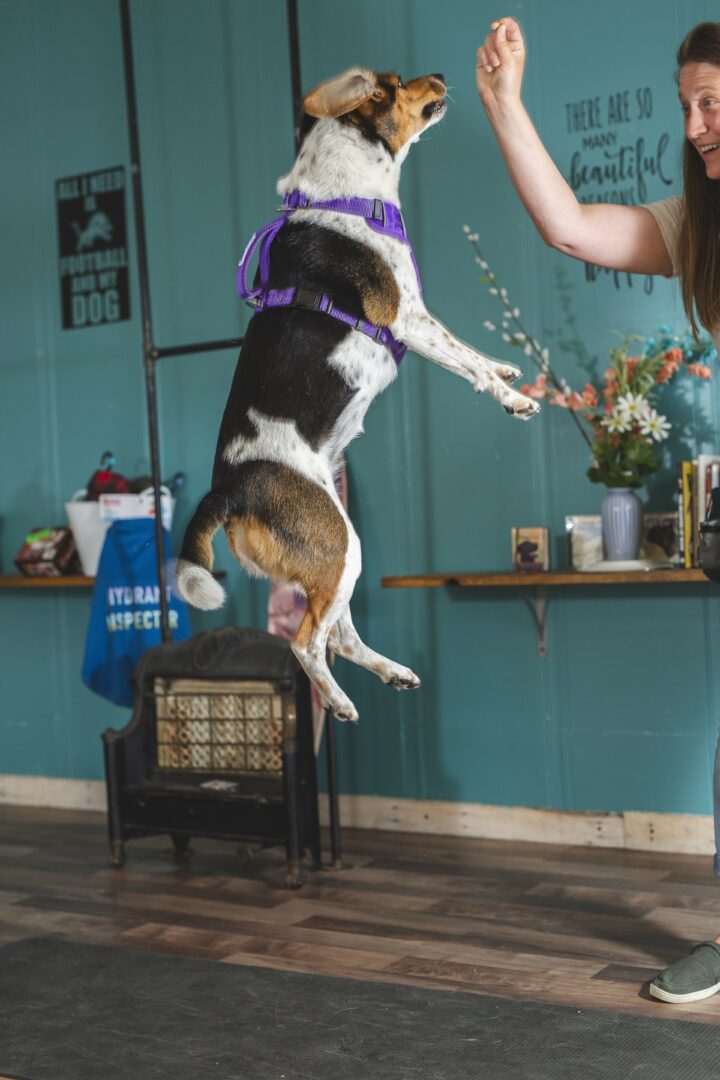
One of the most rewarding parts of my work is watching dogs grow — seeing them learn new cues, gain confidence, and overcome challenges. We hold some incredible group classes, and while we take training seriously, we always make it engaging and fun for both the dog and the owner.
Looking back, what do you think were the three qualities, skills, or areas of knowledge that were most impactful in your journey? What advice do you have for folks who are early in their journey in terms of how they can best develop or improve on these?
Three qualities and areas of knowledge I believe are essential in this industry start with being willing to ask for help. There is real value in learning from other professionals who are making a meaningful impact. Collaboration and mentorship prevent costly mistakes and elevate the standard of care for both dogs and owners. I’ve had the privilege of meeting some truly incredible trainers, and continuing to learn from others has strengthened my own approach tremendously.
Second, continuing education is critical. The science of animal behavior is always evolving, and staying informed ensures that we’re using ethical, effective, and evidence-based methods. Whether that means attending seminars, enrolling in additional courses, or pursuing advanced certifications, growth should never stop. Remaining stagnant in this field ultimately limits the results we can provide our clients.
Third, being a true “people person” is just as important as understanding dogs. Dog training is as much about educating owners as it is about shaping canine behavior. It’s essential to understand each client’s goals, lifestyle, and expectations. At the same time, part of our role is helping owners understand that training takes work — and that not every dog is suited for every environment or activity. Sometimes success means finding balance between what the client hopes for and what the dog is comfortable with and honoring both.
Alright, so before we go we want to ask you to take a moment to reflect and share what you think you would do if you somehow knew you only had a decade of life left?
If I knew I only had a decade left, I would be very intentional about how I spent it. I would focus on building deeper relationships — with my family, my clients, and the dogs I have the privilege of working with. Time would become less about being busy and more about being present.
I would continue training dogs, because this work fulfills me, but I would also spend more time mentoring others in the industry and sharing what I’ve learned. If I could leave behind stronger dogs, more confident owners, and a positive impact on the training community, that would matter deeply to me.
I would travel more, experience new places, and make memories instead of waiting for “someday.” I would prioritize joy — the kind my grandmother always talked about when she said, “If you find something you love, you’ll never work a day in your life.”
Most importantly, I would make sure the people I care about always knew that they were loved and valued. At the end of the day, legacy isn’t about how busy we were — it’s about how we made others feel.
Contact Info:
- Website: https://www.wolfpackdt.com
- Instagram: https://www.instagram.com/wolf_pack_dog_training_mi/
- Facebook: https://www.facebook.com/wolfpackdt/
Image Credits
Photo credit to Jake Schiacchitano for Mount Clemens City Lifestyle
so if you or someone you know deserves recognition please let us know here.