Alright – so today we’ve got the honor of introducing you to Bella Cardim. We think you’ll enjoy our conversation, we’ve shared it below.
Bella, so good to have you with us today. We’ve always been impressed with folks who have a very clear sense of purpose and so maybe we can jump right in and talk about how you found your purpose?
Finding my purpose emerged from navigating profound personal crises and using art as a conduit for healing and expression. I was a food photographer for fifteen years back in Brazil, but my journey took a pivotal turn three months after moving to the United States when my husband suffered a severe accident. He was a cyclist run over by a vehicle, resulting in polytrauma and multiple surgeries. During this harrowing time, as I immersed myself in his care, I lost track of myself, turning to food for comfort. This phase intensified my struggle with emotional eating disorders, a battle I had quietly faced for years.
The turning point came months later, when I started my Master of Fine Arts. The program provided not just an escape, but a platform to confront and articulate the complexities of my relationship with food and self-image. For the first time, I openly addressed my challenges with emotional eating through my art, transforming my personal pain into a broader exploration of universal themes.
This process of creating art allowed me to not only understand and heal myself but also to connect with others facing similar struggles. My purpose crystallized around using my art to spotlight issues that are often stigmatized and hidden in plain sight. Through a blend of photography, sculpture, textile art, and installation, I create works that invite viewers to reflect on their own experiences with body image and self-worth.
Art became my voice, enabling me to fully exist and embrace my true self. It transformed my darkest moments into a source of strength and clarity, illuminating a path where I could help others navigate their own challenges. My purpose is deeply rooted in the belief that sharing our stories can be both liberating and healing, making the invisible visible and the unspeakable discussable.
Let’s take a small detour – maybe you can share a bit about yourself before we dive back into some of the other questions we had for you?
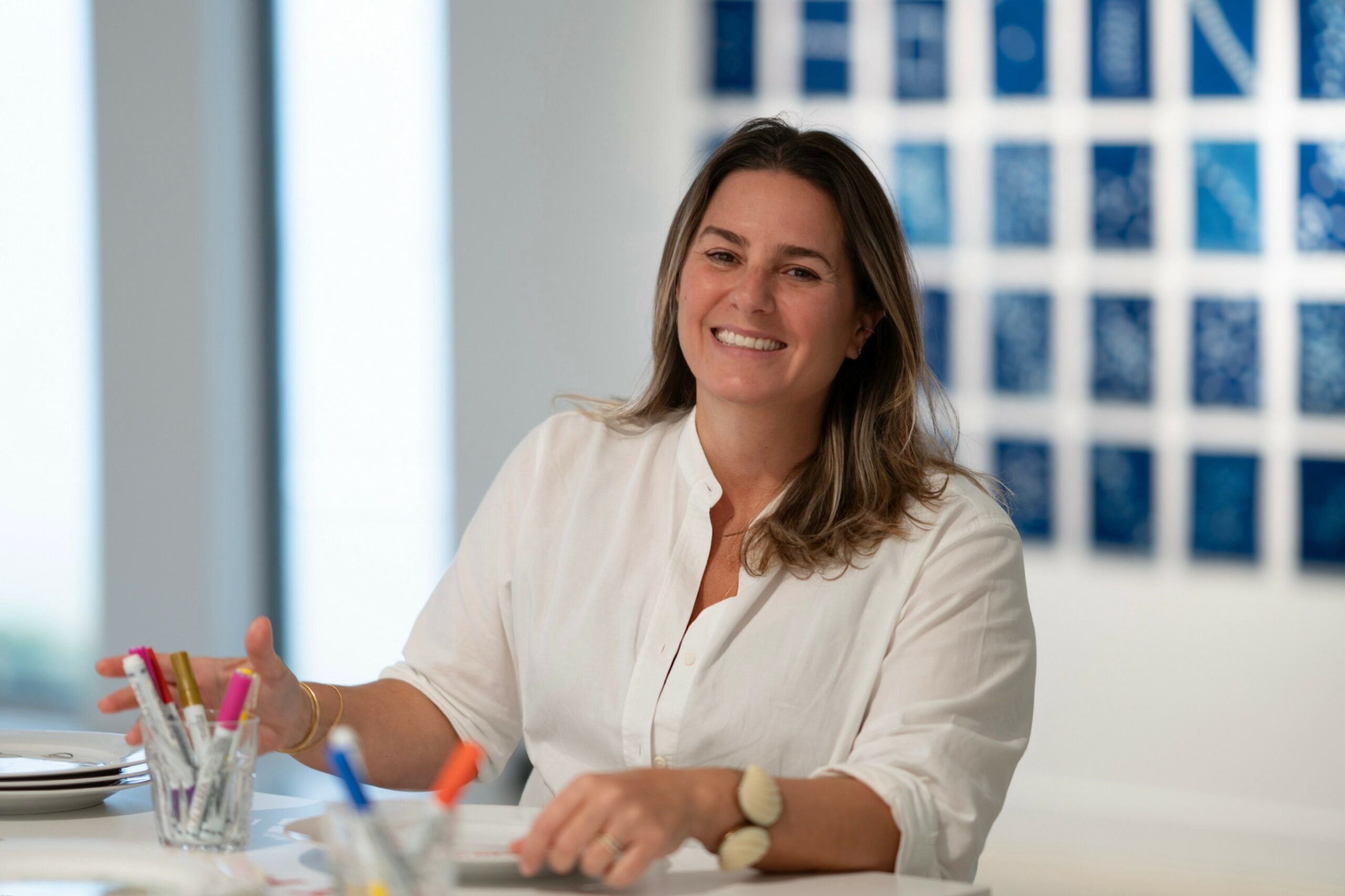
As a Miami-based, Brazilian-born visual artist, my work explores the intricate intersections of emotional hunger, body image, and cultural identity through a multidisciplinary approach. Following a successful career in commercial food photography, a personal crisis catalyzed my shift toward a more introspective artistic practice. What excites me most about my work is its ability to foster deep, meaningful conversations around often stigmatized topics. Utilizing a mix of media—photography, sculpture, textile art, and installation—I strive to make emotions tangible, encouraging viewers to engage with their own stories of nourishment, indulgence, and self-perception. This approach not only demystifies complex feelings but also connects individuals through shared experiences, making my art a catalyst for both personal and communal healing.
My brand is about authenticity and vulnerability, challenging societal norms and embracing our imperfections. Through my art, I invite you to explore your own journey, confront your challenges, and find comfort in the solidarity of shared struggles.
I encourage everyone to join me at my upcoming events or to engage with my work online. By sharing our stories and experiences, we aim to break down barriers and build a more understanding and compassionate community.
There is so much advice out there about all the different skills and qualities folks need to develop in order to succeed in today’s highly competitive environment and often it can feel overwhelming. So, if we had to break it down to just the three that matter most, which three skills or qualities would you focus on?
In reflecting on my artistic journey, three key qualities stand out as foundational to my success: resilience, empathy, and continuous learning. Resilience has been crucial for overcoming personal adversity. This quality transformed my personal trials into a source of creative strength. It taught me to persevere and use adversity as a fuel for my artistic expression. Empathy has allowed me to connect deeply with my audience, particularly when exploring sensitive topics like body image and self-perception. It is through empathy that my art resonates on a personal level with viewers, facilitating a shared experience of vulnerability and understanding. Continuous Learning has kept my artistic practices innovative and adaptive. By constantly acquiring new skills and embracing evolving perspectives, I’ve been able to transition seamlessly from commercial food photography to conceptual art.
Advice: To those at the beginning of their creative careers, my recommendation is to embrace a comprehensive approach to personal and professional development. Engage actively with challenges that push both your emotional boundaries and your skill sets. This holistic growth not only enriches your art but also fortifies your career resilience, deepens your empathetic connections, and ensures your practices remain at the cutting edge of cultural relevanc
Awesome, really appreciate you opening up with us today and before we close maybe you can share a book recommendation with us. Has there been a book that’s been impactful in your growth and development?
Several books have profoundly influenced my artistic practice, each providing unique insights that have shaped my approach to art and its intersection with societal issues.
1. “Photography Changes Everything” by Marvin Heiferman
This book has been instrumental in shaping my understanding of how photography interacts with and influences our perception of the world. It underscores the power of photography not just as a form of artistic expression but as a tool that shapes cultural narratives and personal identities. This has encouraged me to explore how my own work can alter perceptions and provoke dialogue about often overlooked societal issues.
2. “The Beauty Myth: How Images of Beauty Are Used Against Women” by Naomi Wolf
Wolf’s exploration of how beauty standards are constructed and weaponized against women resonated deeply with my work on body image and cultural identity. It highlighted the arbitrary and oppressive nature of beauty ideals, empowering me to challenge these norms through my art. This book has reinforced my commitment to using my platform to question and dismantle these harmful standards.
3. “Camera Lucida: Reflections on Photography” by Roland Barthes
Barthes’ philosophical musings on the essence and effect of photography have deeply influenced my conceptual approach. His notion of the ‘punctum’—the element of a photograph that pricks or wounds the viewer—has driven me to create works that not only capture attention but also evoke an emotional response, making the personal political.
4. “Sugar Blues” by William Dufty
This book’s critique of sugar and its pervasive role in modern society parallels my exploration of food as more than sustenance but as a complex cultural and emotional phenomenon. Dufty’s discussions on the physical and psychological impacts of sugar consumption have prompted me to consider deeper the implications of our food choices, shaping how I address themes of nourishment and indulgence in my art.
Each of these texts has offered valuable perspectives that have enriched my artistic vocabulary, allowing me to engage more effectively with my audience and broaden the scope of my narrative and thematic explorations.
Contact Info:
- Website: https://www.bellacardim.com
- Instagram: https://www.instagram.com/bellacardim/
- Facebook: https://www.facebook.com/BellaCardimPhotography/
- Linkedin: https://www.linkedin.com/in/bellacardim/
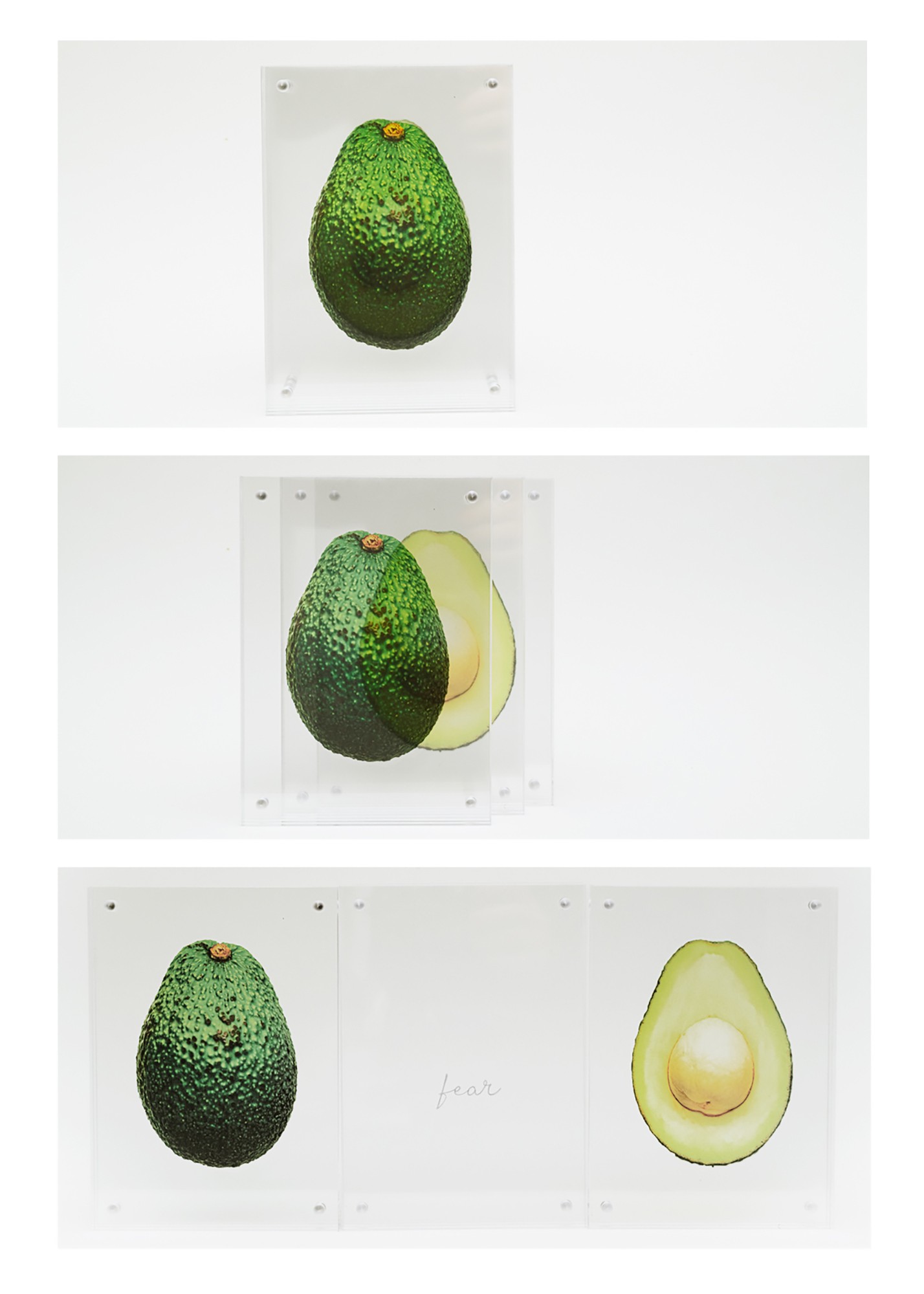

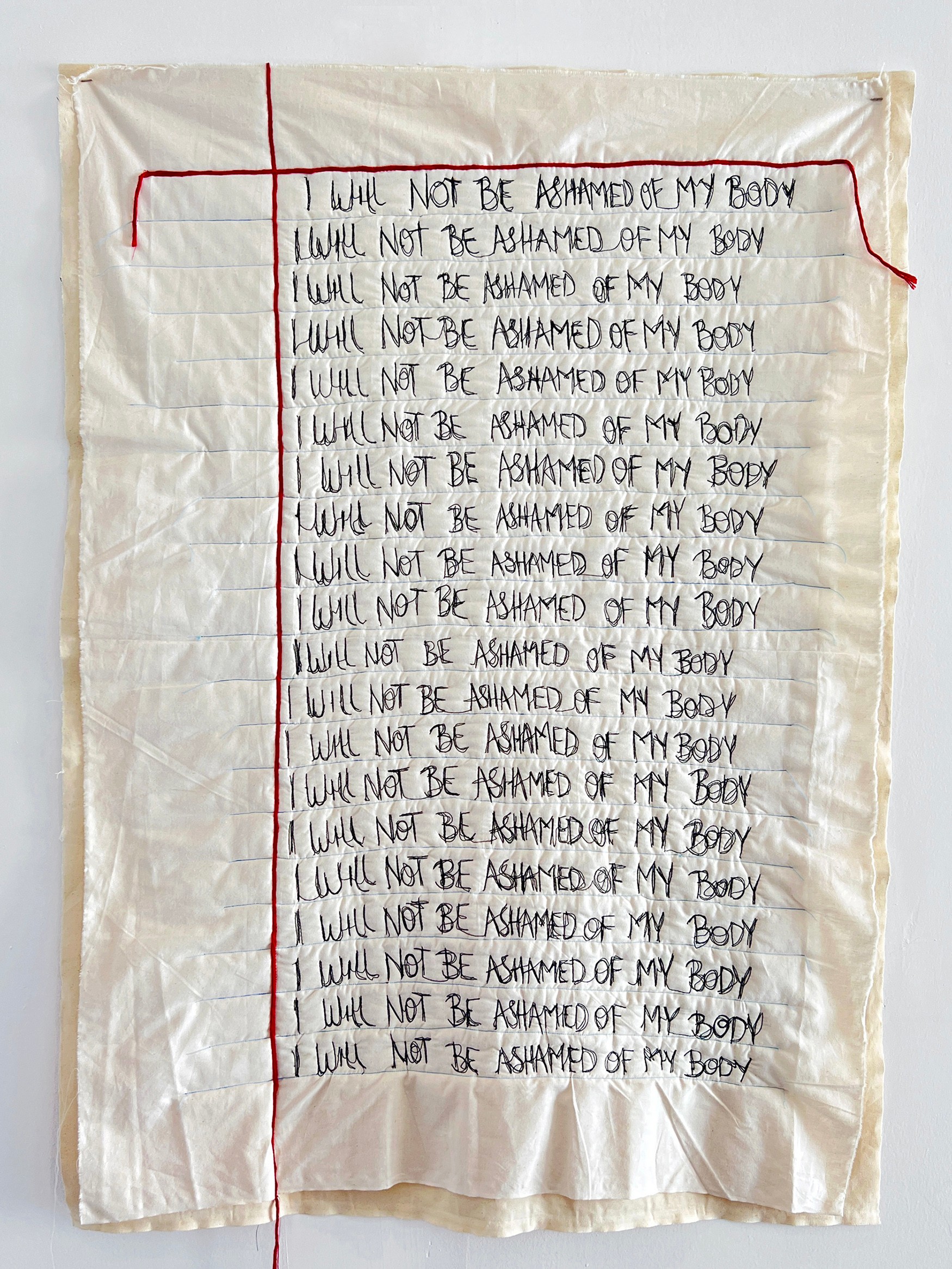
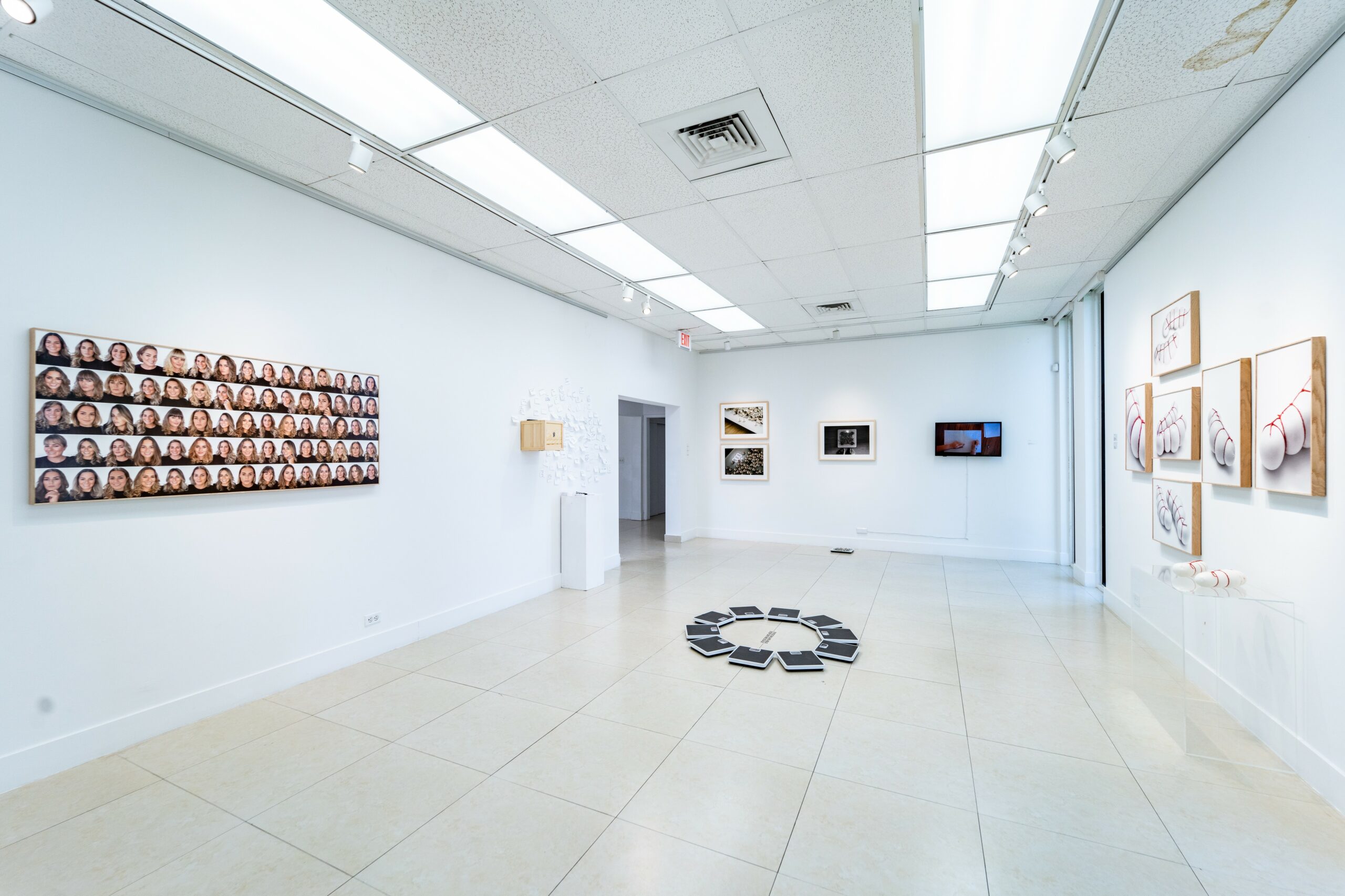
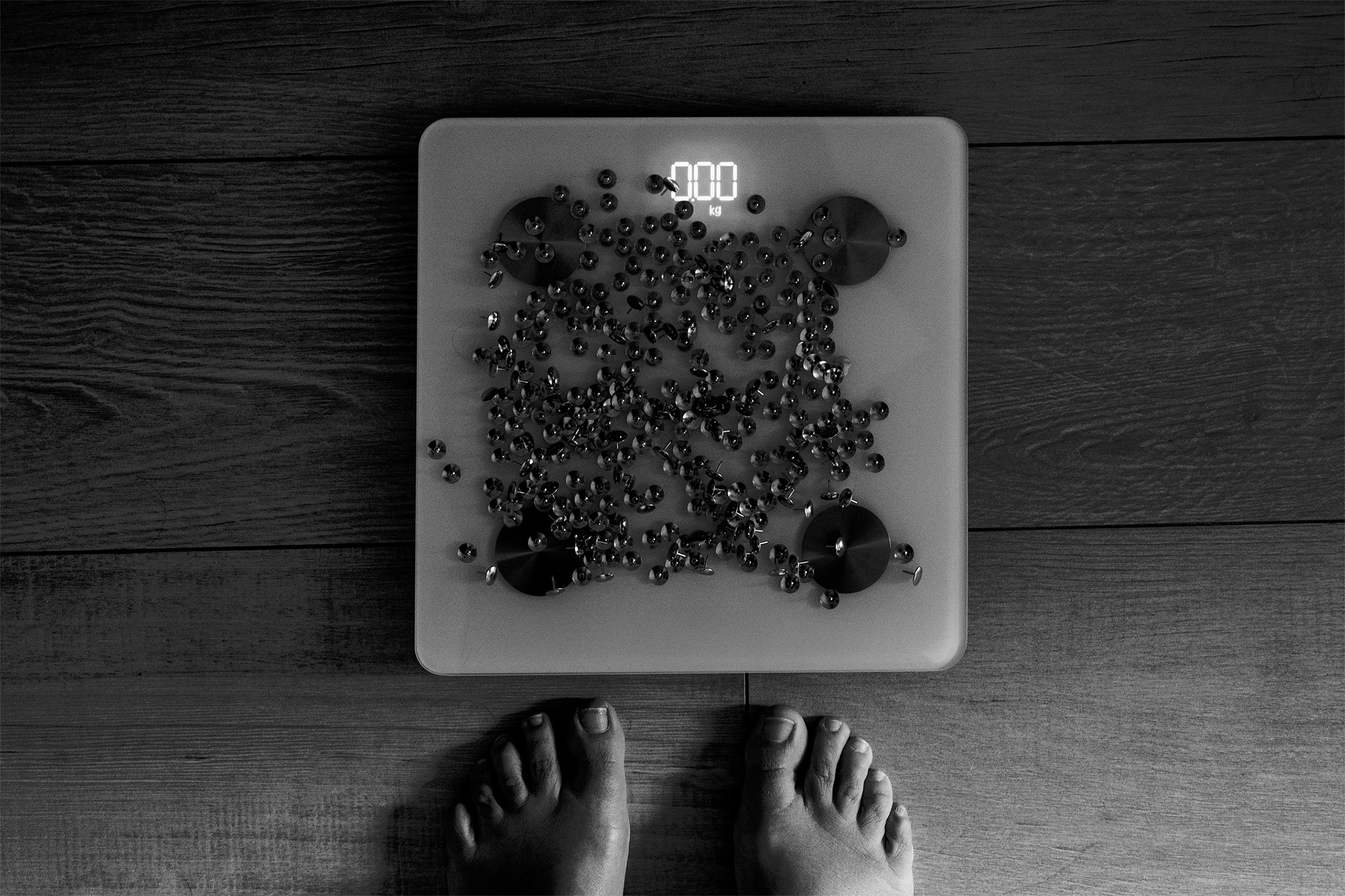
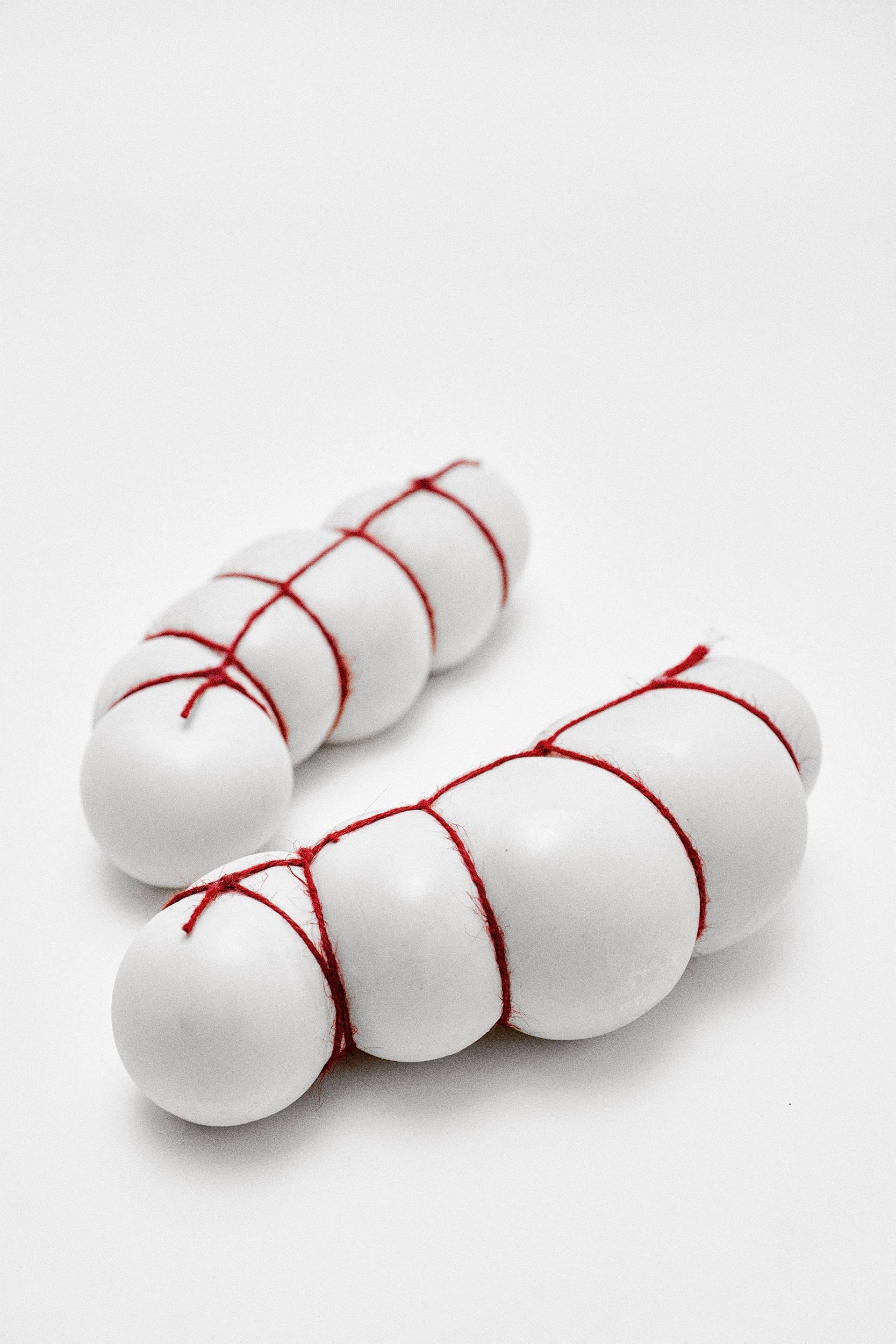

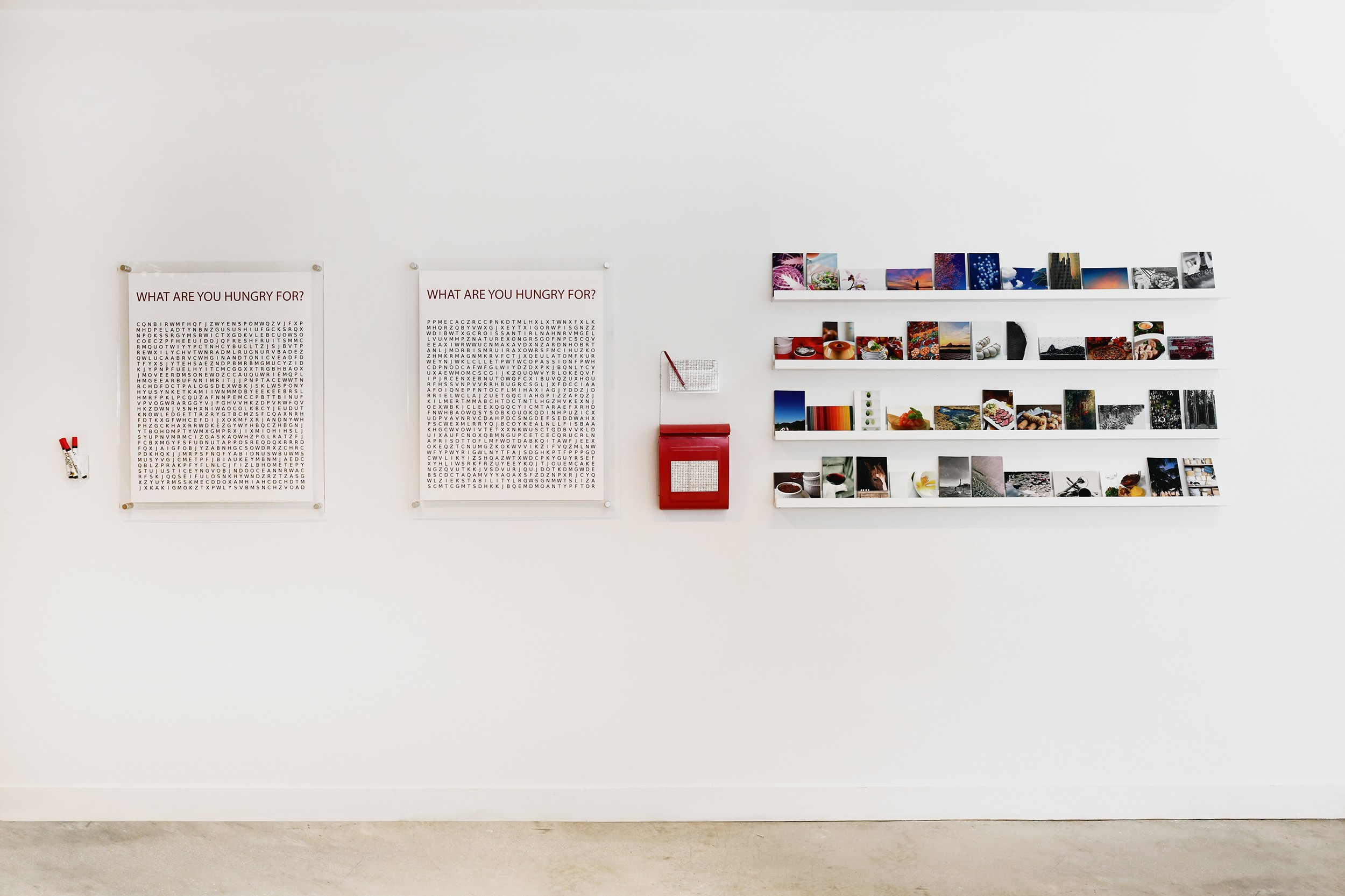
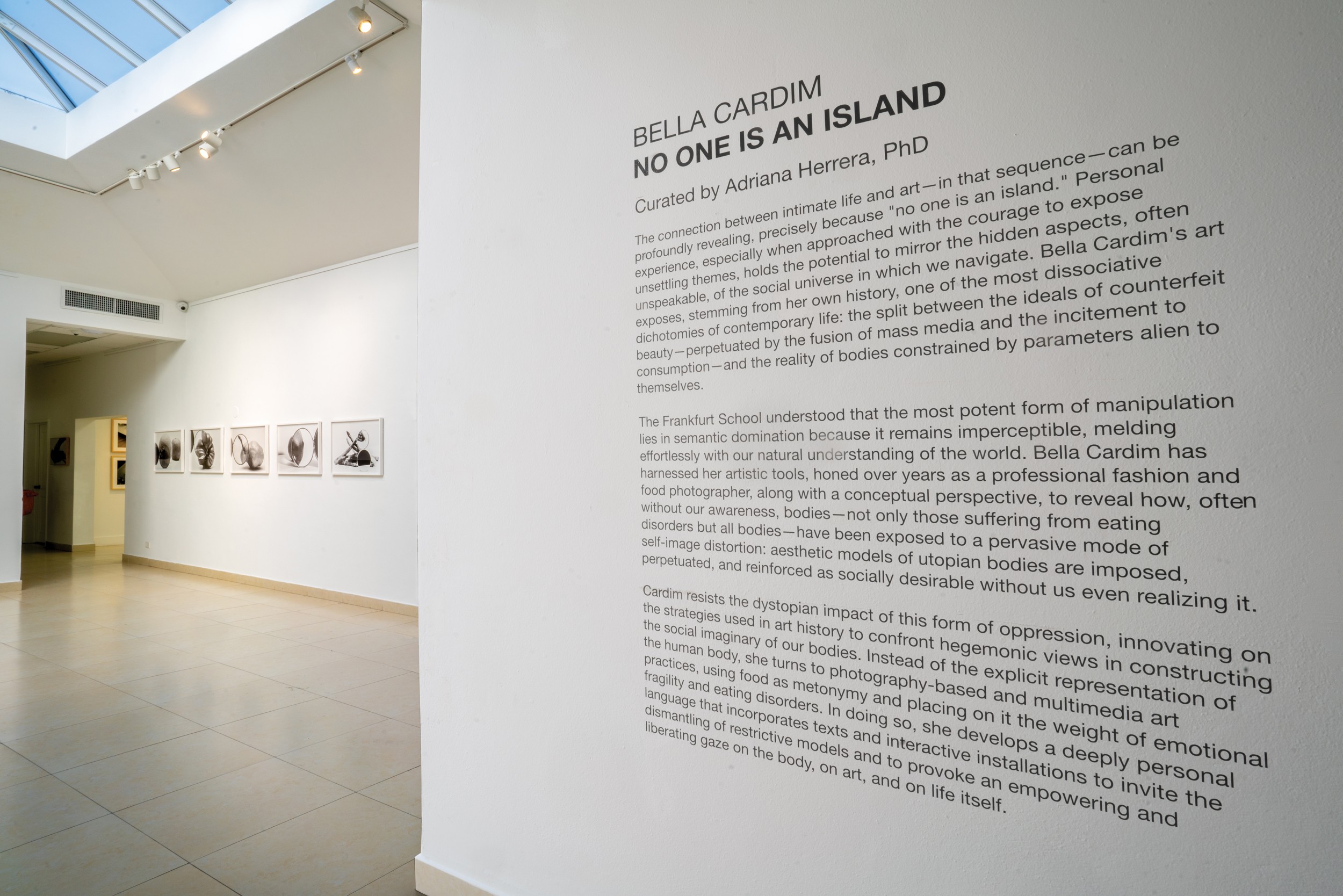
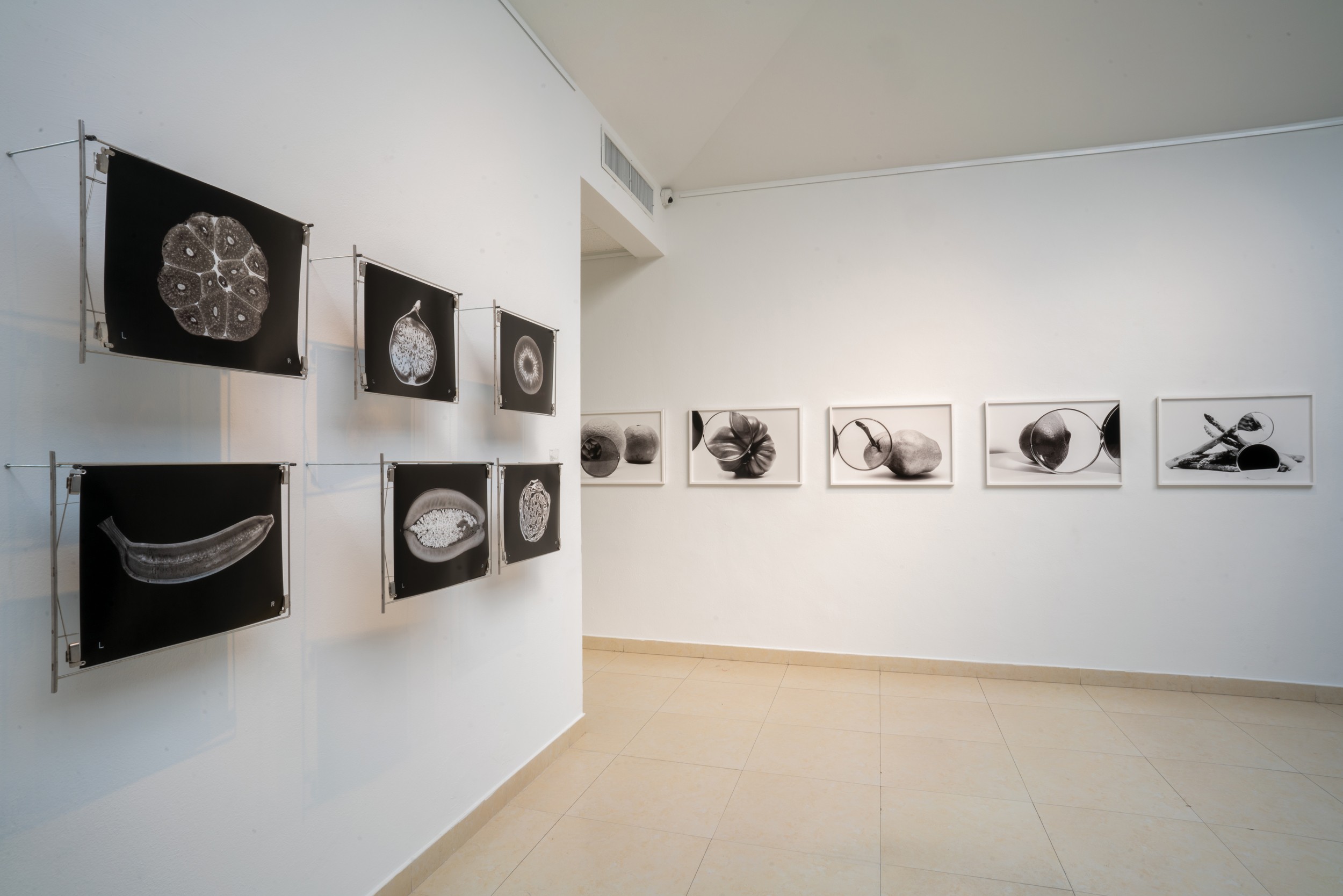
Image Credits
Bella Cardim Brooke d’Avanzo Willy Castellanos