We recently connected with Ben Neill and have shared our conversation below.
Ben, so good to have you with us today. We’ve always been impressed with folks who have a very clear sense of purpose and so maybe we can jump right in and talk about how you found your purpose?
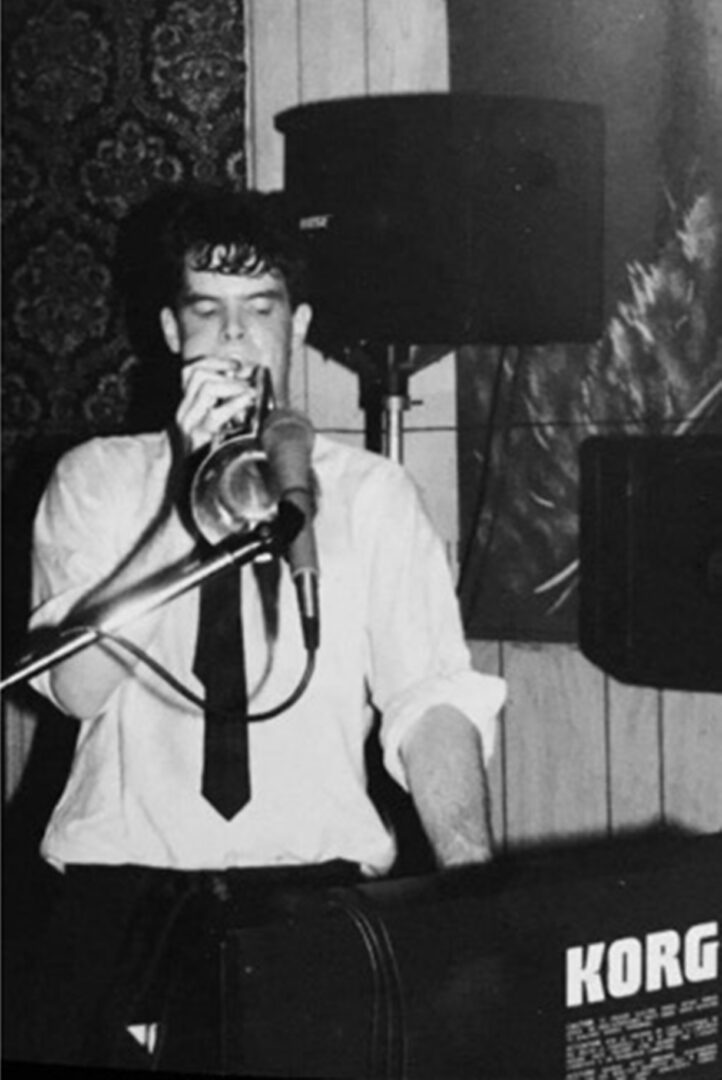
Being an active participant and leader in artistic scenes and communities has played a crucial role in helping me to locate my purpose or calling in life. Back in the early 1980s I was studying to become a classical trumpet player. While I loved classical music, I had grown up with a deep passion for rock and jazz fusion, particularly the music of David Bowie, Brian Eno, and Miles Davis. I was in school in Northeast Ohio, and there was a lively punk/new wave scene happening at that time in Akron, Cleveland, and Kent; Devo was from Akron and bands from New York and the UK played in the local clubs. The scene was very compelling, and the DIY ethos was a great outlet for creative experimentation. I came to the realization that if I continued to pursue a straight classical music performance career I would be cutting myself off from the music of my own time that I was most passionate about. I started writing songs and performing on multiple instruments with a new wave band and became an active participant in the Ohio/Pittsburgh music scene for three years. It was in that context that I began developing the first version of my instrument, the Mutantrumpet, with the goal of integrating my trumpet playing skills and a creative musical path.
When I moved to New York City in 1983, my focus shifted away from new wave rock to creating music for my Mutantrumpet/electronics system, which I had developed further with synthesizer pioneer Robert Moog. I immediately started looking for another scene to join. I sought out Jon Hassell, a musician who I had admired from afar for years, who introduced me to several musicians that I shared musical interests with. Most of them were considerably older than I was. This helped me greatly in my development as a creative musician. Then in the late 1980s I became very interested in the emerging DJ/electronica scene that was happening in New York. I began performing my music alongside DJs in clubs in a similar way to my participation in punk and new wave ten years earlier. Then, in 1992, I was appointed the Music Curator of The Kitchen, an experimental performance space in New York City that had launched the careers of Laurie Anderson, Talking Heads, and many others. I began booking artists from the burgeoning New York electronic music scene and brought in other musicians and DJs from the UK and west coast, while continuing to perform in other clubs around the country. Ultimately, this activity resulted in two major label record deals, a publishing deal, and, a lot of work creating music for television. I continued curating at the World Financial Center Winter Garden, which expanded my artistic community even farther. Being part of these scenes, or even better leading them, shaped my purpose and ultimately my success as much if not more than my individual ideas and creative production.
Let’s take a small detour – maybe you can share a bit about yourself before we dive back into some of the other questions we had for you?
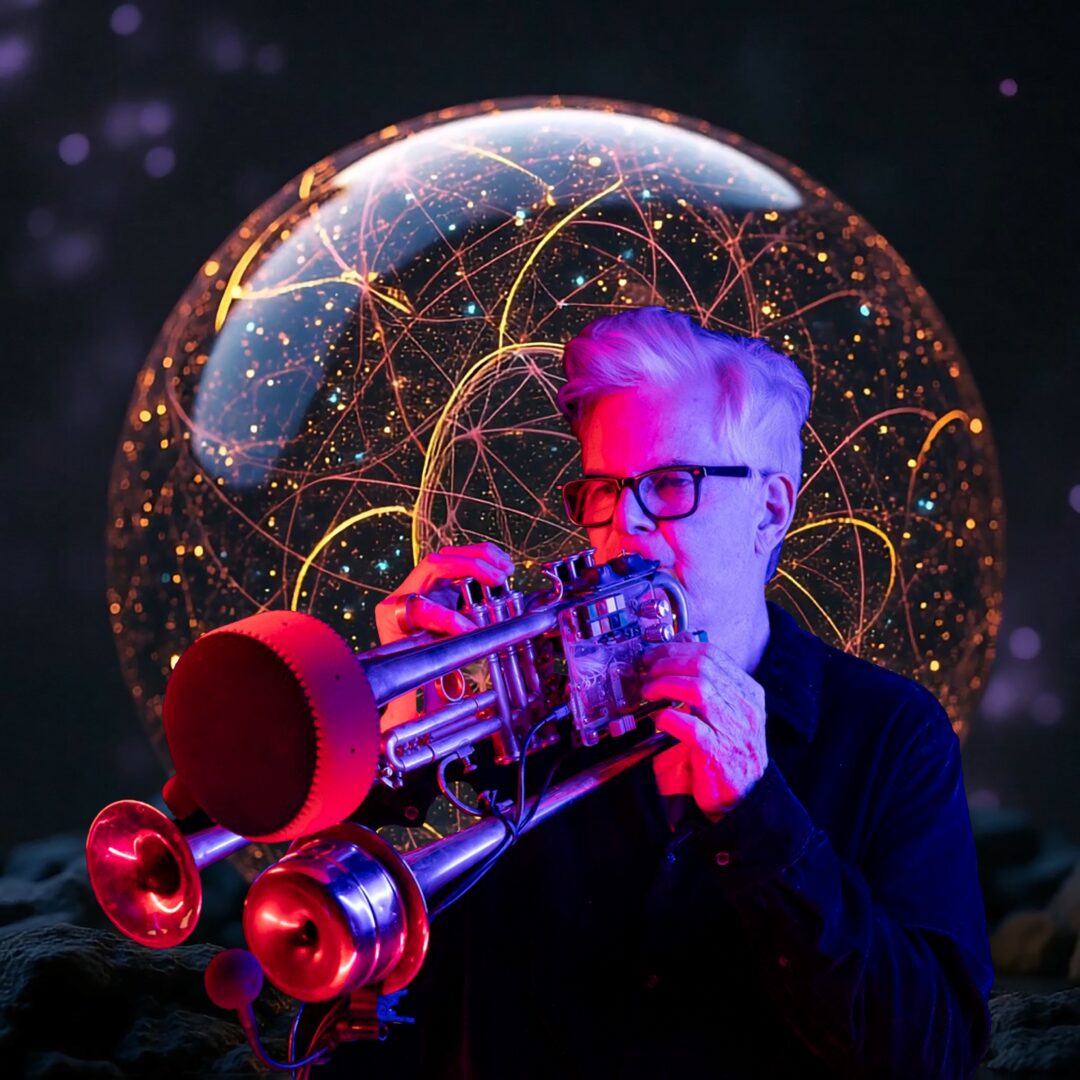
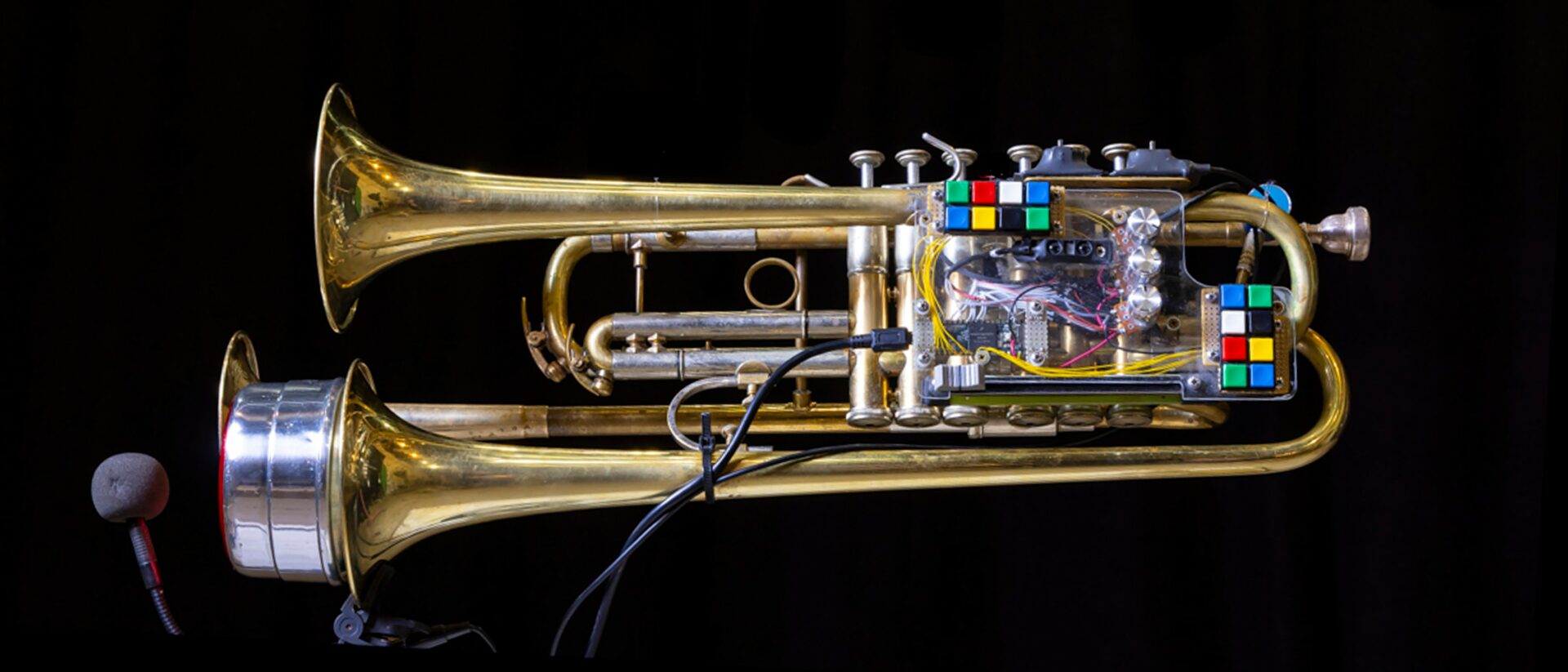
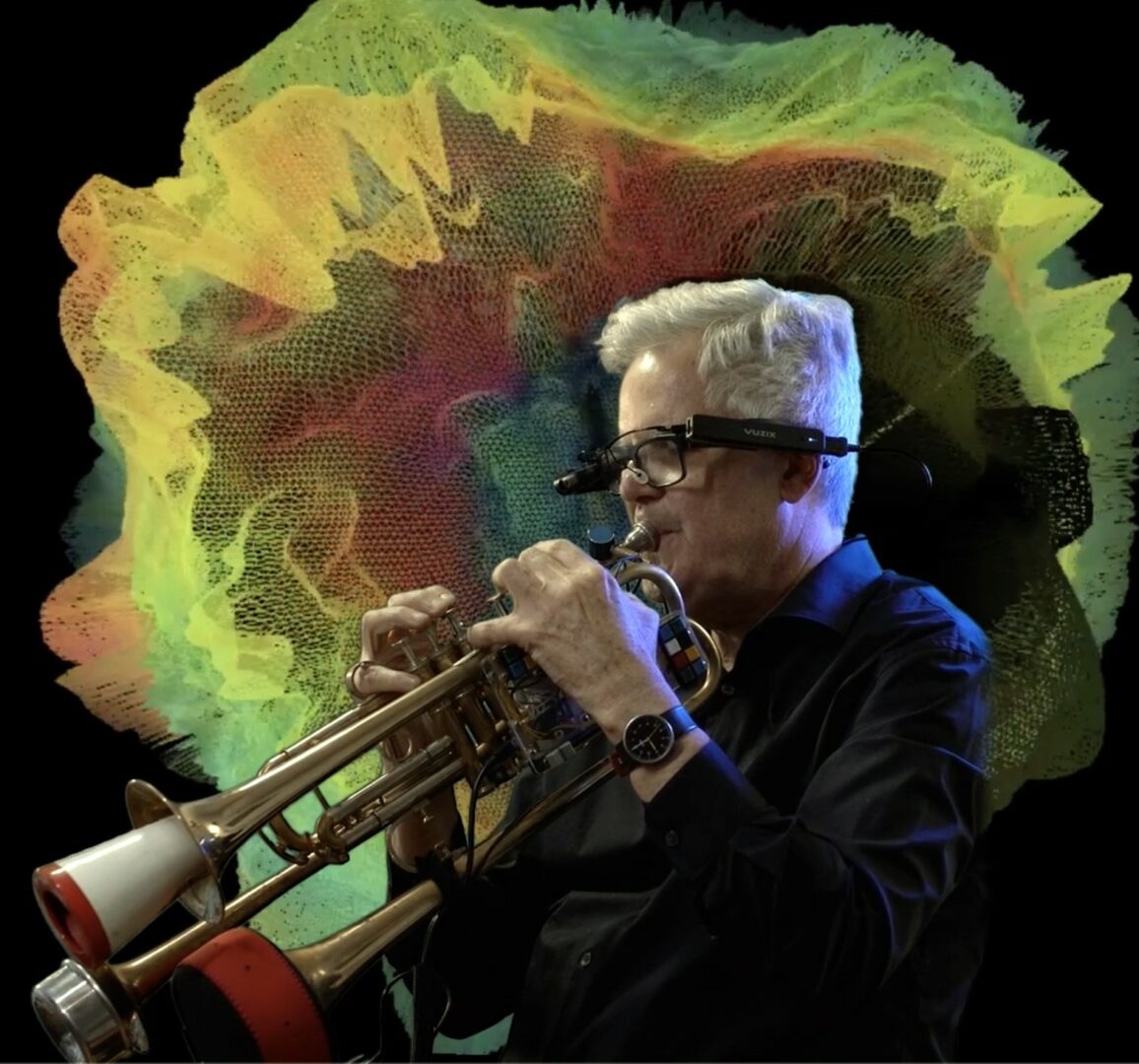
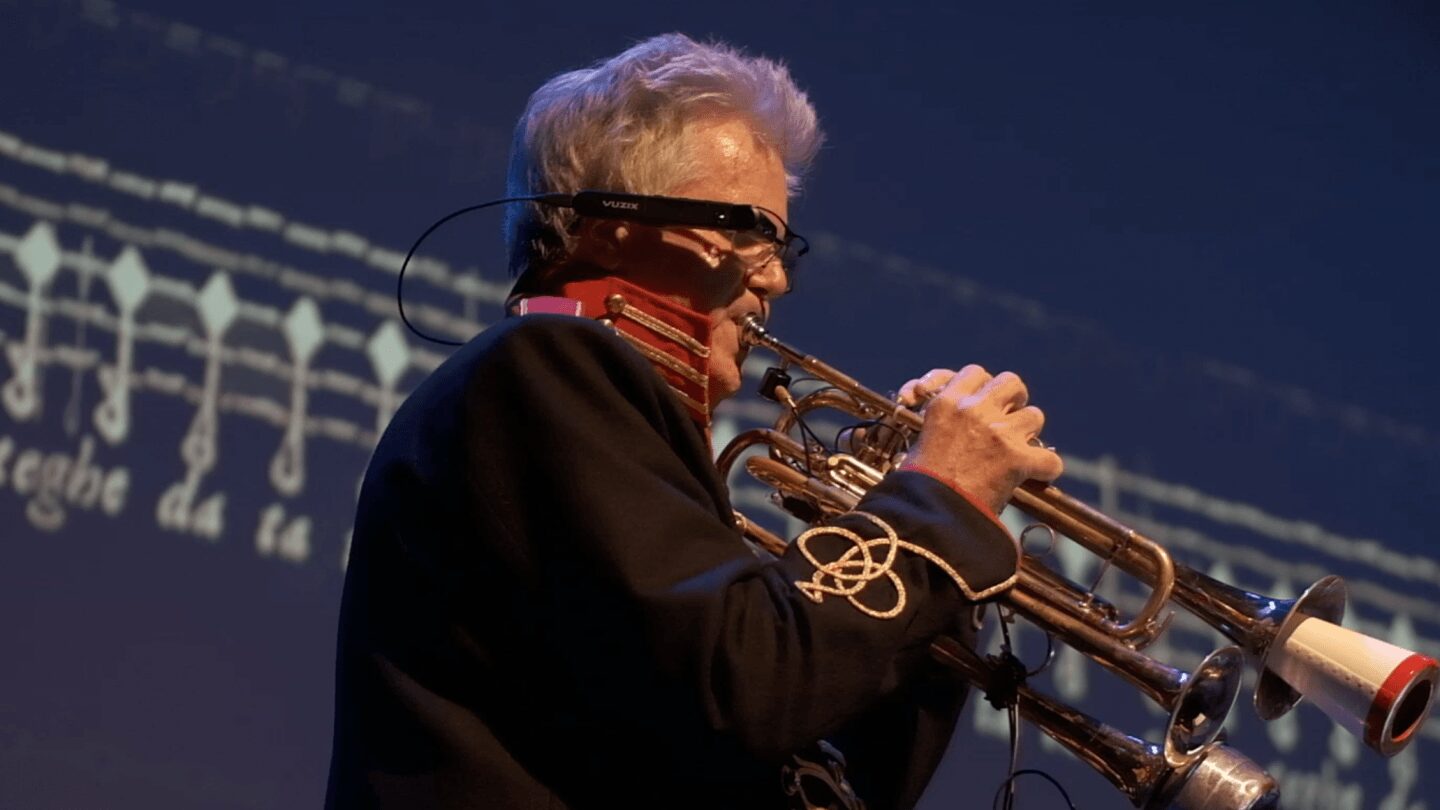
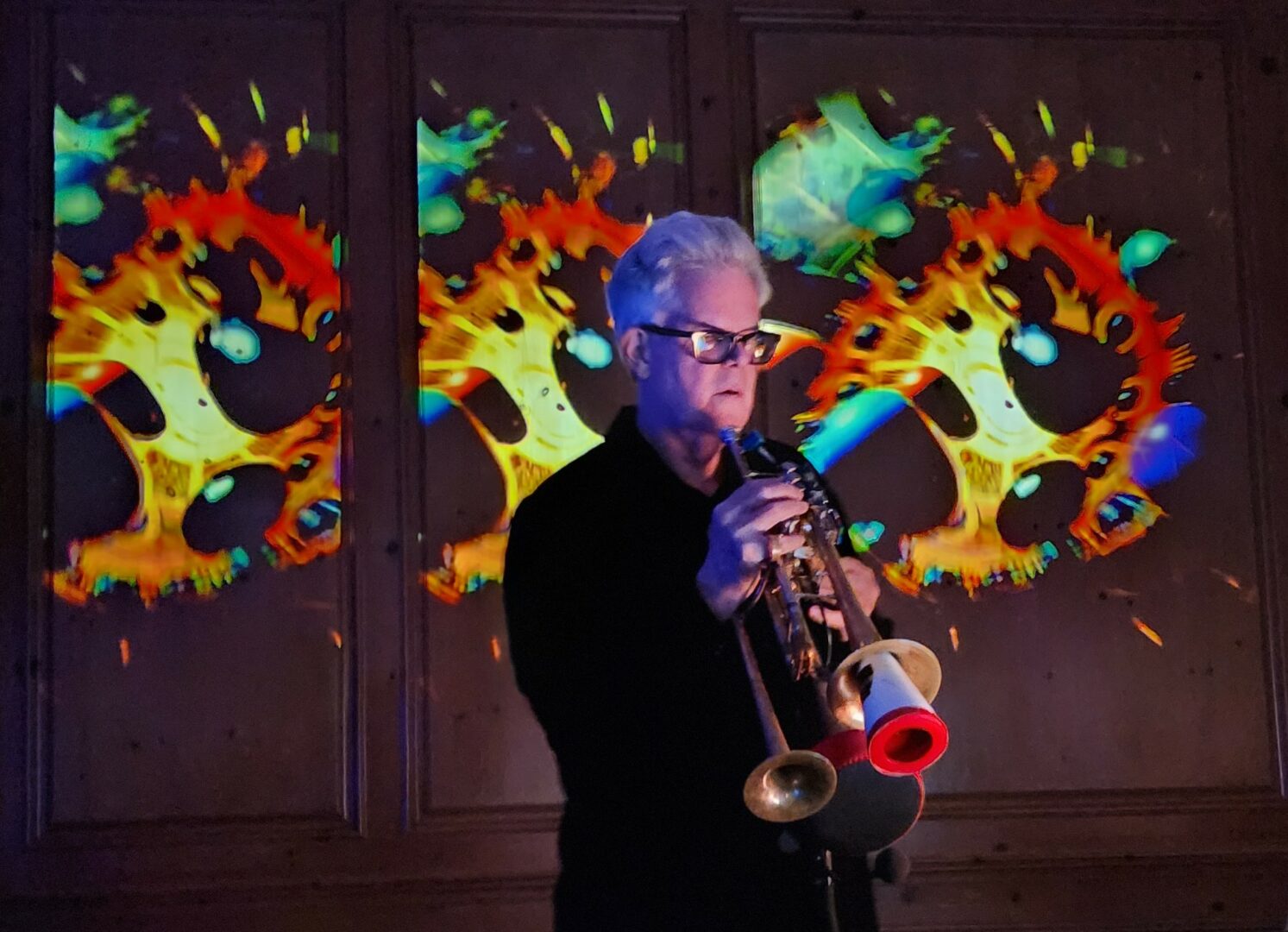
I’m a composer, performer, author, and professor, best known for inventing and playing my own unique instrument, the Mutantrumpet. A quote from Wired Magazine said it best: “Ben Neill is using a schizophrenic trumpet to create art music for the people.” The Mutantrumpet has three bells, a mini-trombone slide, and a bespoke live electronics system that I use to create a blend of lush textures, ambient grooves, and interactive video imagery.
In addition to performing and composing, I recently published my first book, Diffusing Music (Bloomsbury Academic, 2024). It explores the democratization of music by new technologies, and how the creative process is becoming more collaborative. The book reflects my own journey from classical training to punk, electronica, and beyond, where I discovered the power of making music more accessible and participatory.
Right now, I’m also focused on a new album project, Amalgam Sphere, which brings together collaborations with several artists from around the world in a series of new pieces for the Mutantrumpet. I’m releasing the tracks gradually throughout 2025, alongside a podcast inspired by the book that features conversations with musicians, instrument designers, and technologists about the future of creativity.
Throughout my career, I’ve always been driven by the idea of breaking down boundaries between acoustic and electronic sound, experimental and popular music, and audio/visual media. Everything I do is part of my ongoing goal to generate consciousness-expanding experiences for listeners and audiences.
If you had to pick three qualities that are most important to develop, which three would you say matter most?
The three things I would point to are curiosity, disciplined practice, and willingness to take risks, . As a kid, I never wanted to be like other people around me, I was always curious and searching for books, music, anything to define myself as different. I’ve also always been kind of obsessive in that once I get interested in something, I tend to really immerse myself in it. Once I began studying trumpet, and later developing my own music, it was never hard for me to commit several hours every day to developing my skills, no matter what else was going on. A little later on I followed my curiosity to the next step and took a chance on a whole new career based around a crazy invention.
Today the curiosity is kind of built in to life because everything is at your fingertips 24/7. There’s not a lot of effort needed there. Sustained practice is still important, and is connected to choosing. In order to make a choice, you have to spend a lot of time listening, seeing, reading, whatever your creative field is. I think that’s probably harder to do now. The superabundance of content today can create a kind of paralysis of choice that makes it more difficult to make choices and take risks. I’ve seen this for years with my students, and I think it is one of the biggest challenges going forward.
Okay, so before we go, is there anyone you’d like to shoutout for the role they’ve played in helping you develop the essential skills or overcome challenges along the way?
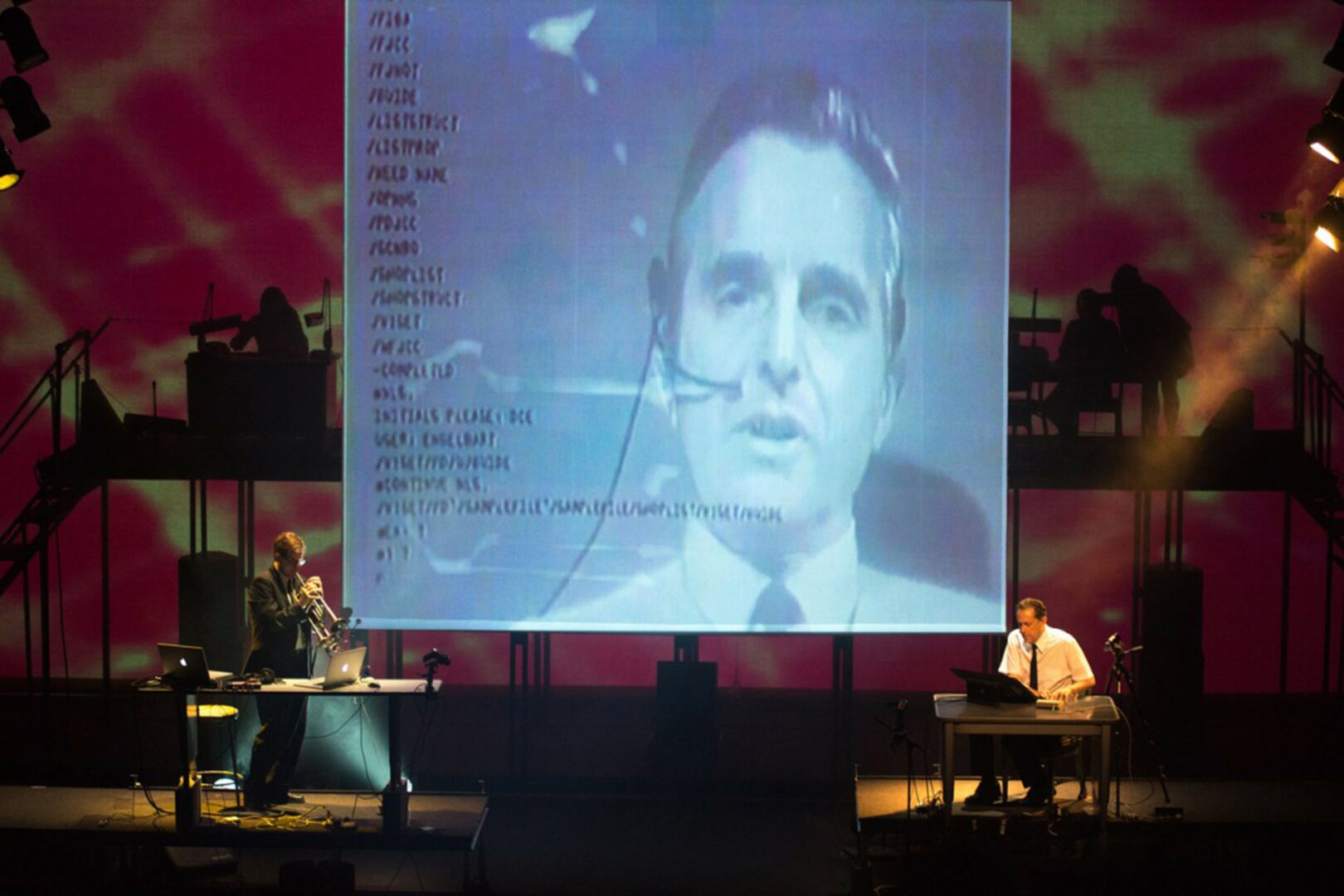
I think I learned the most from pioneering minimalist composer La Monte Young. I met Young shortly after coming to New York, and studied formally with him for a few years. At the same time, I began leading performances of his music for brass, which I have continued to do up until today. La Monte was the first true artist that I had ever met; his deep level of commitment to his art set an example that I had not experienced before. He taught me about the power of harmonic resonances based on mathematical relationships, which have been an essential part of my music ever since. His music is concerned with creating heightened psychological states, something that I have also always tried to do in my work.
Contact Info:
- Website: https://benneill.com/
- Instagram: https://www.instagram.com/mutantrumpet/
- Facebook: https://www.facebook.com/Mutantrumpet/
- Linkedin: https://www.linkedin.com/in/ben-neill-a223342/
- Youtube: https://www.youtube.com/@mutantrumpet
- Other: Spotify: https://open.spotify.com/artist/2nmJMMb4OCayxFbtM2yYxe?si=czJskLe0T_-koj6VCkTSLg
so if you or someone you know deserves recognition please let us know here.