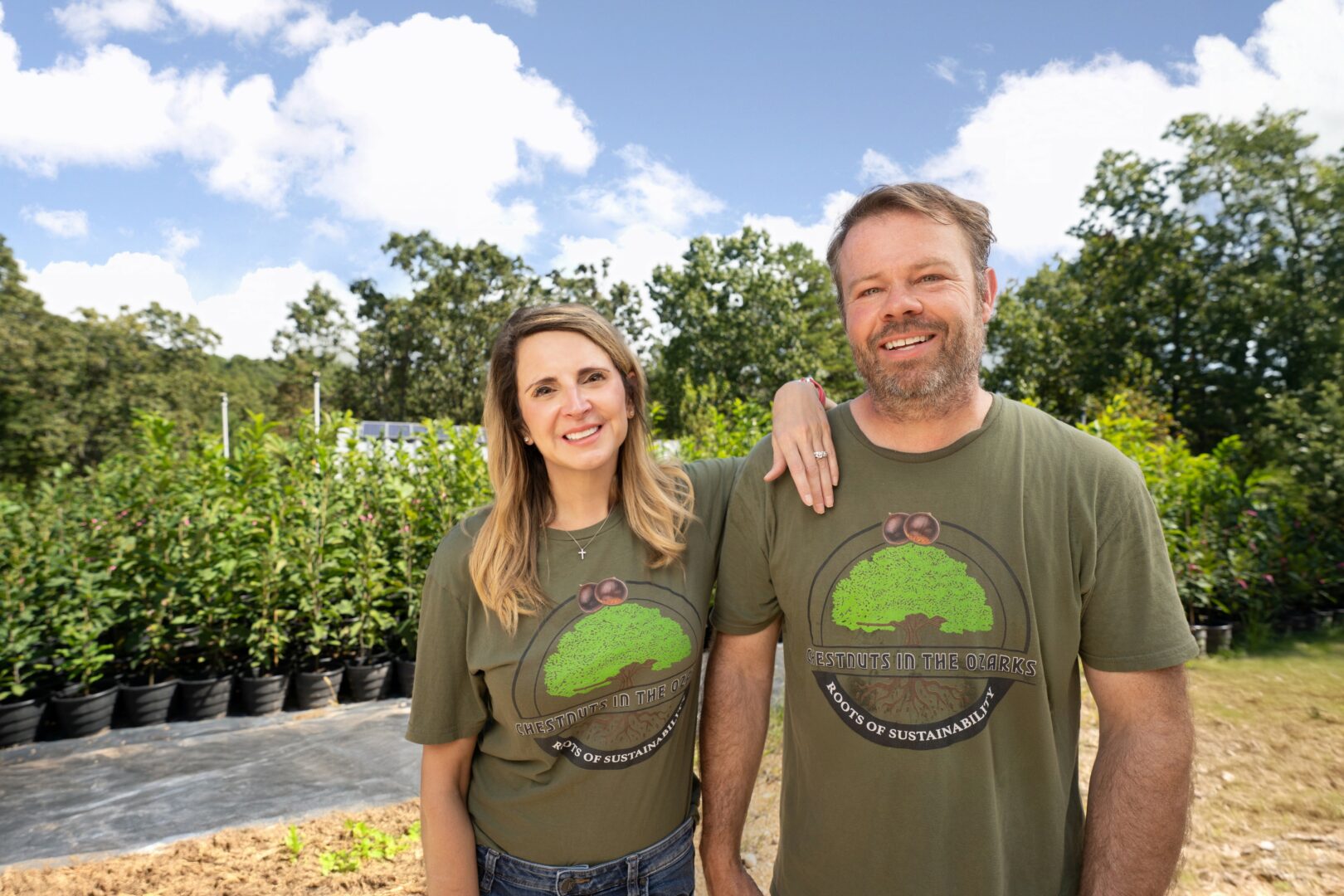
Alright – so today we’ve got the honor of introducing you to Brad Russell. We think you’ll enjoy our conversation, we’ve shared it below.
Brad, we’re thrilled to have you on our platform and we think there is so much folks can learn from you and your story. Something that matters deeply to us is living a life and leading a career filled with purpose and so let’s start by chatting about how you found your purpose.
We first purchased our first piece of land in 2007, long before we understood how God would use it in our lives. Over time, as we continued to acquire land and seek his direction, it became evident that we were being drawn toward a different path than the corporate one I had been on.
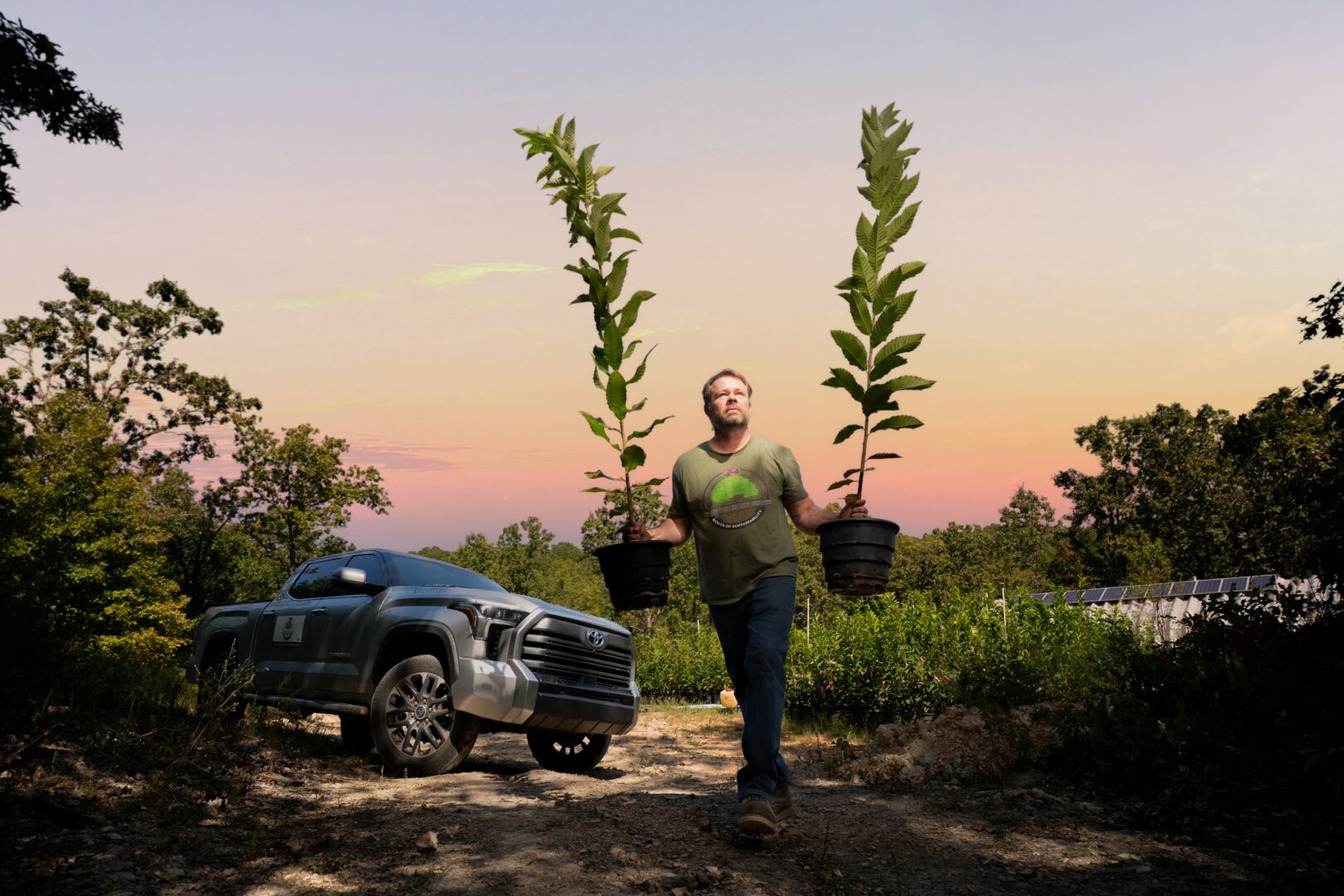
In 2019, we began planting chestnut trees, but moving into chestnut farming was not about abandoning ambition or progress but about trusting God’s journey for us and allowing our work to reflect patience, and long-term impact of feeding families. Speed and scale still matter to me, but they are now guided by faith, obedience, and a commitment to building something sustainable.
Through Chestnuts in the Ozarks, we are committed on being good stewards of the land, growing food in a sustainable way, and building something meaningful that lasts.
Thanks for sharing that. So, before we get any further into our conversation, can you tell our readers a bit about yourself and what you’re working on?
At Chestnuts in the Ozarks, our focus is simple but ambitious: we want to help move the chestnut industry from serving the 1% to serving the other 99%.
For most Americans today, chestnuts are something they associate with old songs on holidays, not everyday meals. But that wasn’t always the case. Chestnuts were well known to Americans prior to the arrival of the chestnut blight in the early 1900s, and we believe they can be again. Our vision is similar to what occurred with pistachios in the 1970s. Before then, pistachios weren’t on most Americans’ radar. Through intentional education, marketing, and supply growth, they began to boom. We strongly believe chestnuts are at a similar inflection point today.
What makes chestnuts special is that they’re extremely nutritious, naturally aligned with modern eating habits and the most versatile nut in the world. In addition, they’re gluten-free, low in fat, and work just as well in savory dishes as they do in desserts. But bringing them back into everyday use requires more than growing trees; it requires rebuilding awareness, access, and trust in the product.
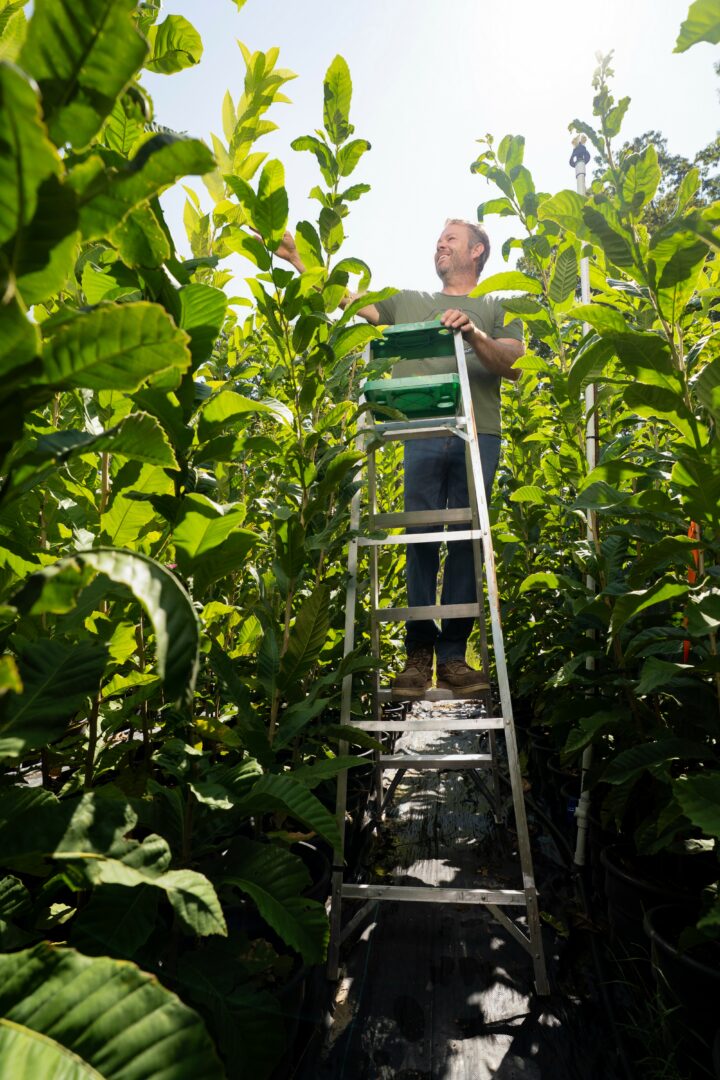
Right now, our professional focus is on scaling responsibly to meet growing demand. That includes expanding the farm with key investments such as irrigation, pest barrier netting for our tree nursery, and increased automation for harvesting, sorting, and packaging chestnuts. These investments are critical to ensuring consistency, quality, and reliability as we work to meet demand.
We’re also committed to building the broader ecosystem around chestnuts. That means staying actively involved in industry organizations, universities, and agricultural committees, as well as participating in speaking engagements to educate chefs, and consumers. At the heart of our brand is a belief that agriculture should be both forward-looking and grounded in stewardship. Chestnuts take time to grow, but they reward patience with longevity and sustainability. Our goal is not just to grow chestnuts, but to help reintroduce them to American tables in a way that’s accessible, sustainable, and built to last for generations.
Looking back, what do you think were the three qualities, skills, or areas of knowledge that were most impactful in your journey? What advice do you have for folks who are early in their journey in terms of how they can best develop or improve on these?
Looking back, there are three areas of knowledge that made the biggest difference for us, and they are lessons every new chestnut grower should understand early.
First, chestnuts are very particular about where they grow.
Chestnut trees prefer slightly acidic, well-drained soil, and they do not tolerate having their feet wet, (roots) for extended periods of time. You can do everything else right, but if drainage and soil chemistry aren’t right, the trees will struggle and could eventually die. Site selection and soil preparation are foundational. Test your soil pH, understand how well rainfall drains on your site, and have realistic goals about what your land can support before planting.
Second, your new boss is Mother Nature and she’s unpredictable.
Coming from a corporate background, I was used to planning, and managing expected outcomes. Farming teaches you quickly that weather sets the schedule. Late frosts, heavy rains, drought, wind, and heat all have a say, and sometimes they override even the best plans. Learning to work with the weather, not fighting it requires humility, flexibility, and patience. For new growers, expect plans to change and build adaptability into everything you do.
Third, don’t try to do it alone; learning comes through people and practice.
The chestnut community is still small in comparison to other crops but incredibly generous. Networking with experienced growers, universities, and organizations like the Chestnut Growers of America can shorten the learning curve significantly. At the same time, trial and error are unavoidable. Not every tree will thrive, and not every approach will work the first time. The key is to observe, adjust, and keep learning without getting discouraged.
If I were advising someone just starting out, I’d say this: choose your land carefully, respect the weather, and lean into the community. Chestnut farming rewards those who are patient, adaptable, and willing to grow alongside the trees themselves.
Okay, so before we go, is there anyone you’d like to shoutout for the role they’ve played in helping you develop the essential skills or overcome challenges along the way?
Without question, the people who have been most helpful in our journey have been our faith, the support of family, and the chestnut-growing community.
Early on, experienced chestnut growers, university researchers, and industry organizations were incredibly generous with their time and knowledge. Many were willing to share hard-earned lessons openly, what worked, what didn’t, and what they would do differently. At the same time, we learned that not every piece of advice translates perfectly to every farm. Some guidance, even if well-intended, costs us the life of a few trees. That experience reinforced an important responsibility we carry as farmers: to listen, learn, and then carefully vet what we’re taught in the context of our own land, climate, and conditions. “Trust, but verify” became a lesson we learned firsthand, and one that continues to guide how we apply knowledge today.
Equally important has been the support of my wife, Sandy. Throughout the transition from corporate life to farming, she has been a steady and grounding presence, serving as a listening ear, showing empathy during the hard days, and helping keep me centered when challenges felt overwhelming. She stayed focused on ensuring our family remained supported and stable, managing the demands required to keep everything moving forward while also stepping in where needed on the farm. Her mental, and emotional steadiness made it possible for me to stay focused on the demanding needs of the farm to continue moving forward.
Farming has a way of humbling you quickly, and plans don’t always unfold the way you expect. Having a foundation rooted in faith provided perspective during setbacks and reinforced the importance of patience, trust, and perseverance.
If there’s one lesson I’d share with others, it’s that success, especially in agriculture, is rarely an individual effort. It’s built through community, partnership, and the steady support of those who help keep you grounded when the path forward isn’t always clear.
Contact Info:
- Website: https://chestnutsintheozarks.com
- Instagram: @chestnutsozark
- Facebook: https://www.facebook.com/share/1DFvcGC1zB/?mibextid=wwXIfr
- Linkedin: https://www.linkedin.com/company/chestnuts-in-the-ozarks/
- Youtube: https://youtu.be/vMc9As1gQRA, https://youtu.be/1uHcTxTOEVw?si=f-BUYowX6-l5c9Lt, https://unitedchestnuts.com/brad-russell-from-corporate-life-to-thriving-chestnut-farmer
so if you or someone you know deserves recognition please let us know here.