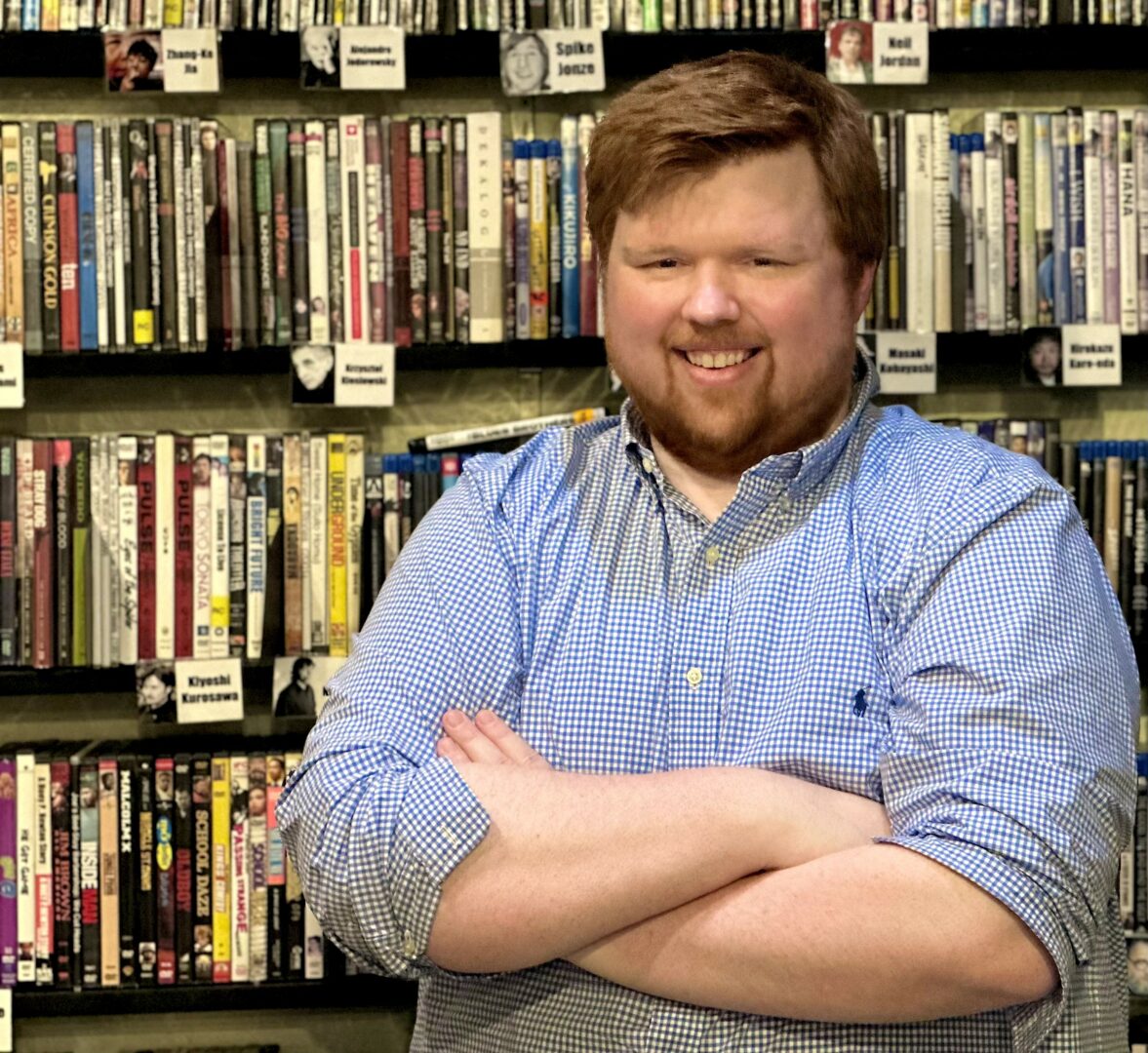
We caught up with the brilliant and insightful Brandon Sparks a few weeks ago and have shared our conversation below.
Brandon , thank you so much for taking the time to share your lessons learned with us and we’re sure your wisdom will help many. So, one question that comes up often and that we’re hoping you can shed some light on is keeping creativity alive over long stretches – how do you keep your creativity alive?
Having a creative outlet is essential to me. Expressing emotions and thoughts helps me grow, and my creative outlets are a way to do that. I went to film school right when I moved to Los Angeles. And weirdly, when I started film school, I felt bogged down. I came from a place where we made short films without worrying about rules or structure. We would do everything based on instinct, and what I learned is that sometimes structure can dull that instinct. You can get worried about what you shouldn’t do, but when creating, you should focus only on what you want to say and express. While I loved film school, I needed something else at that moment in time to help with my creativity, so I started a podcast with a friend. We had both moved away from our hometowns, and the podcast was just a way to discuss movies and stay in each other’s lives. Those first few episodes were just late-night phone calls that we recorded, and since then, the show has continuously evolved. And somehow, over a decade later, it’s still going. It’s been a learning experience in many ways, and it’s helped me form some incredible relationships with talented people. But it all started with wanting to stay connected with a friend and for us to create something without worry, and that’s a positive thing. I feel creating anything is a positive. So, creativity keeps positivity in my life.

Great, so let’s take a few minutes and cover your story. What should folks know about you and what you do?
Like many people in Los Angeles, movies are my passion. I’ve been focusing the past few years on becoming a better writer, with plans to make a feature film within a year or two. However, one aspect of my film journey that has become a more significant part of my life lately has been this podcast I host and produce called the CineNation Podcast. Yes, like many people in Los Angeles, I have a podcast. CineNation is a film history podcast where, each month, we do a deep dive into a specific film genre. We’ve discussed heist movies, film noir, romantic dramas, con-artist movies, and various other film genres. Each episode focuses on a different movie, its production history, why we believe it’s worth discussing, and how it fits into the month’s genre. I helped start the podcast almost ten years ago, and after a break or two and a little bit of reformatting, we’ve evolved into what we are today. With this podcast, I want the audience and myself to discover new films while gaining a stronger appreciation for the movies and storytellers we already love. It’s a minimal operation with two other friends and myself putting the weekly show together. And while there are discussion sections of the show, it’s a heavily researched and written podcast. We’re combing through books, behind-the-scenes documentaries, written interviews, commentaries, and whatever other resource we can find to do our best to tell the whole story of the film’s creation, the people behind it, and the legacy of the movies. Because of our in-depth research, the two other podcasters and I rotate the writing of each episode.
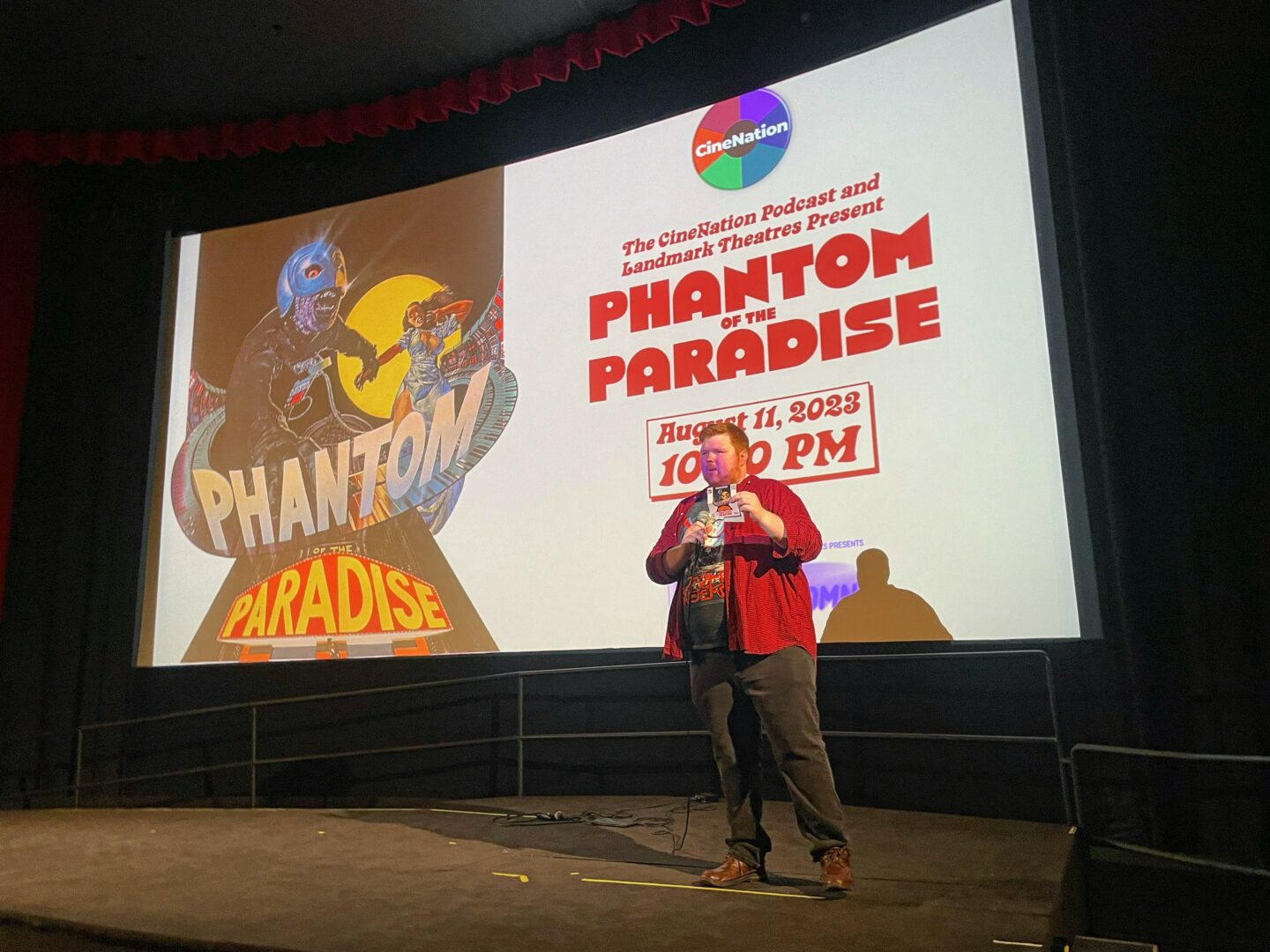
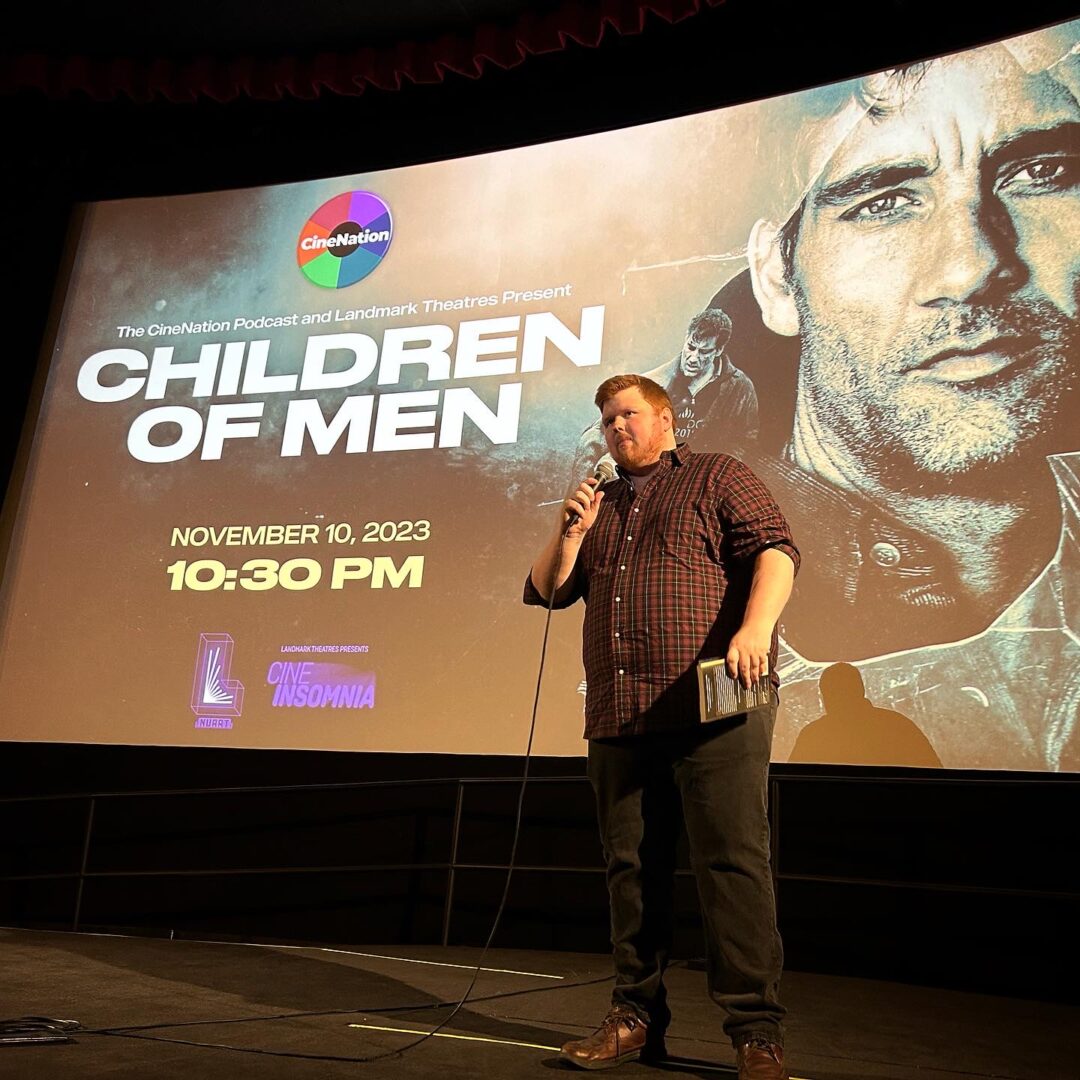
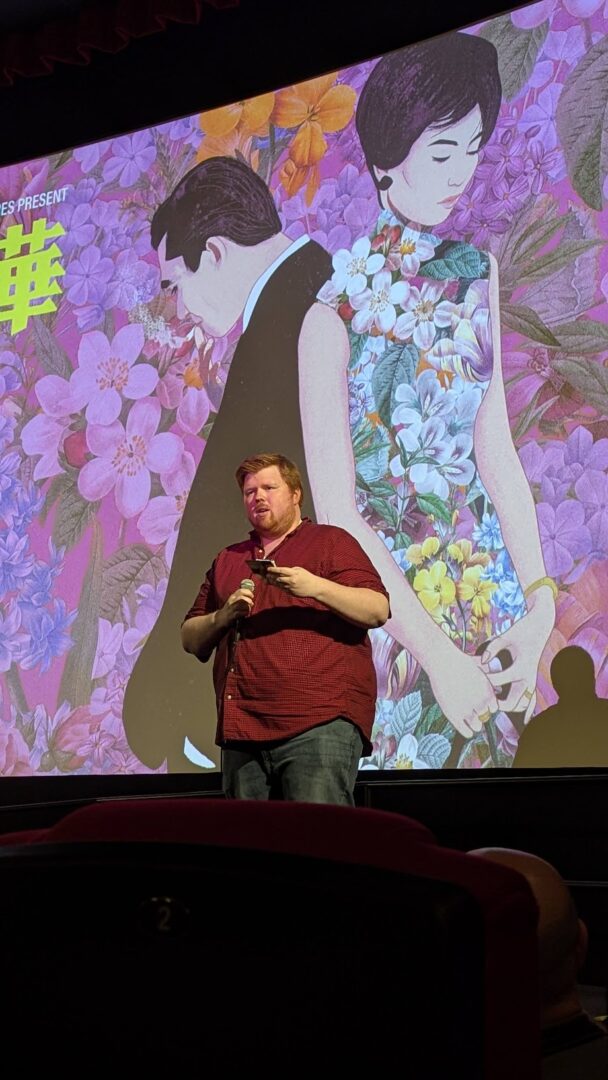
As a writer, it keeps me productive. It allows me to learn more about every creator and storyteller’s struggles, even when they make it look easy. We learn how happy accidents become cinematic history. And because art is a shared experience, I can connect with others about the movies we discuss. We have some phenomenal loyal listeners, and most recently, we’ve added an event aspect to our podcast. Within the last year and a half, we’ve partnered with the Nuart Theatre and Landmark Theatres, co-presenting several of the films we’ve covered on the show. With movies like Brian De Palma’s PHANTOM OF THE PARADISE and Wong Kar-wai’s IN THE MOOD FOR LOVE, we give people an opportunity to see these classics on the big screen with a passionate audience while providing context about the movies and the filmmakers. It’s been a fun chapter in the show’s history as we continue to discover more about the films we love and tell the stories about the people behind them.
There is so much advice out there about all the different skills and qualities folks need to develop in order to succeed in today’s highly competitive environment and often it can feel overwhelming. So, if we had to break it down to just the three that matter most, which three skills or qualities would you focus on?
Always be curious, commit to your ideas, and focus on what you can control. These three things can sometimes be easier said than done, but I try to live by them as best I can, even when it’s a struggle. It’s a process. Being curious means never losing your passion for learning and discovering new things. Don’t stop yourself from experiencing new things, whether movies, food, places, cultures, etc. If we stop being curious, we stop progressing. Things take time, so you need to commit to them. Nothing happens overnight. I’ve met so many people who started a podcast, and then after five or six episodes, they complain about not getting a lot of downloads compared to the hours they are putting in. So, they stopped and then talked about how they weren’t ready to do it yet. You are never ready. You have to jump and figure it out as you go. Find out what works and doesn’t, but commit to it and change as you go. Writing is the same; having only a word on the page is better than having no words. And then take it one word at a time. That goes with focusing on what you can control. Sometimes, we worry about what others will think about what we are doing, so we stop. We can’t control how others think and how they might react to our work. I can control how I work and where to dedicate my time. This applies to creativity, but I also think it applies to life. There’s a lot of negativity in the world, and we should never ignore it. We should be informed even if we can’t control it. But we can control what we put back into the world, so I try to do something positive.
Any advice for folks feeling overwhelmed?
One thing I’m always trying to improve is communication. I find it best to talk through my ideas and feelings when overwhelmed. It’s never good to bottle up emotions because they will only build. Trust me, I was born and raised in Alabama, bottling things up is a way of life in the South. Sometimes, the culture around me told me not to let anyone know when I was overwhelmed because it was a form of weakness. But the one thing I’ve learned is that we have all gone through issues. We all feel overwhelmed. Someone has felt the way you felt. That’s why we find solace in movies, books, and music; they show us we aren’t alone in our issues. Someone has been through what you’ve been through. And also, breathe. It seems simple, but it’s helpful. Just taking a few moments to breathe and center yourself can do wonders.
Contact Info:
- Instagram: https://www.instagram.com/brandoncsparks/
- Linkedin: https://www.linkedin.com/in/brandon-sparks-1843b457/
- Twitter: https://x.com/brandonsparks33
- Youtube: https://www.youtube.com/@cinenationpodcast
- Other: Bluesky: @brandoncsparks.bsky.social
CineNation Instagram: https://www.instagram.com/cinenationpodcast/
CineNation Apple Podcasts: https://apple.co/31Nm7RO
CineNation Spotify: https://spoti.fi/2EDMxtU
so if you or someone you know deserves recognition please let us know here.