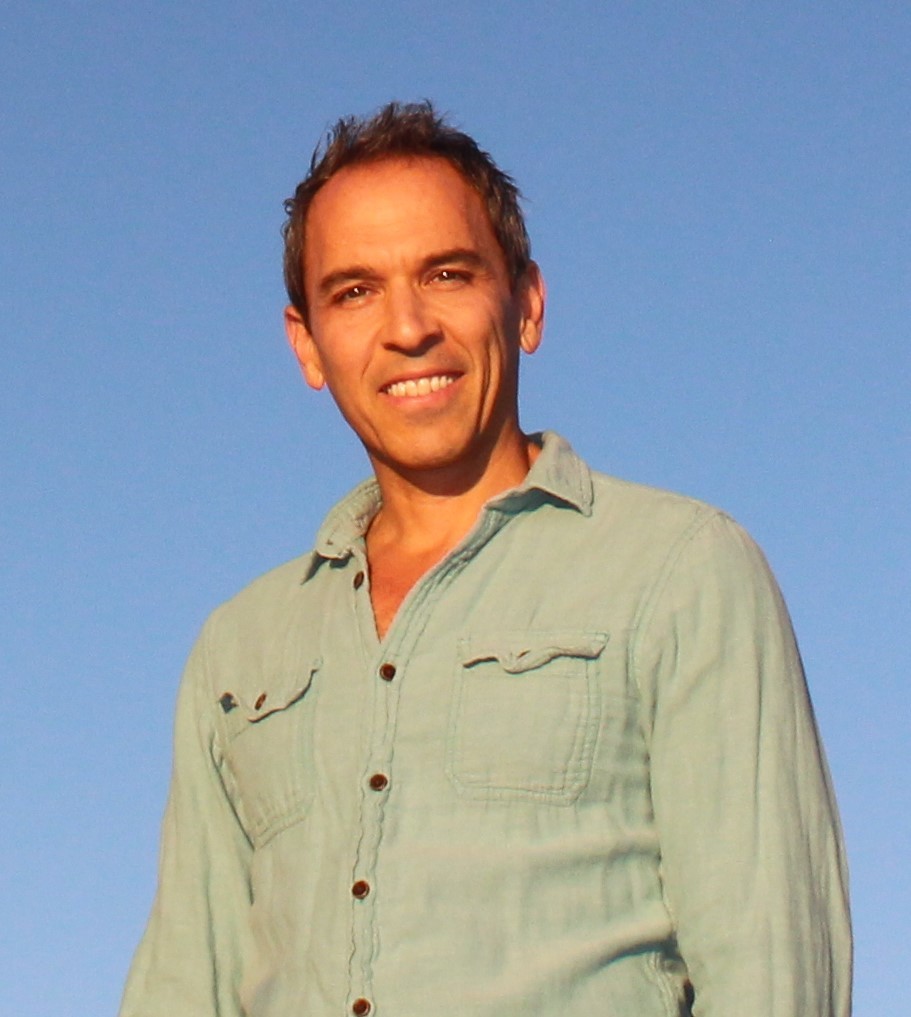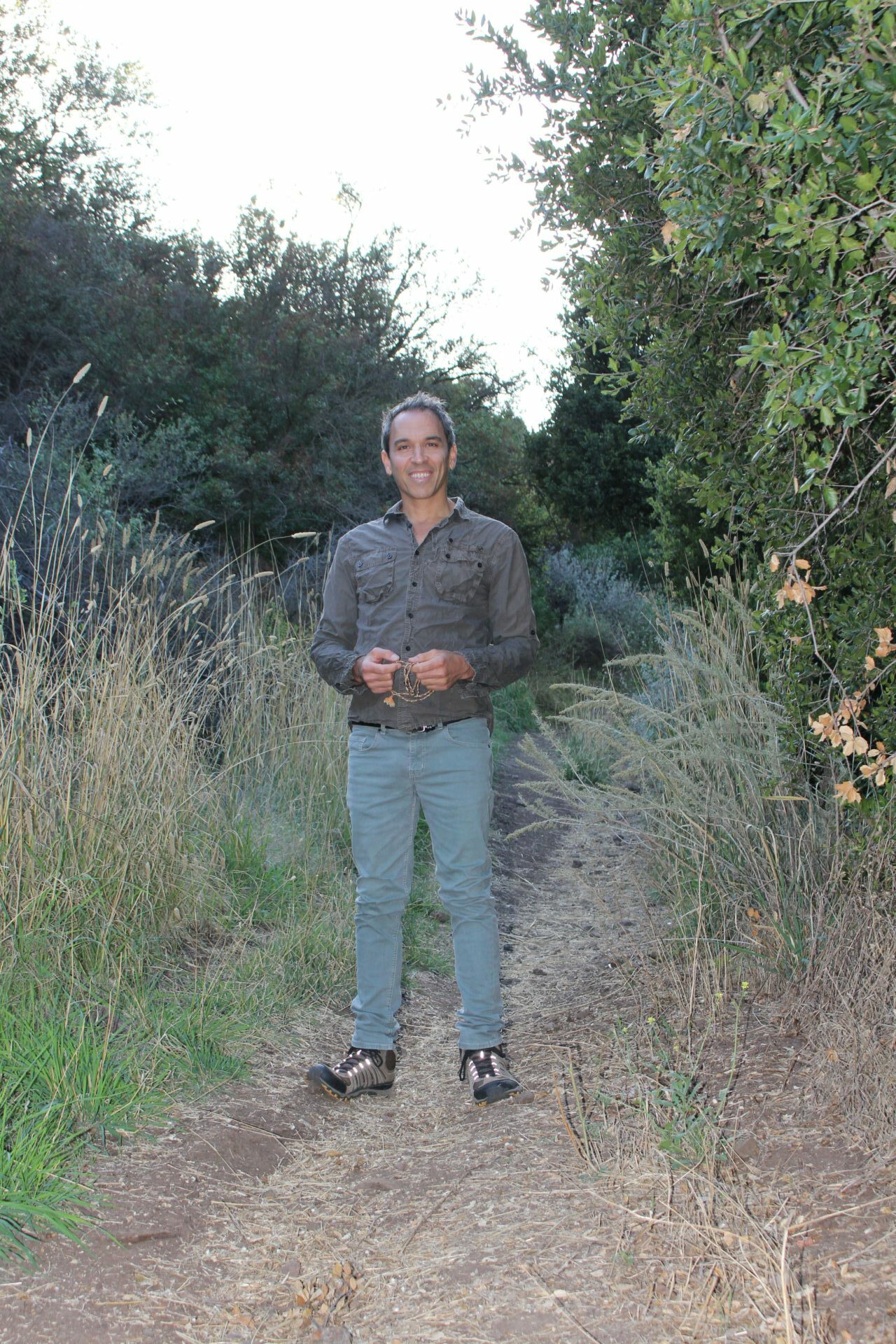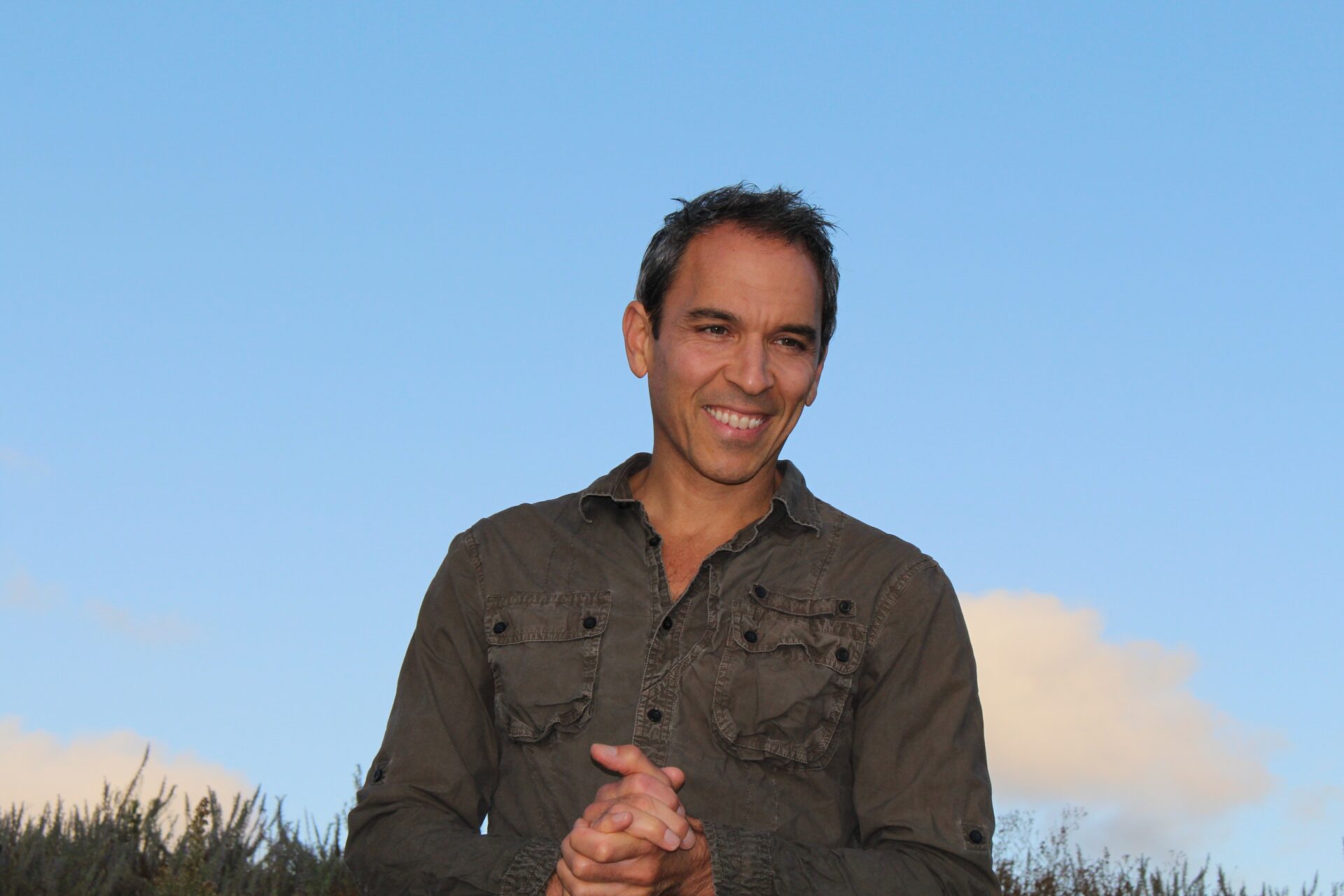
We caught up with the brilliant and insightful Brian Hyman a few weeks ago and have shared our conversation below.
Brian , so good to have you with us today. We’ve always been impressed with folks who have a very clear sense of purpose and so maybe we can jump right in and talk about how you found your purpose?
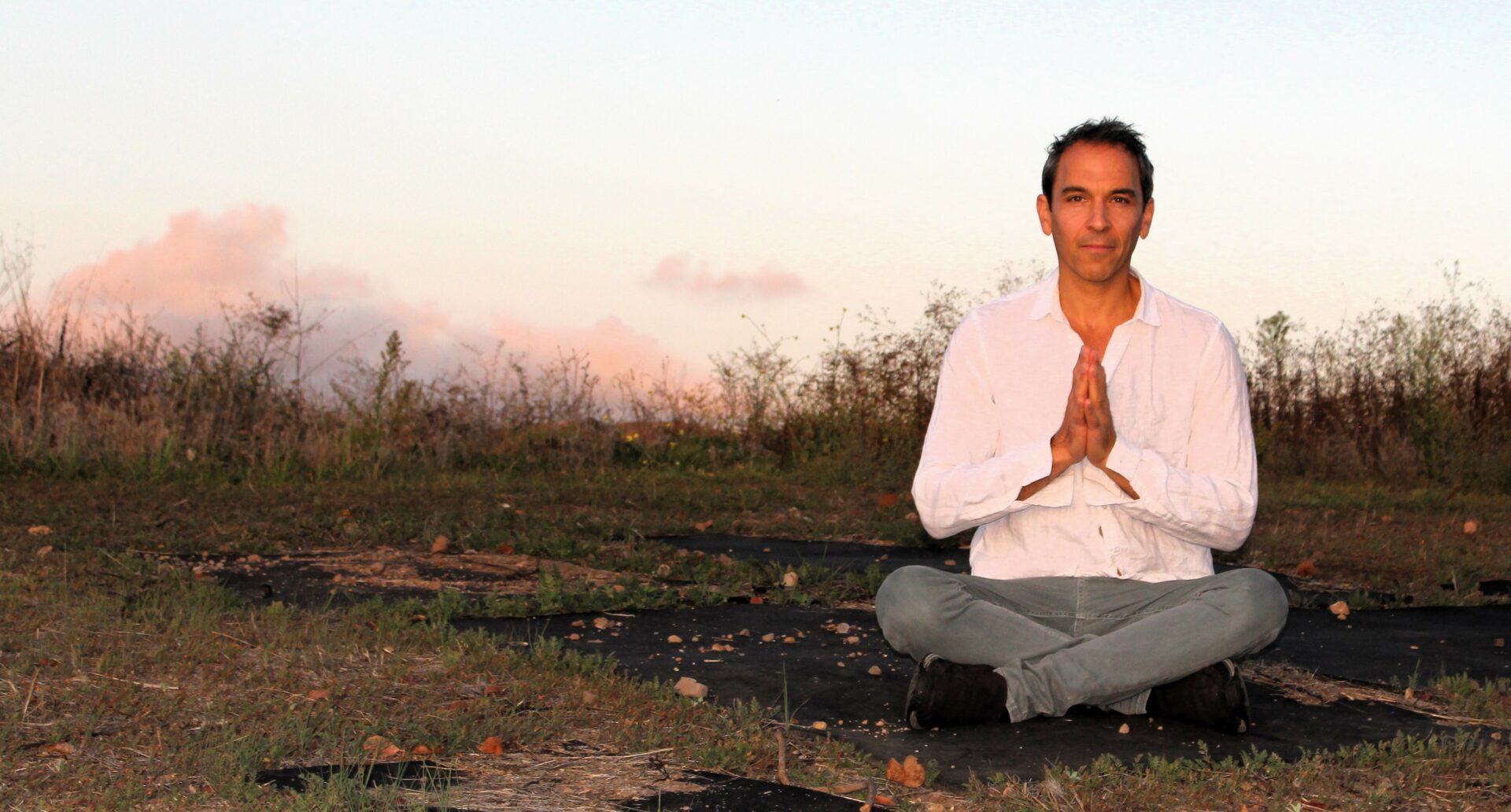
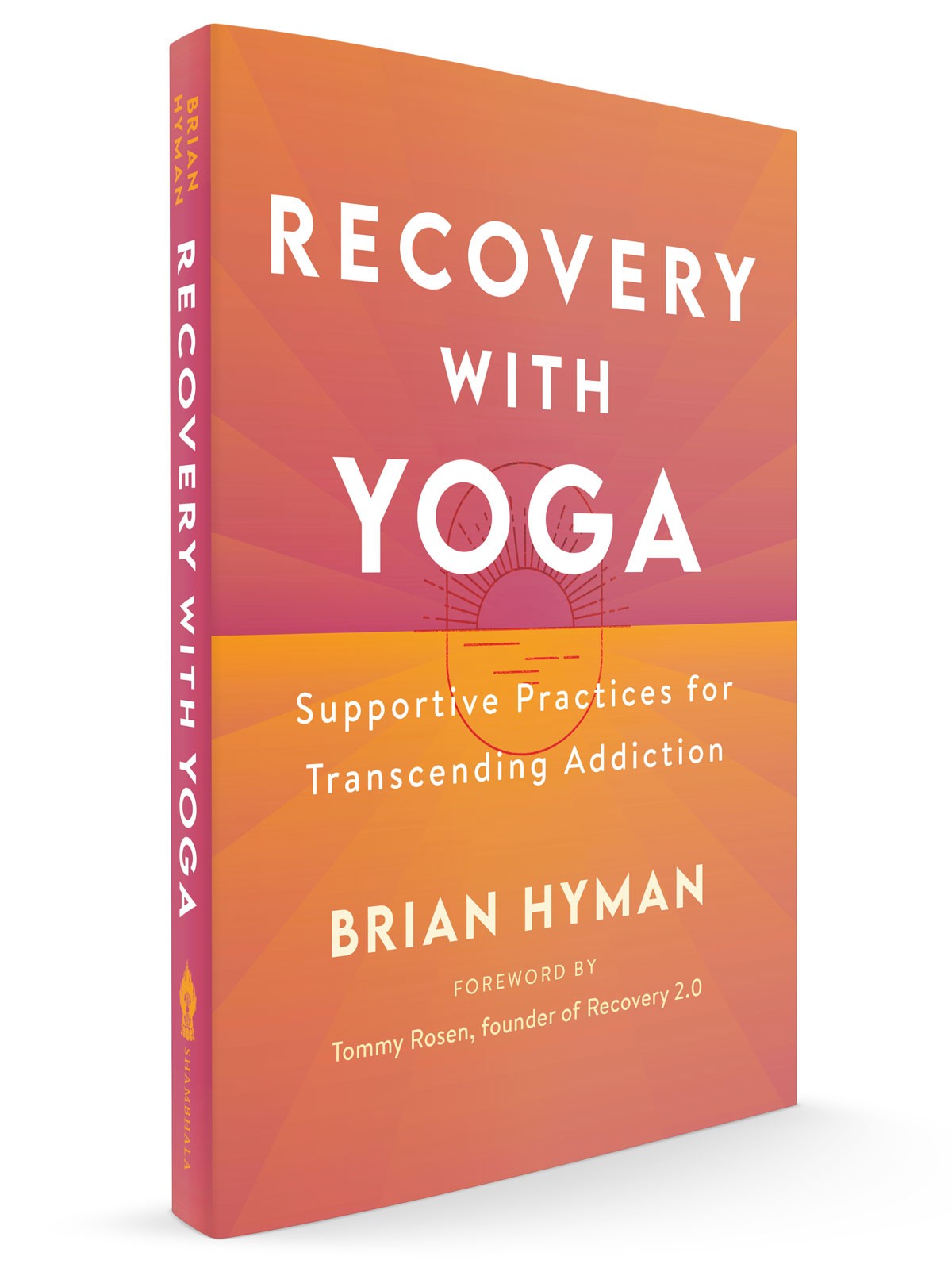
My purpose found me when I got sober in 2009. What happened was I began to find peace and contentment and freedom through spiritual practices – such as yoga, meditation, journaling, and being outdoors in nature – and the next right thing for me was to share these types of things with others who were on a similar path to recovery, as well as with those seeking emotional healing and holistic transformation. I soon became a yoga teacher and shared yoga philosophy, recovery tools, mindfulness techniques, and similar practices and disciplines through in-person classes at various studios, and by leading groups at addiction treatment centers within the Greater LA area. This work led to the creation of audio and video courses, recording podcasts, writing articles for websites and magazines, and most recently, authoring my first book Recovery with Yoga: Supportive Practices for Transcending Addiction.
Great, so let’s take a few minutes and cover your story. What should folks know about you and what you do?
I specifically teach yoga for people in recovery from addiction. This has been the area and population I have been primarily focused on since I had learned firsthand within my mind, body, and spirit the benefits of yoga when combined with a program of action for recovery. I have been teaching at Cliffside Malibu, a prominent treatment center in Los Angeles, for 12 years now; these are in-person classes where I get to work with small groups and help people at all levels of recovery from all types of addictions.
I have also created 10 audio courses for Insight Timer, a popular meditation and mindfulness app and website. Topics for these courses include yogic wisdom, Buddhist psychology, addiction recovery, Twelve Step philosophy, emotional sobriety, happiness and inner peace, and gratitude. I love these courses because they offer interactive community classrooms, and students from all over the world can ask questions and share their insights and comments within the course, and I can reply each day to further support anyone in need.
And my first book, which was based on one of my Insight Timer courses, is Recovery with Yoga: Supportive Practices for Transcending Addiction (Shambhala Publications). It’s available now everywhere books are sold through Penguin Random House. I’m excited to see how this book, which is the result of my personal and professional experiences with recovery, can further help anyone who may struggle with addiction, in addition to things like depression, anxiety, trauma, and other issues.
If you had to pick three qualities that are most important to develop, which three would you say matter most?
Open-mindedness was likely the most helpful quality on my recovery journey. I learned so many new things about life and yoga and spirituality when I stepped onto this path, none of which I would have learned had I not been open to new teachers, books, religions, spiritual practices, etc. Something else that was helpful for me was the ability to take action to move or propel myself forward, especially when I did not know where I was going, but in these moments I trusted my process and kept moving anyway, and I am grateful because I always ended up where I needed to be, either physically or mentally and emotionally. Last, the ability to pause was and still is very helpful for me. Cultivating stillness helps me hear an inner voice or inner knowing, so that I can attune to the rhythm of my heart and soul, and truly be the person I am here to be.
Some suggestions for anyone who wishes to develop open-mindedness, and an ability to take right action, and the means to cultivate stillness are to follow your intuition. Listen to your heart and mind. You will know what to remain open to; you will know how to take action; and you will know how to be still – when you are authentic and true to yourself. Listen to your innermost yearnings and you will know how to live into your truth. From the inner world these qualities originate, and then through practice and patience, they manifest outwardly.
What do you do when you feel overwhelmed? Any advice or strategies?
I pause if I feel overwhelmed. I do not think or talk or act. I focus on my breathing. I stop whatever I am doing and I find my bearings through awareness of breath and mindfulness of body, which means I usually sit still or lie down and place all attention on my breathing. Another thing I do when overwhelmed by the circumstances of life is to ask for help. If I am having an issue and I can call to mind a friend who may have experienced and overcome a similar issue, I will reach out and ask for guidance. One of the reasons community groups work so well – whether it’s a Twelve Step gathering, grief support group, cancer survivors, Buddhist sanghas, yoga kulas, Christian ministries, or any collective of likeminded and like-intentioned seekers – is because they share resources, practices, and insights. If one person can make it through something that is universal – such as pain or fear or anxiety – they can share how they did it with others. Some additional strategies that work for me if I become overwhelmed are to write things out as a form of therapeutic processing in a journal, I meditate, I read spiritual literature, and I go for a walk outside every afternoon.
Contact Info:
- Website: www.brianhymanyoga.com
- Instagram: instagram.com/brianhymanyoga
- Facebook: facebook.com/brianhymanyoga
- Linkedin: linkedin.com/brianhymanyoga
- Twitter: twitter.com/brianhymanyoga
- Other: insighttimer.com/brianhyman