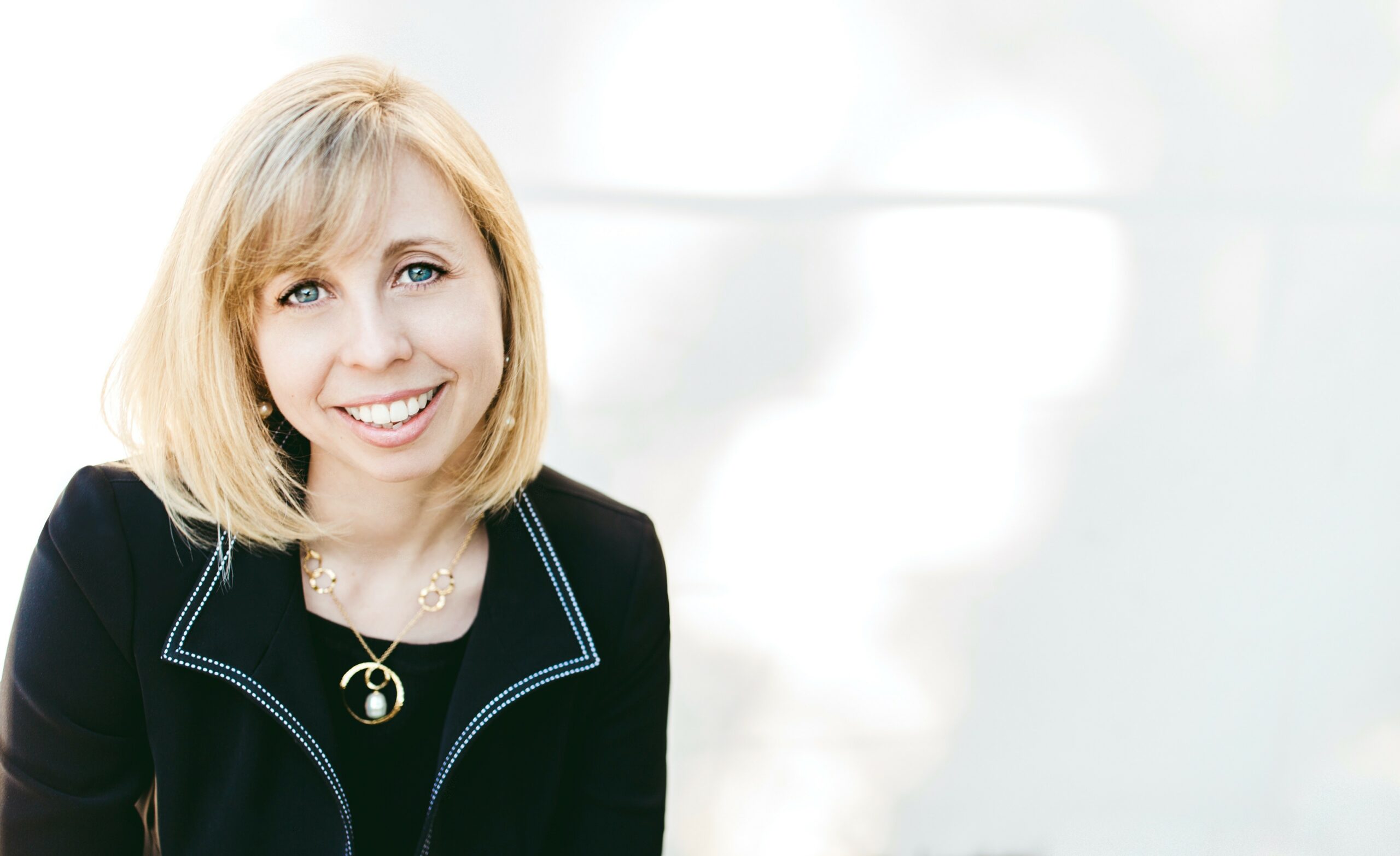
Alright – so today we’ve got the honor of introducing you to Bridget Hough. We think you’ll enjoy our conversation, we’ve shared it below.
Bridget, thanks for taking the time to share your lessons with our community today. So, let’s jump right in – one of the most essential skills for unlocking our potential is self-discipline. Where does your self-discipline come from?
It developed over the years in a variety of ways. I began taking martial arts lessons (Tang Soo Do) when I was seven years old and had a wonderful teacher, Master Ted Jackson. He taught us not only self-defense, but instilled really great values of self-discipline, perseverance, humility and respect. Building that kind of foundation during formative years has had a lasting legacy for me in how I approach most things in my life. The self-discipline came in showing up every week, rain or shine, finding inner strength even when you were exhausted and knowing that you could only improve and learn if you were consistent in the practice both in the dojang (studio) and at home on your own time. In addition, I took piano lessons starting when I was six, and similar to martial arts, it’s all about the self-discipline of practicing regularly. At first it was only 15 or 30 minutes a day, but by the time I was in college, it was 2-3 hours a day. Less important than the amount of time spent, though, was the consistency of sitting at the piano every day, and also the quality of the practice. Meaning, are you focused and intentional when you practice. Growth occurs gradually. The more you see the results, the more you believe in self-discipline and the impact it can have on your well-being and overall success with whatever the endeavor might be.
Great, so let’s take a few minutes and cover your story. What should folks know about you and what you do?
Where does one begin to tell the story of one’s self? I’m always fascinated by how we want to know what someone does professionally to get a sense of who they are, when in fact, that’s really only one piece of a person’s identity. Currently, I am Director of Academic and Executive Search at UCLA Health. In this role, I am responsible for recruiting leaders in medicine, both physicians and non-physicians. I am, however, also a professional pianist with a doctorate in classical piano performance, and remain active as an artist, primarily in the Southern California region. My specialization as a pianist is what is called collaborative piano, which means that I really love to perform with other instrumentalists and singers.
When I share these things about myself, many people are usually struck by how disparate these roles are. And it’s true, they are very different worlds, professionally, yet there is also so much overlap: the ability to see the big picture while also paying attention to the details, orchestrating many moving parts, building relationships, working with others, the combination of head and heart, the willingness to try again if at first you don’t succeed. The list goes on.
As a person, what drives me is the desire to make a positive difference, whatever I might be doing. In recruiting, that means identifying those who will be great leaders who can uplift and inspire future generations going into medicine. With music, it means bringing something beautiful and healing to the world. As a human being, I want to contribute to what will bring more light, more compassion and more good to this collective existence on planet Earth.
Looking back, what do you think were the three qualities, skills, or areas of knowledge that were most impactful in your journey? What advice do you have for folks who are early in their journey in terms of how they can best develop or improve on these?
Oh my goodness, that is a hard question. How do you pick only three? I think that positivity, resilience and self-awareness go a long way for almost anything one might undertake in life.
Some people think that positivity is about seeing the world through rosy-colored glasses, but I think it’s more about seeing things as they are (even if it might be bleak at times), and not allowing that to bring you down. It’s about finding the hope, the belief that there is a way through. In taking this approach it opens your heart and mind to seeking the solution rather than getting mired in the problem.
With resilience, I think this is something that strengthens and evolves over time. Having a positive attitude will definitely help build your resilience, but resilience is more than that. To me, resilience includes learning to not take things personally, in being curious to understand rather than condemn, being flexible rather than rigid or controlling, and being willing to grow, learn and adapt as needed. Resilience also requires courage, the courage to continue even when it feels like others don’t believe in us or the world has beat us down.
Self-awareness is a wonderful quality to develop because it positions us to take charge of our life and our actions, rather than being a victim. When we are able to reflect upon ourselves and our actions, and be honest about our strengths and weaknesses we become empowered to grow and learn, to make better choices and decisions. When we have greater self-awareness we are usually also able to relate better to other people, because we are willing to own our mistakes or to see things from another’s perspective. Having good self-awareness will ultimately contribute to greater self-confidence and allow us to live in a way that is more congruent with our values and beliefs.
Thanks so much for sharing all these insights with us today. Before we go, is there a book that’s played in important role in your development?
In recent years, I’ve been seeking a deeper understanding of what we are here to do, an awakening of spiritual urgency, I suppose. My husband introduced me to a book called “The Tibetan Book of Living and Dying,” which has been transformative for me. I began reading it while I was learning to cope with the death of a close family member, and it has opened a world of wisdom not only pertaining to death and dying, but more importantly, how to live, as the title suggests. I strongly encourage folks to read it regardless of your belief system or faith, as there is so much that is about just how to be a good human being.
It’s hard to distill the nuggets of wisdom this book contains in a few sentences, but I’ll try. One thing I found particularly relevant was how it points out how frantic and hectic many of our lives are. Most of us live in societies where busyness is valued and distraction is the norm; how many of us are comfortable with silence and stillness, particularly for more than a few minutes? This book talks about the critical importance of meditation in our quest for enlightenment, as it is through meditation that we can cultivate the wisdom and qualities necessary to liberate ourselves from suffering. Two of my favorite quotes from the book are:
“When you meditate deeply enough on compassion, there will arise in you a strong determination to alleviate the suffering of all beings, and an acute sense of responsibility toward that noble aim.”
“Whatever joy there is in this world
All comes from desiring others to be happy,
And whatever suffering there is in this world
All comes from desiring myself to be happy.”
Contact Info:
- Website: https://www.bridgethough.com/
- Linkedin: https://www.linkedin.com/in/bridgethough/
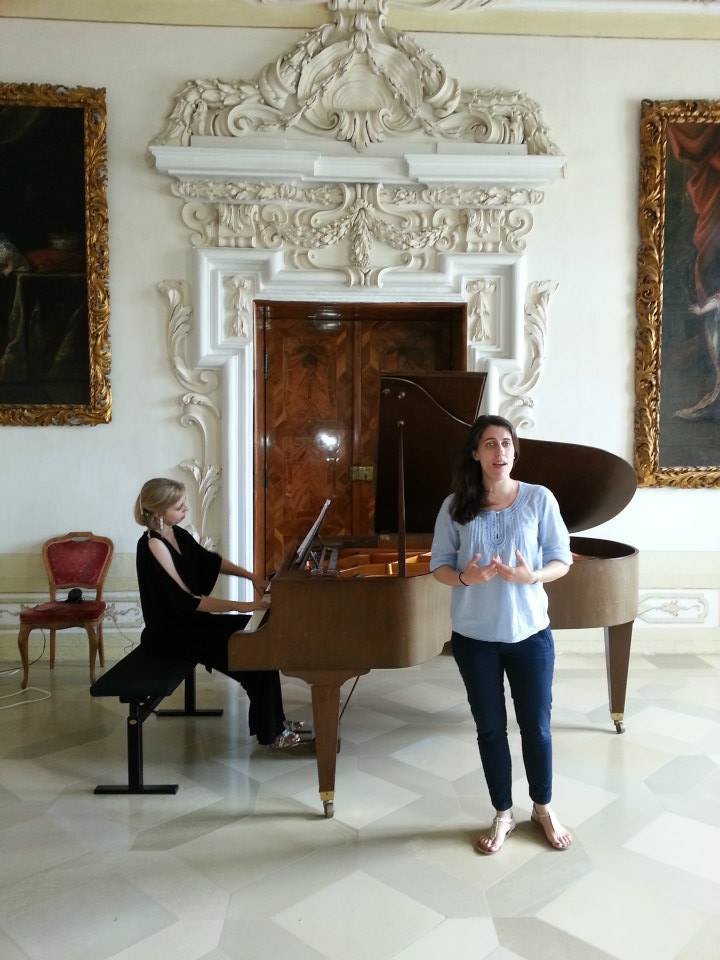
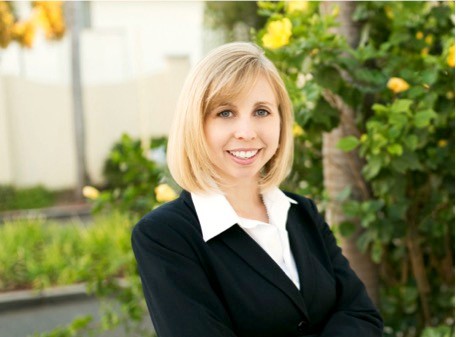
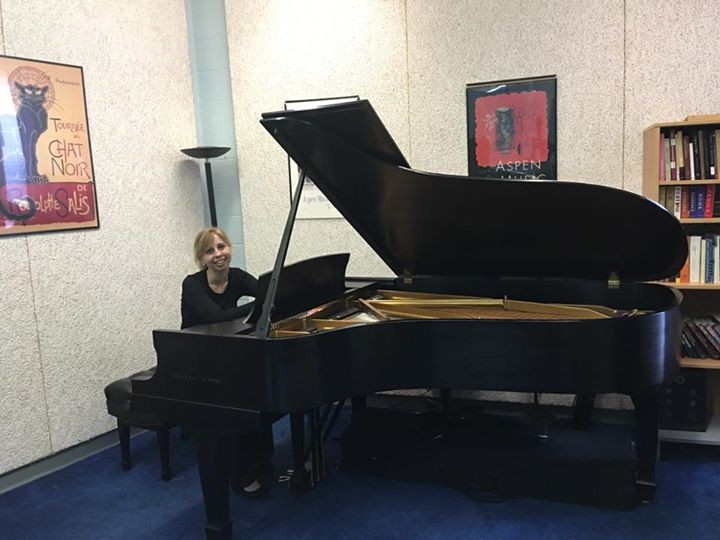
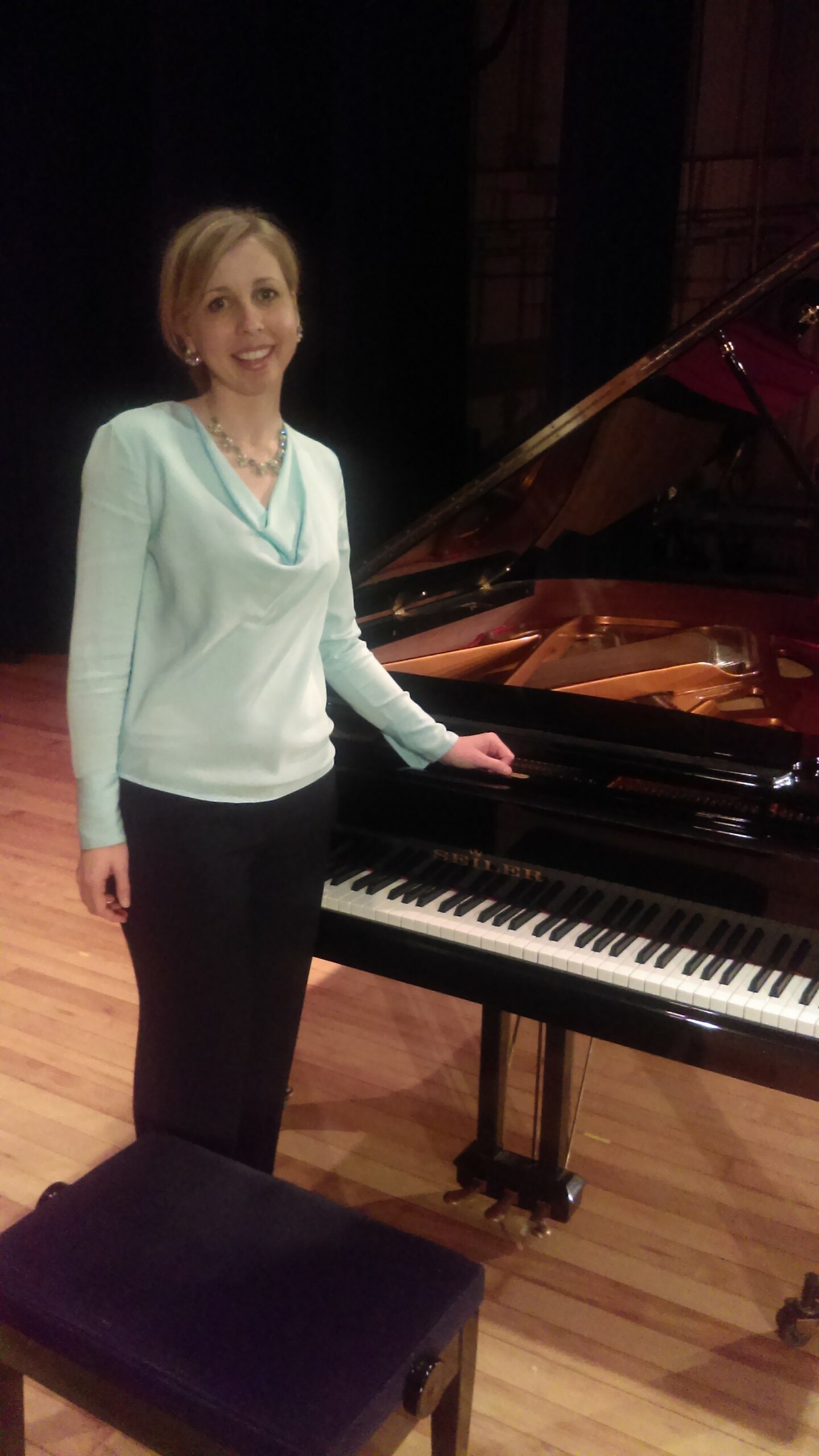
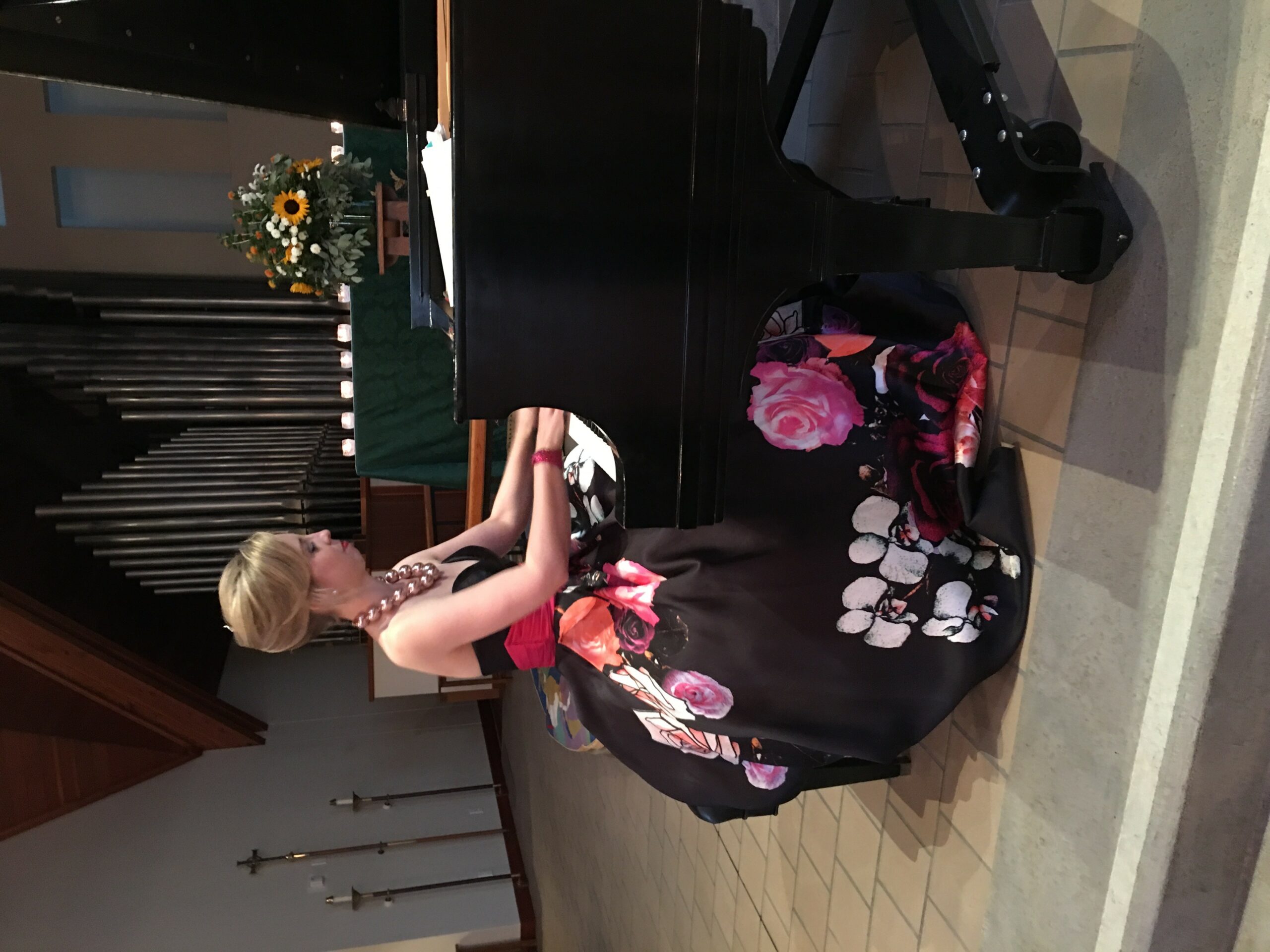
Image Credits
Hart Getzen Doug Ellis