We caught up with the brilliant and insightful Brittany Carswell a few weeks ago and have shared our conversation below.
Brittany, thanks so much for taking the time to share your insights and lessons with us today. We’re particularly interested in hearing about how you became such a resilient person. Where do you get your resilience from?
I love the topic of resilience, however for me I wouldn’t say that I got it “from” anywhere, rather it’s something I have had to build, create and nurture within myself. I am naturally a very sensitive human, so I have had to learn how to grow and build more resilience in my system slowly over time. In the beginning of my journey I think I thought resilience meant pushing harder and just persisting and proving myself and now it’s something very different to me. I’ve always been someone who is driven, curious, and comfortable taking on a lot of responsibility. Those traits helped me build a career and a practice I care deeply about. But they also came with a quieter side, what many people would call high-functioning anxiety. From the outside things looked successful and productive, but internally there could be a lot of urgency and pressure. Part of my own journey was realizing that resilience didn’t actually mean pushing through everything. It meant understanding how my own mind and nervous system worked. My system could take a lot which I think I viewed as resilience for a long time, but honestly that pushing came with huge costs.
As a psychologist, I became fascinated by why certain patterns show up in high-achieving people, why the same traits that drive success can also make us vulnerable to stress and burnout. That curiosity turned inward too. I had to learn how to slow down, regulate, and create space instead of constantly operating at full speed. Over time then I have realized resilience isn’t just about persistence. It’s about flexibility. It’s the ability to recognize when your system is under strain, to reset, and to reconnect with what matters. That realization shaped not only my personal life but also the way I practice as a psychologist today. Much of the work I do now focuses on helping people understand those same patterns so they can build resilience in a way that actually works with their nervous system and personality.
Great, so let’s take a few minutes and cover your story. What should folks know about you and what you do?
I’m a licensed psychologist and couples therapist and the founder of Wellness Psychological Services, a group therapy practice in the Tampa Bay area. Our team works with individuals and couples navigating things like anxiety, trauma, relationship challenges, and burnout. The part of the work that fascinates me most is the intersection of neuroscience and relationships and understanding how each person’s unique nervous system patterns and background influence who they become as an individual and relationally. Many of the struggles people experience, conflict in relationships, chronic stress, emotional reactivity, aren’t just problems or symptoms, they’re nervous system patterns. When people feel overwhelmed or threatened, their brains naturally move into self-protective responses like defensiveness, withdrawal, or criticism. I have found that once people understand that, they have so much more agency to begin to shift ingrained patterns.
In addition to clinical work, I’ve been developing educational programs that translate relationship science and neuroscience into practical tools people can actually use in everyday life. My goal is to make these ideas more accessible so people can better understand themselves, their relationships, and the patterns they’re stuck in, in more affordable and time effective ways. My relationship online programs are the Relational Wellness Roadmap and Your Connection Code. I have another program that is in development that is generally about resilience and burnout called the Regulation & Resilience Roadmap and it will be tailored specifically to those who identify as high achieving types.
What excites me most is watching people realize that many of the things they thought may have seen as personal flaws are actually understandable human patterns and more importantly that we can change those patterns if we want to.
Looking back, what do you think were the three qualities, skills, or areas of knowledge that were most impactful in your journey? What advice do you have for folks who are early in their journey in terms of how they can best develop or improve on these?
Looking back, three things stand out. Curiosity. I’ve always been deeply curious about human behavior, why people do what they do and why certain patterns repeat in relationships and in our own lives. That curiosity is what led me into psychology and still drives my work today. Staying curious instead of judgmental, about yourself or others, opens the door to compassion and real growth.
Self-awareness and balanced persistence. One of the most important skills I’ve developed is learning to notice what’s happening internally, my thoughts, emotions, and nervous system responses, especially under stress. Many of us are taught how to perform and achieve, but not how to slow down and pay attention to ourselves. That awareness changes how you move through challenges. It helps you know when to persist and keep going, and when to pause and recalibrate. Over time I’ve realized resilience isn’t just about pushing through, it’s about finding this sort of balance. Self-awareness is what allows us to stay engaged with difficult things without running ourselves into the ground or reacting automatically.
Respect for relationships. Over time I’ve appreciated how central relationships are to our well-being. Humans are wired for connection. Our nervous systems regulate through safe, supportive relationships, and when those connections are strained it can impact everything else in life. Having close and supportive relationships across many realms from family to friends to mentors has been an integral backdrop in my life that has supported and allowed me to persist in my journey.
For people early in their journey, my advice would be to invest in those three things: stay curious, develop self-awareness, and nurture the relationships that support your growth.
What do you do when you feel overwhelmed? Any advice or strategies?
Like most people, I definitely have plenty of moments where life feels like a lot. Between work, family, and the natural pace of life, overwhelm can show up for anyone. I am one of those people who genuinely wants to be a yes on too many things and that tends to be a driver of overwhelm for me. One thing I’ve learned over the years is that overwhelm is usually a signal from the nervous system, not a sign that something is wrong with you. When I notice myself feeling scattered, irritable, or mentally stuck, it’s often a cue that I’ve been pushing too hard for too long or trying to hold too many things at once. In those moments the most helpful thing for me is usually to pause rather than push. Sometimes that means something simple, stepping outside for a walk, moving my body, or just taking a break long enough for my mind to reset. Physical movement and a change of environment can make a surprisingly big difference. Sometimes it’s a bigger signal and I have to adjust my commitments because I have overcommitted and need a larger change to address a pattern of overwhelm.
Another thing that helps is zooming out and reconnecting with the bigger picture. When we’re overwhelmed, our brains tend to narrow in on everything that feels urgent. Remembering why something matters, or spending time with the people I care about helps ground me and restore perspective. To tie it all back into resilience, one of the biggest lessons I’ve learned, both personally and professionally, is that resilience isn’t about constantly pushing forward. It’s about knowing when to pause, examine what’s working and what isn’t, recover, and then re-engage with more clarity.
Contact Info:
- Website: www.wellnesspsychologicalservices.com
- Instagram: https://www.instagram.com/relationalwellnessroadmap
- Facebook: https://www.facebook.com/relationalwellnessroadmap
- Linkedin: https://www.linkedin.com/in/brittany-carswell-9a43022b/
- Youtube: https://www.youtube.com/@relationalwellnessroadmap
- Other: Relational Wellness Roadmap Online Course: https://www.relationalwellnessroadmap.com/pages/couples-course
Your Connection Code Online Course: https://relationalwellness.thinkific.com/courses/ConnectionCode
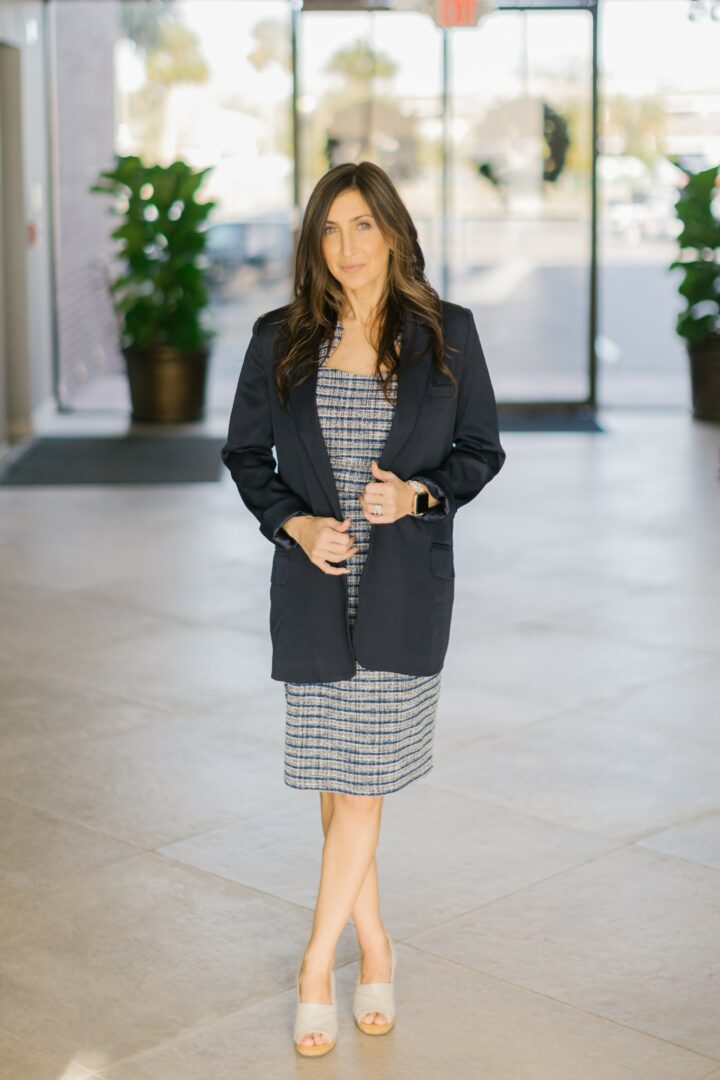
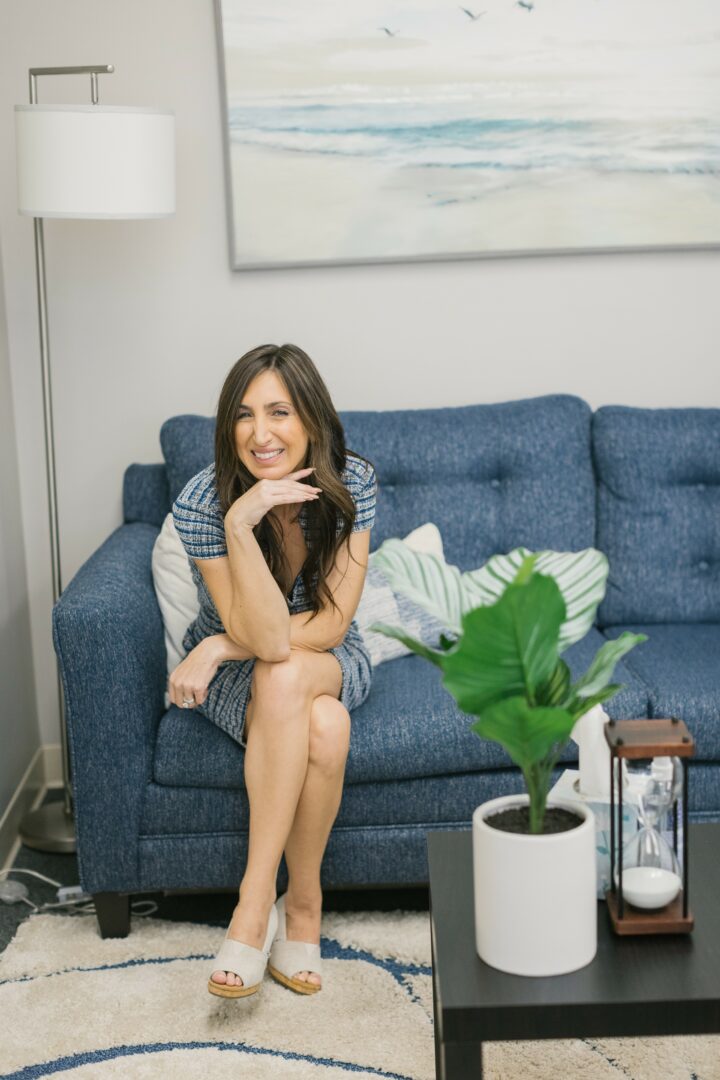
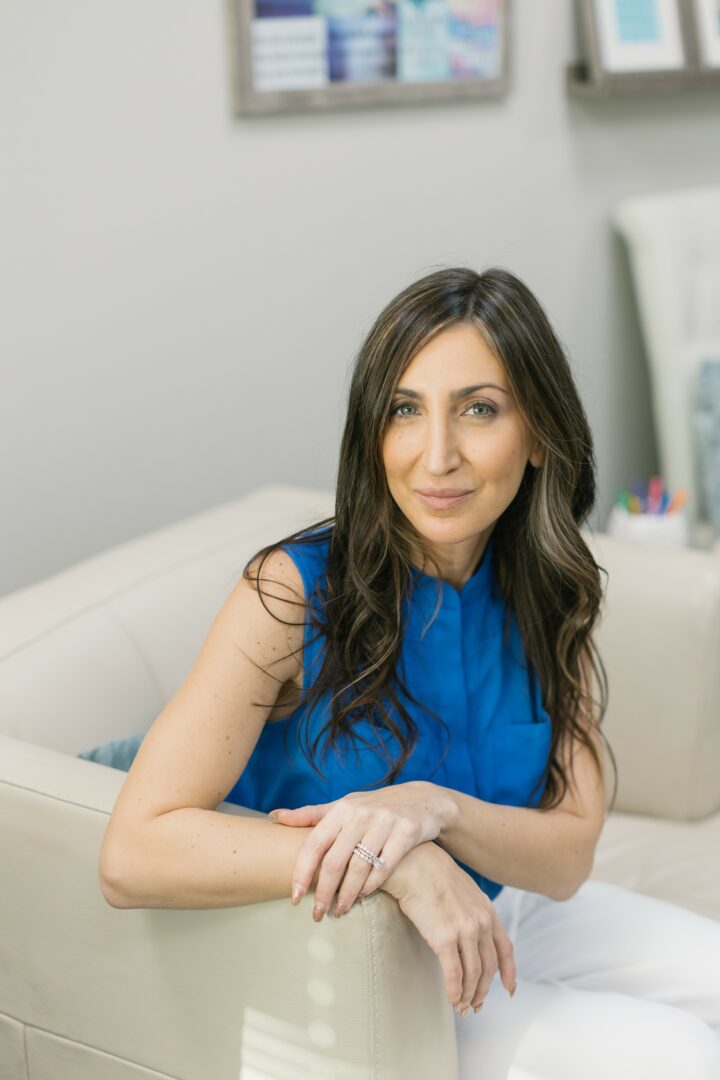
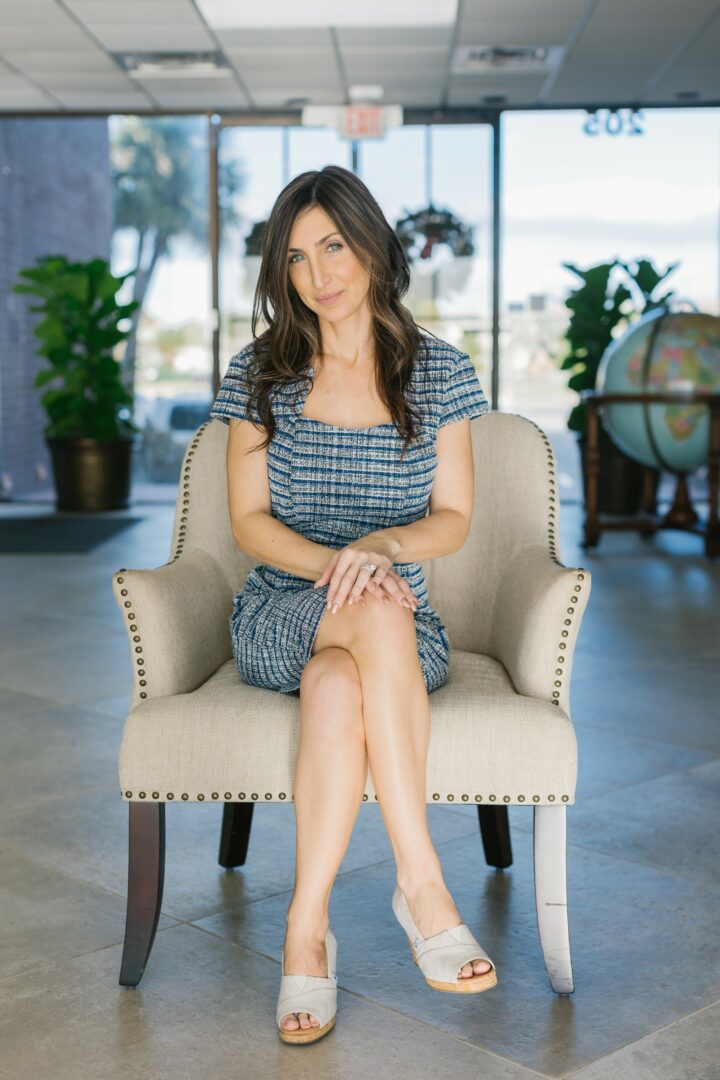
Image Credits
Photography By Avery