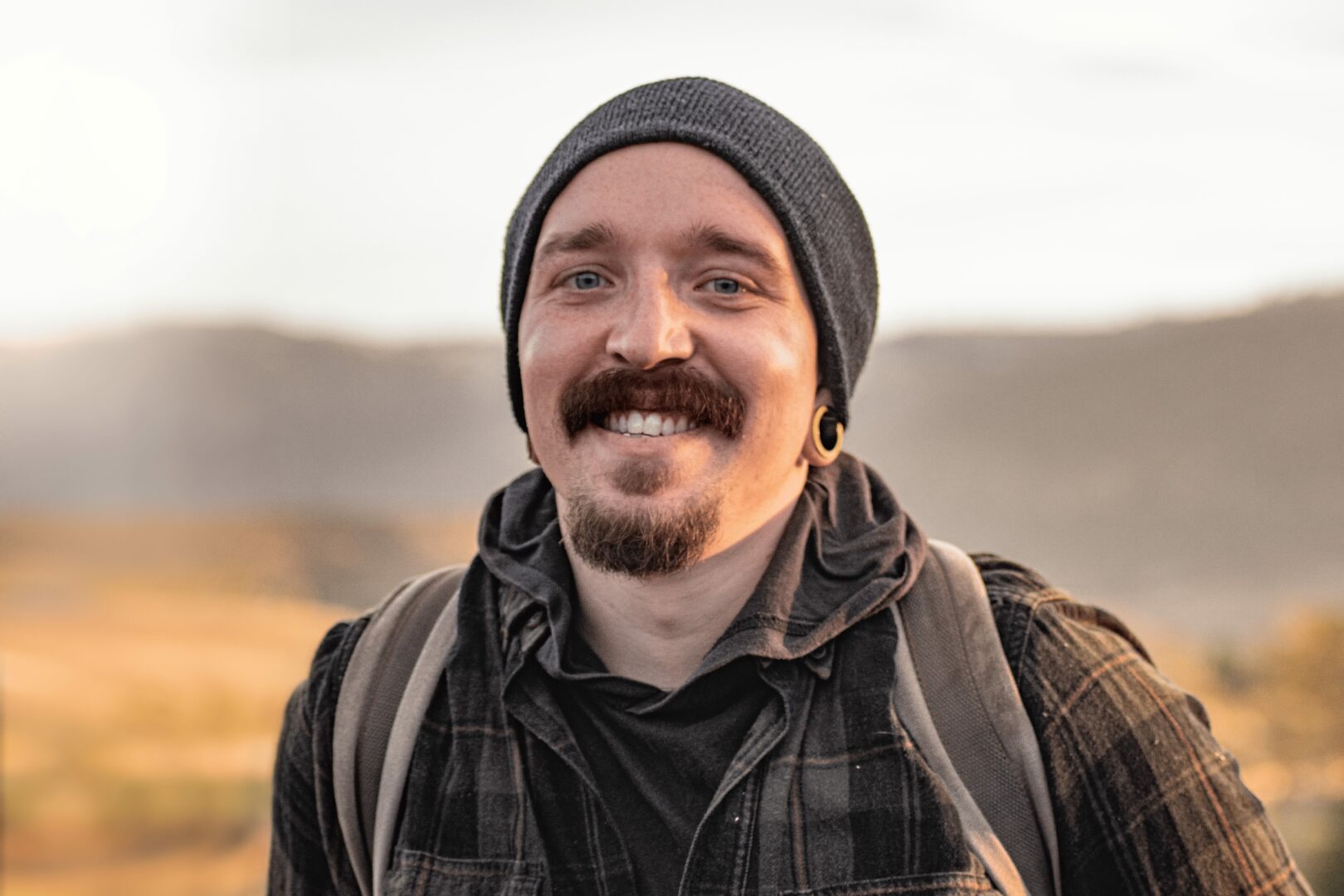
Alright – so today we’ve got the honor of introducing you to Bryan Blandine. We think you’ll enjoy our conversation, we’ve shared it below.
Alright, so we’re so thrilled to have Bryan with us today – welcome and maybe we can jump right into it with a question about one of your qualities that we most admire. How did you develop your work ethic? Where do you think you get it from?
My work ethic definitely comes from my dad. I used to watch him work seventy to a hundred hours a week and barely have enough to get by. He taught me how to sweat pipe at eight years old. I helped with cleanouts or demo work at twelve or thirteen. I grew up with a strong understanding that making it in life takes every ounce of yourself, and even with the highest caliber of effort you can still fall short of where you would like to be. I started working as soon as possible, saving every cent I could. When I was nineteen I was working sixty-five hours a week at a pharmacy, hitting the gym and then going home so exhausted, but there was my dad still finishing up work. So I’d stay up, get in some drawing, work on my portfolio until the sun started peeking up over the trees. By the time I was ready to start college, I was well accustomed to putting in about a hundred and forty hours a week. It was difficult, but I knew that if I poured every ounce I had into my work I could learn the skills necessary to build a career. I went into that school one of the least prepared, least trained artists there but I worked hard and quickly developed the skills to hone my craft. I challenged myself at every step, compared my work to the students around me, and to industry professionals. I held my work to the highest standard and pushed myself to bring it to their level. I surrounded myself with the best artists I could find, and humbled myself to their feedback. For me it was simple, I wanted to build a better life for myself, my future kids and I would not have my unwillingness to do the work be my failing. Everyone is different, your upbringing, financial situation, and location heavily influence how far you need to push yourself to bring your work to the level necessary. For me working full time on top of college on top of putting in the extra work to catch up and excel, it meant about three hours of sleep a night. I had more than a few friends think I was crazy, but ten years on I have a career, some stability, a good life and better work life balance.
Great, so let’s take a few minutes and cover your story. What should folks know about you and what you do?
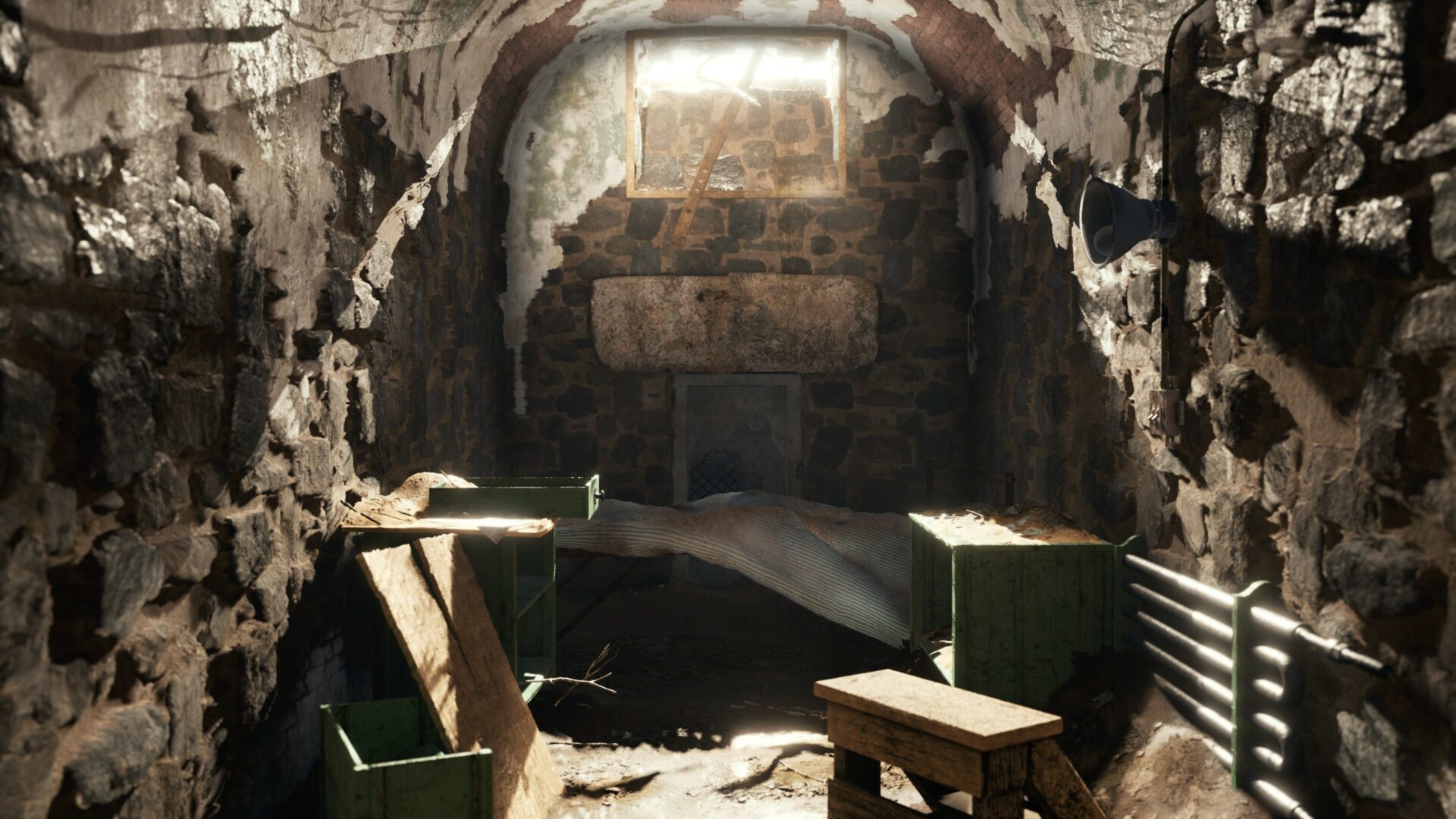
I work in the video game industry as a 3D Artist. What that means is I am given a prompt whether with a piece of concept art or just a general description of an asset and I build it in the computer for real time rendering applications. I typically work on props or environment pieces, even some character work, weapons, vehicles, etc, as well as VFX.
What I love most about my work is the opportunity to tell a story. Whether it’s aiding to the overarching story of the game or simply the story of that particular asset. Every bump, scratch and fleck of dirt it earned on its journey from the hypothetical factory to where you found it. Every little story adds depth to the world you’re building. It’s not enough to just make a cool scifi street with tons of reflective puddles. You need to feel as though thousands of people have walked those streets leaving behind tiny hints of their presence, for the illusion of that street’s long history to be believable.
There is so much advice out there about all the different skills and qualities folks need to develop in order to succeed in today’s highly competitive environment and often it can feel overwhelming. So, if we had to break it down to just the three that matter most, which three skills or qualities would you focus on?
The three most important qualities, skills or areas of knowledge that were impactful on my journey. That is a great question.
Of course there’s the more practical answer that you need to have foundational traditional art skills such as form, lighting, composition, anatomy, perspective, color theory and value structure. You need an understanding of industry standard programs such as Maya, Zbrush, Substance Painter, Substance Designer, Photoshop, Unreal Engine or Unity and of course software such as Perforce or Jira doesn’t hurt. Efficient modeling practices, UV layouts, perhaps some rigging or animation skills. This is the bread and butter of my daily life, and learning from industry professionals is key. But this is the bare minimum to be able to do the job. What qualities or skills enable you to stand out enough to land a job?
First, you need to be hungry for knowledge. Have you ever considered how a crane operates? The anatomical structures that separate lions from cheetahs and how those markers impact your creature designs? How is a house or a deck framed? Some of the best advice I ever got was to model assuming your audience is an expert in what you’re building. You need to model an M1A1, then you should assume your game will be exclusively played by members of the armed forces. Specifically tank mechanics. Are you modeling a laboratory, congrats your entire audience is world renowned scientists. You are an expert modeler, but you are now also an amateur biologist, archaeologist, mechanic, engineer, architect, chef, etc. If you can convince an expert that what you’re showing them is the real deal, you have a pretty solid chance of convincing anyone else.
Second, be humble, be personable, and be open to criticism. I’m sure you’ve heard that about a million times but it’s as true here as everywhere else. Be someone people would enjoy working with, and you’ll be fine.
Lastly, don’t just go with your first version of anything. Your first and fiftieth will often be your favorites. When you limit yourself to putting out your first attempt you will often leave yourself with weaker work than if you tried a few variations. This is also true at any stage of the work, sometimes something feels good and then you’re a week or two in and something isn’t working. It can feel like a waste if you don’t salvage it. But sometimes it’s better to just put it down, be happy with what it taught you and try again. It’s better to spend the time trying again than to leave yourself with something that isn’t working. It’s also often far faster to start over than to try and fix a piece that just isn’t working. It’s ok, you didn’t fail to get the job done, you just effectively discovered one of the many ways it can’t be done.
We’ve all got limited resources, time, energy, focus etc – so if you had to choose between going all in on your strengths or working on areas where you aren’t as strong, what would you choose?
I think better is too relative a term to work for everyone. This is definitely a question where I won’t offer advice, but I will offer perspective. For me, growing up in a relatively small town in the woods far from the gaming industry I had my work cut out for me. I had limited knowledge, resources and no connections. What I did have was a strong work ethic and a deep understanding of the consequences of failing. I put everything I had on the chance that I could save up, get myself a car, toss a bed in it and drive across the country. To learn what I needed to, gain the resources and build the connections necessary to make that career. During that time I was working seven days a week, sleeping three hours a night and eating probably once a day. I was as all in as a person can get. Was it healthy, definitely not. But did it work? Did I manage to learn what I needed, build the relationships that helped push me toward my goals, and slowly build up a resume: yes. I have met plenty of people on this journey who were in a better position to have more worklife balance. I have also met many who have yet to land their first job. There is no one way to get your foot in the door. My last few years I have managed to be more rounded, taking up hobbies, building meaningful relationships, and focusing on physical and mental health. I don’t think there is any one size fits all way to answer this beyond this simple formula:
Take note of exactly where you want to be in your life. Exactly what it looks like and be specific. Take note of exactly where you are now and be honest. Then you need to connect those dots. What do you need to do to get each area of your life from A to B? What are the first priorities? By answering these questions you build the foundations of your plan. Depending on where you are starting you may find a more balanced plan, or you may find it difficult and well caffeinated. In either case, don’t dwell on it or compare your situation to others. If that is the plan that carries you toward the life you want, then that is the plan. If it seems daunting or exceptionally difficult or simply too long, it changes nothing. That’s the plan, so you get it done. As you bring your highest priority skills to the level necessary for success, you will have the time to bring up more areas of your life. I wish you the best of luck on your journey.
Contact Info:
- Website: https://bryanblandine.artstation.com/
- Linkedin: https://www.linkedin.com/in/bryan-blandine/


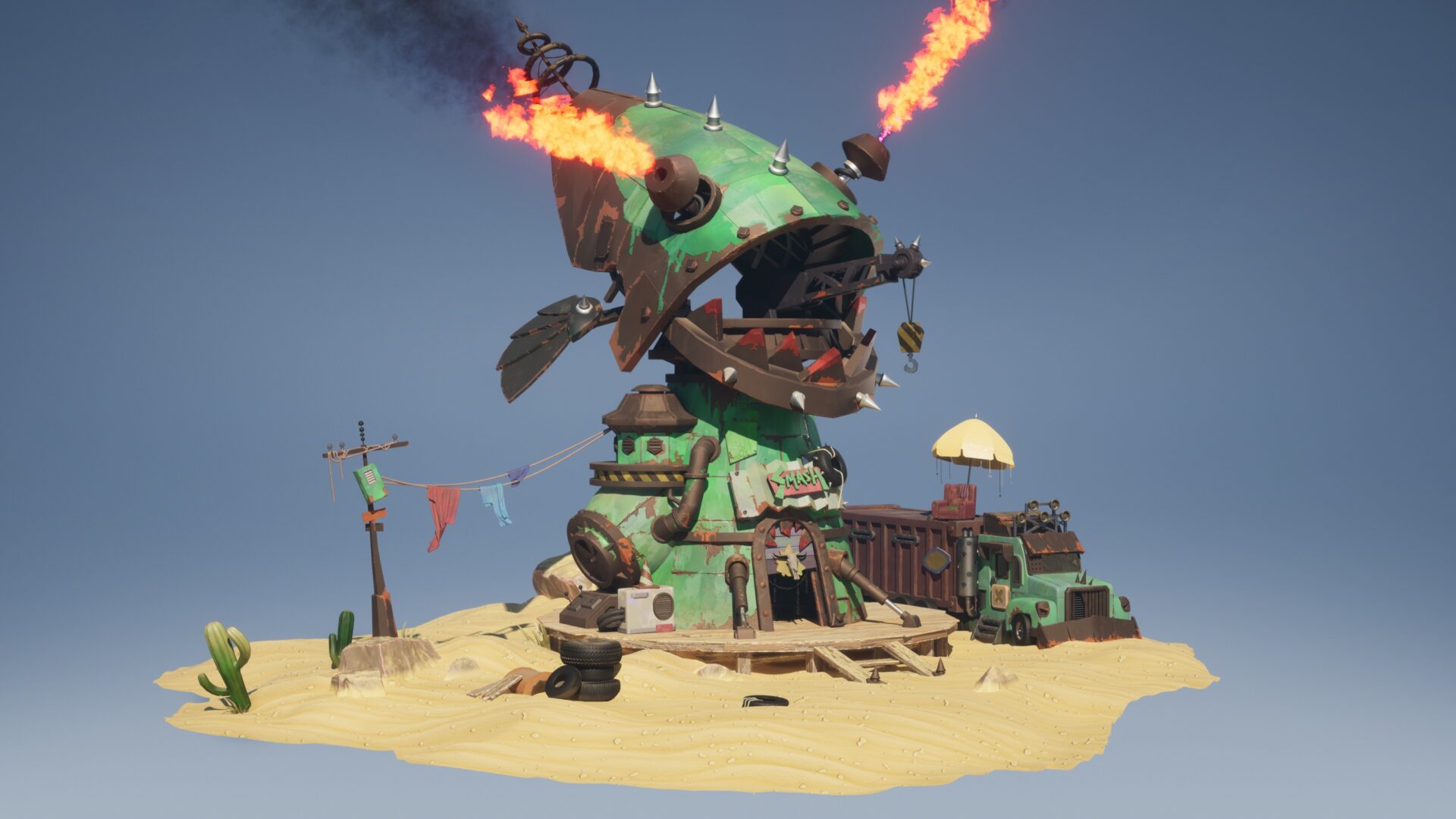
Image Credits
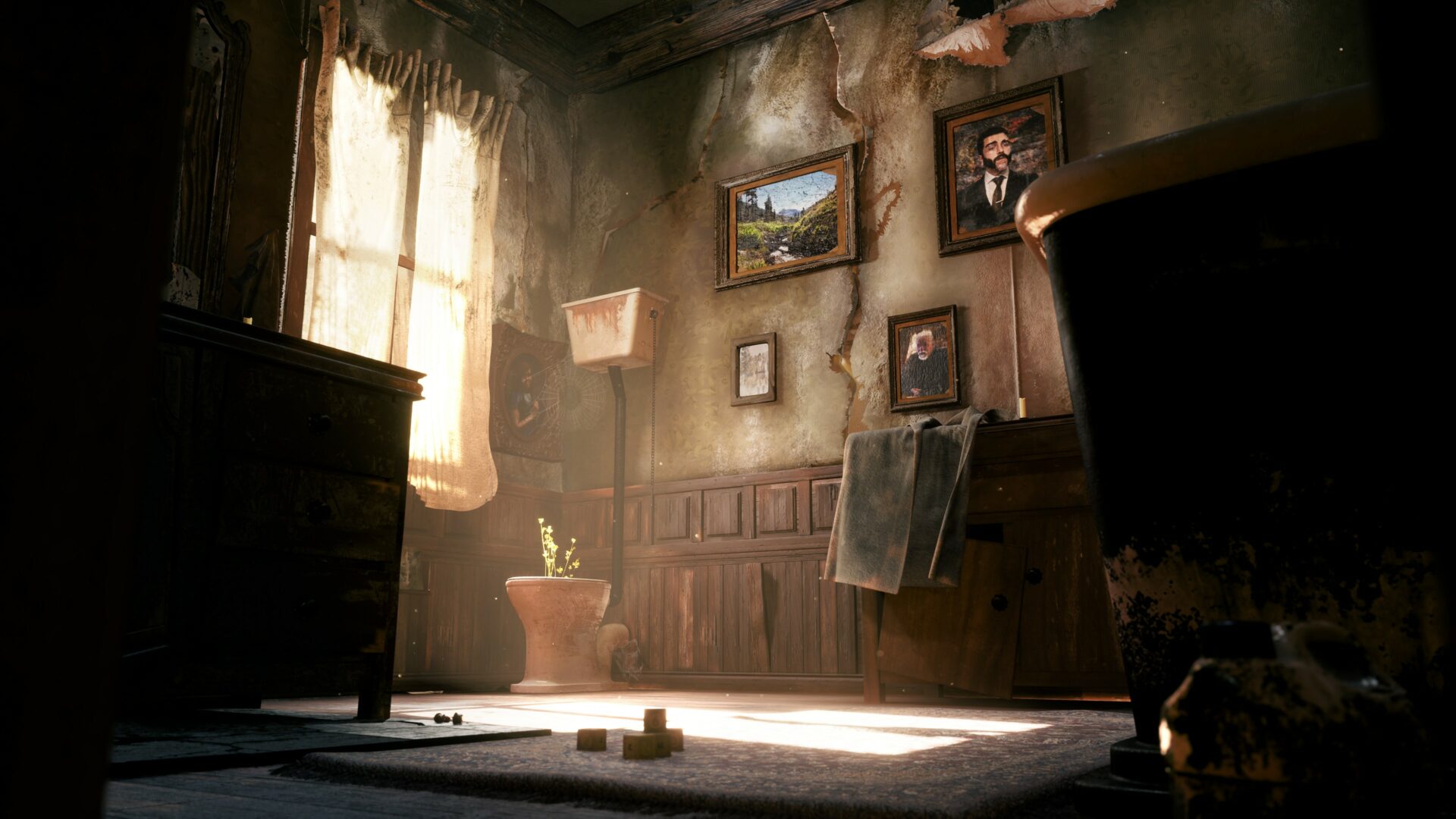
Victorian Bathroom – original concept by Andrej Rempel
Lotus Walker – original concept by Weiyi Qin
Smash Factory – original concept by Dan Zhao
so if you or someone you know deserves recognition please let us know here.