
We were lucky to catch up with Bryce Miller recently and have shared our conversation below.
Bryce, looking forward to learning from your journey. You’ve got an amazing story and before we dive into that, let’s start with an important building block. Where do you get your work ethic from?
My work ethic definitely comes from several sources. I had a good number of high-quality role models growing up who taught me some of the most important lessons I know. I’m particularly grateful to those who got me started and helped me grow: Marty Jackson, Scott Nelson, Jeff Mattoon, Jeff Hildebrandt, Chris Thomas, Josiah Rasmussen, John Weygandt, Ben Edison, and Ed Olivett. Without these people, I can firmly say I wouldn’t have even gotten off the ground. Each one taught me not just how to be technically proficient, but also how to be a good leader, employee, friend, and man. The way they carry themselves showed me the kind of work and effort required for a truly high-quality outcome, and I am incredibly grateful for them.
I also owe much of my work ethic to my father. He has always been a strong example of the person I aspire to be, and without his guidance through small lessons along the way, I would be a very different person. He has consistently taught me that a job done with less than 100% effort is not done at all. He has encouraged me in every path I’ve taken, even ones I’m sure he worried about. He showed me that no matter what, giving 100% to the project I’m working on—regardless of its difficulty or my personal reservations—will always prove to serve not only me well down the line, but also those around me, those I work for, and those who work for me.

Thanks, so before we move on maybe you can share a bit more about yourself?
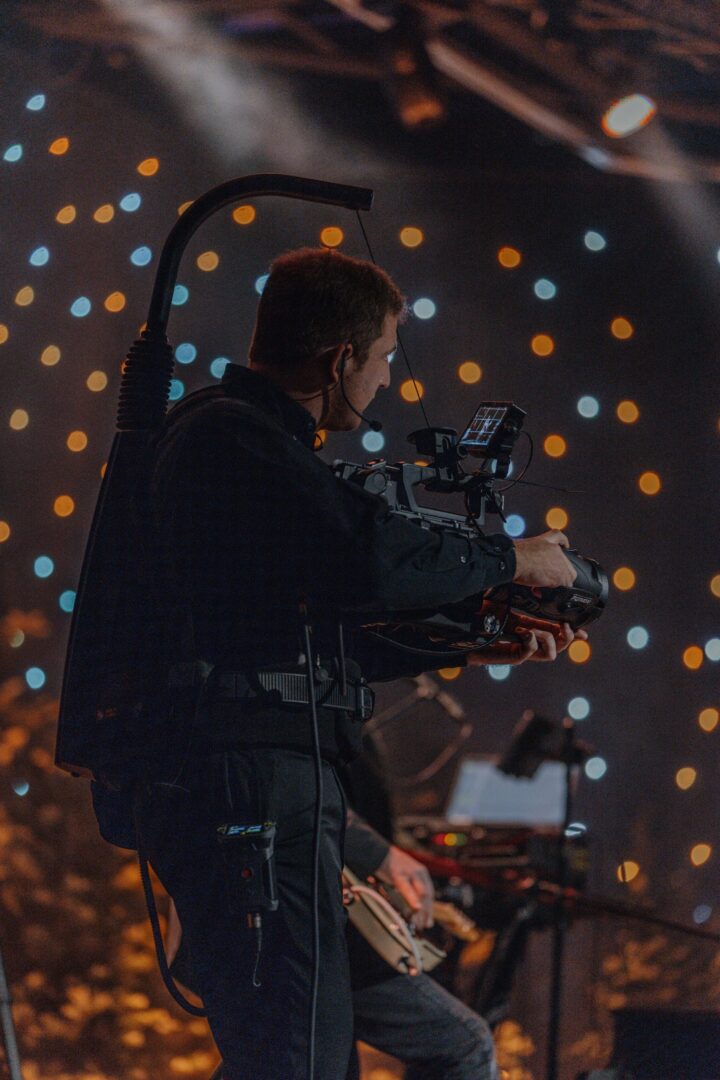
Lightspeed Industries is a company dedicated to being the “All-in-One” solution for Audio Visual Integration and Operation, as well as IT/Security systems. The factors that set me and my company apart from our competitors, including larger companies, are our work ethic and financial strategy. I’m very passionate about ensuring that contractors like myself are valued for their skills, but I also believe in working within a client’s budget. This aspect of Lightspeed Industries has helped us maintain a strong client base over the years.
I keep busy with a schedule that includes being a full-time student at the Colorado School of Mines, but I enjoy that balance. My belief, and the policy I uphold at Lightspeed Industries, is to foster an environment of personal challenge and a commitment to striving for perfection. As someone who works in a highly creative and flexible industry, I understand that any semblance of perfection or technical mastery is fleeting—but that’s what makes the work exciting. As I’m sure any of my clients can tell you, my answer is never “no.” I have significant experience that allows me to guide and inform customers on their choices, but when there’s something a client wants—whether or not I have prior experience in that area—I strive to make it happen.
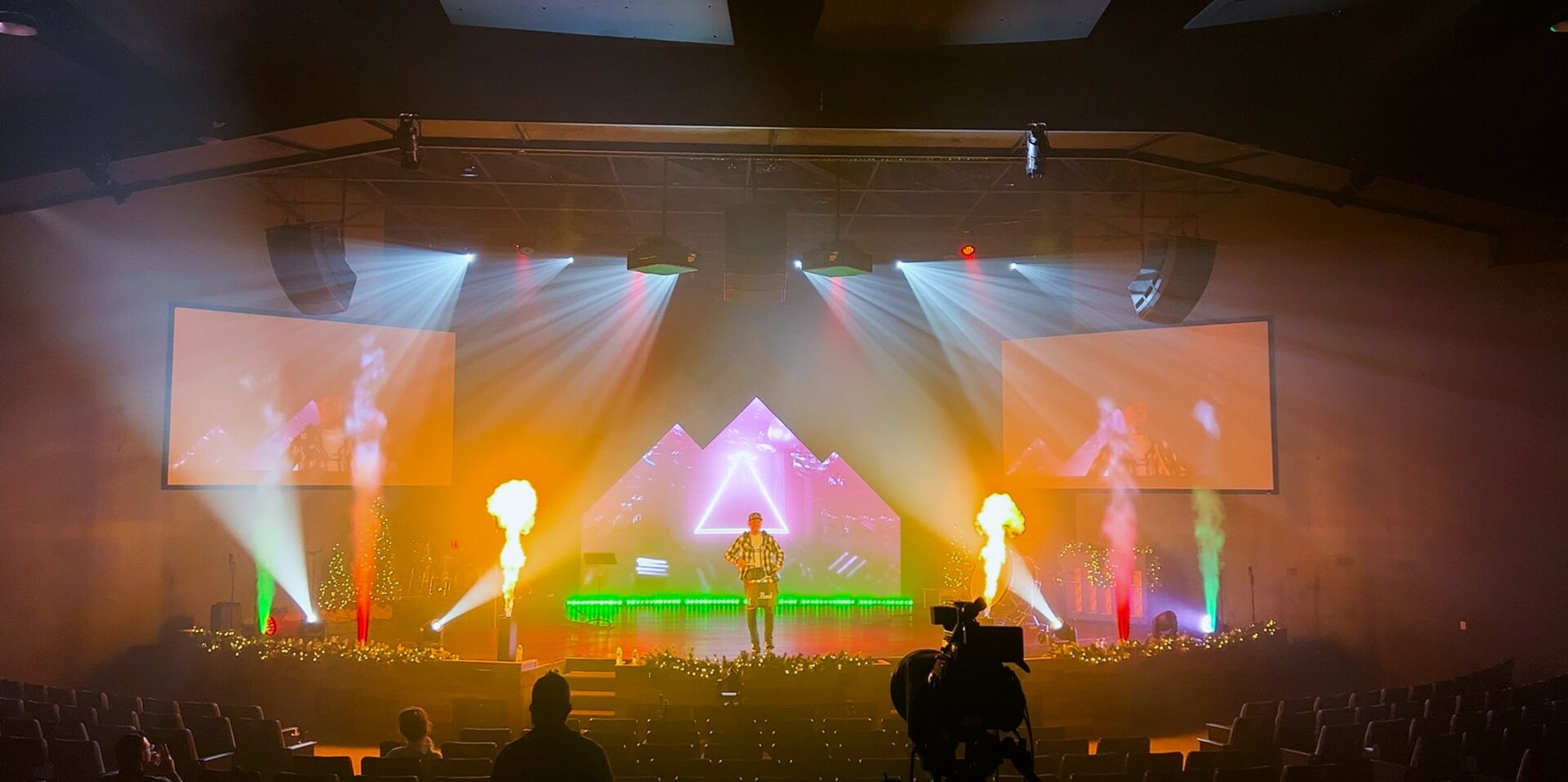
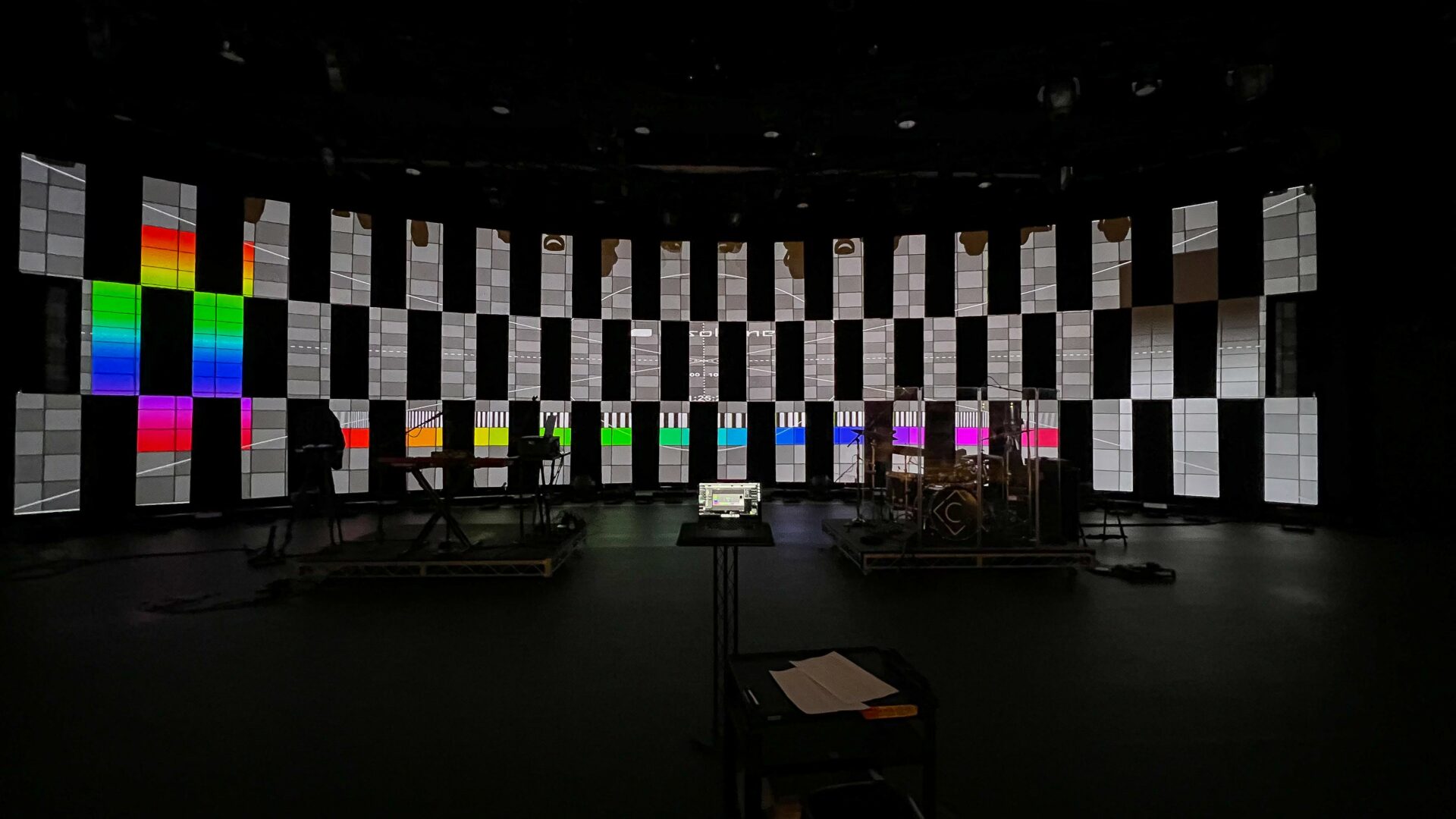
Lightspeed Industries has been providing live production services (lighting design, camera operation, department/team direction, producing services, etc.), video production (documentary, commercial, informational, feature), and information technology installations (servers, security/access control systems, cabling, network backbone, etc.) for nearly four years now. This work has taken me all over, starting in Denver and eventually branching out to states such as Alabama, Georgia, Louisiana, Texas, Pennsylvania, Tennessee Arkansas and New Mexico. If you need someone to handle the heavy lifting and production side of a project, that’s the kind of work I do through Lightspeed Industries.

If you had to pick three qualities that are most important to develop, which three would you say matter most?
The three most important qualities, skills, or areas of knowledge that have served me best in my journey are a creative eye, connection with clients and personalities, and a commitment to continued learning. Interestingly, none of these involve technical mastery—and there’s a reason for that. In all my time in the industry, mastering technical skills has never been an obstacle for me or those around me. My success has been rooted in how I interact with the people I work with—whether they are the ones hiring me or the personalities I collaborate with. By maintaining a positive demeanor and fostering cordial interactions, I’m able to create an environment that encourages problem-solving and creativity. This environment allows people to grow and thrive, ultimately leading to a much better end product.
Continued learning and a creative eye are two other qualities that have significantly impacted my success. Taking the time to step back and view problems or goals through a broader lens has enabled me to adapt plans to overcome various challenges. This approach has also allowed me to become someone my clients can rely on to make their projects shine. I strive to push beyond familiar methods, learning new skills and techniques that can completely transform a project’s look and feel.
The willingness to think outside the box and embrace new learning has been essential to my business. My philosophy of never saying “no” has kept me moving forward. As new systems, technologies, or concepts emerge, I aim to stay at the forefront. I’ve acquired many new skills simply because clients have asked. For example, I delved into access control systems after a client requested one to be installed. The attitude I brought to that project has been a key driver in growing my business, and I believe it will continue to serve me well in the future.

To close, maybe we can chat about your parents and what they did that was particularly impactful for you?
This is definitely an unpopular opinion, but the best thing my parents did was to be cautious realists. Essentially, they offered gentle nudges in different directions based on situations where they perceived excess risk. This approach served me in two significant ways. First, it provided a check on whether something I was pursuing might not be something I could succeed in. This helped me weed out impulsive ideas to immediately dive into a specific industry without evaluating and exploring multiple options.
The second benefit of my parents’ realism was that it taught me to analyze risks and select paths that mitigated those risks. They could point out potential issues, and from there, I could decide whether it was something I could quickly overcome or something I needed to redirect myself from. In the end, my parents never told me I wouldn’t be able do something—and I think that has had a major impact on my mindset and decision-making process.
As someone who runs a business, I don’t think of different directions as “possible” or “impossible.” Instead, I view them as “feasible” or “not feasible.” This may seem like a subtle difference, but it reflects the attitude shift my parents instilled in me. Nothing is truly impossible; it’s about determining whether the risks you’re taking can be mitigated and deciding if you want to focus your attention on overcoming and managing those obstacles and risks along the way.
Contact Info:
- Website: https://www.lightspeedltd.org/
- Instagram: https://www.instagram.com/bryce___miller/
- Linkedin: https://www.linkedin.com/in/bryce—miller/
- Youtube: https://www.youtube.com/@LightspeedIndustriesPortfolio
- Other: https://www.imdb.com/name/nm13726466/


Image Credits
In no particular order: Lindsay Stück, Maura Mcgettigan, Max Collins, Emily Reichley, Emily Robbins, Bryce Miller
so if you or someone you know deserves recognition please let us know here.