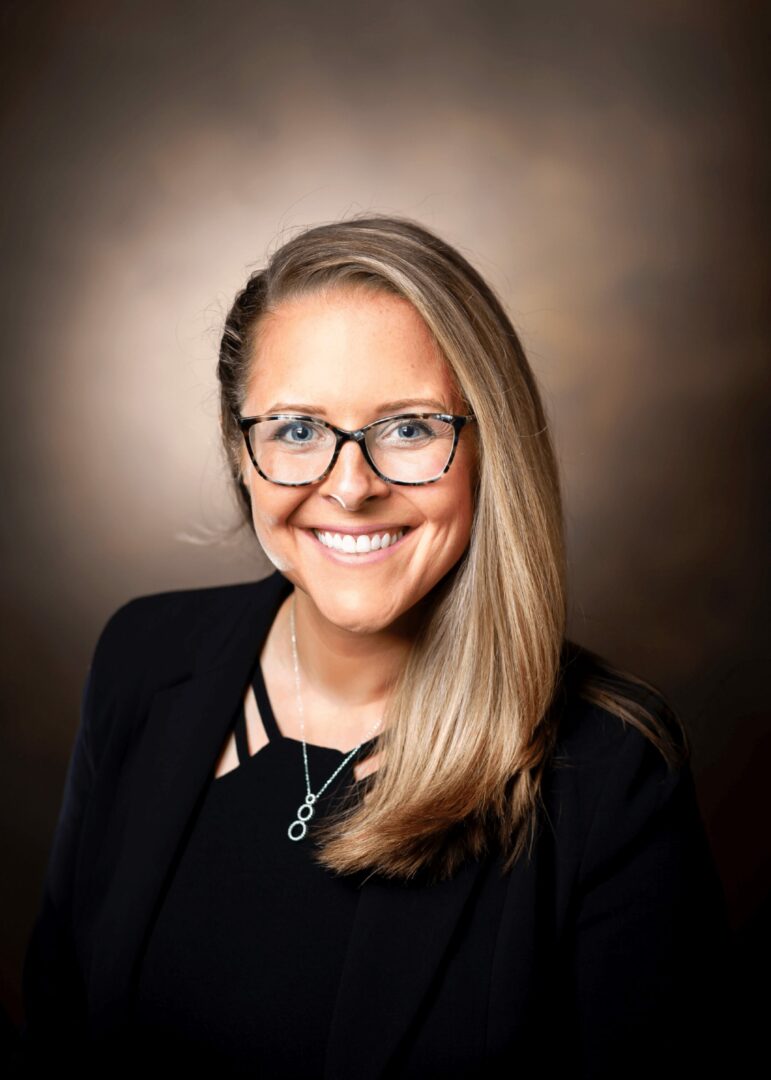
We caught up with the brilliant and insightful Caitlin Demarest, Md, Phd a few weeks ago and have shared our conversation below.
Caitlin, we’re thrilled to have you on our platform and we think there is so much folks can learn from you and your story. Something that matters deeply to us is living a life and leading a career filled with purpose and so let’s start by chatting about how you found your purpose.
I knew from a young age that I wanted to be a doctor. When I started medical school, I thought I would do family practice, but as soon as I started my surgery rotation, I knew surgery was what I was meant to do. I then managed into my first choice of general surgery residency at Columbia University Medical Center. When I first rotated on the thoracic surgery service and during residency, I fell in love. Thoracic surgery is an incredible specialty where you take care of very sick patients and have the ability to change their lives.
General surgery residency is 5 years. After my third year, I was given the opportunity to take 3 years off to do research. I moved to Pittsburgh to do research in artificial lung development and obtained a PhD in biomedical engineering. It was also during these 3 years that I got married and have my first child.
I subsequently moved back to New York City to complete my last 2 years of residency. During my final year of residency I had my second child. I then moved to Michigan to do my Thoracic Surgery Fellowship at the University of Michigan. During this time, my mentor from Columbia moved to Nashville to start a career at Vanderbilt University. After finishing my fellowship, I also came to Vanderbilt to begin my thoracic surgery career alongside my mentor of 14 years.
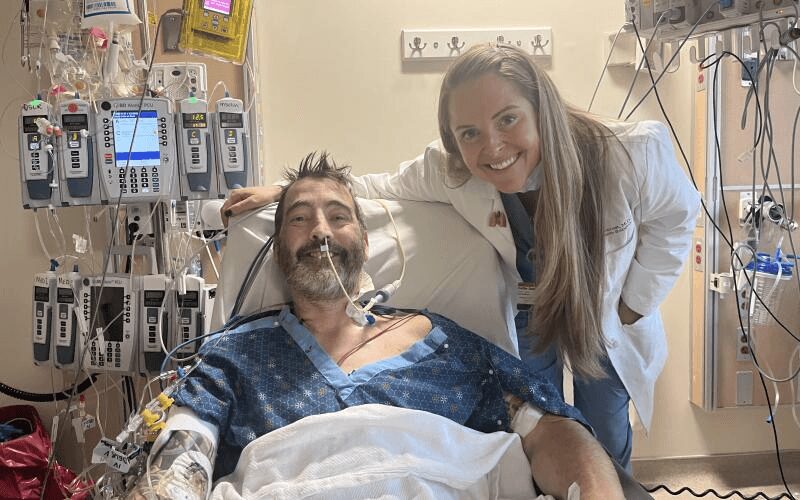
I have been at Vanderbilt for 3 years now and could not be happier. I do all of general thoracic surgery, which includes lung cancer, esophageal cancer, and other pathologies in the chest. I also have a very busy lung transplant practice. With most surgeries I do, I either remove a patient’s cancer, or give them new lungs – and I could not imagine a more gratifying career.
I also have chosen to work in academics (rather than private practice) because I have a passion for teaching and training the next generation of surgeons. I get so much satisfaction from working with medical students, residents, and fellows.
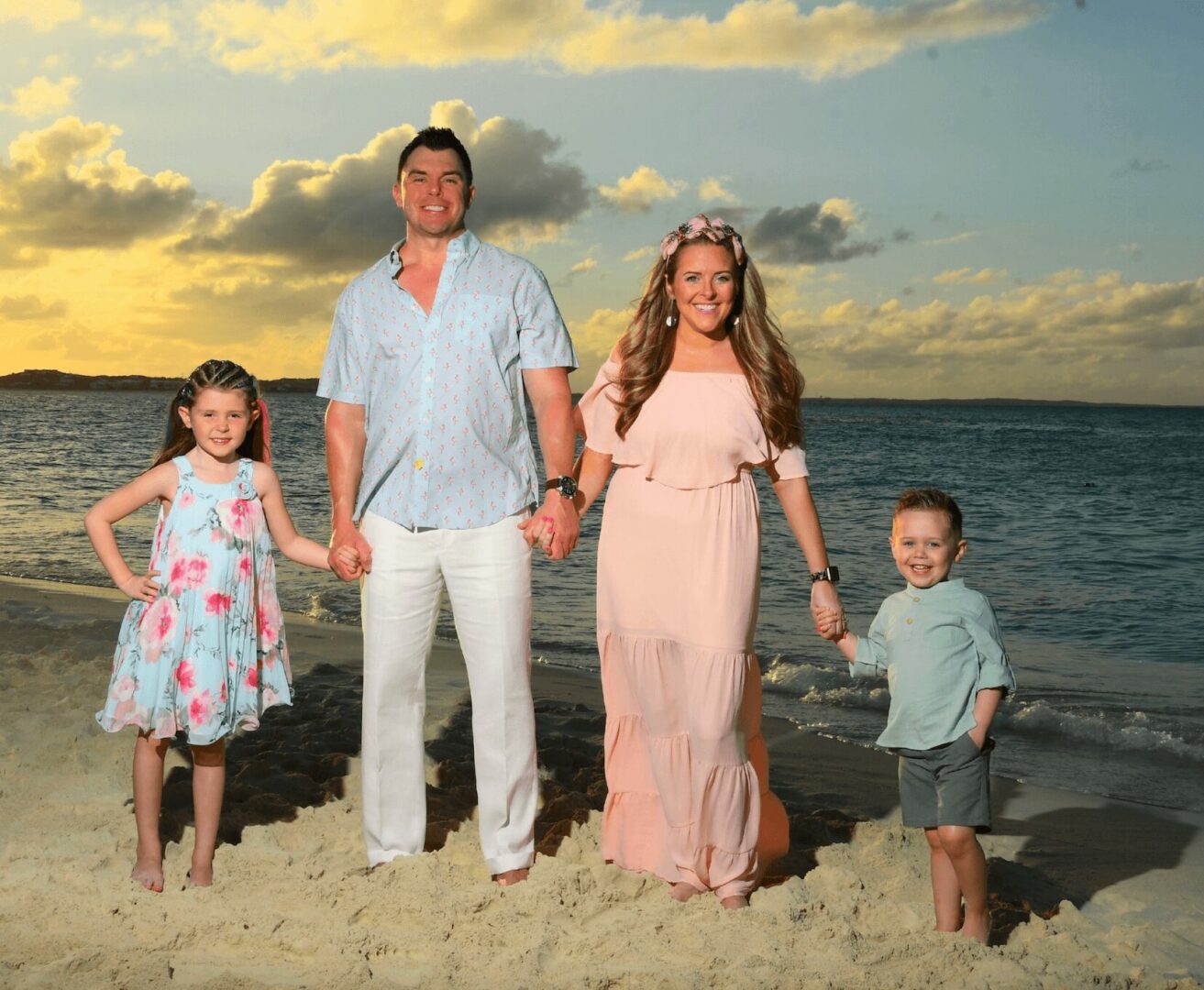
Of course, I also have a family that I need to balance with an extremely busy surgical career. My children are now 8 and 5 and are the most important thing in my life. When I am not in the hospital, I try to be intentional about all of the time I spend with my kids be quality time. I try to engage them in my job is much as I can, telling them about my day or bringing them on rounds to meet my patients, and I cannot wait until they are old enough to join me in the operating room and see some of the surgeries that I do. They need to see that someone can be a mommy and a surgeon, and equally good at both.
Great, so let’s take a few minutes and cover your story. What should folks know about you and what you do?
I already basically covered this in my first answer….
Titles:
– Assistant Professor, Department of Thoracic Surgery
– Associate Surgical Director of Lung Transplantation
– Associate Program Director, Thoracic Surgery Residency
– Co-Director, Laboratory for Organ Recovery, Regeneration, and Replacement
– Medical Student Thoracic Clerkship Director for Vanderbilt University School of Medicine
– Cardiothoracic Surgery Representative to the Early Career & Trainee Committee, International Society for Heart and Lung Transplantation
– Vice-Chair Elect for the Thoracic Organ Transplantation Committee for the American Society of Transplant Surgeons
– Appointed member, workforce on technology and innovation, Society of Thoracic Surgeons
– Appointed member, workforce on general thoracic surgery, Society of Thoracic Surgeons
Other things I could talk about:
– being a woman in cardiothoracic surgery (where there are very few woman, in fact i am the only female out of 12 cardiothoracic surgeons at Vanderbilt)
– balancing family and a demanding job
– my research (lots of very cool sci-fi studies)
Looking back, what do you think were the three qualities, skills, or areas of knowledge that were most impactful in your journey? What advice do you have for folks who are early in their journey in terms of how they can best develop or improve on these?
Openness – I began college thinking I was going to go to medical school, but I always kept an open mind to other things that interested me. I found physics particularly interesting and considered changing paths and becoming a physics professor, but in the end stuck with medicine. Then, when I started medical school, I thought I wanted to do family practice and I was actually dreading my surgery rotation. I kept an open mind, however, and ended up completely falling in love with surgery. Then, again, in residency, I thought I was going to do trauma surgery, but when I did my thoracic rotation, I fell in love and never looked back. Also, when my mentor suggested I go to Pittsburgh for 3 years to pursue research and a PhD, I did not know if it was the right decision, but if I had not been open to that opportunity I would not have met my husband and had my 2 wonderful children. Where I am today is due to keeping an open mind throughout life and following my heart, as cliché as it sounds. So I suggest for young people to just be open to opportunities, no matter what they are because you never know where they will lead you.
Focus – To say that my career path required focus is in understatement. It is critical to know your goals, and constantly re-evaluate your goals to ensure you are still on track towards success. Success looks different to everyone, so reflecting on your path and ensuring your eye is on the right “prize” is critical.
Resilience – Even when times get tough, you must remain focused on your goal. It is also important to enjoy yourself along the journey. Despite working 80+ hours per week during residency and fellowship, I made sure to also enjoy myself. I found likeminded friends. I prioritized time out of the hospital not only for sleep but also fun with friends and family.
Any advice for folks feeling overwhelmed?
When I feel overwhelmed I remember that you cannot stop the clock.
If it’s a very bad day at the hospital, with lots of sick patients or when my pager will not stop beeping, I remind myself that “they cannot stop the clock. Today will end and I will be ok.”
—
Challenge:
I am in one of the most male-dominated professions. Although women account for 76% of full-time, year-round health care workers and half of all medical school graduates, only 4% of American Board of Thoracic Surgery–certified surgeons are women. Furthermore, In 2021, cardiothoracic surgeons who were women earned $0.71 to $0.86 for every $1.00 earned by cardiothoracic surgeons who were men. (Erkmen CP, Chin K, Agarwal S, Adnan S, Cooke DT, Merrill W. The Cost of Being a Woman in Academic Cardiothoracic Surgery: Joint Collaboration of The Society of Thoracic Surgeons Workforces on Diversity, Equity, and Inclusion and Cardiothoracic Surgery Practice Models. Ann Thorac Surg. 2024 Jan;117(1):59-67. doi: 10.1016/j.athoracsur.2023.07.034. Epub 2023 Aug 3. PMID: 37543350.)
At my institution, there are 11 cardiothoracic surgeons and I am the only woman. This comes with challenges, as one would expect. Everyone suffers from unconscious bias. I am included in this, as well, so I cannot get mad at the society that ingrains these unconscious beliefs, but it can be disheartening when it happens to you day after day after day. “Death by a thousand papercuts” is what we call it.
I can give you a few real, recent examples, from both in and out of the hospital:
1- Last summer I was seeing a lung cancer patient in clinic. The (male) intern went in first. An intern is a person that just graduated medical school so he had been a doctor for about 2 months. I graduated medical school in 2011 and had been a doctor for 13 years. The intern comes out of the room and presents the patient’s case to me, then we went back into the room together. I introduced myself as the surgeon and discussed the patient’s lung cancer and the surgical plan with him. At the end of the visit he said, “ok but I want to know what *he* thinks.” Pointing to the male intern. The male intern appropriately responded, ‘Oh trust me you do NOT want my opinion.”
2- I do a lot of lung transplants. After the transplant, I round on the patient every day, getting to know them and their family. Recently, in a postop clinic visit after the patient was discharged, the patient said “thank you so much for everything, but we were hoping we could meet the surgeon today. Is he here?” Aghast, I said “I *am* the surgeon!!”
3- I did a lung cancer operation and went to talk to the family. I introduced myself as the surgeon and told them the surgery went well and all of the cancer was out. The patient’s middle-aged son said, “So was it a good day and did you get to do something?!” Me: “huh?” Him: “did the surgeon let you do something?” Me: “I am the surgeon.”
4- I was recently on a flight and there was a mid-flight medical emergency. The flight attendant announced “We need a doctor. If you are a doctor please push your call light!” I pushed my call light. The flight attendant comes over, turns my call light off, and says, I’m sorry ma’am I can’t help you right now we have an emergency and need a doctor” then walks away.
5- I was getting new glasses in my new town a number of years ago.
“So what made you move here?”
“For surgery fellowship.”
“Oh, great! What specialty is heI”
“….?”
“Your husband. What specialty is his fellowship in?”
“It’s my fellowship, and it’s cardiothoracic surgery.”
All these, sprinkled with the daily:
How old are you?
How many of these have you done?
But who will do the surgery?
Will I get to meet the surgeon?
But you are so young!
Death by a thousand papercuts.
I will say that patients are always horrified to realize their error. Unconscious bias is exactly that – unconscious – and the only way we change it is to change perspectives, one person at a time.
so if you or someone you know deserves recognition please let us know here.