We recently connected with Camilla Boemio and have shared our conversation below.
Hi Camilla , appreciate you sitting with us today to share your wisdom with our readers. So, let’s start with resilience – where do you get your resilience from?
My career has always been shaped by my encounters. It is very important for me to find meaning in my work and in my life in general. Curating contemporary art is a way to express your creativity but it is also for me a story of encounters and sharing. This is why collaborating with artists (and architects) is very important and inspiring. For me, the “body of work” I produce matters more than maintaining a singular creative identity as an individual curator, writer, theorist (with extensive experience in journalism), consultant and so on.
The highest value of the meaning of the word: the dedication to disseminate, to show, to explain and to offer a cultural proposal of visual art that creates attention, and shakes and engages a debate with the exhibition visitors and publication readers. For me to curate is a kind of plant cultivation, to the various stages we must devote a vigilant assistance based on care, patience and time so that theories, application of concepts and artistic practice can mature. A plant needs sun and air; similarly an exhibition needs the ideal conditions to create a flow, to actively change the language of art proposing new keys to reading, experimenting, establishing a philological order and a curatorial method and raising the critical debate. Sometimes coming to not be satisfied by the knowledge of the world, but intervening in directing the movements, quoting Marx “Philosophers have only differently interpreted the world, but the important thing is to change it.” When can art activate and trigger new social and aesthetic ways? The curator comes into play to ensure a fertile humus by implementing the vigilant conditions and opening new avenues for thought, intercepting the ways to represent the start of a movement or research, an aesthetic process or an innovative function.
Thanks, so before we move on maybe you can share a bit more about yourself?
Twenty years ago I started to write about contemporary art, and began to curate my first exhibitions. Art is dynamic and regenerates itself. Power, belief and the perception of reality are being shaped and shared in society at large and for me this is such a key aspect to understand how society and art are evolving. I’m interested in practices that develop discourses around gender, body, the body politics resulting in a new vision of society, “identity bending,” a key Modernist trope spanning at least from Marcel Duchamp to Matthew Barney. If in the beginning of my career I only wrote about it, now I engage in in curatorial activities and would like to continue curating even more art projects.
ISWA project was one of the most interesting European announcements in which I was a consultant for the art section. The mission was to eliminate the gap between science and society, bringing young generations closer to science, proposing art as a better understanding and implementing an unprecedented exploration through the arts. In his topic and in the mission of the project there were all the essential elements to create in a curator an enormous enthusiasm in the power to structure exhibitions, publications and workshops articulated throughout Europe being able to space the various issues of analysis: from links between politics and science, to neuroscience, bio tech art, genetics, physics, nano technologies, climate change, cell renewal, science culture, medicine, scientific collections, biodiversity and conservation. One of the curated exhibitions was “After the Crash” at the Botanical Garden, in one of the most venerable museums in Rome. Among the projects I presented “The Other Night Sky” by Trevor Paglen, who traced and photographed the American satellites, classified the space debris and other obscure objects present in the Earth’s orbit. The project used the data observed and produced by an international network of amateur satellite observatories that calculated the position and timing of the elevated transits photographed with telescopes and large format cameras. In addition to having made site-specific land-art works such as the one commissioned to the artist Steven Siegel who saw the reuse of waste material. Technology and science are central disciplines in the societies that want to base the development in the growth of knowledge, the diffusion of the latter becomes a fundamental pivot for an adequate and democratic development.
Some years ago, I curated “Cities Visionary Places” at Torrance Art Museum, in the south bay of LA. CITIES was based on the cult expressionist film Fritz Lang’s 1927 set in a futuristic urban dystopia in which cities like Los Angeles and Masdar City in Abu Dhabi (Norman Foster) are the urban model of high–density compact city, a city in which absolutist lost in the vortex of a metropolis visceral perfect model of a new company. Surreal Landscape architecture built with speed as not being able to predict changes. Metropolis City is a labyrinth in which the cities of the world converge, until they merge, sublimating: Rome, London, Hong Kong, Paris, Berlin, Chicago, Mexico City, Los Angeles…
In the month of June; I worked on a site-specific, solo exhibition of drawings by American-based artist Ron Laboray at Colla Super. Laboray is a multimedia conceptual artist known for his paintings, drawings, video and sculpture about time and popular culture. Laboray’s work is scientific and digitally influenced using both abstraction and realism to discuss topics within mass culture, shared histories, Globalization and time.
The drawings presented at Colla Super represented points along time lines that include common facts and known histories, science, collections of stuff describing our shared world, invented fictions and cultural myths. Laboray is interested in subject matter that compels hope and demonstrates important values. These time lines operate using appropriated scientific laws such as “The Law of Superposition”, which is a way to tell geological time. The older information, which came first in time, is in the foreground and the newer, more recent information, is in the background. This reading can also be flipped depending on the temporal position of the drawing’s information. Drawing traditions also lend themselves to deciphering the time lines. Clarity and overlap are used to create a sense of time through distance, detail and sharpness. In the end, the drawings frame a narrative of humanity and demonstrate the information and ideas that are current and accessible to almost everyone.
If you had to pick three qualities that are most important to develop, which three would you say matter most?
Ability to team up, determination and generosity.
Studying through iconography and mythologies. Open dynamic prospective floating as a complementary exercise, through reality and your imaginary. Forget marketing artists and expand the sacred of art.
If you knew you only had a decade of life left, how would you spend that decade?
Complexity makes life and every art project full of magic. My main inspiration is my happy memories, and I want the rest of life to reflect my personality today. I believe that staying true to yourself and doing things that work for you is the most important, rather than simply following trends or striving to look like someone else.
Contact Info:
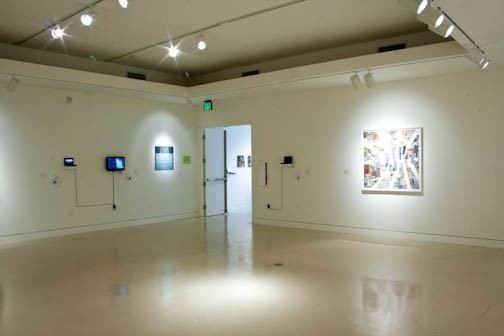
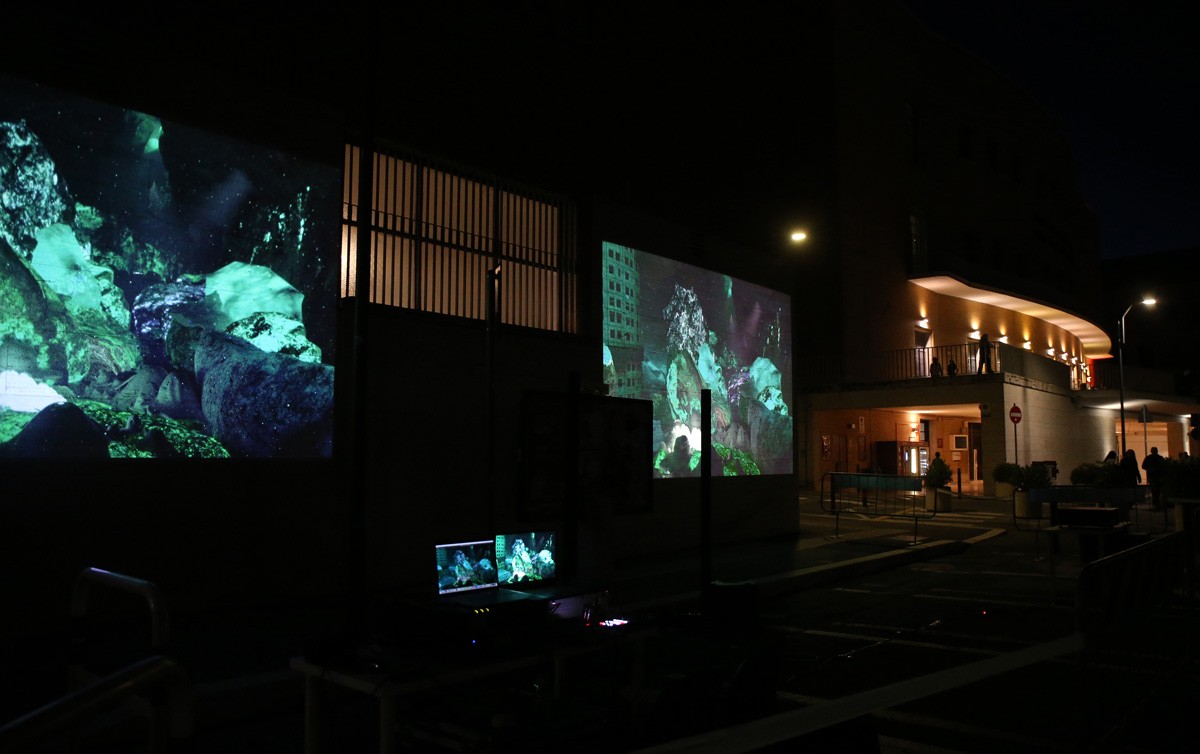
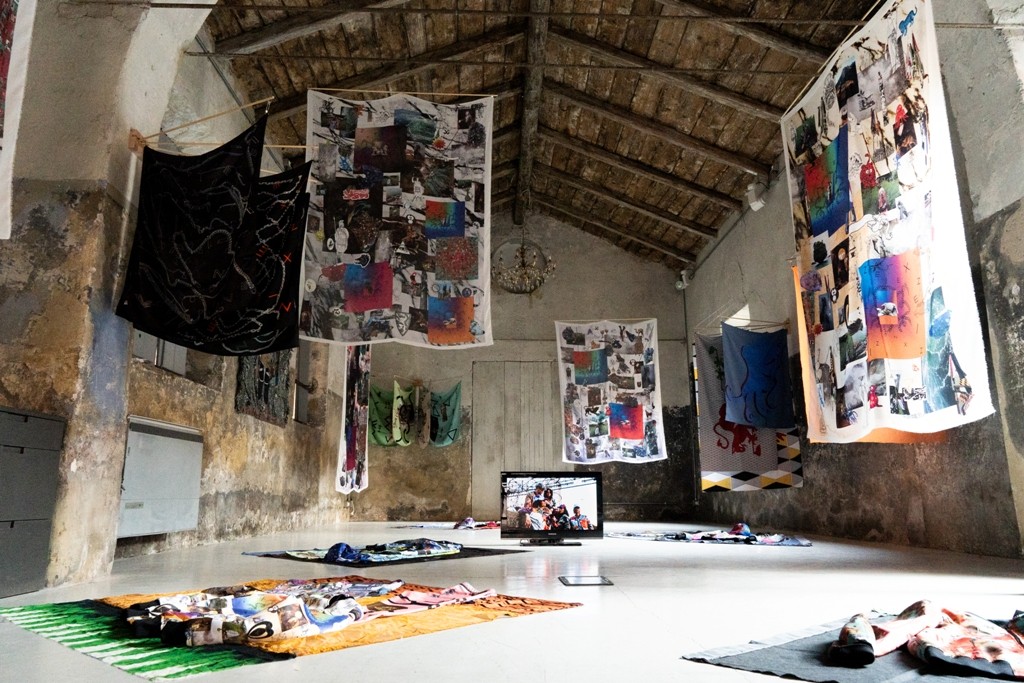
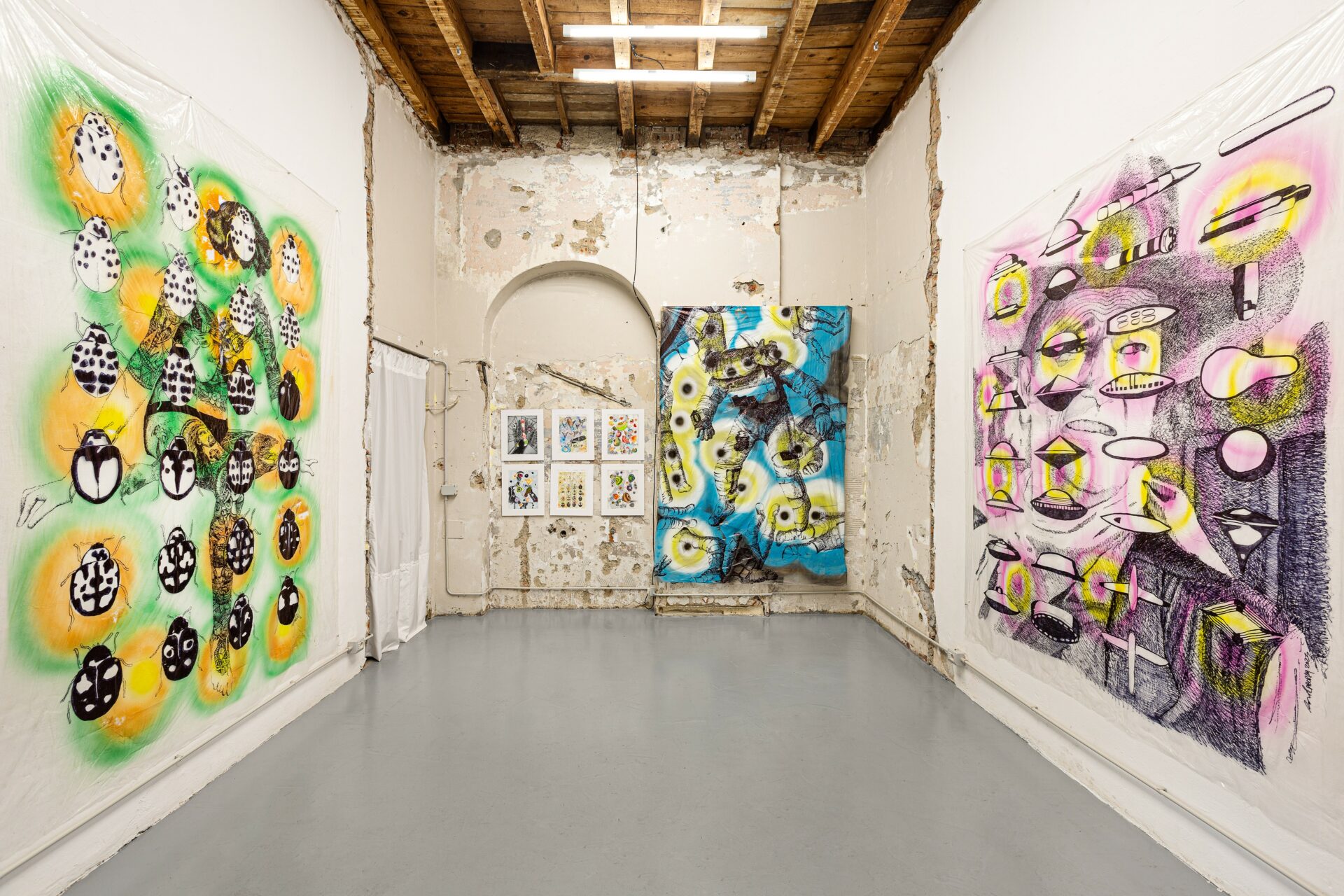
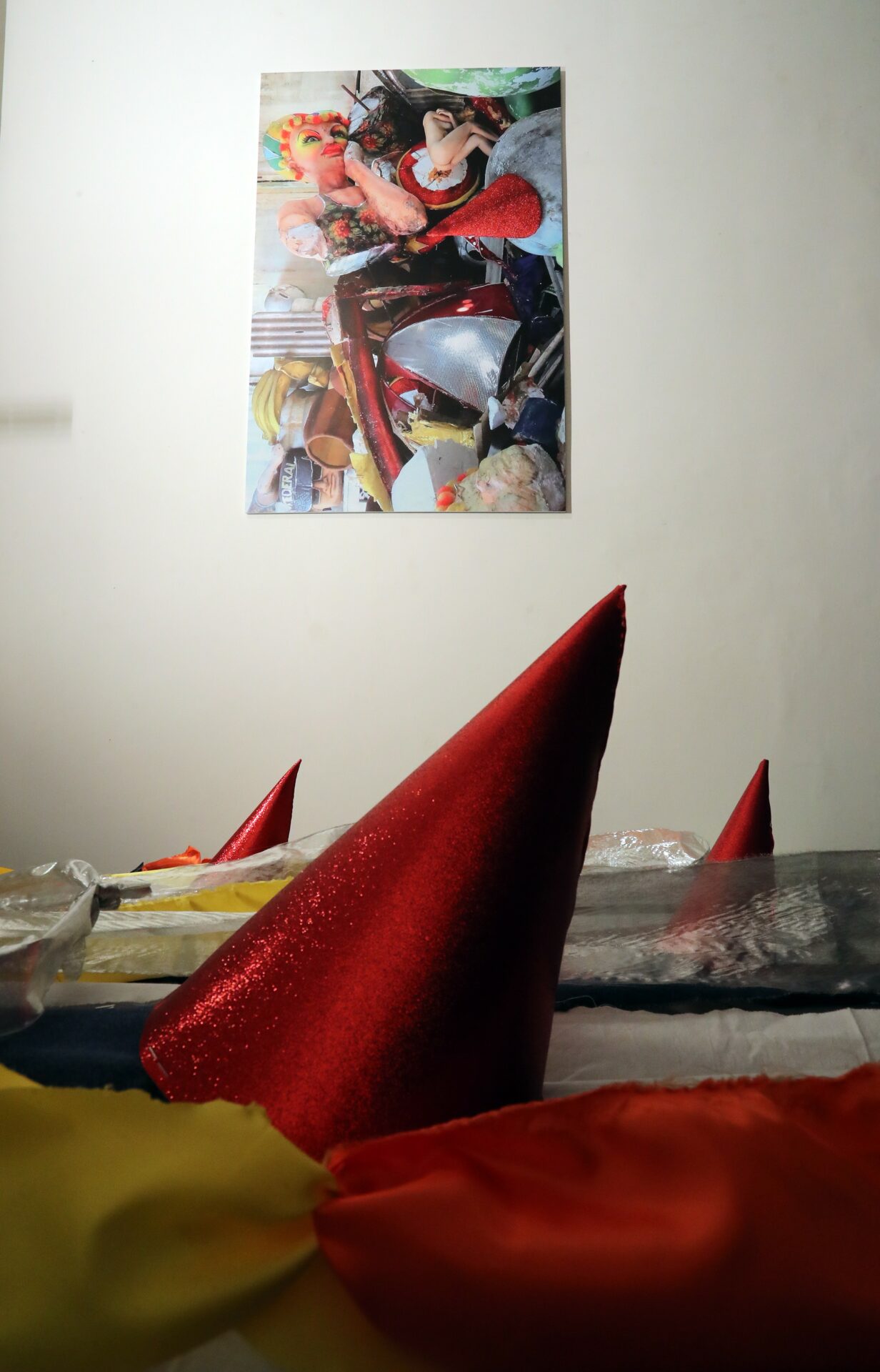
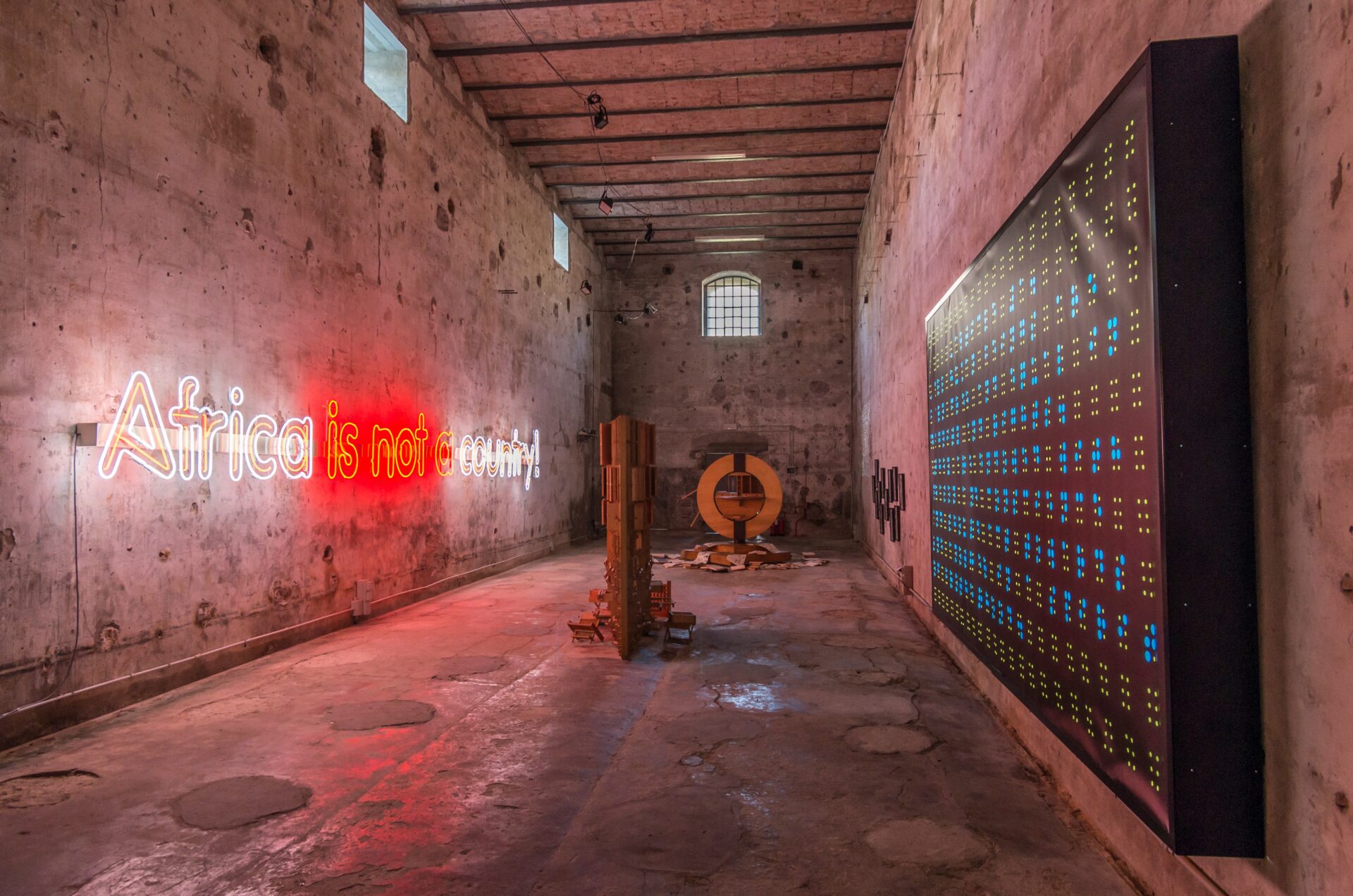
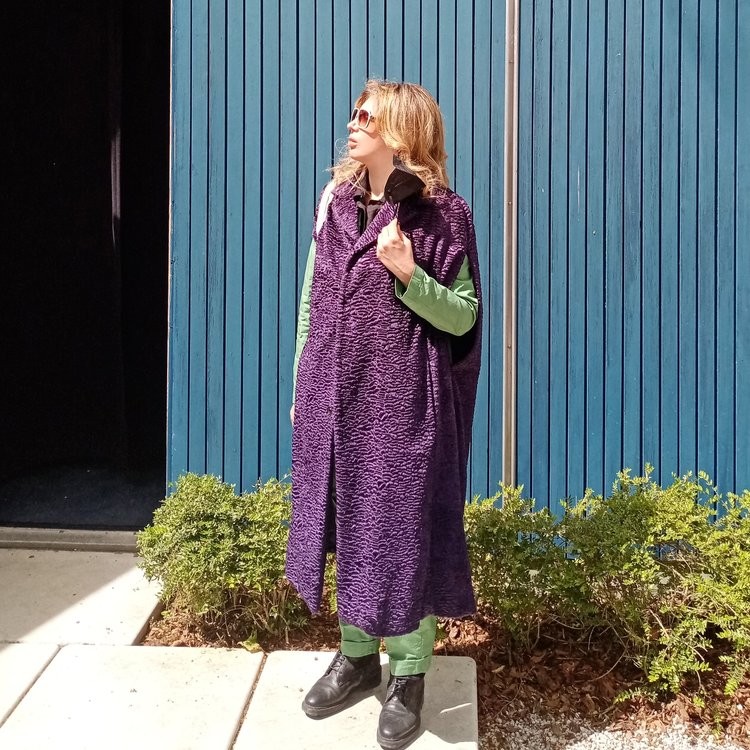
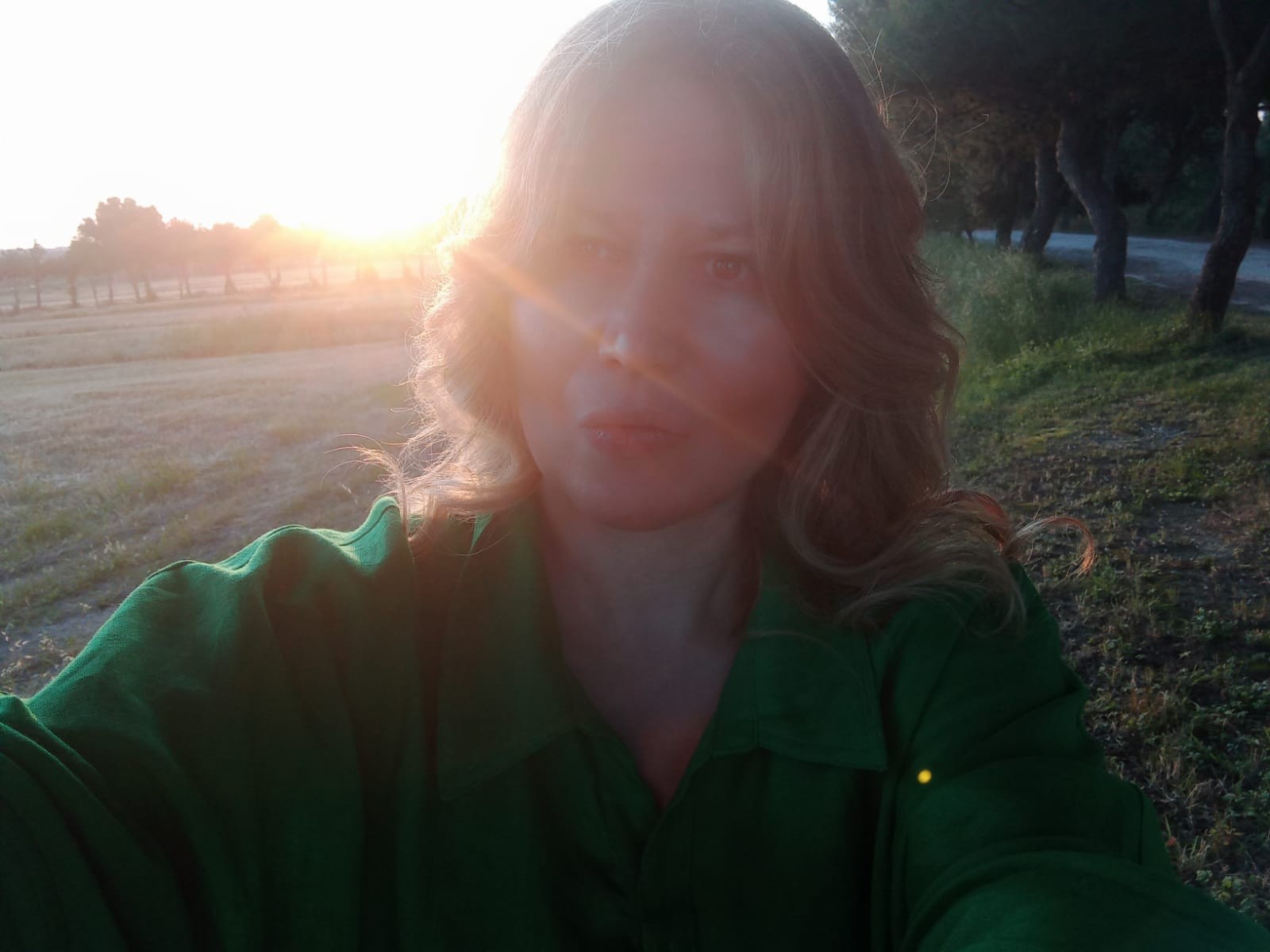
Image Credits
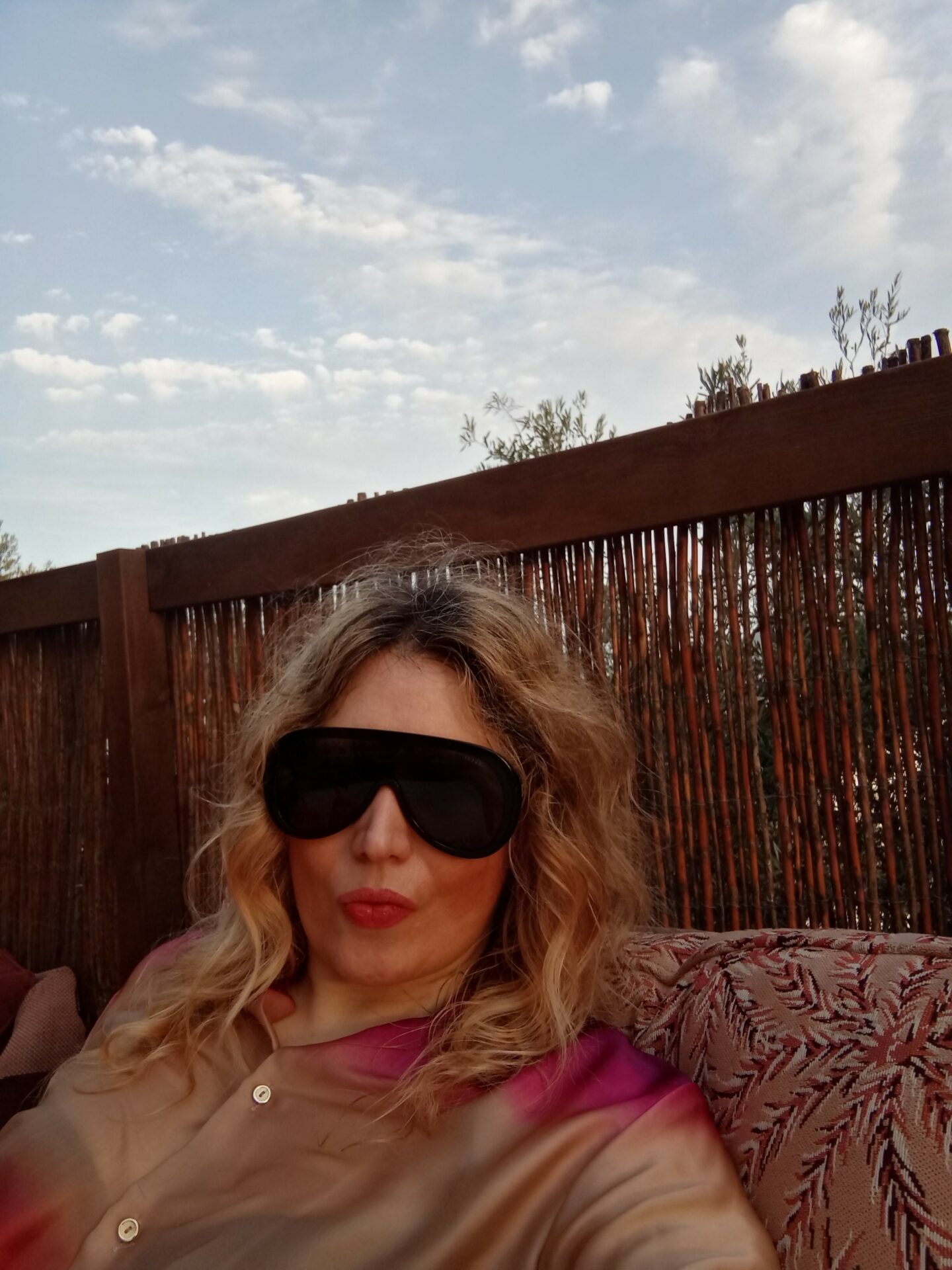
The three Camilla Boemio’s portraits are realized by AAC Platform. 1. Cities, group show, detail Susan Logoreci’s artwork, at Torrance Art Museum, in the south bay of Los Angeles. 2. Projections of Ben Rivers, Look Than Below, is seen during the “Reimagined Cinema” Art Exhibition at Museo dell’Arte Classica of La Sapienza University on May 14, 2022 in Rome, Italy. (Photo by Elisabetta A. Villa) 3. The coat of hipness (materiali velati), Jérôme Chazeix, AltaRoma, at Label201, (Photo Luisa Galdo). 4. Ron Laboray, Drawing and Time, at Colla Super in Milano, (photo realized by Studio Pietra). 5. Zoè Gruni, Fromoso, detail exhibition, at AOC F58 Galleria Bruno Lisi, (Photo Elisabetta A.Villa). 6. ‘Diminished Capacity’, Nigerian Pavilion, 2016, Ola Dele Kuku, ‘Africa is not a country’, 15th International Architecture Exhibition La Biennale di Venezia, photo Filippo Peretti.
Suggest a Story: BoldJourney is built on recommendations from the community; it’s how we uncover hidden gems, so if you or someone you know deserves recognition please let us know
here.