We were lucky to catch up with Camille Prairie recently and have shared our conversation below.
Camille , thrilled to have you on the platform as I think our readers can really benefit from your insights and experiences. In particular, we’d love to hear about how you think about burnout, avoiding or overcoming burnout, etc.
The first time I experienced burnout was in college. Until I left home and went to university, I hadn’t known a reality where I wasn’t good at everything I did – either because things came easily, or because trying hard was enough. Except for that C in calculus in high school. That should have been a sign of what was to come. So after years of being told how exceptional I was, I got to college, determined to become a doctor, which requires a rigorous track of study in the life sciences. And I worked myself to the bone just trying to stay afloat in courses I had no natural affinity for like chemistry and calculus(again). Biology would come with time, but at first, even advanced level biology concepts overwhelmed me. It didn’t help that my school, Drexel, ran everything on a quarter system(10 weeks) but with a normal workoad. So I took about 16-17 credits within 10 weeks. By the 7th or 8th week of my freshman year, I just stopped. I sat down on a bench one day and refused to get up. My roommate gently dragged me home, but I was just numb. I couldn’t bring myself to care anymore. The next day, I went to therapy for the first time. And so began my journey to overcoming what has become chronic burnout.
The next four years were a lot of me telling people how much I wanted to do less, but not actually changing anything, and just ending up burning out again. I would pick myself back up and push through the emotional pain of being exhausted with a cocktail of infrequent exercise and unhealthy coping mechanisms. I didn’t really know how to be alone.
But then the pandemic hit. And for the first time, I had no choice but to learn how to be alone. I started meditating that spring. I eventually went onto do a Yoga Teacher Training, and in the past few years, have gone on several silent retreats. I haven’t had a real episode of burnout since last summer, when I was at the beach for a week with a lot of people, constantly doing things, and trying to work.
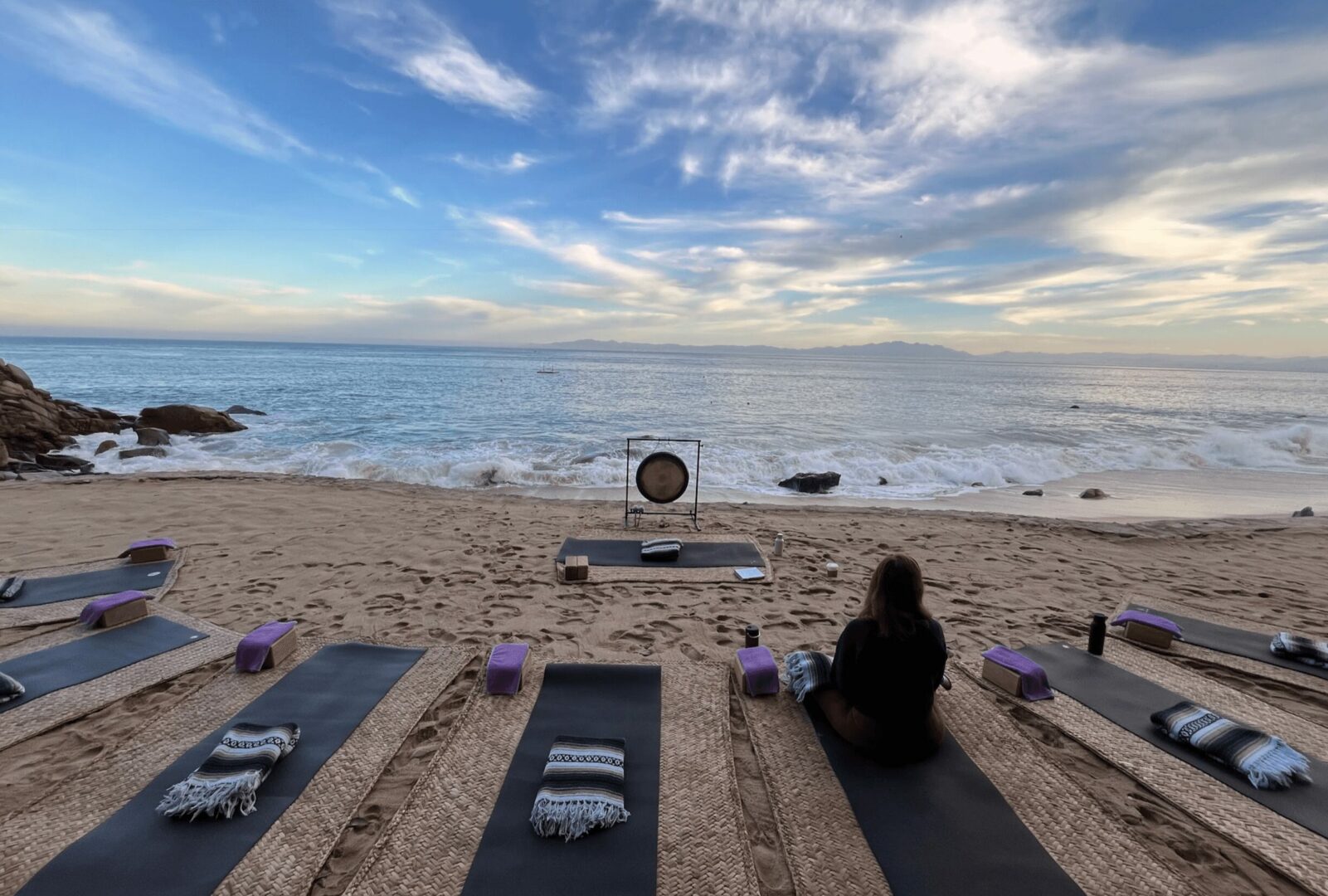
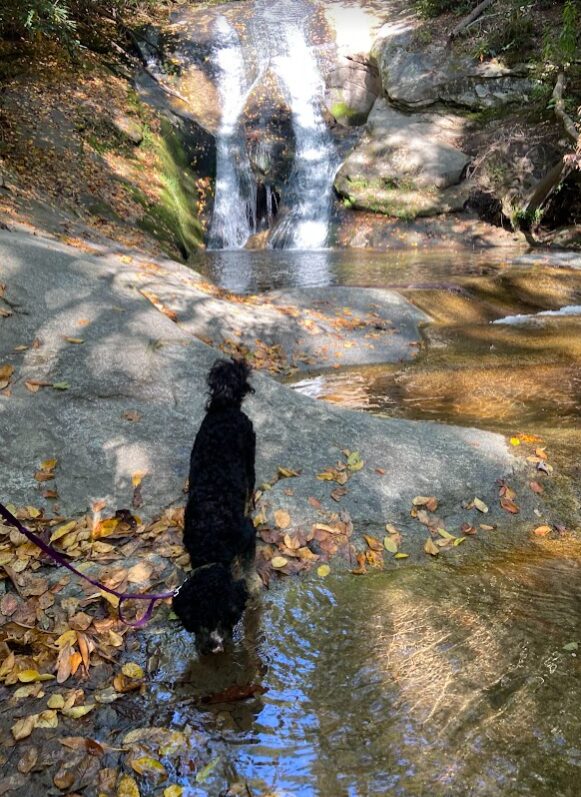
Now, I manage my tendency to try to be perfect, and to try to do everything, by meditating every morning. Exercising 2-3 times a week. Taking frequent breaks throughout the day. Taking a walk with the dog. Spending time with loved ones. Spending time alone! Enjoying long lunches and leisure time and not feeling guilty for it. And I really try to constantly be aware of how I’m feeling. I get very overwhelmed in a sensory manner fairly easily, so I work with noise cancelling headphones a lot.
Most importantly, I give myself a lot of compassion when I notice I feel like I’m not doing enough or I feel like I should be doing more. It’s a work in progress, and I think it always will be. But I’ve been able to disentangle what I achieve from who I am, and it’s made a massive difference in my life.
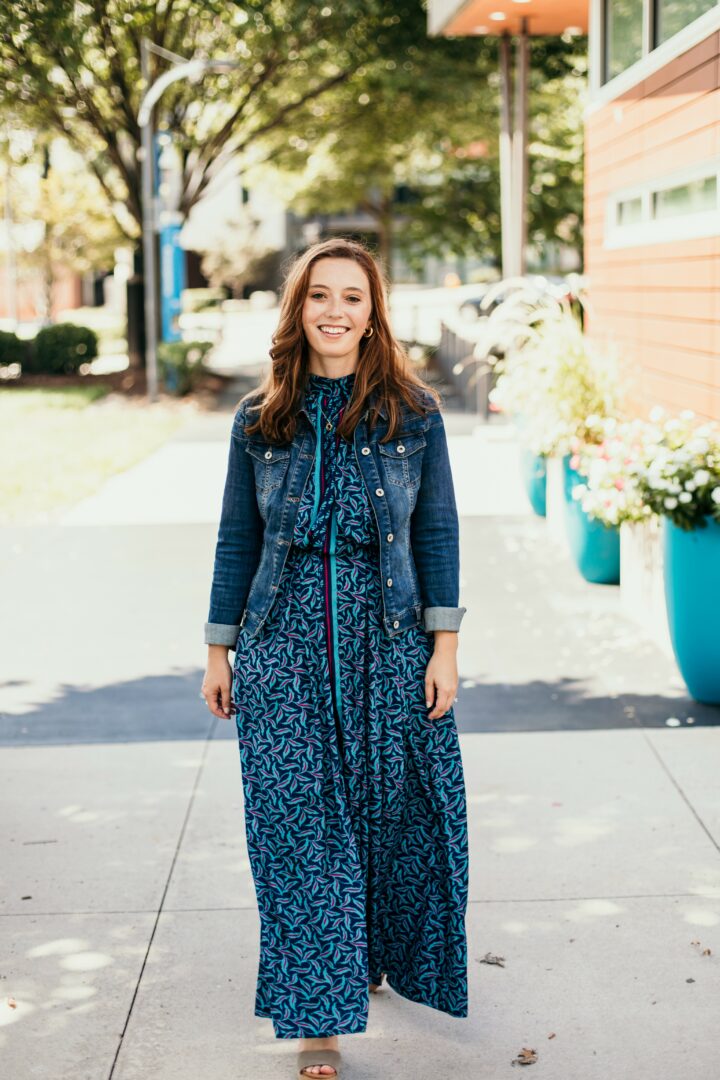
Great, so let’s take a few minutes and cover your story. What should folks know about you and what you do?
I am, first and foremost, a storyteller! My more official job titles are, in no particular order, healthcare copywriter, SEO, and business owner. As a healthcare copywriter and SEO, I spend my time writing for private practices, healthcare nonprofits, continuing medical education companies, consultancies, and other medical writers. With the help of some very dedicated subcontractors, I create blogs, service pages, and about pages that live on a website, emails, and social media posts, ranging from a long-form Linkedin post to an Instagram video.
I also do a lot of overarching content strategy and work with businesses to help them optimize their online presence. While this might seem like a wide variety of things(and it is), the one thing they all have in common is that I’m always telling a story. A story about the client, a story about the people behind a business, or a story about the audience the client wants to reach. I’m always looking to understand other people in order to create my best work.
I feel like what’s special about the way I service the healthcare industry is how I’m positioned: I come from enough of a clinical & academic background that I can understand my clients’ challenges and the complexities of the healthcare industry. However, I started freelance copywriting broadly – I didn’t directly transition into medical writing like a lot of my peers. So, I bring a blend of marketing know-how and medical writing skills that is not overly common to find in the industry.
I’m expanding into the continuing medical education writing space, which is a natural progression for me as a writer. CME brings together a lot of clinical and scientific knowledge I’ve missed tapping into on the marketing side of things, helps teach providers necessary information, and has the end goal of improving patient health outcomes.
I’m also in the process of creating a combination of free and paid resources for other medical writers(but also for anyone) that will help them decide which content channel is best for them, plan content, hone in on their branding and messaging, and better understand what makes them unique as a service provider. Plus, a paid SEO course that goes beyond the basics is coming a little later this year!
If you had to pick three qualities that are most important to develop, which three would you say matter most?
The first one that comes to mind is my background in healthcare in the life sciences. I don’t think every healthcare writer needs a background in healthcare to be a good healthcare writer, and I think you can be an entrepreneur without formal training or education. I’d say if you’re looking to get into a field that is outside of an area of knowledge you already possess, expose yourself to knowledge you don’t yet have. In my field, that would be reading scientific journal articles, learning about how the healthcare system works, maybe auditing a college-level biology course, or bolstering medical terminology. You don’t have to be an expert, but a little bit of knowledge in your field can go a long way.
The second is networking abilities. Being able to put myself out there online and in person with professionals in and outside of my networks has been very impactful for my career. The only advice I have is just do it! Just write the LinkedIn post; just join your local chamber, and most importantly, just be consistent with developing your relationships and being willing to help others.
The last is my determination. I’m a big believer in taking a break when you need to, but I’ve worked very hard to get where I am – and had a lot of help along the way(thanks to that networking piece!) If you’re early in your journey, be persistent. Believe in your dream for the future. And make clear, actionable goals to keep moving forward. Most importantly, don’t be discouraged in the face of setbacks. They’re just opportunities to learn.
What’s been one of your main areas of growth this year?
My biggest area of growth in the past 12 months has been the ability to prioritize my time over how much income I have. Of course, we all need to make a certain amount of money to have our basic needs met, and I would never discount the importance of that. But beyond that point, I’ve begun prioritizing my time, which will one day run out, over making money. We either buy our time with money or we use our time to get more money. And I’m doing the former. I outsource work to wonderful subcontractors, which allows me to take on new clients without sacrificing the quality of work(I always see the end product, anyways) and in doing so, I get my time back to do things I love, like spend time with my family, read, and spend time in nature. I no longer feel overwhelmed. It’s such a gift.
Contact Info:
- Website: https://camilleprairie.co/
- Instagram: https://www.instagram.com/camilleprairie_creativeco/
- Linkedin: https://www.linkedin.com/in/camille-prairie/
Image Credits
Susanna Colbert; Camille Prairie
so if you or someone you know deserves recognition please let us know here.