We recently connected with Carl Weintraub and have shared our conversation below.
Alright, so we’re so thrilled to have Carl with us today – welcome and maybe we can jump right into it with a question about one of your qualities that we most admire. How did you develop your work ethic? Where do you think you get it from?
I had the best dad in the whole world. He was big and strong and funny and principled and really really smart. His first job was as a probation officer with delinquent youth, then he became a teacher, then a teacher for special needs kids, then a school phycologist, but most of all he was the founder and director of a non profit multicultural summer day camp in Griffith Park. Kids of all races and cultures, whether their parents could pay or not, were bussed in from all over the city to spend days of hiking and horseback riding and fishing and arts and crafts. All of the councilors were schools teachers of various cultures, who could teach kids about their heritages. Dad said he believed in the “Flower Pot” instead of the “Melting Pot”–not that we’re all the same, but that we are all different and we should understand the beauty of our differences, a pride in our cultures and a respect for others.
Can you imagine what how much work ethic it took to create something like that and run it almost singlehandedly, while still having to teach school to put food on the table for me and my little brother and two little sisters? Plus he earned two college Masters Degrees during that time. And still, he read to me every night. Every Saturday during football season, he took me and 14 of my friends to the park to teach us how to play football and then refereed a game between us. He worked hard. He played hard. His advice, I always took with a grain of salt. But his example… He was my role model.
And then, when i was 14 years old, he went bi-polar. Crazy manic. Got fired from jobs, got kicked out of the camp he’d created, found some reason to beat on me most every day. And this went on for about 4 or five years. But see, I’d had that perfect dad for 14. I knew this guy wasn’t my dad. This guy was an aberration, destroying everything around him. The dad I’d grown up with had made me strong. And i needed to be strong now. Because my mother had fallen apart under his insanity, and i had three little siblings, from 7 to 10 years younger than me, who needed both my support and my protection. You do what you have to do. That’s work ethic.
Let’s take a small detour – maybe you can share a bit about yourself before we dive back into some of the other questions we had for you?
I’ve done a lot of things in my life. Been a probation officer, a school teacher, a mushroom farmer, and a stone mason. I’ve waited tables, run restaurants and played the guitar and sang the blues in bars for money. I’ve starred in a couple TV series, been in some big and some little movies, done so many stage plays i can’t count them.
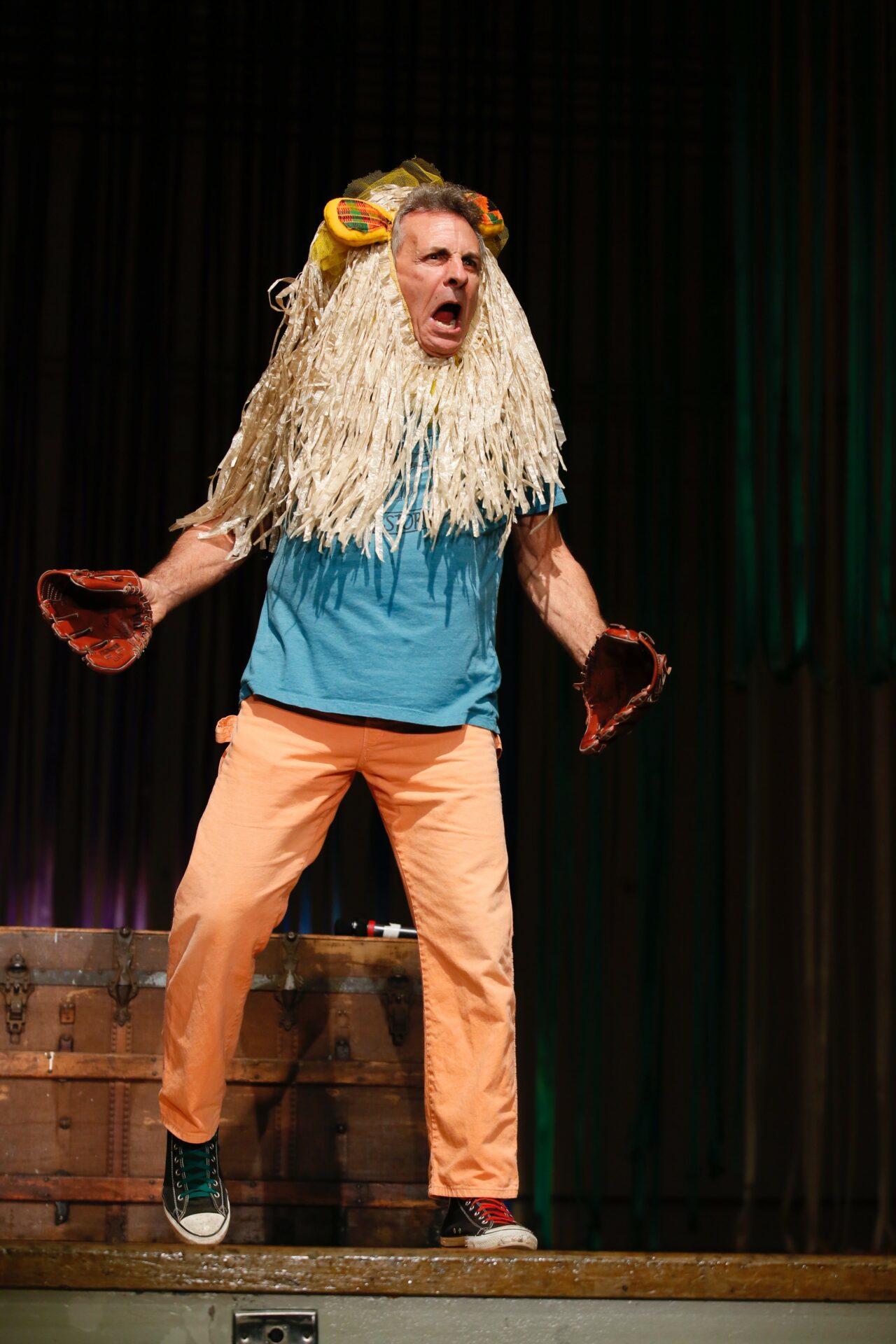
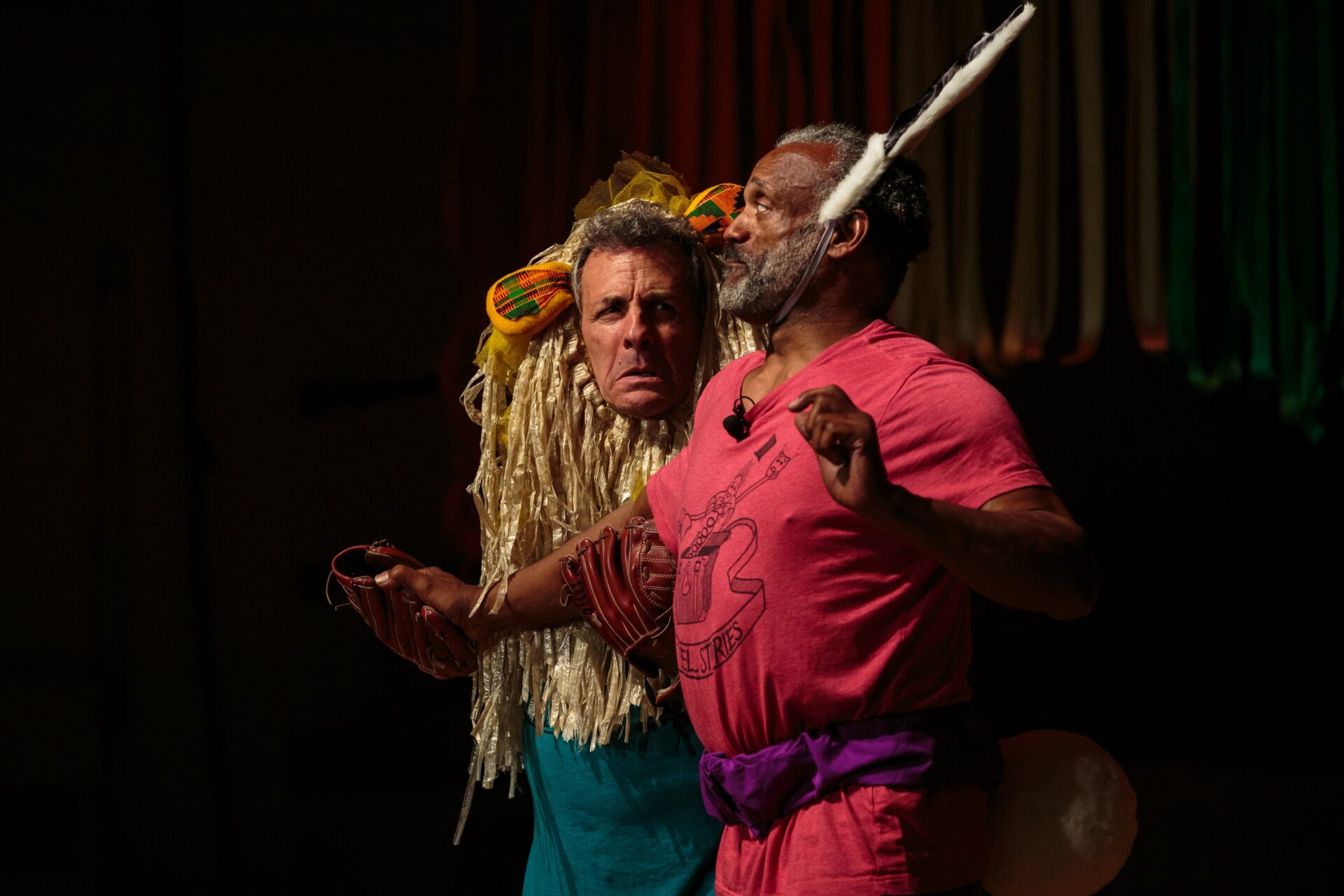
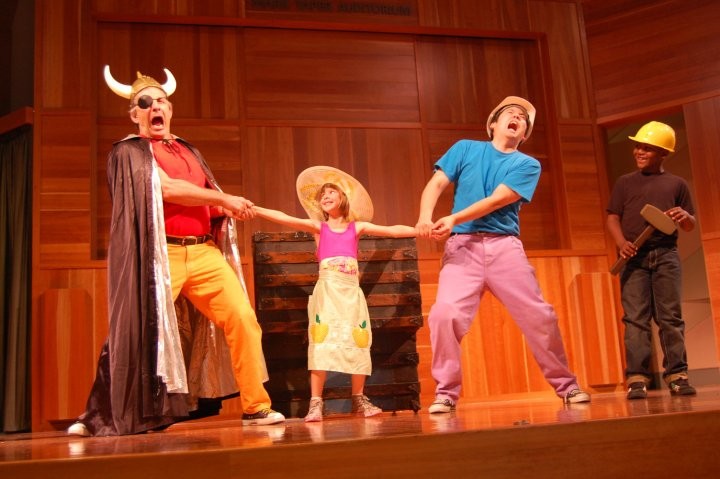
But my ticket to heaven is that, in 1981, i founded and still run a non-profit theatre company for young audiences called We Tell Stories. It’s like story theatre, but we get kids up out of the audience to play integral roles in every story we tell. We Tell Stories has been doing shows in schools, libraries, museums, parks and theatres for over 42 years. That’s over 18,000 shows to over 4 ½ million people. Mostly kids. Mostly in Los Angeles and its surrounding counties, but we’ve been to half the states in the union.
Here’s our mission statement:
WE TELL STORIES is a multiethnic storytelling troupe with a fourfold purpose:
1. To entertain and stimulate the imaginative instincts of any audience young at heart through the literature, folklore and mythology of all times and cultures;
2. To illuminate the artistic processes involved in the creation of theatre by crafting an interactive environment in which actors and audience may share a reciprocal creativity;
3. To inspire communication as the highway along which peace may travel;
4. To advocate the “flower pot” rather than the “melting pot” image of society–elucidating an intercultural awareness of the humanity that unites us and the beauties that distinguish us.
Audience participation is an integral part of every performance, and we Always Make the Children Right!
No child has ever failed on stage with us because there’s no such thing as failure. To get up on stage––even just to raise your hand and say you want to––requires taking a chance. And that’s what acting is about. The act of taking a chance is, in itself, a success.
You can go to our website, wetellstories.org, to find out more about us and our upcoming public performances.
There is so much advice out there about all the different skills and qualities folks need to develop in order to succeed in today’s highly competitive environment and often it can feel overwhelming. So, if we had to break it down to just the three that matter most, which three skills or qualities would you focus on?
Here’s the thing: I started talking when I was 6 months old, but my parents didn’t teach me the word, “no” until I was 2 years old. That’s a year and half of conceptualizing without the concept of “No.” And i still haven’t developed it. I just can’t say it. I say, “yes,” to just about everything. Which is great for improvisational theatre, but can get you into a lot of stuff along the way of life. I have never set a goal or made a plan. I’ve just said yes to whatever path offered itself to me and taken it as it comes.
I’m a born leader, I suppose, cuz i’ve been the president of every club i’ve ever joined, i’ve owned a restaurant and i run We Tell Stories. But, to me, that’s just because i’m usually the one who’s willing to do the work–arrive early to set up and stay late to clean up after. Leadership, the way I see it, is just the willingness to accept the responsibility to do what needs to get done. It’s work ethic.
I’m not one for giving advice, other than, maybe, to expectant fathers or couples about to get married (I sometimes officiate weddings). And I would demure to hold myself up as an example of anything other than a person who has found himself on a path and has stayed true to it.
So those are the three things i have lived my life by:
Say, “yes”
Accept responsibility
Find your path and stay true to it.
That’s my way. Everybody needs to find their own.
How would you spend the next decade if you somehow knew that it was your last?
As I said, I have never set a goal or made a plan. I have never worried, or even thought much, about the future. But suddenly, now, at 77, with not much future left to me, I find myself thinking about it all the time. What should I do now? Write that novel I’ve been meaning to get to? Take We Tell Stories to a new level? Pay more attention to what i love to do most, which is acting? Travel? Stop all of this stuff and just kick back, smell the roses, and play with my grandkids? Journey deeper into spirituality?
I really don’t know. Because I’ve never thought about making those kind of choices. I’ve just always done the next thing that came up. And really, none of that really matters anyway, because the next really bid thing I have to do is die. And i really want to do that gracefully. Old friends and family are dropping left and right, some gracefully, some not so much. And it’s hard to tell if you’re going to be provided with the grace to die with grace. So that’s the last part of this road I’ve been on. And it’s really a challenge to figure out how to travel it, what to do along the way, all the while keeping an eye on doing it right when the time comes.
Contact Info:
- Website: wetellstories.org carlweintraub.com
- Youtube: BackStory channel. Search for “Backstory Victory Theatre.” I’m a co-producer and often the host of the bi-monthly show