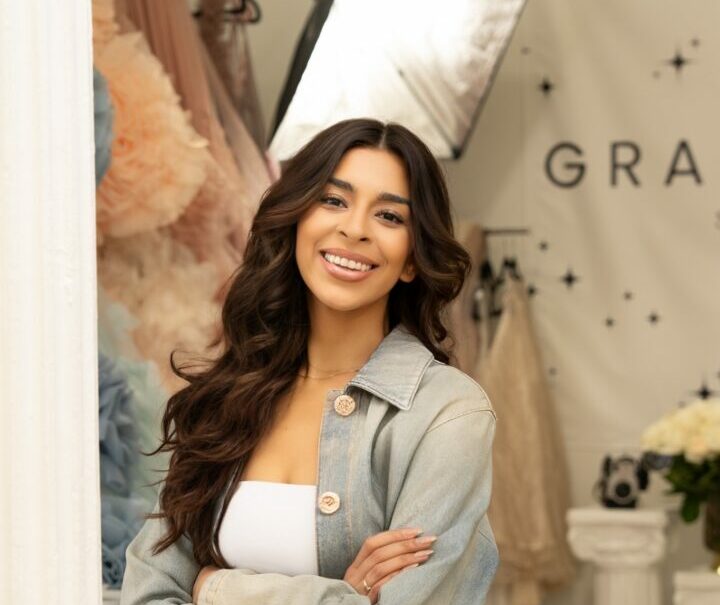
We were lucky to catch up with Caroline Koziol recently and have shared our conversation below.
Caroline, thank you so much for joining us. You are such a positive person and it’s something we really admire and so we wanted to start by asking you where you think your optimism comes from?
My optimism comes from deciding to leave my small town and chase something I didn’t even fully understand yet. When you do that, you sort of learn to bet on yourself, even when things look uncertain.
A lot of the positivity I have now comes from experience — travelling with barely anything, getting rejected a lot, messing things up, learning as I go. It toughens you, but in a good way. You realise problems pass, and you can always rebuild.
And honestly, KarolkaShow changed me too. The people who watch and comment… they make everything feel lighter. They’re funny, supportive, brutally honest sometimes, and I actually love that. It reminds me that what I do connects with real people, not numbers on a screen.
So the optimism isn’t some magical trait. It’s just something I’ve built by keeping going — and having a community that makes the journey feel worth it

Thanks, so before we move on maybe you can share a bit more about yourself?
KarolkaShow started almost by accident. I didn’t plan to create a whole series of characters or comedy bits, it just happened because I needed an outlet and people responded to it. What’s special for me is that it’s mine =my ideas, my sense of humor, my weirdness -and the audience actually connects with it. That still surprises me sometimes.
I want to keep acting in film and TV, but also build KarolkaShow into something bigger — maybe live shows, collaborations, maybe even a series. Nothing forced, just things that feel natural as I grow.

Looking back, what do you think were the three qualities, skills, or areas of knowledge that were most impactful in your journey? What advice do you have for folks who are early in their journey in terms of how they can best develop or improve on these?
When I look back, the three things that actually mattered most weren’t fancy skills — they were things I learned the hard way.
1. Being resourceful
I didn’t have a roadmap, connections, or much money when I left my town, so I had to figure things out on my own. I made short films with zero budget, worked for free, and did theatre plays just to build my portfolio.
My advice: Don’t wait for everything to be perfect before you start. Use what you have right now — you’ll improve as you go.
2. Not taking rejection personally
Acting is basically 90% “no,” 9% silence, and 1% something exciting. In the beginning, every “no” felt like a verdict on me as a person. Later I realized it’s rarely personal it’s just the job. That mindset kept me sane.
My advice: When you get rejected, allow yourself to feel it for a moment, then move on. The next opportunity has nothing to do with the last one.
3. Consistency, even when no one is watching
I didn’t blow up overnight. I kept creating because it made me happy, not because I was getting views. Same with acting — most of the work happens quietly, off-camera.
My advice: Build a routine or a system, even a small one. A little momentum every day beats waiting for motivation.
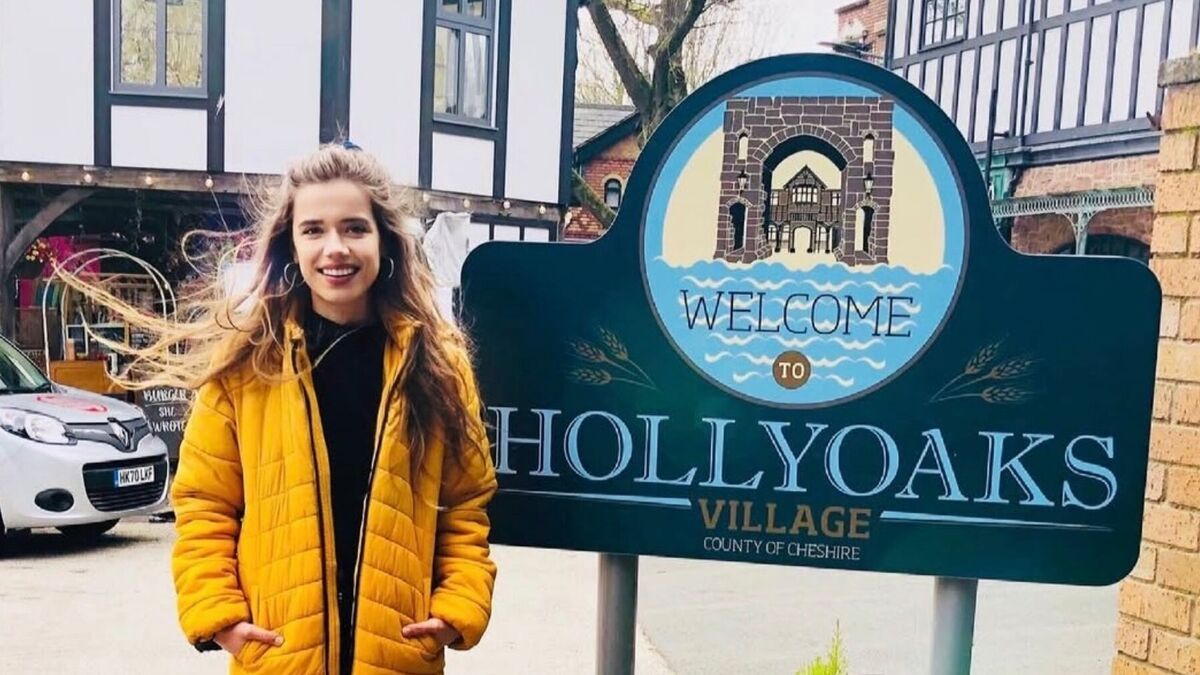
Thanks so much for sharing all these insights with us today. Before we go, is there a book that’s played in important role in your development?
One book that actually had a big impact on me is The Culture Map by Erin Meyer. I read it at a time when I was meeting people from so many different backgrounds — in acting, in content creation, on sets, and while traveling. It helped me understand why people communicate the way they do, and why sometimes misunderstandings happen even when everyone has good intentions.
A few things that really stuck with me:
• People don’t all communicate on the same ‘direct/indirect’ level. What feels honest in one culture can sound rude in another, and what feels polite somewhere else might sound unclear. It made me more patient and less reactive.
• Feedback styles are completely different around the world. Some people soften everything, some go straight to the point. Reading this helped me stop taking things personally and start listening for the intention instead of the tone.
• There’s no “right” way — just different maps. Understanding that made me more flexible and open-minded, both on set and in my own projects.
For me, the book wasn’t about becoming some communication expert — it was about becoming less judgmental and more aware. It made collaboration easier, and it helped me connect with people in a more real way, especially in such an international industry.
Contact Info:
- Website: https://www.karolkashow.com
- Instagram: https://www.instagram.com/karolkashow
- Other: TikTok :
https://www.tiktok.com/@karolkashow

so if you or someone you know deserves recognition please let us know here.