We were lucky to catch up with Cass Morris recently and have shared our conversation below.
Cass, so happy to have you with us today. You are such a creative person, but have you ever head any sort of creativity block along the way? If so, can you talk to us about how you overcame or beat it?
“Writer’s block” means one of two things: There’s something wrong with the project, or there’s something wrong with me. And those are problems I address in different ways.
If there’s something wrong with the project, then I need to step back and figure out what that is. Maybe there’s an issue with the worldbuilding that isn’t making sense. Maybe I have great characters in search of a plot. Maybe I’m trying to tell too many stories at once. Maybe I’m trying to force a plot element to work even when it’s going against the grain of my characters or the world.
Sometimes that problem is easily fixable, and sometimes it isn’t. I might be able to identify a problem but not a solution, which means it’s time to take a break from the project and switch my focus to something else. That idea might need a little longer in the proving drawer before it’s really ready to bake.
If there’s something wrong with me, on the other hand — well, that can be rough. I’m harder to fix than a manuscript. Sometimes the problem is burnout. Sometimes it’s the accumulation of stressors from elsewhere in my life. But in a lot of ways, the answer is the same: if I can identify a problem but not a solution, then what I most need is time.
The only thing I know for sure is that trying to push through it, when my bandwidth is shot and my brain is running on empty, simply will. not. work.
Sometimes, the solution lies in refilling the creative well. I might spend some time reading other books, taking in other media, or getting myself fully away from technology and going outdoors. Or, maybe I need to focus on a just-for-fun project for a while, to remind myself that I do, in fact, enjoy writing. That’s usually when I’ll turn back to the arena in which I got so much of my training as a writer: fanfiction! Working on a project that is thoroughly indulgent can be refreshing.
But sometimes, what I really need is a fallow period, where I’m not actively writing at all. (At least for myself; my day job is also a writing job — and sometimes *that* is what’s taking up all my creative energy!)
If the rest of my life is what needs attention, that. is. okay. If I am over-stretched & over-stressed, I am allowed to take a break.
Being kind to myself as a writer, letting myself have a fallow period when needed, has been an important lesson of the past few years.
And it’s hard, in an industry where you can feel forgotten if you’re generating constant output!
But when *I* am what’s broken, then trying to force the words isn’t going to get me anything useable anyway. (I have a muddle of barely-started Scrivener projects to prove that). That’s when I start getting down on myself, and being miserable does nothing to remove the block. I have to give myself time to breathe and space to recover from whatever did the damage.
And — lo and behold — once I heal, the words always come back!
Thanks, so before we move on maybe you can share a bit more about yourself?
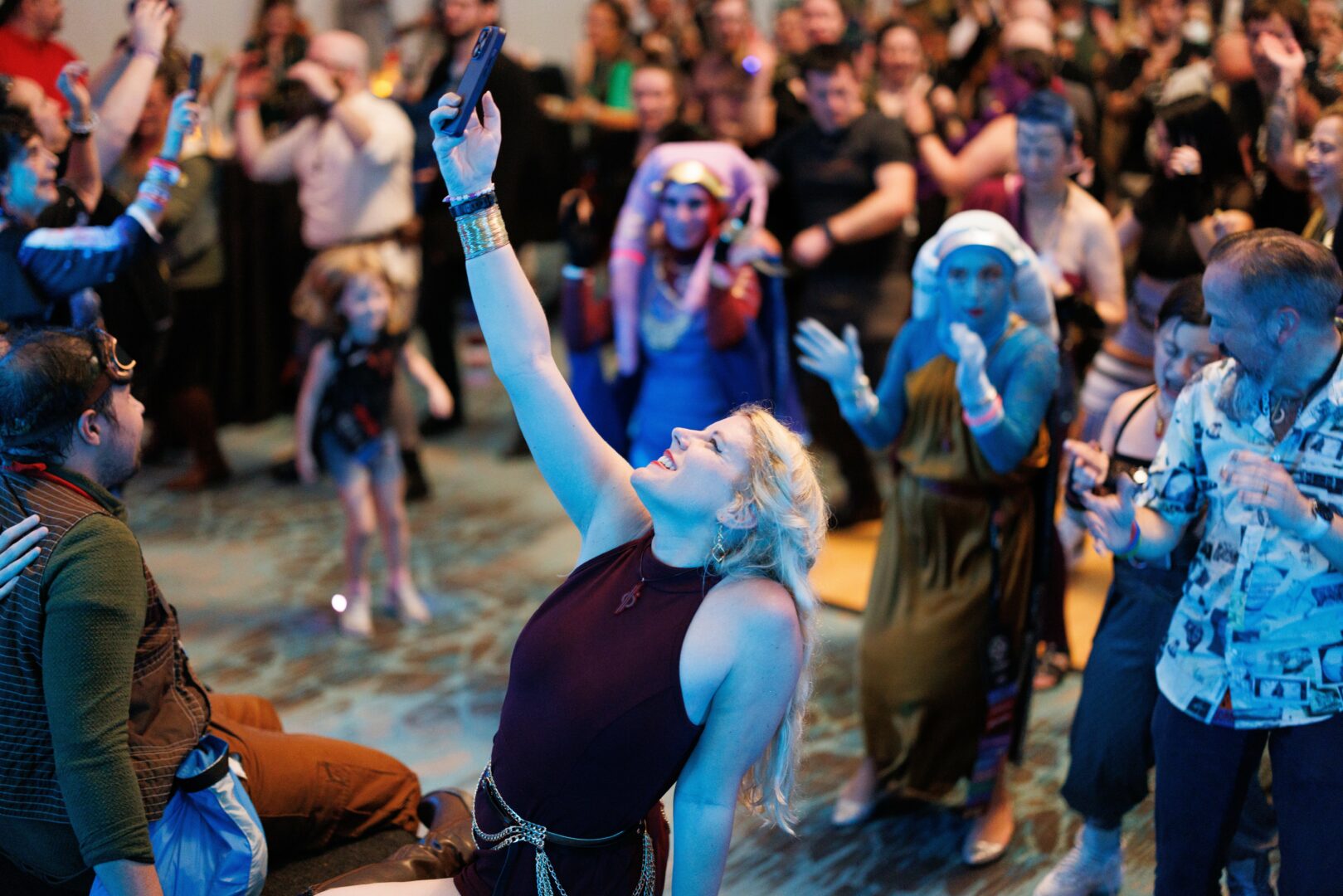
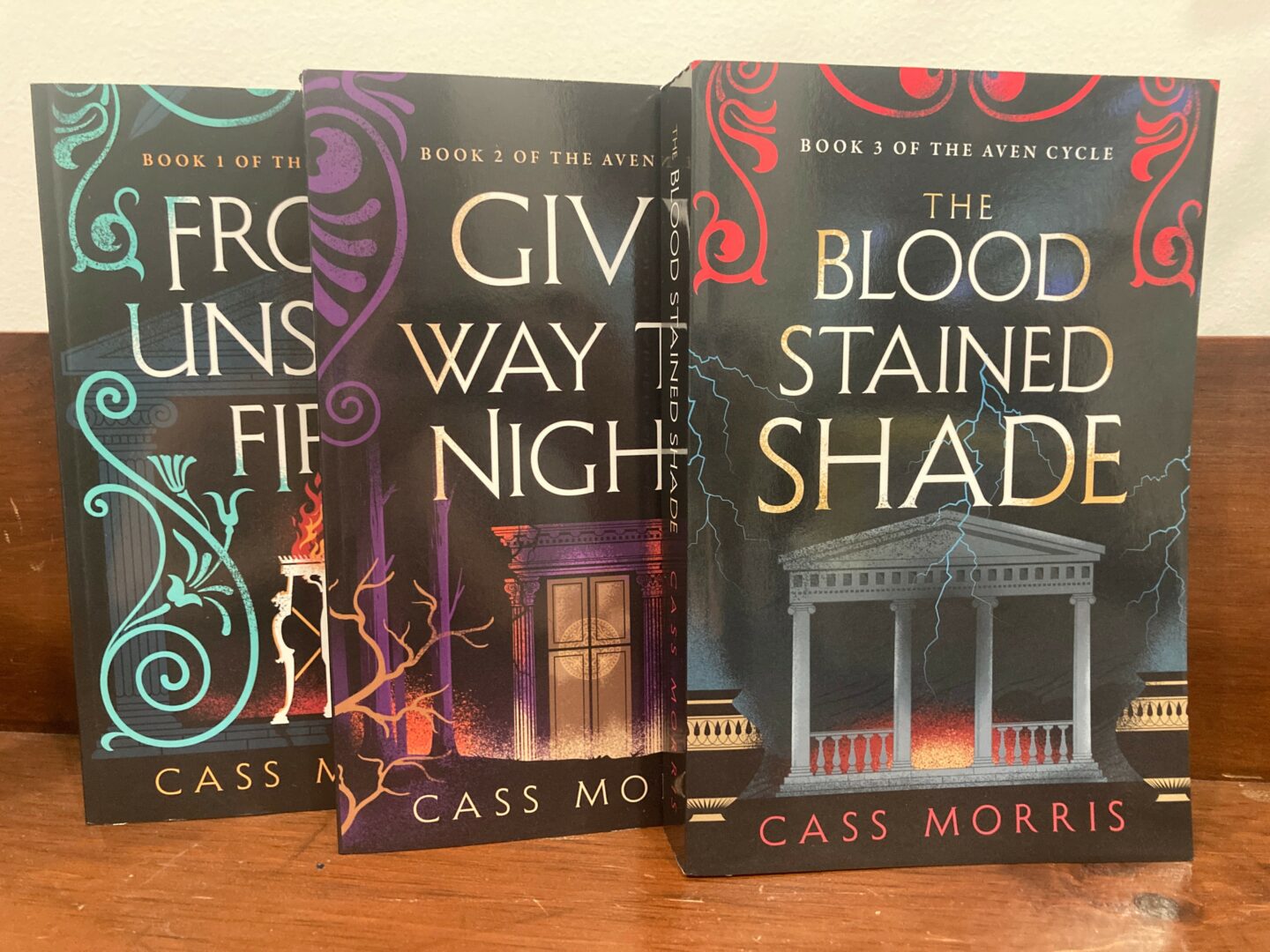
I live my life at the intersection of storytelling, performance, and education. Over the years, that means my career has taken a lot of different shapes! I have a Master’s degree in Shakespeare studies and spent the first seven years of my professional life working for the education department of a Shakespeare theater. I’ve also worked as an educator for a science museum, as an adjunct professor of English at a community college, as a performer at a Renaissance faire and in a murder mystery dinner theater, and as a bookseller in an indie shop. Since 2018, I’ve been a published novelist; my debut series, the Aven Cycle, is historical fantasy set in an alternate version of ancient Rome, re-imagined with elemental magic. I’m also one-third of the four-time Hugo Award Finalist podcast Worldbuilding for Masochists.
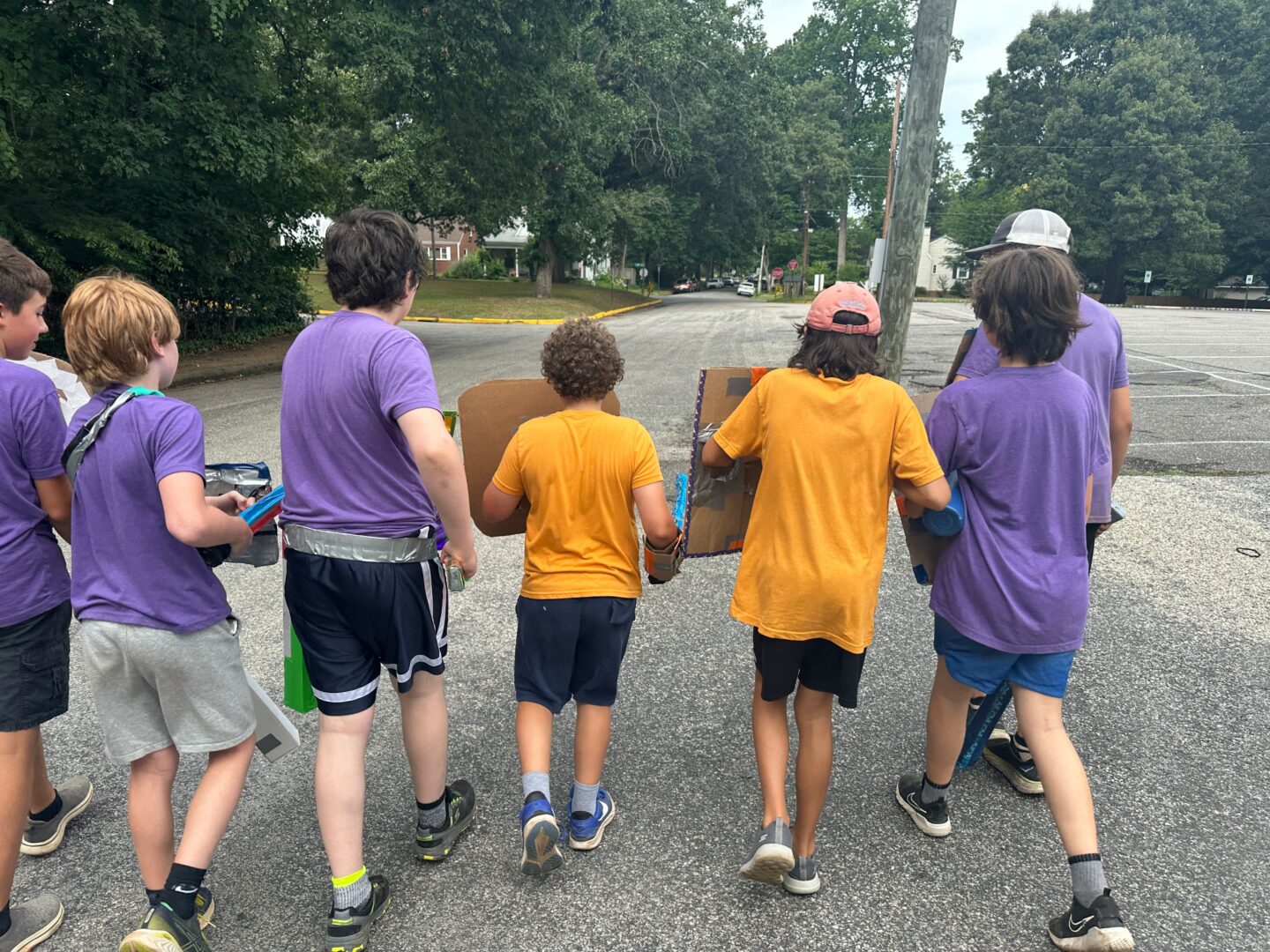
I currently work for a company that produces mythology-themed summer camps for rising 2nd-9th graders. Each week, the kids go on an immersive adventure that puts each of them in the role of hero. They might be working alongside Achilles, Atalanta, or Anansi, but they’re the ones whose decisions drive how the story plays out. My job is shepherding the creation of those stories.
Over the past few years, I’ve developed a design for a modular system that allows the directors at each of our locations to choose the story elements that will work best for their kids. This is essential, because we work in public parks all over the country, with different camp sizes and different cast sizes. The stories have to be flexible enough to work for 5 performers or 25, for a camp with 20 kids or a camp with 250. The foundation will be the same everywhere — the same core characters, the same threat presented, the same general mission to solve it — but the details will vary. Some camps might lean more heavily on an artistic way of solving the problems; others will be more into combat (with foam swords and cardboard armor!).
Throughout the year, I work with a team of contract writers to create these story foundations and the modular building blocks that directors get to choose from. I’m also responsible for a lot of our year-round engagement, including a podcast and newsletters.
I love working in immersive entertainment because it has the power to be so transformational for the participants. It encourages play, thinking critically and creatively, and human interconnection. It’s the perfect synthesis of all my interests and oddly-acquired skillsets!
Looking back, what do you think were the three qualities, skills, or areas of knowledge that were most impactful in your journey? What advice do you have for folks who are early in their journey in terms of how they can best develop or improve on these?
Resilience, persistence, and a love of language.
Resilience is important in so many ways, personally and professionally. A career as a writer means hearing a lot of “no”s. It means a lot of rejection and criticism. I’ve learned to take a hit and bounce back from it — sometimes faster than others! It’s not always easy, but it is a crucial quality to have. My advice for developing this is twofold: One is to put yourself out there and get rejected! A lot! Eventually you’ll realize that it’s not about you, it’s not something you should take personally, it’s just the confluence of a thousand different conditions, most of which are out of your control. And then remember the good thing about that: It only takes one “yes”. When the right work lands in front of the right eyes at the right time, that serendipity means great things can happen.
Persistence is perhaps related, but feels a little different to me, because this is about the work more than your emotional response to it. Persistence means keeping at it. The only way to become a better writer is to make a lot of words, read a lot of words, revise a lot of words, and write even more words. I’m not going to tell anyone “you must write every single day”, because that’s not good advice for everyone, but you should develop a regular habit and make sure you’re putting in the time to see a project through to completion.
And then love of language — I just love words. I’m a recreational rhetorician, having learned rhetoric first through Latin classes in high school and then in my Shakespeare studies, but I’ve applied it to everything from Hamilton to Andor to Taylor Swift songs. I love thinking about the power of language to persuade, to induce emotions, to entrance and enthrall. Studying rhetoric also gave me a good ear for rhythm, cadence, and how different people talk, which certainly helps when writing. Getting better at this also means a lot of reading and a lot of listening, but there are also some fantastic books about the arts of language that can help you get a deeper understanding of how words work.
What was the most impactful thing your parents did for you?
When I was about fifteen years old, I thought I wanted to be an actor, not a writer — or, at least, in addition to being a writer. I was very much a theater kid, and I thought that was a path to follow. My mom sat me down one day and said, “Honey. You’re a good actress. You’re never gonna be a great actress.”
I know that sounds terrible! But she was completely right, and her point was that I needed to focus my effort on something I really did have the capacity to be great at: writing. She didn’t want me trying to follow a path that was never going to be satisfying for me. And it wasn’t only about talent — I also did not have the thick skin necessary to take rejection after rejection when it came to acting, because that was so tied up in my body image among other things. I did have that resilience and tenacity when it came to writing, though. She was also trying to give me advice that would keep me from getting hurt in ways that weren’t going to be helpful.
And it didn’t mean I could never perform. I’ve done so off and on throughout my life, sometimes just for fun, but sometimes as a paid professional. My current job involves performance skills when I’m on the ground at camp, even though it’s not an “acting job” persay. It also turns out that while I am an aggressively mediocre stage actor, I’m a really, really good interactive performer. I’m better at inhabiting a character within a world than I am sticking to a script and blocking. If I’d been determined to focus only on stage acting, like I thought I wanted, I might never have found my way into the world of immersive entertainment that is perfect for me.
So while I was very upset with my mother at the time, I’m so glad she gave me that advice! I’ve never forgotten it, and it reminds me to focus on my strengths and trust that they will bring me satisfaction.
Contact Info:
- Website: http://cassmorriswrites.com/
- Instagram: http://instagram.com/cassrmorris
- Linkedin: https://www.linkedin.com/in/cass-morris-4509907a/
- Other: Bluesky: https://bsky.app/profile/cassmorriswrites.com
Newsletter: https://buttondown.com/cassrmorris
Linktree: https://linktr.ee/cassrmorris
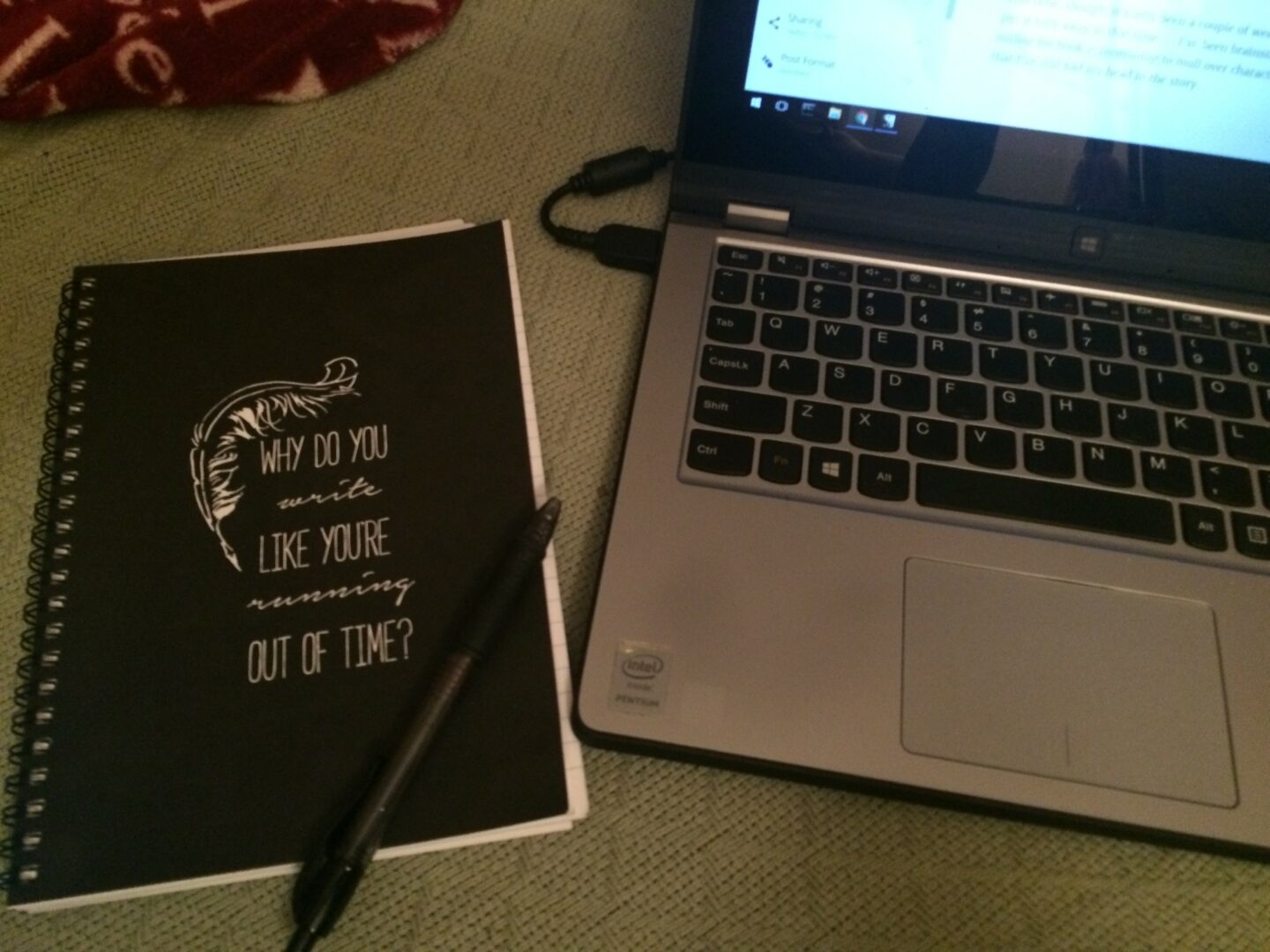
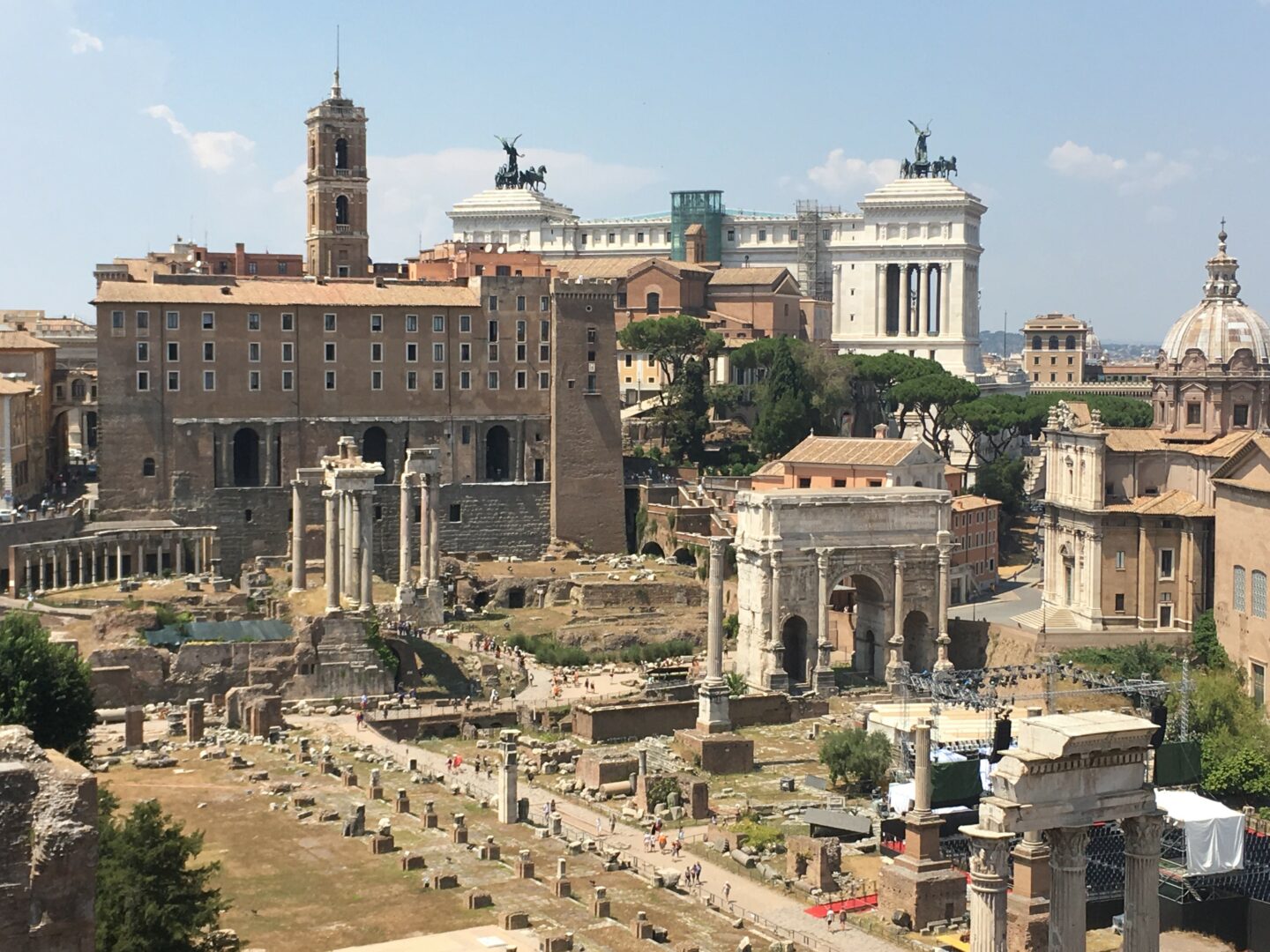
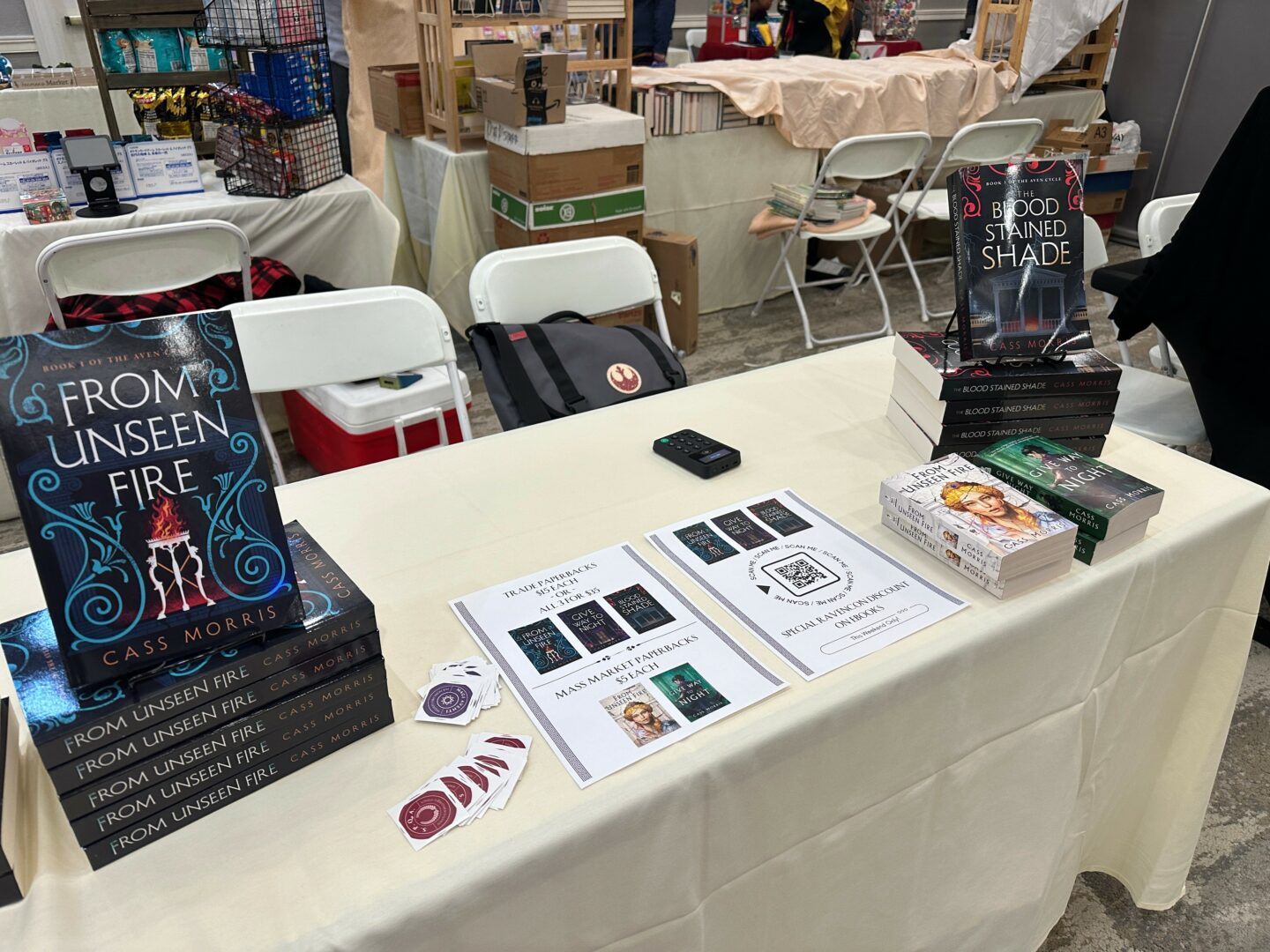
Image Credits
Photo 572A9273 credit Anthony Reilly
so if you or someone you know deserves recognition please let us know here.