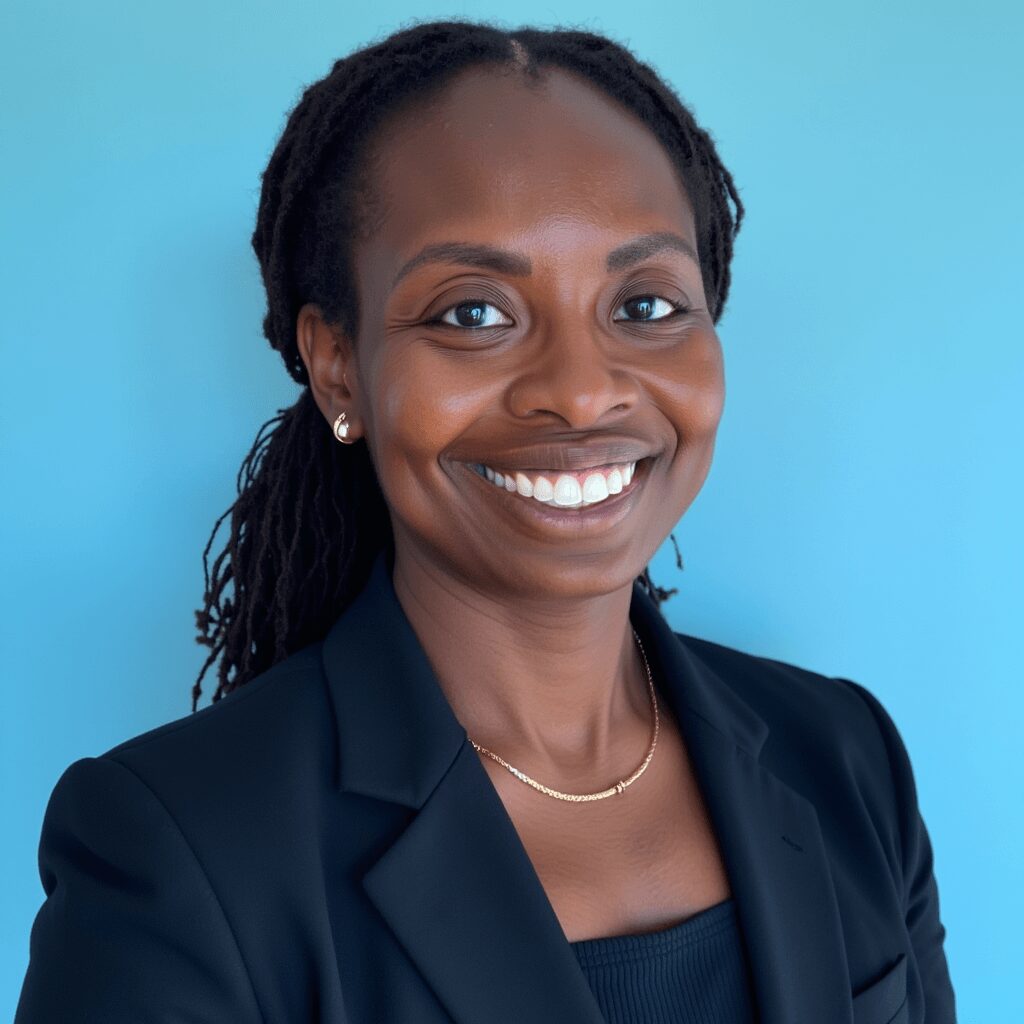
Alright – so today we’ve got the honor of introducing you to Cassandre Voltaire. We think you’ll enjoy our conversation, we’ve shared it below.
Cassandre, we’re thrilled to have you on our platform and we think there is so much folks can learn from you and your story. Something that matters deeply to us is living a life and leading a career filled with purpose and so let’s start by chatting about how you found your purpose.
I didn’t find my purpose in one moment. It unfolded slowly, the same way a small clinical clue reveals a much bigger truth.
I started my healthcare journey as a CNA, working the floor, helping residents get comfortable, watching nurses problem-solve in real time. Back then, I didn’t have the language for wound care, but I had a front-row seat to the human side of pressure injuries- the fear, the guilt, the long nights of repositioning, the quiet wins no one sees. I learned how much care happens in the in-between moments.
When I became a physician, I expected wound care to be all about advanced tools and procedures. But what changed everything for me was working in skilled nursing facilities. I saw brilliant nurses and CNAs doing their best while navigating broken systems, unclear protocols, fear of surveyors, and overwhelming workloads. Wounds weren’t just clinical problems. They were cultural problems. Communication problems. System problems.
And that’s when it clicked.
My purpose wasn’t simply to treat wounds.
It was to help facilities remove the guesswork that creates them.
Purpose found me the moment I realized that healing wasn’t happening in isolation- it was happening in environments shaped by stress, morale, teamwork, and clarity. I became obsessed with helping teams feel confident, protected, and supported. Because when people feel safe to think critically instead of guessing, everything changes.
My purpose lives in that transformation.
Let’s take a small detour – maybe you can share a bit about yourself before we dive back into some of the other questions we had for you?
My story winds through multiple corners of healthcare: CNA, medical student, family medicine resident, outpatient wound provider, skilled nursing physician, and eventually expert consultant. At every stage I saw the same pattern: wound care isn’t failing because people don’t care- it’s failing because systems make it hard to succeed.
Today, I specialize in wound care for skilled nursing and long-term care communities. I serve as both a physician and a partner to leadership teams who want to improve outcomes, reduce litigation risk, and build a culture where staff know exactly what they’re doing and why.
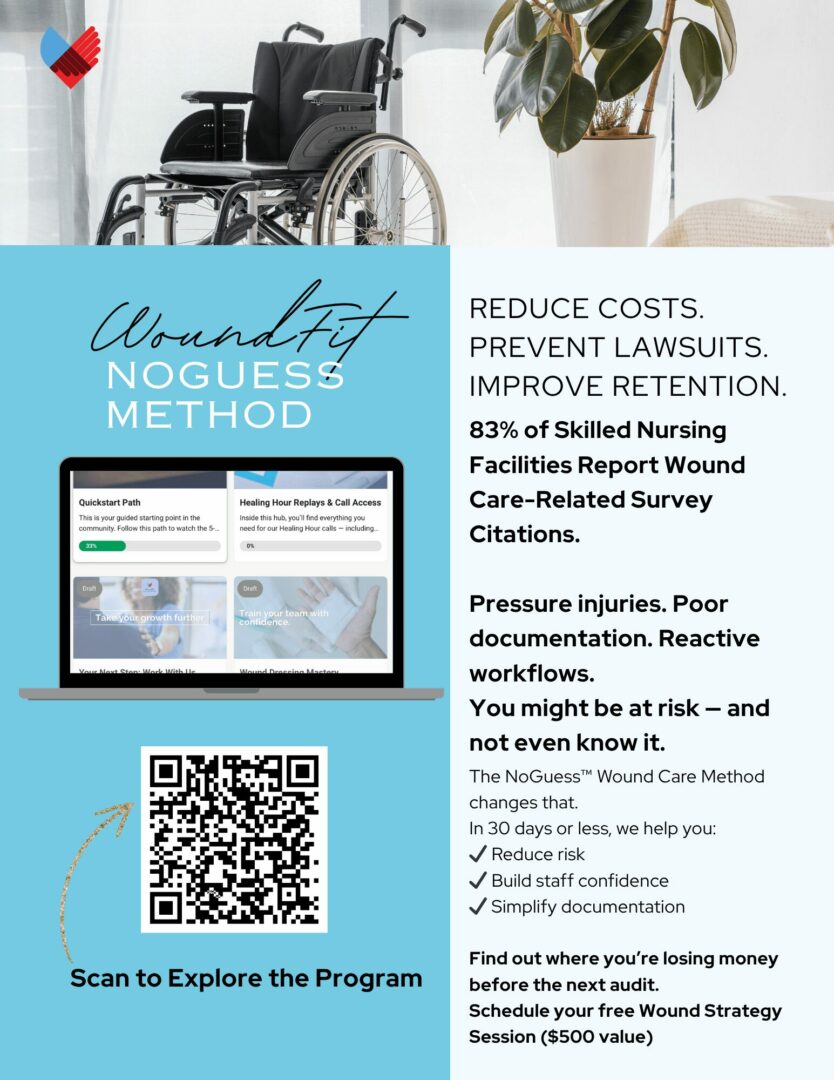
My proudest work is the NoGuess™ Method- a practical, culture-shifting approach that helps SNFs eliminate confusion, prevent avoidable pressure injuries, and build confident, aligned wound care teams without relying on overwhelming protocols or punitive systems. It wasn’t something I invented in a conference room. It was built from years of watching what frontline teams needed but weren’t getting.
The method focuses on clarity, consistency, communication, and critical thinking- the four elements I’ve seen transform even the most overwhelmed buildings.
What’s exciting right now is expanding this work into workshops, leadership labs, and ongoing support containers for facilities that are tired of the cycle of reaction, blame, and guesswork. I’m also growing a community of clinicians who want a place to learn without judgment and collaborate with others who care deeply about doing things well.
My brand is rooted in one idea:
Wound care doesn’t have to be complicated when the system supports the people delivering it.
Looking back, what do you think were the three qualities, skills, or areas of knowledge that were most impactful in your journey? What advice do you have for folks who are early in their journey in terms of how they can best develop or improve on these?
1. Curiosity about what’s not obvious.
My career changed the day I learned that wounds rarely start with the wound. They start with patterns: how someone rests, how communication flows, how rushed the morning shift feels. Curiosity makes you slow down enough to see what most people overlook.
Advice:
Don’t rush past the small clues. Ask one more question. Look one layer deeper.
2. Respect for the lived experience of frontline staff.
Everything I know about pressure patterns, nighttime behaviors, and subtle risk -CNAs taught me. When you listen without hierarchy, you learn at twice the speed.
Advice:
Treat your frontline team like clinical partners. Their observations will save you.
3. Ability to translate complexity into clarity.
Healthcare is full of jargon. Facilities drown in protocols. What people crave is a clear, confident, “Here’s what we’re doing and here’s why.” My ability to simplify without dumbing down changed everything.
Advice:
Practice taking something complicated and explaining it to someone who has never seen it before. Clarity builds trust.
How would you describe your ideal client?
My ideal client isn’t defined by a title. It’s defined by a mindset.
I work best with administrators, directors of nursing, wound leads, and facility owners who genuinely care about their residents and value clarity over chaos. They want consistency instead of guesswork. They’re tired of avoidable injuries being treated like bad luck, and they want their nurses and CNAs to feel confident and supported instead of overwhelmed or afraid of doing something wrong.
They’re the kind of leaders who appreciate systems thinking and understand that better outcomes come from better environments, not just better products. They want fewer surprises, fewer citations, and fewer sleepless nights. And most importantly, they believe their facility can improve and are looking for a partner who understands the realities of long-term care and can help them build something sustainable.
My ideal client is someone who sees the potential in their team and wants to create a culture where wound care feels clear, steady, and doable-not confusing or reactive.
Contact Info:
- Website: https://www.woundfit.com
- Linkedin: https://www.linkedin.com/in/cassandrevoltaire
- Youtube: https://www.youtube.com/@TheWoundDoc
so if you or someone you know deserves recognition please let us know here.