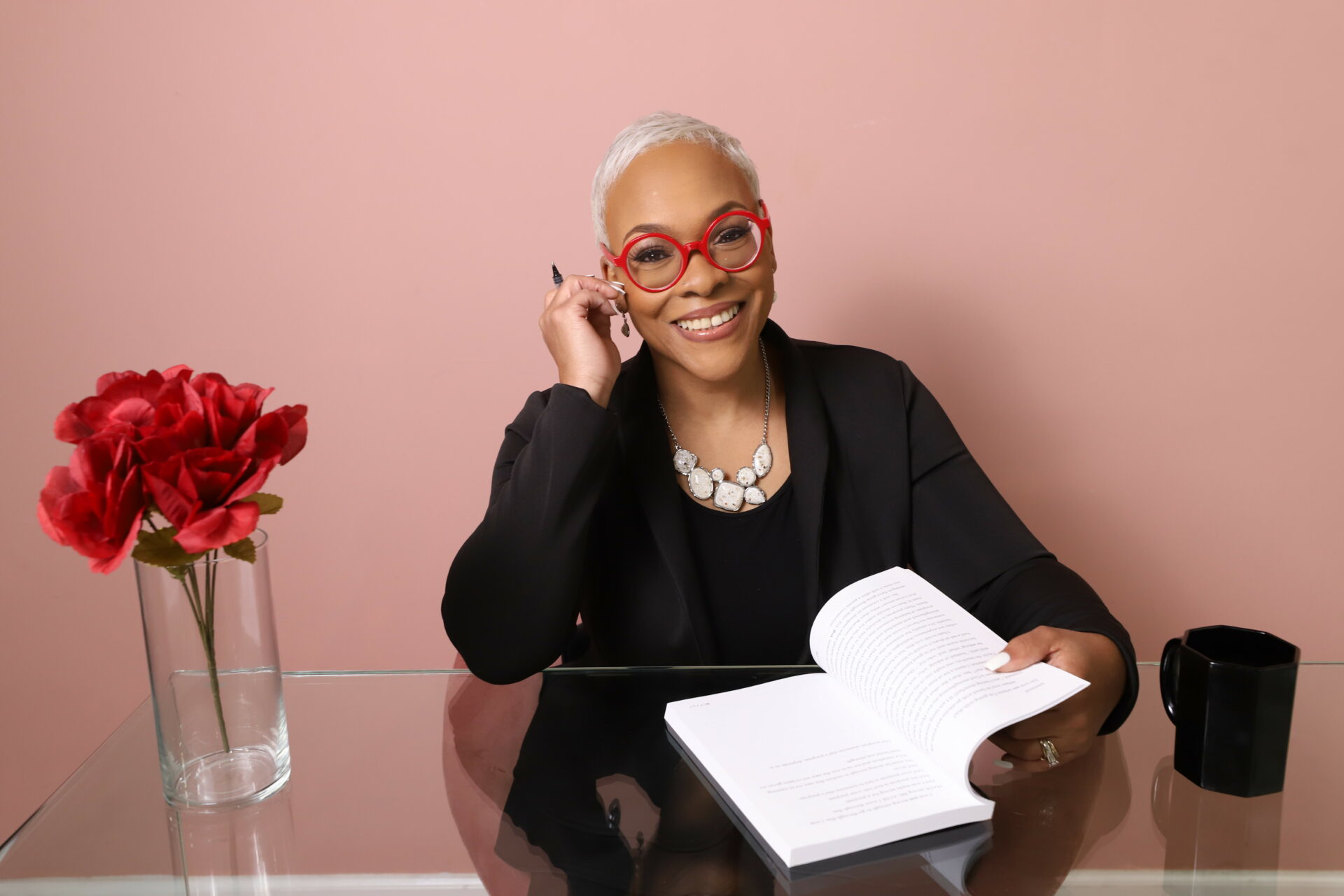
We’re excited to introduce you to the always interesting and insightful Chantrise Sims Holliman, EdD. We hope you’ll enjoy our conversation with Chantrise below.
Hi Chantrise, appreciate you sitting with us today to share your wisdom with our readers. So, let’s start with resilience – where do you get your resilience from?
My resilience comes from having no other choice. Had you asked me this question before 2018, I would have said something like “from my parents” or “from my grandparents” and then launched into a history lesson about my ancestry. But in 2018, after surviving a widow-maker heart attack, becoming partially paralyzed from the waist down, and a bilateral lower limb amputee, all at the age of 45, resilience became the means by which I was going to reclaim my life. By definition, “resilience” means “the capacity to withstand or to recover quickly from difficulties.” But when you go from running 1/2 marathons and buying cute shoes to trying to figure out how to live without parts of your legs and mobility, “recovering quickly from difficulties” is an impossibility. So what do you do? You change the definition for yourself. “Eudaimonia” is “the condition of human flourishing or living well.” My new definition of resilience comes from here. Resilience: Making the conscientious choice to flourish and live well despite the circumstances. And that is now the foundation for how I live my life.
Appreciate the insights and wisdom. Before we dig deeper and ask you about the skills that matter and more, maybe you can tell our readers about yourself?
My “9-5” job is as an instructional design contractor for the Center for Disease Control (CDC). However, my passion project is using my story of tragedy and recovery to teach and inspire women to embrace their own definition of resilience. The question I ask most often is, “What does resilience look like for YOU?” We’re not looking for some cookie-cutter definition here. I want them to come up with what it looks like. What it looks like to me or anyone else has nothing to do with what makes sense to THEM. My definition may not be their definition, and when you’re trying to come back from a setback, what matters most is what will make you feel whole again. What’s going to help you pick up the pieces and either a) rebuild your life or b) build something better?
Previously, I helped women through my books Shoes Without Feet and Noah Had and Ark. You Need A RAFT (Resilience and Flexible Thinking) and by speaking at conferences and conducting workshops about the Seven Principles of Resilience. However, in the past year, I realized I was leaving out an essential part of my story: my faith as a Christian. Make no mistake, God and I were not on good terms after I became disabled. Around two months into my hospital stay, I had decided that everything I had been taught, everything I had chosen to believe about God, was a lie, and I wanted no part of anything that looked like religion. It took me months and the receipt of a passage of scripture (Jeremiah 29:11-For I know the plans I have for you,” declares the LORD, “plans to prosper you and not to harm you, plans to give you hope and a future) before I even thought about believing again. But once I did, the reality of this one verse began to take hold, and life for me genuinely started again.
Currently, I am working on a new faith-based course called “A Resurrected Life: The 7 Principles You Need to Live Again,” a series of 30-day devotional journals called “Living A Resurrected Life: Finding Resilience and Faith” and a book of fiction called Sister Stories: Biblical Lives Reimagined.
There is so much advice out there about all the different skills and qualities folks need to develop in order to succeed in today’s highly competitive environment, and often, it can feel overwhelming. So, if we had to break it down to just the three that matter most, which three skills or qualities would you focus on?
My three most impactful qualities or areas of knowledge were creativity/critical thinking, a sense of humor, and flexible thinking. When you become an amputee and partially paralyzed, tasks that used to be easy become considerably more difficult or, in some cases, impossible. So, I had to tap into every critical thinking skill I had ever taught my students as a teacher and apply them to my situation. Couple that with a healthy dose of creativity and imagination, and I’ve managed to get almost everything I’ve wanted done, done.
A sense of humor was critical as I traveled on this new road. My ability to find humor in my situation and laugh at myself kept depression away many a day. Mind you, my humor can make people uncomfortable since they aren’t sure if it’s okay to laugh. But when someone says, “I hope I didn’t step on your toes by what I said,” and I respond, “No worries! I don’t have any for you to step on,” I mean for you to laugh or at least giggle. I wouldn’t have said it if I didn’t. Also, having a sense of humor means I don’t take myself too seriously, which is a big deal for a recovering perfectionist.
Flexible Thinking is our ability to see things differently and helps us handle change, solve problems, and update our plans with new information. This skill was, and is, the most important and valuable of the three I mentioned. If I couldn’t find ways to see my situation in a favorable light, I would have quickly become part of our sofa. It was too easy to stay there and think about everything I had lost instead of the new opportunities that awaited me.
Tell us what your ideal client would be like.
My ideal clients are women over 40 (or 40 adjacent, which means the mid-30s) who have a zest for learning and believe in self-development and improvement. They are readers and thinkers and love a new journal and a good set of pens to write with. These women are used to holding up the world alone, but they have decided that it no longer serves them. They are encountering significant crossroads in their lives, making them reevaluate what they once believed was necessary, and they are currently seeking tools to help them decide, pivot, or change their trajectory. But most importantly, they are women of faith, or they once were. They are God-fearing, but the trust has been broken through life and circumstances, and they are cautiously looking for a way back.
Contact Info:
- Website: www.drchantrise.com
- Instagram: instagram.com/DrChantrise
- Facebook: facebook.com/ChantriseHolliman
- Linkedin: www.linkedin.com/in/chantrise-sims-holliman-edd
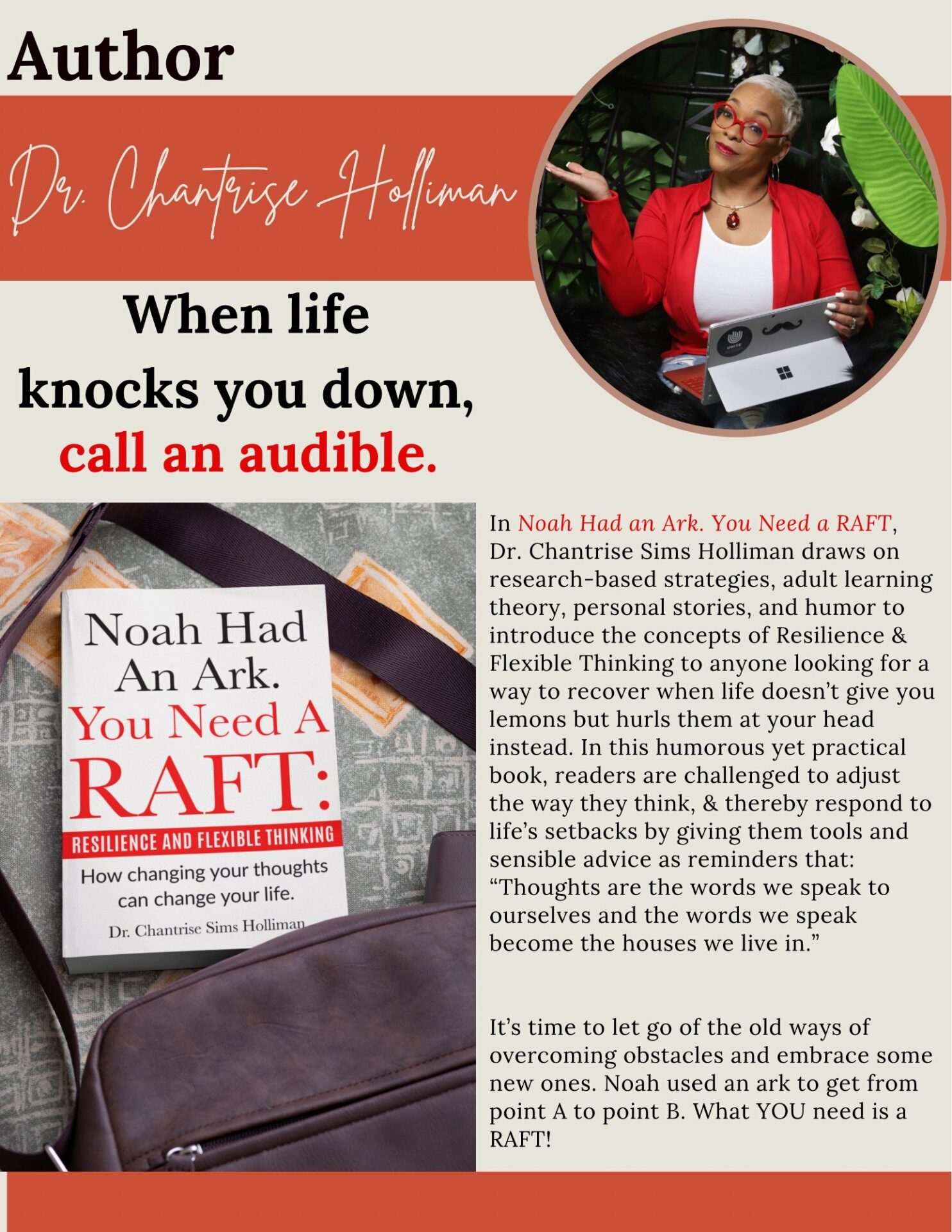
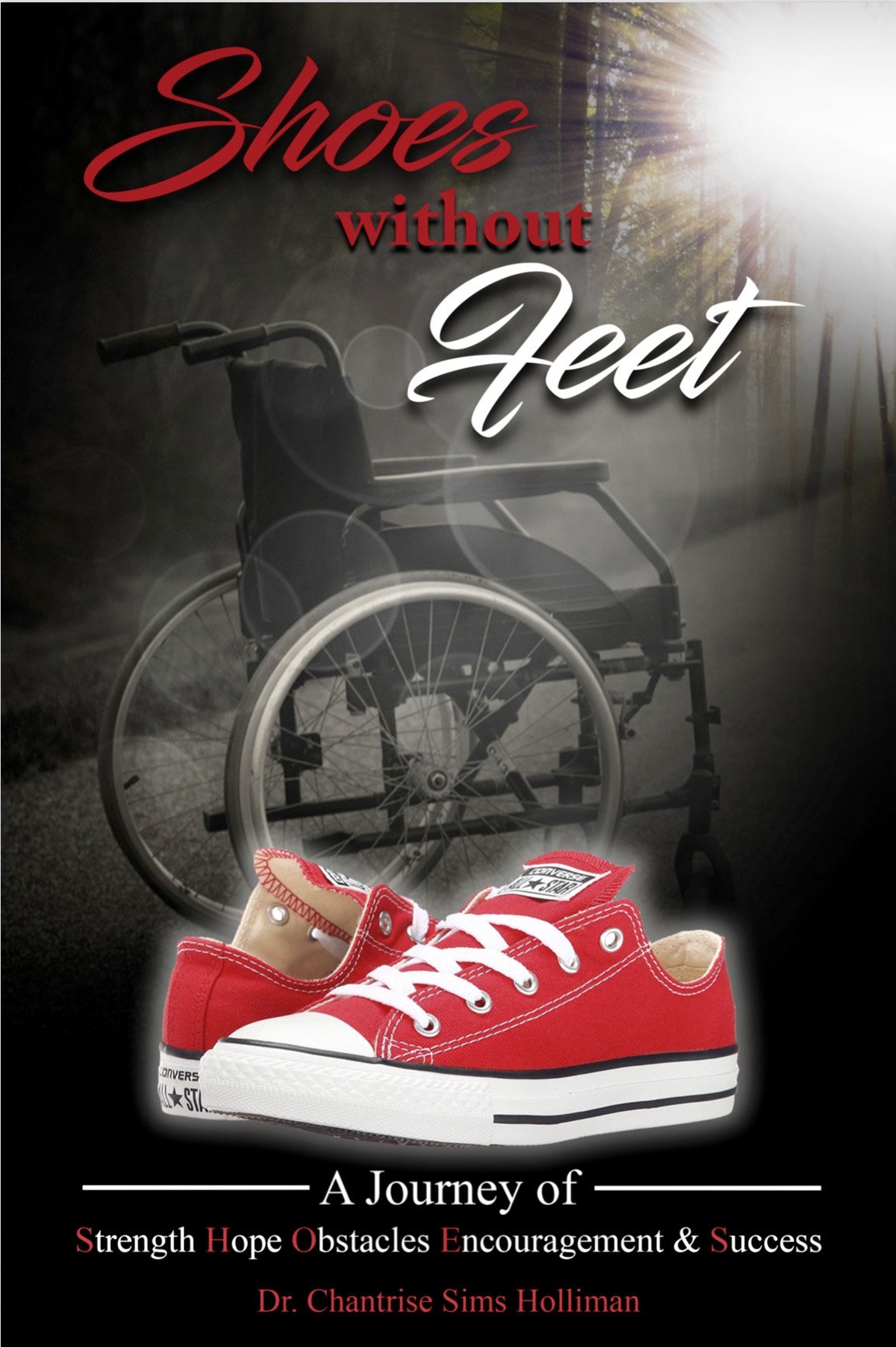
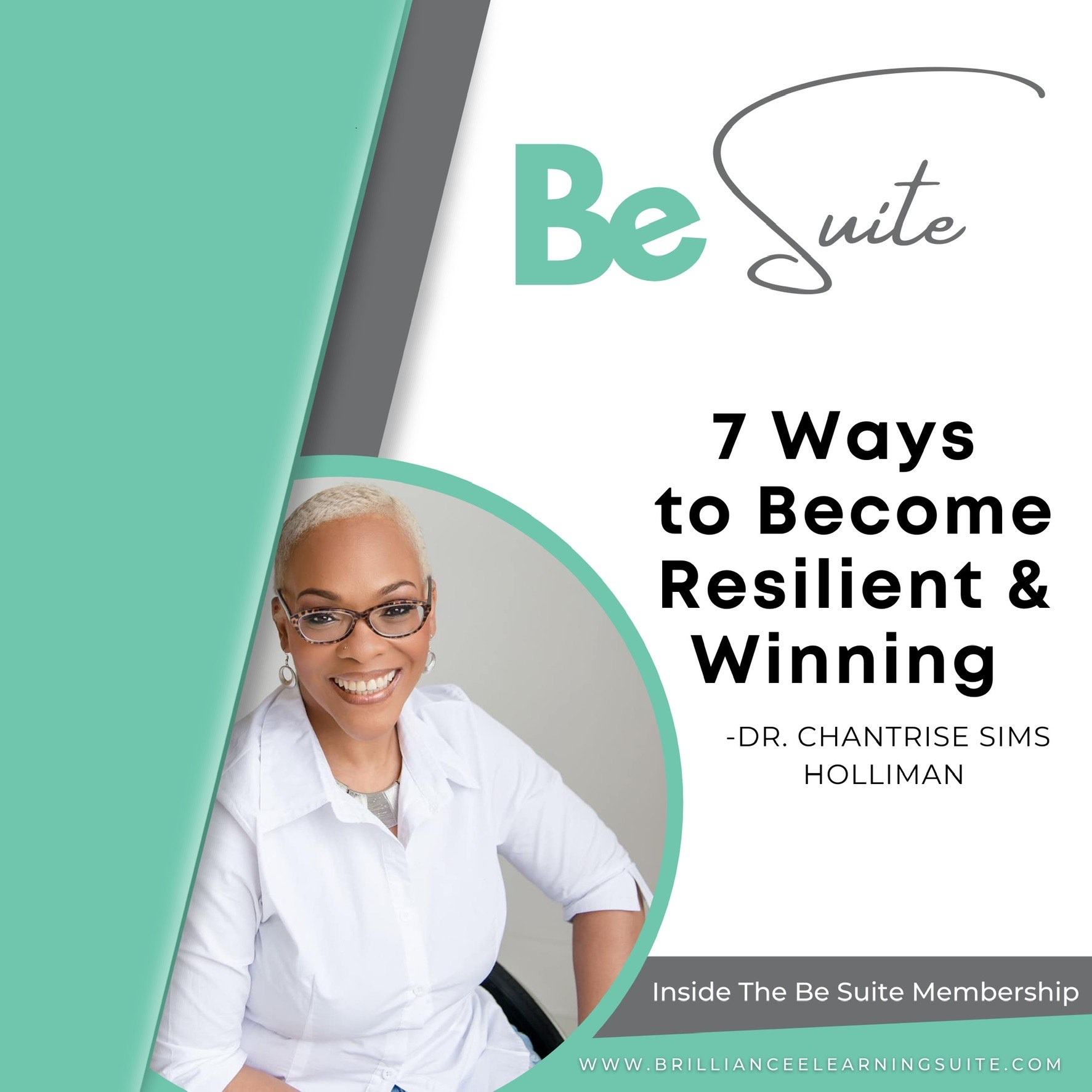
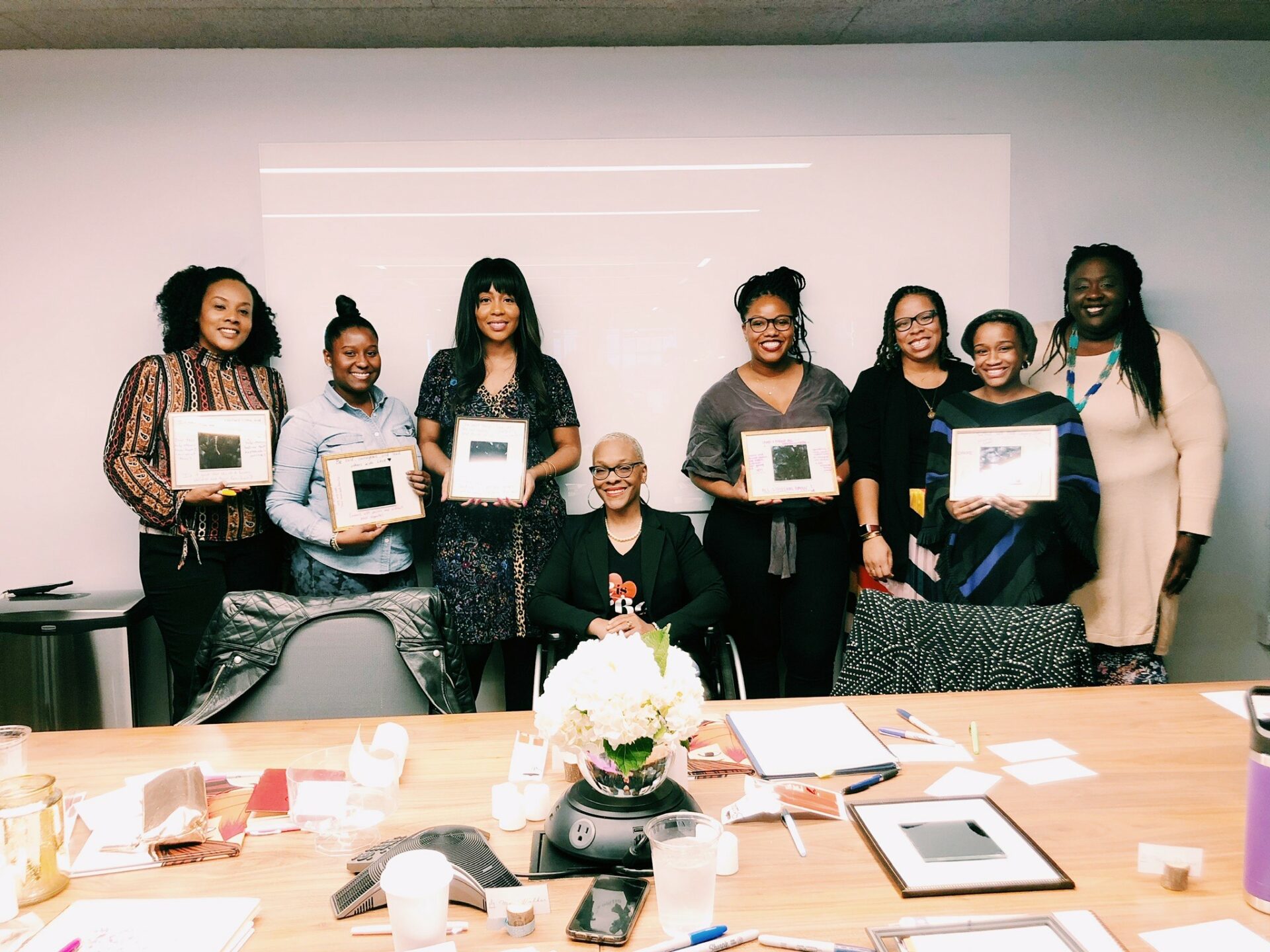
Image Credits
Kimazing Photography Hair by Latoshia