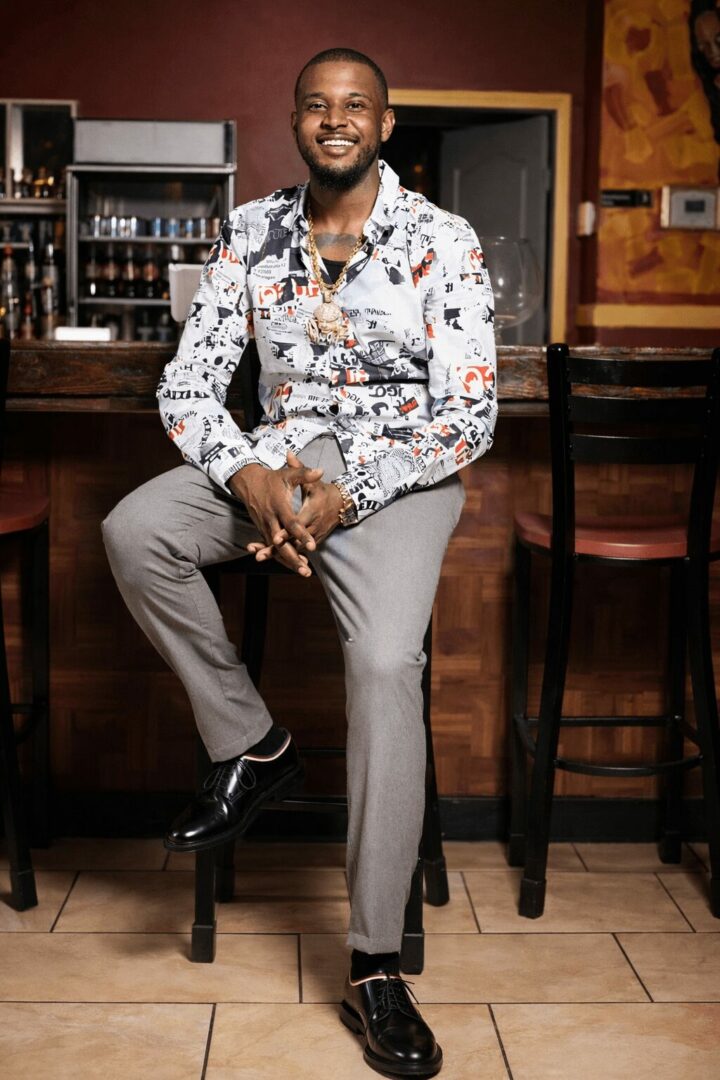
We’re excited to introduce you to the always interesting and insightful Chef Derek Robinson Jr.. We hope you’ll enjoy our conversation with Chef Derek below.
Chef Derek , looking forward to learning from your journey. You’ve got an amazing story and before we dive into that, let’s start with an important building block. Where do you get your work ethic from?
My work ethic comes directly from my mother. Growing up, I always saw her as a boss before I even understood what entrepreneurship was. She did everything out of our home—she went to college, did hair full-time for herself, baked cakes for what felt like half the city, and even sewed clothes. Watching her juggle all of that showed me early on that work wasn’t just about having a job, it was about creating opportunities.
She didn’t just tell me how to work hard—she showed me. I remember selling praline candy at school in elementary just because that’s how she thought: “Be your own boss, and stay consistent”. Being around that kind of hustle made it impossible for me not to develop the same mindset. I didn’t really have a choice but to become a hustler, and I’m grateful for that foundation because it shaped how I move today as a chef and serial entrepreneur.
Thanks for sharing that. So, before we get any further into our conversation, can you tell our readers a bit about yourself and what you’re working on?
I’ve been cooking professionally for over twelve years, and food has always been more than just a skill for me—it’s been a language, a culture, and a way to connect with people. Over the years, I’ve worked in environments that taught me discipline, consistency, and respect for the craft. But recently, I made a very intentional shift. I didn’t step away from cooking—I stepped back to build something bigger around it.
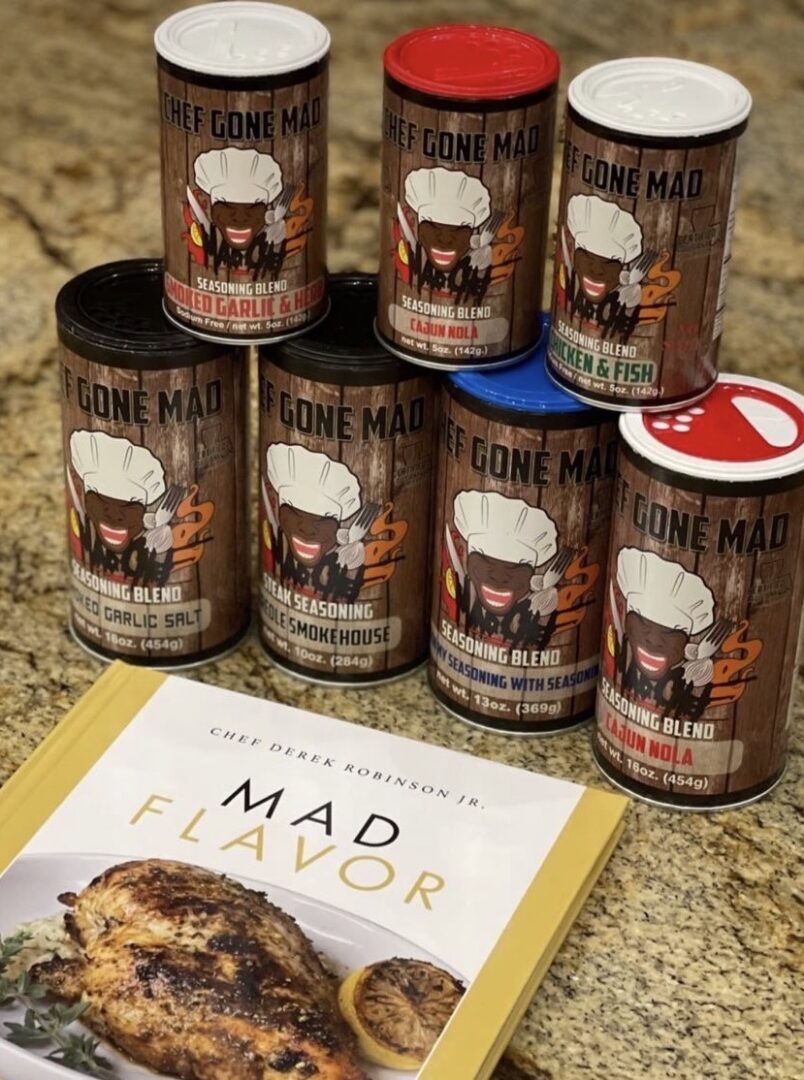
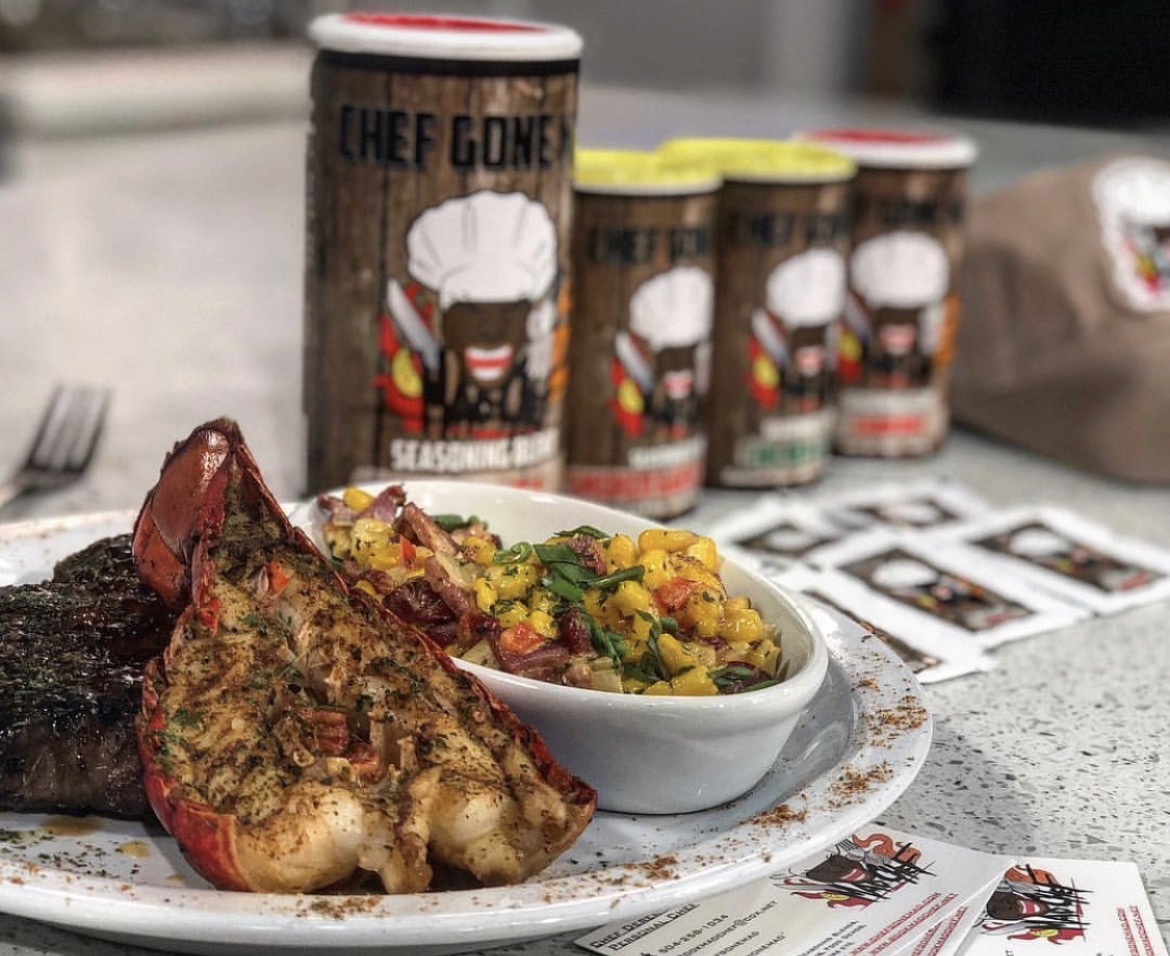
That focus became Chef Gone Mad, my seasoning brand built around bold, MSG-free blends rooted in Louisiana flavor and culture. What excites me most is that it allows people to bring my style of cooking into their own kitchens. The seasonings aren’t just products—they’re an extension of my culinary voice. Today, Chef Gone Mad can be found in over 100 grocery stores and directly at chefgonemad.com, which has been a huge milestone for me as a chef-turned-brand builder.
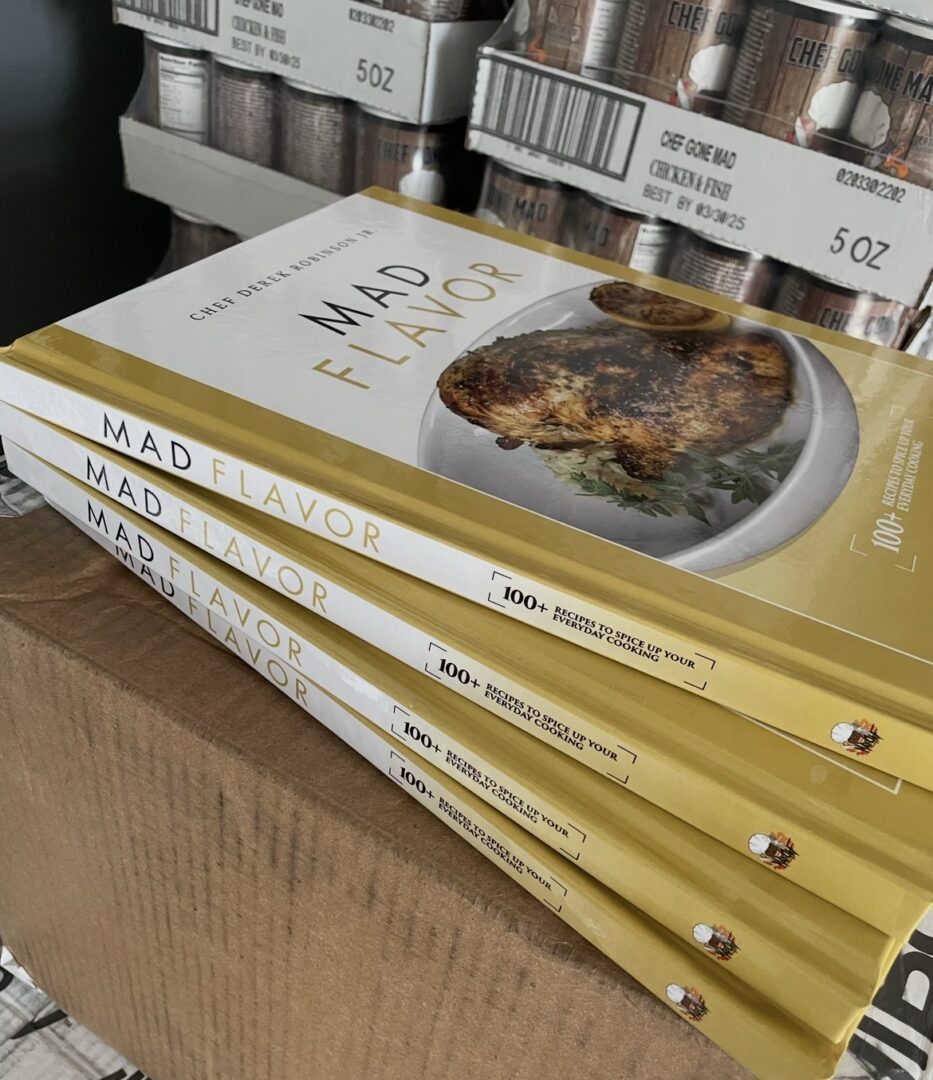
To complement that growth, I released my cookbook Mad Flavor, which officially made me an author and gave me another way to tell my story while teaching people how to cook with confidence and creativity. Right now, my energy is centered on expanding that ecosystem—driving new traffic to the seasonings, growing the brand’s reach, and using content and storytelling to connect food, culture, and community in a meaningful way. I’m building something that lives beyond the plate.
At the same time, I’ve become heavily invested in New Orleans real estate, which has grown into a passion of its own. Real estate allows me to build tangible, long-term value in the city that raised me. In many ways, it mirrors cooking—both require vision, patience, and an understanding of how to transform something into its best version. Culinary will always be my foundation, but real estate has become my new love outside of food, and together they represent the larger picture of what I’m building.
There is so much advice out there about all the different skills and qualities folks need to develop in order to succeed in today’s highly competitive environment and often it can feel overwhelming. So, if we had to break it down to just the three that matter most, which three skills or qualities would you focus on?
The first and most important quality in my journey has been consistency. Talent can open doors, but consistency is what builds longevity. Showing up daily—whether anyone is watching or not—is how I was able to grow from being a working chef to building something like Chef Gone Mad. My advice to anyone early on is to stop chasing motivation and start building habits. Consistency turns small efforts into real results over time.
The second has been discipline and patience. I’ve learned that growth doesn’t happen on demand—it happens through repetition and respect for the process. Whether it was mastering techniques in the kitchen or staying patient while growing a brand, the long game always mattered more than quick wins. For anyone starting out, focus on learning deeply and give yourself permission to grow at a realistic pace.
The third is understanding the business behind your passion. Cooking taught me creativity, but business taught me sustainability. Learning branding, pricing, and distribution allowed my work to reach beyond the kitchen and into homes and stores. My advice is to study the business side as seriously as the craft—because that’s how passion becomes something that lasts.
How can folks who want to work with you connect?
Absolutely. Collaboration has been a big part of how I’ve grown, and I’m always open to working with people who align with the vision. Right now, I’m especially interested in partnering with distributors and retail partners who can help bring Chef Gone Mad seasonings to new shelves and new markets. Expanding access while maintaining quality is a major focus for me.
I’m also excited about collaborating with content creators and chefs who truly know their way around the kitchen—people who respect the craft, understand flavor, and enjoy teaching or inspiring others through food. Authenticity matters to me, so I’m always looking for creatives who genuinely love cooking and can help tell the story in a real way.
If someone is interested in collaborating, the best way to connect with me is by email at [email protected]. I’m always open to conversations that lead to meaningful partnerships and long-term growth.
Contact Info:
- Website: https://chefgonemad.com/collections/all
- Instagram: _chefgonemad
so if you or someone you know deserves recognition please let us know here.