We caught up with the brilliant and insightful Cheryl Albright a few weeks ago and have shared our conversation below.
Cheryl, so great to have you with us today. There are so many topics we want to ask you about, but perhaps the one we can start with is burnout. How have you overcome or avoided burnout?
For me, overcoming burnout starts with noticing the early signs—when I’m tired, less patient, or pushing through instead of listening to my body. That’s usually my cue to pause and reset rather than keep going on autopilot.
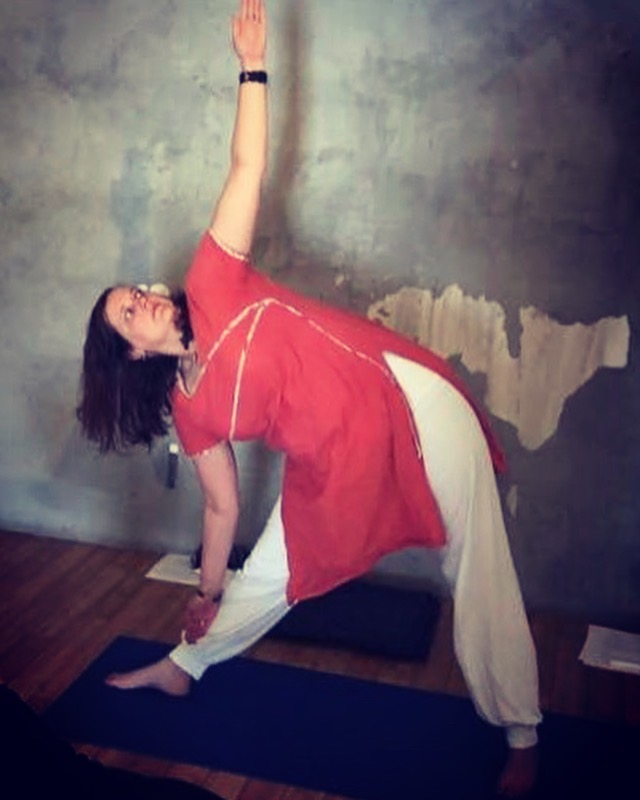
A big part of my reset is yoga. Even a short, steady practice—gentle movement, breathwork, or grounding postures—helps calm my nervous system and gives me space to think clearly. It brings me back into my body and out of that overwhelmed, scattered feeling.
Another thing that has made a huge difference is learning to delegate and ask for help. I run several programs, and trying to do everything myself is a fast track to burnout. Letting others take pieces of the work allows me to focus on what really needs my attention. It also reminds me that this work is a team effort, not something I have to shoulder alone.
And honestly, connecting with my community—families, colleagues, other therapists—keeps me grounded. Having people who understand the work and can offer support or perspective is invaluable.
Burnout doesn’t just go away, but with movement, boundaries, and being willing to share the load, I’m able to come back to the work with more clarity and capacity.
Thanks for sharing that. So, before we get any further into our conversation, can you tell our readers a bit about yourself and what you’re working on?
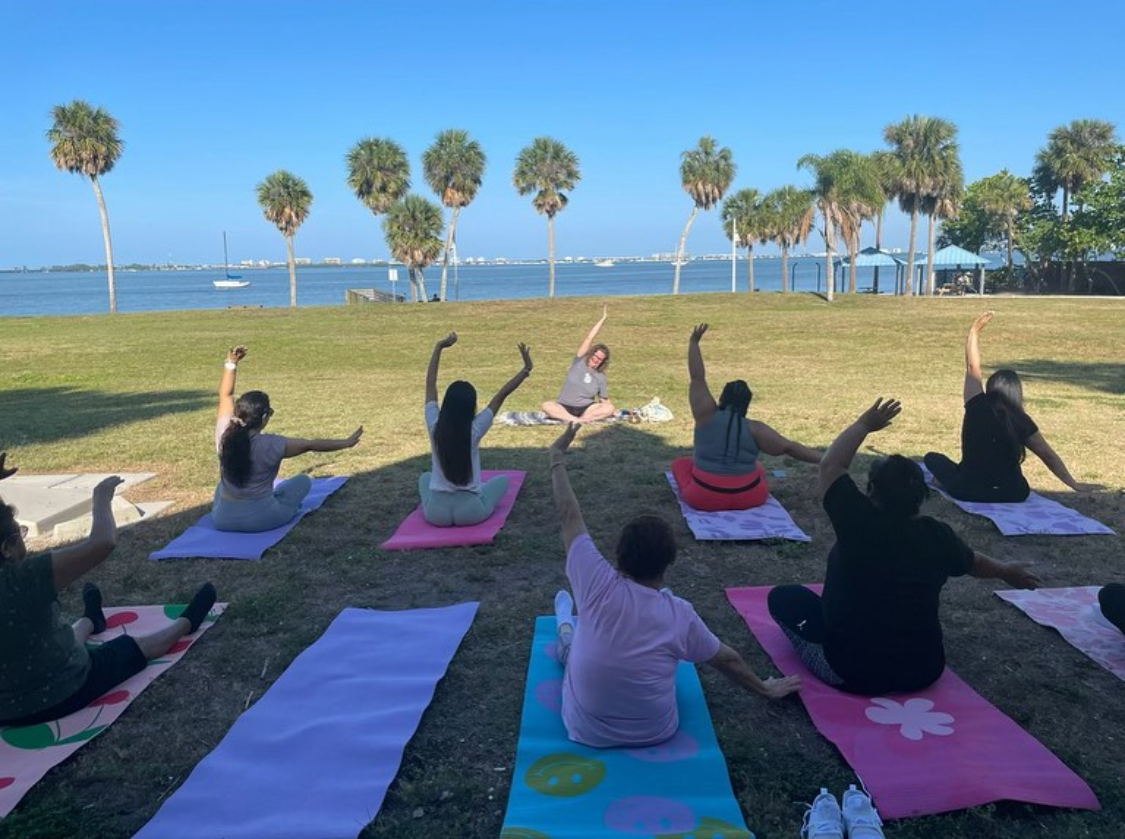
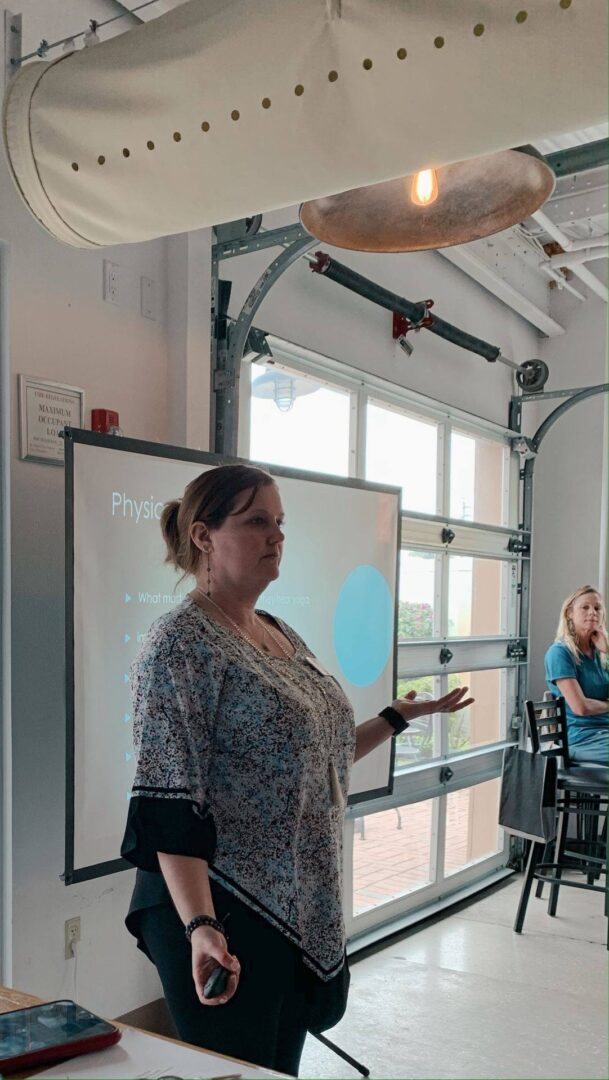
I’m an occupational therapist and yoga therapist, and my work centers on making yoga, wellness, and education accessible for individuals of all abilities and their families. I run several programs that all connect to one mission: helping people regulate their nervous systems, build meaningful routines, and participate more fully in their lives.
What feels most special is the range of communities I get to serve—from families raising neurodivergent children, to adults living with chronic illness like scleroderma, to siblings who often get overlooked. Each program looks different, but the heart of the work is the same: reducing barriers, offering practical tools, and creating spaces where people feel seen and supported.
Right now, I’m bringing all of my DBAs—Soul To Soul Yoga, Special Sib, Yoga for Scleroderma, and All Ages Therapy Services—under one cohesive brand structure. It’s something I’ve been building for years, and it finally feels like everything is aligning. Each “petal” has its own focus, but they all reinforce one another. This allows families, therapists, and students to access services, trainings, and resources more seamlessly.
I’m also expanding continuing education offerings, especially in Yoga for All Abilities, trauma-informed approaches, sensory processing, and adaptive yoga for chronic illness. International trainings and community workshops are growing as well, which has been exciting.
At the end of the day, what I love most is seeing people realize they can do this work—whether it’s a child learning to self-regulate, an adult managing pain more effectively, or a professional gaining skills to better support their clients. That moment of empowerment is what keeps me doing what I do.
Looking back, what do you think were the three qualities, skills, or areas of knowledge that were most impactful in your journey? What advice do you have for folks who are early in their journey in terms of how they can best develop or improve on these?
. Being able to truly listen—to families, to clients, and honestly to myself.
So much of this work requires paying attention to what’s not being said: sensory needs, nervous system cues, the stories people carry. My advice is to slow down and practice listening without assuming you already have the answer. You’ll learn more that way than from any textbook.
2. Understanding the nervous system.
Whether I’m working with siblings, individuals with IDD, or someone living with chronic illness, everything comes back to regulation. Yoga, breathwork, sensory strategies—those tools only work when you understand what the nervous system is trying to do. For folks just starting out, invest your time in learning about regulation, stress responses, and trauma-informed care. It will change the way you support people.
3. Knowing when to ask for help and delegate.
I used to try to run every program myself. It wasn’t sustainable. Learning to let go, bring in support, and trust others has allowed my work to grow in a way I could never have managed alone. If you’re early in your journey, don’t wait until you’re overwhelmed. Start building your network now—colleagues, mentors, people who understand your population and your mission.
The biggest advice I can offer is this: you don’t have to know everything to get started. Stay curious, stay humble, and build your foundation around compassion and regulation. Everything else, you can learn along the way.
Okay, so before we go we always love to ask if you are looking for folks to partner or collaborate with?
Yes, absolutely. Collaboration is a big part of how my work grows, and I’m always open to connecting with people and organizations who align with my mission.
I partner with schools, nonprofits, healthcare practices, disability organizations, and corporate teams who are looking for accessible yoga, trauma-informed wellness education, behavioral health support, or sibling-focused programming. This can look like on-site yoga classes, staff trainings, CEU programs, curriculum development, or long-term consulting.
I’m also expanding into B2B contracts for companies that want to support employee well-being or integrate adaptive yoga and stress-management strategies into their workplace culture.
On the operational side, I’m open to connecting with procurement specialists, agencies that contract out educational or therapeutic services, and organizations seeking providers for conferences, professional development, or inclusive community programs.
And, of course, I always welcome collaborations with other OTs, yoga therapists, mental health professionals, and disability advocates—people who care about accessible wellness and want to bring this work to their communities.
Anyone interested in connecting can reach out through my website or social media, or email me directly. I’m always happy to talk about whether we’re a good fit and what we can create together.
Contact Info:
- Website: https://www.soultosoulyogasrq.com
- Instagram: @soultosoulyogasrq @yogaforscleroderma @specialsib_ot
- Facebook: @soultosoulyogasrq @yogaforscleroderma @specialsib
- Linkedin: https://www.linkedin.com/cheryllynnalbright
Image Credits
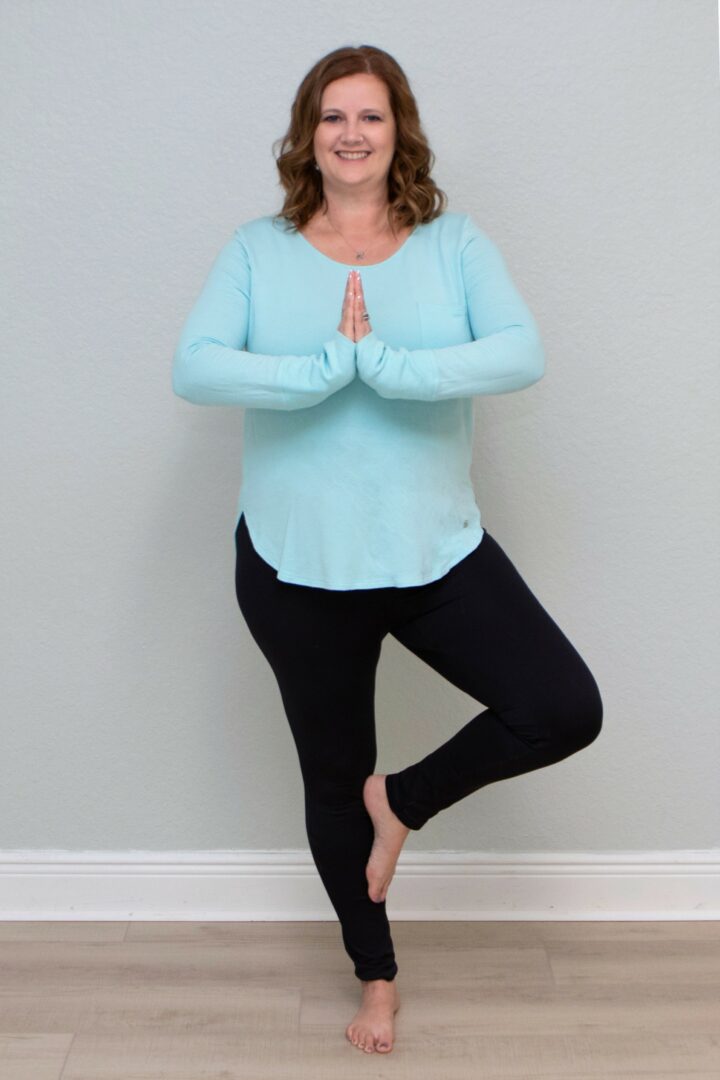
Professional headshots by Sherri’s Island Images
so if you or someone you know deserves recognition please let us know here.