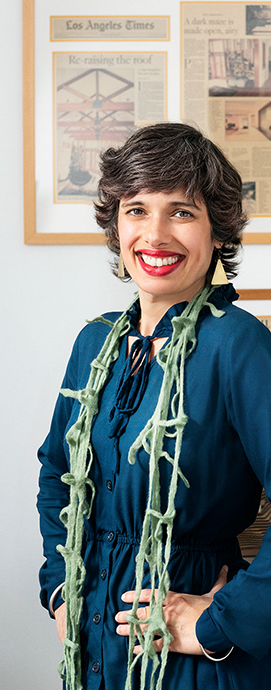
We were lucky to catch up with Chinmaya Misra recently and have shared our conversation below.
Chinmaya, we’re so excited for our community to get to know you and learn from your journey and the wisdom you’ve acquired over time. Let’s kick things off with a discussion on self-confidence and self-esteem. How did you develop yours?
I did not begin my architectural training with confidence; I developed it over time.
Initially shy and more inclined to observe than to speak, I found in architecture a discipline where self-esteem could be cultivated through rigor rather than performance. In those early years, competence preceded confidence. Long studio hours, relentless iteration, and the discipline of drawing and making fostered a quiet conviction in my thinking well before I felt comfortable articulating it aloud.
Critiques proved transformative. What once felt intimidating, even personal, gradually revealed itself as dialogue rather than judgment. Learning to separate myself from the work was foundational. It allowed me to engage critically without fear and to trust that ideas gain strength through exchange.
Professional practice accelerated this evolution. Responsibility for clients, deadlines, and ultimately built work, demanded trust in my judgment. Seeing ideas move from concept to completion instilled a grounded confidence, rooted in execution rather than assertion. My confidence never came from being the loudest voice in the room. It emerged from clarity-of thought, intention, and process.
As my ideas sharpened, my voice followed. Equally important was learning to claim my own narrative; no one will ever tell your story with greater precision or conviction than you yourself.
Architecture taught me that self-esteem need not be performative. It can be built slowly and deliberately, through consistency, craft, and the enduring act of making ideas real.


Let’s take a small detour – maybe you can share a bit about yourself before we dive back into some of the other questions we had for you?
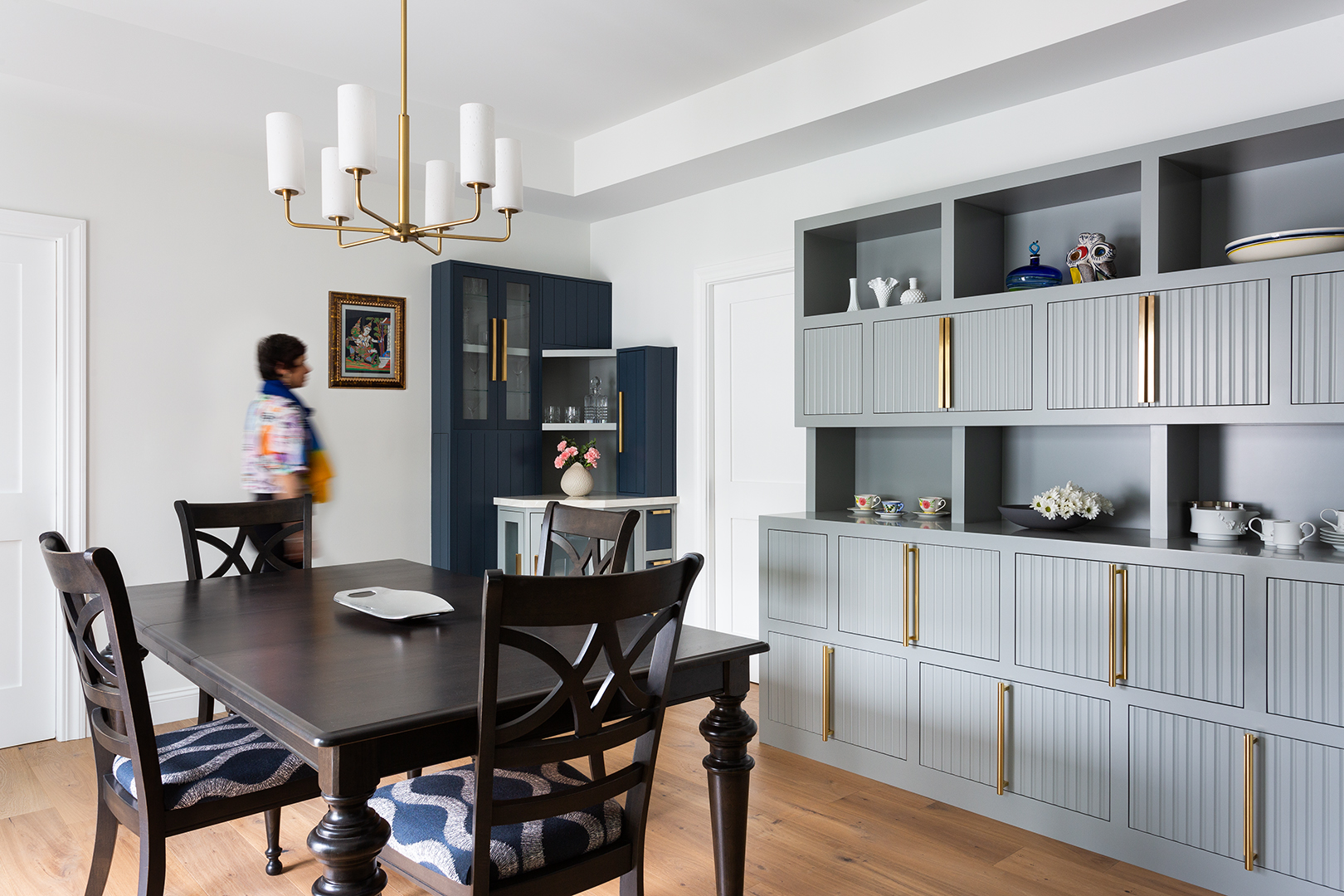
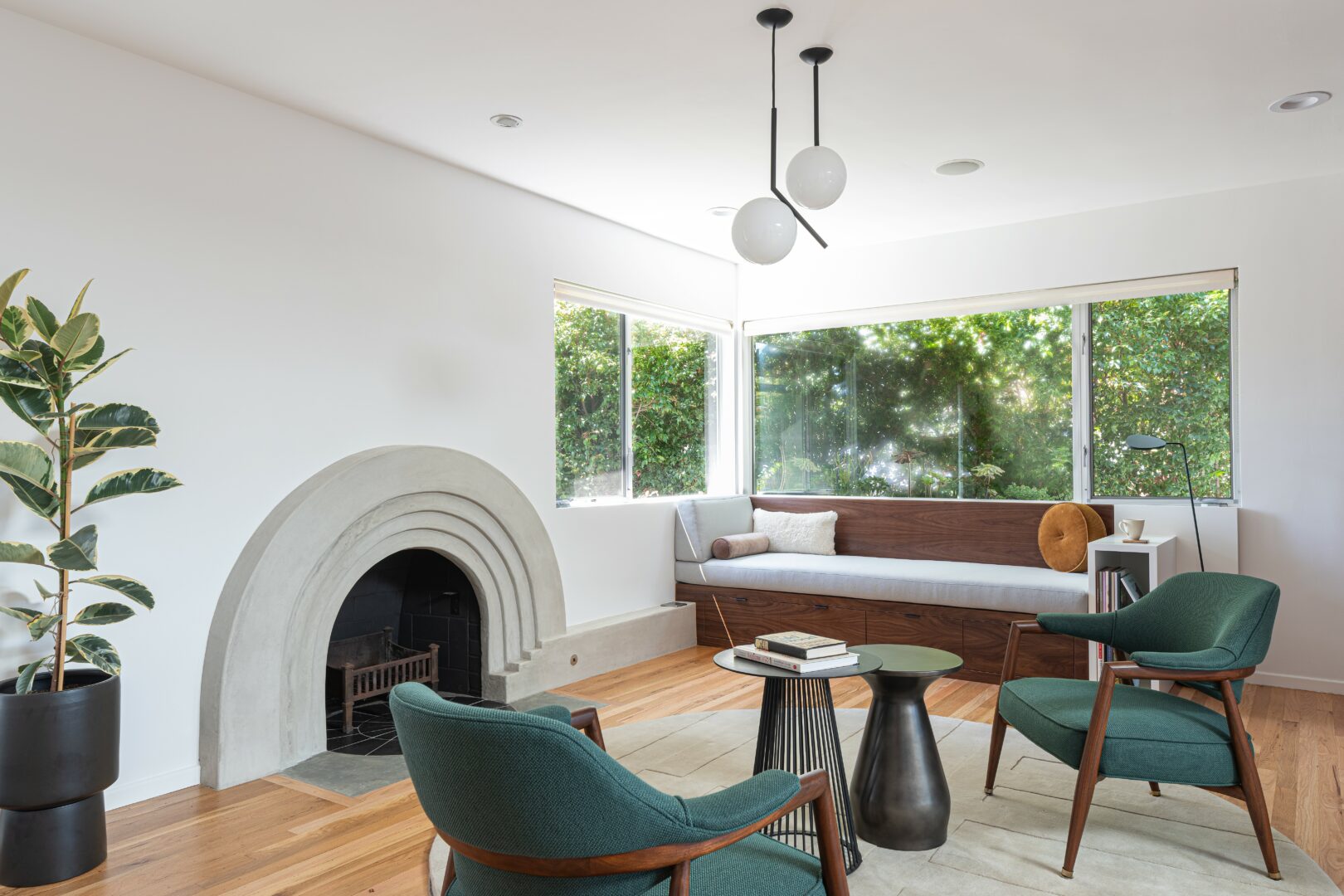
I’m the Founder of CHINCHIN Design, my Interior Design Firm and Co-Principal of CHA:COL (my architecture studio), where for nearly two decades I’ve shaped projects that range from intimate interiors to large-scale international developments.
Trained at SCI-Arc (Southern California Institute of Architecture) and seasoned through leadership roles at global corporate firms, my work blends architecture, interiors, custom furniture, and art into spaces that feel both timeless and alive. Alongside practice, I’ve taught design for over 15 years at Cal Poly Pomona and UCLA Extension, mentoring the next generation with a focus on creativity, leadership, and collaboration. Recognized by publications from The New York Times to Architectural Record, and named one of Luxe Magazine’s “Influential Women of Design” in 2025, my projects have earned awards including the AIA LA Residential Design Award and the Shaw Contract Global Design Award. At the heart of it all, I believe design has the power to transform not just spaces, but communities.
At the heart of my practice is a simple conviction: good design transforms spaces, but great design transforms lives.
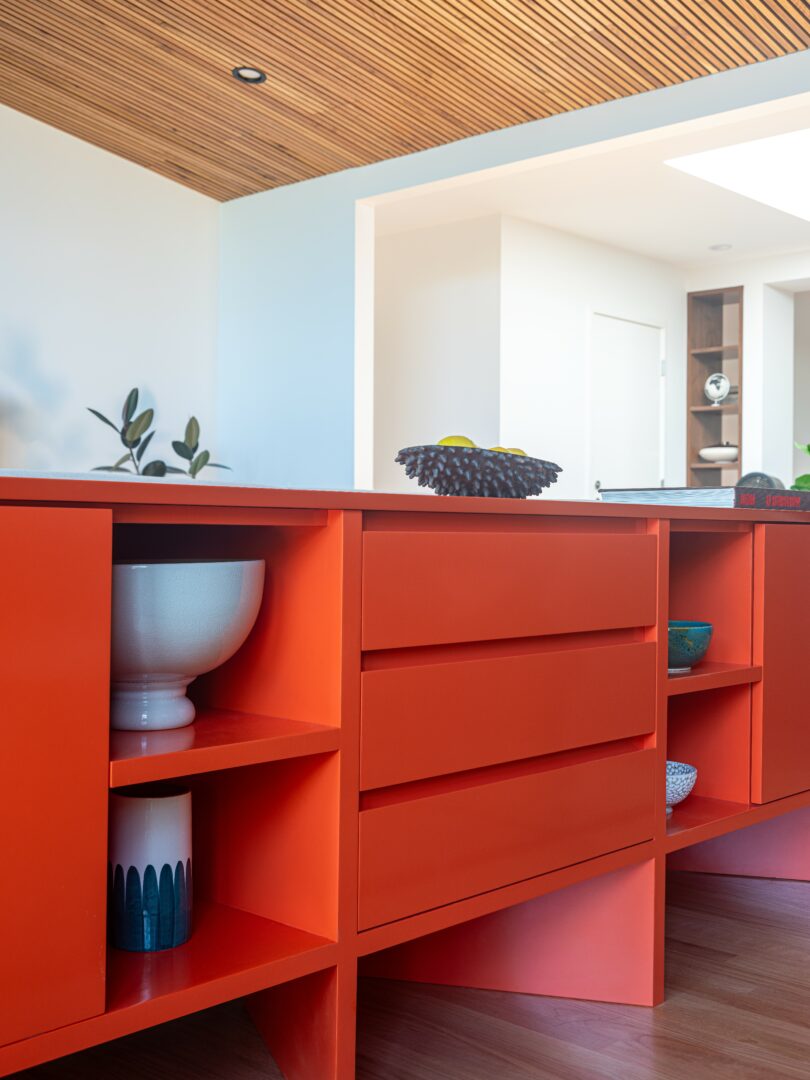
Design shapes experience-it evokes emotion, fosters connection, and gives meaning to the everyday. Whether working at an intimate interior scope or a larger architectural scale, every project is driven by the pursuit of that deeper resonance, where thoughtful design moves beyond function to create lasting human impact. We have been consistently helping clients (in all walks of their life) to help them bring about that meaningful transformation through design,

If you had to pick three qualities that are most important to develop, which three would you say matter most?
Listen before speaking.
Absorb before responding.
And rather than offering five diluted ideas, commit fully to one clear, powerful design direction.
In my practice, restraint is as important as invention. Rather than overwhelming a project with options, I believe in identifying the single idea that carries the most clarity and conviction, then developing it with rigor and depth.
A focused design direction allows intention to replace noise, enabling spaces to feel purposeful, coherent, and enduring. This commitment to clarity, rooted in careful listening, ransforms design from a collection of choices into a meaningful, unified vision.
Alright, so before we go we want to ask you to take a moment to reflect and share what you think you would do if you somehow knew you only had a decade of life left?
For me, that question has sharpened into a philosophy of presence – of prioritizing now over both the weight of the past and the uncertainty of the future.
Earlier this year, we lost our home in the Los Angeles fires. It was a stark reminder that no amount of foresight, planning, or preparation can fully protect us from the forces that redirect our lives.
What we do have control over is how we inhabit the present moment: how attentively we live, how generously we engage, and how intentionally we choose meaning over postponement. When the illusion of certainty falls away, urgency gives way to clarity.
The present is no longer a pause between what was and what will be, it becomes the only place where life, creativity, and purpose truly exist.
Contact Info:
- Website: https://chinchin.design/
- Instagram: @chin.chin_design

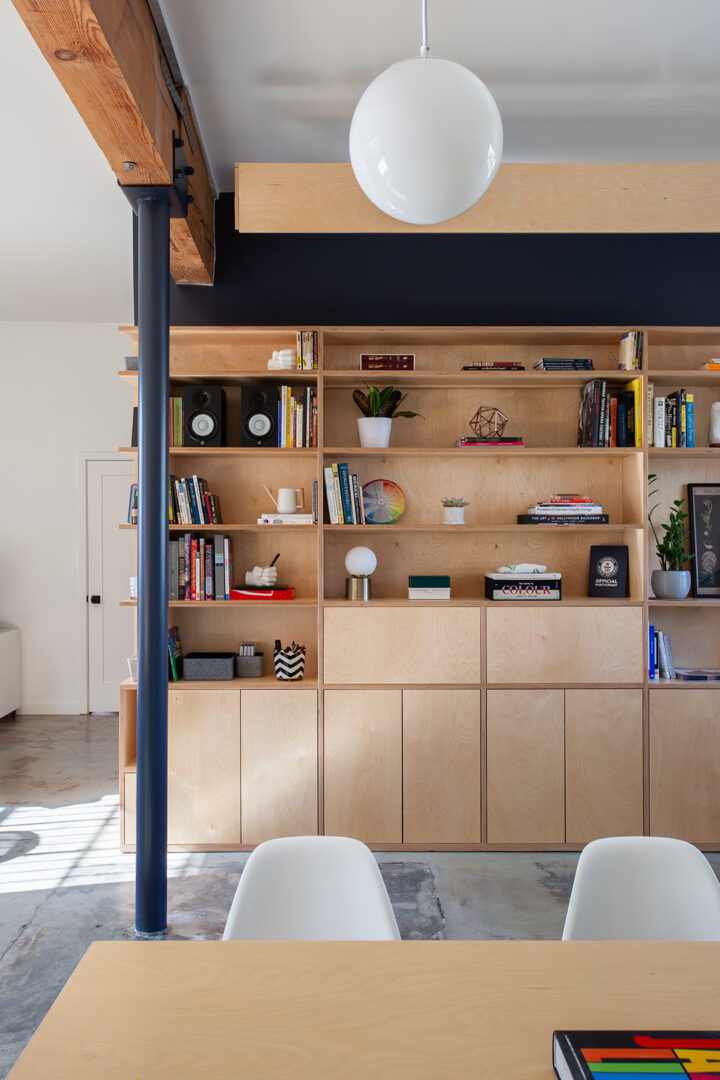
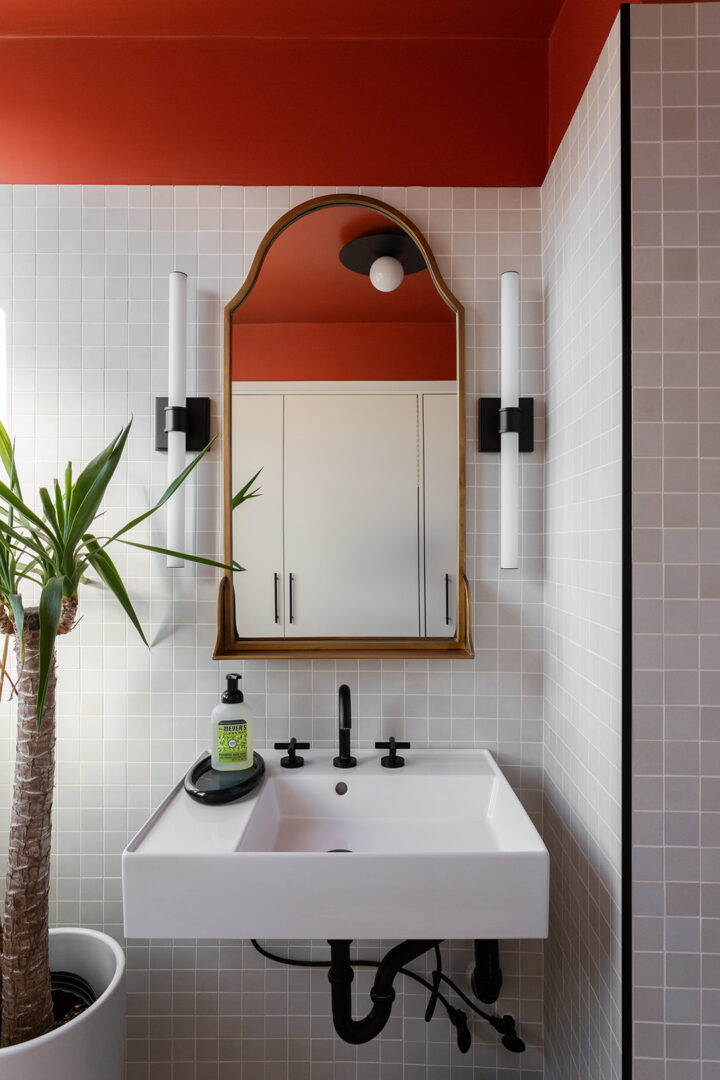
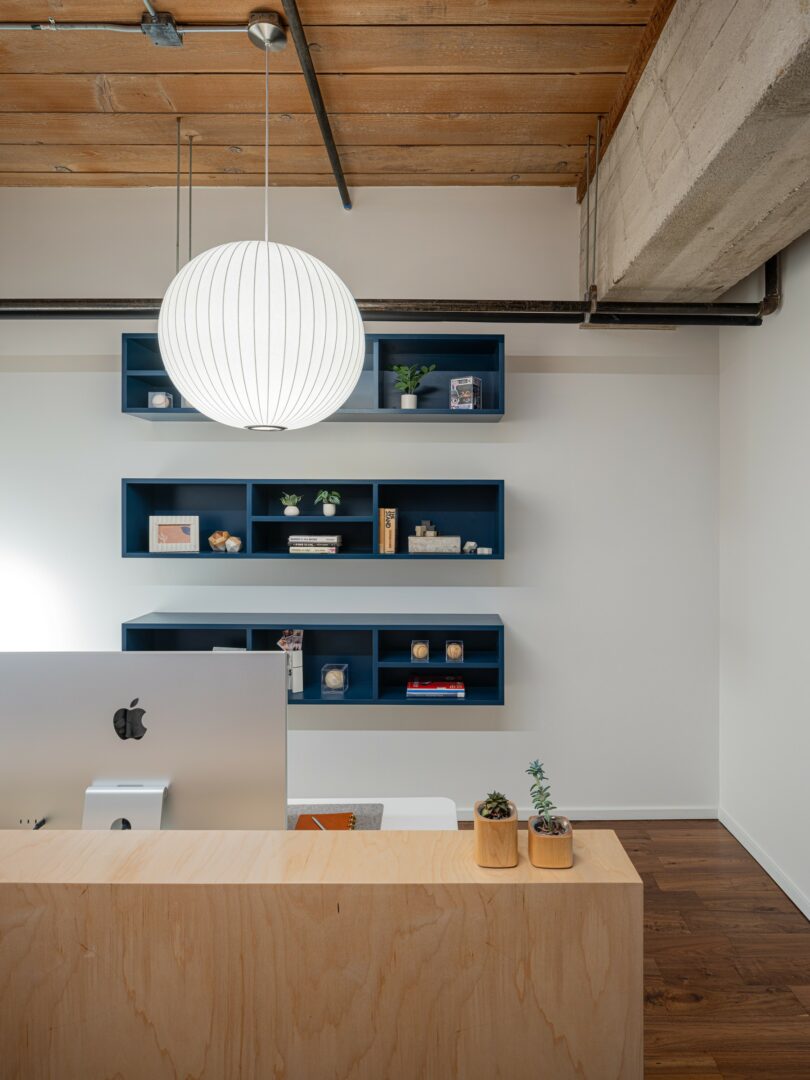
Image Credits
Christa Mae Imagery (Headshot)
Amy Bartlam
Nico Marques
so if you or someone you know deserves recognition please let us know here.