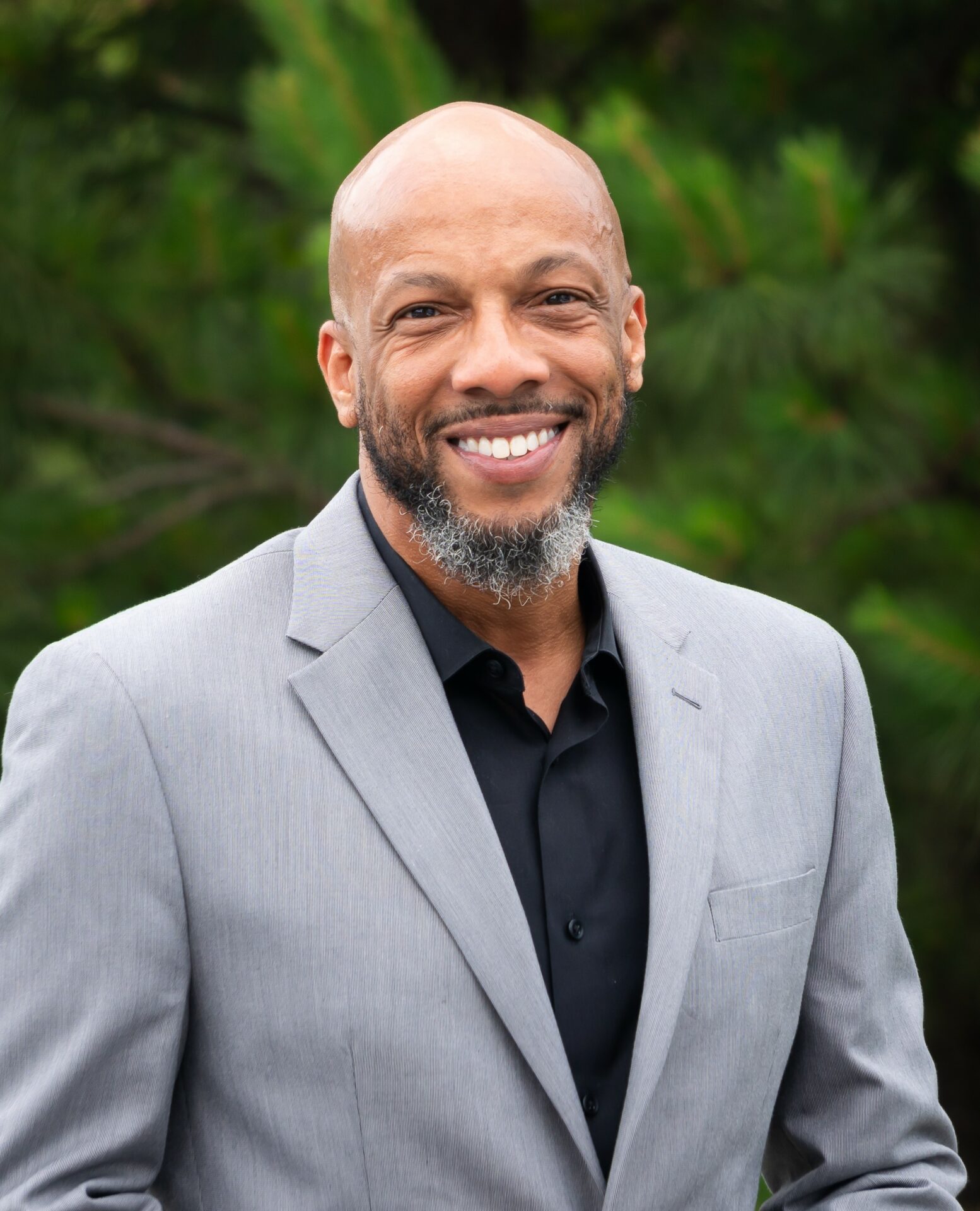
We recently connected with Christian Frazier and have shared our conversation below.
Christian, thanks so much for taking the time to share your insights and lessons with us today. We’re particularly interested in hearing about how you became such a resilient person. Where do you get your resilience from?
It lies in the transformative power of hope. Hope is an innate part of our being, but the challenges we face along our journey—trauma, tragedies, setbacks, and disappointment—often overshadow its radiant glow. Our lives become entangled in busyness, leaving little room to nurture ourselves with grace, self-care, self-compassion, and gratitude.
Resilience, however, blooms when we make a conscious effort to rediscover hope each day. It is not a passive state but an active pursuit that requires intention and dedication. One way I replenish my well of hope is through the practice of meditation, allowing my mind to settle, finding peace within, and connecting with the abundant possibilities that exist. Meditation and breathing play a key role in healing our trauma and can be as effective as medication in dealing with our mental health.
Additionally, acts of kindness serve as a powerful conduit for resilience. When we extend our compassion to others, we not only uplift their spirits but also replenish our own. It is in these small acts of generosity that we witness the transformative impact we can have on the world around us.
Furthermore, I have found immense strength and resilience by sharing my knowledge, wisdom, and understanding of mental health to help others heal from their own traumas. By offering support and guidance, we create a ripple effect of healing, fostering a community where resilience thrives.
Incorporating these practices into our daily lives can awaken our dormant resilience, allowing us to transcend the darkest moments and emerge stronger, wiser, and more compassionate. Let us remember that resilience is not merely a tool for survival, but a pathway to growth and transformation.
I encourage you to pause amidst the whirlwind of life and embrace the power of hope. Nurture yourself with grace, self-compassion, and gratitude. Explore the depths of your inner world through meditation. Seek opportunities to extend kindness and compassion to others. And, should you feel called, share your knowledge and experiences to help those in need.
By embracing resilience as a way of life, you become a beacon of hope, not just for yourself but for everyone you touch. Together, let us create a world where hope reigns supreme, and resilience becomes the guiding light that illuminates our paths to healing and growth.
Thanks for sharing that. So, before we get any further into our conversation, can you tell our readers a bit about yourself and what you’re working on?
A Book titled “What’s Blocking My Purpose: My Journey from Trauma to Mental Health Advocacy”
Little did I know that having a high IQ would also make me more susceptible to anxiety. It took me years to realize that I had been carrying the weight of trauma throughout my life, the first of many traumatic experiences occurred as a terrifying robbery at knifepoint when I was just seven years old in Newark, NJ, to the intense experiences at the Navy Nuclear Power School in Orlando, Florida, known as one of the toughest institutions in the world, second only to MIT. Military veterans experience more trauma than the average citizen. I served during the Persian Gulf War while my family was experiencing trauma and tragedy at home. My experience while working in Hollywood was extremely rewarding but also traumatic with the blatant racism and constant rejection 10 to 30 times per day.
Navigating relationships, I found myself seeking love but instead gaining a PHD from the school of Hard Knocks in narcissism, passive-aggressive behavior, abandonment issues, complex PTSD, and the far-reaching effects of trauma. Driven by an insatiable thirst for knowledge and a desire to heal, I embarked on a profound exploration of psychology, neuroscience, counseling, mindfulness meditation, complex PTSD, and various methods of trauma recovery. It was during this journey that I realized I was not alone—I discovered that many of my friends, family members, and members of my community were also living with their own hidden traumas.
I have always felt a deep calling to make a difference in the mental healthcare industry to help heal minds. I dedicated myself to becoming a certified peer specialist and pursued the Mental Health First Aid Certification. My dedication and expertise eventually led me to become a national instructor for Youth & Military Mental Health First Aid and a proud member of the National Council of WellBeing. I recently questioned my own authority to speak on a national stage to a friend who has a PHD in Psychology. He gave me the nickname “Teach” a couple of years ago and he said, “Natural is best. The credentials just add more credibility. You can add those as you continue forward”. Since I started my online advocacy I have had hundreds of people that have started going to therapy and taking their mental health seriously.
One social media follower stated “I was helped more in this one post than an entire year of therapy”
Returning full circle, I found myself teaching and empowering counselors, therapists, doctors, and fellow members of the Mental Health Community through Mental Health First Aid , Mindfulness Meditation, and workshops I created to help transcend trauma. I recently had the honor of delivering one such workshop at a national conference in Atlanta, and the reception was overwhelmingly positive. As a result, I received invitations from two other non-profit organizations in Atlanta to conduct the workshop for them. It has been truly fulfilling to witness the impact of my teachings and the profound transformations that take place.
But my mission doesn’t stop there. In addition to Mental Health First Aid and transcending trauma workshops, I am now collaborating with businesses to ensure they prioritize the psychological safety and well-being of their employees. It is disheartening to learn that mental health issues cost corporations over $300 billion per year, according to Forbes. In the business environment, I encourage every team member to connect with empathy by acknowledging the pain of team members and lead with compassion, saying “I am here to help guide you to the resources you need”. It’s about letting others know that “I am genuinely concerned about your well being. I care for you” Showing people that we care without judgment, and with authenticity helps to corporate wellness and a caring corporate culture.
Theodore Roosevelt once said, “People don’t care how much you know until they know how much you care”
So, what’s next for me, Christian Frazier? I am excited to continue facilitating workshops, conducting training programs, and sharing my experiences through speaking engagements. Furthermore, I am thrilled to announce my recent involvement with the Changing Minds Now initiative (www.changingmindsnow.org), an organization dedicated to dismantling stigmas and promoting open dialogue surrounding mental health and sharing the knowledge of the science of trauma.
My story serves as a testament to the power of personal resilience and the profound impact it can have on others. I invite you, the reader, to reflect on your own mental well-being, to acknowledge any hidden traumas you may be carrying, and to seek healing and support. Together, through empathy, compassion, and a collective commitment to mental health, we can create a world where every individual has the opportunity to flourish and find solace in their own resilience.
There is so much advice out there about all the different skills and qualities folks need to develop in order to succeed in today’s highly competitive environment and often it can feel overwhelming. So, if we had to break it down to just the three that matter most, which three skills or qualities would you focus on?
Reflecting on my journey, I attribute my transformation to three fundamental qualities: faith, hope, and love. These pillars provided me with the resilience to overcome adversity and navigate the complexities of healing from trauma. In addition, I recognized the importance of developing emotional intelligence, fostering self-awareness, and nurturing mental fortitude. Equally crucial was breaking free from the cycle of seeking validation externally and instead discovering the answers within ourselves.
Firstly, faith served as my guiding light, instilling in me the belief that there is a greater purpose and meaning to our experiences. It provided the foundation of strength during the darkest moments, reminding me to trust in the process of healing and personal growth. To those embarking on their own journey, I encourage cultivating faith in themselves and the universe, knowing that there is a higher power at work.
Next, hope became my constant companion, a beacon of light that propelled me forward even in the face of despair. I urge those in the early stages of their journey to nurture hope within their hearts, holding onto the belief that change is possible, and that brighter days lie ahead. By embracing hope, we find the motivation to persist and the courage to explore new possibilities.
Love, both for oneself and for others, played an integral role in my transformation. By cultivating self-love, I was able to prioritize my well-being and set healthy boundaries in relationships. Simultaneously, extending love and compassion to others in need fostered empathy and connectedness, reminding me that we are all interconnected on this shared human journey. To those at the beginning of their own path, I encourage embracing self-love as a guiding principle, recognizing the transformative power it holds.
Furthermore, I realized the significance of honing emotional intelligence, self-awareness, and mental fortitude. These skills allowed me to navigate the complexities of my emotions, understand my triggers, and develop resilience in the face of challenges. I encourage individuals embarking on their journey to invest time and effort in cultivating emotional intelligence, deepening self-awareness, and nurturing their mental strength. This can be achieved through practices such as therapy, mindfulness, journaling, and seeking support from trusted mentors, life coaches, and mental health professionals.
Finally, I recognized the profound impact of shifting my focus toward happiness, healing, and personal growth instead of my trauma. I decided to focus on post traumatic growth instead of post traumatic stress. By consciously directing our attention towards positivity and personal development, we invite transformative change into our lives. I encourage those beginning their journey to prioritize self-reflection, seek growth opportunities, and envision the elevated versions of themselves they aspire to become.
In summary, to those embarking on their own transformative journey, I offer these words of advice: Cultivate faith, hold onto hope, embrace love, develop emotional intelligence, foster self-awareness, nurture mental fortitude, and shift your focus towards happiness, healing, and growth. Remember that your journey is unique, and by exploring these qualities, skills, and areas of knowledge, you have the power to unlock your full potential and become the best version of yourself.
How can folks who want to work with you connect?
I am looking to partner with and collaborate to bring Mental Health First Aid Training to local communities so we can continue to spread awareness and support the rising mental health challenges among youth.
I am working with NAMI Hillsborough to organize a Youth Mental Health Summitt in Tampa, Fl, and seeking sponsors and donors for our first annual “Youth Minds Matter” mental health conference to help expand awareness and raise funds for support groups, mentoring programs, suicide prevention initiatives and provide training to communities in need. July is BIPOC mental health awareness month. I invite you to follow me on social media for mental health resources to support the community and be aware of the unique challenges the community faces.
With one in every five children suffering from mental illness, and even higher statistics in minority communities, it’s clear that mental health education is vital. I believes that by coming together as a community to normalize discussions about mental health to #stopthestigma we can make a difference and provide the necessary resources for those struggling with mental health challenges.
It’s everyone’s responsibility to get involved in supporting Mental Health. Please each out to me via email at [email protected] to discuss how your organization can sponsor training and mental health awareness.
Contact Info:
- Website: www.christianfrazier.com
- Instagram: www.instagram.com/christianfrazierelevate
- Facebook: www.facebook.com/christianrfrazier
- Linkedin: https://www.linkedin.com/in/christianfrazier/
- Youtube: www.youtube.com/christianfraziershow